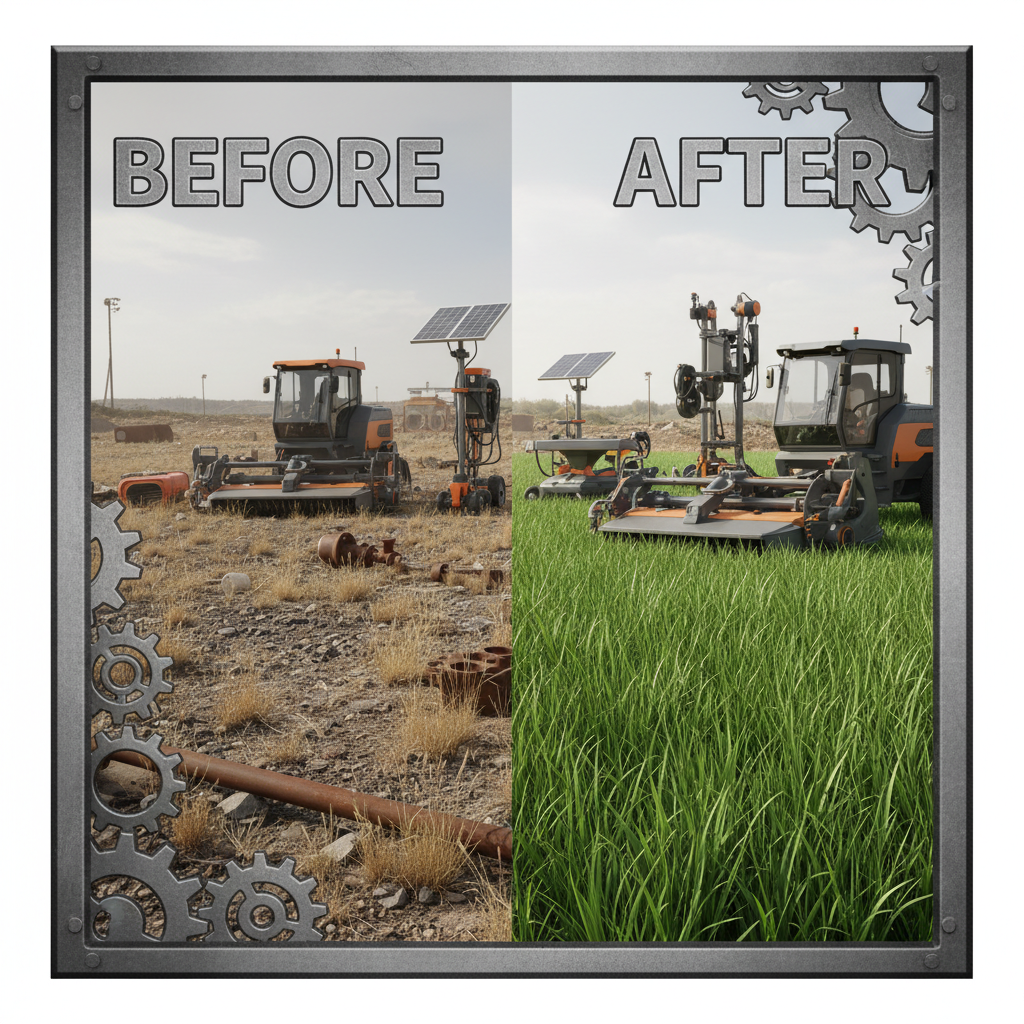
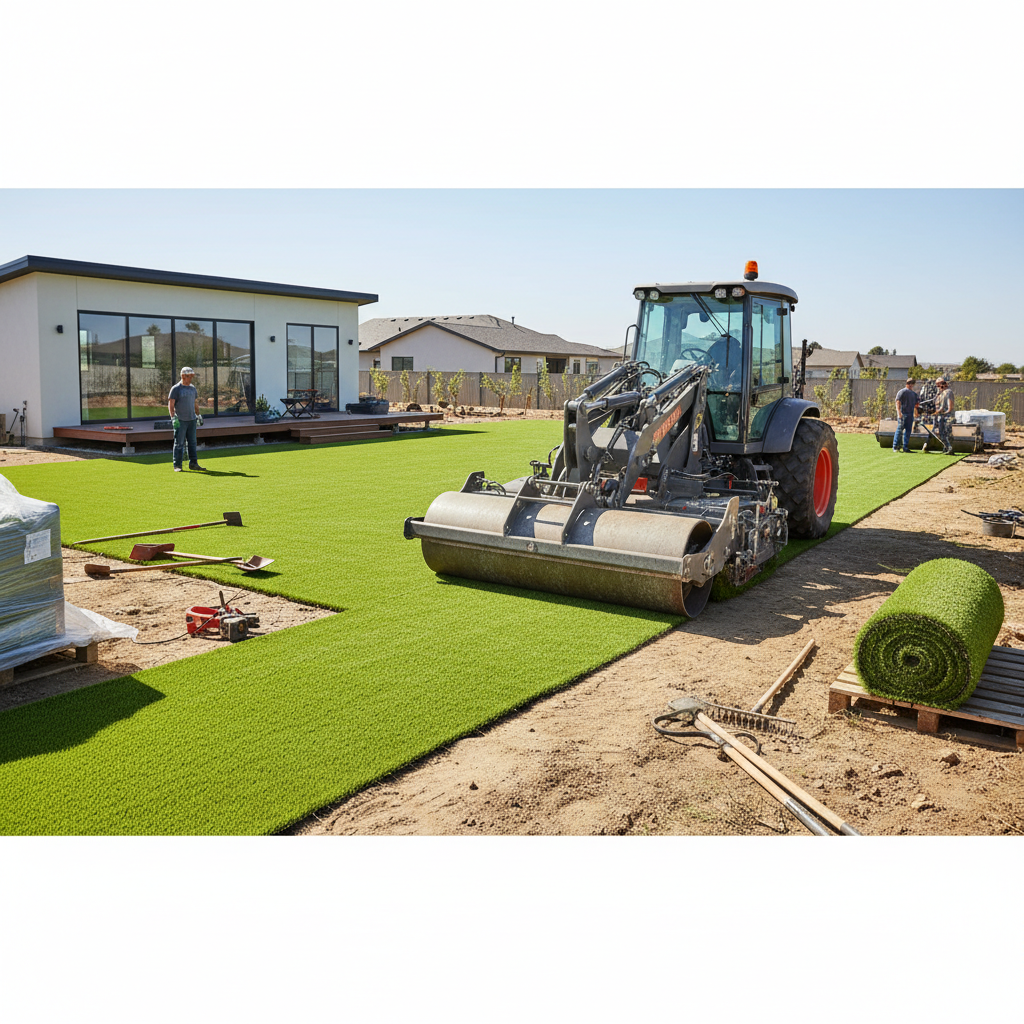
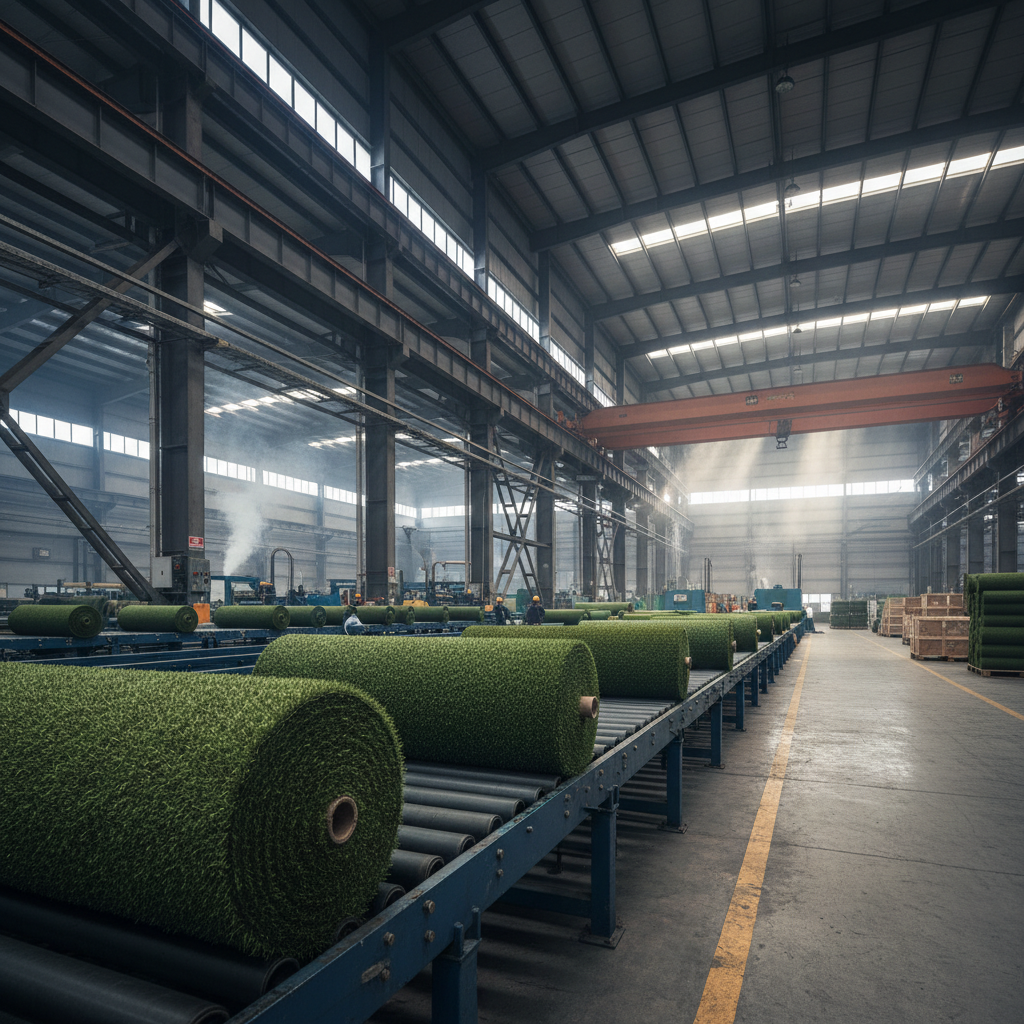
Look, I've spent the last fifteen years knee-deep in dust and concrete, watching projects rise from the ground. And I'll tell you, finding reliable, consistent ground cover – something that looks good but doesn’t turn into a maintenance nightmare – has always been a pain. That's where artificial tall grass comes in. It's not just some landscaping fad; it’s a practical solution for a lot of the headaches we face on-site and beyond. We’re talking about reducing water usage, minimizing upkeep, and creating spaces that actually stay looking presentable, even in tough conditions.
I’ve seen crews spend weeks prepping ground for natural turf, only to have it die off in the first heatwave. Then you’re looking at re-seeding, constant watering, and a whole lot of wasted man-hours. Artificial tall grass eliminates that. It’s durable, it handles heavy foot traffic, and it doesn't require the same level of constant attention. More importantly, it provides a consistent, safe surface, which is crucial on any construction site. It's about efficiency and safety, plain and simple.
And it’s not just construction. I’ve seen it used on rooftops for green spaces, in areas where natural grass just won’t grow, and even as a temporary fix on erosion control sites. It's a versatile product, and frankly, the quality has improved dramatically in recent years. It’s come a long way from the plastic carpets of the 70s. It’s a real, viable option for a wide range of applications.
The Core Benefits of Artificial Tall Grass
Honestly, the biggest win with artificial tall grass is reduced maintenance. We’re talking about saving time and money on watering, mowing, fertilizing, and weeding. That frees up resources for other critical tasks. And with labor costs climbing, that’s a big deal. artificial tall grass provides a consistent, aesthetically pleasing surface without the constant upkeep.
Durability is another huge factor. I've seen this stuff hold up to years of abuse – heavy equipment, constant foot traffic, extreme weather. It’s a resilient product, and that’s essential in environments where you need a reliable ground cover that isn’t going to fall apart after a few months. It holds up in spots natural grass wouldn't stand a chance.
Understanding the Global Demand
The demand for artificial turf, including tall grass varieties, is growing rapidly worldwide. According to a recent report from the ISO, the global artificial turf market is projected to reach $12.5 billion by 2028, driven by water scarcity, increasing urbanization, and a growing demand for low-maintenance landscaping solutions. The United Nations Environment Programme highlights the unsustainable water consumption of traditional turf, further fueling the shift towards artificial alternatives.
We’re seeing increased adoption in regions facing drought conditions, like parts of the southwestern United States and Australia. But it’s not just about water conservation. It’s also about creating usable green spaces in urban environments where traditional landscaping is impractical. Cities are looking for ways to enhance public areas without the hefty maintenance costs.
The challenge, though, is ensuring the quality and sustainability of the materials used. There's a lot of cheap stuff out there, and it doesn't last. We need products that are durable, environmentally friendly, and safe for users. That’s where focusing on high-quality artificial tall grass solutions becomes crucial.
Defining Artificial Tall Grass: Beyond Aesthetics
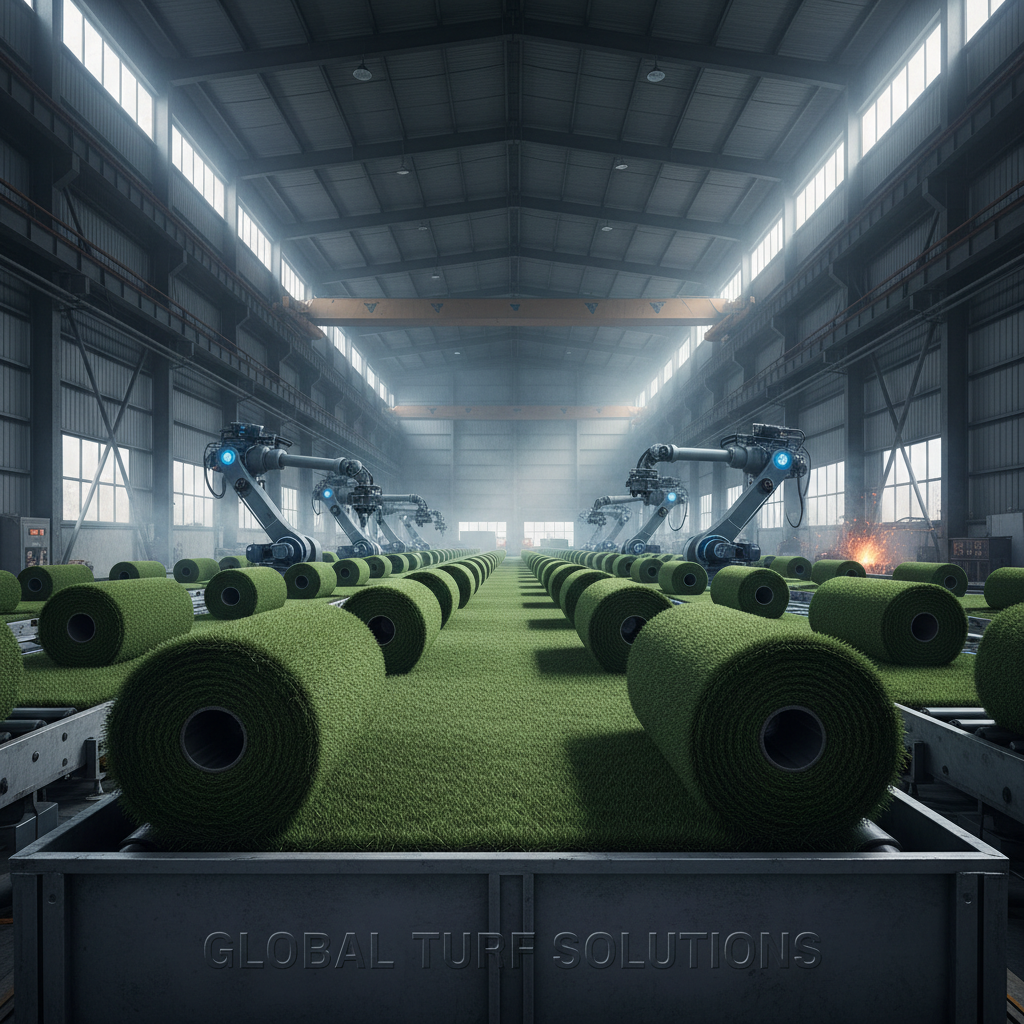
Artificial tall grass isn’t simply a cosmetic upgrade; it’s an engineered system designed to replicate the look and feel of natural turf while offering superior performance and reduced environmental impact. It’s typically constructed from synthetic fibers – often polyethylene, polypropylene, or nylon – woven or tufted onto a backing material. The pile height, density, and fiber type determine the grass’s appearance, durability, and intended use.
Its connection to modern industry extends beyond landscaping. We’re seeing it used in athletic fields, playgrounds, pet areas, and increasingly, as a component of green infrastructure projects. The ability to create a consistent, safe surface that requires minimal maintenance makes it ideal for applications where traditional turf simply isn’t feasible. It’s about providing functional, aesthetically pleasing spaces that meet specific performance requirements.
What I’ve learned over the years is that the quality of the infill – the material used to support the fibers – is just as important as the grass itself. The infill provides cushioning, stability, and drainage. Choosing the right infill can significantly impact the performance and longevity of the system.
Key Performance Indicators of Quality
When I'm evaluating artificial tall grass for a project, I focus on a few key areas. First, durability. How well does it hold up to wear and tear? We need something that won’t flatten or fray after a few months of use. Second, UV resistance. Exposure to sunlight can degrade the fibers over time, so UV protection is critical.
Third, drainage. Proper drainage prevents waterlogging and ensures a safe, usable surface. Fourth, safety. The surface should be soft enough to cushion falls, but firm enough to provide good traction. And finally, environmental impact. We're increasingly looking for products made from recycled materials and that are recyclable at the end of their lifespan.
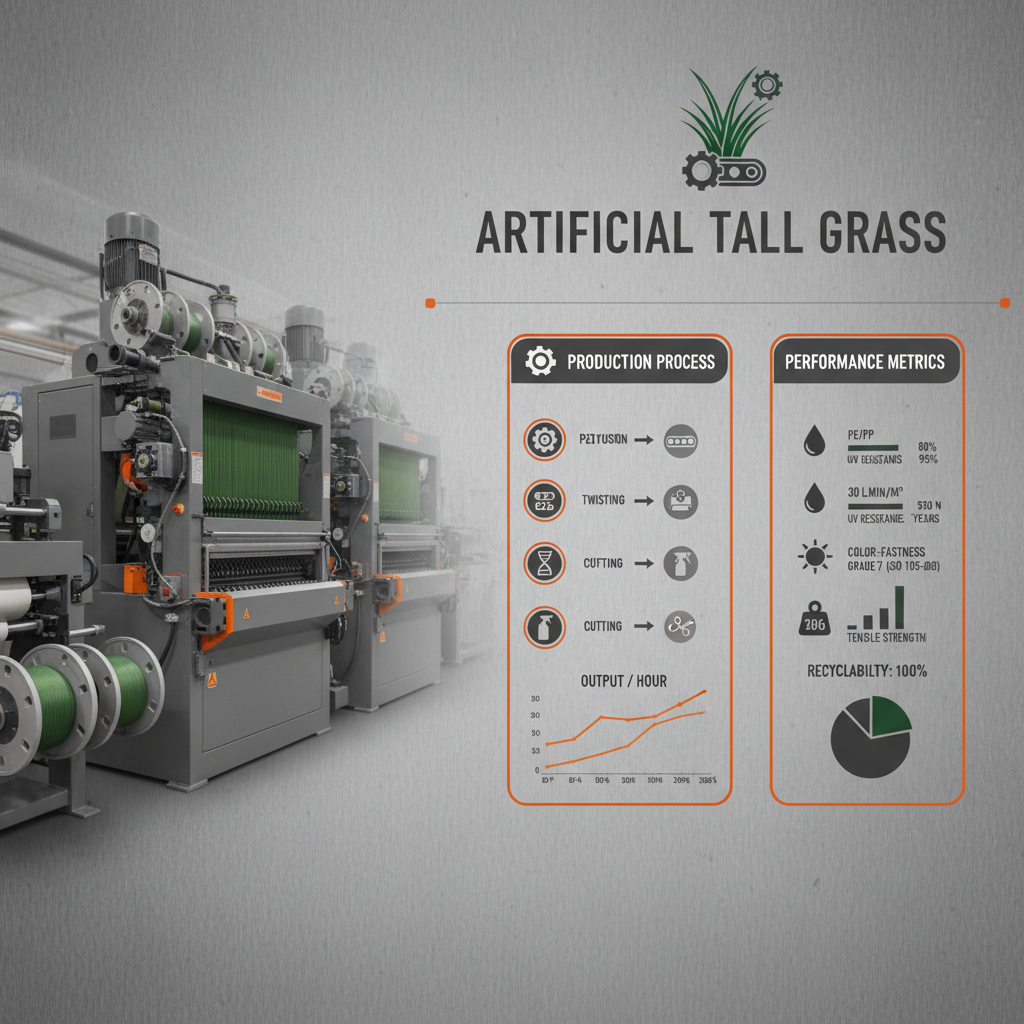
Artificial Tall Grass Performance Metrics
Real-World Applications Across Industries
We’ve been using artificial tall grass on a lot of construction sites for erosion control – especially on slopes and around drainage systems. It’s a quick and effective way to stabilize the soil and prevent runoff. In post-disaster relief operations, it's used to create temporary shelters and recreational areas for displaced communities.
I’ve seen it implemented in remote industrial zones where maintaining natural turf is simply impractical. Think oil rigs, mining operations, and other remote locations. It provides a safe and aesthetically pleasing environment for workers. And of course, there’s the growing trend of rooftop gardens and urban green spaces, where artificial tall grass offers a low-maintenance alternative to traditional landscaping.
Long-Term Value and Sustainable Impact
The cost savings associated with artificial tall grass are significant over the long term. You eliminate the ongoing expenses of watering, mowing, fertilizing, and pest control. That adds up quickly, especially for large-scale installations. It’s an investment that pays for itself over time.
From a sustainability standpoint, it reduces water consumption and eliminates the need for harmful pesticides and herbicides. And as manufacturers increasingly incorporate recycled materials into their products, the environmental footprint continues to shrink. We're seeing a move toward closed-loop systems where old turf can be recycled into new products.
Beyond the practical benefits, there’s a psychological aspect to consider. A well-maintained green space improves morale, reduces stress, and creates a more pleasant environment for workers and residents alike. It's about creating spaces where people want to be.
Future Innovations and Challenges
I'm keeping an eye on developments in bio-based artificial turf, which utilizes renewable materials to reduce reliance on fossil fuels. We’re also seeing advancements in fiber technology that improve durability, UV resistance, and drainage. Smart turf systems, equipped with sensors to monitor moisture levels and temperature, are also on the horizon.
One of the biggest challenges is addressing the issue of microplastic pollution. As artificial turf wears down, small plastic particles can be released into the environment. Researchers are working on solutions to mitigate this issue, such as using biodegradable infill materials and developing more durable fibers.
Another challenge is ensuring proper end-of-life management. We need to develop effective recycling programs to prevent artificial turf from ending up in landfills. The future of the industry depends on our ability to address these challenges and create sustainable solutions.
Summary of Key Challenges and Solutions in Artificial Tall Grass Implementation
| Challenge Category |
Specific Challenge |
Potential Solution |
Implementation Difficulty (1-10) |
| Environmental |
Microplastic Pollution |
Biodegradable Infill Materials |
7 |
| Economic |
High Initial Installation Cost |
Long-Term Cost Benefit Analysis |
5 |
| Technical |
Drainage Issues |
Improved Sub-Base Construction |
6 |
| Material |
Fiber Durability |
Advanced Polymer Technology |
8 |
| Logistical |
Recycling Infrastructure |
Development of Dedicated Recycling Facilities |
9 |
| Performance |
Heat Retention |
Evaporative Cooling Systems |
4 |
FAQS
Generally, high-quality artificial tall grass can last anywhere from 8 to 15 years, depending on the amount of traffic it receives and the quality of the materials used. Regular maintenance, such as brushing and cleaning, can extend its lifespan significantly. A good install with a solid base is crucial for longevity, something I’ve seen cut years off a project's life when skipped.
Compared to natural turf, artificial tall grass can be more sustainable by reducing water consumption, eliminating the need for fertilizers and pesticides, and minimizing mowing. However, the environmental impact of manufacturing and disposal needs to be considered. Look for products made from recycled materials and with end-of-life recycling programs. We’re seeing a lot of progress in that area.
Artificial tall grass requires minimal maintenance. Regular brushing helps to keep the fibers upright and prevent matting. Occasional cleaning with water or a mild detergent removes dirt and debris. You may also need to replenish the infill periodically, depending on usage. It’s a fraction of the work compared to maintaining natural turf, trust me.
The best infill material depends on the specific application. Common options include silica sand, crumb rubber, and TPE (thermoplastic elastomers). Silica sand provides stability and drainage, while crumb rubber offers cushioning. TPE is a more environmentally friendly alternative that also provides good cushioning. It’s about finding the right balance of performance and sustainability.
Yes, artificial tall grass can get warmer than natural turf in direct sunlight. However, there are ways to mitigate this, such as using evaporative cooling systems or choosing lighter-colored fibers. Newer infill materials are also designed to reduce heat retention. It’s something to consider, especially in warmer climates.
High-quality artificial tall grass is designed with excellent drainage capabilities. The perforated backing and infill system allow water to drain quickly, preventing puddling and ensuring a safe, usable surface. Proper installation and sub-base preparation are essential for optimal drainage performance. You shouldn't be stuck with a swamp after a downpour.
Conclusion
Artificial tall grass has moved beyond being a simple aesthetic choice and has become a practical, sustainable solution for a wide range of applications. From reducing water consumption and minimizing maintenance to providing a safe and durable surface, the benefits are undeniable. The industry is constantly evolving, with new materials and technologies emerging to address the remaining challenges.
Looking ahead, I expect to see continued innovation in bio-based materials, recycling technologies, and smart turf systems. It’s an exciting time for the industry, and I encourage anyone considering artificial tall grass to do their research and choose a high-quality product from a reputable supplier. For more information and to explore our range of solutions, visit our website: artificial tall grass.