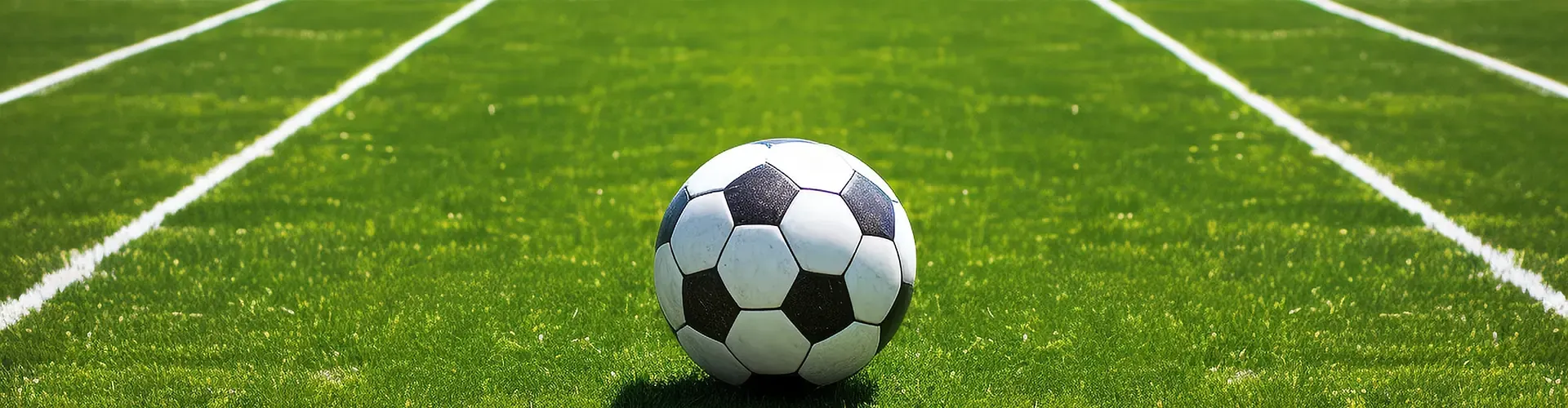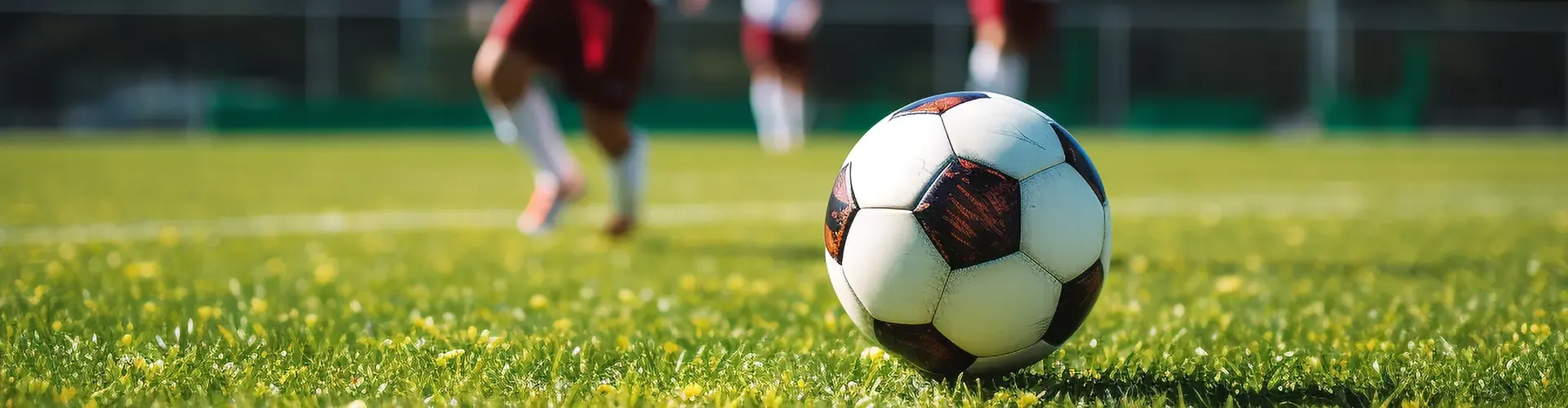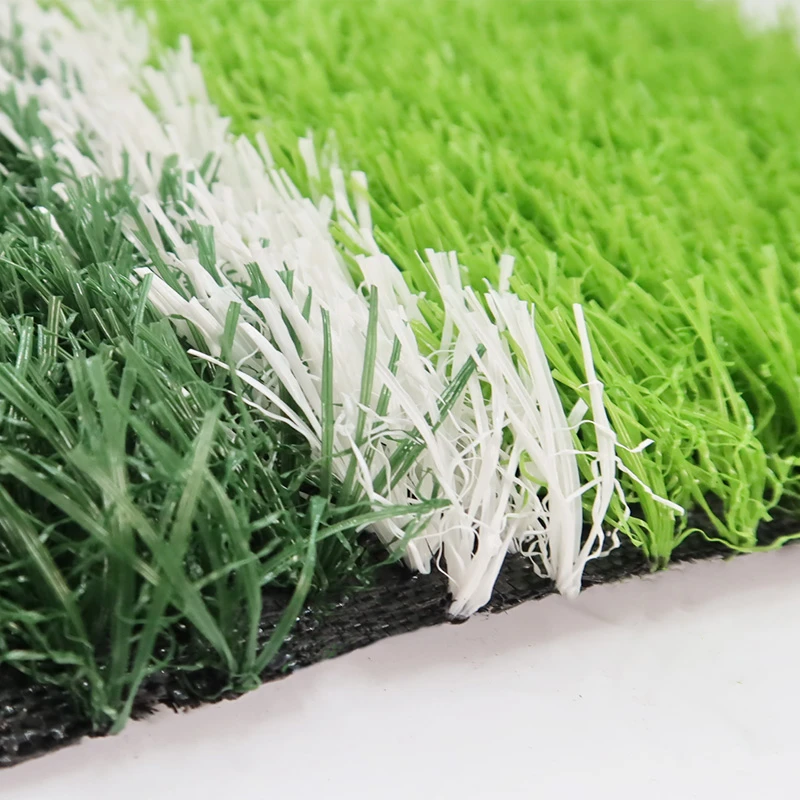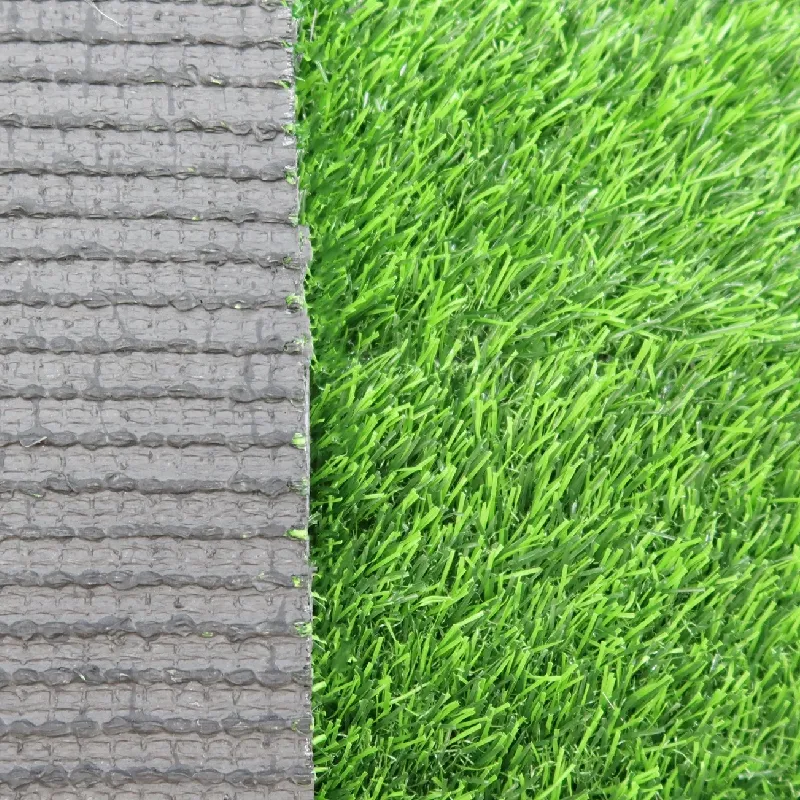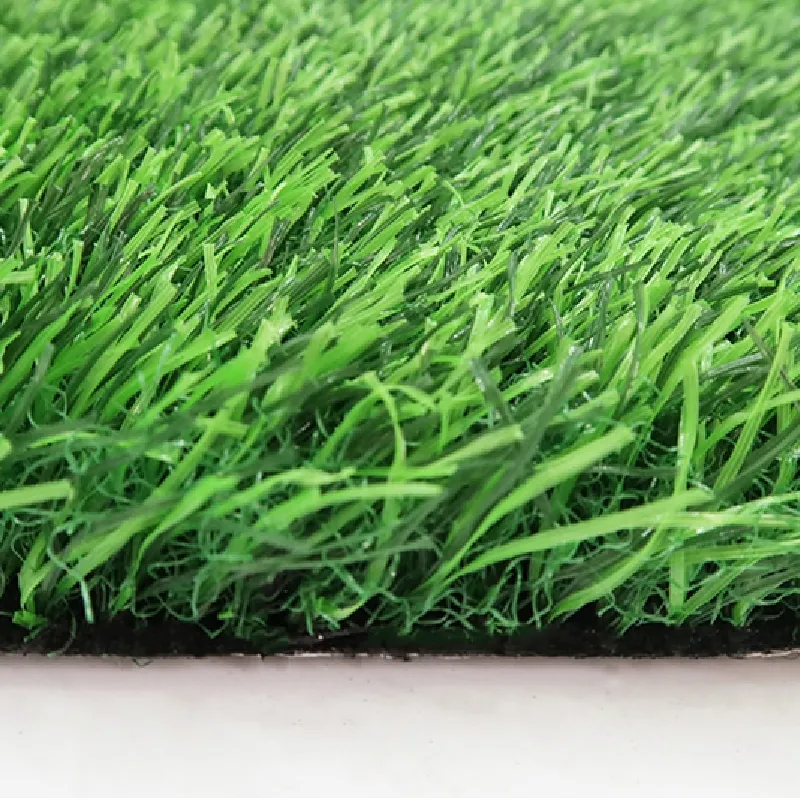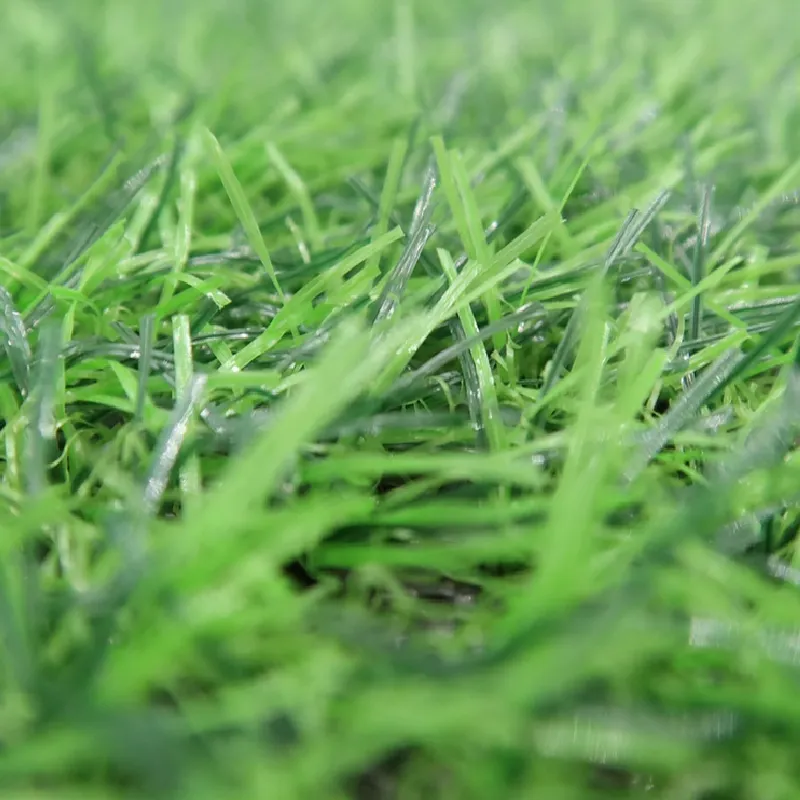
Sports Artificial Grass is specifically engineered to meet the high-performance demands of professional and recreational sports applications, including football, rugby, hockey, tennis, and multi-purpose athletic fields. It is manufactured using premium polyethylene or polypropylene fibers that provide excellent resilience, abrasion resistance, and long-term durability under intensive use. The grass blades are designed with advanced yarn shapes—such as diamond, spine, or C-shape—to enhance fiber memory, ensuring the turf quickly recovers after repeated impact and maintains a consistent playing surface. High UV-stabilization technology protects the turf from color fading and material degradation, even in extreme weather conditions. The backing system typically consists of double or triple layers with strong latex or polyurethane coating, offering superior dimensional stability and secure infill retention. Sports Artificial Grass delivers optimal ball roll, bounce, and traction, helping athletes achieve reliable performance while reducing the risk of injuries. Additionally, it requires minimal maintenance compared to natural grass, eliminating the need for watering, mowing, or fertilization, and significantly lowering long-term operational costs.
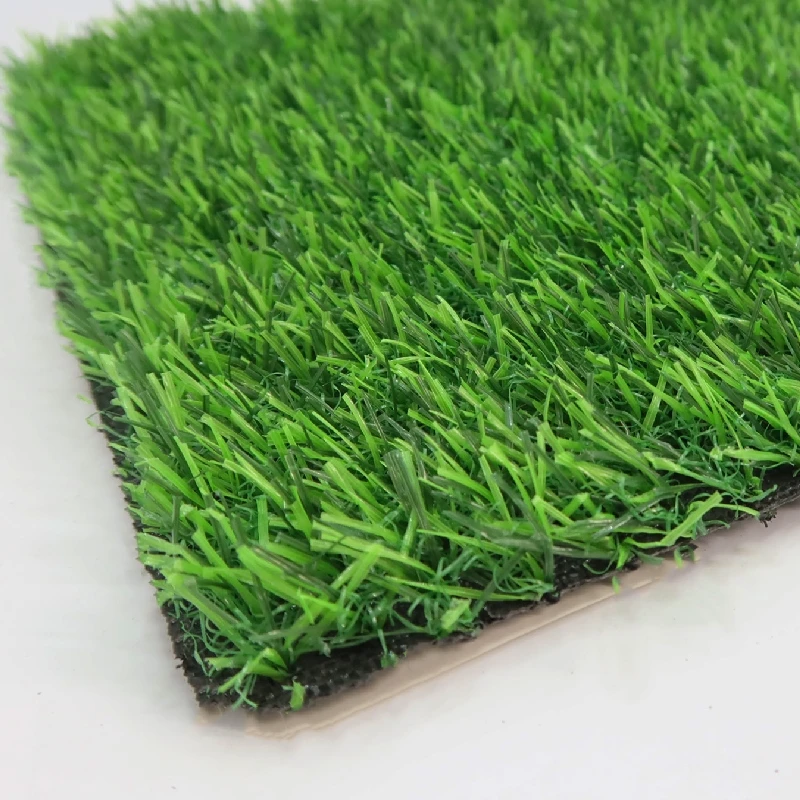
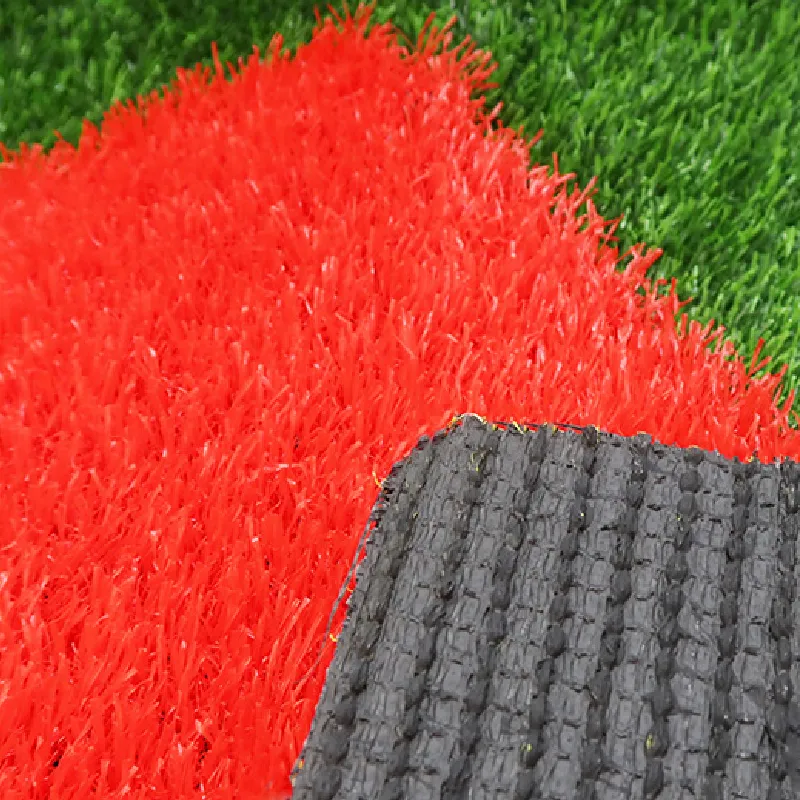
Entertainment Artificial Grass is designed to create visually appealing, comfortable, and safe environments for leisure and decorative purposes, such as gardens, playgrounds, rooftops, balconies, parks, and commercial landscapes. It features soft, dense, and multi-toned fibers that closely replicate the look and feel of natural grass, enhancing aesthetic value and user comfort. The yarn is carefully selected to be skin-friendly, non-toxic, and environmentally safe, making it ideal for children and pets. Advanced drainage systems incorporated into the backing allow water to pass through efficiently, keeping the surface dry and clean. Entertainment Artificial Grass is highly resistant to UV exposure, ensuring long-lasting vibrant color with minimal fading. Its flexible construction allows for easy installation on various surfaces, while low maintenance requirements make it a cost-effective landscaping solution. With excellent durability and all-season usability, it provides a green, inviting atmosphere year-round without the upkeep of natural lawns.
Artificial Grass for Professional Sports Fields
view more
Artificial Turf For Green Playgrounds, Boundless Energy
view more
Artificial grass for football fields is available in several types, each designed to meet different performance standards, usage levels, and budget requirements, and understanding these options helps clubs and investors choose the most suitable surface. The most common and widely accepted system is long-pile artificial grass for football, typically with a pile height of 50–60 mm, which is frequently used in professional stadiums and FIFA-certified pitches. This type of football turf uses high-quality polyethylene fibers combined with sand and rubber infill to deliver excellent shock absorption, realistic ball roll, controlled bounce, and safe player interaction, closely simulating the feel of natural grass. Medium-pile artificial grass for football, with pile heights ranging from 40–50 mm, is another popular option and is often recommended by football turf suppliers for schools, universities, and community sports complexes. It offers a strong balance between durability, comfort, and cost efficiency, making it suitable for fields with high usage frequency and multi-purpose demands. For smaller pitches, training grounds, and recreational areas, short-pile artificial grass for football is commonly used. With a pile height of around 20–30 mm and usually sand-filled, this system creates a faster playing surface with lower ball bounce, ideal for technical drills and five-a-side football, while also being easy to maintain and highly wear-resistant. In recent years, advanced non-infill or low-infill artificial grass for football has gained attention, as football turf suppliers continue to innovate to meet environmental and hygiene concerns. These systems rely on dense fiber structures and specialized yarn designs to reduce or eliminate rubber infill, resulting in cleaner surfaces, lower heat retention, and simplified maintenance. Additionally, hybrid football turf systems, which combine artificial fibers with natural grass roots, are used in some elite venues to enhance stability and recovery while preserving a natural playing experience. Overall, the choice of artificial grass for football depends on performance expectations, player safety requirements, climate conditions, and long-term maintenance plans. Experienced football turf suppliers play a critical role in recommending the right turf system, ensuring that each football field achieves optimal durability, consistent playability, and long-term value.
Installing artificial grass for a playground is a detailed process that focuses on safety, durability, and long-term performance, especially in areas designed for children’s activities. The first step in installing playground artificial grass is proper site preparation. The existing surface, whether soil, concrete, or old flooring, must be cleaned, leveled, and cleared of debris. For soil-based playgrounds, a solid sub-base is created using crushed stone or gravel, which is then compacted to ensure stability and effective drainage. This foundation is critical for building a safe playground with artificial turf, as it helps prevent uneven surfaces, water pooling, and premature wear. In many installations, a shock-absorbing layer or elastic safety pad is added on top of the base to reduce the impact of falls and comply with playground safety standards.
After preparing the base, a weed control membrane is installed to prevent vegetation from growing through the turf. The artificial grass rolls are then laid out carefully across the playground area, making sure all fibers face the same direction for a uniform appearance. Precise cutting is required around playground equipment, edges, and curves to achieve a seamless and professional finish. The turf sections are joined together using seaming tape and high-strength adhesive, ensuring that the seams remain secure even under heavy foot traffic and active play.
Once the grass is positioned and joined, the edges are fixed using nails, pins, or adhesive, depending on the surface type. An appropriate infill material, such as clean silica sand or child-safe infill designed for playground use, is evenly distributed and brushed into the fibers. This step helps the grass blades stand upright, improves surface stability, and extends the lifespan of the playground artificial grass. Finally, the entire surface is brushed and inspected to confirm proper drainage, secure seams, and overall safety. With correct installation and simple ongoing maintenance, a playground with artificial turf offers a clean, attractive, and low-maintenance play surface that can be enjoyed throughout the year.
Playground artificial turf installation is a carefully planned process designed to create a safe, durable, and visually appealing play surface for children of all ages. The installation begins with thorough site preparation, which is one of the most critical stages for long-term performance. The existing surface must be cleared of debris, organic materials, and uneven ground, followed by grading to ensure proper drainage. A strong and stable sub-base, typically made from compacted crushed stone or gravel, is then constructed to provide a solid foundation. In many playground projects, a shock-absorbing safety layer is installed above the sub-base to help reduce the impact of falls and meet playground safety standards, making the surface suitable for high-activity areas.
Once the base system is complete, a weed barrier fabric is laid to prevent unwanted plant growth beneath the turf. The artificial turf rolls are then carefully positioned, ensuring that the fiber direction is consistent across the entire playground to achieve a uniform and natural appearance. Accurate cutting around playground equipment, borders, and curved areas is essential to ensure a seamless fit and professional finish. The individual turf sections are joined together using high-quality seaming tape and strong adhesive, creating durable seams that can withstand heavy foot traffic and active play without separating.
After the turf is properly aligned and secured along the edges, an appropriate infill material is evenly applied across the surface. For playground artificial turf installation, child-safe and non-toxic infill materials are essential, as they help support the fibers, improve surface stability, and extend the life of the turf. The infill is brushed into the grass using specialized equipment, allowing the fibers to stand upright and creating a comfortable, cushioned surface. The final stage includes brushing, cleaning, and a detailed inspection to ensure proper drainage, secure seams, and safe edges. When installed correctly, playground artificial turf provides a clean, low-maintenance, and long-lasting solution that delivers year-round usability, enhanced safety, and an attractive natural appearance for playground environments.
Latest News