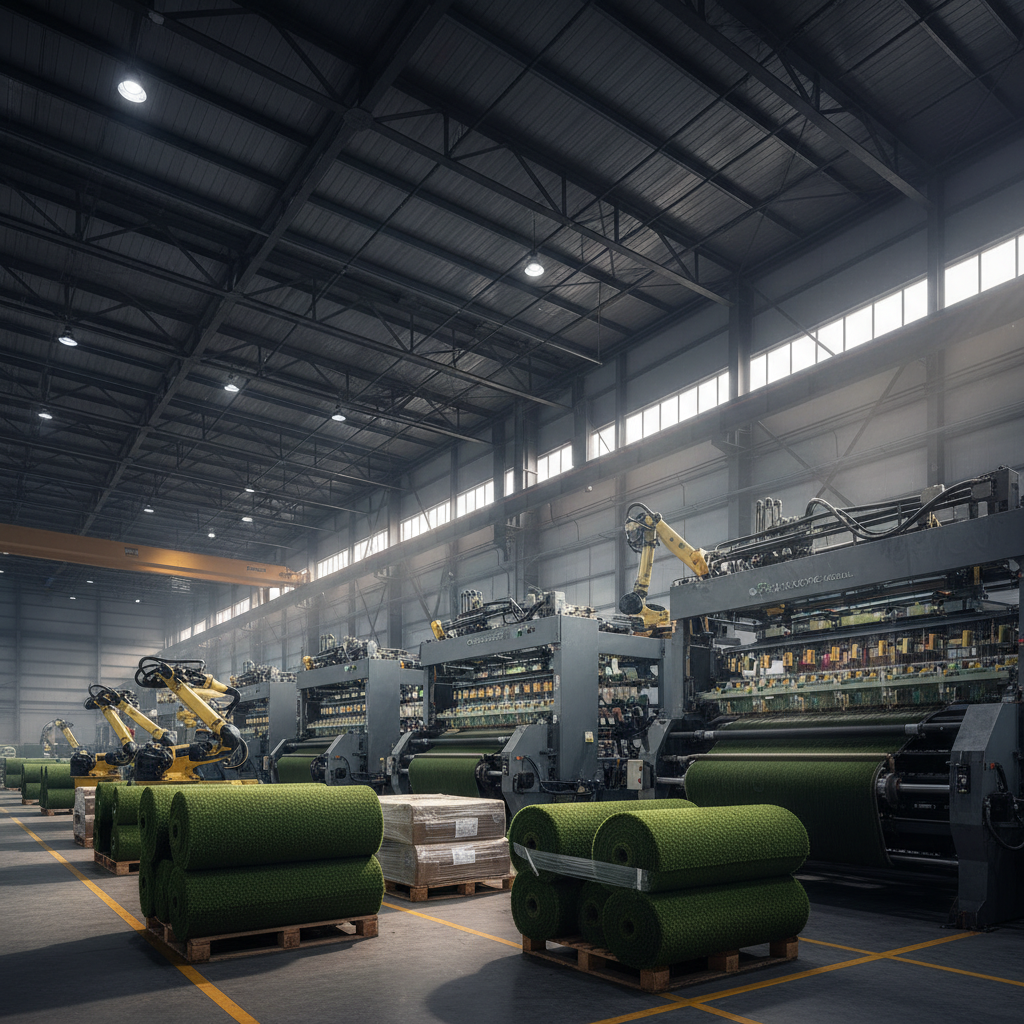
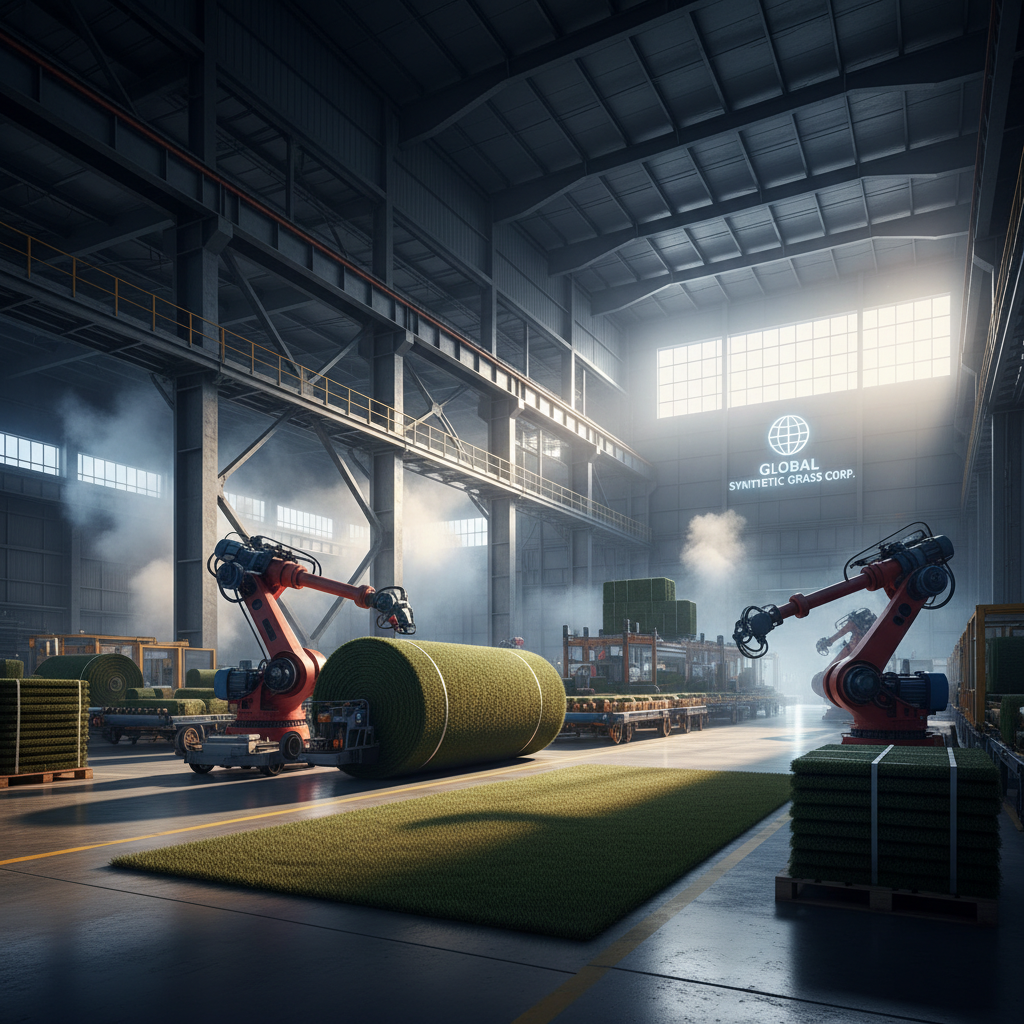
Artificial turf has become ubiquitous, moving far beyond the neatly manicured fields of professional sports. It’s now a key player in everything from residential landscaping and playground safety to large-scale public spaces and even specialized industrial applications. What started as a simple alternative to natural grass is now a sophisticated industry driven by innovation in materials science and a growing need for sustainable, durable surfaces. The demand for artificial turf is soaring globally, and understanding its nuances – the installation, maintenance, and diverse applications – is crucial for professionals and homeowners alike. It's not just about a green appearance; it’s about long-term value and intelligent solutions to modern challenges.
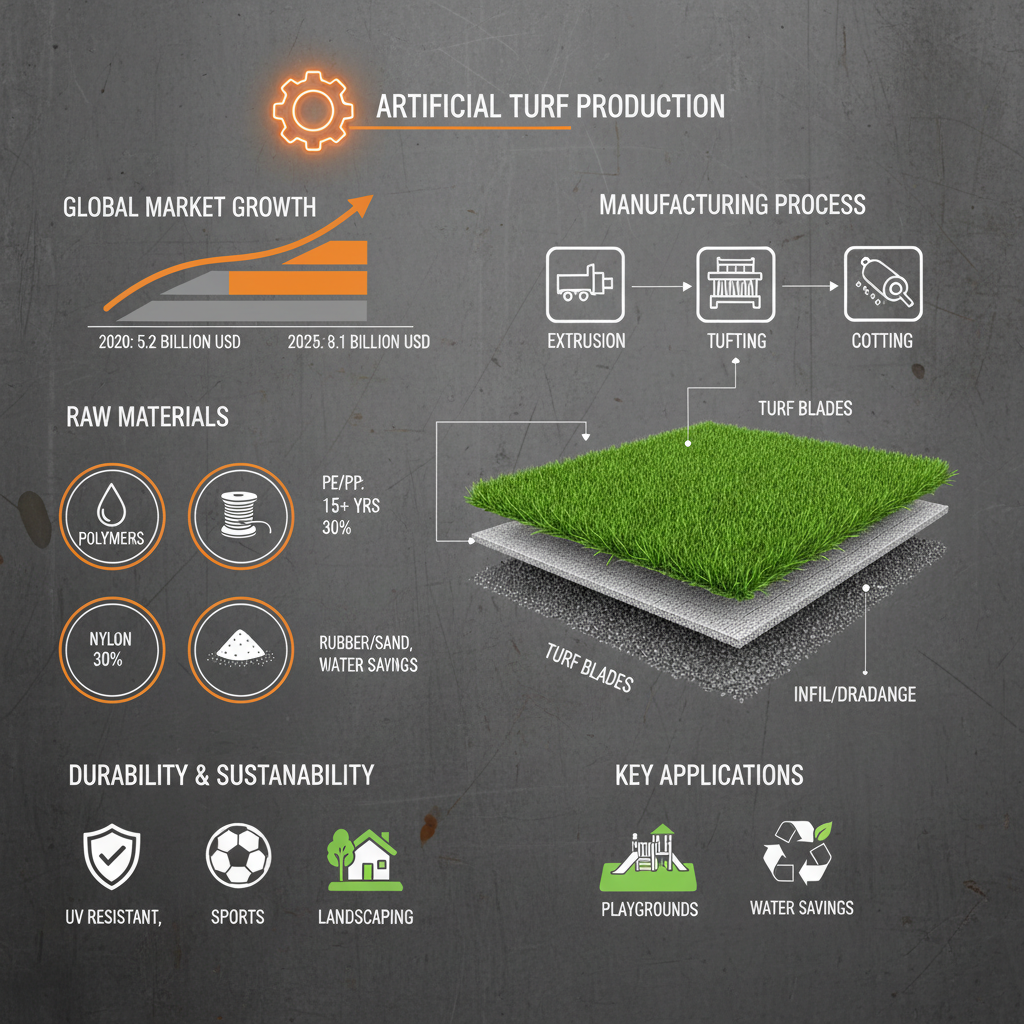
The global artificial turf market is witnessing impressive growth, fueled by increasing urbanization, water scarcity, and a desire for low-maintenance landscaping solutions. According to a report by Grand View Research, the global artificial turf market size was valued at USD 3.3 billion in 2022 and is projected to reach USD 5.5 billion by 2030, growing at a CAGR of 6.5% from 2023 to 2030. This expansion isn’t limited to developed nations; emerging economies are also adopting artificial turf for sports facilities, parks, and commercial properties. We’re seeing a push for more sustainable solutions, and artificial turf addresses many concerns around water usage and ongoing maintenance costs.
Essentially, artificial turf is a synthetic surface designed to mimic the look and feel of natural grass. It’s constructed from various synthetic materials – typically polypropylene, polyethylene, or nylon – woven or tufted onto a backing material. But it's much more than just 'fake grass'. It's a carefully engineered system, often incorporating drainage layers, infill materials (like rubber granules or sand), and specialized backing for durability and performance. Its connection to modern industry and needs is profound; it’s offering solutions to growing urban density, water conservation, and the increasing demand for safe and reliable playing surfaces – a critical component in fields like athletic performance and accessibility.
The Global Relevance of artificial turf
The global need for sustainable and durable surfaces is driving the demand for artificial turf. Water scarcity, particularly in arid and semi-arid regions, is forcing communities to reconsider traditional grass lawns. Artificial turf offers a viable alternative, significantly reducing water consumption and maintenance requirements. This is especially critical for municipalities and large commercial properties.
Furthermore, the increasing emphasis on accessibility and inclusivity is fueling the adoption of artificial turf in recreational spaces. A well-maintained artificial turf surface provides a stable and safe playing environment for people of all ages and abilities, including those with mobility challenges. This makes it a valuable asset for community centers, schools, and parks aiming to provide equal access to recreational opportunities. From the scorching heat of the Middle East to the drought-stricken landscapes of California, artificial turf is a practical and increasingly necessary solution.
Understanding artificial turf: A Detailed Definition
Artificial turf, at its core, is a manufactured surface engineered to replicate the appearance and function of natural grass. It’s not simply a carpet; it’s a complex system comprised of several layers. These typically include a primary backing (providing structural stability), a pile layer (the ‘grass’ fibers themselves, typically made of polyethylene, polypropylene, or nylon), an infill material (like crumb rubber, sand, or a combination, providing support and cushioning), and often a secondary backing for added durability. The quality of each of these components significantly impacts the overall performance and longevity of the turf.
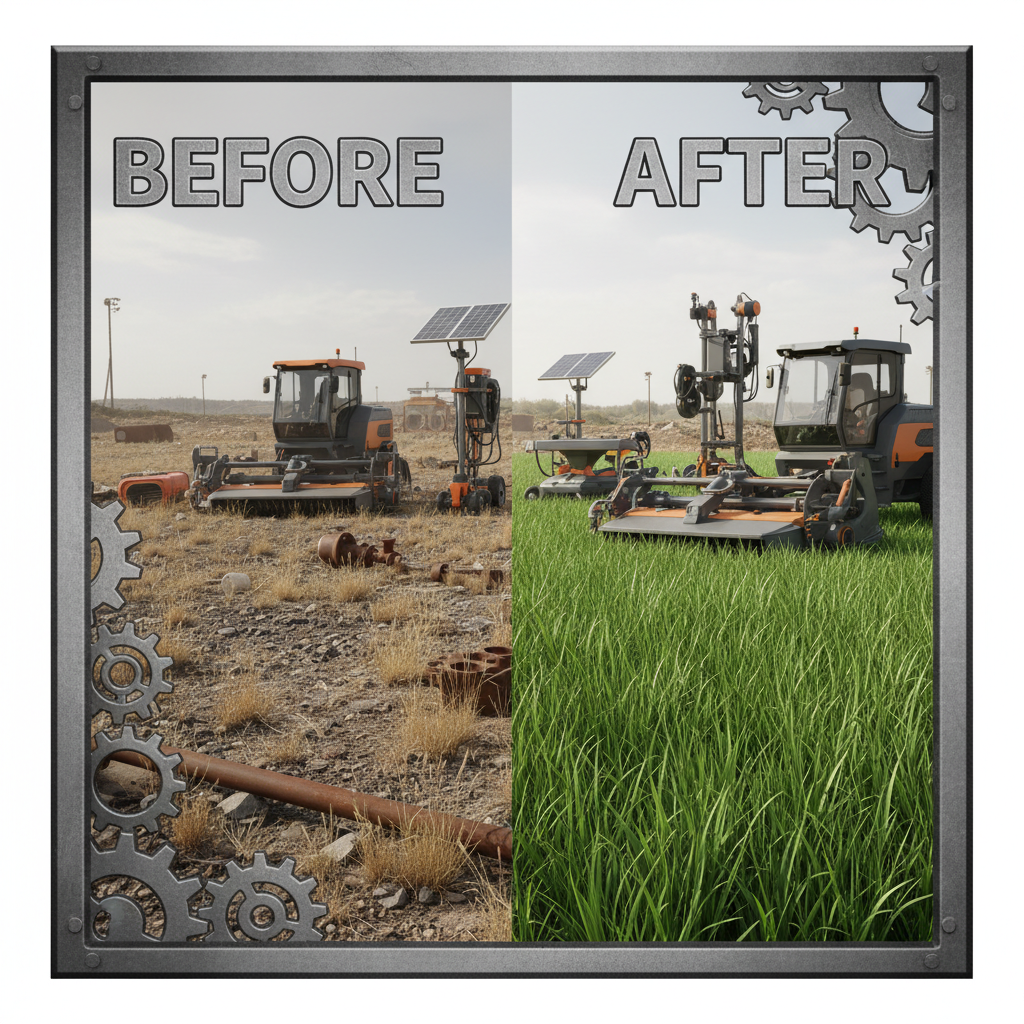
Its connection to modern industry isn’t accidental. The development of artificial turf was initially driven by a need for safe, consistent playing surfaces for professional sports, particularly football. Today, it’s become a crucial component in addressing humanitarian needs, providing safe play areas in refugee camps and disaster-stricken areas. It’s even finding a niche in specialized industrial applications, offering dust control and erosion prevention in construction sites and landfills.
Ultimately, artificial turf represents a shift in how we think about landscaping and surface management. It’s about embracing innovative materials and engineering to create sustainable, cost-effective, and adaptable solutions for a wide range of applications. It’s about solving real-world problems, from water conservation to accessibility and safety.
Key Components and Characteristics of artificial turf
One of the most crucial aspects of artificial turf is its Durability. High-quality turf can withstand significant foot traffic, extreme weather conditions, and prolonged UV exposure without significant degradation. The materials used – particularly the type of fiber and the quality of the backing – play a vital role in determining its lifespan. A properly installed and maintained system can easily last 8-10 years, and even longer with advancements in materials technology.
Scalability is another key factor. Artificial turf can be adapted to any size or shape, making it ideal for both small residential lawns and large sports complexes. It can be easily customized to incorporate logos, markings, and other design elements, providing a high degree of flexibility. You’re not limited by the constraints of natural grass growth patterns or soil conditions.
Cost Efficiency extends beyond the initial purchase price. While the upfront investment may be higher than seeding a natural lawn, the long-term cost savings are substantial. Artificial turf eliminates the need for mowing, watering, fertilizing, and pest control, significantly reducing maintenance expenses. This is particularly appealing to schools, parks departments, and businesses with limited landscaping budgets.
Practical Applications and Use Cases Worldwide
The applications of artificial turf are remarkably diverse. In the sports arena, it’s standard for football, soccer, rugby, and field hockey fields, offering a consistent and predictable playing surface regardless of weather conditions. Beyond sports, you’ll find it in residential landscapes, replacing traditional lawns for homeowners seeking low-maintenance options.
It’s also increasingly popular in commercial settings, adorning rooftops, balconies, and indoor recreational areas. In post-disaster relief operations, artificial turf provides a safe and hygienic surface for temporary shelters and medical facilities. In remote industrial zones, it’s used for dust control and erosion prevention around construction sites and equipment yards.
You'll see large-scale installations in cities like Dubai and Las Vegas, where water conservation is paramount. European countries are adopting it for school playgrounds, prioritizing safety and all-weather accessibility. Even zoos and animal sanctuaries utilize artificial turf to create comfortable and stimulating environments for their animals. artificial turf is truly a global solution.
Comparison of Artificial Turf Methods
Advantages and Long-Term Value Proposition
The tangible benefits of artificial turf are numerous. The most obvious is the reduction in water consumption – up to 70-90% compared to natural grass. This translates to significant cost savings for homeowners and municipalities, especially in water-stressed regions. Reduced maintenance requirements – no mowing, fertilizing, or pesticide application – further lower ongoing expenses.
But the value extends beyond cost savings. Artificial turf offers a consistently safe and clean playing surface, minimizing the risk of injuries. It’s durable and resilient, able to withstand heavy use without showing wear and tear. And, from an environmental perspective, it can reduce the carbon footprint associated with lawn care equipment and chemical treatments. The long-term value proposition is compelling.
Future Trends and Innovations in artificial turf
Innovation in artificial turf is accelerating. We’re seeing the development of more sustainable materials, including bio-based polymers and recycled content. Improved drainage systems are addressing concerns about water runoff and flooding. Researchers are working on turf that can cool itself, reducing heat buildup in hot climates.
The integration of smart technology is also on the horizon. Sensors embedded within the turf could monitor performance, detect wear and tear, and even provide data on player movement and usage patterns. This could lead to more efficient maintenance schedules and improved safety protocols. The future of artificial turf is about creating surfaces that are not only aesthetically pleasing but also environmentally responsible and technologically advanced.
We'll also likely see continued refinement in fiber technology, mimicking the natural look and feel of grass even more closely. Nanotechnology could play a role in enhancing durability and UV resistance. The trend is towards creating surfaces that are indistinguishable from the real thing, while offering all the benefits of a synthetic solution.
Challenges and Potential Solutions for artificial turf
Despite its many advantages, artificial turf isn't without its challenges. One concern is heat retention, particularly in warmer climates. This can be mitigated through the use of evaporative cooling systems or specialized infill materials designed to reflect heat. Another challenge is the end-of-life management of the turf itself.
Recycling artificial turf is complex, but advancements are being made in breaking down the materials and repurposing them for other applications, such as carpet padding or athletic flooring. Proper disposal and recycling infrastructure are crucial. Microplastic pollution from turf breakdown is also a growing concern, prompting research into more durable and environmentally friendly materials.
Finally, initial installation costs can be a barrier for some. However, government incentives and financing options are becoming more available, making artificial turf more accessible to a wider range of users. Continuous research and development, coupled with responsible manufacturing and disposal practices, will be key to addressing these challenges and ensuring the long-term sustainability of the artificial turf industry.
A Comprehensive Analysis of Artificial Turf Performance Metrics
| Performance Category |
Key Metric |
Evaluation Scale (1-10) |
Typical Rating for High-Quality Turf |
| Durability |
Wear Resistance |
1-10 (1=Poor, 10=Excellent) |
9 |
| Performance |
Shock Absorption |
1-10 (1=Low, 10=High) |
8 |
| Maintenance |
Cleaning Effort |
1-10 (1=High Effort, 10=Low Effort) |
9 |
| Sustainability |
Water Conservation |
1-10 (1=Poor, 10=Excellent) |
10 |
| Aesthetics |
Visual Realism |
1-10 (1=Unrealistic, 10=Highly Realistic) |
7 |
| Cost |
Long-Term ROI |
1-10 (1=Poor, 10=Excellent) |
8 |
FAQS
Polyethylene is generally softer and more realistic-looking, making it popular for residential lawns and recreational areas. It’s more durable and resistant to wear and tear. Polypropylene, on the other hand, is more affordable but less resilient and may flatten more quickly under heavy use. It's often used in areas with lower foot traffic or for decorative purposes. Choosing the right fiber depends on your specific needs and budget.
Artificial turf requires minimal maintenance, but regular cleaning is essential to maintain its appearance and hygiene. Brushing the turf periodically helps to keep the fibers upright and prevent matting. Removing debris like leaves and branches prevents the build-up of organic matter. Periodic disinfection with a pet-friendly cleaner is recommended if you have pets. A deep cleaning with professional equipment should be done every 1-2 years.
Yes, when properly installed and maintained, artificial turf is generally considered safe for children and pets. Look for turf that is lead-free and non-toxic. Choose a turf with adequate cushioning to minimize the risk of injuries from falls. Regularly disinfect the turf to prevent the spread of bacteria and parasites. Proper drainage is also important to prevent waterlogging and potential hazards.
A high-quality artificial turf installation can last anywhere from 8 to 15 years, or even longer with proper care. The lifespan depends on factors such as the quality of the materials, the amount of foot traffic, the climate, and the frequency of maintenance. Regular brushing, cleaning, and occasional infill replenishment can extend the life of your turf.
Modern artificial turf systems are designed with excellent drainage capabilities. They typically incorporate a perforated backing and a drainage layer of gravel or stone. This allows water to quickly drain through the turf, minimizing runoff and preventing waterlogging. Properly installed systems can actually improve drainage compared to natural grass, reducing the risk of flooding and erosion.
While artificial turf offers water conservation benefits, there are environmental considerations. Manufacturing requires energy and resources. End-of-life disposal can be challenging, although recycling options are improving. Microplastic shedding is a concern that is being addressed through material innovation. Choosing a turf made with recycled content and prioritizing responsible disposal practices can minimize the environmental impact.
Conclusion
Artificial turf has evolved from a niche product to a versatile and increasingly essential solution for a wide range of applications. Its benefits – from water conservation and reduced maintenance to enhanced safety and aesthetic appeal – are compelling. Continued innovation in materials, installation techniques, and recycling processes will further solidify its position as a sustainable and valuable asset in both residential and commercial landscapes. It's a testament to how thoughtful engineering can address real-world challenges and improve the quality of life.
Looking ahead, the key to maximizing the benefits of artificial turf lies in responsible manufacturing, proper installation, and diligent maintenance. Investing in high-quality materials and partnering with experienced professionals ensures a long-lasting and environmentally sound solution. Visit our website at www.hoyarngrass.com to learn more about our artificial turf products and services, and discover how we can help you transform your space.