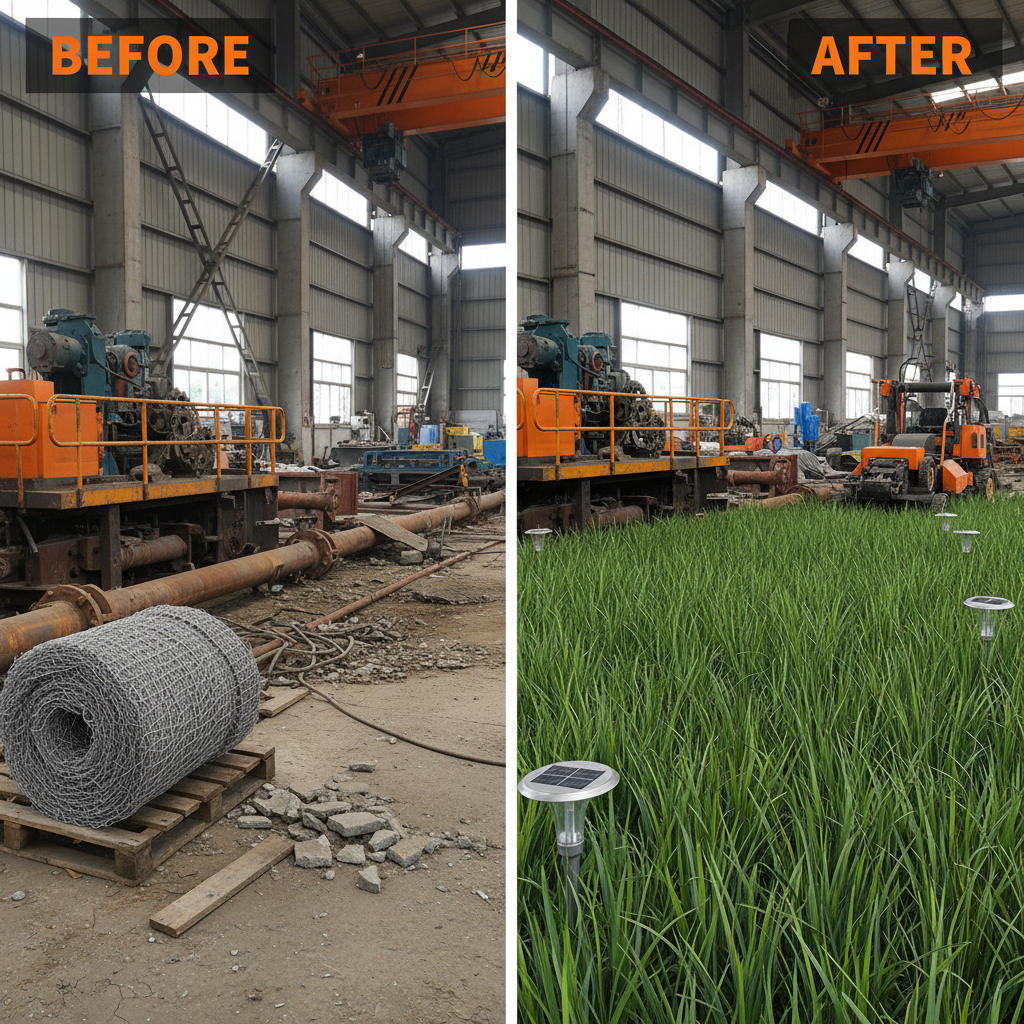
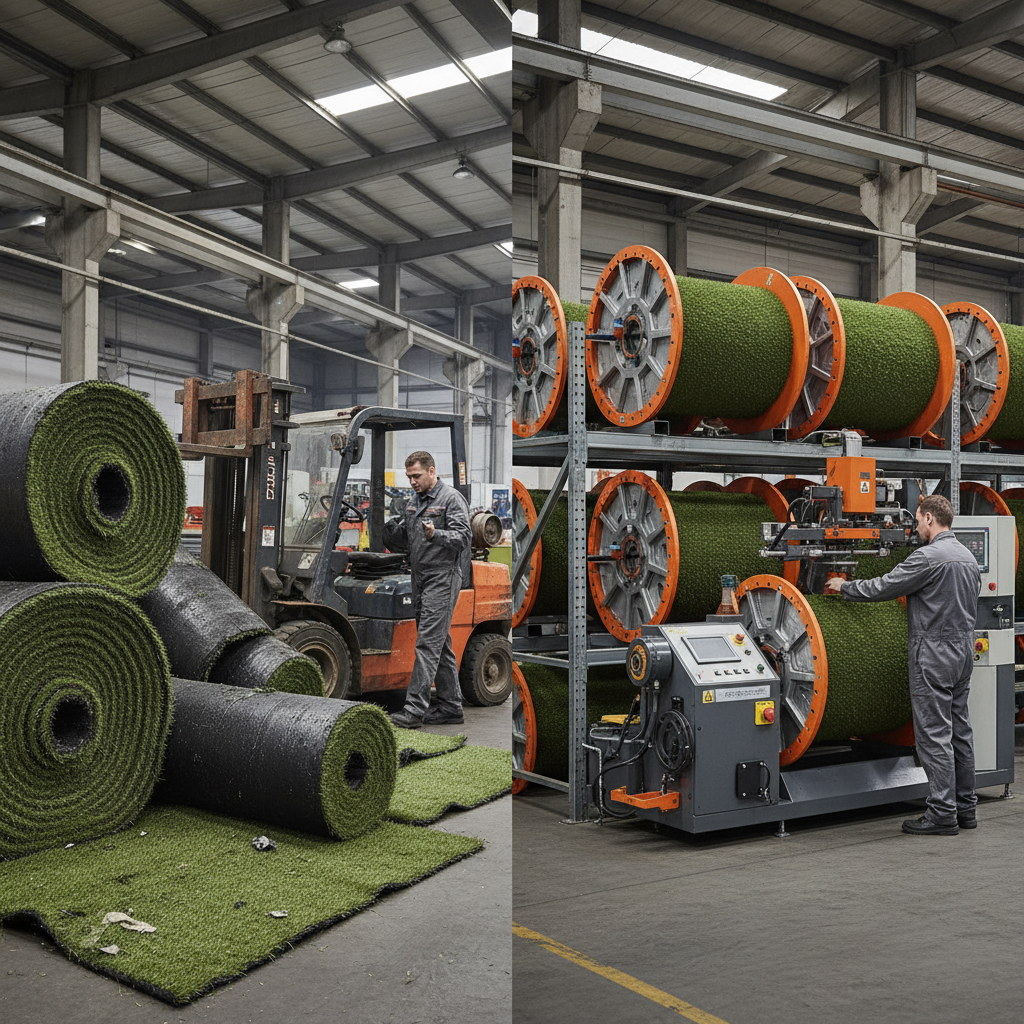
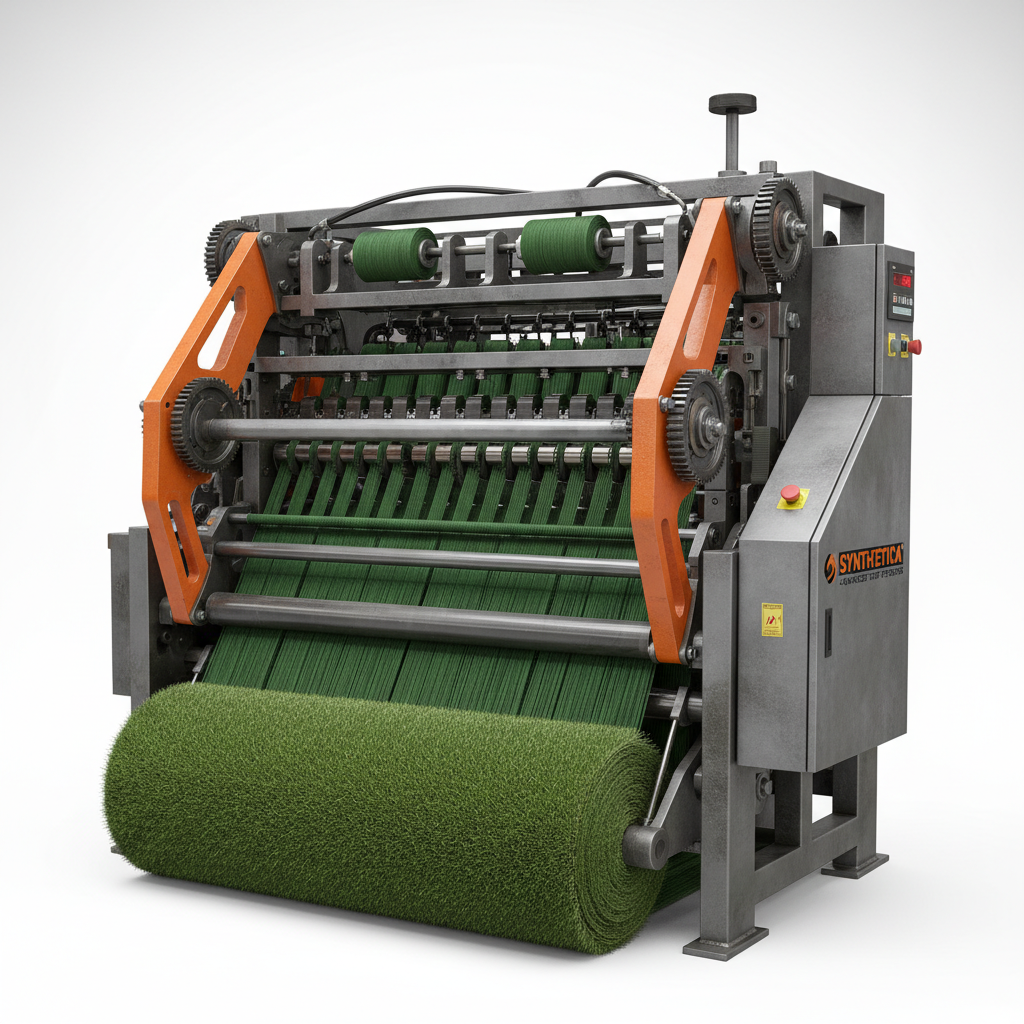
Artificial tall grasses for outdoors – it's more than just pretty landscaping these days. I've spent the last fifteen years on construction sites, everything from sprawling resorts to small residential projects, and I've seen firsthand how crucial durable, low-maintenance landscaping is becoming. Clients want that natural look, but they don’t want the constant upkeep. That’s where quality artificial grasses come in. They're changing the game, particularly for commercial applications where budgets are tight and appearances matter. It’s not about replacing natural turf entirely, it's about providing a viable, often better, alternative for areas where natural grass simply won't thrive or is too costly to maintain.
The demand is driven by a couple of key factors. Water scarcity is a huge issue globally, and regulations are getting stricter all the time, especially in places like California and the Southwest. Then you’ve got the labor costs – finding reliable landscaping crews is getting harder and harder. And frankly, folks are just busy. They want a green space that looks good without demanding all their weekend. I’ve seen project managers breathe a sigh of relief knowing they’re checking boxes for sustainability, aesthetics, and budget with a single solution like artificial tall grasses for outdoors.
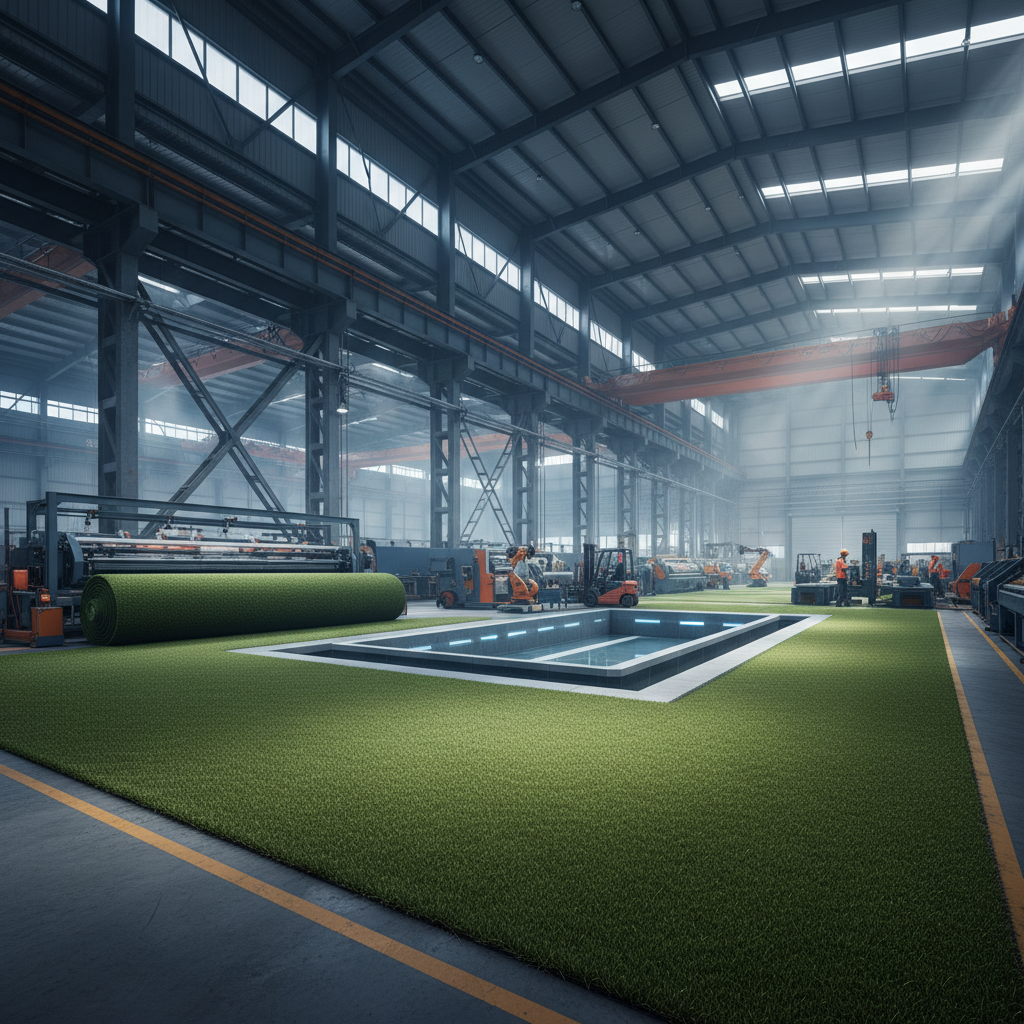
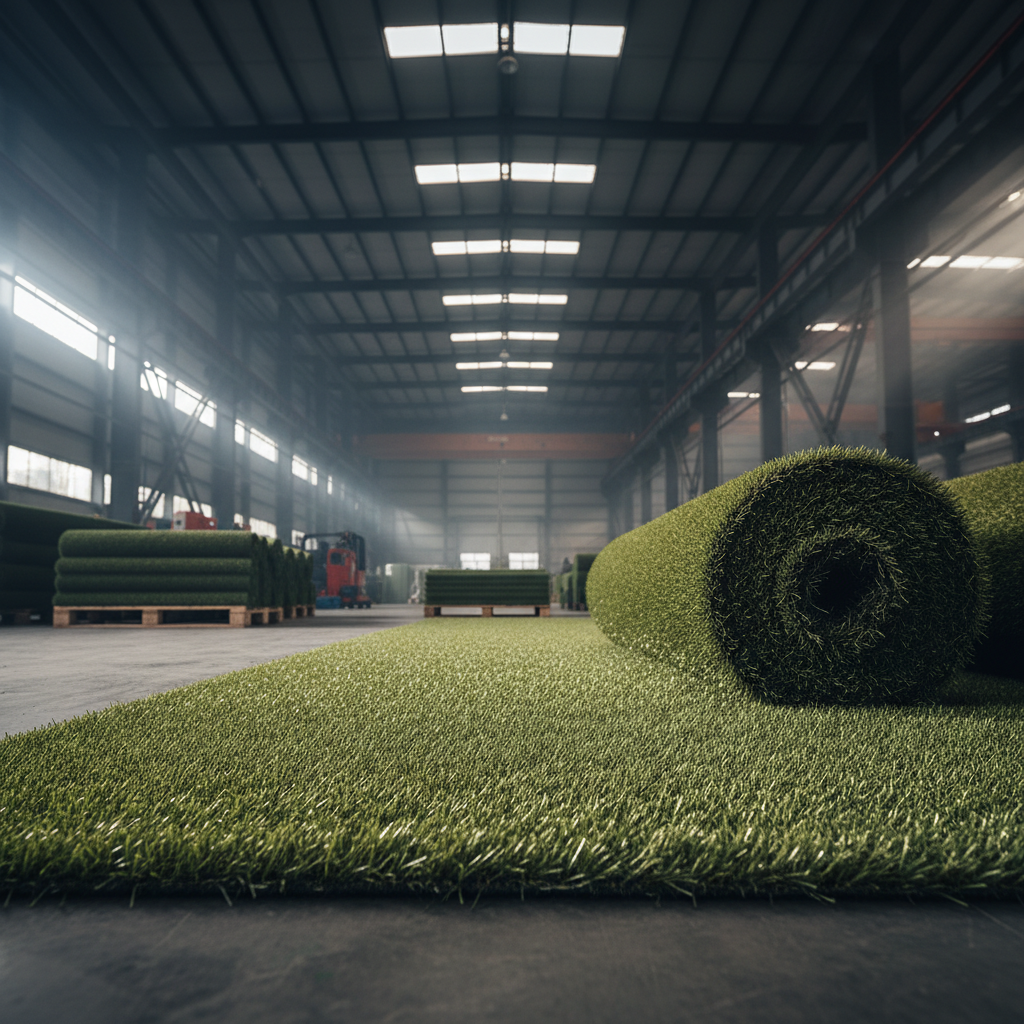
I’ve worked with a lot of materials over the years, and what really strikes me about good artificial grass is the advancements in manufacturing. It’s light years beyond what was available even ten years ago. We’re talking about realistic textures, UV resistance, and drainage systems that can handle serious rainfall. It's a smart investment, especially when you factor in the long-term savings on water, fertilizer, and mowing. I see more and more developers specifying it as a standard feature in their projects, and for good reason.
The Rising Demand for artificial tall grasses for outdoors
I’ve been watching the market for artificial grass steadily climb for the past decade. It's not just a trend; it's a response to real-world pressures. According to the UN, water stress is already affecting billions of people, and that number is projected to increase dramatically in the coming years. This drives demand for water-wise landscaping solutions. Commercial property owners are facing increased costs for landscaping maintenance, and homeowners are simply looking for more free time. Artificial tall grasses for outdoors directly addresses these issues.
We are seeing a particularly strong surge in demand in regions experiencing prolonged droughts or water restrictions. From Southern California to Texas, and even in parts of Europe, the appeal of a lush, green landscape without the water bill is undeniable. The ISO 14001 standard for environmental management is also pushing businesses to adopt more sustainable practices, and artificial grass fits that bill nicely. It's a practical solution for those looking to reduce their environmental footprint.
Defining Artificial Tall Grasses: Beyond Aesthetics
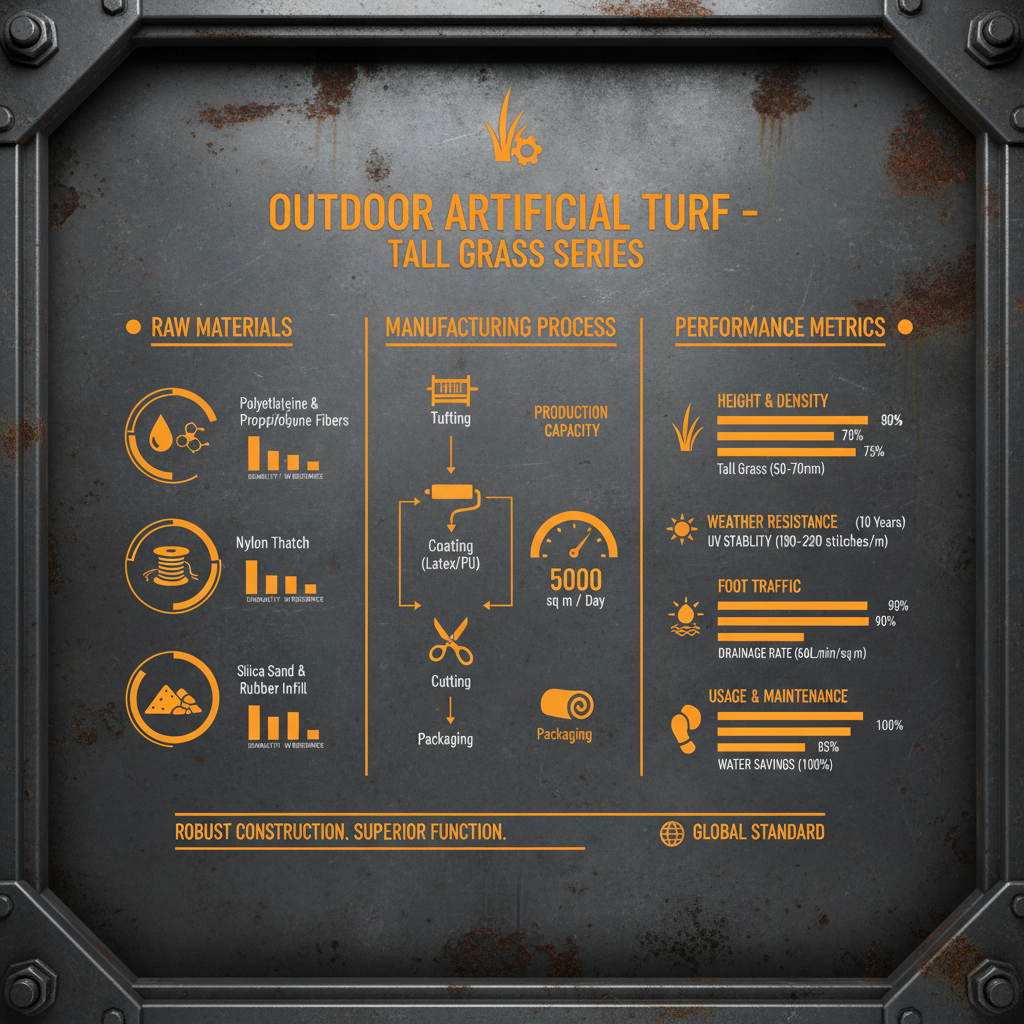
When folks hear “artificial grass,” they often picture those old, plastic-looking carpets. That's a dated image. Modern artificial tall grasses for outdoors are engineered to mimic the look and feel of natural turf. They are manufactured using synthetic fibers, typically polyethylene, polypropylene, or nylon, woven or tufted onto a backing material. The 'tall grass' aspect refers to the blade height, often designed to create a more natural and flowing appearance, especially in landscaping applications.
It’s crucial to understand that it's not just about aesthetics anymore. The best products are designed with functionality in mind. This means incorporating advanced drainage systems to prevent waterlogging, UV stabilizers to resist fading, and antimicrobial treatments to inhibit bacterial growth. It connects directly to modern industry needs for durable, low-maintenance materials.
The real connection to humanitarian needs is in its adaptability. I've seen it used in areas prone to flooding where natural turf simply won't grow, providing a safe and playable surface for communities. It's also a viable solution in areas with poor soil quality or limited access to water. This adaptability makes it a powerful tool for creating sustainable and resilient landscapes in challenging environments.
Key Factors Influencing Artificial Grass Selection
When I’m spec’ing out a project, there are several key factors I consider. Durability is paramount. I want a product that can withstand heavy foot traffic, extreme weather conditions, and years of use. That means looking at the denier of the fibers (higher denier equals more durability) and the quality of the backing.
Drainage is another critical factor. Poor drainage leads to waterlogging, which can cause the grass to deteriorate and even create a breeding ground for bacteria. I look for products with perforated backing and a well-designed drainage layer beneath the grass. UV Resistance is also key – cheap grass fades quickly in direct sunlight. Finally, Pile Height & Density dictate how realistic the grass looks and feels. Taller pile heights generally look more natural, but can be more challenging to clean.
Installation Quality is often overlooked, but it’s huge. A poorly installed lawn will fail regardless of the quality of the materials. It needs a properly prepared sub-base, a tight seam, and a secure perimeter. I’ve seen too many projects go sideways because corners were cut during installation. Fiber Type matters too. Polyethylene is soft and realistic, polypropylene is durable and affordable, and nylon is the most durable, but also the most expensive.
Global Applications: From Urban Landscapes to Remote Sites
I’ve seen artificial tall grasses for outdoors used in a ton of different settings. In urban environments, it’s becoming increasingly popular for rooftop gardens, balconies, and small urban yards where space is limited and maintenance is a challenge. We’re doing a lot of work with schools and daycare centers, where a safe, clean, and durable play surface is essential.
But the applications extend far beyond urban areas. I’ve worked on projects in arid regions where it’s used to create green spaces in areas where natural grass simply won't grow. I’ve seen it used on golf courses to create pristine fairways and greens, and even in pet facilities to provide a sanitary and comfortable surface for animals. In post-disaster relief operations, it can be quickly deployed to create temporary recreational areas and improve the quality of life for affected communities.
Artificial Tall Grasses for Outdoors Application Effectiveness
Advantages and Long-Term Value Proposition
Let’s talk about the bottom line. The initial cost of artificial tall grasses for outdoors is higher than natural turf, no question. But when you factor in the long-term savings, it quickly becomes a more cost-effective solution. You eliminate the costs of mowing, watering, fertilizing, and pest control. It’s also incredibly durable, meaning it will last for years with minimal maintenance.
Beyond the cost savings, there’s the sustainability aspect. Reducing water consumption is a huge win, and artificial grass eliminates the need for harmful pesticides and herbicides. It also offers a consistent, visually appealing landscape regardless of the weather conditions. From a social impact perspective, it creates safe and enjoyable spaces for communities and reduces the burden of landscape maintenance on property owners. It truly offers a lasting value.
Future Trends and Innovations in Artificial Grass Technology
The industry isn't standing still. We're seeing a lot of innovation in terms of materials. Companies are experimenting with bio-based plastics to reduce the environmental impact of manufacturing. There's also a focus on developing more realistic textures and colors, and improving the drainage capabilities of the grass.
I anticipate we’ll see more integration with smart technology. Imagine artificial grass with built-in sensors that monitor soil moisture, temperature, and even foot traffic. This data could be used to optimize maintenance schedules and improve the overall performance of the landscape. There’s also growing interest in using recycled materials in the backing and infill of artificial grass, creating a more circular economy.
Challenges and Solutions in Artificial Grass Installation and Maintenance
It’s not all sunshine and roses. One of the biggest challenges is proper installation. A poorly installed lawn will quickly show its flaws. That’s why it’s crucial to hire experienced professionals who understand the nuances of the process. Proper sub-base preparation is key, as is ensuring a tight and seamless seam.
Another challenge is maintaining the cleanliness of the grass. Dust, debris, and pet waste can accumulate over time. Regular brushing and rinsing can help, but specialized cleaning products may be necessary. The infill material also needs to be monitored and replenished as needed. We're seeing innovative infill materials emerging that are more sustainable and require less maintenance.
Finally, there’s the issue of heat buildup. Artificial grass can get hotter than natural turf in direct sunlight. Choosing lighter-colored grasses and using evaporative cooling systems can help mitigate this issue. The key is to proactively address these challenges and implement best practices to ensure a long-lasting and enjoyable landscape.
Summarizing Key Installation & Maintenance Considerations
| Challenge |
Severity (1-10) |
Mitigation Strategy |
Cost of Mitigation |
| Poor Sub-Base Preparation |
9 |
Thorough compaction & leveling. Use of geotextile fabric. |
$5 - $10/sq ft |
| Inadequate Drainage |
8 |
Perforated backing, gravel base, drainage channels. |
$3 - $7/sq ft |
| Seam Visibility |
7 |
Professional seaming techniques, high-quality seaming tape. |
$1 - $3/sq ft |
| Infill Displacement |
6 |
Regular brushing, top-up infill as needed. |
$0.50 - $1.50/sq ft (annually) |
| Heat Retention |
5 |
Light-colored grasses, evaporative cooling systems. |
$2 - $6/sq ft (for cooling systems) |
| Debris Accumulation |
4 |
Regular brushing, leaf blowers, occasional rinsing. |
$0.25 - $0.75/sq ft (annually) |
FAQS
Typically, high-quality artificial grass can last 15-20 years with proper maintenance. Natural turf, on the other hand, requires constant upkeep and often needs to be replaced every 5-10 years. The longevity of artificial grass depends on factors like foot traffic, UV exposure, and the quality of installation. The initial investment pays off over time because of these reduced replacement and maintenance costs.
That’s a common question. While it’s not a perfect solution, artificial grass offers several environmental benefits. It eliminates the need for watering, fertilizers, and pesticides, conserving water and reducing chemical runoff. Plus, some manufacturers are now using recycled materials in the production process. The impact of manufacturing and disposal needs to be considered, but overall, it’s often more sustainable than maintaining a natural lawn, especially in arid regions.
Far less than natural grass! Primarily, it needs occasional brushing to keep the blades upright and rinsing to remove debris. You might also need to top up the infill periodically. There’s no mowing, watering, fertilizing, or weeding. It’s a huge time saver for homeowners and property managers.
Yes, it can get warmer than natural grass, especially in direct sunlight. However, the temperature can be reduced by using lighter-colored grasses, applying a cooling infill, or installing an evaporative cooling system. The latest generation of artificial grasses are designed with heat-reducing technologies, making them much more comfortable to use.
Installation costs vary depending on the quality of the grass, the size of the area, and the complexity of the project. Generally, you can expect to pay between $8 and $15 per square foot, including materials and labor. It’s a significant upfront investment, but the long-term savings on maintenance often offset the initial cost.
Disposal is a growing concern. Currently, recycling options are limited, but the industry is actively working on developing more sustainable solutions. Some companies are offering recycling programs, and there's research into using artificial grass materials in new products. Proper disposal is crucial to minimize environmental impact.
Conclusion
Artificial tall grasses for outdoors have moved far beyond a simple aesthetic choice. They represent a practical, sustainable, and cost-effective solution for a wide range of landscaping challenges. From reducing water consumption to minimizing maintenance costs, the benefits are clear. As technology continues to advance, we can expect to see even more innovative and environmentally friendly artificial grass products emerge.
The future of landscaping is leaning heavily toward sustainable solutions, and artificial grass is poised to play a significant role. I encourage anyone considering a landscape project to seriously evaluate the benefits of artificial tall grasses for outdoors. It’s an investment that can pay off in the long run, both financially and environmentally. For expert advice and a wide selection of high-quality products, visit our website: artificial tall grasses for outdoors