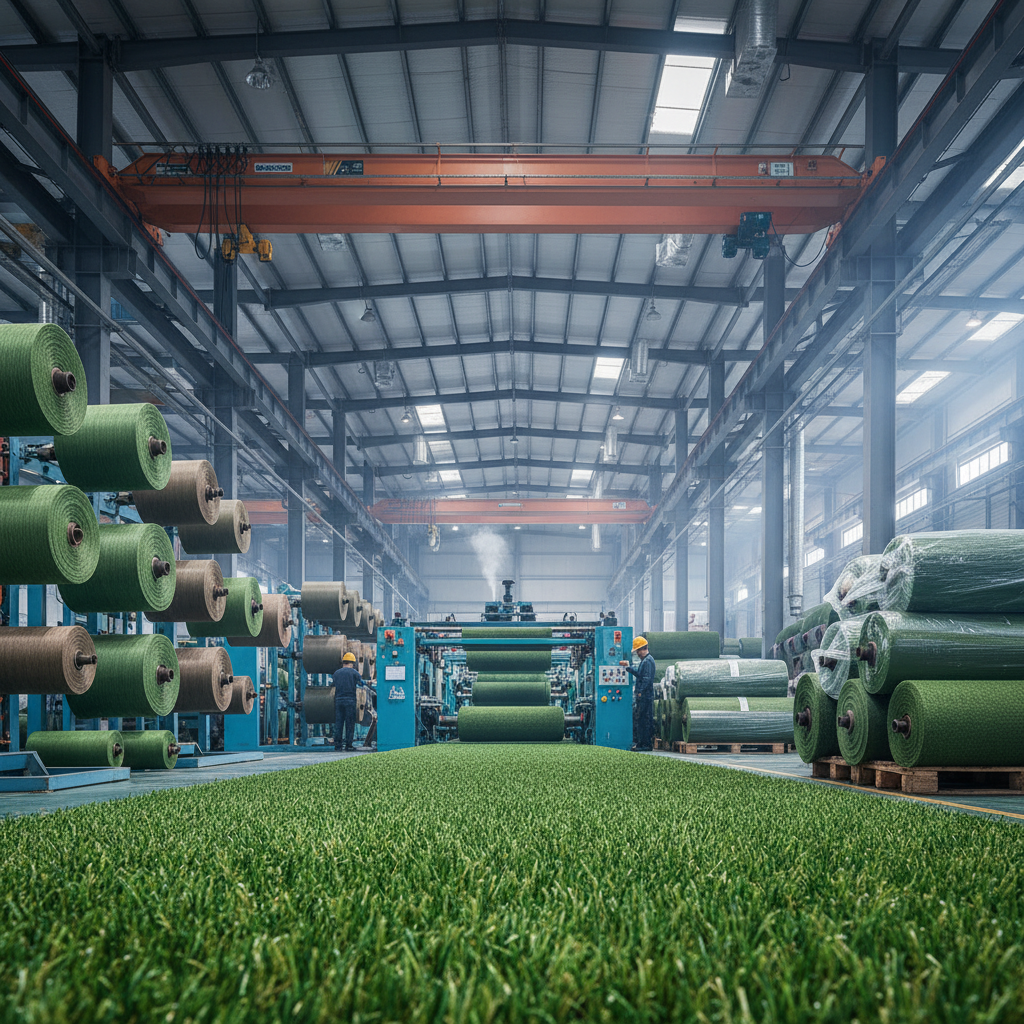
Artificial lawn grass, or synthetic turf, isn't just about pretty green landscapes anymore. It’s a game-changer in how we approach outdoor spaces, offering solutions to water scarcity, maintenance headaches, and the demand for year-round usability. I’ve spent years on construction sites, watching projects stall because of landscaping delays, seeing water bills skyrocket, and frankly, dealing with the constant upkeep of natural grass. This isn’t a luxury item; it’s a practical answer to real-world challenges. artificial lawn grass is reshaping everything from residential yards to professional sports fields.
Globally, the demand for sustainable landscaping is exploding. The UN estimates that water stress will affect over 5 billion people by 2050. That’s a huge driver. We're seeing increased adoption in arid and semi-arid regions, as well as areas facing strict water restrictions, like California and parts of Australia. Beyond that, the ISO 14001 standard for environmental management is pushing companies and municipalities to find eco-friendly solutions, and synthetic turf fits the bill. But it's not just about sustainability. It's about freeing up resources – time, money, manpower – for other priorities.
Simply put, artificial lawn grass is a manufactured surface designed to mimic the look and feel of natural grass. It's made from synthetic materials, typically polyethylene, polypropylene, or nylon, and is installed over a prepared base. What used to be a novelty item has now evolved into a sophisticated product with varying pile heights, densities, and color options. I've seen it used to solve some pretty complex problems – erosion control on steep slopes, creating safe play areas for kids, and providing consistent playing surfaces for athletes. It's a connection to modern engineering needs and a commitment to smart resource management.
The Growing Importance of Artificial Lawn Grass
From my experience, the biggest shift I've seen is how seriously people are taking water conservation. Natural lawns are water guzzlers, plain and simple. And the cost of maintaining them—mowing, fertilizing, pest control—adds up quickly. artificial lawn grass provides a viable alternative, reducing water consumption by up to 75% and eliminating the need for harmful chemicals.
Beyond the environmental benefits, there's a significant economic factor. Think about the labor costs involved in maintaining large landscapes – parks, golf courses, athletic fields. Synthetic turf dramatically reduces those costs, freeing up budgets for other essential services. I’ve seen schools reinvest savings from turf installation into programs for students, and cities use those funds to improve infrastructure. It’s a tangible return on investment.
Defining Artificial Lawn Grass
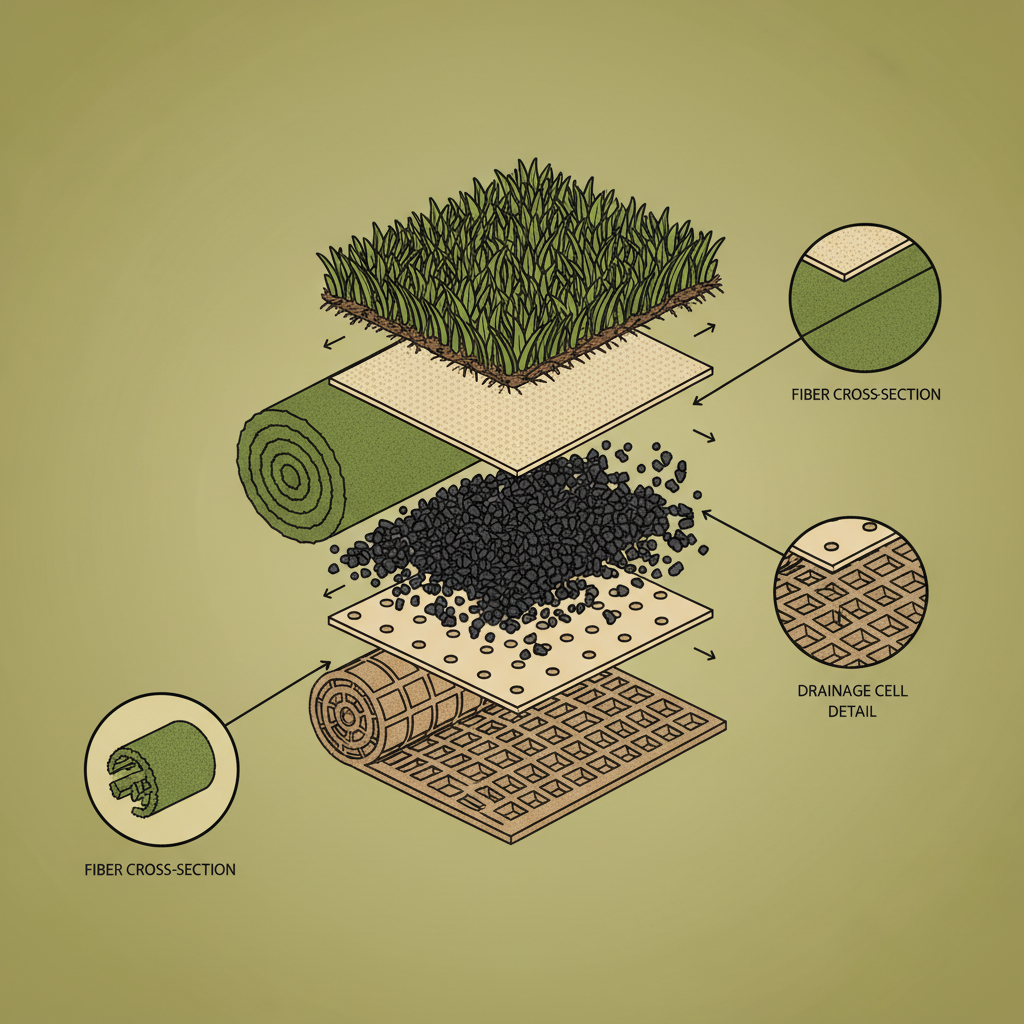
Artificial lawn grass isn’t just a carpet you roll out on your yard. It’s a system. It typically consists of a synthetic fiber layer – that’s the “grass” – attached to a backing material. This backing is then installed over a carefully prepared base, which usually includes layers of compacted aggregate, sand, and sometimes a drainage layer. The quality of that base is crucial – it affects drainage, stability, and the overall lifespan of the turf.
The materials have come a long way. Early generations of artificial turf felt…well, artificial. Stiff, plastic-y. Now, the fibers are much softer and more realistic, often incorporating textured yarns that mimic the appearance and feel of natural grass blades. We’re seeing manufacturers using bio-based polymers to reduce their carbon footprint, and innovations in infill materials – the stuff you sprinkle between the blades – are improving drainage and cushioning.
This isn't a new concept either. Believe it or not, the first synthetic turf was developed in the 1960s, originally for athletic fields. But the technology has evolved drastically, making it suitable for a much wider range of applications, and more importantly, making it look and feel natural underfoot.
Core Components and Key Factors
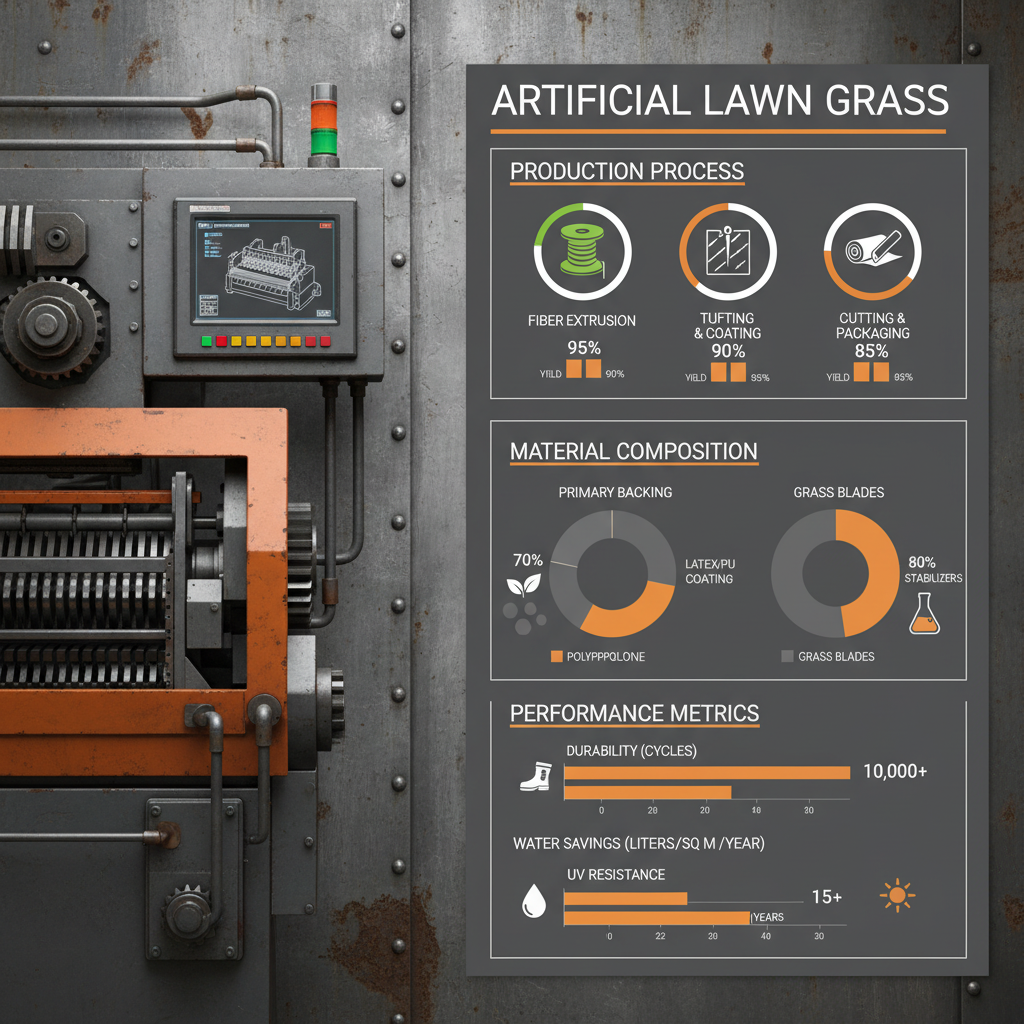
Durability is paramount. I’ve seen cheap turf fall apart after just a few years, with fibers matting down and losing their shape. The key is fiber denier – that’s the thickness of the individual fibers – and the quality of the backing material. Higher denier and a robust backing translate to a longer lifespan, even with heavy use.
Drainage is absolutely critical. If water can’t drain properly, you're looking at pooling, mold growth, and a generally unpleasant surface. The base construction, the infill material, and the backing material all play a role in drainage. We always recommend a professional installation to ensure proper drainage is addressed.
UV resistance is often overlooked. Constant exposure to sunlight can cause the fibers to break down and fade over time. Look for turf that’s specifically engineered for UV protection, especially if it’s going to be installed in a sunny location. The colorfastness is directly tied to the quality of the materials used in the manufacturing process.
Global Applications and Diverse Use Cases
The range of applications is astonishing. Of course, there are residential lawns, but we're also seeing it used extensively in sports – soccer, football, baseball, even tennis. The consistency of the playing surface is a huge benefit for athletes. In post-disaster relief operations, artificial lawn grass can provide a safe and clean surface for temporary shelters and recreational areas.
In urban environments, it's becoming increasingly popular for rooftop gardens, balcony spaces, and pet-friendly areas. It’s a great way to add a touch of green to concrete jungles. I’ve even seen it used in themed entertainment venues – miniature golf courses, amusement parks – where a realistic and durable surface is essential.
We're seeing significant growth in the Middle East and North Africa, where water scarcity is a major issue. Many municipalities are incentivizing the switch to synthetic turf to conserve water resources. And in remote industrial zones, where maintaining natural grass is impractical, it provides a safe and aesthetically pleasing work environment.
Artificial Lawn Grass Application Breakdown
Advantages and Long-Term Value Proposition
Let’s talk real numbers. A well-installed artificial lawn grass system can save homeowners thousands of dollars over its lifespan in water bills, landscaping costs, and maintenance fees. It's a significant long-term investment.
The environmental impact is also substantial. Reduced water consumption, elimination of pesticides and fertilizers, and a lower carbon footprint all contribute to a more sustainable landscape. And frankly, it just looks good year-round. No more brown patches, no more struggling to keep the grass alive during a drought.
Future Trends and Innovative Developments
We're seeing a lot of innovation in infill materials. Coconut coir and cork are becoming popular as eco-friendly alternatives to traditional crumb rubber. These materials offer excellent cushioning and drainage properties, and they’re biodegradable.
There's also a growing trend towards smart turf systems – turf with built-in sensors that monitor moisture levels, temperature, and other environmental factors. This data can be used to optimize irrigation and maintenance, further reducing water consumption and extending the lifespan of the turf.
Challenges and Potential Solutions
One of the biggest concerns I hear is heat buildup. Dark-colored turf can get hot in direct sunlight. The solution? Choosing lighter-colored turf, using evaporative cooling systems, and incorporating shaded areas into the landscape design.
Another challenge is disposal. What happens to the turf at the end of its lifespan? We need to develop better recycling programs and explore the use of recycled materials in the manufacturing process. The industry is actively working on solutions to address this issue.
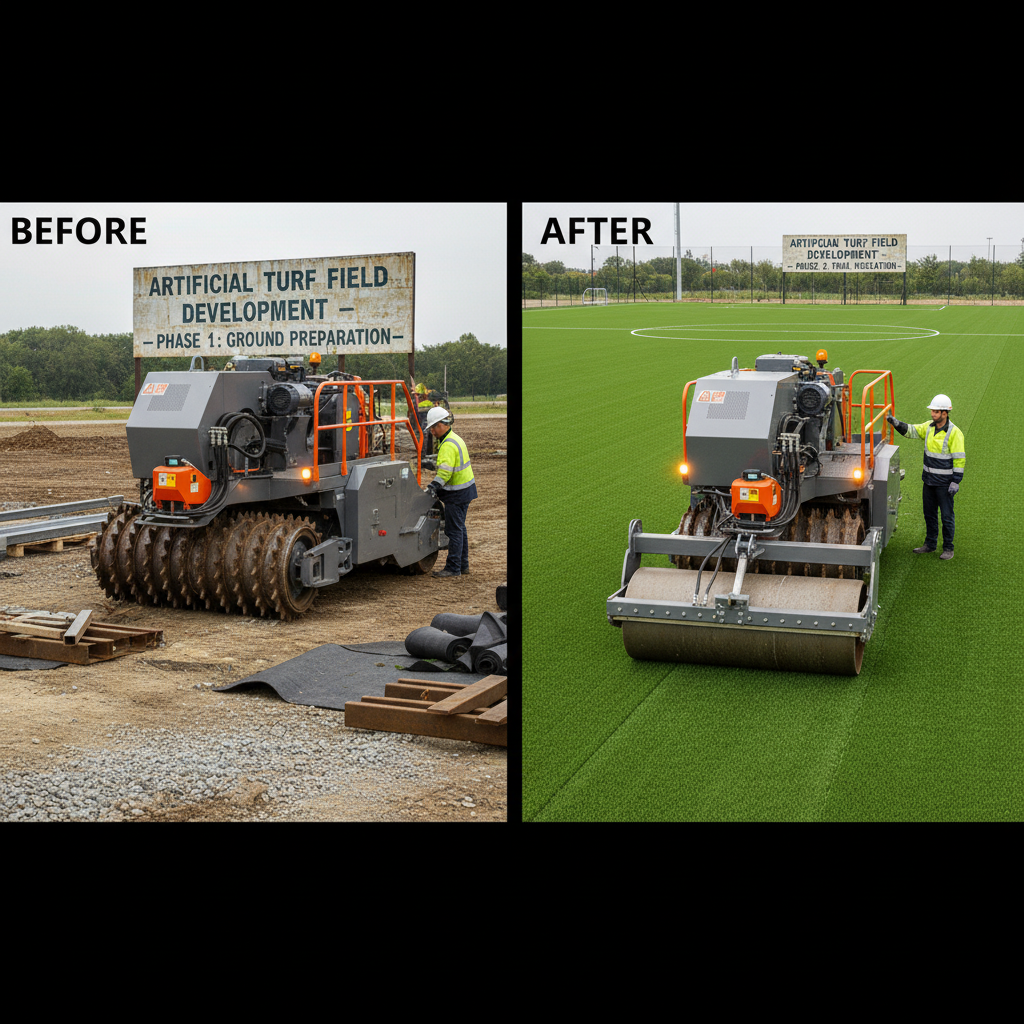
Proper installation is also crucial. A poorly installed system will have drainage problems, uneven surfaces, and a shorter lifespan. It's always best to hire a qualified and experienced installer.
Summary of Artificial Lawn Grass Challenges and Solutions
| Challenge |
Impact |
Proposed Solution |
Implementation Cost (1-10) |
| Heat Buildup |
Uncomfortable surface, potential burns. |
Lighter turf colors, evaporative cooling, shading. |
4 |
| End-of-Life Disposal |
Landfill waste, environmental concerns. |
Recycling programs, biodegradable materials. |
7 |
| Poor Installation |
Drainage issues, uneven surface, reduced lifespan. |
Professional installation, proper base preparation. |
6 |
| Infill Migration |
Infill spreading, messiness, potential health concerns. |
Stabilized infill systems, improved backing materials. |
5 |
| High Initial Cost |
Higher upfront expense compared to natural grass. |
Long-term cost savings analysis, financing options. |
3 |
| Aesthetic Concerns |
Some users find it less aesthetically pleasing than natural grass. |
Realistic fiber options, landscaping integration. |
2 |
FAQS
The lifespan of artificial lawn grass varies depending on the quality of the materials, the amount of traffic it receives, and how well it's maintained. Generally, you can expect a high-quality system to last anywhere from 8 to 15 years, sometimes even longer with proper care. I’ve seen systems exceeding 20 years with diligent upkeep, including regular brushing and infill replenishment.
It's more environmentally friendly than a traditional lawn in many ways. It eliminates the need for watering, fertilizing, and pesticides, which all have environmental impacts. However, the manufacturing process does consume resources. Choosing turf made from recycled materials and ensuring proper disposal at the end of its life can further minimize its environmental footprint.
Compared to natural grass, maintenance is minimal. You'll need to brush it occasionally to keep the fibers upright, remove any debris, and replenish the infill as needed. A good rinsing with water can also help keep it clean. Essentially, you're trading mowing, watering, and fertilizing for a few simple upkeep tasks.
Yes, it can get warmer than natural grass in direct sunlight, especially darker colors. However, there are ways to mitigate this, such as choosing lighter-colored turf, using evaporative cooling systems (like a light misting), and providing shaded areas. Newer infill technologies are also designed to reduce heat retention.
Yes, when properly installed with pet-friendly infill. The infill prevents bacteria buildup and ensures proper drainage. Always look for non-toxic, hypoallergenic options, and avoid crumb rubber infills if you have concerns. A good rinsing periodically is also recommended. It provides a consistently clean and safe surface for play.
The initial cost is higher than establishing a natural lawn. However, when you factor in the long-term costs of water, fertilizer, mowing, and maintenance, artificial lawn grass often proves to be more cost-effective over its lifespan. It's an investment that pays off in time and money saved.
Conclusion
Artificial lawn grass has evolved from a niche product to a mainstream solution for a wide range of landscaping challenges. From water conservation to reduced maintenance costs, the benefits are clear. It's not just about aesthetics anymore; it’s about sustainability, practicality, and making smart choices for the future.
As technology continues to advance, we can expect even more innovative materials and installation techniques to emerge, further enhancing the performance and environmental friendliness of artificial turf. The key is to approach it with a long-term perspective, focusing on quality, proper installation, and responsible end-of-life management. If you're considering artificial lawn grass for your project, visit our website today: www.hoyarngrass.com