
Welcome to Hoyarn
Call Us Any Time:+86 19801805999
Email Us: info@hoyarn.cn
Indoor Home Artificial Grass
Indoor home artificial grass is designed to bring the beauty and comfort of natural greenery into interior spaces, creating a fresh, vibrant, and low-maintenance environment. Made from high-quality polyethylene or polypropylene fibers, this turf features soft, dense, and realistic grass blades that provide a natural look and comfortable feel underfoot. The fibers are designed to be durable and resilient, maintaining their shape and upright posture even under regular foot traffic, making it ideal for living rooms, play areas, home gyms, balconies, and indoor gardens.
One of the key advantages of indoor home artificial grass is its low-maintenance nature. Unlike real grass, it requires no watering, mowing, or fertilizing, saving both time and cost while still offering a visually appealing green space year-round. The turf is also stain-resistant and easy to clean; spills or dirt can be quickly wiped away, making it suitable for households with children or pets.
The backing system is designed for stability and breathability, often featuring a drainage layer that prevents moisture accumulation, keeping the surface dry and hygienic. Additionally, indoor home artificial grass is non-toxic, safe, and environmentally friendly, ensuring it is suitable for all members of the household. Its lightweight and flexible construction allow for easy installation on various floor types, including tiles, concrete, and wood. With its realistic appearance, comfort, and practicality, indoor home artificial grass transforms indoor spaces into inviting, green, and functional areas, offering the benefits of nature without the upkeep of natural lawns.
-
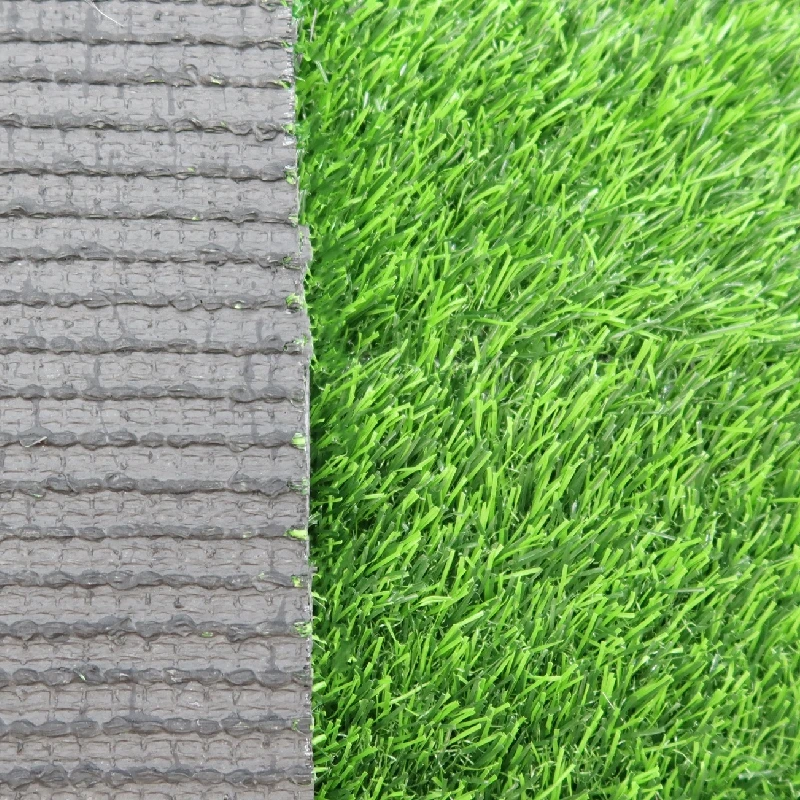
Artificial Grass For Interior Decoration
view more -
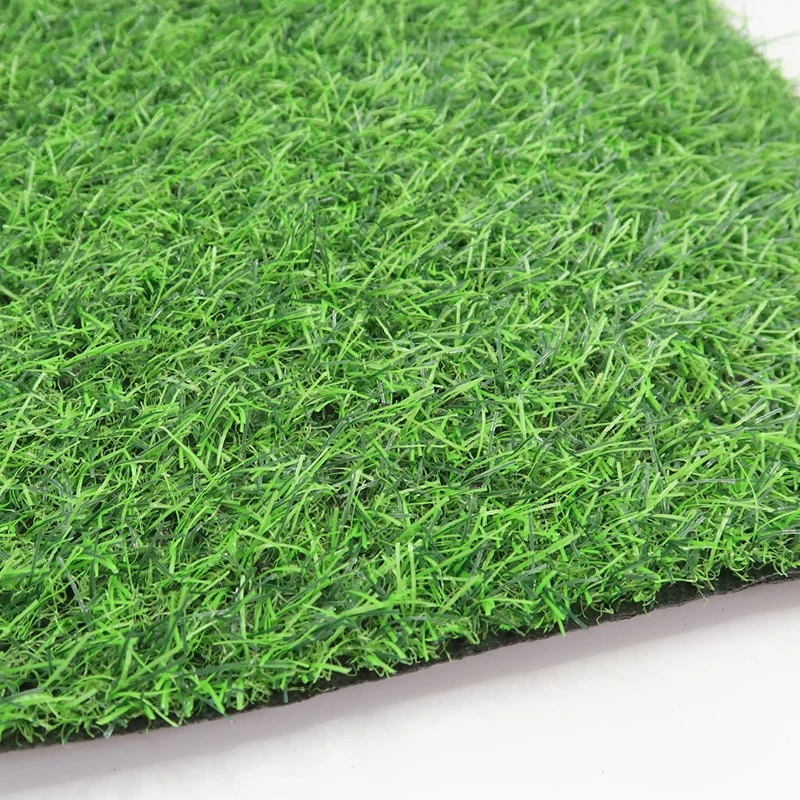
Natural Decorations: Artificial Lawn For Home
view more
How to Clean Artificial Grass Indoors
Cleaning artificial grass indoors is essential to maintain its appearance, hygiene, and longevity, especially in high-traffic areas like playrooms, home gyms, or indoor gardens. Unlike outdoor lawns, indoor artificial turf is less exposed to dirt and natural debris but can still accumulate dust, crumbs, pet hair, and occasional spills. The first step in cleaning is regular dry maintenance. Use a soft-bristled broom, handheld brush, or vacuum cleaner to remove loose debris from the surface. Brushing the grass fibers in different directions helps lift them, preventing matting and maintaining a natural, upright appearance.
For spills or stains, prompt action is crucial. Most indoor artificial grass is stain-resistant, allowing for easy cleaning with mild, pet-safe, or household detergents diluted in water. Gently scrub the affected area with a soft cloth or sponge, then rinse lightly with clean water. Avoid harsh chemicals, bleach, or abrasive brushes, as they may damage the fibers or backing. For pet owners, occasional deodorizing with a mixture of water and white vinegar can help neutralize odors without harming the turf.
If pet accidents occur, remove any solid waste first, then rinse the area with warm water. For stubborn residues or odors, a pet-safe enzymatic cleaner can be applied to break down organic matter. Indoor artificial grass often comes with a drainage or breathable backing, so it dries quickly after cleaning, reducing the risk of mold or mildew.
Routine maintenance also includes brushing the turf every few weeks to keep the fibers upright and looking fresh. Heavy traffic areas may require more frequent attention. By combining regular brushing, vacuuming, and spot cleaning, indoor artificial grass remains soft, vibrant, and hygienic. Proper care ensures that the turf provides a safe, comfortable, and visually appealing surface for indoor use, while extending its lifespan and maintaining a clean, natural look.
Can You Use Artificial Grass Indoors?
Yes, artificial grass can be used indoors, and it has become an increasingly popular choice for homeowners and businesses looking to bring a touch of greenery into interior spaces. Indoor artificial grass is designed to be soft, durable, and realistic, providing the look and feel of natural turf without the maintenance requirements. It can transform a variety of indoor areas, including living rooms, playrooms, home gyms, balconies, offices, and indoor event spaces, creating a vibrant, inviting, and natural aesthetic. The fibers are usually made from high-quality polyethylene or polypropylene, ensuring resilience under foot traffic while remaining gentle on bare feet.
One of the key benefits of using artificial grass indoors is its low-maintenance nature. Unlike natural grass, it does not require watering, mowing, or fertilization, which makes it ideal for spaces where sunlight, soil, or irrigation is limited. Indoor artificial grass is also designed to be easy to clean. Regular vacuuming, brushing, and occasional spot cleaning with mild soap and water are usually sufficient to keep it looking fresh. Some products are even pet-friendly, offering stain resistance and odor control for homes with dogs or cats.
Indoor artificial grass can also enhance comfort and safety. Its soft texture provides cushioning for children’s play areas or home workout spaces, while its non-slip backing ensures stability on a variety of flooring types, including wood, tile, or concrete. Additionally, it is often UV-resistant and non-toxic, making it safe for pets and family members.
With proper installation and care, artificial grass indoors can provide a long-lasting, attractive, and functional surface that brings the outdoors inside. It combines the aesthetic appeal of natural greenery with practicality and durability, offering a versatile solution for modern interior design while creating a relaxing, vibrant, and low-maintenance environment.
How to Install Artificial Grass Indoors
Installing artificial grass indoors is a practical way to bring the look and feel of natural greenery into your home, office, or commercial space while maintaining a low-maintenance surface. The installation process begins with proper site preparation. The existing floor, whether it’s concrete, wood, or tile, should be cleaned thoroughly to remove dust, dirt, and debris. Any uneven areas should be leveled using a self-leveling compound or underlay to create a smooth, stable surface. This step is crucial for ensuring the artificial grass lays flat and prevents wrinkles or uneven wear over time.
Next, consider adding an underlay or cushioning layer, especially for areas where comfort and safety are priorities, such as children’s playrooms, home gyms, or indoor lounges. A soft foam or rubber underlay enhances comfort underfoot and provides additional shock absorption, while also helping with sound insulation. Once the surface is prepared, a weed barrier or thin protective membrane can be laid to protect the backing of the artificial grass, although this is optional for purely indoor applications.
The artificial grass roll is then carefully unrolled and positioned according to the room’s layout. Ensure that the grass fibers are all facing the same direction for a natural, uniform appearance. Precise cutting is required to fit around corners, walls, furniture, or fixtures, and a sharp utility knife or heavy-duty scissors is recommended for clean edges. For larger areas, multiple rolls may need to be joined using seaming tape and adhesive to create a seamless, professional finish.
Once the turf is in place, secure the edges with double-sided tape, adhesive, or tack strips depending on the flooring type and expected foot traffic. Light brushing or vacuuming helps lift the fibers and ensures the grass stands upright, creating a soft, realistic surface. Indoor artificial grass requires minimal maintenance—occasional brushing, vacuuming, and spot cleaning are enough to keep it looking fresh and vibrant. When installed correctly, it provides a comfortable, attractive, and functional indoor surface that mimics the beauty of natural grass while being durable, safe, and easy to maintain year-round.
Latest News
-
Creating the Perfect Fake Grass Area for Dogs Complete Guide
-
-
Fake Grass and Dogs Creating a Pet Friendly and Durable Yard
-
Maintaining a Pristine Lawn with Fake Grass and Dog Wee Management Solutions
-
The Ultimate Guide to Choosing the Perfect Fake Dog Grass Patch for Your Pet
-
Discover the Benefits of High Quality Fake Dog Grass for Potty Training
-
Creating a Pawsome Paradise Dogs with Artificial Grass for Safe Play
-
Exploring the Benefits of Artificial Turf for Dogs and Pet Owners