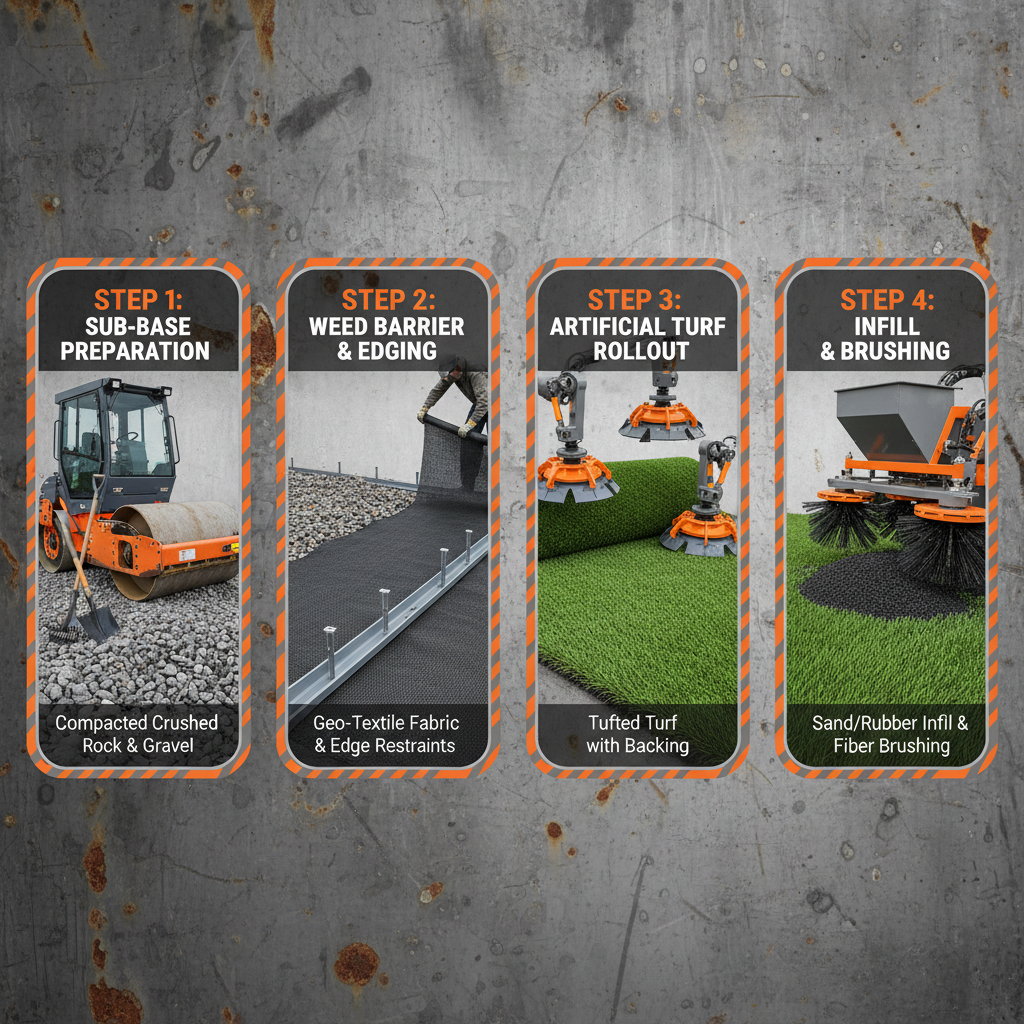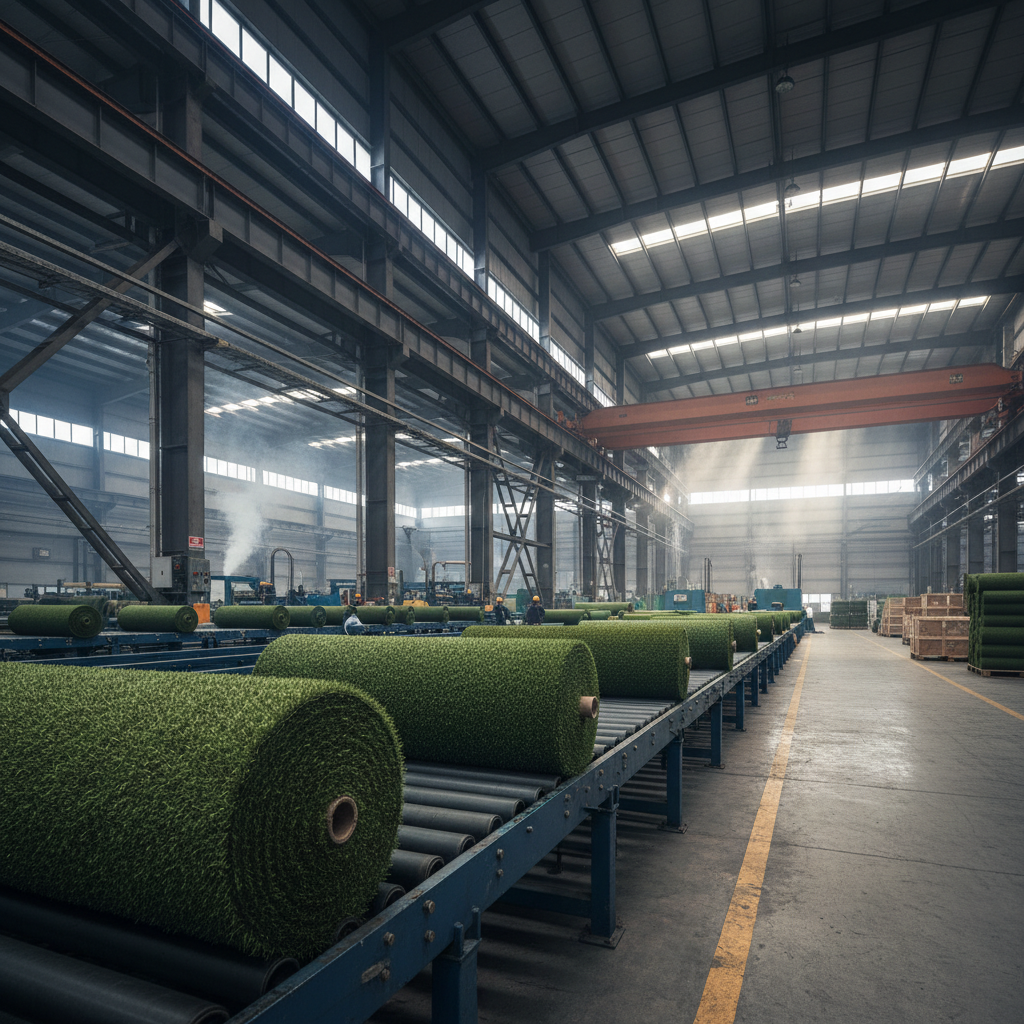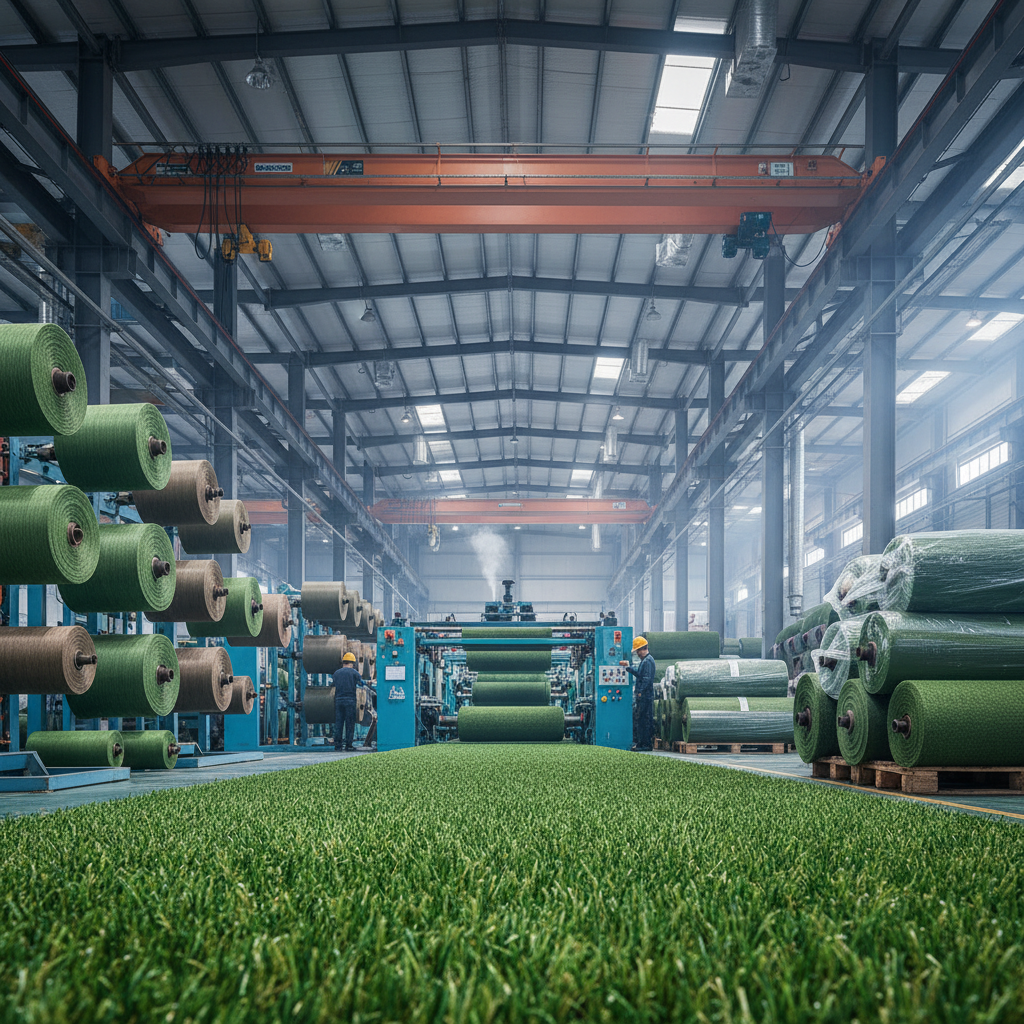
Artificial grass matting is rapidly becoming a cornerstone of modern infrastructure and specialized applications worldwide. Initially conceived for athletic fields, its versatility has expanded dramatically, addressing needs ranging from temporary event flooring to permanent landscaping and crucial disaster relief solutions. The global demand for sustainable, low-maintenance surfacing is driving innovation and widespread adoption of this technology.
The increasing prevalence of urbanization, coupled with environmental concerns regarding natural turf maintenance – including water usage and pesticide application – has fueled the growth of the artificial grass matting market. Moreover, its adaptability to challenging terrains and climates makes it invaluable in regions where natural grass struggles to thrive. The industry is responding with increasingly sophisticated materials and installation techniques.
Understanding the intricacies of artificial grass matting – its manufacturing processes, diverse applications, and long-term benefits – is crucial for professionals in construction, landscaping, event management, and humanitarian aid. The advancements in this field aren’t merely cosmetic; they represent a paradigm shift toward more sustainable and resilient environments.
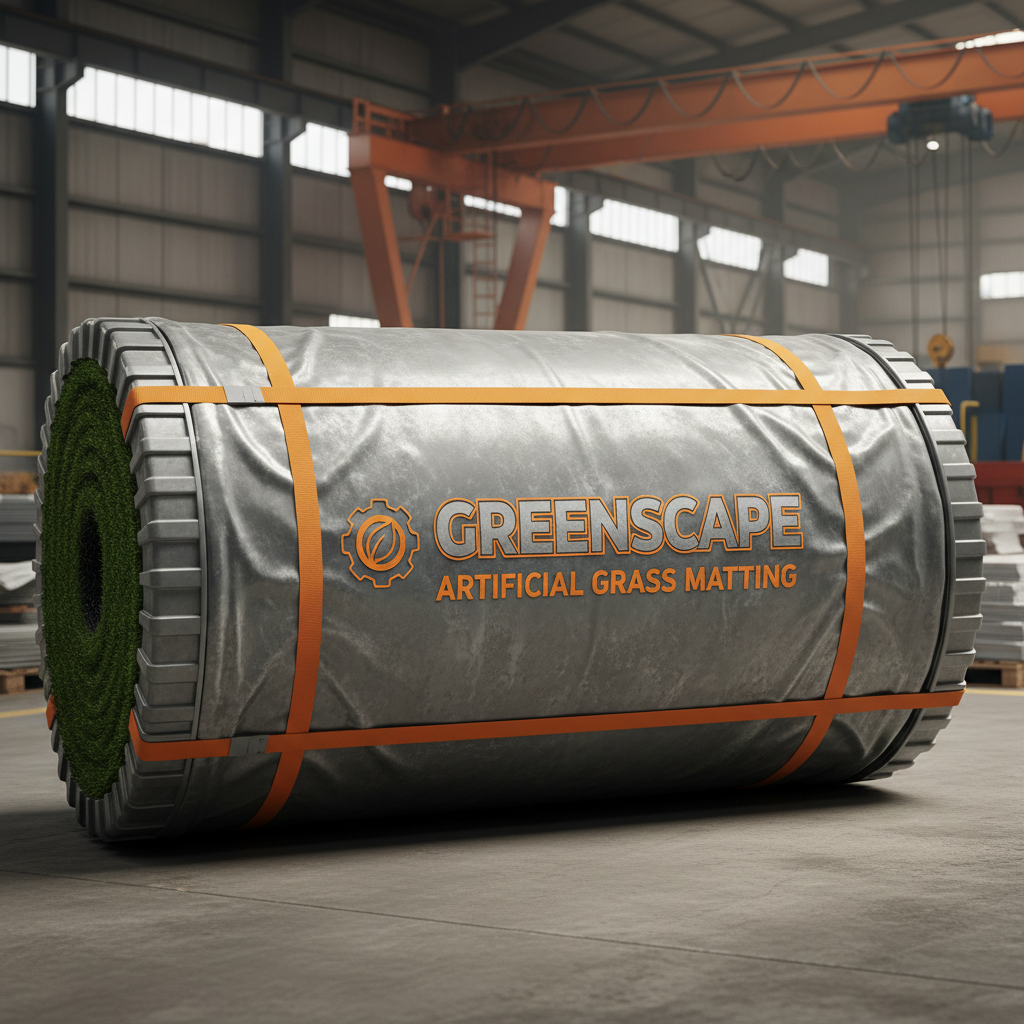
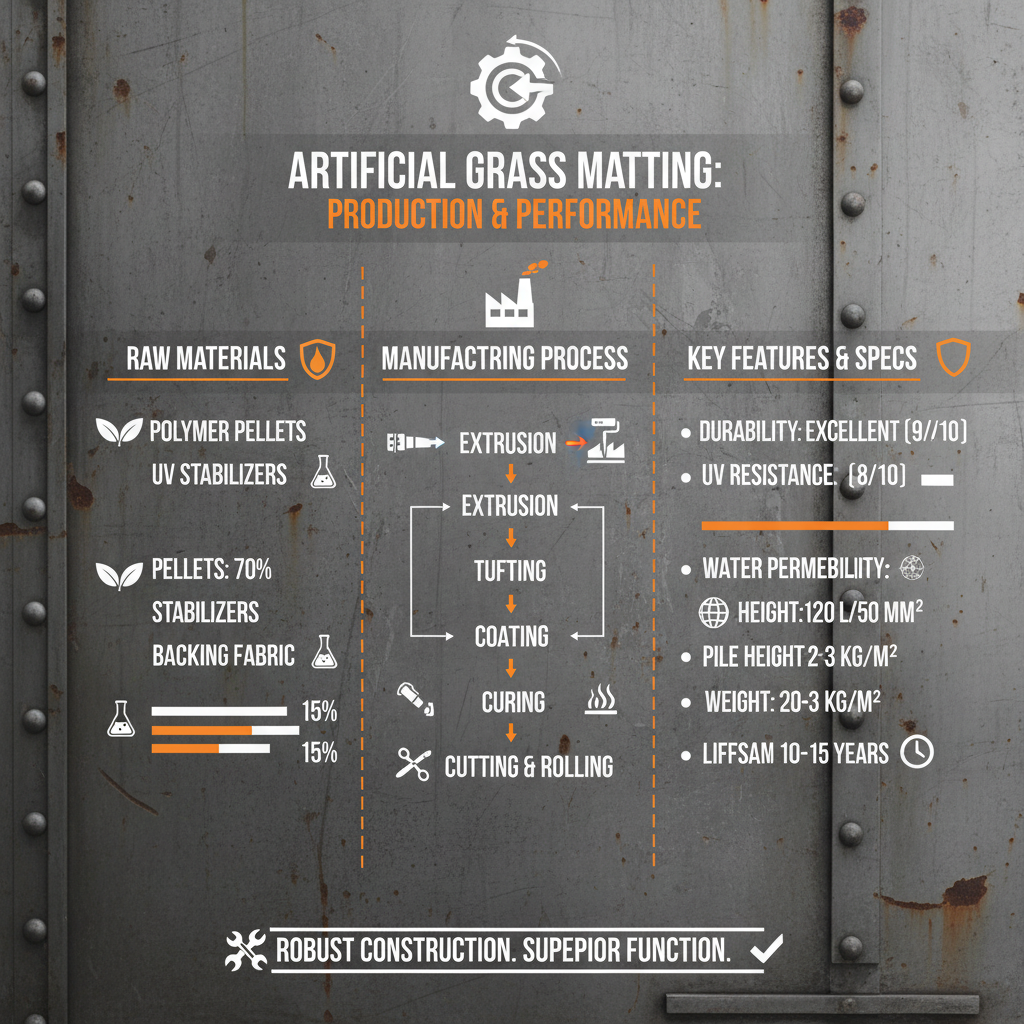
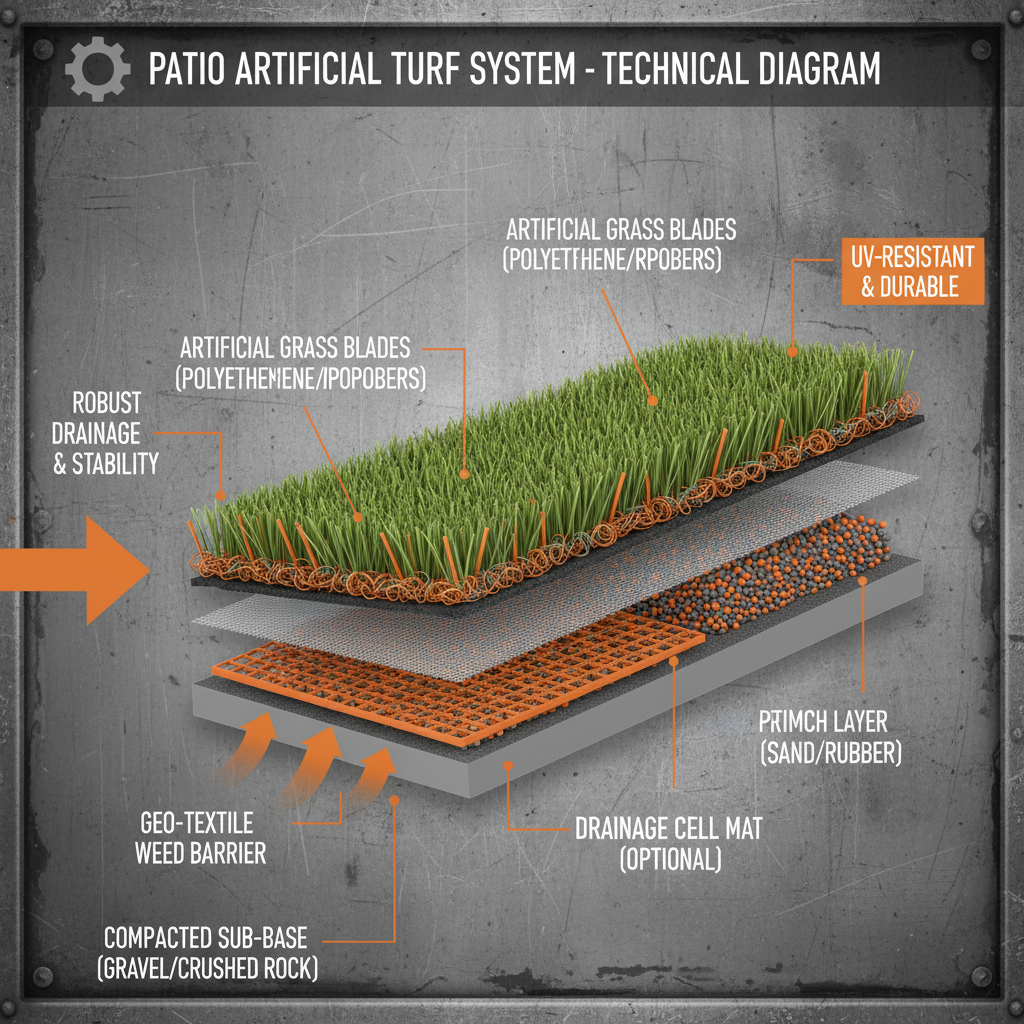
At its core, artificial grass matting relies on the principle of replicating the aesthetic and functional qualities of natural turf using synthetic materials. This typically involves a woven or tufted primary backing, onto which synthetic fibers – usually polyethylene, polypropylene, or nylon – are embedded. The quality and density of these fibers directly impact the matting’s durability, appearance, and performance characteristics.
The key to successful artificial grass matting lies in the interplay between the fiber type, pile height, backing material, and infill. Infill, often composed of crumb rubber or sand, provides cushioning, support, and enhances the matting’s structural integrity. Different applications demand different combinations of these elements, tailoring the matting to specific needs and environmental conditions.
Evaluating artificial grass matting requires consideration of several key performance indicators. These metrics provide insights into the product’s quality, durability, and suitability for specific applications. Important KPIs include wear resistance, UV stability, drainage capacity, and surface friction.
Wear resistance, measured by the ability to withstand foot traffic and abrasion, is crucial for high-usage areas like sports fields. UV stability assesses the matting's resistance to degradation from sunlight, preventing fading and brittleness. Effective drainage is essential to prevent waterlogging and maintain a safe playing surface.
The applications of artificial grass matting are incredibly diverse. In sports, it’s widely used for football, soccer, rugby, and baseball fields, offering consistent playing surfaces regardless of weather conditions. Beyond sports, it’s prevalent in landscaping, providing aesthetically pleasing and low-maintenance lawns for residential and commercial properties.
Increasingly, artificial grass matting is being deployed in non-traditional settings. These include rooftop gardens, indoor play areas, pet-friendly spaces, and event flooring. In disaster relief operations, portable artificial grass matting provides immediate, safe, and sanitary ground cover for temporary shelters and medical facilities. In remote industrial zones, it provides erosion control and durable work surfaces.
Investing in artificial grass matting offers a compelling long-term value proposition. While the initial cost may be higher than natural turf, the reduced maintenance requirements – eliminating mowing, watering, fertilizing, and pest control – translate into significant cost savings over the lifespan of the product.
Furthermore, artificial grass matting offers environmental benefits by conserving water, reducing pesticide use, and minimizing carbon emissions associated with lawn care equipment. The durability and longevity of the material – often lasting 10-20 years – contribute to its sustainability. From a societal perspective, it provides safe and accessible recreational spaces, enhancing quality of life.
The future of artificial grass matting is poised for further innovation. Research and development efforts are focused on creating more sustainable materials, including those derived from recycled plastics and bio-based polymers. Smart artificial grass systems, incorporating sensors and data analytics, are emerging to monitor performance and optimize maintenance schedules.
Advances in fiber technology are leading to more realistic and durable surfaces. 3D tufting techniques are creating fibers that mimic the natural resilience and texture of grass. The integration of cooling technologies is being explored to mitigate heat buildup in warmer climates. Ultimately, these advancements aim to enhance the performance, sustainability, and aesthetic appeal of artificial grass matting.
The increasing adoption of digital technologies, like AI-powered installation and maintenance tools, promises to streamline the lifecycle of artificial grass matting, making it even more cost-effective and efficient. The convergence of these trends suggests a bright future for this versatile and increasingly essential surfacing material.
| Innovation Area | Current Status | Potential Impact | Adoption Rate (1-10) |
|---|---|---|---|
| Recycled Materials | Increasing use of recycled plastics in fiber production. | Reduced environmental footprint and waste. | 7 |
| Bio-Based Polymers | Early stages of research and development. | Renewable resource utilization and reduced reliance on fossil fuels. | 4 |
| Smart Turf Systems | Initial implementations with moisture sensors and performance monitoring. | Optimized maintenance, extended lifespan, and improved playability. | 6 |
| 3D Fiber Tufting | Increasingly common in high-end sports surfaces. | Enhanced realism, improved resilience, and superior performance. | 8 |
| Cooling Technologies | Exploring various methods to reduce surface temperature. | Improved comfort in hot climates and expanded usability. | 5 |
| AI-Powered Installation | Emerging applications of robotics and AI for precise installation. | Reduced installation time, minimized waste, and improved quality control. | 3 |
Artificial grass matting offers significant environmental advantages. It eliminates the need for watering, reducing water consumption considerably, especially in arid regions. It also negates the use of harmful pesticides and fertilizers, preventing soil and water contamination. Furthermore, some artificial grass products are manufactured using recycled materials, diverting waste from landfills and reducing the demand for virgin plastics. While production has an environmental impact, the long-term water and chemical savings can outweigh it.
While the initial investment in artificial grass matting is higher, the long-term cost is often lower than maintaining a natural lawn. Natural grass requires regular mowing, watering, fertilizing, pest control, and potential reseeding. These costs accumulate over time. Artificial grass requires minimal maintenance – occasional brushing and infill replenishment – resulting in significant savings over a decade. A detailed cost-benefit analysis should be conducted considering local labor and material costs, but generally, artificial grass proves more economical in the long run.
High-quality artificial grass matting typically lasts between 10 and 20 years, depending on usage and maintenance. Factors affecting durability include the quality of the fibers (polyethylene, polypropylene, or nylon), the density of the pile, the backing material, the amount and type of infill, and the frequency of use. Regular brushing to maintain fiber uprightness, timely infill replenishment, and prompt repair of any damage can extend the lifespan considerably.
Yes, but material selection is critical. Artificial grass matting can perform well in extreme climates with the right materials. For hot climates, fibers with high UV resistance and cooling infill options are recommended to prevent overheating. For cold climates, fibers with good frost resistance and proper drainage are essential to prevent damage from freezing and thawing cycles. Advances in fiber technology are constantly improving the performance of artificial grass in challenging weather conditions.
Safety is paramount. For playgrounds and sports fields, ensure the artificial grass matting meets relevant safety standards, such as those related to impact absorption and fall height. The infill material should be non-toxic and free of harmful chemicals. Proper installation is crucial to avoid tripping hazards. Regular maintenance, including infill replenishment, is essential to maintain optimal safety characteristics.
End-of-life management is a growing concern. While traditional disposal in landfills remains common, recycling options are increasing. Some manufacturers offer take-back programs to recycle old turf. Technologies are emerging to separate the fibers from the backing and infill, allowing for the recovery of valuable materials. However, recycling infrastructure is still developing and varies geographically.
Artificial grass matting represents a significant advancement in surface technology, offering a compelling combination of aesthetic appeal, functional performance, and long-term value. Its versatility allows for applications across a wide spectrum of industries, from sports and recreation to landscaping and disaster relief. The environmental benefits – reduced water consumption, minimized chemical use, and potential for recycled content – position it as a sustainable alternative to natural turf.
Looking ahead, continued innovation in materials and manufacturing techniques will further enhance the performance and sustainability of artificial grass matting. Embracing these advancements and adopting responsible end-of-life management practices will be crucial to maximizing its benefits and minimizing its environmental impact. For reliable, high-quality artificial grass matting solutions, visit our website: artificial grass matting.