Artificial grass for rooftop applications is rapidly gaining traction as a sustainable and aesthetically pleasing solution for urban spaces. Globally, increasing urbanization and a growing focus on green infrastructure are driving demand for innovative landscaping materials. This trend isn’t simply cosmetic; it addresses crucial challenges like stormwater management, urban heat island effect mitigation, and the creation of accessible green spaces in densely populated areas. The use of artificial grass for rooftop projects offers a durable, low-maintenance alternative to natural turf, particularly in environments where traditional landscaping is impractical or cost-prohibitive.
The relevance of artificial grass for rooftop extends beyond individual property owners. Cities worldwide are implementing policies to encourage green roofs, recognizing their environmental and economic benefits. According to the UN Environment Programme, green roofs can reduce building energy consumption, improve air quality, and enhance biodiversity. Organizations like the World Bank are also promoting sustainable urban development practices, where artificial turf plays a key role. The demand for efficient and readily deployable rooftop solutions is growing, fueled by a desire for greener, more resilient urban environments.
Ultimately, the widespread adoption of artificial grass for rooftop reflects a broader shift toward sustainable urban planning and a commitment to creating more livable cities. This trend is not merely about aesthetics; it’s about addressing real-world challenges and creating a healthier, more sustainable future.
Introduction to Artificial Grass for Rooftop
Artificial grass for rooftop is transforming urban landscapes, offering a compelling solution for creating accessible, aesthetically pleasing, and environmentally beneficial green spaces. This innovative approach to rooftop design leverages the durability and low-maintenance properties of synthetic turf to overcome the limitations of traditional landscaping in elevated environments. It’s rapidly becoming a preferred choice for both commercial and residential projects seeking to maximize space utilization and enhance the overall aesthetic appeal of buildings.
The increasing demand for artificial grass for rooftop is driven by a multitude of factors, including the desire for year-round greenery, reduced maintenance costs, and improved stormwater management. Unlike natural turf, artificial grass requires no watering, mowing, or fertilizing, making it a sustainable and cost-effective alternative. This is particularly important in urban areas facing water scarcity and resource constraints. You can find more information on specific products at artificial grass for rooftop.
Defining Artificial Grass for Rooftop
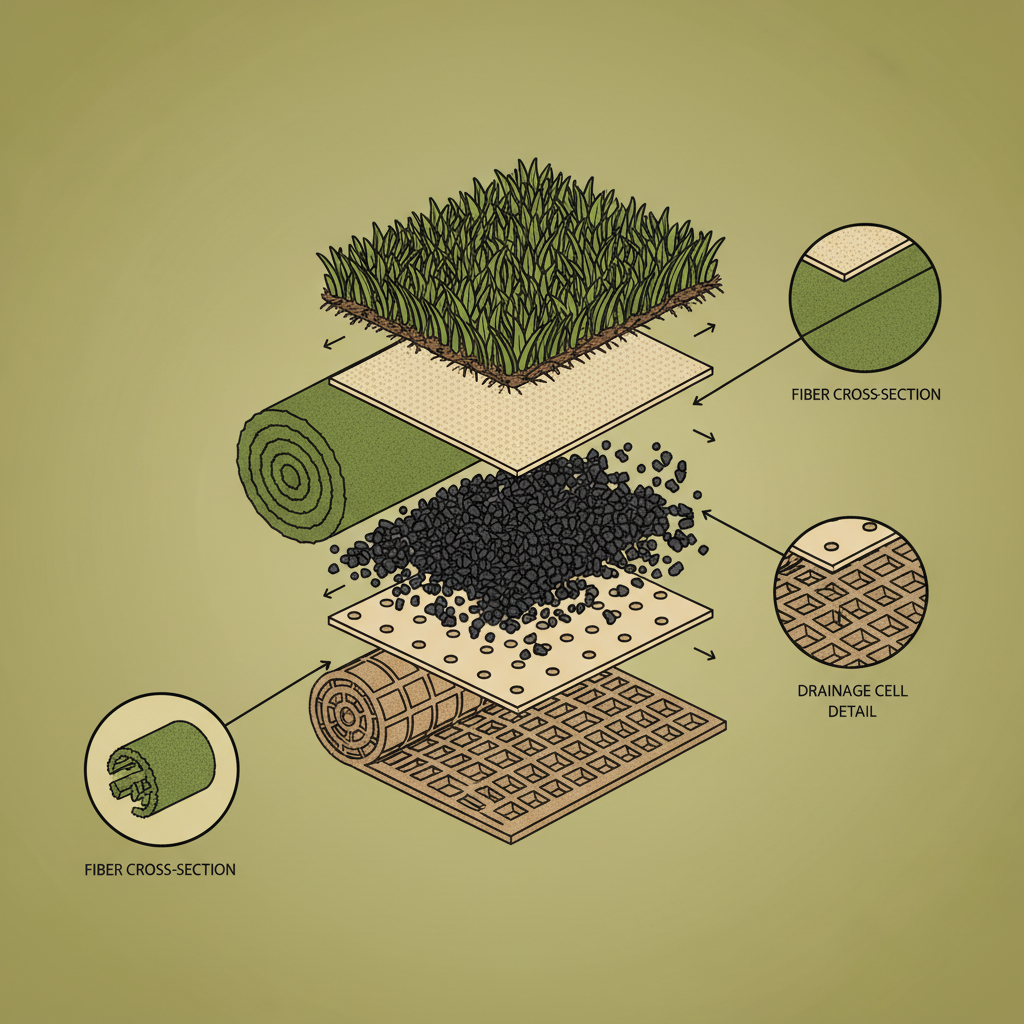
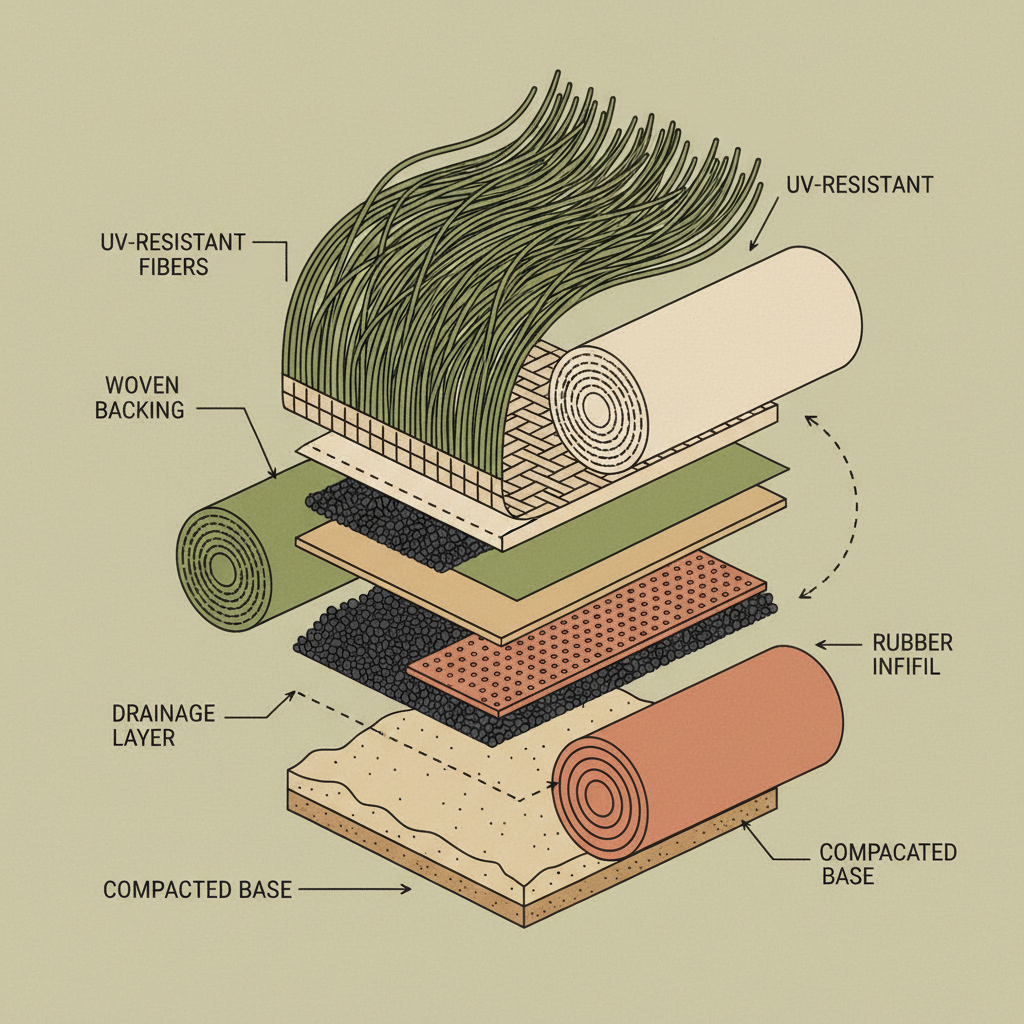
Artificial grass for rooftop, at its core, is a synthetic surface designed to mimic the appearance and feel of natural turf. However, it goes beyond mere aesthetics. Specifically designed for rooftop installations, these systems typically incorporate specialized drainage layers, shock absorption pads, and robust backing materials to withstand the unique challenges of an elevated environment, like wind, UV exposure, and temperature fluctuations. It’s a complete system, not just a carpet replacement.
The connection to modern industry and humanitarian needs lies in its versatility and adaptability. In urban settings, it provides valuable green space where traditional landscaping is impossible. In disaster relief scenarios, it can offer a safe and clean playing surface for children or a temporary recreational area for displaced communities. Furthermore, the increasing focus on sustainable building practices makes artificial grass for rooftop a vital component of green infrastructure projects.
Ultimately, the definition extends beyond the material itself; it encompasses a design philosophy prioritizing sustainability, functionality, and aesthetic integration within the urban environment.
Key Factors of Artificial Grass for Rooftop
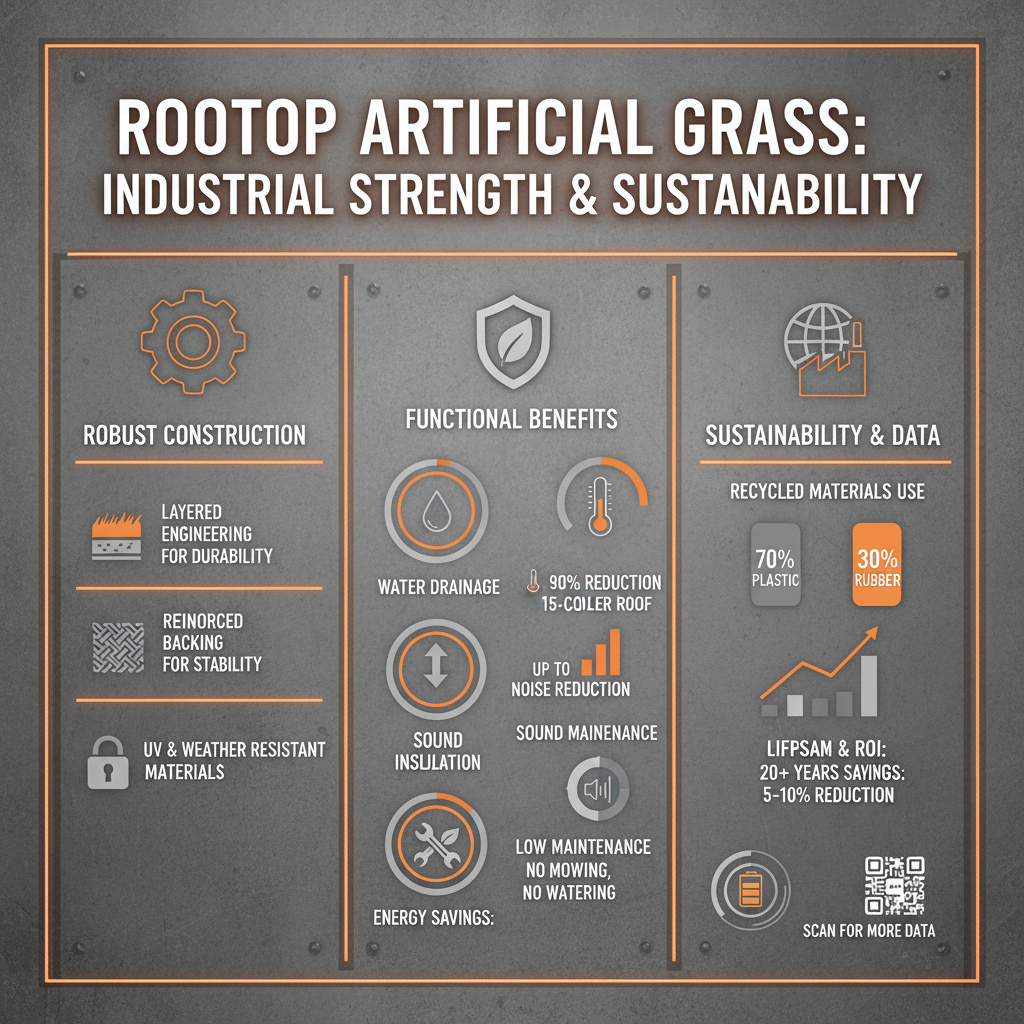
Several key factors contribute to the effectiveness and longevity of artificial grass for rooftop installations. Durability is paramount; the turf must withstand constant foot traffic, UV exposure, and varying weather conditions without significant degradation. Choosing high-quality materials and a robust construction is essential for ensuring a long-lasting surface.
Drainage is another critical consideration. Rooftops require efficient water runoff to prevent ponding and structural damage. Specialized drainage layers beneath the turf facilitate rapid water dispersal, mitigating the risk of flooding and maintaining a safe, dry surface. Proper drainage is not just about preventing damage; it's about ensuring the usability of the space after rainfall.
UV Resistance is vital. Prolonged exposure to sunlight can cause fading and degradation of lower-quality turf. High-quality artificial grass for rooftop is manufactured with UV inhibitors to protect the fibers from sun damage, ensuring long-lasting color and performance. Safety, especially shock absorption, is also a key factor, particularly for play areas or recreational spaces. Adding a shock pad beneath the turf can significantly reduce the risk of injuries from falls.
Global Applications of Artificial Grass for Rooftop
The applications of artificial grass for rooftop are remarkably diverse and span across various industries and geographical locations. In major metropolitan areas like New York City and Tokyo, it's being used to transform underutilized rooftops into vibrant green spaces, providing residents with access to nature and recreational areas. In Europe, particularly in cities with limited ground-level parkland, such as London and Paris, rooftop gardens featuring artificial turf are becoming increasingly common.
Beyond urban environments, artificial grass for rooftop is finding applications in commercial settings. Hotels and office buildings are incorporating rooftop terraces and lounges with artificial turf to enhance the customer experience and create visually appealing spaces. In educational institutions, rooftop play areas with artificial grass provide safe and durable surfaces for children. Furthermore, the healthcare sector is utilizing rooftop gardens with artificial turf to create therapeutic environments for patients.
In post-disaster relief operations, artificial grass for rooftop can provide a quick and easy solution for creating temporary recreational areas for displaced communities. It's also being used in remote industrial zones to provide workers with a comfortable and aesthetically pleasing outdoor space. As demand rises, you can explore specialized solutions like those offered by artificial grass for rooftop professionals.
Artificial Grass for Rooftop Application Ratings
Advantages and Long-Term Value
The advantages of artificial grass for rooftop extend far beyond aesthetics. From a cost perspective, the long-term savings are significant. Eliminating the need for watering, mowing, and fertilizing translates to substantial reductions in maintenance expenses. Sustainability is another key benefit. Artificial grass conserves water, reduces pesticide use, and contributes to a greener urban environment.
The social impact is equally important. Creating accessible green spaces on rooftops enhances quality of life, promotes community engagement, and provides opportunities for recreation and relaxation. The enhanced aesthetic appeal can boost property values and attract tenants or customers. Finally, the reliability and consistent performance of artificial grass provide peace of mind and a long-lasting, low-maintenance solution.
Future Trends in Artificial Grass for Rooftop
The future of artificial grass for rooftop is poised for exciting innovation. Developments in material science are leading to more realistic and environmentally friendly turf options, including those made from recycled materials. Smart turf systems, incorporating sensors and automated irrigation, are also gaining traction. These systems can monitor moisture levels, temperature, and other environmental factors, optimizing performance and minimizing resource consumption.
Integration with green energy technologies is another emerging trend. Rooftop gardens with artificial turf can be combined with solar panels to create sustainable energy solutions. Digital transformation and automation will play an increasing role in the design, installation, and maintenance of artificial grass for rooftop, streamlining processes and improving efficiency.
Challenges and Solutions
Despite its numerous benefits, artificial grass for rooftop faces certain challenges. Heat retention can be a concern, particularly in hot climates. Solutions include choosing turf with cooling technology or incorporating shading elements into the rooftop design. Weight considerations are also crucial, as rooftops must be able to support the added load. Lightweight turf systems and structural assessments can mitigate this risk.
Installation complexity can be another hurdle, requiring specialized expertise to ensure proper drainage and structural integrity. Working with experienced installers and conducting thorough site evaluations are essential. Finally, concerns about end-of-life disposal are being addressed through the development of recyclable turf options and responsible waste management practices.
Addressing these challenges requires a collaborative approach involving manufacturers, installers, architects, and building owners. Continuous innovation and a commitment to sustainability will be key to unlocking the full potential of artificial grass for rooftop.
Summary of Challenges and Solutions for Artificial Grass for Rooftop Installations
| Challenge |
Severity (1-10) |
Potential Solution |
Implementation Cost (Low/Medium/High) |
| Heat Retention |
7 |
Cooling Technology Turf, Shading Elements |
Medium |
| Weight Load |
8 |
Lightweight Turf Systems, Structural Assessment |
High |
| Installation Complexity |
6 |
Experienced Installers, Site Evaluation |
Medium |
| End-of-Life Disposal |
5 |
Recyclable Turf Options, Responsible Waste Management |
Low |
| Drainage Issues |
7 |
Specialized Drainage Layers, Slope Design |
Medium |
| UV Degradation |
6 |
UV Inhibitor Enhanced Turf, Protective Coatings |
Low |
FAQS
Artificial grass for rooftop offers several advantages over traditional green roofs. Primarily, it requires significantly less maintenance – no watering, mowing, or fertilizing. Installation is generally faster and less complex, and the initial cost can be lower. It also avoids issues associated with soil weight and potential root intrusion, making it a more viable option for buildings with weight limitations. Furthermore, artificial turf provides a consistently usable surface regardless of weather conditions.
Effective drainage is crucial for any rooftop installation. Artificial grass systems are designed with specialized drainage layers beneath the turf. These layers typically consist of perforated materials that allow water to quickly flow away from the surface, preventing ponding and reducing the risk of water damage to the building structure. The slope of the rooftop is also carefully considered to ensure proper water runoff.
The lifespan of artificial grass for rooftop can vary depending on the quality of the materials, the level of foot traffic, and the climate. However, with proper installation and maintenance, a high-quality turf system can typically last between 8 to 15 years. Regular brushing to maintain fiber uprightness and occasional cleaning to remove debris can extend its lifespan significantly.
While not a natural surface, artificial grass can contribute to environmental sustainability. It conserves water by eliminating the need for irrigation, reduces pesticide and fertilizer use, and can help mitigate the urban heat island effect. Furthermore, many manufacturers now offer turf made from recycled materials, minimizing its environmental footprint. Responsible disposal at the end of its lifespan is also becoming increasingly important.
Safety is paramount, particularly in play areas. Installing a shock-absorbing underlayment beneath the turf is crucial to cushion falls and reduce the risk of injuries. The turf itself should be non-toxic and free of harmful chemicals. Regular inspection and maintenance are also important to ensure the surface remains safe and free of hazards.
The cost of installation varies greatly depending on factors like the quality of the turf, the complexity of the rooftop, and the extent of site preparation required. However, a general estimate ranges from $10 to $25 per square foot, including materials and labor. It’s best to obtain quotes from multiple installers to get an accurate price for your specific project.
Conclusion
Artificial grass for rooftop represents a transformative approach to urban landscaping, offering a multitude of benefits, including enhanced aesthetics, reduced maintenance, improved sustainability, and increased accessibility to green spaces. From mitigating urban heat islands to providing safe recreational areas, this innovative solution is reshaping the way we interact with our built environment. The growing demand and continuous advancements in materials and technology signify a promising future for this field.
Looking ahead, continued innovation in recyclable materials, smart turf systems, and integration with renewable energy sources will further enhance the value proposition of artificial grass for rooftop. As cities worldwide strive to create more sustainable and livable environments, artificial grass will undoubtedly play an increasingly vital role. For expert guidance and high-quality products, visit our website at artificial grass for rooftop.