Artificial grass for yard has rapidly become a prominent landscaping solution globally, offering a sustainable and aesthetically pleasing alternative to natural turf. Its increasing adoption stems from growing concerns about water conservation, maintenance costs, and the environmental impact of traditional lawns. From arid climates to densely populated urban areas, the demand for artificial grass for yard is surging, driven by its ability to provide a consistently green and usable outdoor space regardless of weather conditions. This growth isn't merely cosmetic; it's a shift towards smarter, more resource-efficient landscaping practices.
The global artificial turf market was valued at USD 2.8 billion in 2023 and is projected to reach USD 5.6 billion by 2030, growing at a CAGR of 10.1% from 2024 to 2030 (Source: Grand View Research). This expansion is fueled by increased disposable incomes, rising urbanization, and a growing awareness of the benefits of artificial grass for yard, particularly in regions facing water scarcity. Furthermore, advancements in manufacturing techniques have led to more realistic and durable products, further accelerating market growth. The benefits extend beyond residential use, impacting sports fields, commercial properties, and even public parks.
Addressing the challenges of maintaining pristine lawns in various climates, artificial grass for yard offers a long-term, low-maintenance solution. It eliminates the need for watering, fertilizing, mowing, and pest control, translating into significant cost savings and a reduced environmental footprint. Understanding the nuances of different artificial grass for yard options – from pile height to fiber materials – is crucial for selecting the right product for specific needs and maximizing its lifespan and aesthetic appeal.
Introduction to artificial grass for yard
Artificial grass for yard represents a significant advancement in landscaping technology, offering a viable alternative to natural turf for both residential and commercial properties. It's designed to mimic the look and feel of real grass while eliminating the intensive maintenance requirements associated with natural lawns. This makes it an increasingly attractive option for homeowners, businesses, and municipalities seeking to create attractive, durable, and environmentally responsible outdoor spaces.
The growing popularity of artificial grass for yard is driven by a confluence of factors, including water conservation efforts, reduced maintenance costs, and enhanced aesthetic appeal. Its versatility allows for application in diverse settings, from small urban gardens to large sports fields. Choosing the right type of artificial grass for yard—considering factors like pile height, density, and material—is key to achieving optimal performance and longevity.
Defining Artificial Grass for Yard
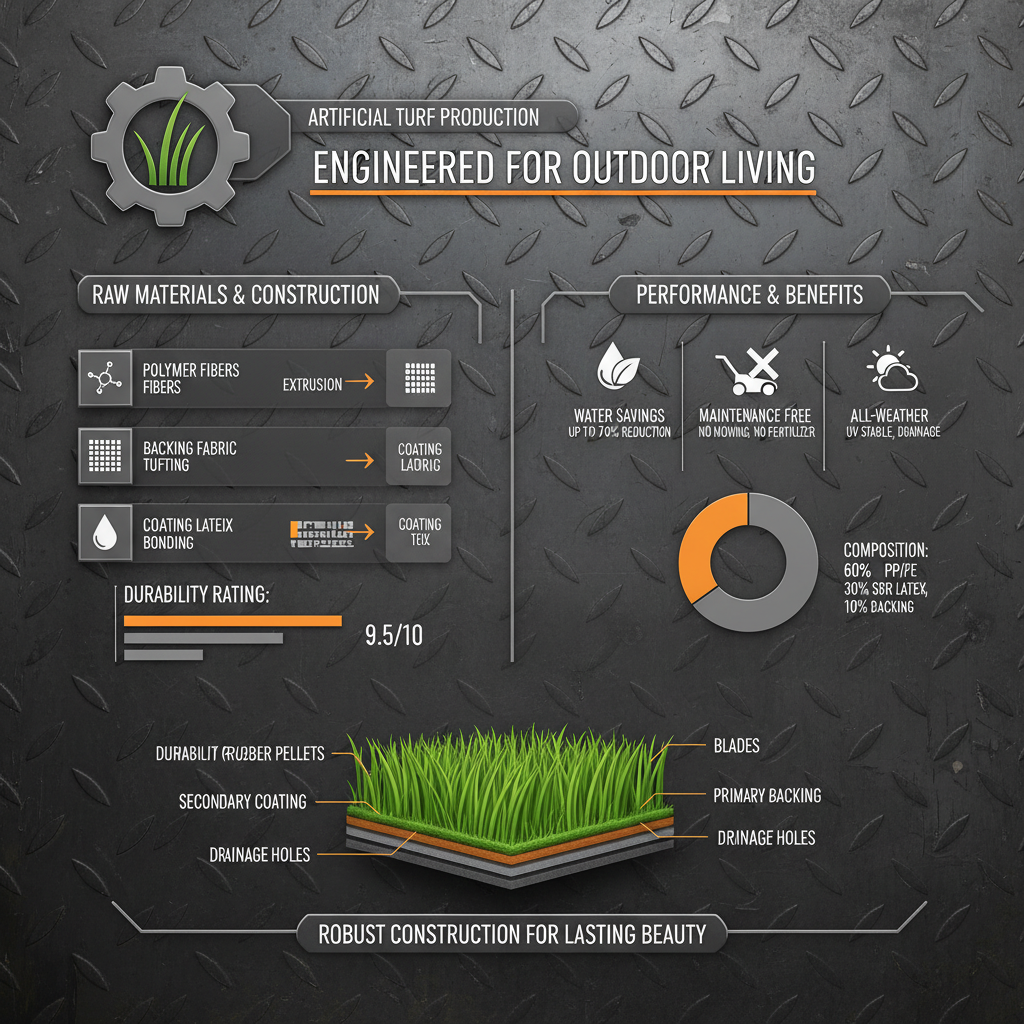
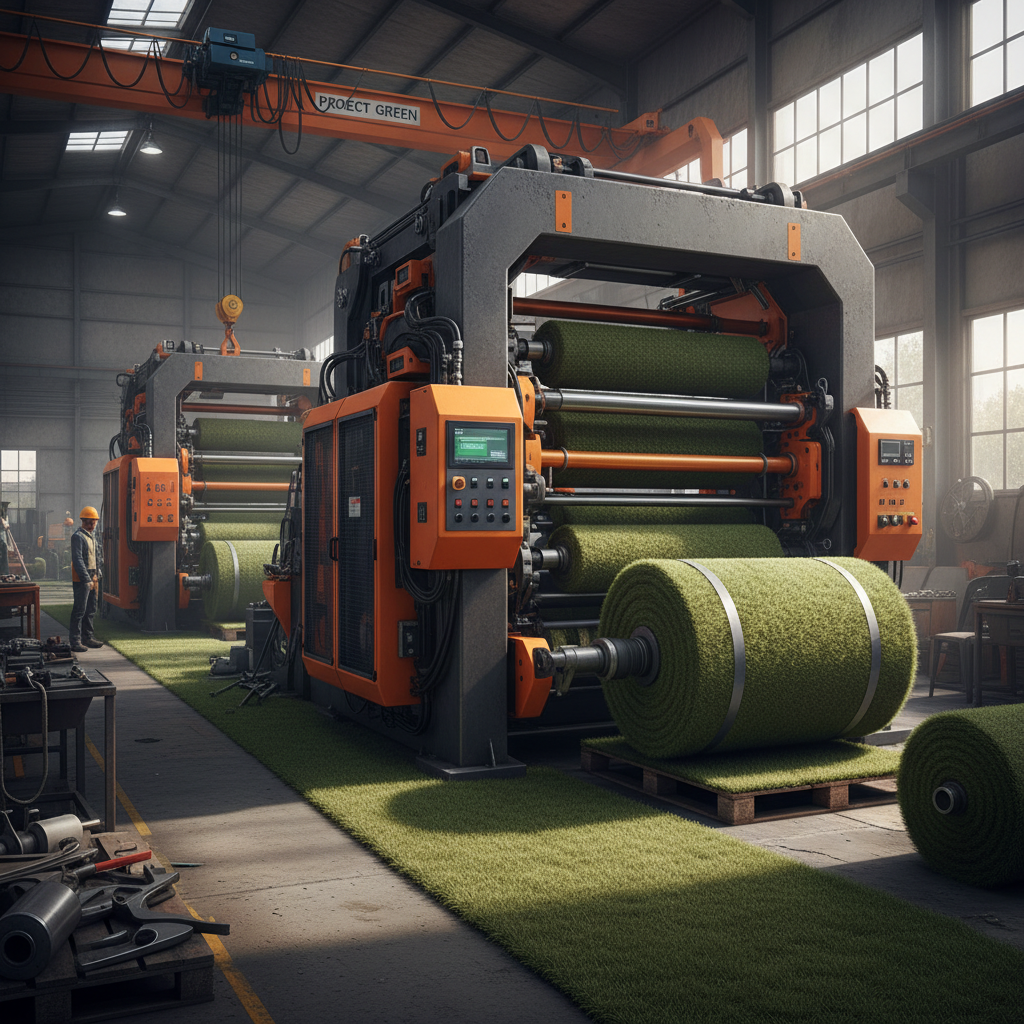
Artificial grass for yard, also known as synthetic turf, is a manufactured surface designed to resemble natural grass. It’s constructed from synthetic fibers, typically polyethylene, polypropylene, or nylon, which are woven or tufted onto a backing material – often polypropylene or polyester. This backing is then coated with a layer of latex or polyurethane for added durability and stability. The resulting product provides a consistent, green surface that requires minimal upkeep.
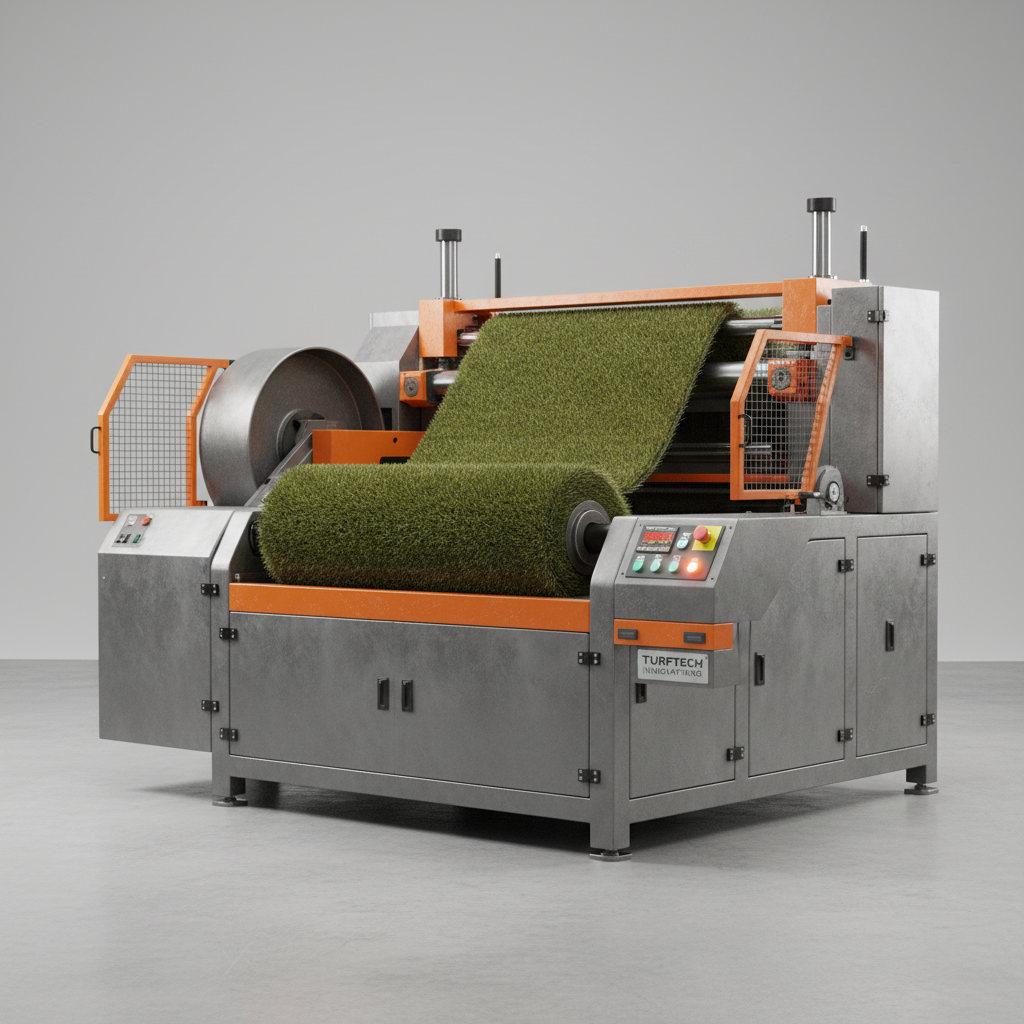
In contrast to traditional landscaping, artificial grass for yard doesn’t require watering, fertilizing, mowing, or pesticide treatments. It's a sustainable solution that addresses many of the environmental concerns associated with maintaining natural lawns. Its connection to modern industry stems from advancements in polymer chemistry and manufacturing processes, allowing for increasingly realistic and durable synthetic turf options.
The use of artificial grass for yard extends beyond aesthetic appeal; it plays a crucial role in conserving water resources, particularly in arid and semi-arid regions. It also offers a safe and clean playing surface for children and pets, minimizing exposure to allergens and pesticides.
Key Characteristics of High-Quality Artificial Grass for Yard
Durability is paramount when selecting artificial grass for yard. High-quality turf is designed to withstand heavy foot traffic, extreme weather conditions, and prolonged UV exposure. Look for products with a high denier fiber, indicating a stronger and more resilient material. The backing material also plays a crucial role, with woven polypropylene providing superior stability and longevity.
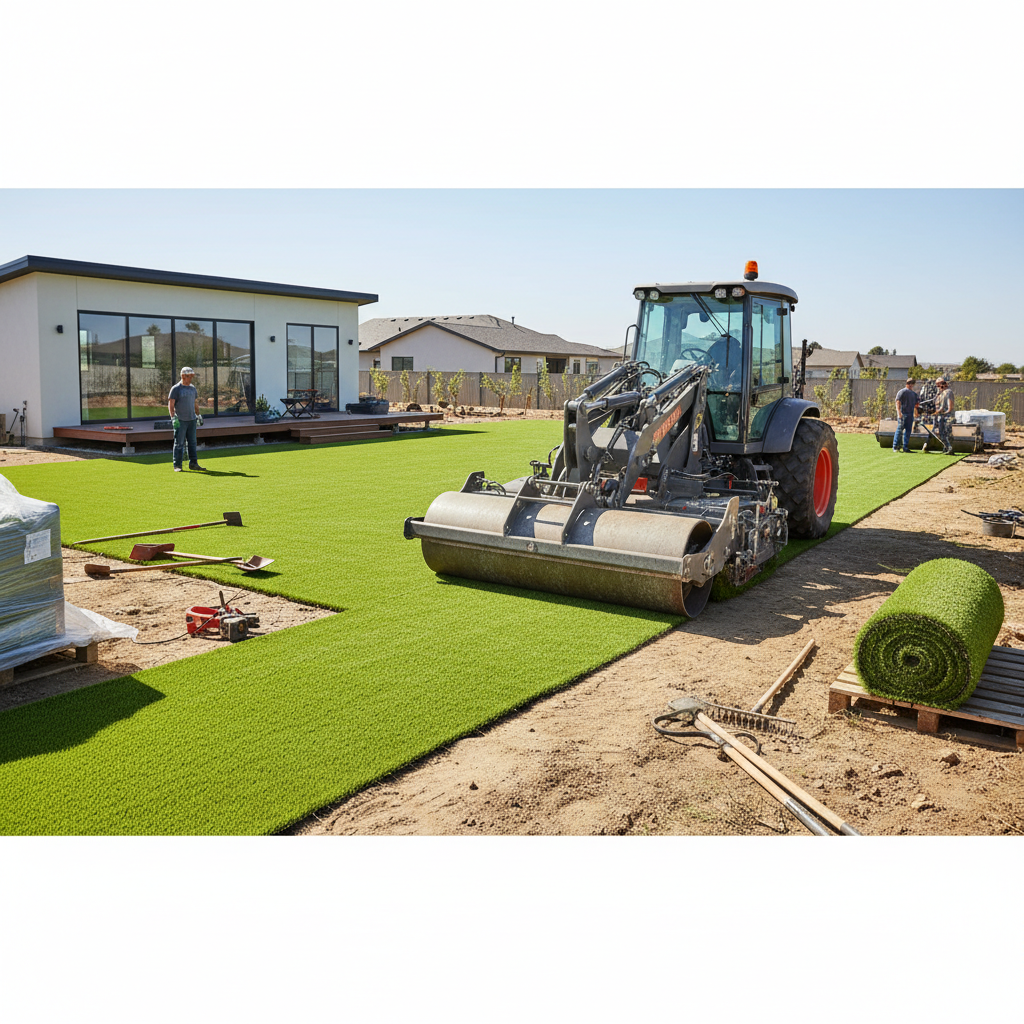
Drainage is another critical factor. Effective drainage prevents waterlogging and ensures the turf remains comfortable and hygienic. Most artificial grass for yard systems incorporate perforated backing and a granular infill material (like silica sand or crumb rubber) to facilitate water flow. Proper installation, including a well-prepared base layer, is essential for optimal drainage.
Realism is increasingly important as manufacturers strive to create artificial grass for yard that closely mimics the appearance and feel of natural turf. This is achieved through advancements in fiber technology, utilizing different yarn shapes and colors to replicate the natural variations found in grass blades. Pile height (the length of the fibers) also contributes to realism, with longer piles generally resembling natural grass more closely.
Practical Applications of Artificial Grass for Yard
Artificial grass for yard has found widespread applications in residential landscaping, offering homeowners a low-maintenance alternative to traditional lawns. It’s particularly popular in areas with limited water resources or challenging growing conditions. Beyond residential use, artificial grass for yard is commonly utilized in sports fields, including soccer, football, and baseball, providing a consistent and safe playing surface.
Commercial properties, such as office buildings, hotels, and retail spaces, often incorporate artificial grass for yard to enhance curb appeal and create inviting outdoor areas. Public parks and recreational facilities also benefit from its durability and low maintenance requirements. Increasingly, artificial grass for yard is being used in pet-friendly areas, offering a clean and hygienic surface for animals to play on.
Comparative Analysis of Artificial Grass for Yard Installation Methods
Advantages and Long-Term Value
The advantages of artificial grass for yard are numerous. Cost savings are a significant benefit, as it eliminates ongoing expenses related to watering, mowing, fertilizing, and pest control. This translates to substantial financial relief for homeowners and businesses alike. Sustainability is another key advantage, as it conserves water resources and reduces the environmental impact associated with lawn maintenance.
Beyond financial and environmental benefits, artificial grass for yard enhances safety. Its consistent surface reduces the risk of trips and falls, making it ideal for families with children and elderly individuals. It also provides a clean and hygienic environment for pets, minimizing exposure to allergens and parasites. The long-term value lies in its durability and low maintenance requirements, making it a sound investment for years to come.
Future Trends and Innovations
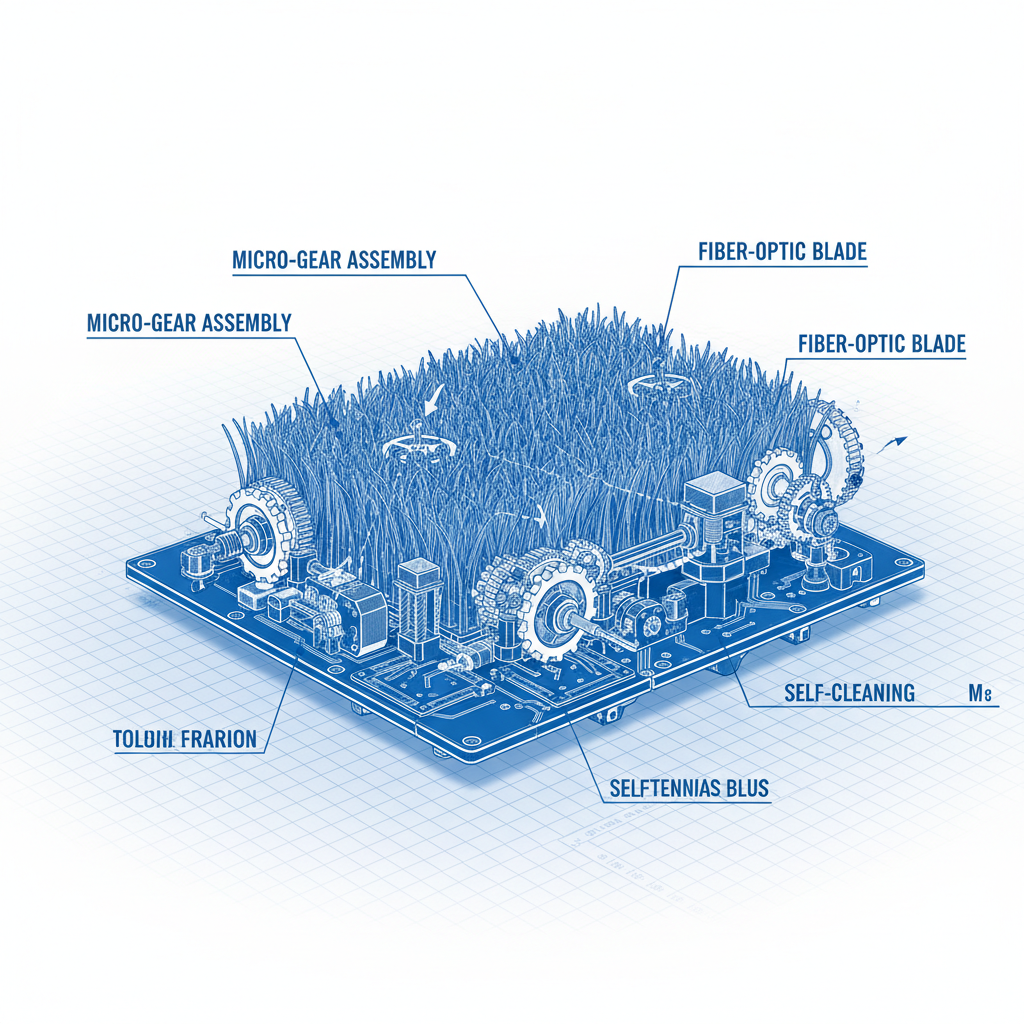
The future of artificial grass for yard is marked by continuous innovation. Manufacturers are developing more realistic and sustainable materials, including bio-based polymers and recycled fibers. Smart turf technology, incorporating sensors and automated irrigation systems, is emerging to further optimize performance and water conservation.
Integration with digital technologies is also gaining traction, with apps and platforms providing remote monitoring and control of turf systems. The adoption of artificial grass for yard in urban environments is expected to increase, driven by growing concerns about sustainability and the need for green spaces in densely populated areas.
Challenges and Sustainable Solutions for Artificial Grass for Yard
Despite its numerous benefits, artificial grass for yard faces certain challenges. Heat retention can be a concern, particularly in warmer climates. However, advancements in fiber technology and infill materials are mitigating this issue, with cooling technologies being integrated into turf systems. Proper installation and maintenance are crucial to ensure optimal performance and longevity.
End-of-life management is another challenge, as recycling options for artificial turf are still limited. However, ongoing research and development are focused on creating more recyclable materials and developing efficient recycling processes. Choosing products made from recycled materials and supporting initiatives that promote responsible end-of-life management are essential steps towards a more sustainable future for artificial grass for yard.
The future of sustainable artificial grass for yard solutions will require a collaborative effort between manufacturers, installers, and consumers to ensure the environmental benefits are maximized.
Summary of Challenges and Sustainable Solutions
| Challenge |
Impact Level (1-10) |
Sustainable Solution |
Implementation Cost (USD) |
| Heat Retention |
7 |
Cooling Infills & Evaporative Systems |
100-500 |
| End-of-Life Recycling |
8 |
Development of Recycling Infrastructure |
5000-10000 |
| Microplastic Release |
6 |
Fiber Encapsulation Technologies |
200-400 |
| Installation Expertise |
5 |
Certified Installer Programs |
100-300 |
| Infill Migration |
4 |
Improved Infill Binding Techniques |
50-150 |
| Initial Cost |
7 |
Government Incentives & Financing Options |
0 |
FAQS
While the initial investment for artificial grass for yard is higher than seeding or sodding, the long-term costs are significantly lower. Natural lawns require ongoing expenses for watering, fertilizing, mowing, pest control, and potential reseeding. Artificial grass for yard eliminates these costs, resulting in substantial savings over its lifespan (typically 8-15 years). Considering water restrictions and increasing environmental awareness, the financial benefits of artificial grass for yard become even more pronounced.
Artificial grass for yard offers several environmental advantages. It eliminates the need for watering, conserving significant water resources. It also reduces the use of fertilizers, pesticides, and herbicides, which can pollute waterways and harm wildlife. Modern artificial grass for yard products are increasingly made from recycled materials, further reducing their environmental impact. Proper end-of-life recycling is an ongoing challenge, but advancements are being made in this area.
The lifespan of artificial grass for yard varies depending on the quality of the product, the amount of foot traffic, and the level of maintenance. However, most high-quality artificial grass for yard systems are designed to last between 8 and 15 years. Regular brushing, debris removal, and occasional infill replenishment can extend the lifespan of the turf. Proper installation is also crucial for longevity.
Artificial grass for yard requires minimal maintenance compared to natural lawns. Regular brushing helps to keep the fibers upright and prevent matting. Removing debris, such as leaves and branches, is also important. Occasional infill replenishment may be necessary to maintain cushioning and support. Spot cleaning can address any spills or stains. A deep cleaning with a specialized turf cleaner can be performed annually.
Yes, artificial grass for yard is generally considered safe for children and pets. It provides a soft, cushioned surface that reduces the risk of injuries. It also eliminates exposure to pesticides and allergens commonly found on natural lawns. However, it’s important to choose a product with a non-toxic infill material and to ensure proper drainage to prevent bacterial growth.
Artificial grass for yard is designed to withstand a wide range of weather conditions. It’s UV-resistant, meaning it won’t fade or degrade in sunlight. It also has excellent drainage capabilities, preventing waterlogging during heavy rainfall. While it can get warm in direct sunlight, modern turf technologies incorporate cooling features to mitigate heat retention. In snowy conditions, artificial grass for yard typically allows snow to melt naturally, similar to natural grass.
Conclusion
Artificial grass for yard represents a transformative solution for landscaping, offering a compelling blend of aesthetic appeal, cost savings, and environmental sustainability. From its low-maintenance requirements to its versatility in diverse applications, artificial grass for yard provides a practical and long-lasting alternative to traditional lawns. The ongoing innovations in materials and technology are further enhancing its performance and expanding its potential.
Looking ahead, the adoption of artificial grass for yard is expected to continue to grow, driven by increasing awareness of its benefits and a growing demand for sustainable landscaping solutions. Investing in high-quality artificial grass for yard is not just an investment in a beautiful outdoor space; it’s an investment in a greener, more efficient, and more sustainable future. Visit our website today to explore our wide selection of artificial grass for yard solutions: artificial grass for yard.