Artificial grass front yard landscaping is rapidly gaining popularity as a sustainable and aesthetically pleasing alternative to traditional lawns. This trend is driven by increasing water scarcity, the desire for low-maintenance yards, and advancements in artificial turf technology that closely mimic the look and feel of natural grass. Globally, homeowners and businesses are recognizing the benefits of converting to artificial grass, creating a significant shift in landscaping practices. The convenience and environmental responsibility associated with artificial grass front yard installations make it a compelling choice for a modern lifestyle.
The global artificial turf market is experiencing substantial growth, with projections indicating continued expansion in the coming years. According to market research reports, the industry is expected to reach billions of dollars by 2030, fueled by increasing demand in residential, commercial, and recreational sectors. This growth is particularly prominent in regions facing water restrictions and arid climates. Artificial grass front yard offers a viable solution to these challenges, contributing to water conservation efforts and reducing the environmental impact of lawn care.
The increasing focus on sustainable living and eco-friendly practices has further propelled the adoption of artificial grass front yard. Beyond aesthetics, the long-term cost savings associated with reduced water bills, fertilizer expenses, and lawn maintenance contribute to its appeal. As consumers become more environmentally conscious, artificial grass presents itself as a practical and responsible choice for creating beautiful and functional outdoor spaces.
The Benefits of Artificial Grass Front Yard
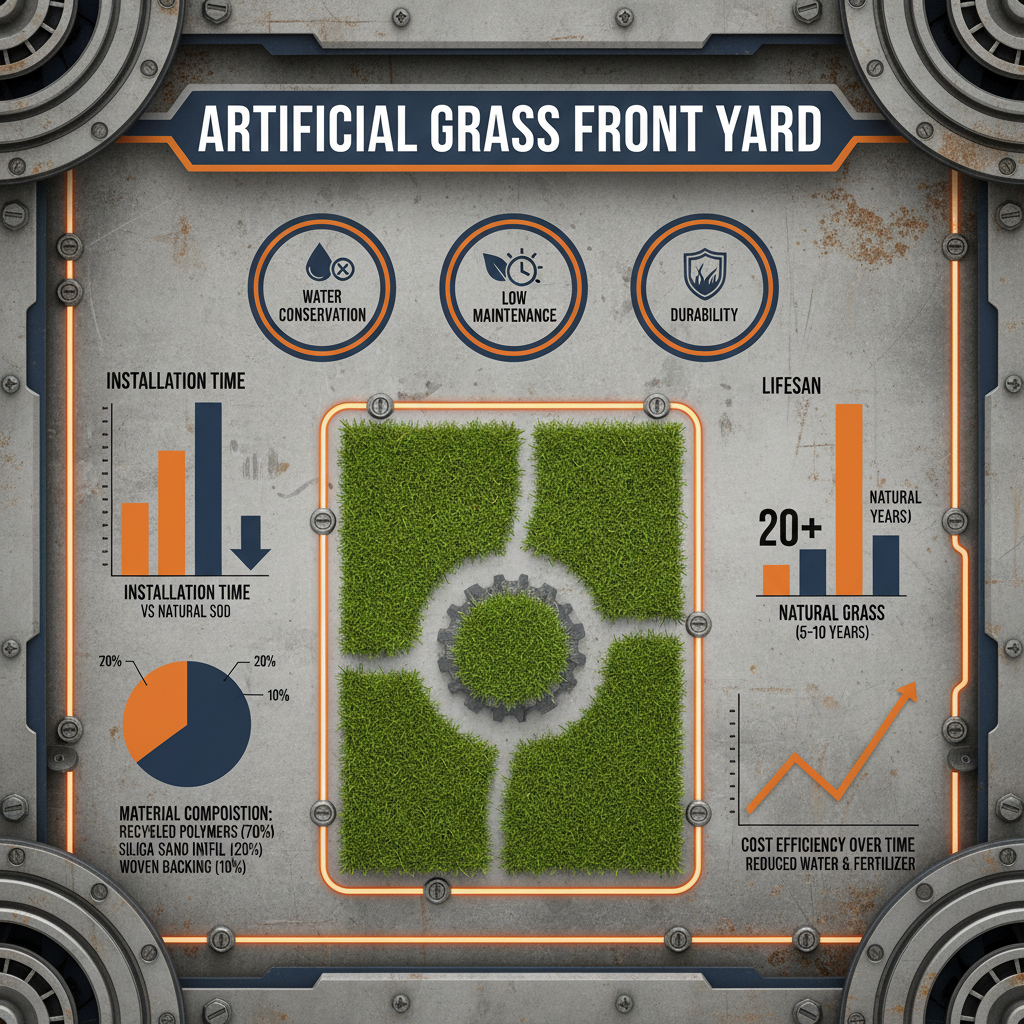
One of the most significant benefits of an artificial grass front yard is the reduction in water consumption. Traditional lawns require substantial irrigation, especially in dry climates, whereas artificial grass needs no watering. This translates to significant cost savings on water bills and a more environmentally responsible lifestyle. Furthermore, an artificial grass front yard eliminates the need for harmful pesticides, herbicides, and fertilizers, creating a safer environment for children, pets, and the ecosystem.
Beyond environmental advantages, artificial grass front yard provides unparalleled convenience. It requires minimal maintenance – no mowing, edging, or weeding – freeing up valuable time and energy for other pursuits. The consistently lush and green appearance of artificial turf enhances curb appeal and creates a welcoming aesthetic for any home. This makes it an ideal solution for busy homeowners and those seeking a low-effort landscaping option.
Defining Artificial Grass Front Yard Landscaping
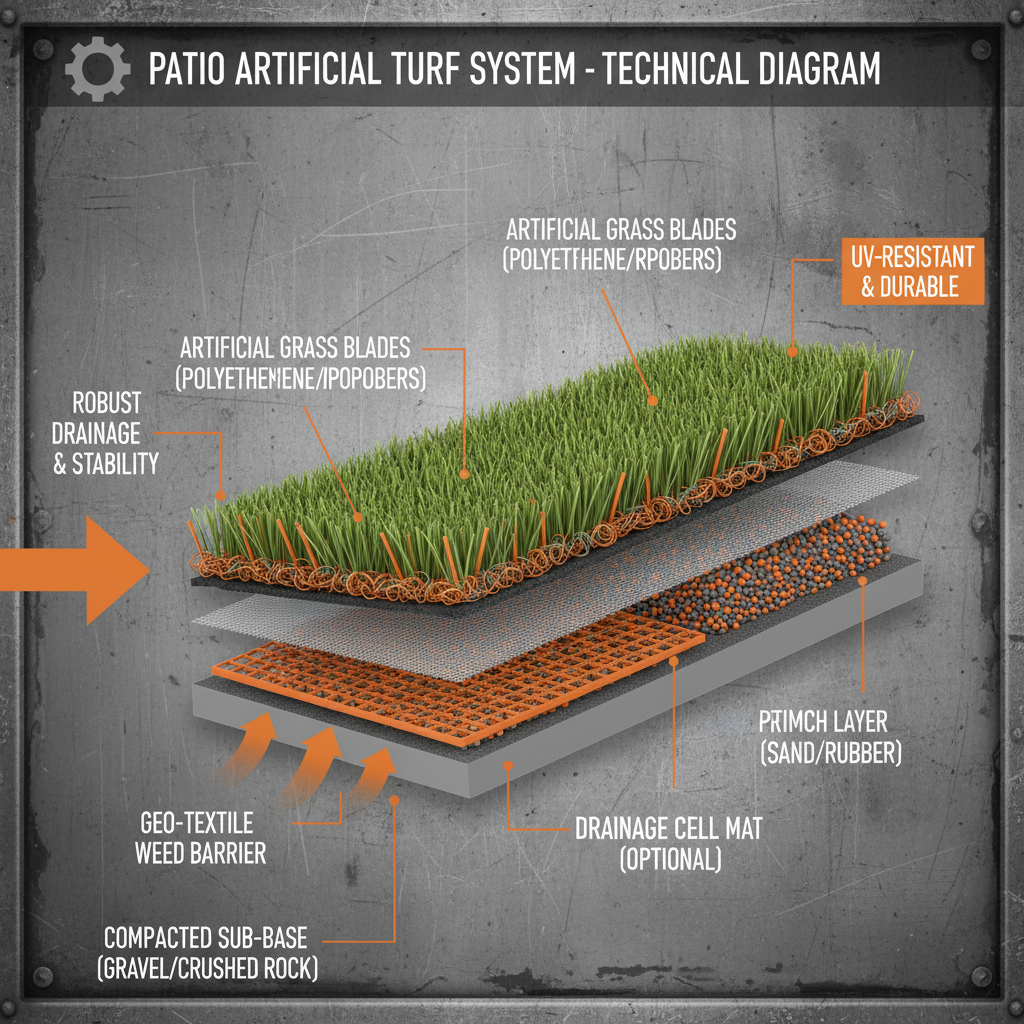
Artificial grass front yard landscaping involves replacing a natural turf lawn with synthetic grass designed to replicate its appearance and feel. Modern artificial grasses are constructed from durable synthetic fibers, typically made of polyethylene, polypropylene, or nylon, and are installed over a prepared base layer. This base typically includes a compacted gravel or stone layer for drainage, followed by a layer of sand or rubber infill to provide cushioning and support the grass blades.
Unlike early generations of artificial turf, today’s products are remarkably realistic, featuring varying blade heights, colors, and textures to mimic natural grass. They are also engineered with drainage systems to prevent waterlogging and ensure quick drying times. The installation process involves carefully seam-joining the turf sections to create a seamless and natural-looking surface, requiring professional expertise for optimal results.
The scope of artificial grass front yard landscaping can range from a complete lawn replacement to targeted applications, such as creating play areas for children or pet-friendly zones. The design possibilities are endless, allowing homeowners to customize their outdoor spaces to suit their individual preferences and lifestyles.
Core Components of a Successful Installation
A successful artificial grass front yard installation relies on several key components. Firstly, proper site preparation is crucial, involving leveling the ground, removing debris, and ensuring adequate drainage. A well-prepared base layer is essential for preventing settling and maintaining a smooth, even surface. The selection of high-quality artificial grass that suits the climate and intended use is also paramount.
Secondly, the quality of the infill material significantly impacts the performance and longevity of the turf. Infill helps to support the grass blades, provide cushioning, and facilitate drainage. Common infill materials include silica sand, crumb rubber, and coated sand. Lastly, professional installation is vital to ensure proper seam joining, secure anchoring, and a visually appealing finish.
Choosing an experienced and reputable installer is important to guarantee a high-quality installation that will withstand wear and tear and provide years of enjoyment. A properly installed artificial grass front yard will not only look great but also offer long-term durability and minimal maintenance.
Practical Applications in Diverse Settings
Artificial grass front yard landscaping is incredibly versatile and can be applied in a wide range of settings. For residential properties, it provides a beautiful and low-maintenance alternative to traditional lawns, enhancing curb appeal and creating inviting outdoor spaces. In commercial environments, artificial grass is used for creating attractive and functional rooftop gardens, outdoor patios, and public spaces.
Its durability and resilience make it ideal for high-traffic areas, such as parks, playgrounds, and sports fields. Artificial grass is increasingly being utilized in pet-friendly areas, offering a clean and hygienic surface for pets to play on. Schools and daycare centers also benefit from artificial grass, creating safe and comfortable play surfaces for children.
Artificial Grass Front Yard Application Ratings
Long-Term Advantages & Value Proposition
The long-term advantages of an artificial grass front yard extend beyond cost savings and reduced maintenance. It contributes to environmental sustainability by conserving water, eliminating the need for chemical treatments, and reducing carbon emissions associated with lawn care equipment. This supports a healthier ecosystem and promotes responsible resource management.
From a financial perspective, the initial investment in artificial grass is offset by significant savings over time. Reduced water bills, fertilizer expenses, and lawn maintenance costs accumulate over the years, making it a cost-effective solution in the long run. Moreover, an artificial grass front yard enhances property value, adding to its overall appeal and marketability.
Future Trends & Technological Advancements
The artificial grass industry is continually evolving, with ongoing innovations aimed at enhancing the performance, aesthetics, and sustainability of artificial turf. New materials are being developed that offer improved durability, UV resistance, and realistic texture. Advancements in manufacturing techniques are also leading to more environmentally friendly production processes.
Smart turf systems, incorporating sensors and automated irrigation, are emerging as a trend, allowing for remote monitoring and optimized performance. Recycled and bio-based materials are being increasingly used in artificial grass construction, reducing its environmental footprint. These advancements promise to further enhance the benefits of artificial grass and expand its applications in the future.
The integration of artificial grass with smart home technology is another exciting development. This allows homeowners to control and monitor their lawns remotely, optimizing performance and conserving resources. As technology continues to advance, artificial grass front yard landscaping will become even more sophisticated and integrated into the modern lifestyle.
Addressing Challenges and Ensuring Quality
While artificial grass offers numerous benefits, certain challenges need to be addressed to ensure optimal performance and longevity. Heat retention can be a concern in hot climates, but advancements in turf technology, such as cooling infills, are mitigating this issue. Proper drainage is also crucial to prevent waterlogging and maintain a comfortable surface.
Ensuring the quality of materials and installation is paramount. Selecting a reputable installer with experience and expertise is essential to guarantee a high-quality installation that will withstand wear and tear. Regular maintenance, such as brushing and infill replenishment, can also extend the lifespan of the turf and maintain its appearance.
Addressing concerns about the environmental impact of artificial grass is also important. Choosing products made from recycled materials and opting for eco-friendly infill options can minimize the environmental footprint. Responsible disposal and recycling of artificial grass at the end of its lifespan are also crucial considerations.
Core Installation Quality Factors for Artificial Grass Front Yard
| Base Preparation Quality |
Turf Quality & Material |
Seam Joining Expertise |
Infill Material Quality |
| Excellent - Properly compacted and leveled with ideal drainage. |
High - Premium polyethylene fibers with UV protection. |
9/10 - Seamless and virtually invisible joints. |
High - Coated silica sand for optimal drainage and support. |
| Good - Generally level, minor compaction issues. |
Good - Durable polypropylene fibers with adequate UV protection. |
7/10 - Visible seams, but structurally sound. |
Medium - Crumb rubber infill, adequate performance. |
| Fair - Uneven surface, potential drainage problems. |
Fair - Basic nylon fibers, limited UV protection. |
5/10 - Noticeable seams, potential for separation. |
Low - Inadequate infill, poor drainage and support. |
| Poor - Significant unevenness and drainage issues. |
Poor - Low-quality materials, rapid deterioration. |
3/10 - Large gaps and visible seams. |
Very Low - Substandard infill, compromised performance. |
| Acceptable - Minimal issues, generally adequate. |
Average - Standard polyethylene fibers with moderate UV protection. |
6/10 - Minor seam visibility, generally secure. |
Medium - Silica sand and crumb rubber blend. |
| Below Average – Slight unevenness. |
Low-Grade - Polypropylene with limited UV protection. |
4/10 – Visible seams needing potential repair. |
Low – Standard crumb rubber, may compact easily. |
FAQS
The cost of installing artificial grass front yard varies depending on several factors, including the area size, the type of grass selected, and the complexity of the installation. On average, you can expect to pay between $5 and $15 per square foot, including materials and labor. Factors like site preparation, infill material, and additional features can also impact the overall cost. Getting quotes from multiple installers is recommended.
Yes, artificial grass is generally very pet-friendly. It’s non-toxic, doesn’t require pesticides or fertilizers, and is easy to clean. Pet waste can be easily removed, and the turf’s drainage system prevents odors. Choosing a turf specifically designed for pets, with enhanced drainage and antimicrobial properties, is recommended for households with multiple pets or frequent outdoor activity.
Artificial grass requires minimal maintenance compared to natural lawns. Regular brushing to fluff the fibers and remove debris is recommended. Occasionally, you may need to replenish the infill material to maintain cushioning and support. Rinsing the turf periodically can also help remove dust and dirt. Avoid using metal rakes or harsh chemicals, as these can damage the fibers.
High-quality artificial grass front yard can last for 15-25 years or even longer with proper care and maintenance. The lifespan depends on factors such as the quality of the materials, the intensity of use, and the climate conditions. Choosing a durable turf with UV protection and following recommended maintenance practices can significantly extend its lifespan.
Artificial grass can be environmentally friendly in several ways. It eliminates the need for watering, reducing water consumption. It also removes the need for fertilizers, pesticides, and herbicides, protecting the environment. Choosing a turf made from recycled materials and opting for eco-friendly infill options further enhances its sustainability.
Artificial grass can get warmer than natural grass in direct sunlight, but advancements in turf technology have mitigated this issue. Choosing a turf with cooling properties and using evaporative cooling methods, such as misting systems, can help keep the surface temperature comfortable. Light-colored turf also tends to stay cooler than darker shades.
Conclusion
Artificial grass front yard landscaping represents a compelling solution for homeowners and businesses seeking a sustainable, low-maintenance, and aesthetically pleasing alternative to traditional lawns. Its numerous benefits, including water conservation, reduced maintenance costs, and enhanced curb appeal, make it an increasingly popular choice. The continued innovation in materials and technology further expands the possibilities and improves the performance of artificial turf.
As we look to the future, artificial grass will likely play an even more significant role in creating beautiful and functional outdoor spaces. By embracing sustainable practices and investing in high-quality materials and installation, we can maximize the long-term benefits of artificial grass and contribute to a more environmentally responsible lifestyle.