Artificial grass layers represent a significant advancement in surface technology, offering durable, aesthetically pleasing, and increasingly sustainable alternatives to natural turf. Their impact extends across diverse sectors, from recreational sports and landscaping to specialized industrial and environmental applications. Understanding the intricacies of these layers – their composition, installation, and maintenance – is crucial for optimizing performance and maximizing their benefits.
Globally, the demand for artificial grass layers is experiencing robust growth, fueled by factors such as water scarcity, rising maintenance costs associated with natural grass, and the need for consistent playing surfaces unaffected by weather conditions. This growth isn't simply about replacing lawns; it's about creating functional, resilient spaces in areas where natural turf isn't viable or sustainable. The international market reflects a clear shift towards embracing artificial solutions for various outdoor needs.
The increasing adoption of artificial grass layers isn’t solely driven by convenience. It also addresses critical environmental concerns, particularly in regions facing water shortages. Furthermore, advancements in materials and manufacturing techniques are continually improving the quality, longevity, and eco-friendliness of these surfaces, solidifying their position as a viable long-term solution.
Introduction to Artificial Grass Layers
Artificial grass layers have evolved significantly from their early iterations, now boasting sophisticated construction and performance characteristics. These aren't simply plastic carpets; modern artificial turf systems are engineered solutions comprised of multiple layers, each contributing to durability, drainage, and overall aesthetic appeal. The evolution of these layers directly addresses the limitations of older systems, enhancing usability and longevity.
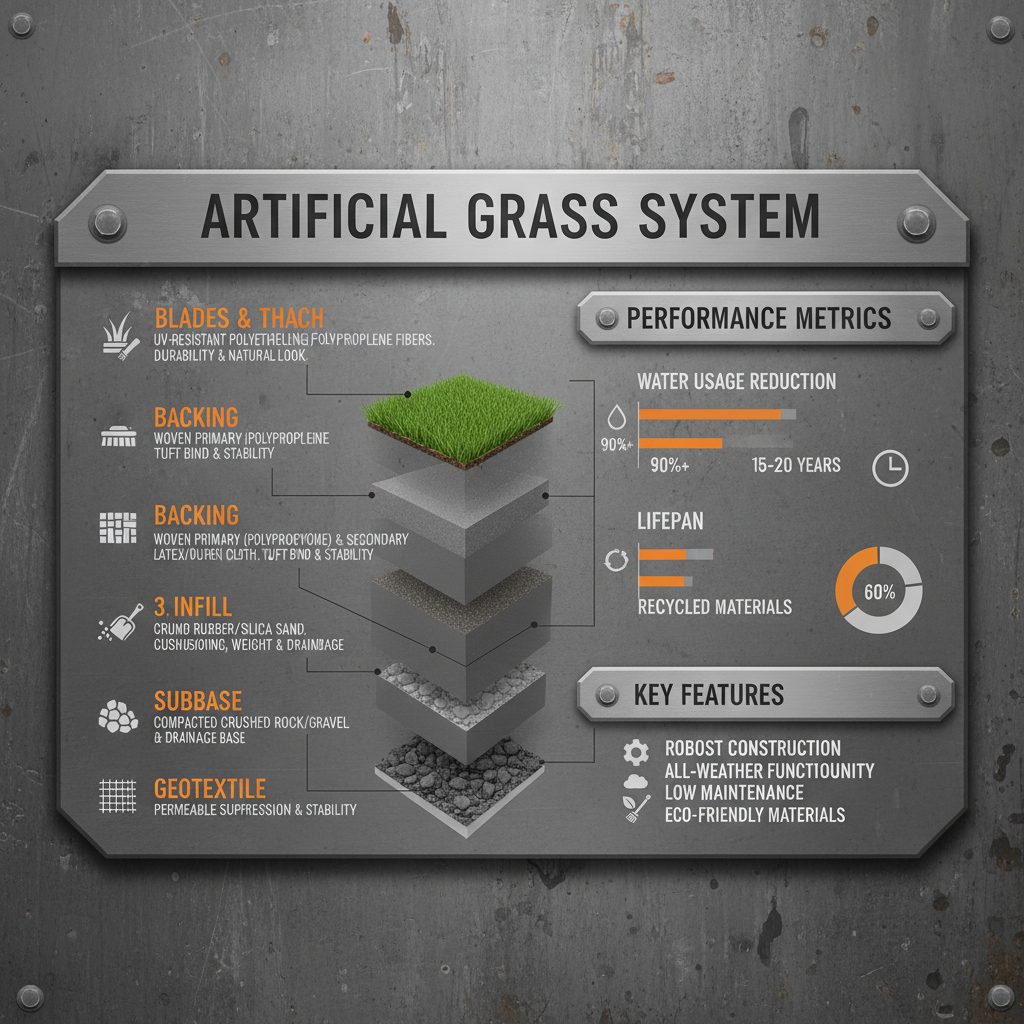
Understanding the layered structure is fundamental to appreciating the capabilities of artificial grass. Each layer – from the backing and infill to the fiber and coating – plays a critical role. Properly designed artificial grass layers provide superior shock absorption, UV resistance, and longevity compared to natural turf, making them increasingly attractive for various applications.
Defining Artificial Grass Layers
Artificial grass layers are synthetic turf systems designed to mimic the look and feel of natural grass. However, they are far more complex than just a simple plastic surface. They consist of multiple layers expertly crafted to deliver performance, durability, and aesthetic appeal. These layers work in synergy to provide a comfortable, safe, and long-lasting surface.
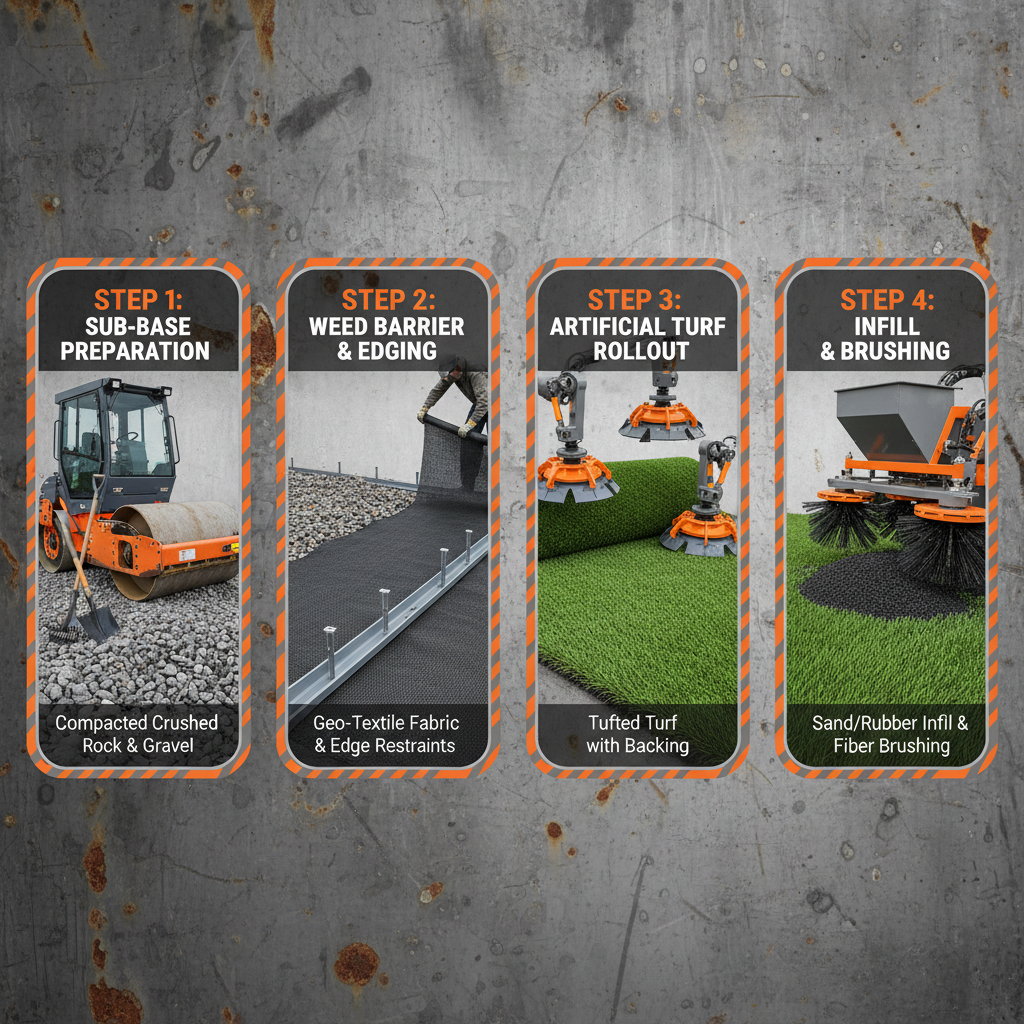
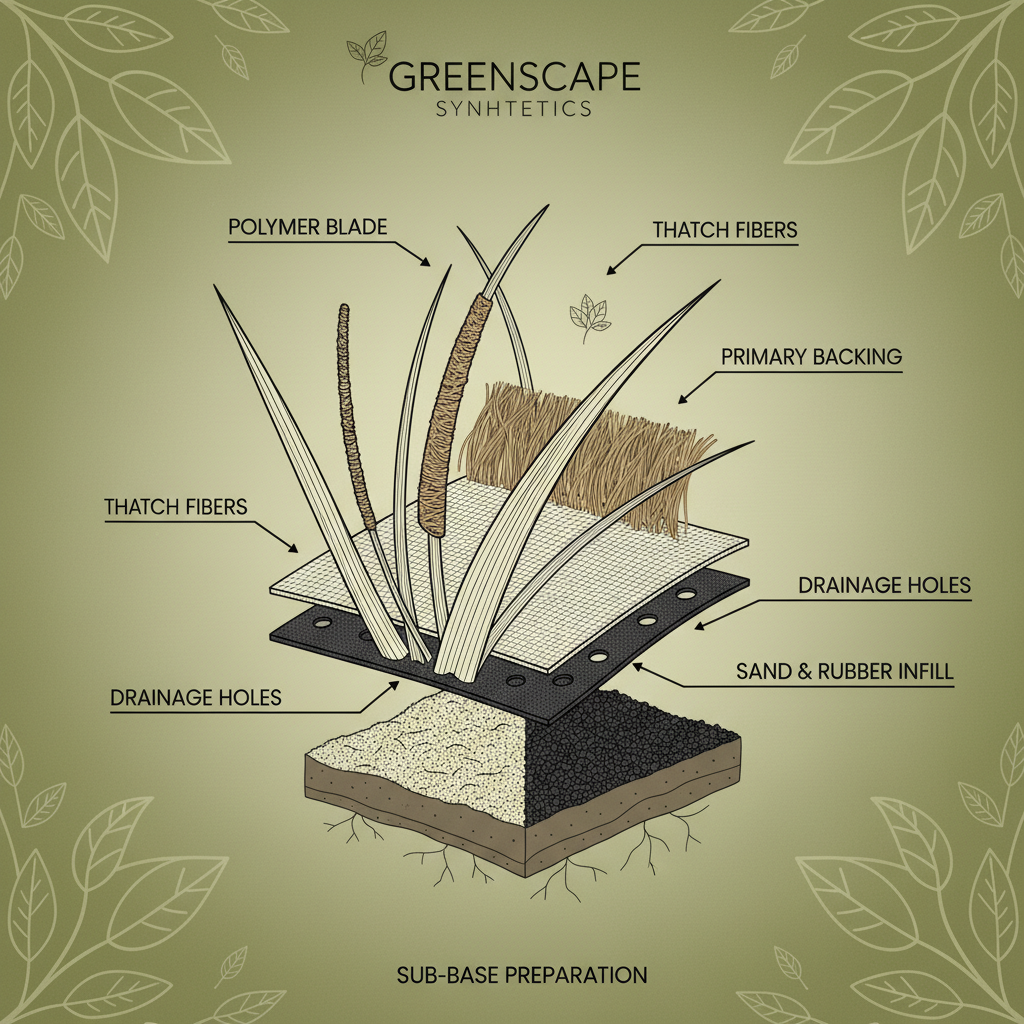
At its core, an artificial grass layer typically incorporates a backing material providing structural support, synthetic fibers replicating grass blades, and an infill material designed to cushion the fibers and contribute to drainage. The specific materials used in each layer vary depending on the intended application—sports, landscaping, or specialized uses.
This technology isn’t merely about aesthetics; it addresses real-world needs. Artificial grass layers offer a solution to water conservation issues, reduce maintenance burdens, and provide consistent playing surfaces regardless of weather. They’re increasingly recognized as a sustainable alternative to traditional turf management, aligning with modern environmental priorities.
Key Components of Artificial Grass Layers
The performance of artificial grass layers is dictated by the quality and interaction of their individual components. These include the backing, which provides the foundation and structural integrity; the pile fibers (often polyethylene, polypropylene, or nylon), that determine the surface texture and appearance; and the infill, typically a blend of rubber granules or sand, which supports the fibers, adds cushioning, and aids in drainage. These components must be carefully selected and combined to create a system tailored to specific needs.
Beyond these core elements, coatings and specialized underlays can further enhance performance. Coatings provide UV protection, improving colorfastness and extending the lifespan of the fibers. Underlays, often made of foam or shock pads, offer additional cushioning and shock absorption, crucial for athletic applications. The choice of these supplementary layers is often determined by factors like impact absorption requirements and cost considerations.
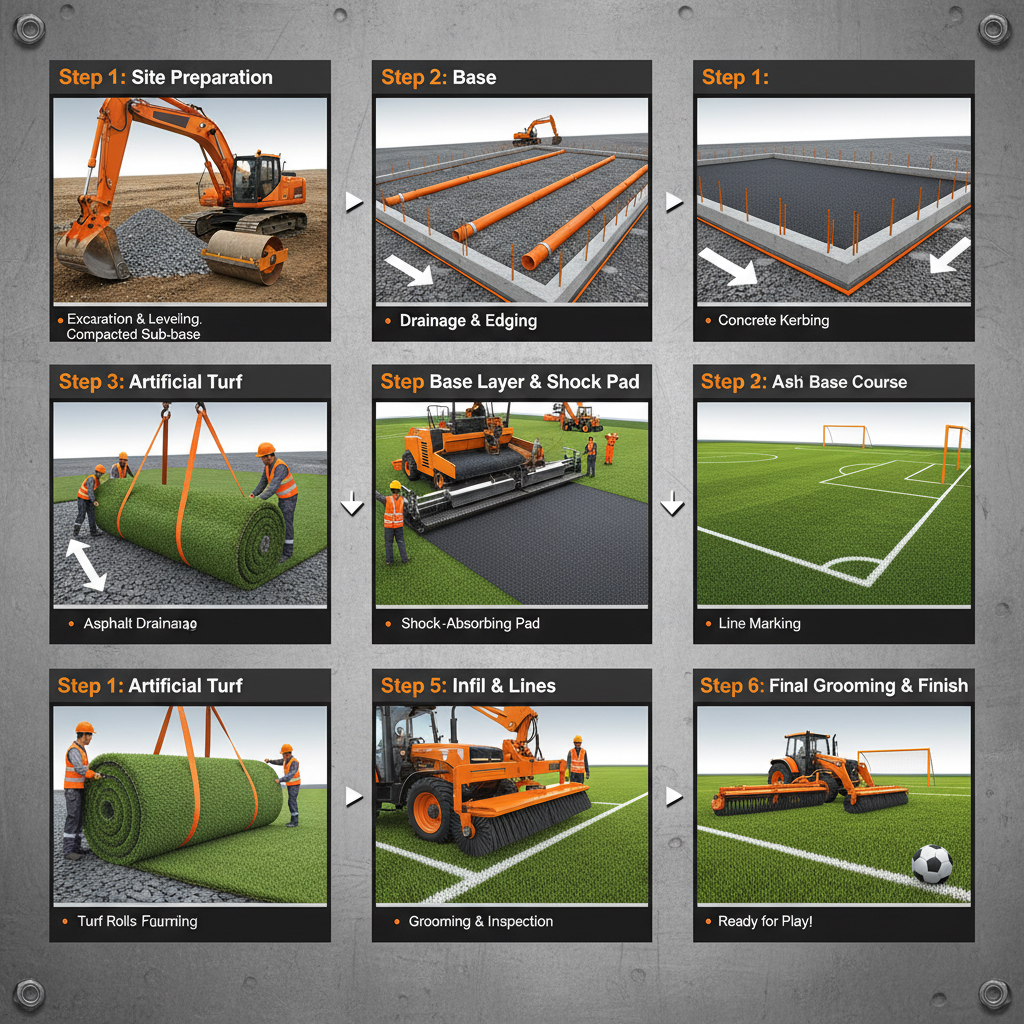
Each component contributes to the overall system’s durability, drainage capability, and aesthetic quality. For example, a higher denier fiber provides greater resilience, while a well-designed drainage system prevents waterlogging and promotes a dry, safe playing surface. Proper selection and integration of these layers are crucial for achieving optimal performance and maximizing the lifespan of the artificial turf.
Global Applications of Artificial Grass Layers
The applications of artificial grass layers are incredibly diverse, spanning a wide range of sectors and geographical locations. Sports fields – football, soccer, rugby, and baseball – are major beneficiaries, providing consistent playing surfaces and reducing maintenance costs. Landscaping is another significant area, with artificial turf used in residential lawns, commercial properties, and public parks.
Beyond traditional uses, artificial grass layers are finding applications in specialized environments. They are increasingly utilized in pet areas, providing a clean and hygienic surface. Schools and playgrounds benefit from the safety and shock absorption properties. Furthermore, in post-disaster relief operations, artificial grass can provide rapid deployment of safe and functional recreational spaces for affected communities.
Geographically, North America and Europe represent significant markets, but adoption is rapidly growing in Asia-Pacific and the Middle East, driven by water scarcity and the demand for sustainable landscaping solutions. In remote industrial zones, artificial grass can provide a visual amenity and dust control measure. These diverse applications demonstrate the versatility and adaptability of this technology.
Comparison of Artificial Grass Layer Methods
Advantages and Long-Term Value
The advantages of utilizing artificial grass layers extend beyond simply reducing maintenance. The long-term cost savings associated with eliminating mowing, watering, and fertilization are significant, especially for large areas. These savings translate into financial benefits for homeowners, businesses, and municipalities.
Moreover, artificial grass offers considerable environmental benefits. By eliminating the need for water, pesticides, and herbicides, it contributes to water conservation and reduces harmful chemical runoff. This aligns with growing sustainability initiatives and promotes responsible land management. It delivers a consistently safe and aesthetically pleasing surface regardless of weather conditions, enhancing user experience and property value.
Future Trends and Innovations
The future of artificial grass layers is poised for exciting advancements. Research and development are focusing on incorporating recycled materials into the fiber and infill, enhancing sustainability. Bio-based polymers are also being explored as alternatives to traditional plastics, reducing the environmental footprint.
Smart turf systems, integrating sensors to monitor moisture levels, temperature, and wear, are emerging. These systems enable proactive maintenance and optimize performance. Furthermore, advancements in fiber technology are leading to more realistic and durable surfaces, blurring the line between artificial and natural turf.
Challenges and Solutions in Artificial Grass Layers
Despite its many benefits, artificial grass layers face certain challenges. Heat retention can be an issue, particularly in hot climates, leading to discomfort and potential safety concerns. Proper infill selection and cooling technologies, such as evaporative cooling systems, are being developed to mitigate this.
Another challenge is the end-of-life management of artificial turf. Recycling infrastructure is still developing, and improper disposal can contribute to landfill waste. However, advancements in recycling processes are enabling the recovery of valuable materials from old turf, closing the loop and promoting a circular economy.
Ongoing research is focusing on creating fully biodegradable artificial turf systems, addressing the end-of-life challenge head-on. Collaboration between manufacturers, researchers, and policymakers is crucial for overcoming these challenges and realizing the full potential of artificial grass layers.
Frequently Asked Questions About Artificial Grass Layers
The lifespan of artificial grass layers typically ranges from 8 to 15 years, depending on factors such as the quality of materials, intensity of use, and level of maintenance. Higher-quality turf with robust fiber construction and a well-maintained infill system will generally last longer. Regular brushing, cleaning, and occasional infill top-ups are crucial for maximizing lifespan and maintaining optimal performance. Selecting a reputable installer also impacts longevity.
Artificial grass layers, when properly installed with a suitable drainage system, often offer superior drainage compared to natural turf. The layered structure facilitates efficient water flow through the backing and infill, preventing waterlogging and reducing the risk of muddy conditions. A well-designed sub-base is also essential for optimal drainage performance, ensuring rapid water dispersal and a consistently playable surface.
Yes, artificial grass is generally pet-friendly. Its non-porous surface prevents pet urine from soaking into the ground, making it easier to clean and preventing odors. Solid waste can be easily removed as with natural grass. However, regular rinsing with water or specialized pet-friendly cleaning solutions is recommended to maintain hygiene and prevent bacterial build-up. Selecting a turf with antimicrobial infill can further enhance cleanliness.
Artificial grass requires significantly less maintenance than natural turf, but it's not maintenance-free. Regular brushing is needed to keep the fibers upright and prevent matting. Periodic infill top-ups are necessary to maintain cushioning and support. Removing debris like leaves and litter is also important. Professional cleaning and inspection are recommended annually to ensure optimal performance and longevity.
Modern artificial grass layers are engineered to withstand a wide range of weather conditions. They are UV resistant, preventing fading and degradation from sunlight. They are also designed to drain effectively in heavy rain and resist damage from frost and snow. However, extremely prolonged exposure to intense heat or severe weather events may require additional maintenance or repairs to ensure long-term durability.
The environmental impact is complex. Artificial grass eliminates the need for watering, fertilizers, and pesticides, conserving water and reducing chemical runoff. However, manufacturing and disposal pose environmental challenges. Choosing turf with recycled content and supporting responsible recycling programs can minimize the impact. Life-cycle assessments are becoming increasingly important in evaluating the overall sustainability of artificial grass systems.
Conclusion
In conclusion, artificial grass layers represent a transformative technology offering a compelling blend of performance, sustainability, and cost-effectiveness. From sports fields and landscaping to specialized applications, their versatility and durability are increasingly recognized globally. Understanding the nuanced components and innovative advancements within this field is critical for making informed decisions and maximizing the benefits these systems provide.
Looking ahead, continued research and development focused on sustainability, recyclability, and enhanced performance will further solidify the position of artificial grass layers as a responsible and viable alternative to natural turf. By embracing innovation and addressing existing challenges, we can unlock the full potential of this technology and create more resilient, functional, and aesthetically pleasing outdoor spaces for generations to come. Visit our website: artificial grass layers.