Artificial grass for patio is rapidly becoming a popular choice for homeowners and businesses seeking a low-maintenance, aesthetically pleasing outdoor surface. It offers a practical alternative to natural grass, eliminating the need for watering, mowing, and fertilizing, while still providing a comfortable and inviting space for relaxation and entertainment. This solution addresses the growing demand for sustainable landscaping options in a world increasingly conscious of water conservation and environmental impact.
The global market for artificial turf is experiencing substantial growth, driven by factors like urbanization, limited water resources, and the desire for year-round green spaces. According to a recent report by Global Market Insights, the artificial turf market size exceeded USD 3.4 billion in 2023 and is projected to grow at a CAGR of over 6% between 2024 and 2032. This surge in demand highlights the increasing recognition of artificial grass for patio as a viable and beneficial landscaping solution.
Understanding the benefits and applications of artificial grass for patio is crucial for making informed decisions about outdoor space design. From enhancing property value and reducing maintenance costs to creating safe and enjoyable environments, artificial turf provides a versatile and sustainable option for a wide range of applications, transforming patios into attractive and functional outdoor living areas.
Introduction to Artificial Grass for Patio
Artificial grass for patio refers to synthetic turf specifically designed and installed to create a realistic and functional outdoor surface for patios, decks, and other similar areas. It’s a manufactured product created to mimic the look and feel of natural grass without the ongoing maintenance requirements. This makes it ideal for those seeking a beautiful, consistent, and hassle-free outdoor space.
The increasing popularity of artificial grass for patio stems from its ability to address common issues associated with natural lawns, such as high water consumption, the need for frequent mowing and fertilization, and susceptibility to weeds and pests. By providing a sustainable and low-maintenance alternative, artificial turf allows homeowners and businesses to enjoy a lush, green outdoor environment without the time and expense of traditional lawn care.
Defining Artificial Grass for Patio
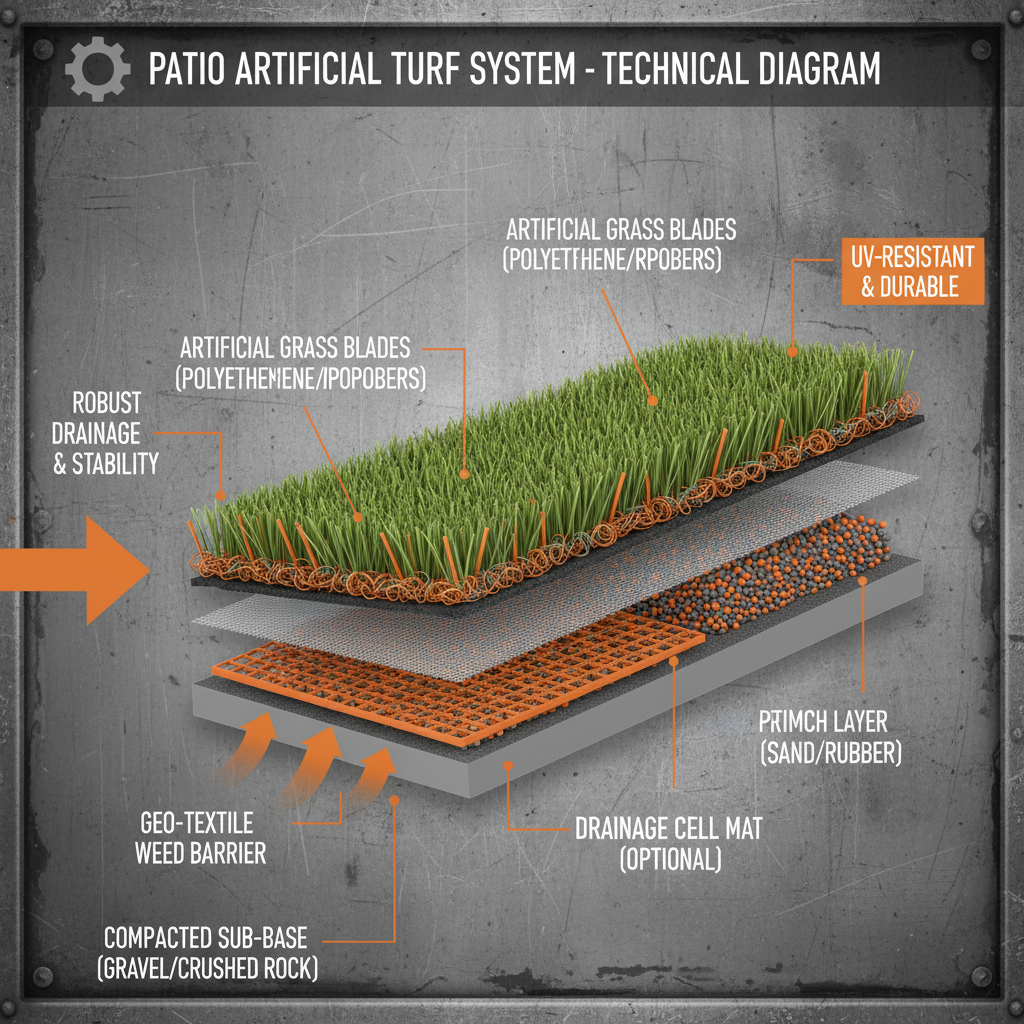
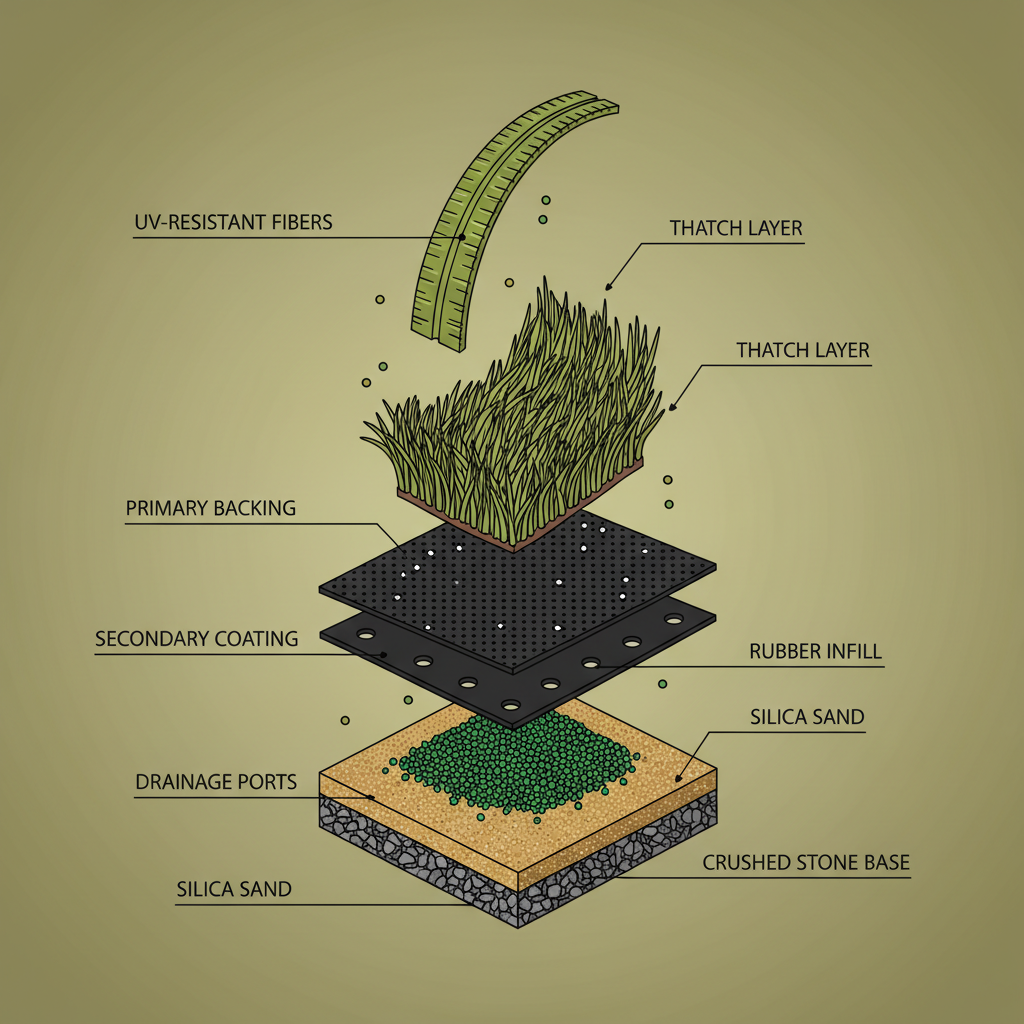
Artificial grass for patio is a synthetic surface made from interwoven synthetic fibers that resemble natural grass blades. These fibers are typically made of polyethylene, polypropylene, or nylon, and are attached to a backing material (usually polypropylene or latex) that provides stability and drainage. The construction and materials used in artificial grass for patio directly impact its durability, appearance, and overall performance.
It’s more than just a cosmetic upgrade; artificial grass for patio provides a practical solution for creating usable outdoor spaces. Unlike natural grass that can become muddy or worn with heavy use, artificial turf maintains its appearance and functionality, even under considerable foot traffic. It also eliminates the need for harmful pesticides and herbicides, making it a safer option for families and pets.
The connection to modern landscaping and environmental needs is strong. As water scarcity becomes a global concern and sustainable practices gain prominence, artificial grass for patio offers a responsible alternative to traditional lawns, contributing to water conservation and reducing the environmental footprint of outdoor spaces.
Core Components of Patio Artificial Turf
Durability is a key characteristic of high-quality artificial grass for patio. Factors influencing durability include the denier (thickness) of the fibers, the quality of the backing material, and the manufacturing process. A higher denier indicates a more resilient fiber that can withstand wear and tear, while a robust backing provides structural integrity and prevents the turf from stretching or unraveling.
Drainage is another crucial element. Effective drainage systems prevent water from pooling on the surface, minimizing the risk of moss growth and ensuring a safe, comfortable experience. Modern artificial grass for patio incorporates perforated backing and specialized underlayment materials to facilitate rapid water runoff.
Pile height, referring to the length of the grass fibers, influences both the appearance and the feel of the turf. Shorter pile heights generally provide a more manicured look and are easier to maintain, while longer pile heights offer a more luxurious and natural feel. The choice of pile height depends on the intended use and aesthetic preferences.
Global Applications of Artificial Grass for Patios
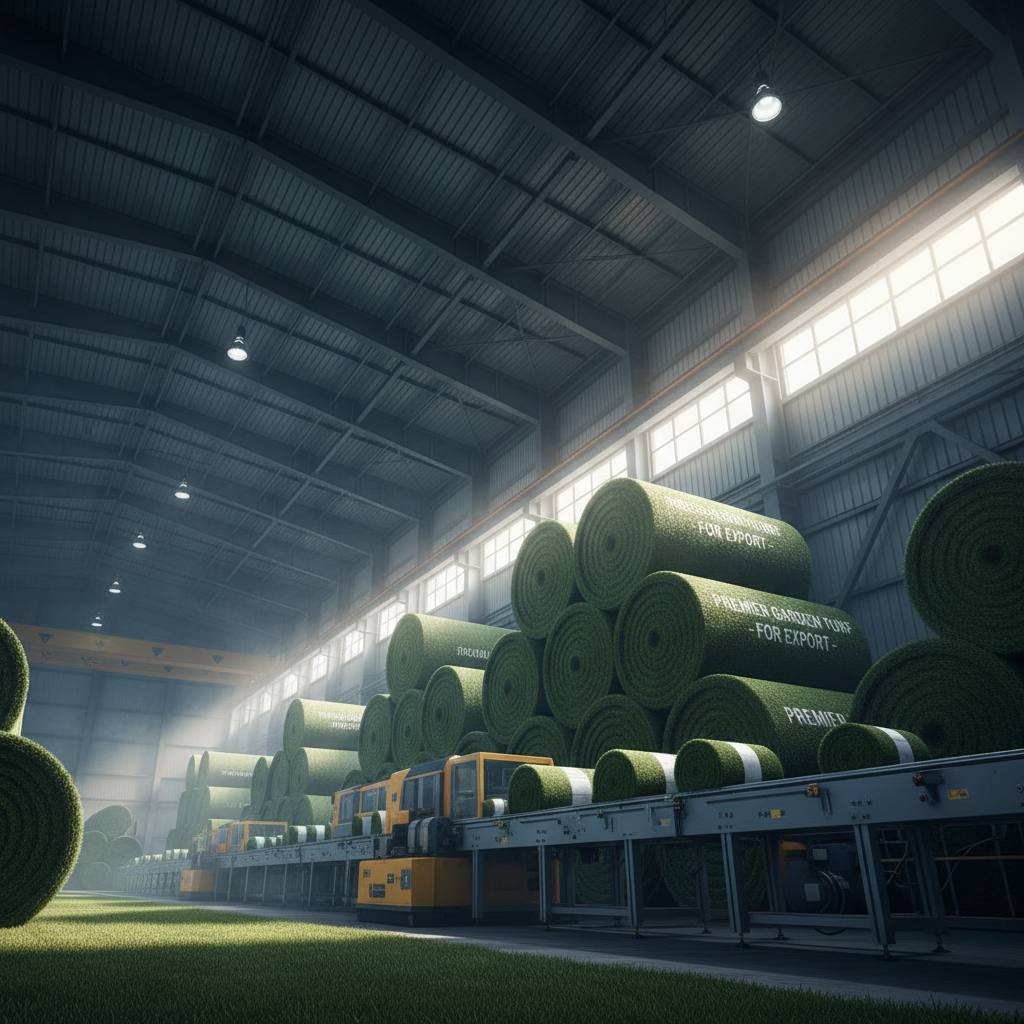
Artificial grass for patio finds applications across a diverse range of settings, from residential balconies and rooftop terraces to commercial patios and poolside areas. Its versatility allows it to be adapted to various shapes and sizes, making it suitable for both small and large spaces. In urban environments, where space is limited, artificial turf transforms otherwise unusable areas into functional and inviting outdoor living spaces.
Across Europe, particularly in countries like Spain and Italy with warmer climates, artificial grass for patio is widely used in restaurants, cafes, and hotels to create attractive and welcoming outdoor dining areas. In North America, its popularity is growing rapidly among homeowners seeking low-maintenance landscaping solutions. It's also commonly found in schools and playgrounds where safety and durability are paramount.
Artificial Grass for Patio Installation Methods
Advantages and Long-Term Value
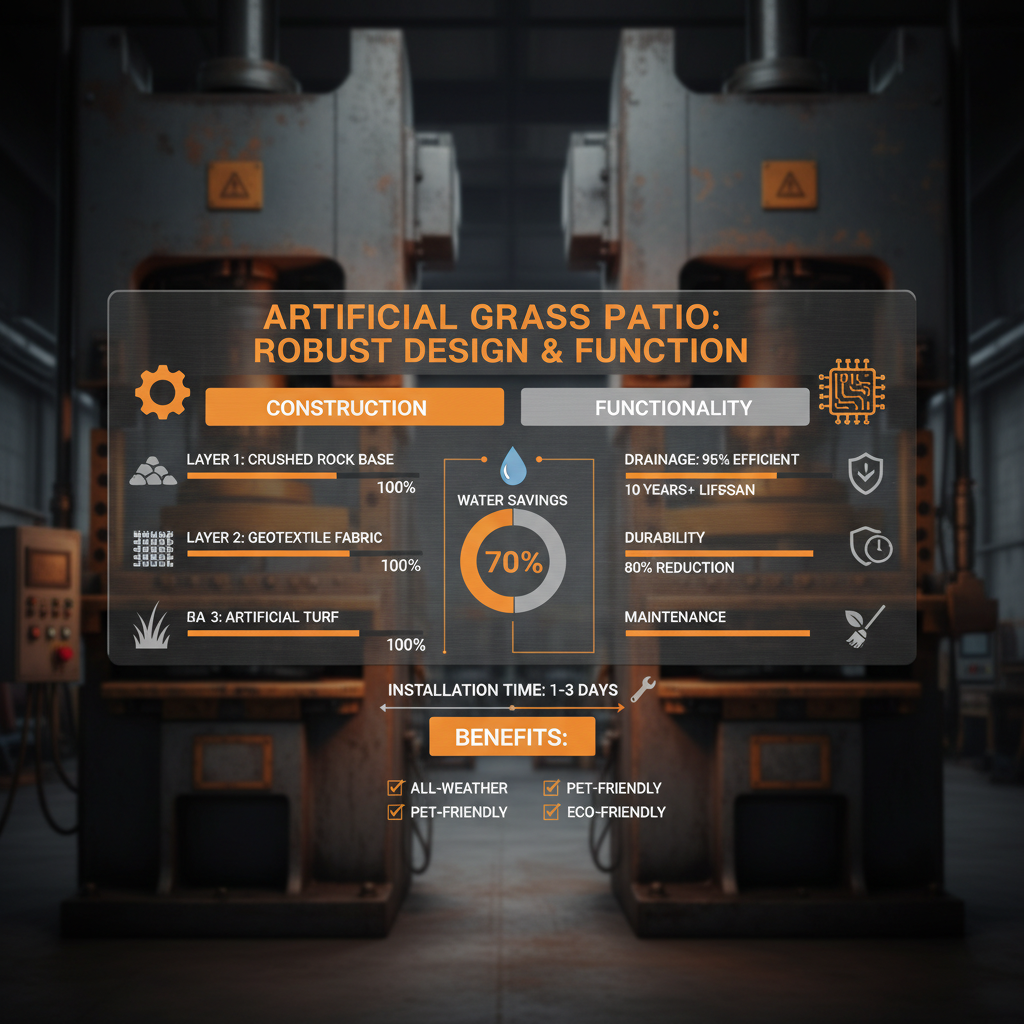
The most obvious advantage of artificial grass for patio is its low maintenance requirement. Eliminating the need for mowing, watering, fertilizing, and weeding saves both time and money. This cost-effectiveness extends over the lifespan of the turf, making it a financially sound investment. Furthermore, it contributes to water conservation, a crucial aspect of sustainable living.
Beyond the practical benefits, artificial grass for patio enhances the aesthetic appeal of outdoor spaces. It provides a consistently lush, green surface, regardless of weather conditions, creating a welcoming and enjoyable environment. The safety aspect is also significant; the soft surface minimizes the risk of injuries, making it ideal for families with children and pets.
Future Trends in Patio Turf Technology
Innovation in materials science is driving the development of next-generation artificial grasses for patio. Manufacturers are focusing on creating more realistic-looking and feeling turfs, utilizing advanced fiber technologies and improved color palettes. Recycled materials are also increasingly being incorporated into turf production, enhancing its sustainability.
Smart turf systems, incorporating sensors and automated irrigation, are emerging as a trend. These systems monitor moisture levels and automatically adjust watering schedules, optimizing water usage and ensuring the turf remains healthy and vibrant. Integration with smart home technology allows homeowners to remotely control and monitor their artificial grass for patio.
Challenges and Solutions in Artificial Grass Installation
Proper installation is critical for the long-term performance and aesthetic appeal of artificial grass for patio. A common challenge is ensuring a level and well-drained sub-base. Uneven surfaces can lead to dips and bumps, while poor drainage can cause waterlogging. Thorough site preparation, including leveling and compaction, is essential.
Another challenge is seam visibility. To minimize the appearance of seams, professional installers use specialized seaming tapes and techniques to create a seamless and natural-looking surface. Selecting a high-quality turf with a dense pile height can also help to conceal seams. Professional installation ensures a flawless finish and maximizes the lifespan of the turf.
The initial cost can be a barrier for some, but financing options and the long-term savings from reduced maintenance can offset this expense. Choosing a reputable installer and selecting a quality turf product are key to maximizing the value of your investment in artificial grass for patio.
FAQS
The lifespan of artificial grass for patio generally ranges from 8 to 15 years, depending on the quality of the turf, the amount of foot traffic, and the level of maintenance. High-quality turfs with denser pile heights and robust backing materials tend to last longer. Regular brushing and occasional cleaning can help to extend the life of your artificial lawn.
Yes, artificial grass for patio is generally pet-friendly. It's non-toxic and doesn't require the use of harmful pesticides or fertilizers. However, it’s important to choose a turf specifically designed for pets, with enhanced drainage capabilities to effectively manage pet waste. Regular cleaning is recommended to maintain hygiene.
The cost of professional installation varies depending on the size of the area, the complexity of the installation, and the type of turf selected. On average, installation costs range from $5 to $12 per square foot, including materials and labor. Getting quotes from multiple installers is recommended to compare prices.
Artificial grass for patio requires minimal maintenance. Regular brushing helps to keep the fibers upright and prevent matting. Occasional rinsing with water can remove dust and debris. Spot cleaning may be needed to address stains or pet waste. Avoid using harsh chemicals or abrasive cleaners.
Artificial grass for patio can get warmer than natural grass in direct sunlight, but modern turf technologies are designed to minimize heat retention. Choosing a turf with a lighter color and incorporating cooling infills can help to reduce surface temperatures. Watering the turf lightly can also provide a cooling effect.
Artificial grass for patio typically offers excellent drainage due to its perforated backing and the granular infill material. This allows water to drain quickly, preventing puddling and minimizing the risk of mold or mildew growth. Proper sub-base preparation is crucial to ensure optimal drainage performance.
Conclusion
In conclusion, artificial grass for patio offers a compelling solution for transforming outdoor spaces into beautiful, functional, and low-maintenance environments. Its numerous benefits—including reduced maintenance, water conservation, enhanced aesthetics, and increased safety—make it an increasingly attractive alternative to natural grass. The advancements in turf technology and installation techniques continue to enhance its performance and value.
Looking ahead, the future of artificial grass for patio is bright. Continued innovation in materials and smart technologies will further improve its realism, sustainability, and functionality. For those seeking a hassle-free and environmentally responsible landscaping solution, artificial grass for patio represents a smart and long-term investment. Visit our website at www.hoyarngrass.com to explore our range of artificial grass for patio options and discover how we can help you create the outdoor space of your dreams.