Look, I’ve been running around construction sites for fifteen years, breathing in dust and arguing with foremen. Football turf suppliers... it’s a whole world, you know? Seems simple, green grass, right? But it’s not. It’s changed a lot lately. Everyone’s going for these hybrid systems, part natural, part synthetic. To be honest, it's a pain. More complicated installations, more things that can go wrong. But the demand is there. Owners want durability, they want consistent play, and frankly, they want something that looks good on TV.
Have you noticed how everyone’s obsessed with sustainability now? It's good, don’t get me wrong, but it adds another layer of complexity. Recycled materials… finding suppliers who can actually deliver consistently… it’s a headache. And the infill? That’s a whole other story. People were using crumb rubber for years, but then came the health concerns, and now everyone's scrambling for alternatives. Cork, coconut fibers, even olive pits! Olive pits! Can you believe it?
And the pressure on suppliers is insane. Everyone wants it yesterday, and they want it cheap. Which, naturally, leads to corners being cut.
The Current Landscape of football turf suppliers
The market is flooded, honestly. You've got the big international players, the Chinese manufacturers… and a ton of smaller regional suppliers. The quality control varies wildly. I encountered this at a factory in Jiangsu Province last time – they were passing off inferior yarn as FIFA-certified. It’s a constant battle to make sure people are getting what they pay for. And the pricing? Forget about it. It’s a race to the bottom.
It's not just about selling the turf either, it’s the whole package. Installation, maintenance, warranties… good suppliers are offering complete solutions. It used to be, you just roll out the turf and that’s it. Now, it’s a full-service deal.
Common Design Pitfalls in football turf suppliers
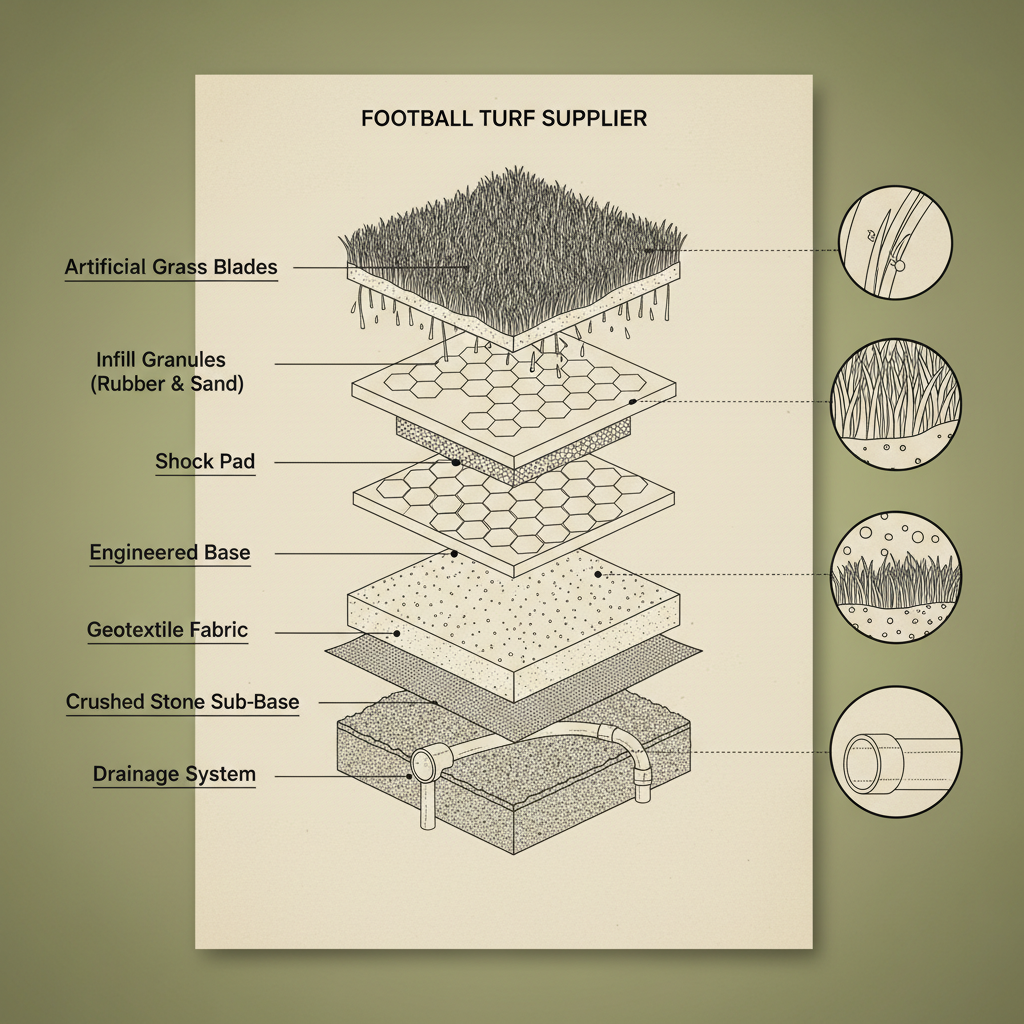
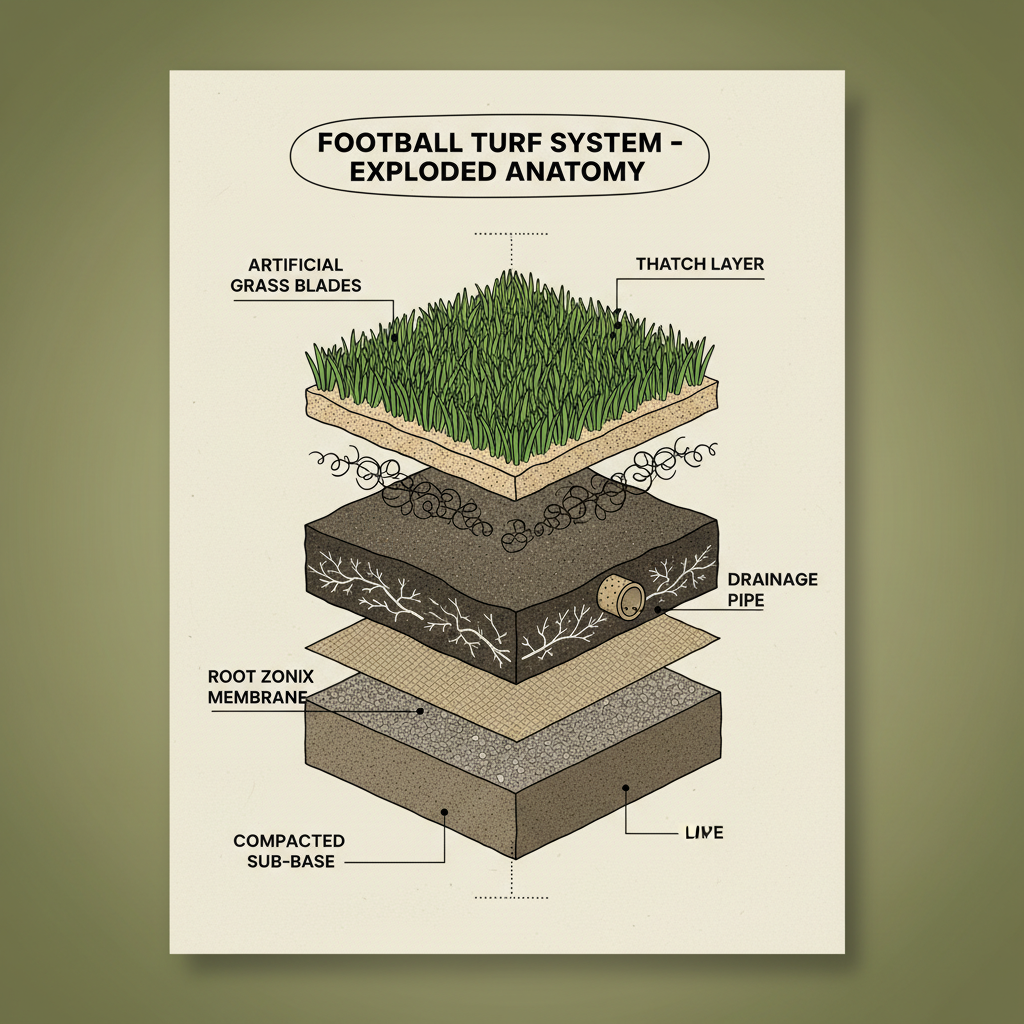
One thing I see constantly is poor drainage. People underestimate how much water can accumulate in these fields. If the base isn't properly prepared, you'll end up with puddles, uneven surfaces, and a turf that degrades quickly. Another one? Not enough infill. You need the right amount to provide cushioning and support. Too little, and it feels like playing on concrete. Too much, and it gets muddy and unstable.
And the seam lines? Strangel,y, that’s a big one. If they're not done correctly, they can become tripping hazards. It requires skilled installers, and that’s where a lot of projects fall apart. People trying to save money on labor… it always comes back to bite them.
Then you’ve got the whole issue of UV resistance. Cheaper turfs fade quickly in the sun, and the fibers become brittle. You end up with a patchy, unsightly mess. It seems obvious, but you wouldn’t believe how many people skip on the UV stabilizers.
Material Deep Dive: What’s Underfoot
Okay, so you’ve got your polyethylene (PE) yarns, which are the most common. They're relatively inexpensive and provide good durability. Then there’s polypropylene (PP), which is cheaper but doesn't hold up as well to wear and tear. And then there’s polyamide (PA) or nylon, which is the most expensive but also the most durable and resilient. It’s got this… almost springy feel to it. I prefer nylon, honestly, but it's tough to justify the cost on most projects.
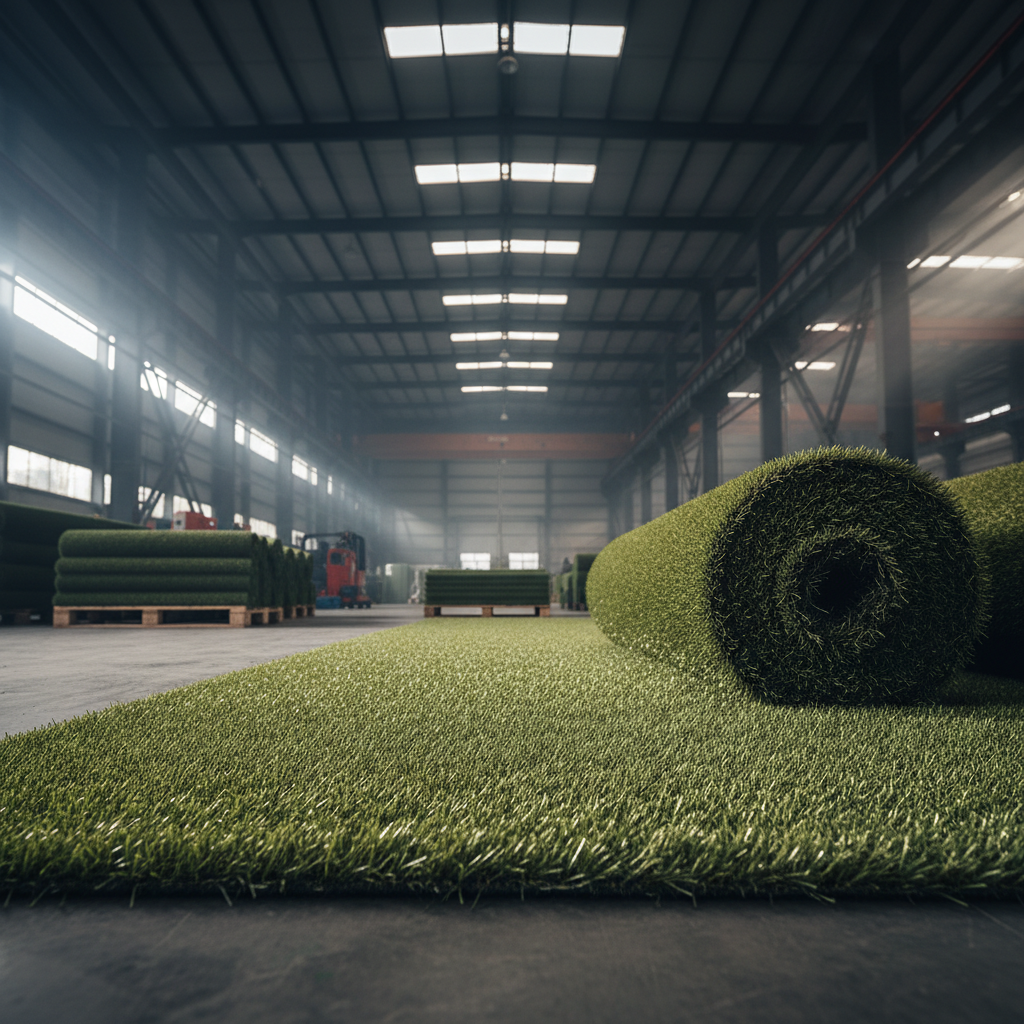
The backing material is crucial too. It's usually made of woven polypropylene or polyester. You want something that’s strong and stable, and that won’t degrade over time. The coating on the back is important as well, it's what holds everything together. I've smelled some pretty nasty chemicals coming from those coatings in some factories... Not ideal.
And don’t forget the infill! That’s the stuff you sprinkle on top to provide cushioning and support. Like I said earlier, crumb rubber was the standard for years, but now everyone’s looking for alternatives. Cork is good, but it’s expensive. Coconut fibers are eco-friendly, but they break down quickly. It's a constant trade-off.
Real-World Testing and Performance
Forget the lab tests. They're useful for baseline comparisons, but they don't tell you how the turf will actually perform in the real world. I’m talking about wear testing with actual players, running drills, simulating game conditions. We do a lot of that ourselves, setting up mini-fields and just letting guys beat on it.
We also look at how well it holds up to the weather. UV exposure, rain, snow, extreme temperatures… It’s got to be able to withstand it all. We’ve had turfs completely fall apart after just one harsh winter. It’s not pretty.
football turf suppliers Performance Metrics
How Football Turf is Actually Used
You know, it’s not always what you expect. A lot of it ends up in training facilities, obviously, but we’re also seeing it used in schools, parks, even backyard putting greens. One customer used it to create a dog run! Seriously.
And the way people use it is different too. Kids are doing parkour on it, people are having picnics, dogs are digging… It’s got to be able to withstand a lot more than just soccer cleats.
Advantages & Disadvantages – The Honest Truth
Okay, the advantages are pretty clear: durability, consistent playing surface, low maintenance. But let’s be real, it’s not perfect. It gets hot. Really hot. Especially in the summer. And it's expensive upfront. Way more expensive than natural grass.
And there’s the environmental impact to consider. The manufacturing process isn’t exactly eco-friendly, and the disposal of old turf is a challenge. It's a trade off. You're gaining durability, but losing some of the natural benefits of grass. Anyway, I think it’s about finding the right balance.
The biggest advantage, though, is availability. You can play on it year-round, regardless of the weather. That’s huge for schools and communities that don’t have the resources to maintain a natural grass field.
Customization Options and Recent Projects
We can do pretty much anything these days. Different pile heights, different colors, custom logos… Last month, that small boss in Shenzhen who makes smart home devices insisted on changing the interface to . The whole field. Said it was for “branding.” It was a nightmare to install, honestly. The seam lines looked terrible. But hey, the customer is always right, right?
We also did a project for a university in California where they wanted a multi-colored field, with different zones for different sports. Soccer, football, lacrosse… it was a logistical challenge, but it looked amazing when it was finished.
And then there are the smaller customizations, like adding shock pads for extra cushioning or designing specific patterns for training drills. It’s all about meeting the needs of the customer.
Key Performance Indicators for football turf suppliers Quality
| Yarn Quality |
Infill Performance |
Drainage Rate (mm/hr) |
UV Resistance Score (1-10) |
| PE Yarn - Standard |
Crumb Rubber |
40 |
6 |
| PP Yarn - Budget |
Sand |
25 |
4 |
| Nylon Yarn - Premium |
Cork |
60 |
9 |
| PE Yarn - High Density |
Coconut Fiber |
50 |
7 |
| PP Yarn - UV Stabilized |
TPE Granules |
35 |
5 |
| Nylon Yarn - Textured |
Olive Pits |
55 |
8 |
FAQS
That’s a tricky one. It depends on usage, maintenance, and the quality of the materials. Generally, you can expect 8-10 years, but heavily used fields might need replacing after 5-7. Proper brushing, infill replenishment, and occasional repairs are key to extending its life. Ignoring maintenance is a recipe for disaster, trust me.
Another loaded question! It varies wildly depending on the size of the field, the materials used, the complexity of the installation, and the location. You’re looking at anywhere from $8 to $15 per square foot, easily. Don’t forget to factor in site preparation costs, which can add a significant chunk to the total price. And labor, of course. Skilled labor isn't cheap.
It’s complicated. It's not as "green" as natural grass, that's for sure. The manufacturing process has an environmental impact, and the disposal of old turf is a challenge. However, it reduces water consumption, eliminates the need for pesticides and fertilizers, and can be made from recycled materials. It's a trade-off. We're seeing more suppliers focus on sustainable options, like using bio-based infill.
Regular maintenance is crucial. You need to brush the field to keep the fibers upright, replenish the infill as it gets compacted, and remove debris. Periodic deep cleaning is also recommended to prevent bacteria buildup. And, of course, you need to inspect the seams and repair any damage promptly. A good maintenance schedule will significantly extend the life of the field.
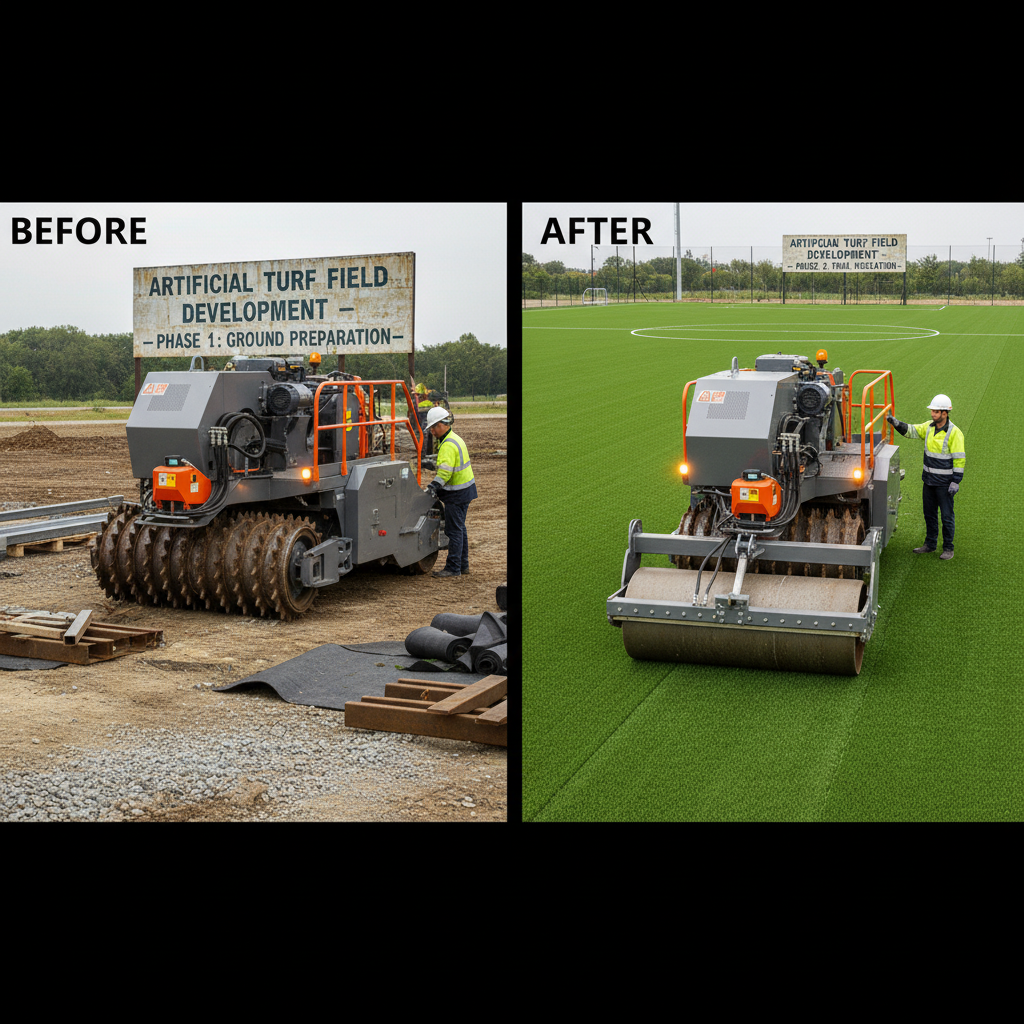
It can, but it’s not ideal. You really need a properly prepared base for a long-lasting installation. That means grading the surface, compacting the soil, and adding a drainage layer. Trying to install it on an uneven surface will lead to problems down the road, like uneven wear, drainage issues, and potential tripping hazards. It’s worth the extra effort to get the base right.
Monofilament turf has individual fibers that are more durable and resilient. It generally looks and feels more like natural grass. Fibrillated turf has fibers that are split into smaller strands, which gives it a softer feel. It’s often used for recreational surfaces. Monofilament is typically more expensive, but it holds up better to heavy use.
Conclusion
So, football turf suppliers... it’s not just about selling grass. It’s about understanding the whole system – the materials, the installation, the maintenance, the usage patterns. It's a complex world, and there are a lot of potential pitfalls. Choosing the right supplier is crucial. You need someone who knows their stuff, who’s committed to quality, and who can provide ongoing support.
Ultimately, whether this thing works or not, the worker will know the moment he tightens the screw. That’s the truth of it. You can have all the fancy certifications and technical specifications in the world, but if it doesn’t feel right, if it doesn’t perform in the real world, it’s not going to last.