Artificial grass for home is rapidly transforming outdoor spaces, offering a low-maintenance, aesthetically pleasing alternative to natural lawns. Its increasing popularity is driven by factors like water conservation, reduced maintenance costs, and its ability to thrive in various climates. This isn't just about convenience; it's about creating sustainable and enjoyable outdoor living environments.
Globally, the demand for artificial grass for home is surging. Data from the International Turf Producers Association (ITPA) shows a consistent annual growth rate, particularly in regions facing water scarcity or with challenging growing conditions. This rise addresses the growing challenge of maintaining lush, green spaces in an era of climate change and increasing environmental awareness.
Ultimately, understanding the benefits and applications of artificial grass for home allows homeowners to make informed decisions about their landscaping, contributing to both personal satisfaction and environmental responsibility. It's a move towards smarter, more sustainable living.
Introduction to Artificial Grass for Home
Artificial grass for home, also known as synthetic turf, is a surface made of synthetic fibers designed to resemble natural grass. It has become an increasingly popular choice for residential landscaping due to its numerous benefits, ranging from aesthetic appeal to practical advantages like minimal maintenance. artificial grass for home offers a fantastic alternative to traditional lawns.
The initial investment in artificial grass for home is often offset by long-term savings on water, fertilizers, mowing, and other upkeep costs. Beyond the financial benefits, it provides a consistently green and attractive outdoor space, regardless of weather conditions or seasonal changes.
Defining Artificial Grass for Home
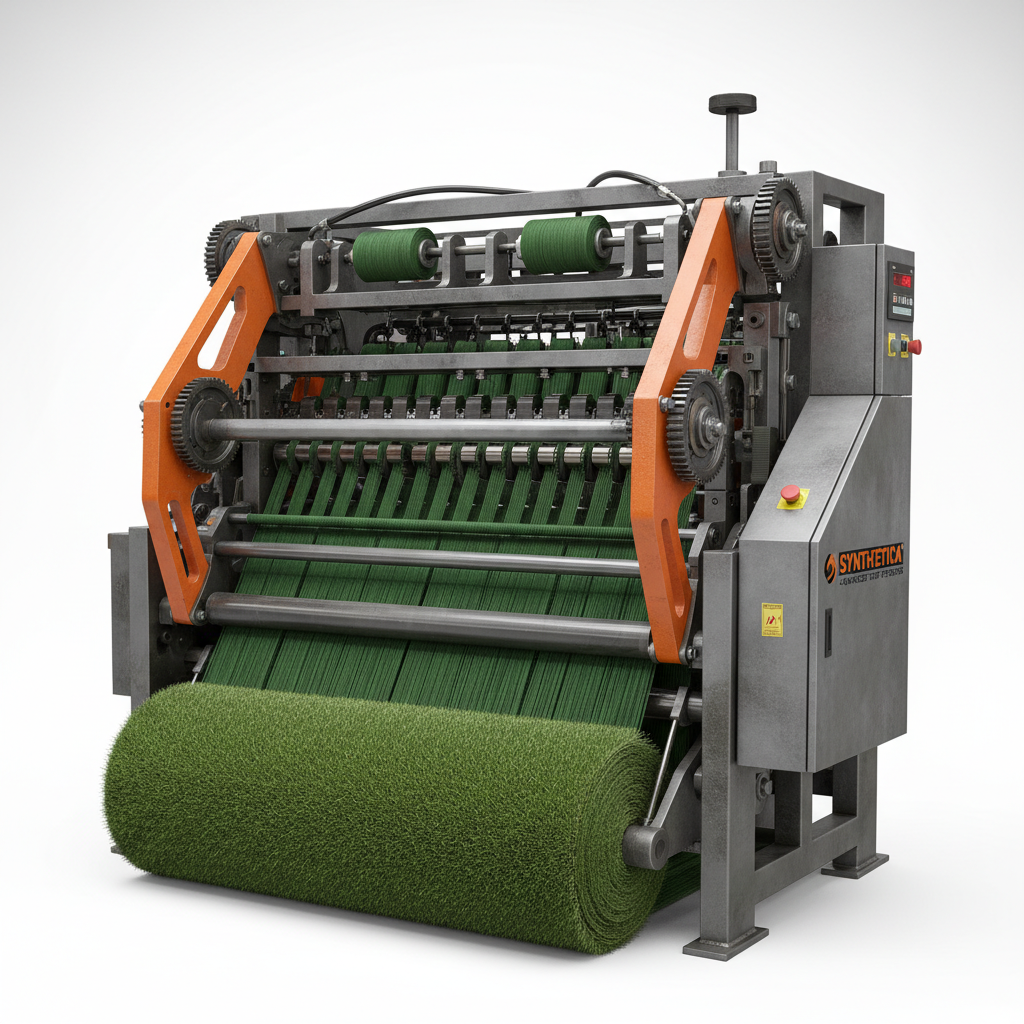
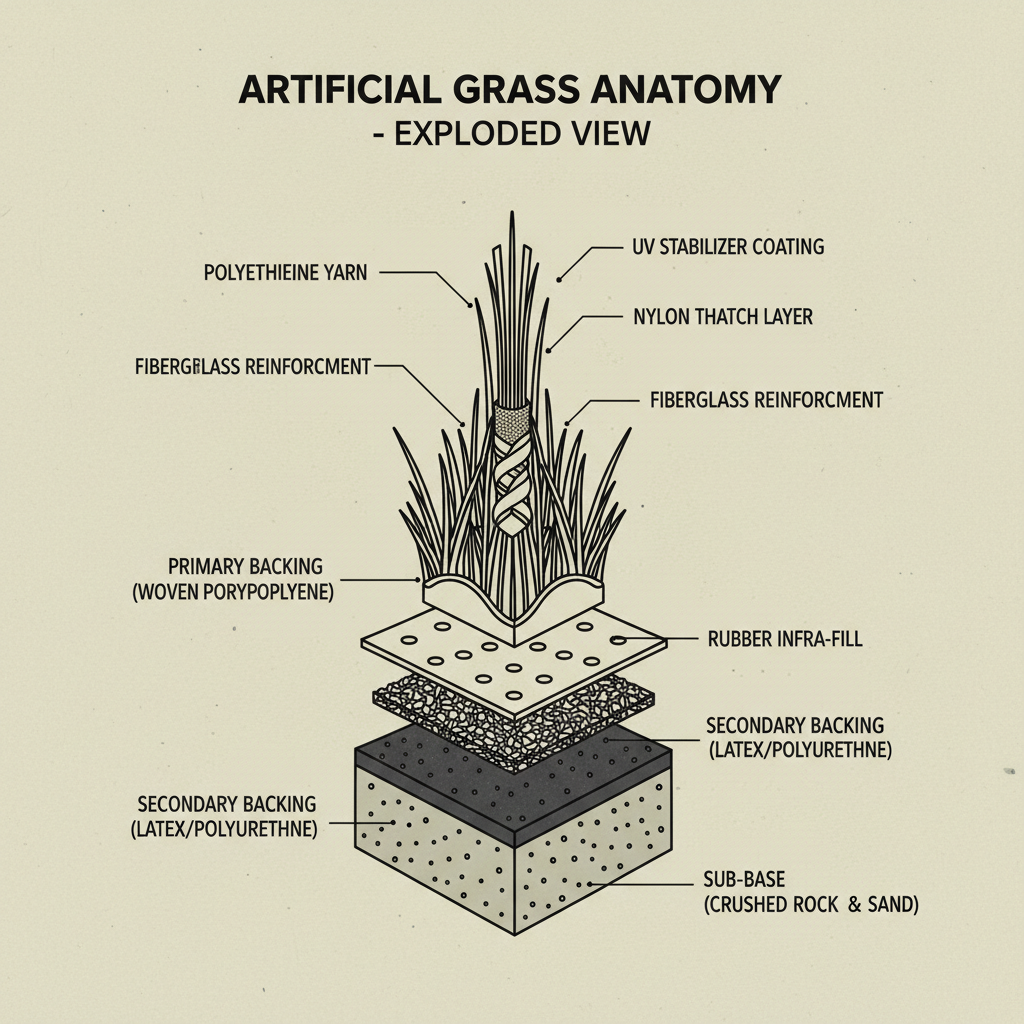
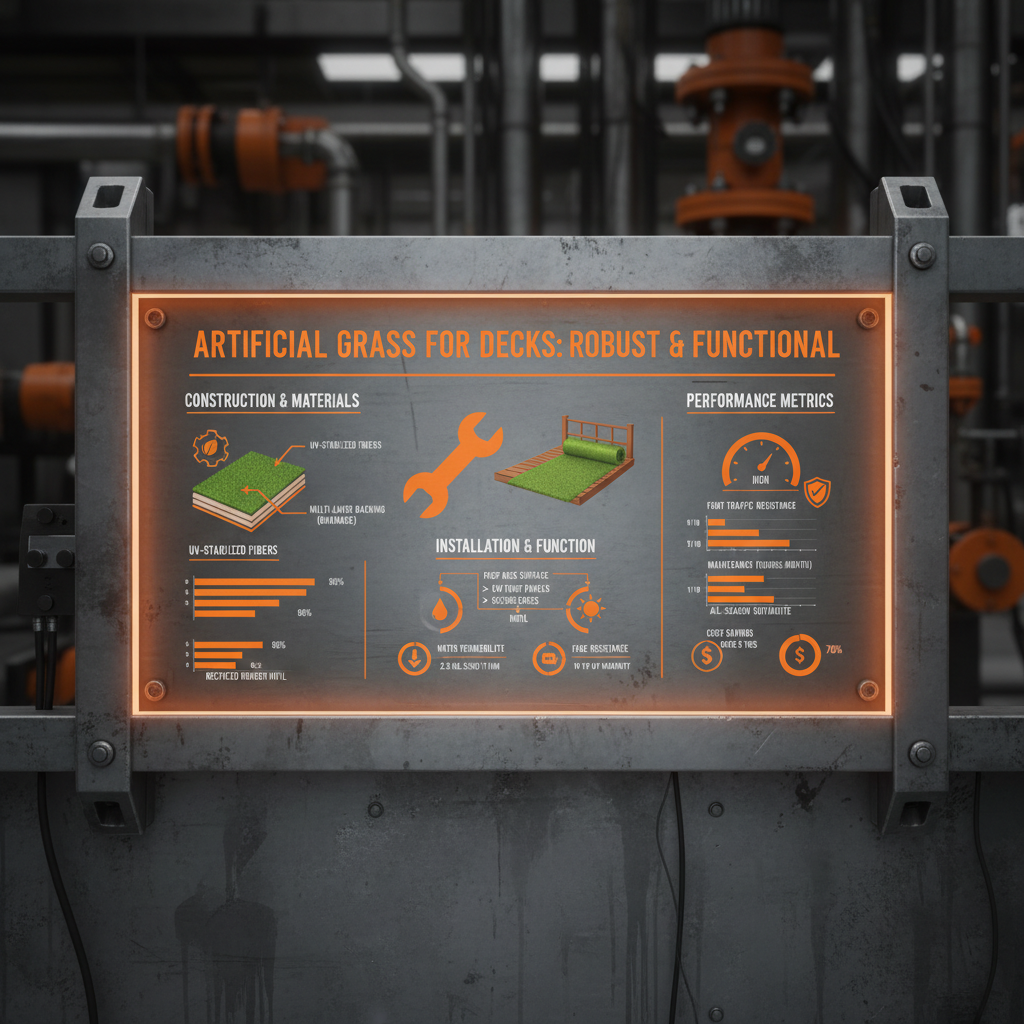
At its core, artificial grass for home is a manufactured surface engineered to mimic the look and feel of natural turf. It’s constructed from synthetic materials – typically polypropylene, polyethylene, or nylon – carefully woven or tufted onto a backing material. This backing provides stability and drainage, essential for a durable and functional lawn.
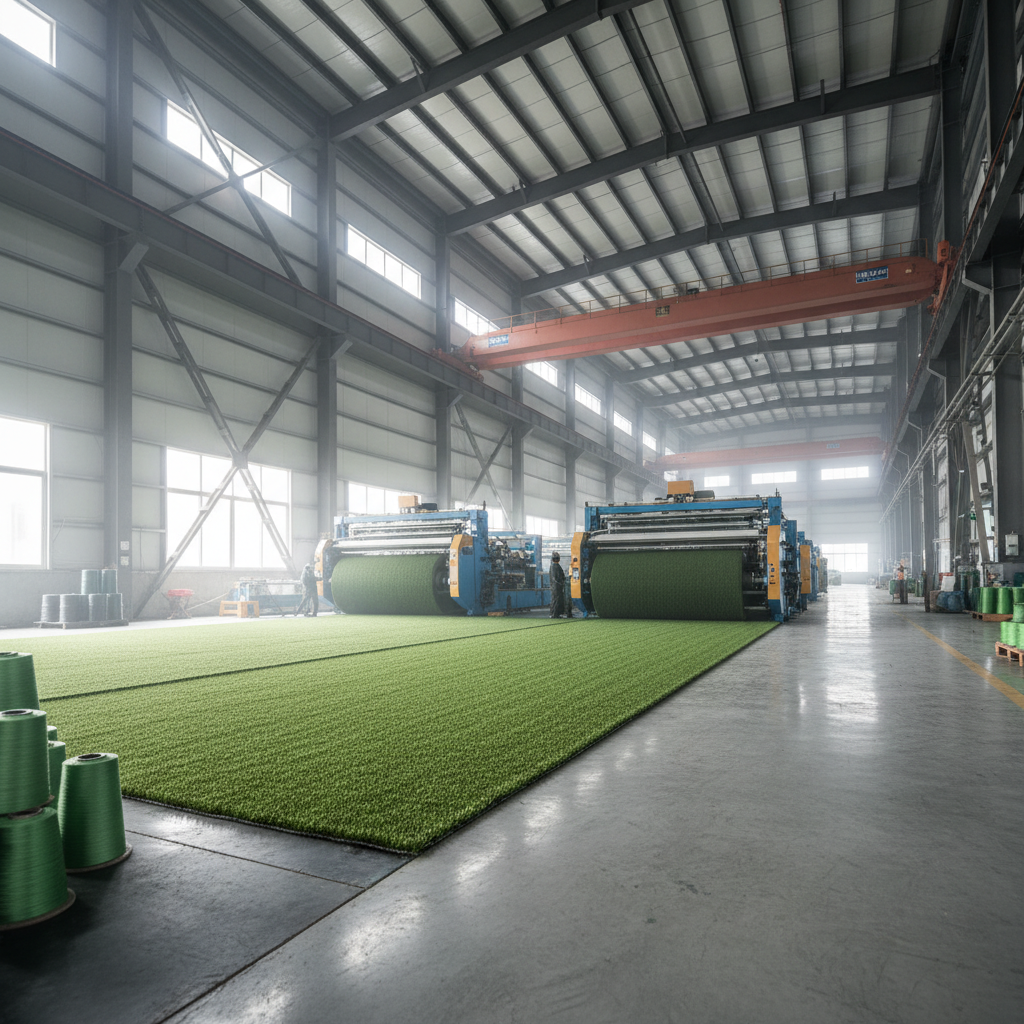
This technology isn’t new; early iterations of artificial turf were developed in the 1960s for athletic fields. However, advancements in materials and manufacturing processes have led to a vastly improved product specifically tailored for residential use. This includes more realistic textures, improved drainage, and enhanced durability.
The connection to modern industry lies in its sustainable practices and resource efficiency. As water conservation becomes paramount, artificial grass for home offers a solution for maintaining green spaces without the environmental impact of constant irrigation. This aligns with a growing global emphasis on eco-friendly landscaping.
Key Factors of Artificial Grass for Home
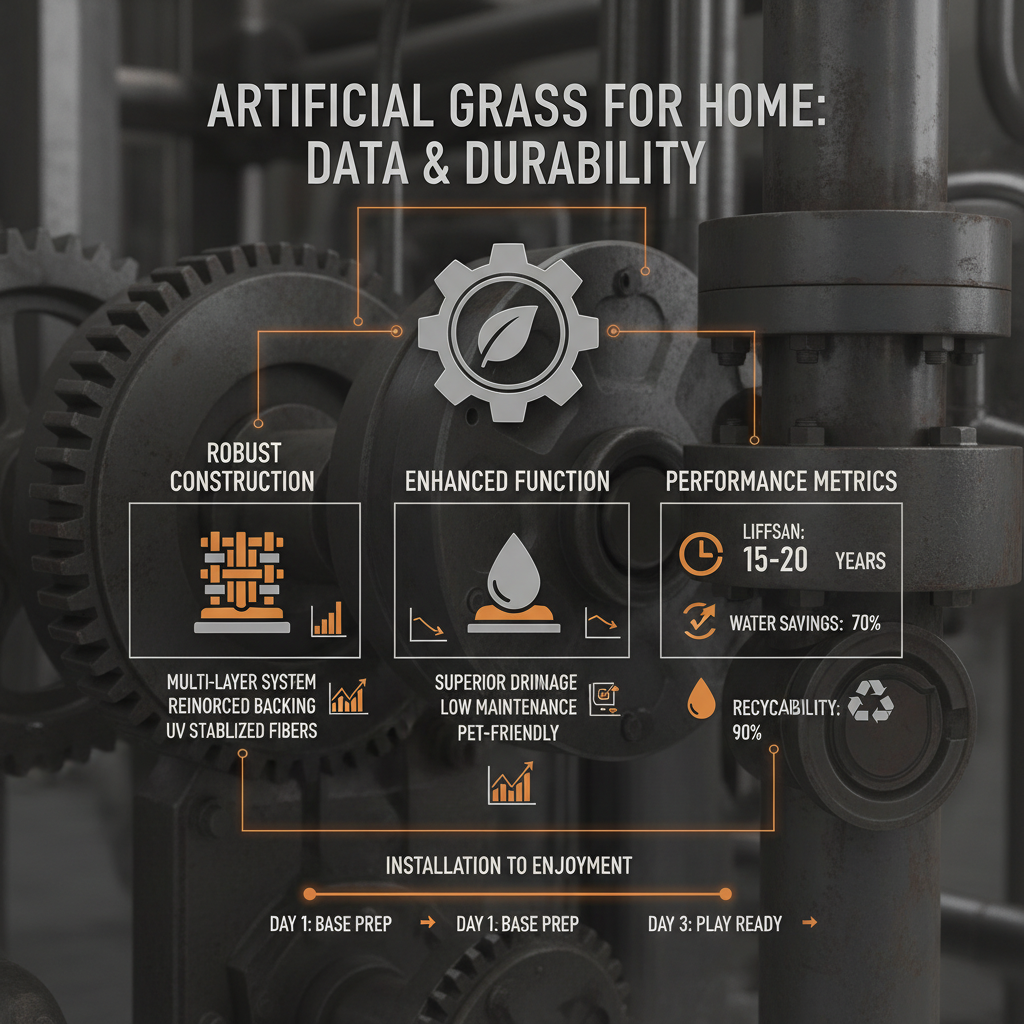
Durability: High-quality artificial grass for home is built to withstand heavy foot traffic, extreme weather conditions, and prolonged UV exposure. The materials used are chosen for their resilience and longevity, ensuring a lasting investment.
Drainage: Effective drainage is crucial for preventing waterlogging and maintaining a clean, hygienic surface. Modern artificial grass systems incorporate perforated backing and specialized infill materials to facilitate rapid water runoff.
Realism: The appearance of artificial grass has improved dramatically. Advanced manufacturing techniques now create blades with varying colors, textures, and pile heights, closely replicating the look and feel of natural grass.
Maintenance: One of the biggest draws of artificial grass is its minimal maintenance requirements. Unlike natural lawns, it doesn't need mowing, fertilizing, or weeding, saving homeowners significant time and effort.
Safety: Artificial grass for home can be designed with enhanced cushioning to reduce the risk of injuries, making it ideal for families with children and pets. It provides a consistent, even surface, minimizing tripping hazards.
Cost-Effectiveness: While the upfront cost might be higher, artificial grass typically proves more cost-effective over time due to the savings on water bills, maintenance expenses, and the elimination of fertilizer and pesticide costs.
Global Applications of Artificial Grass for Home
Artificial grass for home is gaining traction across the globe, particularly in regions experiencing water scarcity or facing limitations with natural grass growth. In arid climates like the southwestern United States and parts of Australia, it provides a sustainable alternative for maintaining green landscapes.
Its versatility extends beyond residential applications. Schools, parks, and playgrounds are increasingly adopting artificial turf for its safety, durability, and reduced maintenance needs. This is especially relevant in urban environments where space is limited and natural grass can be difficult to maintain.
In post-disaster relief operations, artificial grass can provide a quick and easy solution for creating safe and comfortable temporary living spaces. Its portability and ease of installation make it an invaluable resource in emergency situations. In remote industrial zones, it offers a practical landscaping solution where maintaining natural grass is challenging and costly.
Comparison of Artificial Grass for Home Methods
Advantages and Long-Term Value
The tangible benefits of artificial grass for home are numerous. Cost savings on water bills, lawn care services, and gardening supplies accumulate over time, making it a financially sound investment. Furthermore, the elimination of pesticides and fertilizers promotes a healthier environment.
The long-term value extends beyond the economic. Artificial grass contributes to environmental sustainability by reducing water consumption and minimizing the use of harmful chemicals. It also offers a safe and comfortable surface for families and pets, promoting outdoor enjoyment and well-being. The peace of mind knowing your lawn always looks pristine adds significant value.
Future Trends in Artificial Grass for Home
Innovations in materials science are driving the next generation of artificial grass. Researchers are developing more sustainable and eco-friendly fibers, utilizing recycled materials and biodegradable components. These advancements aim to minimize the environmental footprint of artificial turf.
Smart turf systems, incorporating sensors and automated irrigation, are also emerging. These systems can monitor moisture levels and adjust watering schedules to optimize performance and conserve water. The integration of digital technology promises to enhance the functionality and efficiency of artificial grass for home.
Challenges and Solutions in Artificial Grass for Home
One of the primary concerns surrounding artificial grass is heat retention. Darker-colored turf can become hot in direct sunlight. However, advancements in fiber technology and infill materials are addressing this issue, with cooler-temperature options becoming increasingly available.
Another challenge is proper installation and disposal. Incorrect installation can lead to drainage problems and reduced lifespan. Proper recycling programs for end-of-life turf are also crucial to minimize environmental impact. Increased awareness and responsible disposal practices are key solutions.
The initial cost can be a barrier for some homeowners. However, financing options and government incentives are becoming more accessible, making artificial grass a viable option for a wider range of budgets.
Summary of Artificial Grass for Home Challenges and Solutions
| Challenge |
Impact Level (1-10) |
Proposed Solution |
Implementation Cost (USD) |
| Heat Retention |
7 |
Cooler-Temperature Fibers and Infill |
$500 - $1500 |
| Installation Errors |
8 |
Professional Installation and Quality Control |
$1000 - $3000 |
| End-of-Life Disposal |
6 |
Recycling Programs and Biodegradable Materials |
$200 - $500 (Recycling Fees) |
| Initial Cost |
9 |
Financing Options and Government Incentives |
$0 - $2000 (Financing Costs) |
| Maintenance Misconceptions |
5 |
Educational Resources and Proper Brushing Techniques |
$50 - $200 (Brushing Tools) |
| Drainage Issues |
7 |
Improved Sub-Base Installation and Drainage Systems |
$300 - $1000 |
FAQS
While the initial investment for artificial grass is higher, the long-term costs are typically lower. Natural lawns require ongoing expenses for water, fertilizer, mowing, weeding, and pest control. Artificial grass eliminates these costs, resulting in significant savings over its lifespan, often 5-10 years or more. This makes it a financially attractive option, especially in areas with high water bills.
Yes, artificial grass for home is generally pet-friendly! It’s designed to withstand pet traffic and is easy to clean. Pet waste doesn’t stain or damage the turf like it can with natural grass. However, prompt removal of waste is still recommended for hygiene. Look for turf specifically designed with enhanced drainage to quickly rinse away liquids.
A high-quality artificial grass for home installation can last 15-20 years or even longer with proper care. The lifespan depends on factors like the quality of the turf, the amount of foot traffic it receives, and the climate conditions. Regular brushing to maintain pile height and occasional rinsing to remove debris will help prolong its life.
Artificial grass can get warmer than natural grass in direct sunlight, but advancements in fiber technology have significantly reduced this issue. Choosing turf with a lighter color and utilizing cooling infills can help mitigate heat retention. Additionally, watering the turf lightly can provide a cooling effect. Newer materials are specifically engineered to reflect heat more effectively.
Artificial grass requires minimal maintenance compared to natural grass. Regularly brushing the turf against the grain helps to maintain the pile height and prevent matting. Periodically rinsing the turf with water removes dust and debris. Spot cleaning can address any spills or stains. Avoid using metal rakes, as they can damage the fibers.
Artificial grass can be environmentally friendly by conserving water, eliminating the need for fertilizers and pesticides, and reducing carbon emissions from lawnmowers. While the manufacturing process has an environmental impact, modern turf products are increasingly made from recycled materials and are designed for long-term durability, minimizing waste. Responsible disposal and recycling programs are also becoming more common.
Conclusion
Artificial grass for home represents a significant advancement in landscaping technology, offering a compelling alternative to traditional lawns. From its durability and low-maintenance requirements to its environmental benefits and aesthetic appeal, it provides a multitude of advantages for homeowners seeking a beautiful and sustainable outdoor space. Embracing this technology is a step towards a more efficient and eco-conscious lifestyle.
Looking ahead, continued innovation in materials and installation techniques will further enhance the performance and sustainability of artificial grass. We encourage you to explore the possibilities and consider how artificial grass can transform your outdoor living experience. Visit our website at www.hoyarngrass.com to learn more and find the perfect artificial grass solution for your home.