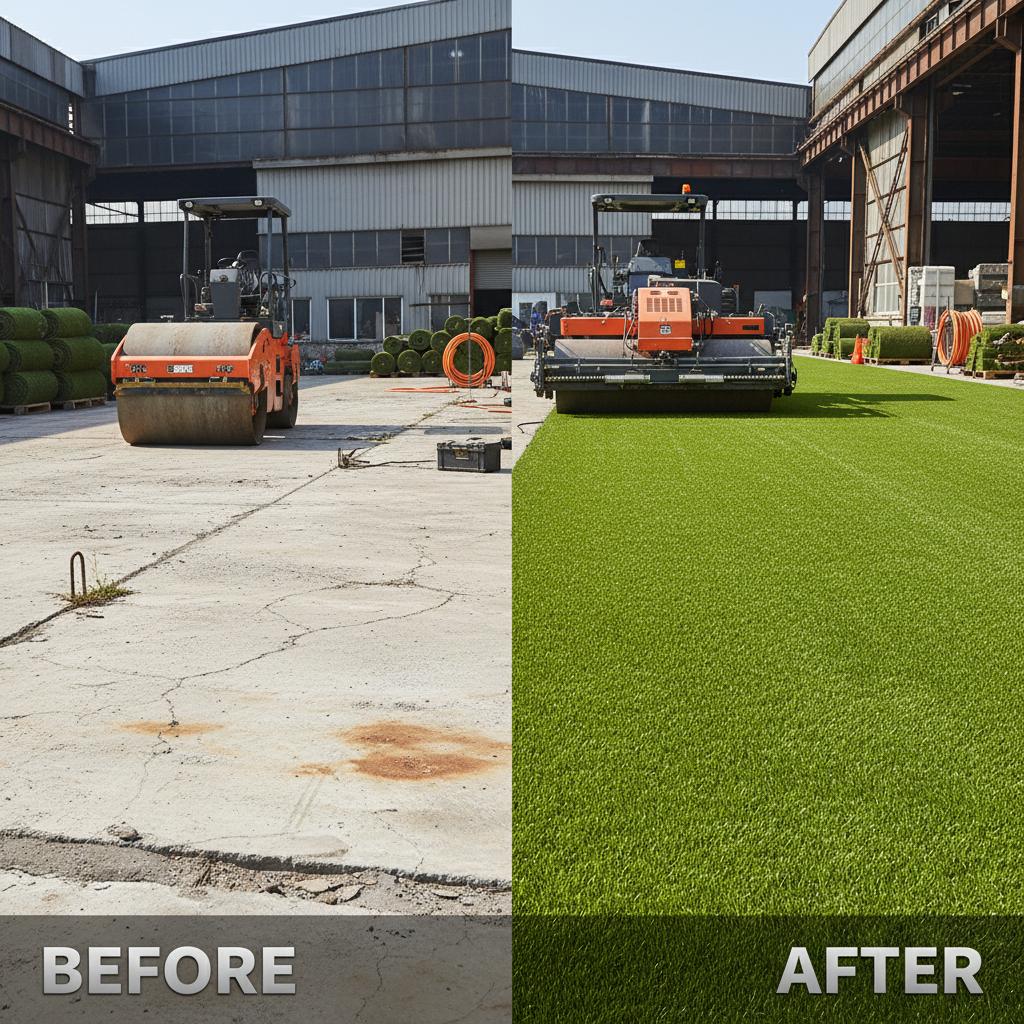
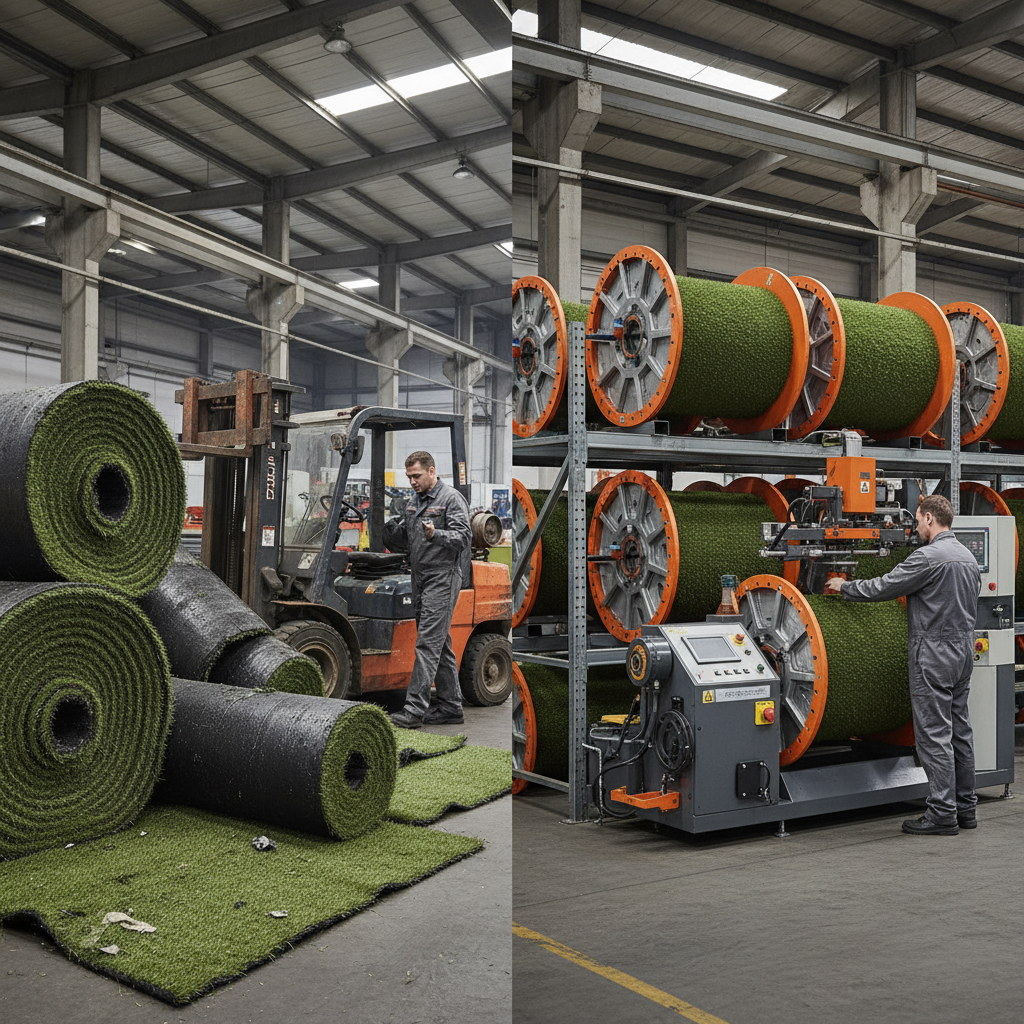
Artificial turf edging is a crucial element in creating durable, aesthetically pleasing, and functional artificial grass installations. Globally, the demand for synthetic turf is experiencing significant growth, driven by water conservation efforts, increasing urbanization, and the desire for low-maintenance landscaping. Artificial turf edging serves as the boundary between the turf and surrounding areas, preventing migration of the turf infill, maintaining a neat appearance, and contributing to the overall longevity of the system. Understanding the nuances of artificial turf edging is therefore vital for professionals and homeowners alike.
The significance of artificial turf edging extends beyond simple aesthetics. Poorly installed or inadequate edging can lead to costly repairs, uneven surfaces, and a compromised lifespan for the artificial grass. With the global artificial turf market projected to reach substantial figures in the coming years (data from market research reports consistently demonstrates a steady climb), selecting the right edging solutions and employing proper installation techniques becomes increasingly important. The industry is responding with innovations in materials and designs to address evolving needs and environmental concerns.
Properly selected artificial turf edging adds value to the investment in artificial grass, ensuring years of enjoyment and minimizing long-term maintenance costs. It’s no longer simply a finishing touch, but an integral part of a robust and sustainable artificial lawn solution.
Understanding the Importance of Artificial Turf Edging
Artificial turf edging is more than just a finishing touch; it’s a critical component of a successful artificial grass installation. It prevents the infill – the material that provides cushioning and support to the turf fibers – from spilling out onto surrounding surfaces like patios, walkways, or gardens. This containment is essential for maintaining the cleanliness, safety, and performance of the turf system. Without proper edging, infill migration can create a mess, track into homes, and even pose a hazard to pets and children.
Beyond infill containment, artificial turf edging defines the shape and boundaries of the lawn, providing a clean, professional aesthetic. Different edging materials offer varying degrees of flexibility, allowing for curved designs and intricate landscaping features. Choosing the right edging material impacts not only the visual appeal but also the overall durability and longevity of the artificial turf installation.
Defining Artificial Turf Edging
Artificial turf edging refers to the materials used to create a defined border around an artificial grass installation. It serves as a physical barrier, separating the turf from adjacent surfaces. This barrier is designed to hold the infill in place, maintain the turf's shape, and protect the edges from wear and tear. Edging can be made from a variety of materials, each with its own properties and applications.
The selection of edging materials is driven by factors like cost, durability, aesthetic preferences, and the specific requirements of the installation. Common materials include plastic, rubber, metal, and wood. Modern edging solutions are increasingly focusing on recycled materials and eco-friendly designs, reflecting a growing commitment to sustainability within the industry.
Ultimately, artificial turf edging connects the practicality of maintaining a functional lawn with the modern demand for aesthetically pleasing outdoor spaces. It represents a bridge between the technical aspects of turf installation and the user's enjoyment of a beautiful, low-maintenance landscape.
Key Factors Influencing Edging Selection
Selecting the appropriate artificial turf edging involves considering several key factors. Durability is paramount. The edging must withstand weathering, foot traffic, and potential impacts without cracking, warping, or deteriorating. This is especially crucial in high-use areas like sports fields or pet zones.
Flexibility is another important consideration. If the lawn design incorporates curves or intricate shapes, the edging material must be pliable enough to accommodate those features without compromising its structural integrity. Rigid edging materials are more suitable for straight lines and simple designs. Cost also plays a significant role, as edging prices can vary considerably depending on the material and quantity required. Aesthetics should be considered – the edging should complement the overall landscape design and blend seamlessly with the turf and surrounding environment.
Furthermore, ease of installation is a practical concern. Some edging materials are easier to work with than others, requiring less specialized tools or expertise. Finally, environmental impact is becoming an increasingly important factor, with many homeowners opting for edging made from recycled or sustainable materials.
Global Applications of Artificial Turf Edging
The applications of artificial turf edging are diverse and span a wide range of industries and settings. In residential landscaping, edging is used to define lawns, flowerbeds, and pathways, creating a polished and professional look. In sports facilities – soccer fields, football stadiums, baseball diamonds – robust edging systems are essential for containing infill and maintaining the integrity of the playing surface.
Artificial turf edging is also prevalent in commercial landscaping projects, such as rooftop gardens, public parks, and corporate campuses. These applications often require edging that can withstand heavy foot traffic and extreme weather conditions. Furthermore, it's increasingly used in pet-friendly environments, like dog parks and backyard pet areas, to prevent infill scattering and maintain cleanliness.
Globally, regions with water scarcity are seeing increased adoption of artificial turf, and consequently, a rising demand for effective edging solutions. In arid climates across the Middle East and Southwestern United States, for example, artificial turf is becoming a popular alternative to natural grass, and edging is a critical component of these installations. Similarly, in densely populated urban areas across Europe and Asia, artificial turf with proper edging is utilized to create green spaces where natural grass is impractical or unsustainable.
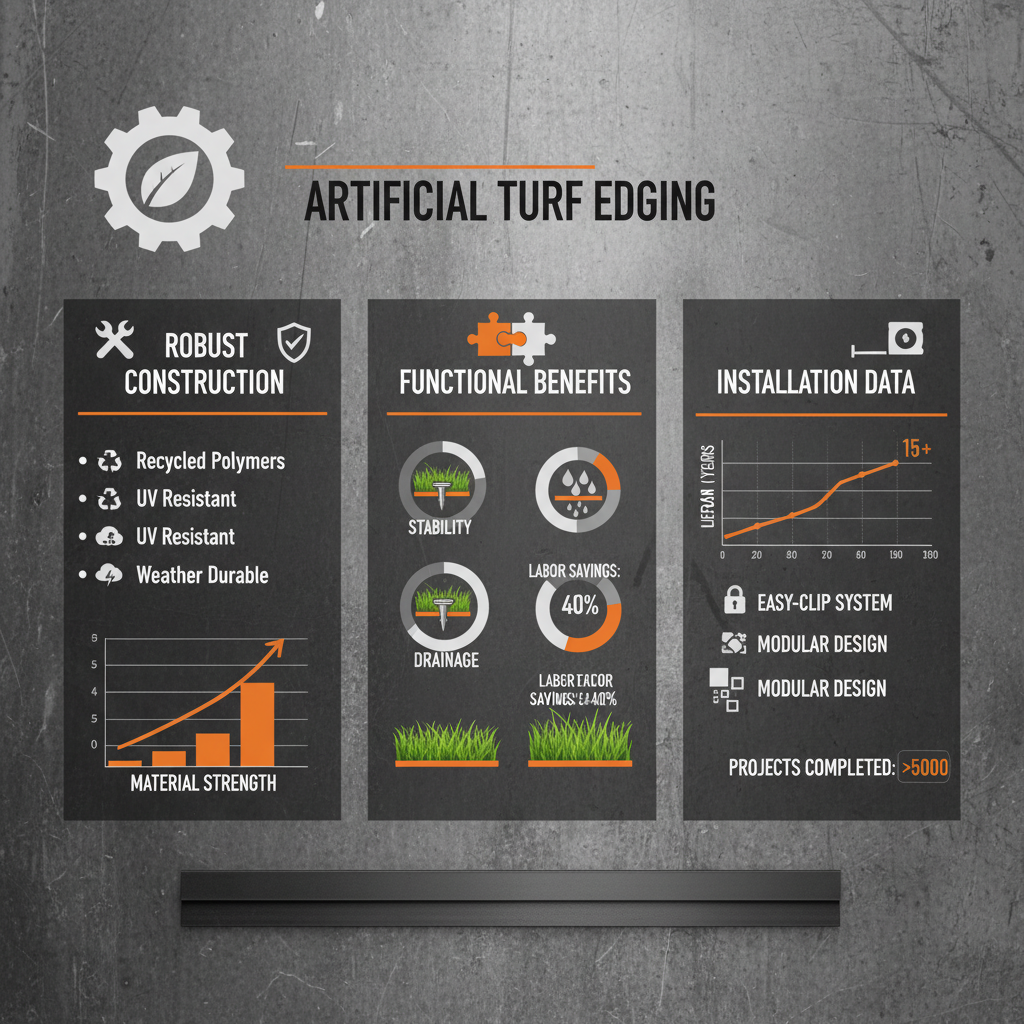
Artificial Turf Edging Performance Metrics
Advantages and Long-Term Value
The benefits of investing in high-quality artificial turf edging extend far beyond aesthetics. Economically, properly installed edging reduces long-term maintenance costs by minimizing infill loss and preventing damage to the turf. Environmentally, it supports water conservation efforts by eliminating the need for traditional lawn watering and reducing the use of fertilizers and pesticides.
From a social perspective, well-maintained artificial turf with secure edging creates safe and enjoyable spaces for families, pets, and communities. It promotes outdoor activity and enhances the overall quality of life. Moreover, the durability and longevity of high-quality edging contribute to a sense of trust and reliability, assuring homeowners and facility managers that their investment will stand the test of time.
Future Trends in Artificial Turf Edging
The future of artificial turf edging is focused on innovation and sustainability. We are seeing a growing trend towards the use of recycled materials, such as recycled plastic and rubber, in edging production. These materials not only reduce environmental impact but also offer comparable durability and performance to traditional materials.
Another emerging trend is the development of flexible edging systems that can adapt to complex landscape designs. These systems often incorporate interlocking components or modular designs, allowing for easy installation and customization. Furthermore, advancements in polymer technology are leading to the creation of edging materials that are more resistant to UV degradation and weathering.
Challenges and Solutions in Artificial Turf Edging Installation
Despite advancements in edging technology, several challenges remain in the installation process. Uneven ground surfaces can make it difficult to achieve a level and secure edging installation. Proper subgrade preparation is crucial for ensuring long-term stability.
Another common challenge is dealing with existing landscaping features, such as trees or shrubs, that may interfere with the edging installation. Careful planning and precise cutting techniques are required to accommodate these features. Furthermore, improper installation can lead to infill migration and edging failure.
To overcome these challenges, it's essential to employ experienced installers who are trained in proper edging techniques. Using high-quality edging materials, following manufacturer's instructions carefully, and ensuring adequate subgrade preparation are all critical steps in a successful installation.
Summary of Common Challenges and Solutions for Artificial Turf Edging Installation
| Challenge |
Impact on Turf System |
Solution |
Cost of Implementation |
| Uneven Subgrade |
Edging Instability, Infill Migration |
Proper Subgrade Preparation (Leveling, Compaction) |
$5 - $15 per square foot |
| Interfering Landscaping |
Difficult Installation, Compromised Aesthetics |
Precise Cutting & Accommodation of Features |
$2 - $10 per linear foot |
| Incorrect Edging Material |
Reduced Durability, Premature Failure |
Selection Based on Application & Climate |
Variable, dependent on material |
| Improper Installation Techniques |
Edging Separation, Infill Loss |
Professional Installation, Adherence to Guidelines |
$3 - $8 per linear foot |
| Extreme Weather Conditions |
Edging Degradation, Loss of Shape |
UV-Resistant Materials, Secure Anchoring |
$1 - $5 per linear foot (material upgrade) |
| Infill Migration Over Time |
Mess, Reduced Turf Performance |
Regular Maintenance & Inspection of Edging Seal |
Minimal, Primarily Labor Cost |
FAQS
Common materials include plastic (polyethylene, polypropylene), rubber (recycled tires or EPDM), metal (aluminum, steel), and wood. Plastic is affordable and versatile, rubber offers excellent durability and flexibility, metal provides a clean, modern look, and wood provides a natural aesthetic. The best choice depends on your budget, design preferences, and the specific requirements of your installation.
For curved lawns, flexibility is key. Rubber edging is an excellent choice as it is highly pliable and can easily conform to curves. Flexible plastic edging is another option. Avoid rigid metal or wood edging, as they will be difficult to bend without cracking or warping. Consider using interlocking edging sections for easier installation and adjustments.
While most artificial turf edging materials are water-resistant, they are not necessarily fully waterproof. Water can seep underneath the edging over time. Proper subgrade preparation and installation techniques, including the use of a weed barrier fabric, are crucial for preventing water from accumulating beneath the turf and causing issues. Some edging systems are designed with drainage features to address this concern.
The lifespan of artificial turf edging varies depending on the material and quality. Plastic edging typically lasts 5-10 years, while rubber edging can last 10-20 years. Metal edging, if properly maintained, can last even longer. Factors such as UV exposure, foot traffic, and weather conditions can also affect the lifespan. Regular inspection and maintenance can help extend the life of your edging.
The cost of artificial turf edging installation varies depending on the material, length, complexity of the design, and labor rates in your area. Typically, the cost ranges from $3 to $10 per linear foot for materials and installation. More complex installations or higher-end materials will be more expensive. Obtain quotes from multiple installers to compare prices and services.
Proper installation is key. Ensure the edging is securely anchored to the ground, and a geotextile fabric (weed barrier) is installed underneath the turf and extending up against the edging. This prevents infill from working its way underneath. Regularly inspect the edging for gaps or loose areas and address them promptly to prevent infill migration.
Conclusion
Artificial turf edging is an essential component of a successful and long-lasting artificial grass installation. From ensuring infill containment and maintaining a clean aesthetic to contributing to the overall durability and sustainability of the lawn, the benefits are undeniable. By carefully considering factors such as material, flexibility, and installation techniques, homeowners and professionals can select the edging solution that best meets their needs.
Looking ahead, innovations in materials and design promise to further enhance the performance and environmental friendliness of artificial turf edging. Embracing these advancements and prioritizing proper installation practices will ensure that artificial turf remains a viable and attractive landscaping option for years to come. For high-quality artificial turf edging solutions and expert advice, visit our website today.