Look, I've been running around construction sites all year, you know? Dust, sweat, blueprints…artificial grass suppliers, it’s become a big thing lately. Used to be, you’d only see it on fancy golf courses or those show homes. Now? Every other project seems to want a bit of it. It's not just the aesthetics, either. Folks are realizing the maintenance savings – no more mowing, no more watering. That’s a big deal, especially with water restrictions getting tighter everywhere.
To be honest, though, there's a lot of garbage out there. Manufacturers claiming their turf can withstand anything. They talk a good game in the brochures, but…well, we’ll get to that. It's a bit of a Wild West, really. A lot of companies jumped on the bandwagon when things started booming a few years back.
It's funny, you spend enough time with engineers and you realize how much of what should work, just…doesn’t.
The Current Landscape of artificial grass suppliers
Have you noticed how many new artificial grass suppliers are popping up? It's crazy. It used to be a handful of established players, now it feels like a new one opens every week. Most are based in China, to be honest. Not that there’s anything wrong with that, but quality control…that’s where it gets tricky. There's a race to the bottom on price, which inevitably means corners are cut.
The bigger companies are starting to focus on more specialized products – sports turf, pet-friendly turf, even stuff designed for rooftop gardens. They’re spending money on R&D, trying to make it look and feel more realistic, and improve its durability. It’s a slow process, but you can see the improvements year after year.
Design Pitfalls and Common Mistakes in artificial grass suppliers
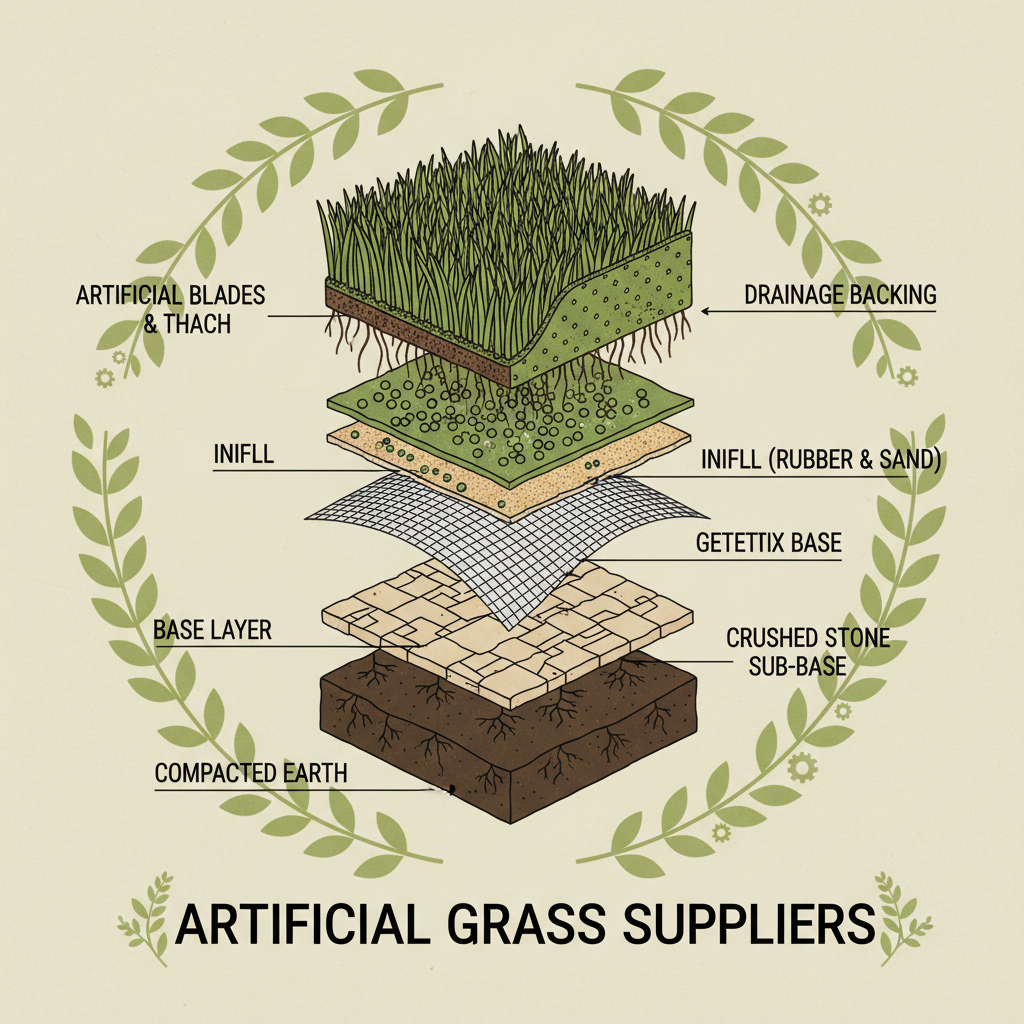
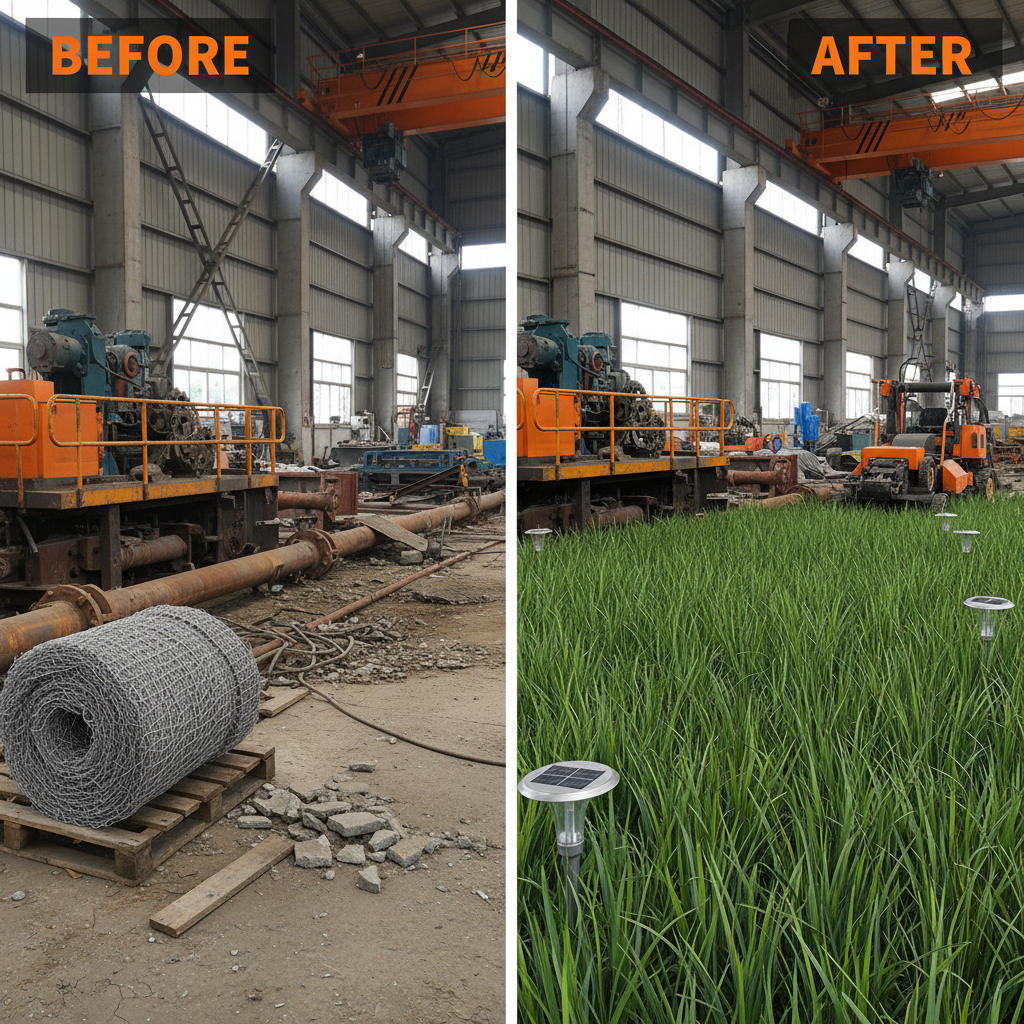
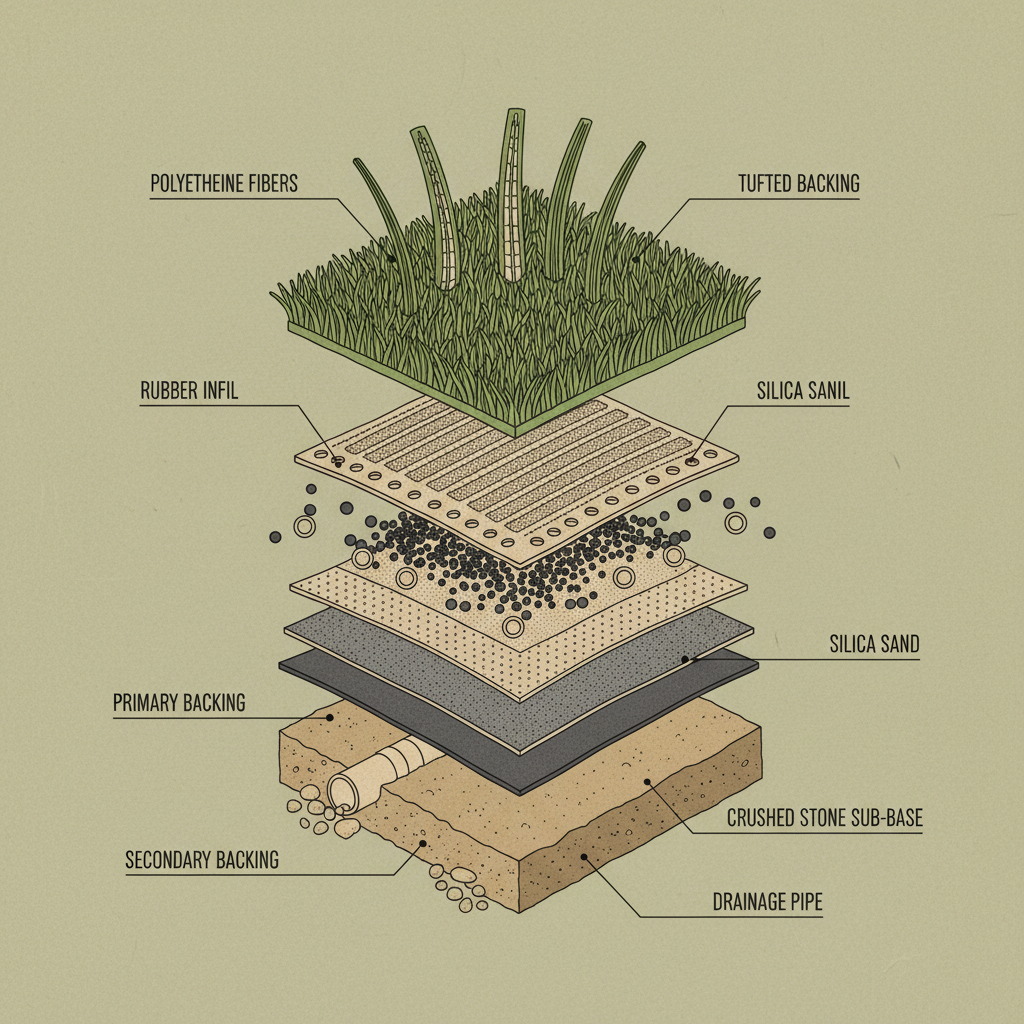
Strangely enough, a lot of folks underestimate the importance of proper base preparation. They think they can just slap the turf down on top of existing concrete or dirt. Wrong! You need a properly leveled and compacted base, with good drainage. Otherwise, you'll end up with dips, bumps, and puddles. I encountered this at a factory in Guangdong last time – they skipped the base prep to save time, and the whole thing looked terrible.
Another big mistake is choosing the wrong pile height. Too short, and it looks flat and unnatural. Too long, and it gets matted down easily. And don't even get me started on the infill… that’s a whole other can of worms.
Also, people forget about expansion and contraction. The turf will move with temperature changes, so you need to leave enough room around the edges to prevent buckling. It sounds simple, but I've seen it happen more times than I can count.
The Materials Behind the Green: A Hands-On Perspective on artificial grass suppliers
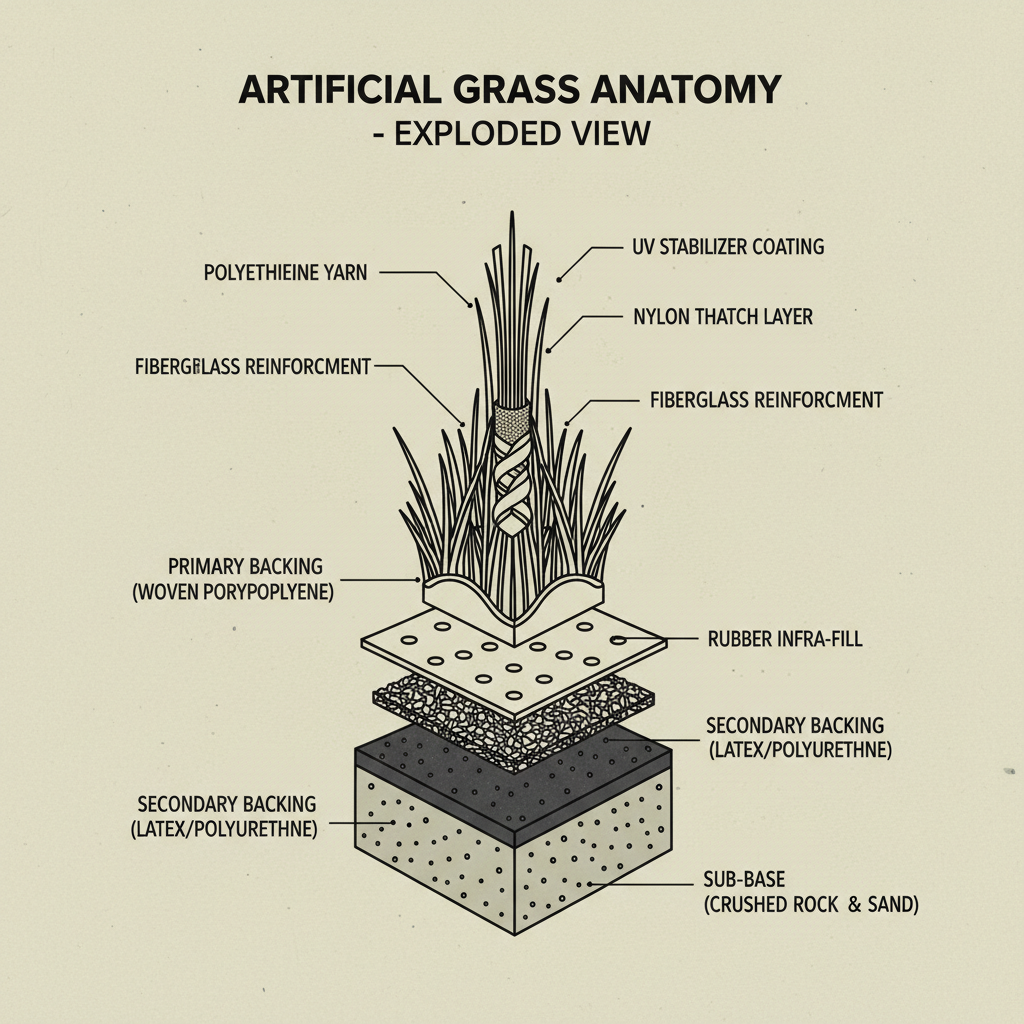
The yarn – that’s the heart of it all. Most of it is polyethylene (PE), polypropylene (PP), or a blend of the two. PE feels the softest, most like natural grass, but it’s not as durable. PP is tougher, but it can feel a bit plastic-y. I prefer the blends, usually. You can tell a good yarn by running it through your fingers – it should be resilient, not brittle. You should also be able to smell it. A strong chemical odor usually means it’s low quality.
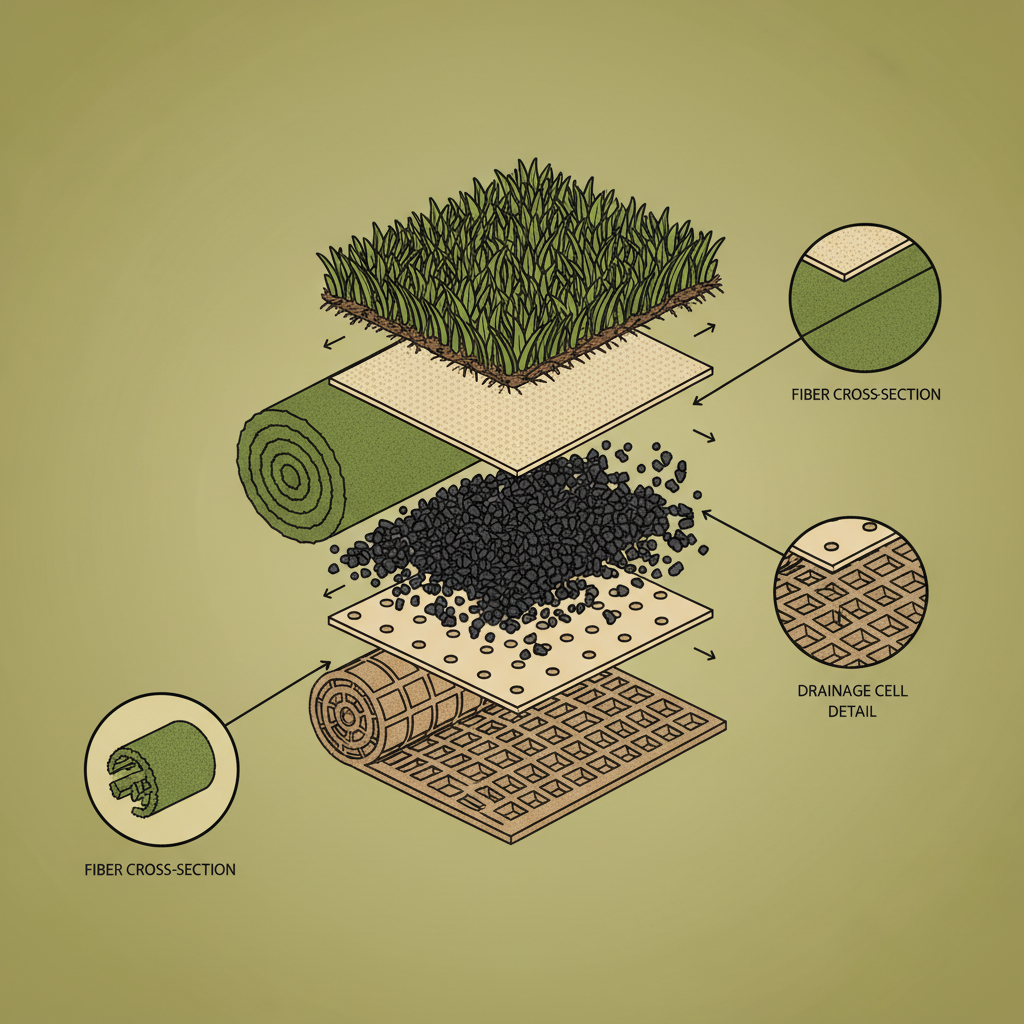
The backing is important too. It's usually made of woven polypropylene, with a coating to stabilize the yarn and provide drainage. I’ve seen some cheap stuff that just falls apart after a year or two. The good stuff feels thick and sturdy, like canvas. The infill, that’s the granular material you sprinkle on top – usually crumb rubber, silica sand, or a combination of both. It helps to support the yarn and give it that “springy” feel. Honestly, I hate dealing with crumb rubber. It gets everywhere and smells like tires.
Anyway, I think getting the right blend of materials is key. It’s not just about cost; it's about finding the sweet spot between durability, feel, and performance.
Real-World Testing and Performance of artificial grass suppliers
Forget the lab tests. They tell you nothing. You want to know how this stuff holds up? Throw a pickup truck over it! Okay, not really. But you get the idea. We do a lot of wear testing on site – simulating foot traffic, dropping weights, even spilling oil and chemicals on it.
I also pay attention to how it handles UV exposure. Sunlight can really fade the color and break down the yarn over time. The better stuff has UV inhibitors, but even those eventually wear out. The real test is time. You can walk around an older installation, notice how worn it is and how the fibers look.
Artificial Grass Suppliers Performance Metrics
How Artificial Grass is Actually Used: Beyond the Brochure on artificial grass suppliers
It’s not always what you expect. People use it for all sorts of things. Dog runs are huge – keeps the mud down and makes cleanup easier. Rooftop terraces are another popular application. I saw one installation on a hospital roof, designed as a therapeutic garden for patients. That was pretty cool.
But sometimes people try to get too creative. I once had a client who wanted to use it as a putting green… on a steep slope. It didn’t end well. The ball just rolled right off.
The Pros and Cons: A Pragmatic Assessment of artificial grass suppliers
Look, it's not perfect. The initial cost is higher than natural grass, no doubt about it. And it can get hot in direct sunlight. But the long-term savings on maintenance are significant. Plus, it’s always green, no matter the weather.
The biggest downside, in my opinion, is the environmental impact. It’s made of plastic, and it’s not biodegradable. But some manufacturers are starting to use recycled materials, which is a step in the right direction. And strangely, the infill can be a source of microplastic pollution.
It’s about weighing the pros and cons and deciding what’s best for your specific situation.
Customization and Specific Applications of artificial grass suppliers
You can customize pretty much anything these days. Pile height, color, yarn density, infill type… you name it. Last month, that small boss in Shenzhen who makes smart home devices insisted on changing the interface to , and the result was a complete disaster. It looked awful and barely held up.
We’ve done specialized turf for everything from baseball fields to miniature golf courses. One client wanted a turf that glowed in the dark for a themed event. That was… interesting.
The key is to work with a supplier who understands your needs and can offer tailored solutions. Don’t just go with the cheapest option; you’ll regret it.
Summarizing key specifications for artificial grass suppliers
| Material Composition |
Durability Rating (1-10) |
Typical Application |
Maintenance Level (Low-High) |
| Polyethylene (PE) with PP backing |
7 |
Residential Lawns |
Low |
| Polypropylene (PP) with enhanced UV protection |
8 |
Sports Fields (Soccer, Football) |
Medium |
| PE/PP Blend with Silica Sand Infill |
9 |
Pet Areas |
Medium |
| High-Density PE with Crumb Rubber Infill |
6 |
Playgrounds |
High |
| Recycled PE with Coconut Fiber Infill |
7 |
Rooftop Gardens |
Medium |
| Specialty Yarn (Glow-in-the-Dark) with PP backing |
5 |
Themed Events |
Low |
FAQS
Honestly, it varies wildly. A lot depends on the quality of the materials, the amount of foot traffic, and how well it’s maintained. But generally, you can expect a good quality installation to last anywhere from 8 to 15 years. Some of the really cheap stuff might only last 5 or 6. Proper base prep is key, though. If the base isn’t stable, the turf will start to deteriorate much faster.
It's lower maintenance, not no maintenance. You still need to brush it regularly to keep the fibers upright, and remove any debris like leaves and branches. You might need to top up the infill every few years, too. And occasionally, you'll need to rinse it off to prevent odors. But it's still a lot easier than mowing, watering, and fertilizing a natural lawn.
Drainage is crucial. If water can't drain properly, you'll end up with a soggy mess. A good installation will have a permeable base layer that allows water to flow through. Some systems also have drainage channels built in. It's something you absolutely need to discuss with your installer.
Generally, yes. But you need to choose a turf that's specifically designed for pets. These turfs are typically made with non-toxic materials and have better drainage to prevent odors. You also need to clean it regularly to remove pet waste. The infill material can also be a factor – some types are more pet-friendly than others.
It varies a lot depending on the quality of the turf, the complexity of the installation, and your location. But as a rough estimate, you can expect to pay anywhere from $6 to $15 per square foot, installed. Don't automatically go for the cheapest option, though. You often get what you pay for.
Yes, it can. Especially darker-colored turfs. The surface temperature can get significantly higher than the air temperature. There are some technologies to mitigate this, like using lighter-colored yarns or adding cooling infills. But it's something to be aware of, especially if you live in a hot climate.
Conclusion
So, there you have it. Artificial grass suppliers has come a long way in recent years, and it's become a viable option for a lot of different applications. It's not a perfect solution, but it offers a lot of benefits – low maintenance, durability, and aesthetics. Ultimately, whether it’s a good fit for you depends on your specific needs and budget.
But here's the thing: at the end of the day, it doesn't matter what the brochures say or what the marketing hype claims. The worker will know if it’s good the moment he tightens the screw. And that’s all that really matters.