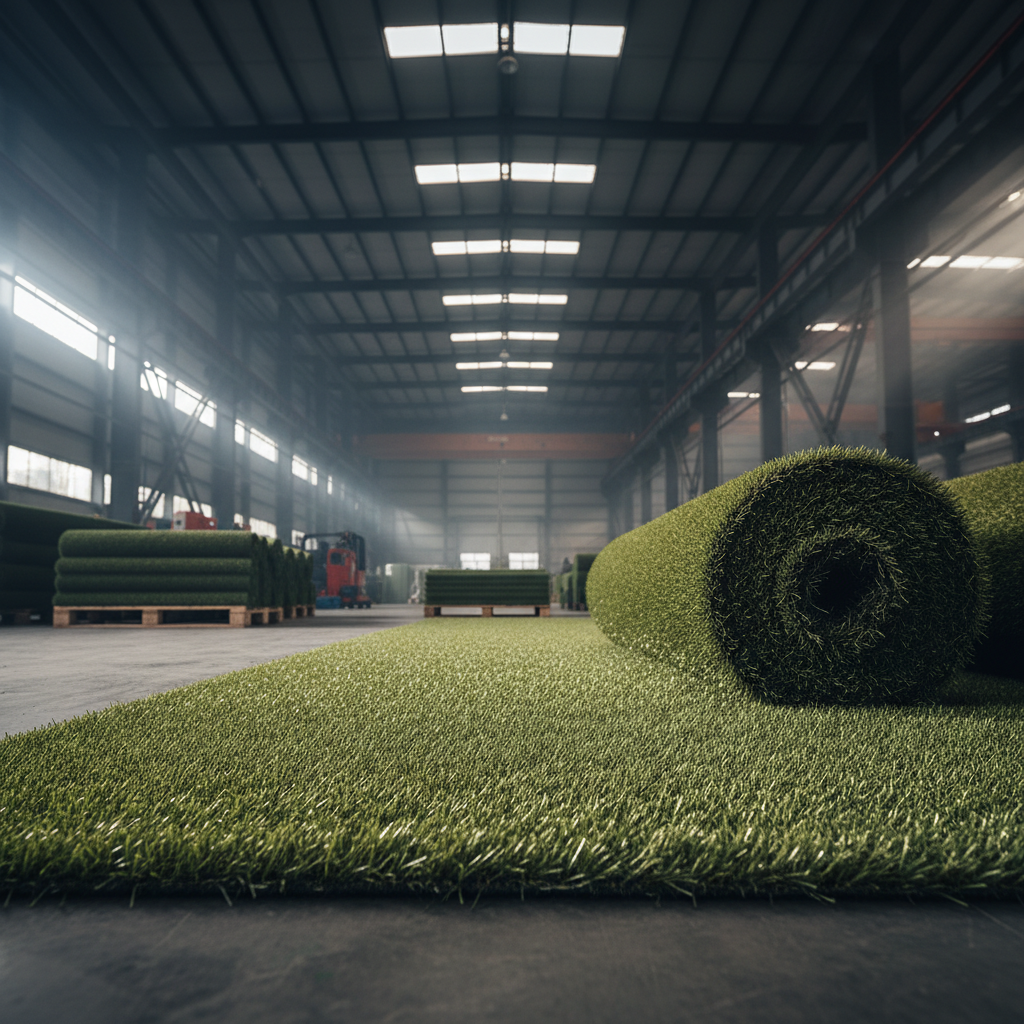
Artificial grass for terrace applications are rapidly gaining popularity worldwide, driven by a desire for aesthetically pleasing, low-maintenance outdoor spaces. From urban rooftops to suburban patios, the demand for durable and visually appealing terrace surfaces is increasing. This trend is particularly prominent in areas with water restrictions or challenging climates, where natural grass struggles to thrive. The rise of sustainable living and a focus on maximizing usable outdoor space further contribute to the growing market for artificial turf solutions.
Globally, the artificial grass industry is experiencing significant growth, with a projected market value reaching billions of dollars in the coming years. Factors like increasing urbanization, a growing disposable income, and evolving lifestyle preferences are fueling this expansion. Countries in Europe and North America currently lead the market, but Asia-Pacific is emerging as a key growth region due to rapid infrastructure development and a rising demand for leisure and recreational spaces.
Understanding the nuances of artificial grass for terrace applications, including material composition, installation techniques, and long-term maintenance, is crucial for both consumers and professionals. Choosing the right product and ensuring proper installation can lead to a beautiful, functional, and long-lasting terrace surface, enhancing the value and enjoyment of any property.
Introduction to artificial grass for terrace
Artificial grass for terrace is revolutionizing outdoor living spaces, offering a practical and aesthetically pleasing alternative to natural turf. It’s specifically designed to withstand the unique challenges presented by terrace environments – from intense sunlight and foot traffic to limited drainage and the need for a lightweight solution. Its versatile nature makes it ideal for creating comfortable, inviting, and low-maintenance areas for relaxation and entertainment.
The appeal lies in its ability to transform otherwise underutilized terrace spaces into vibrant extensions of the home. It eliminates the need for mowing, watering, and fertilizing, significantly reducing both time and cost associated with lawn care. Moreover, advancements in technology have resulted in artificial grasses that closely mimic the look and feel of natural turf, providing a realistic and enjoyable outdoor experience.
Global Relevance and Industry Context
The global demand for artificial grass for terrace is intrinsically linked to urban development and changing lifestyles. As cities become more densely populated and outdoor spaces shrink, the need to maximize the usability of available areas, like terraces, becomes paramount. A UN report on urbanization trends highlights a continued increase in the global urban population, emphasizing the importance of creating comfortable and functional urban living environments.
The industry is also responding to growing environmental concerns. Traditional lawns require significant water usage, particularly in arid regions, contributing to water scarcity issues. Artificial grass offers a water-efficient solution, aligning with sustainable practices and conservation efforts. ISO standards for turf production are increasingly focusing on environmental responsibility, ensuring that materials and manufacturing processes minimize ecological impact.
Furthermore, the market is influenced by economic factors. While the initial investment may be higher, the long-term cost savings associated with reduced maintenance make artificial grass an attractive option for homeowners and businesses alike. The World Bank's data on consumer spending indicates a growing willingness to invest in home improvements, further driving demand for artificial turf solutions.
Defining artificial grass for terrace
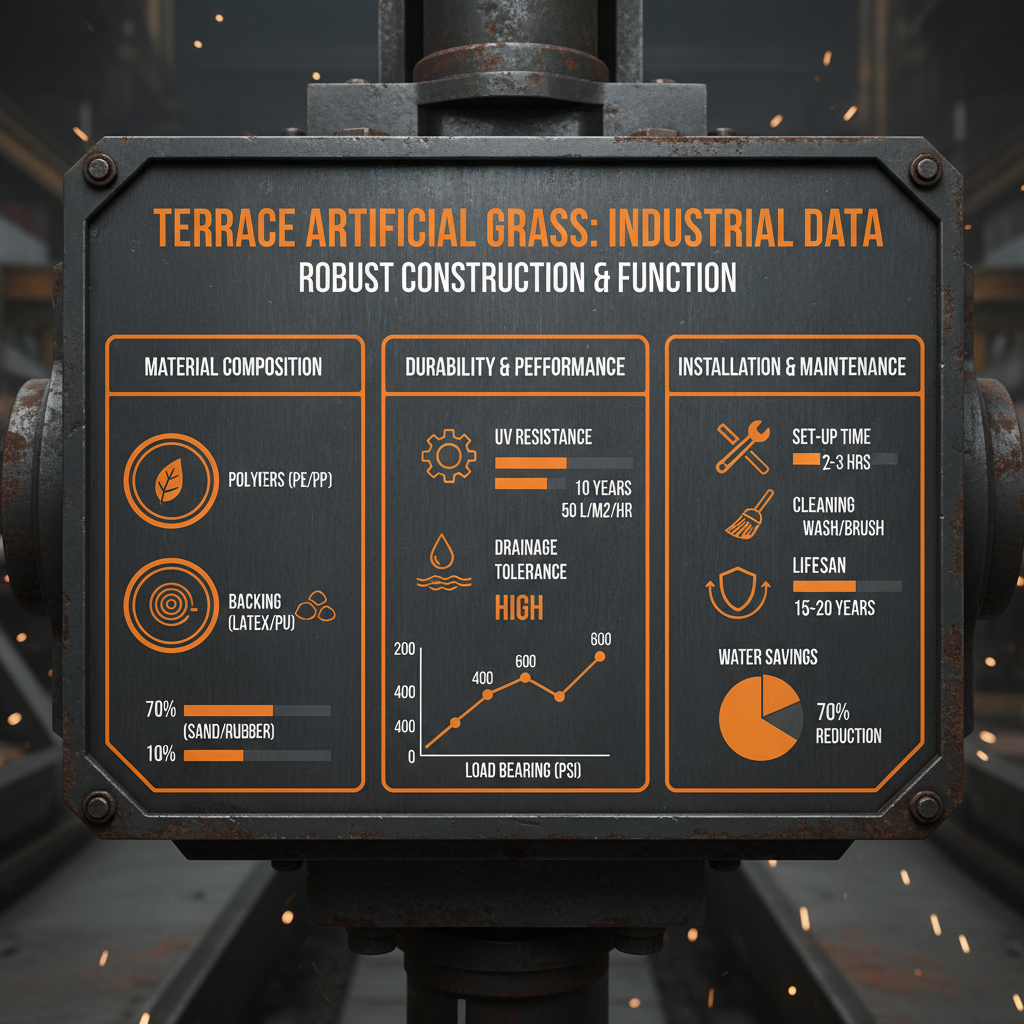
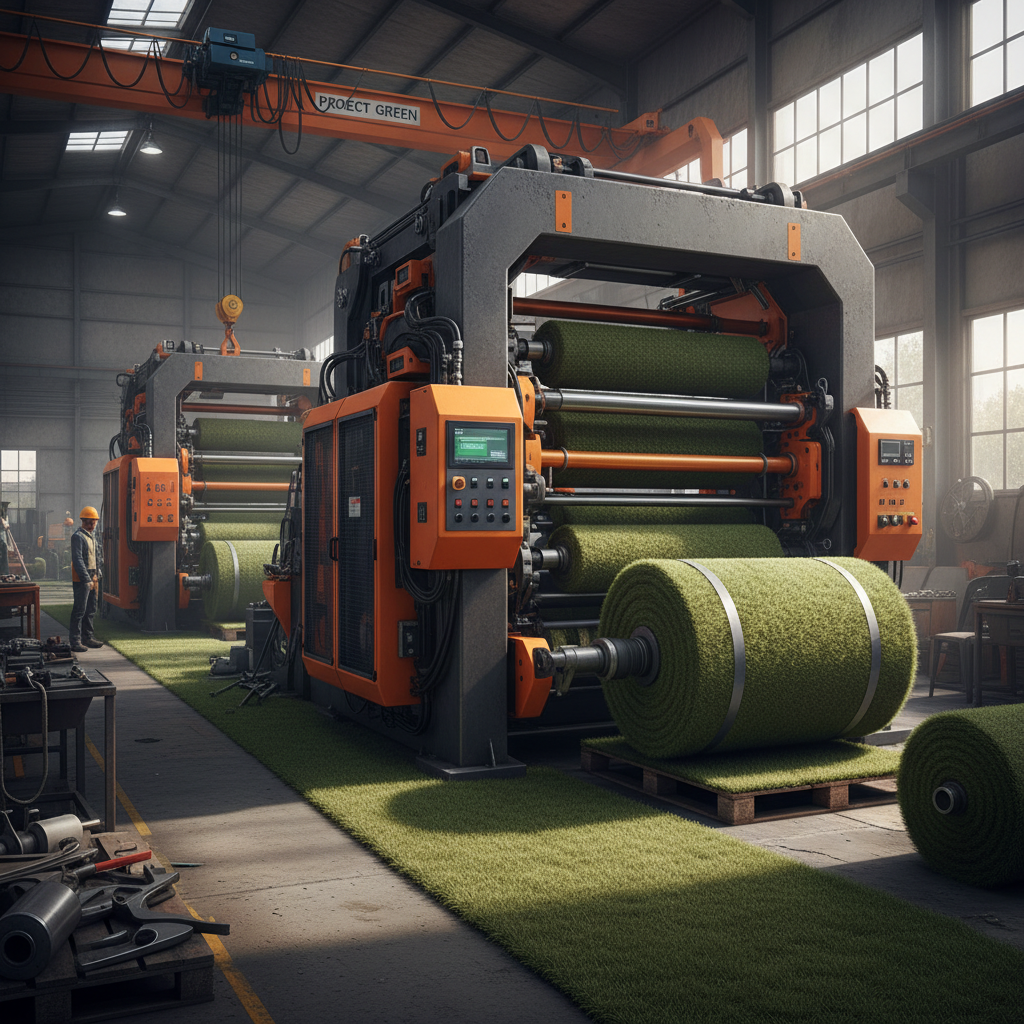
Artificial grass for terrace, at its core, is a synthetic surface designed to replicate the appearance and functionality of natural turf. It’s typically manufactured from polyethylene, polypropylene, or nylon fibers, woven or tufted into a backing material. This backing is often made from polypropylene or polyester and provides stability and durability. The “grass blades” are then infill with materials like crumb rubber, silica sand, or a combination of both to provide cushioning, support, and enhance the realistic feel.
Unlike traditional athletic turf, artificial grass specifically for terraces is engineered with considerations for aesthetics, weight, and drainage. It's often thinner and lighter to minimize stress on building structures and incorporates improved drainage systems to prevent waterlogging. Furthermore, terrace-specific options frequently prioritize a natural look and feel, with varying fiber heights and colors to mimic different grass species.
Its connection to modern industry and humanitarian needs extends beyond simply aesthetics. The technology developed for artificial turf has applications in sports surfaces, landscaping, and even erosion control. Its durability and low maintenance make it valuable in areas where natural vegetation is difficult to sustain, aligning with concepts of resilient infrastructure and sustainable development.
Key Factors for terrace applications
Several key factors influence the suitability and performance of artificial grass for terrace applications. Durability is paramount, as terraces are exposed to varying weather conditions and foot traffic. The quality of the materials, the density of the fibers, and the strength of the backing all contribute to the turf's ability to withstand wear and tear. Drainage is another critical consideration. Effective drainage prevents water from pooling on the surface, minimizing the risk of mold growth and maintaining structural integrity.
UV Resistance is essential for preventing fading and degradation caused by prolonged sun exposure. High-quality artificial grasses are treated with UV inhibitors to ensure long-lasting color and performance. Pile Height & Density affect the look and feel of the turf. Higher pile heights generally offer a more luxurious feel, while higher densities provide increased durability and realism.
Comparative Analysis of Artificial Grass Qualities
Global Applications and Use Cases
Artificial grass for terrace is finding applications in diverse settings across the globe. In densely populated urban areas like Tokyo and New York City, it's transforming rooftop terraces into vibrant green spaces, providing residents with a much-needed connection to nature. In Mediterranean climates, where water conservation is crucial, it’s become a popular choice for residential terraces and commercial patios.
Luxury hotels and resorts are increasingly utilizing artificial grass for terrace areas to create inviting and low-maintenance outdoor spaces for guests. It is also popular in creating pet-friendly terraces, offering a clean and hygienic surface for animals to play on.
Advantages and Long-Term Value
The advantages of artificial grass for terrace are numerous and extend beyond aesthetics. The primary benefit is reduced maintenance – no mowing, watering, fertilizing, or weeding is required. This translates to significant cost savings over the lifespan of the turf, as well as freeing up valuable time. Furthermore, it is durable, resisting wear and tear from foot traffic and weather elements. artificial grass for terrace solutions provide a consistent and appealing surface year-round.
From a sustainability perspective, artificial grass reduces water consumption and eliminates the need for harmful pesticides and herbicides. The long-term value lies not only in cost savings but also in the enhanced quality of life it provides, creating a beautiful, functional, and environmentally responsible outdoor space.
Future Trends and Innovations
The future of artificial grass for terrace is poised for further innovation. Researchers are developing more sustainable materials, including recycled plastics and bio-based polymers, to reduce the environmental footprint of turf production. Smart turf technologies are also emerging, incorporating features like integrated irrigation systems and temperature control.
Digitalization plays a key role – with technologies such as sensors embedded in the turf for monitoring usage and performance, as well as augmented reality applications for visualizing different turf designs. The trend toward customizable turf solutions, offering a wider range of colors, textures, and patterns, will also continue to gain momentum.
Challenges and Solutions
Despite its benefits, artificial grass for terrace faces certain challenges. Initial installation costs can be higher than traditional landscaping, and proper installation is crucial for long-term performance. Heat retention can also be a concern, particularly in warmer climates, leading to discomfort and potential damage to the turf.
Solutions include exploring financing options to offset installation costs, utilizing professional installers with proven expertise, and selecting turf products with advanced cooling technologies. Regular brushing and maintenance can also help to mitigate heat buildup and maintain the turf's appearance. Focusing on improved drainage systems is also essential to prevent issues related to waterlogging and mold growth.
Addressing these challenges through innovative materials, installation techniques, and ongoing maintenance will ensure that artificial grass for terrace continues to be a viable and sustainable option for outdoor spaces worldwide.
Summary of Solutions for Common Challenges
| Challenge |
Solution Type |
Specific Action |
Cost Estimate |
| High Initial Cost |
Financial Assistance |
Explore financing or lease-to-own options |
$500 - $2000 (depending on financing terms) |
| Improper Installation |
Professional Services |
Hire certified artificial grass installers |
$10 - $20 per square foot |
| Heat Retention |
Material Selection |
Choose turf with cooling technology and lighter colors |
$2 - $5 per square foot (premium turf) |
| Drainage Issues |
Infrastructure Upgrade |
Install a robust sub-base with adequate drainage layers |
$3 - $7 per square foot |
| Maintenance Requirements |
Routine Care |
Regular brushing and infill replenishment |
$100 - $300 per year |
| Environmental Concerns |
Sustainable Materials |
Opt for turf made from recycled materials or bio-based polymers |
$3 - $8 per square foot (eco-friendly turf) |
FAQS
With proper installation and maintenance, most high-quality artificial grasses for terraces can last between 8 to 15 years. Factors like foot traffic, UV exposure, and the quality of the materials used will influence the lifespan. Regular brushing, infill replenishment, and occasional cleaning are crucial for maximizing longevity. Choosing a turf specifically designed for terrace environments, with enhanced durability and UV resistance, is also highly recommended.
While technically a DIY project, artificial grass for terrace installation is best left to professionals. Proper preparation of the sub-base, accurate cutting and seaming, and thorough infill distribution are critical for a successful and long-lasting installation. Incorrect installation can lead to drainage issues, uneven surfaces, and premature wear and tear. Hiring certified installers ensures a professional finish and protects your investment.
Artificial grass for terrace incorporates a drainage system that allows water to percolate through the turf and into a sub-base layer. Proper sub-base preparation, using gravel and a geotextile fabric, is essential for efficient drainage. Ensure the terrace has a slight slope to facilitate water runoff. Regularly remove debris that can clog the drainage holes. If drainage issues persist, consult a professional for assessment and solutions.
Artificial grass for terrace requires minimal maintenance. Regular brushing with a stiff-bristled brush helps to maintain the pile height and prevent matting. Periodically replenishing the infill (sand or rubber granules) ensures proper cushioning and support. Remove any debris or leaves promptly. Occasional rinsing with water can help to keep the turf clean and fresh. Avoid using harsh chemicals or abrasive cleaners.
Modern artificial grasses for terrace are designed to withstand a wide range of weather conditions. They are UV-resistant, preventing fading and degradation from sun exposure. They can tolerate freezing temperatures and snow loads, although heavy snow accumulation may require removal to prevent compaction. Heat retention can be a concern in very hot climates, but selecting turf with cooling technology and providing shade can mitigate this issue.
Artificial grass for terrace offers several environmental benefits compared to natural grass. It eliminates the need for watering, reducing water consumption, and eliminates the use of pesticides and fertilizers, which can pollute waterways. However, the production of artificial grass does involve the use of plastics. Choosing turf made from recycled materials or bio-based polymers can further reduce its environmental impact. Proper disposal at the end of its lifespan is also crucial.
Conclusion
Artificial grass for terrace represents a significant advancement in outdoor living, offering a durable, low-maintenance, and aesthetically pleasing alternative to natural turf. Its global relevance is underscored by growing urbanization, water scarcity, and a demand for sustainable solutions. From enhanced property value and reduced maintenance costs to environmental benefits and increased usability, the advantages are compelling.
Looking ahead, continuous innovation in materials, technology, and installation techniques will further enhance the performance and sustainability of artificial grass for terrace. Embracing these advancements and prioritizing responsible practices will ensure that artificial turf remains a valuable and environmentally conscious choice for creating beautiful and functional outdoor spaces for years to come. Visit our website at www.hoyarngrass.com to explore our range of artificial grass solutions for your terrace.