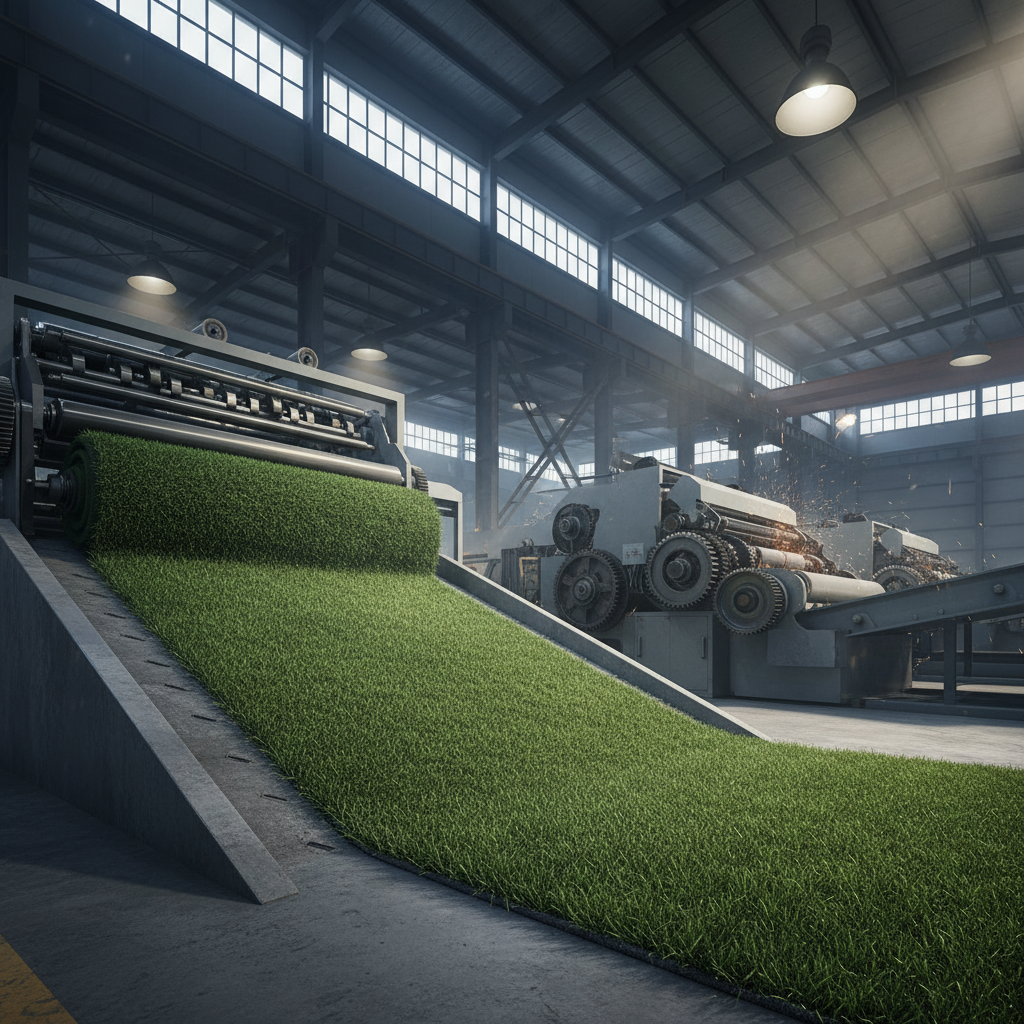
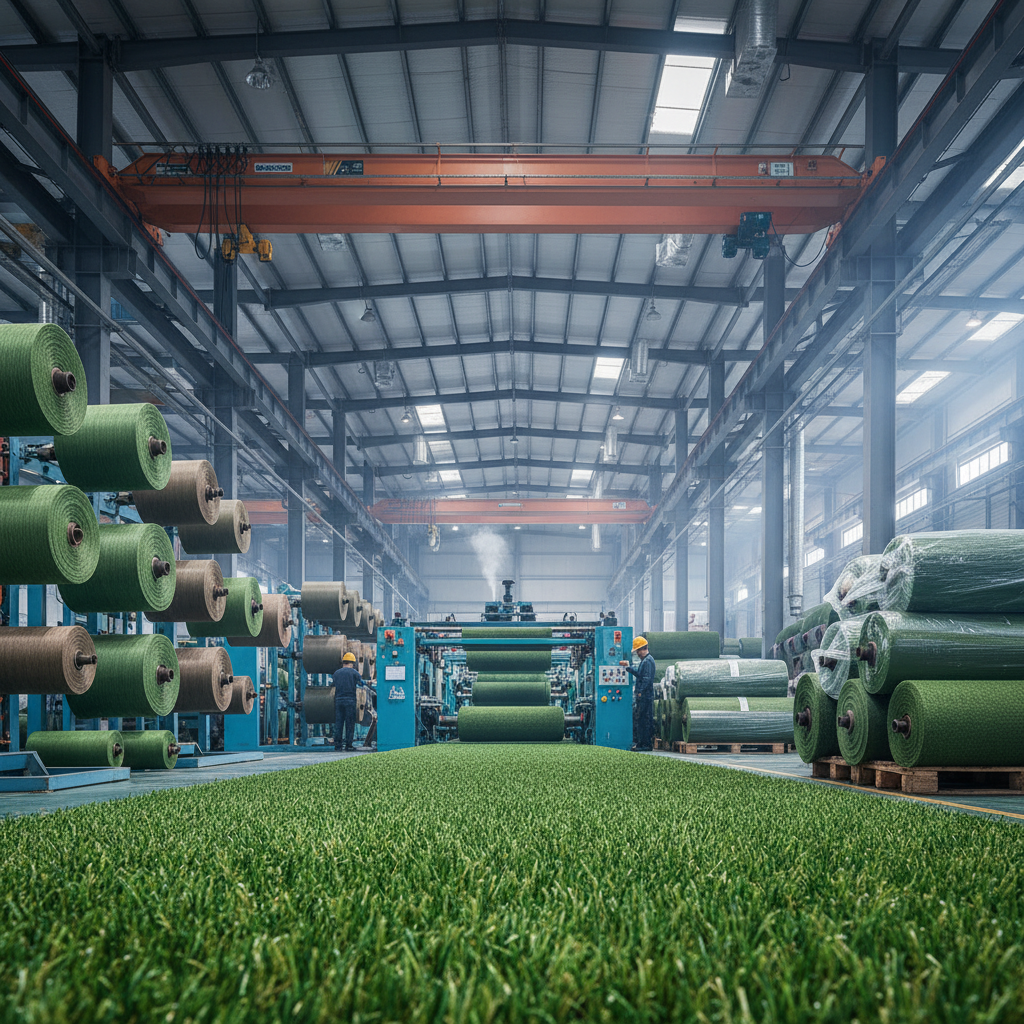
Artificial grass on a slope presents a unique solution for landscaping and erosion control in challenging terrains. Its increasing adoption globally is driven by the need for low-maintenance, aesthetically pleasing green spaces even on inclines, addressing limitations of traditional grass. This solution tackles issues like soil runoff, difficult mowing, and limited water availability, offering a durable and environmentally sound alternative.
The relevance of artificial grass on a slope extends beyond residential landscaping. It plays a crucial role in infrastructure projects, sports facilities built on uneven ground, and environmental restoration initiatives. According to a report by the Global Artificial Turf Market (2023), the industry is projected to reach $7.5 billion by 2028, fueled by growing demand for sustainable landscaping and the ability to adapt to varied geographical conditions.
Ultimately, understanding the intricacies of installing and maintaining artificial grass on a slope unlocks opportunities for safer, more sustainable, and visually appealing landscapes. It’s a field that combines engineering principles with horticultural aesthetics, offering benefits to homeowners, businesses, and environmental organizations alike.
Defining Artificial Grass on a Slope
Artificial grass on a slope refers to the application of synthetic turf specifically designed and installed on inclined surfaces. Unlike traditional turf that requires precise leveling, artificial grass systems can conform to varying gradients, providing a stable and aesthetically pleasing ground cover. This often involves specialized underlayment and infill materials to prevent shifting and ensure proper drainage.
This technology is becoming increasingly vital in modern landscaping and erosion control. It addresses a growing need for sustainable, low-maintenance green spaces in regions with challenging topography. Beyond aesthetics, properly installed artificial grass on a slope can mitigate soil erosion, reduce water runoff, and provide a safe playing surface for recreational activities. You can learn more about artificial grass on a slope.
The Global Landscape of Sloped Artificial Turf
The demand for artificial grass on a slope is growing rapidly across diverse geographical locations, driven by factors such as climate change, urbanization, and increasing awareness of environmental sustainability. Regions with steep terrains, limited water resources, or harsh weather conditions are particularly receptive to this technology. North America and Europe currently represent significant markets, but emerging economies in Asia-Pacific and the Middle East are demonstrating considerable growth potential.
Several key trends are shaping the global market. These include advancements in turf fiber technology, improved drainage systems, and the development of eco-friendly infill materials. Furthermore, government regulations promoting water conservation and sustainable landscaping practices are contributing to the widespread adoption of artificial grass. International standards, such as those set by FIFA for sports turf, are influencing quality control and performance benchmarks.
The increasing accessibility of artificial grass materials and installation services is also playing a role in its global expansion. Online platforms and specialized retailers are making it easier for consumers and businesses to source and install artificial turf solutions, accelerating the market's overall growth and broadening its reach to previously underserved areas.
Core Principles of Installation
Successful installation of artificial grass on a slope hinges on meticulous preparation and the application of specialized techniques. Proper site assessment is crucial, evaluating the slope’s degree, soil composition, and drainage patterns. This foundational step dictates the choice of underlayment material and the necessary reinforcement measures to prevent turf shifting and ensure long-term stability.
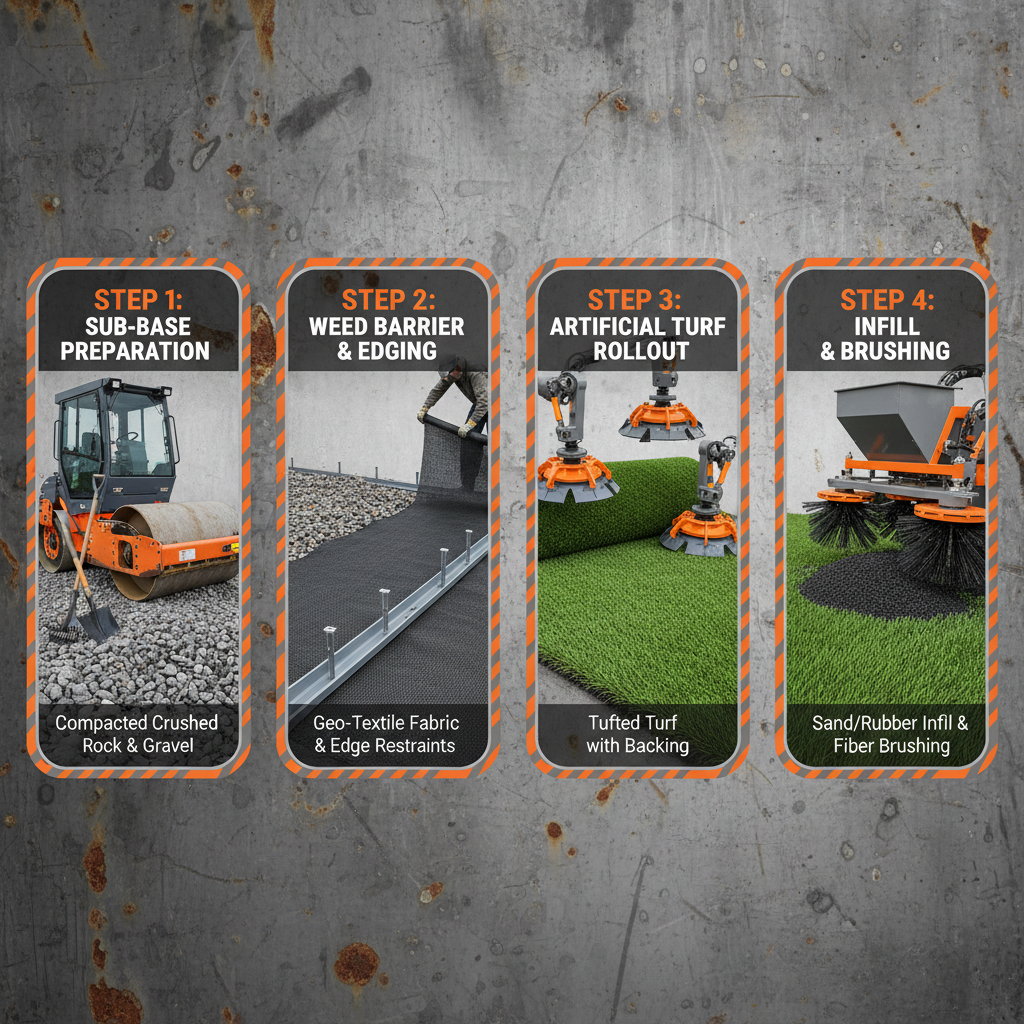
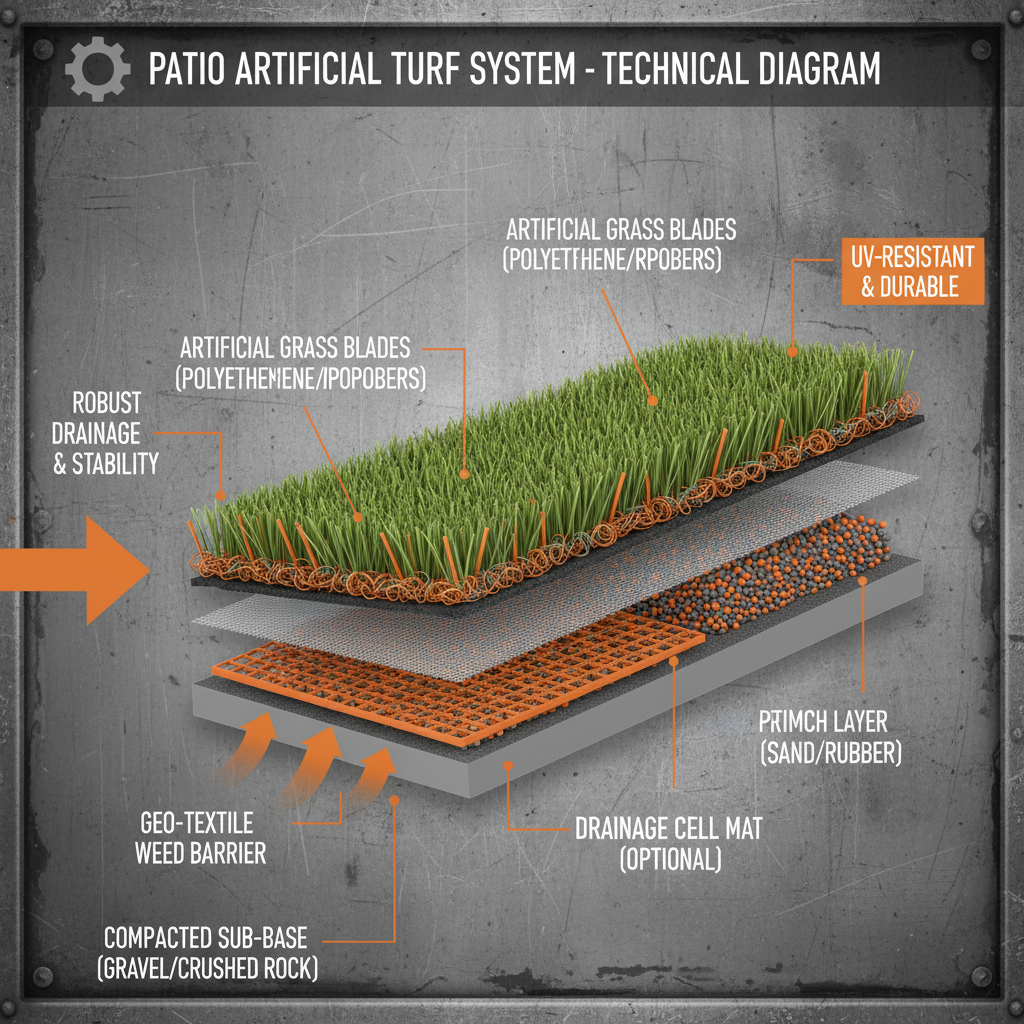
Key installation steps include: excavating the slope to create a level base, compacting the soil to ensure stability, laying a geotextile fabric for weed control and drainage, and installing a shock-absorbing underlayment to enhance safety and performance. Securing the artificial grass with landscape staples and utilizing specialized adhesives tailored for sloped surfaces are also critical for preventing movement and maintaining a cohesive surface.
Drainage is particularly important on slopes. Installing drainage pipes or creating channels to divert water runoff prevents pooling, which can lead to turf deterioration and instability. Proper infill distribution – typically a combination of sand and rubber granules – is essential for providing cushioning, support, and maintaining the grass blades’ upright position.
Key Performance Indicators for Sloped Applications
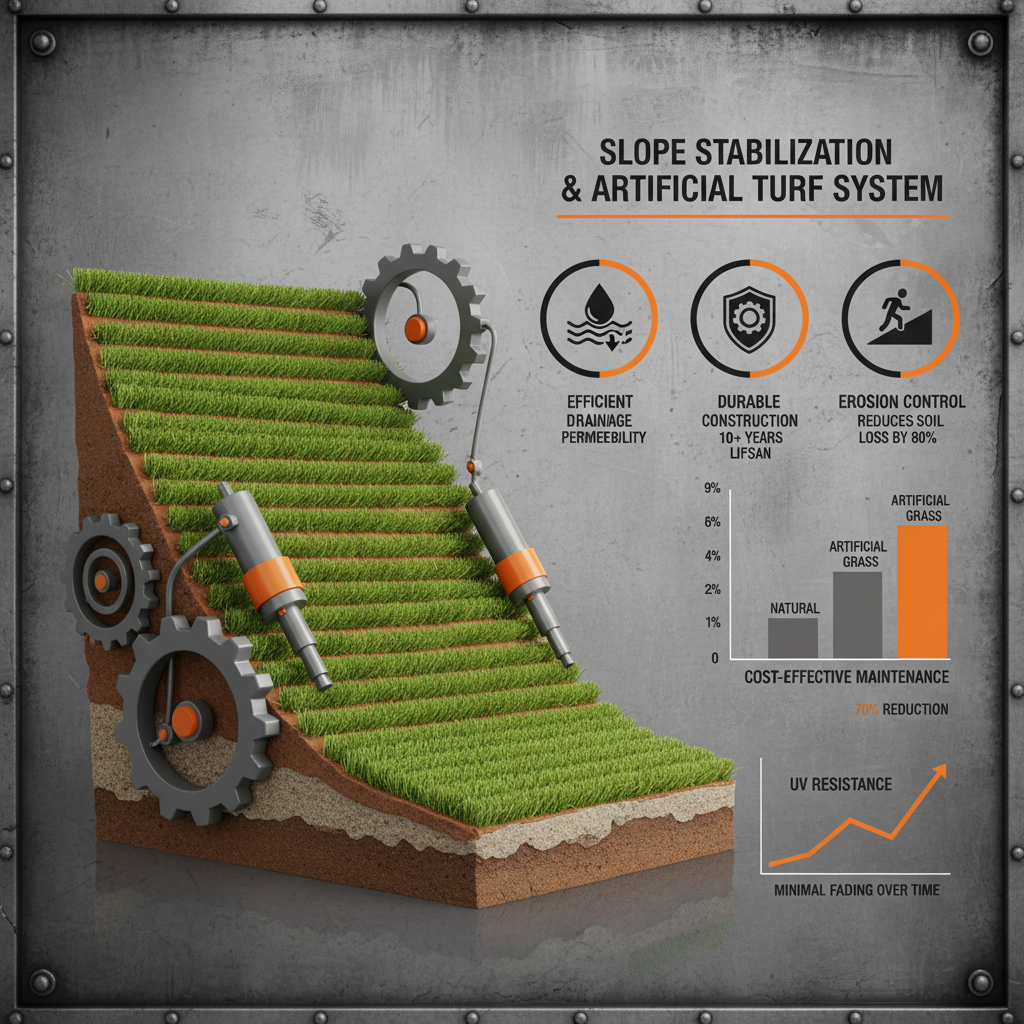
Evaluating the performance of artificial grass on a slope requires assessing several key indicators. These metrics ensure the installation meets safety standards, provides long-term durability, and delivers the intended aesthetic benefits. Important KPIs include slope stability, drainage efficiency, infill retention, and UV resistance.
Regular monitoring of these factors allows for proactive maintenance and prevents potential issues. Slope stability testing verifies that the turf remains securely anchored to the incline, preventing slippage or shifting. Drainage efficiency measurements assess the rate at which water is removed from the surface, minimizing the risk of pooling and turf degradation.
Performance Metrics for Artificial Grass on a Slope
Real-World Applications and Case Studies
Artificial grass on a slope finds application in a wide array of settings. Residential landscaping is a primary area, where homeowners utilize it to create visually appealing and easily maintainable gardens on inclined yards. Sports fields built on uneven terrain benefit from the improved safety and consistent playing surface provided by artificial turf.
Beyond recreational uses, artificial grass on a slope is critical in erosion control projects. For instance, in post-disaster relief operations, it can be rapidly deployed on damaged slopes to prevent further soil loss and stabilize vulnerable areas. Its application in roadside embankments reduces maintenance costs and enhances visual aesthetics along highways and roadways.
Long-Term Advantages and Cost Analysis
The long-term benefits of artificial grass on a slope extend beyond aesthetic appeal and reduced maintenance. Its durability minimizes the need for frequent replacements, leading to significant cost savings over the lifespan of the installation. Reduced water consumption, particularly in arid regions, contributes to environmental sustainability and lowers utility bills.
Compared to natural grass, artificial turf eliminates the need for mowing, fertilizing, and pesticide application, further reducing maintenance expenses and promoting a healthier environment. The consistent playing surface enhances safety for athletes and recreational users, minimizing the risk of injuries.
While the initial investment may be higher than traditional landscaping options, the long-term cost savings, combined with the environmental and safety benefits, make artificial grass on a slope a compelling alternative for many applications.
Future Trends and Technological Advancements
The future of artificial grass on a slope is marked by continuous innovation and a growing focus on sustainability. Researchers are developing new turf fiber materials with enhanced durability, UV resistance, and realistic aesthetics. Bio-based infill materials are gaining popularity as environmentally friendly alternatives to traditional rubber granules.
Smart turf systems, incorporating sensors and automated irrigation technologies, are emerging as a way to optimize performance and reduce water consumption. Integration with digital landscaping tools allows for remote monitoring and control of turf conditions. The trend toward modular and prefabricated turf solutions promises faster installation times and reduced labor costs.
Furthermore, advancements in recycling technologies are addressing end-of-life concerns, enabling the recovery and reuse of artificial turf materials. These advancements solidify artificial grass on a slope as a sustainable and technologically advanced solution for landscaping and erosion control.
Summary of Challenges and Solutions for Artificial Grass on a Slope Installation
| Challenge |
Impact on Stability |
Solution |
Cost Effectiveness |
| Soil Erosion |
Undermines the turf base, leading to shifting |
Geotextile fabric and deep root barrier installation |
Medium |
| Water Runoff |
Causes pooling and turf degradation |
Integrated drainage systems and permeable base materials |
High |
| Turf Shifting |
Compromises surface stability and aesthetics |
Specialized adhesives and secure anchoring techniques |
Low |
| Uneven Infill Distribution |
Creates inconsistencies in cushioning and performance |
Mechanical brushing and consistent infill application |
Very Low |
| UV Degradation |
Reduces turf lifespan and color vibrancy |
UV-stabilized turf fibers and protective coatings |
Medium |
| Improper Base Preparation |
Leads to settling and uneven surface |
Compaction and leveling of the soil before installation |
Low |
FAQS
To prevent infill runoff on slopes, consider using a blend of stabilized rubber granules and silica sand. Stabilized rubber granules are coated to reduce dust and improve cohesion, minimizing their tendency to wash away. Silica sand adds weight and helps lock the rubber granules in place. For steeper slopes, consider utilizing infill systems designed with enhanced locking mechanisms or geotextile backing to provide extra security. Regularly brushing the turf also helps maintain even distribution and prevent migration.
Artificial grass on a slope generally has a lower initial cost than constructing a traditional retaining wall, especially for moderate slopes. Retaining walls require significant material and labor expenses, plus potential engineering fees. Long-term maintenance also favors artificial grass – retaining walls may need repairs due to shifting, cracking, or water damage, whereas artificial grass requires only occasional brushing and infill replenishment. However, for very steep slopes, a retaining wall might be necessary for structural integrity, regardless of cost.
The lifespan of artificial grass on a slope typically ranges from 8 to 15 years, depending on several factors. The quality of the turf fibers, the amount of foot traffic, the intensity of UV exposure, and the effectiveness of the drainage system all play a role. Regular maintenance, including brushing, infill replenishment, and prompt repair of any damage, can significantly extend the lifespan. Proper installation, particularly securing the turf firmly to the slope, is also critical.
Yes, artificial grass on a slope is generally pet-friendly. It's non-toxic and doesn't cause the same mud and mess as natural grass. However, pet waste needs to be removed promptly to prevent odor and bacterial buildup. Specialized pet-friendly infills are available that enhance drainage and inhibit bacterial growth. Regular rinsing with water or enzyme-based cleaners helps maintain hygiene and freshness. The slope itself can aid in drainage, minimizing lingering smells.
Effective drainage is crucial for artificial grass on a slope to prevent water pooling and turf damage. The drainage system typically involves a permeable base layer, such as crushed stone, combined with geotextile fabric to filter out debris. For steeper slopes, drainage pipes or channels may be necessary to divert water runoff. The infill material should also be chosen for its drainage properties. Regular maintenance to clear any obstructions in the drainage system is vital.
Local regulations regarding artificial grass installation vary significantly. It's essential to check with your local municipality or homeowners association before starting any project. Some areas may require permits for landscaping alterations, particularly on slopes. Regulations might address drainage requirements, stormwater runoff, or aesthetic considerations. Ensure your installation complies with all applicable codes to avoid potential fines or removal orders.
Conclusion
Artificial grass on a slope represents a powerful confluence of aesthetic appeal, environmental responsibility, and practical functionality. From enhancing residential landscapes to mitigating erosion on challenging terrains, its versatility and long-term benefits are increasingly recognized worldwide. By addressing the limitations of traditional turf and offering a sustainable, low-maintenance alternative, it’s reshaping how we approach landscaping and land management.
Looking ahead, continued innovation in materials, installation techniques, and smart technologies will further solidify artificial grass on a slope as a key solution for sustainable landscapes. Embracing these advancements and prioritizing proper installation practices will unlock even greater benefits, contributing to healthier environments, safer recreational spaces, and more resilient infrastructure. Visit our website at www.hoyarngrass.com to explore how we can help you with your artificial grass on a slope project.