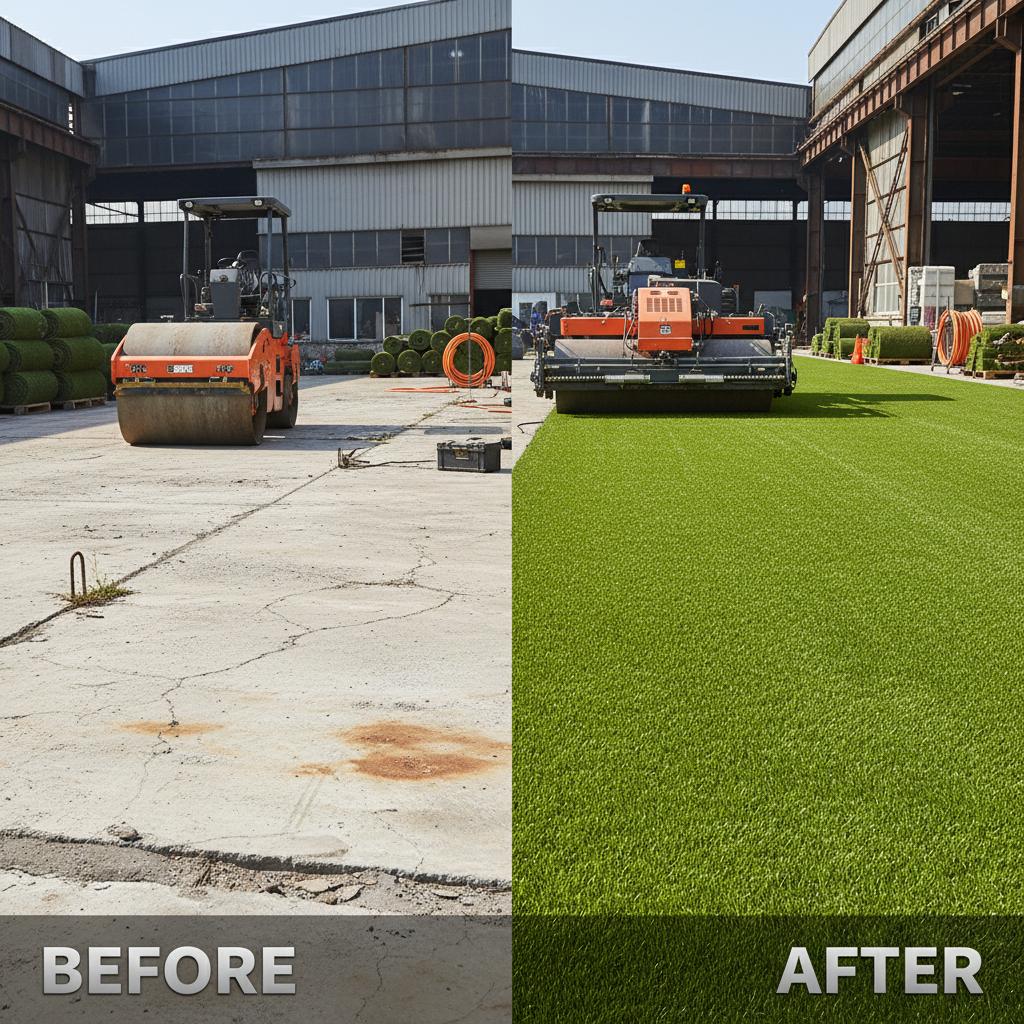
Artificial grass on concrete is rapidly becoming a versatile solution for a wide array of applications, moving beyond purely aesthetic enhancements. The ability to transform hard, unforgiving concrete surfaces into vibrant, safe, and functional spaces is attracting attention globally. This is driven by a growing need for durable, low-maintenance landscaping options, particularly in urban environments and areas facing water scarcity. The adaptability of modern artificial turf systems makes them ideal for playgrounds, rooftop gardens, pet areas, and even event spaces installed directly on concrete substrates.
The global demand for sustainable and resilient infrastructure is a key driver for the increased adoption of artificial grass on concrete. With urbanization accelerating, the need to maximize space utilization and create aesthetically pleasing environments in densely populated areas is paramount. Reports from the UN Habitat indicate that over half the world’s population now lives in urban areas, a figure projected to rise to 68% by 2050. This creates a significant market for solutions like artificial grass that can offer green spaces where traditional landscaping is impractical or impossible.
The growing concern regarding water conservation also fuels the interest in artificial grass. Traditional lawns require substantial water resources for maintenance, posing a challenge in regions prone to drought or water restrictions. Artificial grass eliminates the need for irrigation, offering a sustainable alternative that reduces water consumption and lowers maintenance costs. This makes it an increasingly attractive option for both residential and commercial properties, as well as public spaces looking to reduce their environmental footprint.
Introduction to Artificial Grass on Concrete
Artificial grass on concrete represents a dynamic intersection of landscaping and civil engineering. It’s not simply laying turf over concrete; it involves a carefully considered installation process that ensures proper drainage, cushioning, and long-term durability. This approach opens doors to creating green spaces where conventional grass simply wouldn’t thrive, due to underlying hard surfaces or limited soil depth.
The benefits extend beyond aesthetics. Artificial turf installed on concrete provides a safe, impact-absorbing surface, making it ideal for playgrounds, fitness areas, and recreational spaces. The low-maintenance nature significantly reduces upkeep costs compared to natural grass, saving time, water, and resources. This is especially valuable for commercial properties, schools, and municipalities looking for cost-effective landscaping solutions.
Defining Artificial Grass on Concrete
Artificial grass on concrete, at its core, is the process of installing synthetic turf directly onto a prepared concrete substrate. This differs from traditional turf installation, which requires a soil base. Preparing the concrete involves cleaning, leveling (if necessary), and often applying a specialized underlayment designed to provide cushioning, drainage, and improve the longevity of the turf.
The process typically involves adhering the turf to the concrete using a strong, weather-resistant adhesive. Crucially, proper drainage solutions are integrated to prevent water pooling, which can damage the turf and create safety hazards. Modern systems often incorporate perforated underlayments and carefully designed seams to ensure effective water runoff.
This practice connects directly to modern urban planning and the increasing need for sustainable landscapes. As cities become more densely populated, the availability of green spaces diminishes. Artificial grass on concrete offers a way to reclaim unused or underutilized concrete areas, transforming them into functional and aesthetically pleasing environments, contributing to a better quality of life for urban dwellers.
Core Components & Key Factors
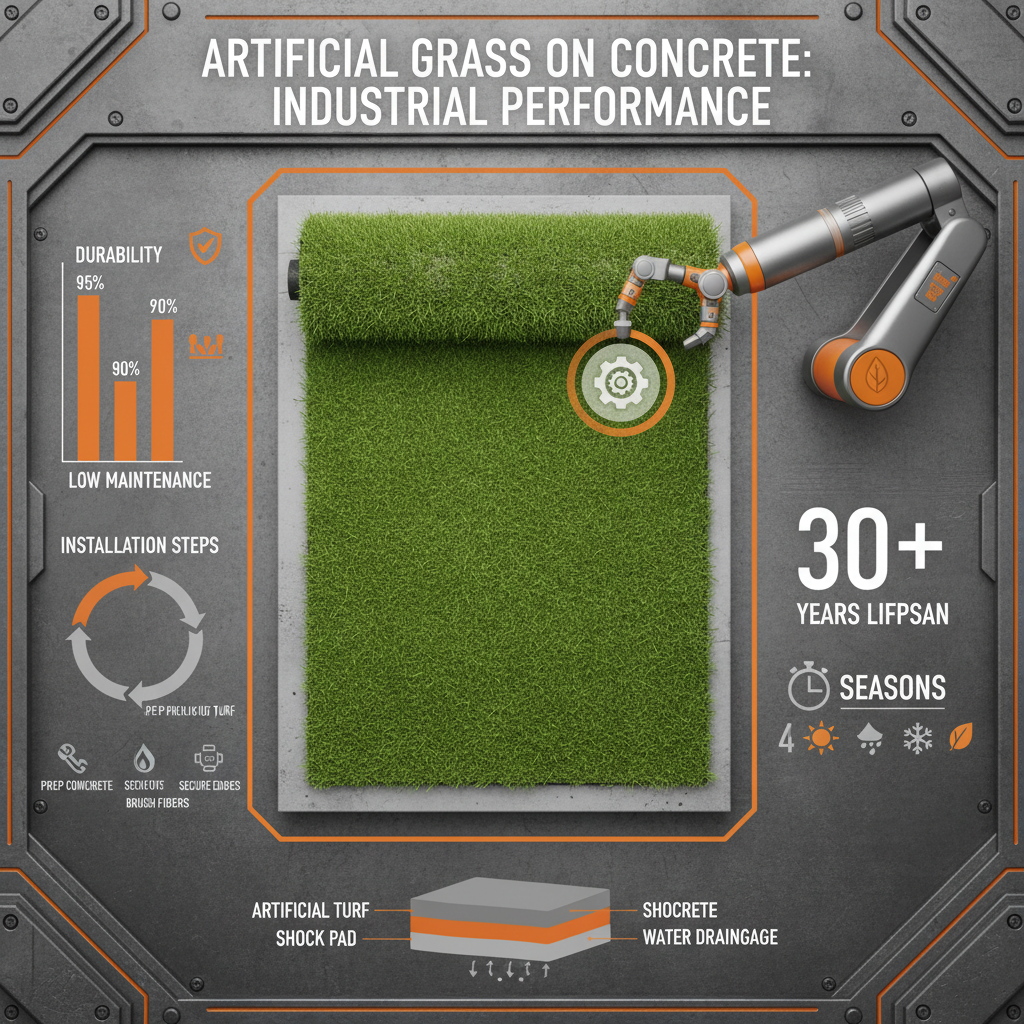
Several key factors determine the success and longevity of artificial grass installations on concrete. Durability is paramount; the turf must withstand foot traffic, weather exposure, and potential impacts. Selecting a high-quality turf with a dense pile and robust backing is essential. Proper Underlayment is crucial for cushioning, drainage, and extending the turf's lifespan – different thicknesses cater to varying usage levels.
Adhesive Selection is also critical. The adhesive must create a strong, lasting bond with both the concrete and the turf backing, resisting moisture and temperature fluctuations. Drainage Solutions are vital to prevent water buildup and potential damage. Integrated drainage systems ensure water quickly dissipates, maintaining a safe and hygienic surface.
Surface Preparation is often overlooked. Thorough cleaning and leveling of the concrete are essential for a smooth, stable installation. Addressing any cracks or imperfections in the concrete before installation ensures the turf remains securely attached and prevents uneven wear. Finally, Seam Integration plays a vital role. Properly sealed seams prevent edges from lifting and ensure a seamless, natural-looking finish.
Global Applications & Use Cases
The applications of artificial grass on concrete are incredibly diverse. In urban environments, it’s transforming rooftop terraces into vibrant recreational spaces and creating appealing landscaping features in limited-space courtyards. Schools and daycare centers are utilizing it for safer playgrounds, offering a cushioned surface that reduces the risk of injuries.
Commercial properties, such as office buildings and shopping centers, are employing artificial grass on concrete to create welcoming outdoor areas for employees and customers. It’s also gaining popularity in event spaces, providing a durable and visually appealing surface for temporary installations. In post-disaster relief operations, it can offer quick and easily deployable green spaces in temporary housing facilities.
We're also seeing increased use in industrial zones, where maintaining natural grass is often impractical due to pollution or limited resources. In remote industrial zones, artificial grass on concrete offers a touch of greenery and an improved aesthetic environment for workers. Across Europe and North America, cities are implementing these solutions as part of broader urban greening initiatives, demonstrating its global relevance.
Artificial Grass on Concrete Application Suitability
Advantages & Long-Term Value
The advantages of using artificial grass on concrete are multi-faceted. Cost Efficiency is a significant factor, as reduced water consumption and maintenance requirements translate into long-term savings. Sustainability is enhanced through reduced water usage and the potential for using recycled materials in the turf itself. The Durability ensures a long-lasting surface, minimizing the need for frequent replacements.
Beyond tangible benefits, there's a substantial Social Impact. Creating accessible and attractive green spaces improves quality of life and promotes community engagement. The improved Safety provided by cushioned surfaces, particularly in playgrounds, offers peace of mind. Ultimately, artificial grass on concrete fosters Innovation in urban landscaping and builds Trust through reliable performance and lasting value.
Future Trends & Innovations
Several exciting trends are shaping the future of artificial grass on concrete. We’re seeing advancements in turf technology, with more realistic-looking and environmentally friendly materials being developed. Innovations in underlayment technology are enhancing drainage and cushioning, improving performance and longevity.
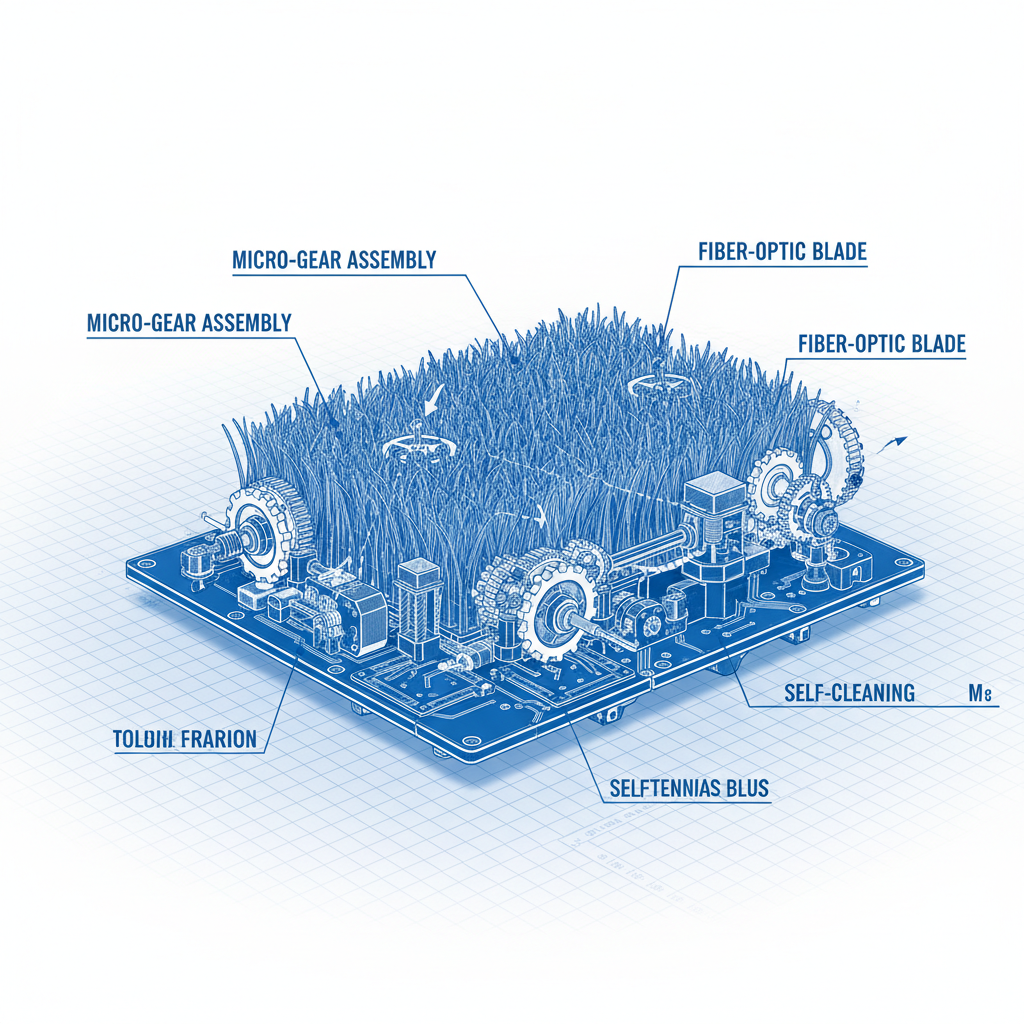
Integration with smart technologies is also emerging. Sensors embedded within the turf can monitor moisture levels, temperature, and even foot traffic, providing valuable data for optimized maintenance and resource management. This aligns with the broader trend of digital transformation and the increasing use of data-driven solutions in landscaping.
Challenges & Solutions
Despite its benefits, artificial grass on concrete isn’t without its challenges. Maintaining adequate drainage can be complex, especially in areas with heavy rainfall or poor existing drainage systems. Ensuring proper adhesion to the concrete surface, particularly in extreme temperatures, requires careful material selection and installation techniques.
To overcome these challenges, experts recommend thorough site assessment and preparation. Utilizing specialized underlayments with superior drainage capabilities and selecting adhesives specifically designed for concrete and artificial turf are crucial. Employing experienced installers who understand the nuances of the installation process is paramount.
Furthermore, ongoing research into more sustainable turf materials and improved installation techniques is addressing long-term environmental concerns. Addressing the end-of-life recycling of artificial turf is also a growing focus, with efforts underway to develop effective recycling programs and reduce landfill waste.
FAQS
Effective drainage is crucial. Modern systems utilize a perforated underlayment beneath the turf that allows water to pass through. This underlayment connects to existing drainage systems or is sloped to direct water away from the surface. Proper adhesive selection is also vital to prevent water from getting trapped beneath the turf, minimizing the risk of pooling and damage.
The lifespan of artificial grass on concrete typically ranges from 8 to 15 years, depending on the quality of the turf, the level of foot traffic, and the effectiveness of the installation. Regular maintenance, such as brushing and cleaning, can extend its lifespan. Choosing a high-quality turf with a durable backing and UV protection is also crucial for longevity.
Yes, over the long term, artificial grass is often more cost-effective. While the initial investment is higher, you eliminate ongoing costs associated with watering, mowing, fertilizing, and pest control. The reduced maintenance requirements translate to significant savings in time and money, making it a financially attractive option, especially for commercial properties.
Concrete preparation is vital. It begins with a thorough cleaning to remove dirt, debris, and any existing coatings. Any cracks or uneven areas must be repaired and leveled to create a smooth surface. A primer may be applied to improve adhesion. Finally, the concrete must be completely dry before the underlayment and turf are installed.
Yes, artificial grass can be installed on sloped concrete, but it requires careful planning and execution. Proper drainage is even more critical on slopes to prevent water runoff. The turf must be securely anchored to prevent shifting, and the installation may require specialized adhesives and techniques to ensure a stable and aesthetically pleasing finish.
Artificial grass reduces water consumption significantly, offering an environmental benefit in water-scarce regions. While the turf itself is typically made from plastic, advancements are being made with recycled materials. Proper disposal and recycling programs are essential to minimize environmental impact. Choosing turf with a long lifespan also reduces the frequency of replacements, lessening waste.
Conclusion
Artificial grass on concrete offers a compelling solution for transforming underutilized concrete spaces into vibrant, functional, and sustainable environments. From rooftop gardens and playgrounds to commercial landscapes and event venues, its versatility and low-maintenance nature make it an increasingly popular choice globally. By addressing the challenges of water conservation, urban greening, and safety, it provides a valuable contribution to modern landscaping.
Looking ahead, continued innovation in turf materials, installation techniques, and smart technologies will further enhance the benefits of artificial grass on concrete. Investing in research and development, promoting responsible recycling practices, and ensuring high-quality installations are crucial for maximizing its long-term value and minimizing its environmental impact. To learn more about transforming your concrete surfaces with artificial grass, visit our website: artificial grass on concrete.