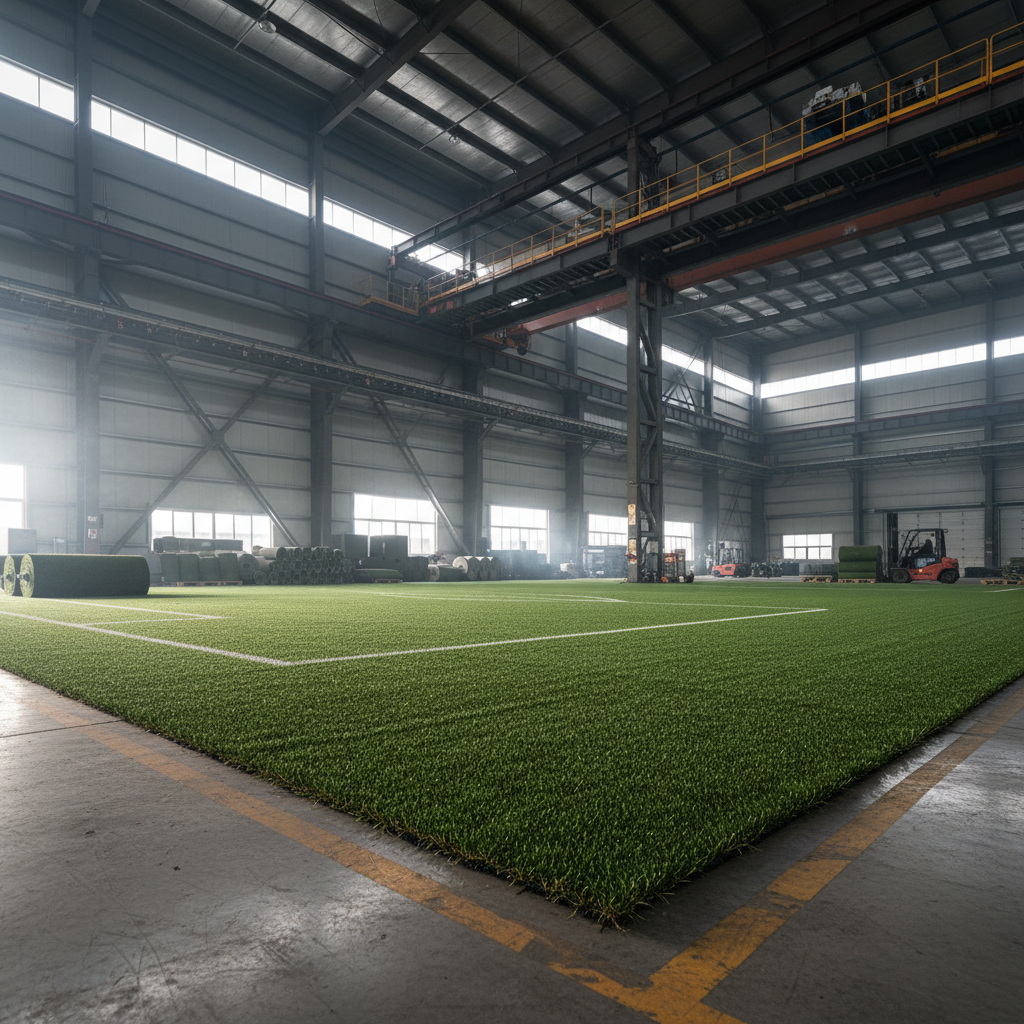
Artificial grass per square foot is a critical metric in evaluating the cost-effectiveness and accessibility of synthetic turf solutions. Understanding this cost driver is paramount for homeowners, landscapers, sports facility managers, and urban planners alike, as it directly impacts project budgets and feasibility. The rising demand for low-maintenance, aesthetically pleasing, and environmentally conscious landscaping options is fueling the growth of the artificial grass market globally, making the calculation of artificial grass per square foot increasingly important.
Globally, the artificial grass market is experiencing significant expansion, driven by water scarcity, urbanization, and a growing preference for aesthetically consistent outdoor spaces. According to recent industry reports, the market is projected to reach billions of dollars in the coming years, with North America and Europe currently leading in adoption. Analyzing artificial grass per square foot allows for accurate comparison between different product qualities, installation costs, and long-term maintenance expenses.
The ability to accurately determine the cost of artificial grass per square foot empowers informed decision-making. It addresses the challenge of hidden costs associated with landscaping – namely, the ongoing expenses of water, fertilizer, mowing, and repair – offering a transparent and predictable budgeting approach. This is particularly crucial in regions facing water restrictions or where labor costs are high, making artificial turf an increasingly attractive alternative to natural grass.
The Significance of Artificial Grass per Square Foot
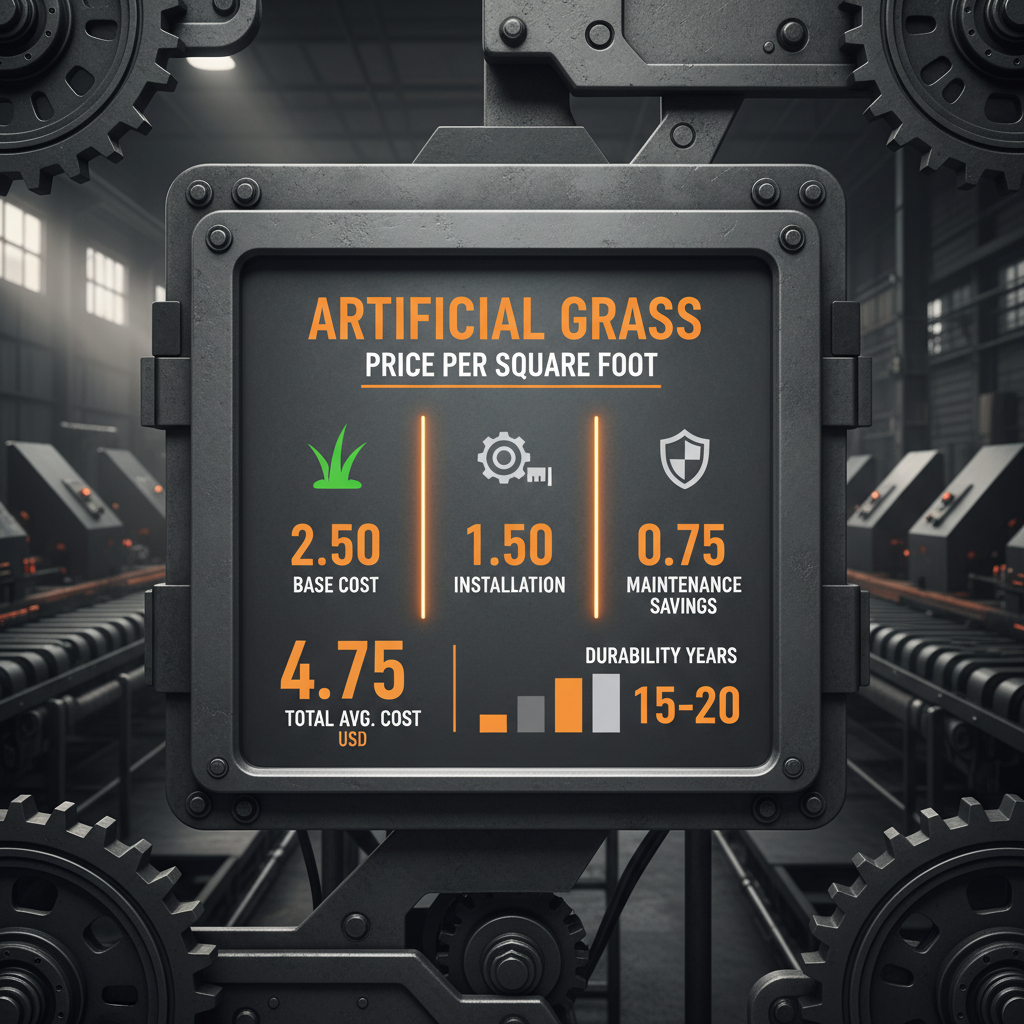
Understanding the price of artificial grass per square foot is crucial for accurate project budgeting and ensuring a return on investment. This metric considers not only the material cost but also the associated expenses of preparation, installation, and ongoing maintenance, allowing for a complete lifecycle cost analysis. Accurate calculations prevent unexpected expenses and facilitate informed comparisons between different turf options.
The significance extends beyond simple cost comparison. The cost per square foot often reflects the quality of the materials – fiber density, yarn weight, backing construction – which directly impact durability, aesthetics, and lifespan. Higher-quality turf typically commands a higher price per square foot but offers greater long-term value through reduced replacement cycles and improved performance.
Defining Artificial Grass per Square Foot
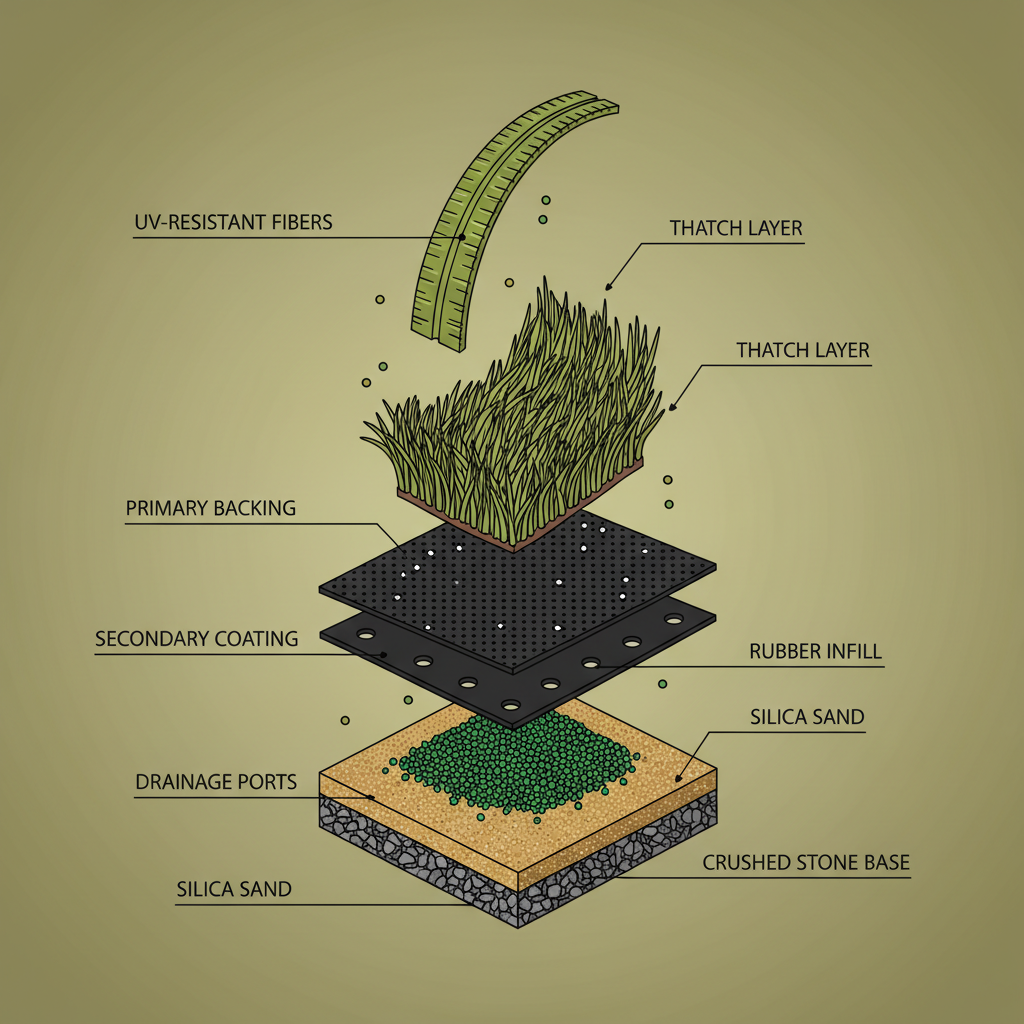
Artificial grass per square foot represents the total cost associated with installing one square foot of synthetic turf, encompassing all necessary components and labor. This includes the cost of the turf itself, the infill material (such as silica sand or crumb rubber), the base materials (gravel, compacted aggregate), and the professional installation services. It’s a comprehensive metric for evaluating the overall investment.
This calculation is vital in today’s landscaping and construction industries where resource management and cost optimization are paramount. It connects directly to the modern need for sustainable solutions, as artificial turf reduces water consumption and eliminates the need for chemical fertilizers and pesticides.
The concept of artificial grass per square foot also addresses humanitarian needs in regions with limited access to water or suitable growing conditions. It offers a viable alternative for creating safe and aesthetically pleasing recreational spaces and contributes to improving the quality of life in challenging environments.
Core Factors Influencing the Cost
Several factors directly influence artificial grass per square foot. These include the type of turf fiber (polyethylene, polypropylene, or nylon), the density of the fibers (measured in stitches per inch), the yarn weight (grams per square meter), and the backing material's quality. Higher-quality materials generally equate to a higher cost per square foot, but improved durability and longevity.
Installation complexities also play a significant role. Factors like site preparation – leveling, removal of existing grass, and installation of a base layer – can dramatically affect the overall cost. Difficult site access, the need for extensive landscaping modifications, or the complexity of the installation area will increase the artificial grass per square foot.
Geographic location and labor costs are also critical determinants. Areas with higher labor rates will naturally experience a higher artificial grass per square foot. Furthermore, the choice of infill material and the amount required also contribute to the overall expense.
Applications and Regional Trends
Artificial grass per square foot finds application in diverse settings, ranging from residential lawns and commercial landscaping to sports fields and playgrounds. The increasing popularity of pet-friendly artificial turf is also driving demand, as it offers a clean, durable, and low-maintenance surface for animal use.
In North America, artificial grass per square foot is widely adopted in drought-prone regions like California and Arizona, where water conservation is a major concern. Europe sees strong growth in urban areas where space is limited and low-maintenance landscaping is desired. In the Middle East, artificial turf is commonly used for golf courses and sports facilities due to the harsh climate.
Regional Artificial Grass per Square Foot Costs
Advantages and Long-Term Value
Choosing artificial grass, when evaluated based on artificial grass per square foot and lifecycle costs, provides significant advantages. Initial investment might be higher than natural grass, but the long-term savings in water, maintenance (mowing, fertilizing, pest control), and replacement costs often outweigh this.
Beyond financial benefits, artificial turf offers environmental advantages through water conservation and reduced chemical usage. The increased safety it provides – a consistent, even surface minimizing trip hazards – and its aesthetic appeal further enhance its long-term value, contributing to increased property value and improved quality of life.
Future Innovations in Artificial Turf
Ongoing research and development are focused on creating more sustainable and realistic artificial turf options. Innovations include the use of recycled materials, bio-based fibers, and enhanced drainage systems to improve environmental performance.
Smart turf technologies, incorporating sensors for moisture levels, temperature, and wear, are emerging, allowing for data-driven maintenance and optimized performance. These advancements will further reduce the lifecycle cost of artificial grass and enhance its appeal.
Challenges and Mitigation Strategies
One challenge associated with artificial grass is its initial cost and the potential for heat buildup in certain climates. However, advancements in fiber technology and infill materials are addressing the heat issue, and careful consideration of artificial grass per square foot can optimize budget allocation.
Proper installation is crucial to mitigate potential issues like uneven surfaces or drainage problems. Selecting a qualified and experienced installer is essential, as is adhering to manufacturer's guidelines for base preparation and infill application.
The end-of-life management of artificial turf is another emerging concern. Developing effective recycling programs and exploring biodegradable turf options are key to addressing this challenge and promoting a circular economy.
Overview of Factors Affecting Artificial Grass Performance
| Fiber Material |
Infill Type |
Installation Quality |
Climate/UV Exposure |
| Polyethylene offers good durability & softness. |
Silica sand provides stability; crumb rubber offers cushioning. |
Proper leveling and compaction crucial for longevity. |
High UV exposure can degrade fibers over time. |
| Polypropylene is cost-effective but less durable. |
Organic infills offer eco-friendly alternatives. |
Poor installation leads to uneven surfaces & drainage issues. |
Extreme temperatures can affect infill performance. |
| Nylon is highly durable but more expensive. |
Proper infill depth impacts shock absorption. |
Seam quality is vital for preventing separation. |
Regular maintenance extends turf lifespan in all climates. |
| Fiber density impacts realism & resilience. |
Infill choice affects heat retention & drainage. |
Base preparation is critical for long-term stability. |
UV stabilizers in fibers minimize fading. |
| Yarn weight (GSM) dictates turf thickness & pile height. |
Infill needs periodic replenishment. |
Drainage systems prevent waterlogging & mold growth. |
Protective measures like cooling systems can mitigate heat. |
| Backing material affects drainage & durability. |
Infill compaction influences turf performance. |
Professional installation ensures proper adhesion & finishing. |
Regular brushing maintains fiber uprightness & appearance. |
FAQS
The primary factors are the quality of the turf itself (fiber type, density, yarn weight), the complexity of the installation (site preparation, base materials), the type of infill used, and the geographic location impacting labor costs. Choosing a lower-quality turf will reduce the initial artificial grass per square foot cost but may lead to higher replacement expenses later.
While the initial investment in artificial turf may be higher, the long-term costs are often lower. Natural grass requires regular mowing, watering, fertilizing, pest control, and potential reseeding. Artificial turf eliminates these expenses, offering significant savings over its lifespan, making the artificial grass per square foot calculation favorable when considering lifecycle costs.
A high-quality artificial grass installation typically lasts 8-15 years, depending on usage and maintenance. A longer lifespan effectively lowers the annual cost per square foot. Choosing durable materials and proper installation maximizes the lifespan and justifies a potentially higher initial investment in artificial grass per square foot.
Potential hidden costs include site preparation (removing existing grass, leveling the ground), the cost of a weed barrier fabric, the disposal of removed materials, and any necessary landscaping adjustments. Obtaining a detailed quote from a reputable installer that itemizes all costs is crucial to accurately assess the total artificial grass per square foot cost.
Infill material adds to the artificial grass per square foot cost but is essential for turf performance. Silica sand is a common, affordable option, while crumb rubber provides superior cushioning. Organic infills are eco-friendly but often more expensive. The choice of infill influences factors like drainage, cooling, and shock absorption.
Artificial grass requires minimal maintenance, primarily brushing to keep fibers upright and occasional infill replenishment. While these tasks have a small associated cost, it's significantly less than the ongoing maintenance required for natural grass. Regular maintenance extends the lifespan of the turf and preserves its aesthetic appearance, optimizing the long-term artificial grass per square foot value.
Conclusion
In conclusion, understanding the nuances of artificial grass per square foot is paramount for making informed decisions about landscaping and recreational surfaces. From initial cost considerations to long-term savings, durability, and environmental impact, this metric offers a comprehensive framework for evaluating the value proposition of synthetic turf. By carefully considering factors like material quality, installation complexity, and ongoing maintenance, consumers and professionals alike can optimize their investments and reap the numerous benefits of artificial grass.
Looking ahead, continued innovation in materials and installation techniques promises to further enhance the sustainability and cost-effectiveness of artificial turf. Exploring options like recycled materials, bio-based fibers, and smart turf technologies will be crucial in addressing evolving environmental concerns and maximizing the long-term value of this versatile landscaping solution. For more information and to explore our range of products, visit our website: artificial grass per square foot.