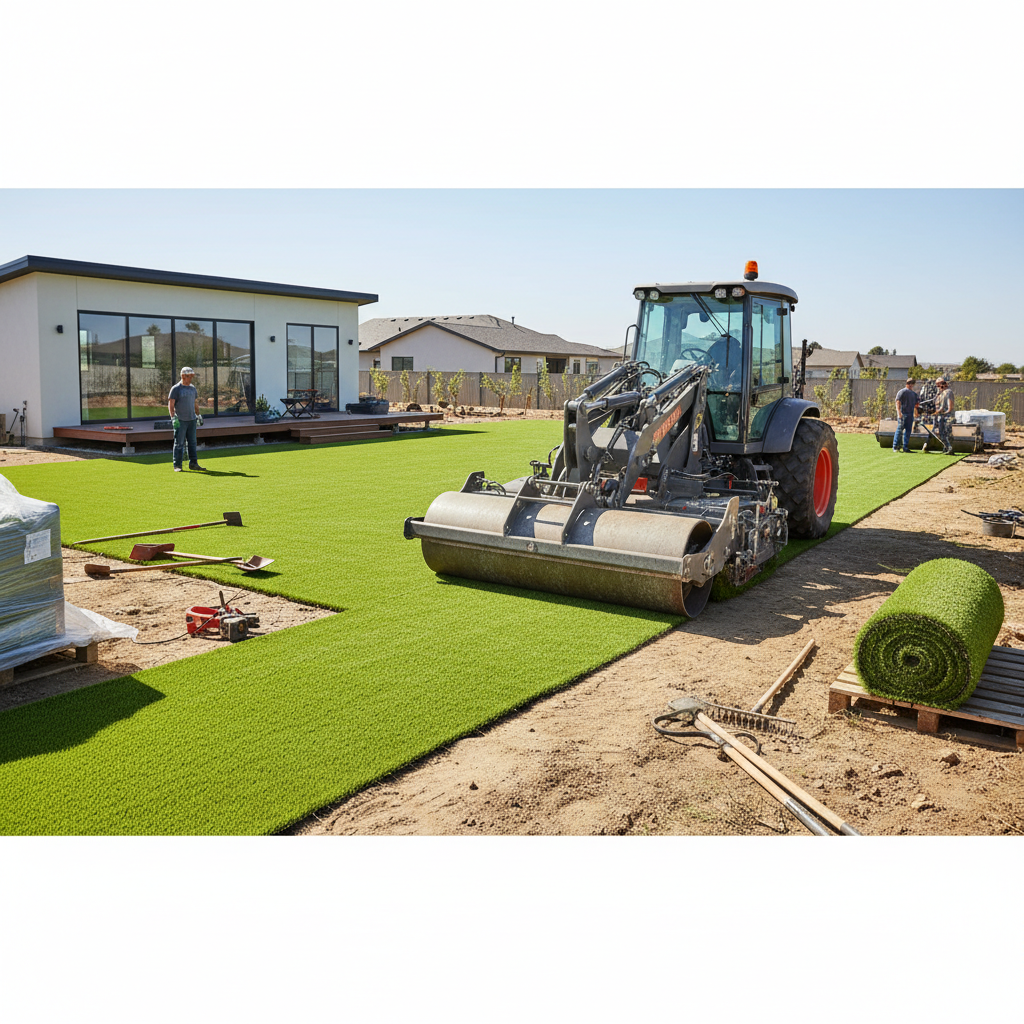
Artificial grass for deck is rapidly becoming a popular choice for homeowners seeking a low-maintenance, aesthetically pleasing outdoor living space. Beyond simply offering a green surface, it addresses increasing concerns about water conservation, the time commitment of lawn care, and the desire for durable outdoor flooring. This guide explores the multifaceted world of artificial grass for deck, from its core components and applications to its future trends and practical considerations.
The global demand for artificial turf, including applications for decking, is steadily increasing. Reports indicate a multi-billion dollar industry with projected continued growth, driven by factors like urbanization, climate change, and a shift towards sustainable landscaping solutions. According to industry analysis, the North American and European markets currently represent the largest share, but significant expansion is anticipated in emerging economies. This trend highlights the need for understanding the benefits and challenges associated with this innovative material.
Artificial grass for deck provides a compelling alternative to traditional decking materials like wood or composite, offering a consistent, vibrant surface that requires minimal upkeep. It’s transforming outdoor spaces, creating inviting environments for relaxation and entertainment. The ease of installation and long lifespan contribute to its growing appeal, offering a valuable solution for both residential and commercial properties.
Introduction to Artificial Grass for Deck
Artificial grass for deck has evolved significantly from its early iterations. What was once considered a simple aesthetic upgrade is now a sophisticated landscaping solution, designed for durability, safety, and environmental responsibility. Modern synthetic turf employs advanced fiber technology and backing materials to mimic the look and feel of natural grass while minimizing maintenance requirements.
Choosing the right artificial grass for your deck involves understanding the different types available, considering the climate conditions, and assessing your specific needs and budget. From pile height and density to fiber material and drainage systems, various factors contribute to the overall performance and longevity of the installation. Properly selected and installed artificial turf can transform a lackluster deck into a vibrant and inviting outdoor oasis.
Defining Artificial Grass for Deck
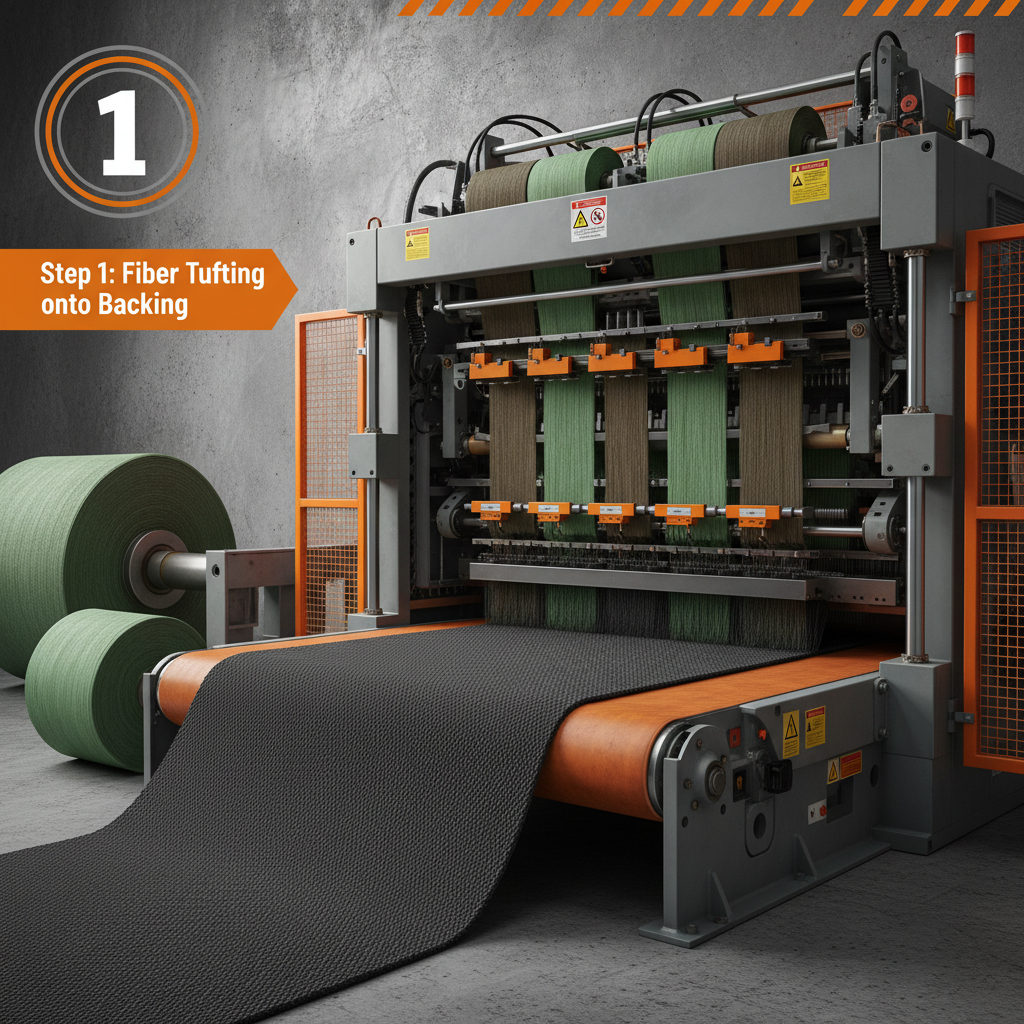
Artificial grass for deck is a synthetic surface designed to replicate the appearance and functionality of natural turf, specifically engineered for outdoor decking applications. It’s manufactured using a combination of synthetic fibers – typically polyethylene, polypropylene, or nylon – woven or tufted onto a backing material, often a combination of latex and polypropylene. This construction provides a durable, weather-resistant surface.
Unlike traditional lawns requiring constant watering, mowing, and fertilizing, artificial grass for deck requires minimal maintenance. It remains green and lush year-round, regardless of weather conditions, making it an ideal solution for busy homeowners or those living in areas with water restrictions. It’s a practical and aesthetically pleasing alternative to wood or composite decking.
The connection to modern industry stems from advancements in polymer chemistry and manufacturing processes. Demand is fueled by a growing awareness of sustainable landscaping practices and the need for low-impact outdoor living solutions, aligning with broader humanitarian needs for accessible and environmentally friendly outdoor spaces.
Core Components and Key Factors
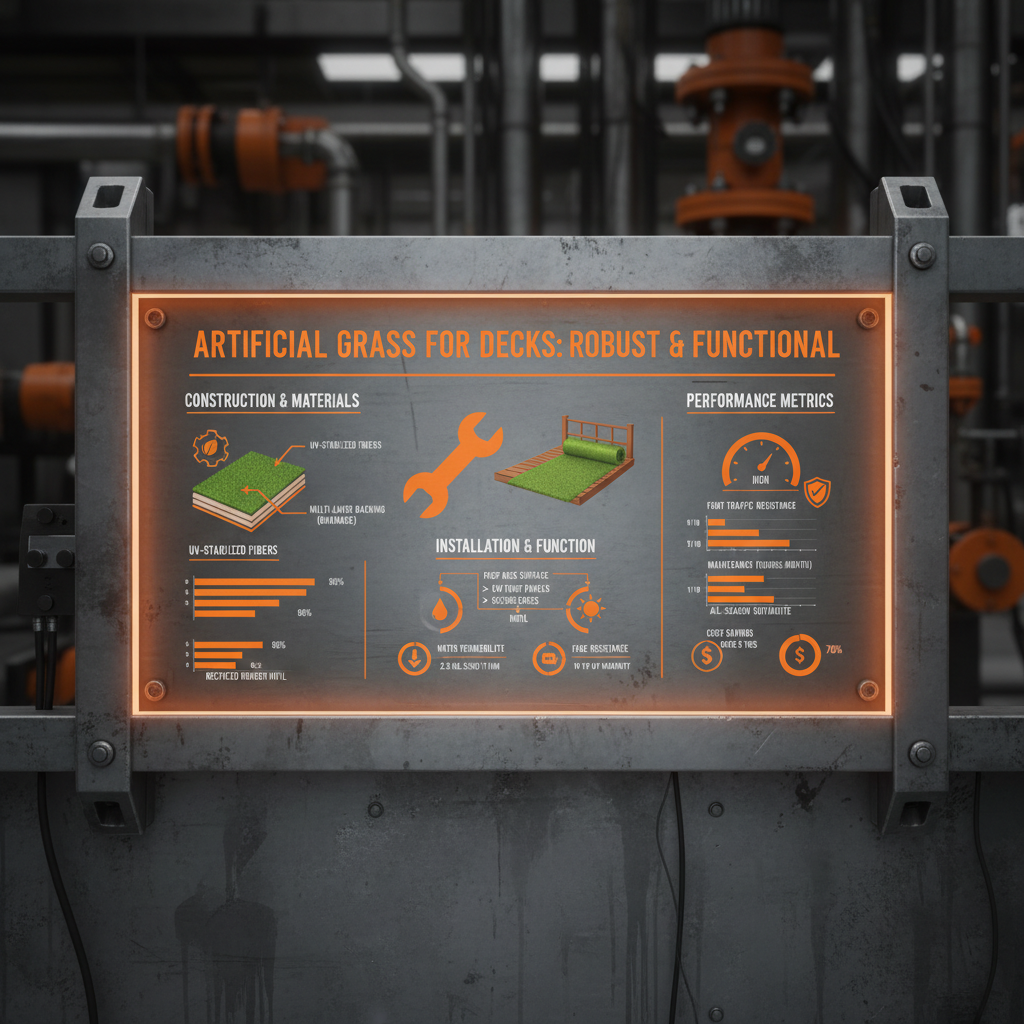
Several core components determine the quality and performance of artificial grass for deck. These include the fiber type (polyethylene offers a soft, natural feel, while polypropylene is more durable), pile height (influencing the grass's softness and appearance), density (higher density equates to greater durability and realism), and backing material (providing stability and drainage).
Durability is a key factor, especially for decking applications where foot traffic is high. Look for products with UV resistance to prevent fading and wear. Drainage is also crucial to prevent water pooling and maintain a safe, dry surface. Proper installation with an effective drainage system is essential. Installation quality directly impacts the lifespan and appearance, necessitating professional installation for optimal results.
Safety is paramount. Choosing non-toxic materials and ensuring adequate padding beneath the turf can minimize the risk of injuries. Aesthetic appeal contributes to the overall enjoyment of the space. Selecting a grass style that complements your home’s architecture and personal preferences enhances the visual impact.
Global Applications and Use Cases
Artificial grass for deck is gaining traction in diverse applications worldwide. Residential decking projects constitute a significant portion of the market, offering homeowners a low-maintenance alternative to traditional wood or composite surfaces. Beyond residential use, it’s increasingly employed in commercial spaces, such as rooftop terraces, balconies, and poolside areas.
In urban environments with limited green space, artificial grass for deck provides a valuable opportunity to create accessible and inviting outdoor areas. It’s used in apartment complexes, hotels, and restaurants to enhance the aesthetic appeal and functionality of outdoor spaces. Applications are expanding into specialized areas like dog parks and children's play areas, offering a safe and hygienic surface.
In post-disaster relief operations, artificial grass can be rapidly deployed to create temporary recreational spaces for displaced communities, offering a sense of normalcy and wellbeing. In remote industrial zones, it provides a durable and low-maintenance ground cover for worker rest areas and outdoor facilities, improving living conditions and boosting morale.
Artificial Grass for Deck Performance Metrics
Advantages and Long-Term Value
The advantages of artificial grass for deck are numerous. Cost savings are significant in the long run, eliminating expenses associated with lawn maintenance, such as mowing, watering, fertilizing, and pest control. Sustainability is another key benefit, conserving water resources and reducing the environmental impact of traditional landscaping.
From a social impact perspective, artificial grass provides a safe and accessible outdoor space for families and individuals, promoting physical activity and social interaction. The reliability and consistent performance of artificial turf instill trust and provide a hassle-free outdoor experience. It enhances property value and curb appeal, offering a tangible return on investment.
Future Trends and Innovations
The future of artificial grass for deck is marked by exciting innovations. Recycled materials are gaining prominence, offering a more sustainable and environmentally friendly option. Smart turf systems, incorporating sensors and automated irrigation, are emerging to optimize performance and reduce water consumption.
Nanotechnology is being explored to enhance the durability, UV resistance, and antimicrobial properties of synthetic turf. Integration with digital technologies, such as augmented reality applications for design visualization, is streamlining the installation process and improving customer experience.
Challenges and Solutions
Despite its advantages, artificial grass for deck faces certain challenges. Heat retention can be a concern in warmer climates, but solutions like specialized infills and cooling systems are being developed to mitigate this issue. Proper drainage is crucial to prevent waterlogging, requiring careful planning and installation.
The initial installation cost can be higher than traditional decking materials, but the long-term savings and reduced maintenance offset this expense. Ensuring responsible end-of-life management of artificial turf through recycling programs is essential to minimize environmental impact. Addressing these challenges through ongoing research and innovation will pave the way for wider adoption and sustainable growth.
Summary of Artificial Grass for Deck Challenges and Solutions
| Challenge |
Impact Level (1-10) |
Proposed Solution |
Implementation Cost (USD) |
| Heat Retention |
7 |
Specialized Cooling Infills |
$5 - $15 per sq ft |
| Drainage Issues |
8 |
Advanced Drainage Layer Installation |
$3 - $10 per sq ft |
| Initial Installation Cost |
6 |
Financing Options & Long-Term Savings Analysis |
$0 (Information-Based) |
| Turf Wear and Tear |
5 |
High-Density Fiber Selection |
$2 - $8 per sq ft (Material Upgrade) |
| End-of-Life Management |
4 |
Recycling Program Partnerships |
$1 - $3 per sq ft (Recycling Fees) |
| UV Degradation |
6 |
UV-Stabilized Fiber Technology |
$1 - $5 per sq ft (Material Upgrade) |
FAQS
With proper installation and maintenance, artificial grass for deck can last between 8 to 15 years, or even longer. The lifespan depends on factors such as foot traffic, UV exposure, and the quality of the materials used. High-quality turf with robust fibers and a stable backing will naturally endure longer than cheaper alternatives. Regular brushing and cleaning also contribute to extending its life.
Yes, artificial grass for deck is remarkably easy to clean. Unlike natural grass, it doesn’t require mowing, watering, or fertilizing. Most debris can be removed with a leaf blower or a stiff brush. For stubborn stains or pet messes, a mild detergent and water solution can be used, followed by a thorough rinse. Regular maintenance keeps it looking fresh and inviting.
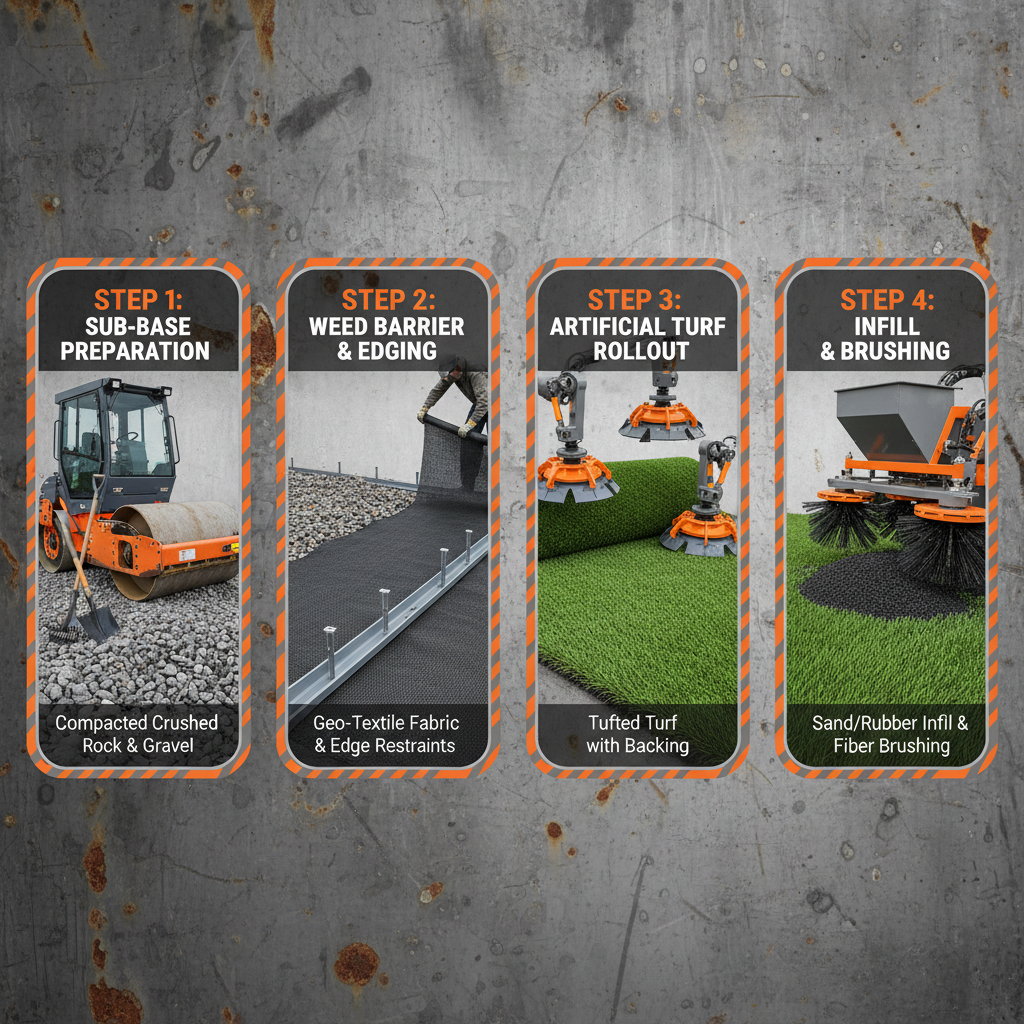
Effective drainage is crucial for artificial grass for deck. Most installations incorporate a base layer of crushed stone, followed by a drainage mat, and the turf itself. This system allows water to percolate through the surface and prevent pooling. Proper slope is also important to direct water away from structures. A well-designed drainage system ensures a safe and comfortable surface, even during heavy rainfall.
Yes, artificial grass for deck is generally safe for pets and children when installed correctly. Look for turf that is non-toxic and free of lead. Adequate padding underneath can provide a softer landing surface. Regular cleaning helps maintain hygiene and prevent the build-up of bacteria. Choosing a turf with antimicrobial properties can further enhance safety.
The cost of installing artificial grass for deck varies depending on the area, the type of turf, and the complexity of the installation. Generally, you can expect to pay between $8 and $15 per square foot, including materials and labor. Factors like site preparation, drainage requirements, and infill material can also influence the overall cost. Although a higher initial investment, the long-term savings from reduced maintenance often offset this expense.
Artificial grass for deck can get warmer than natural grass in direct sunlight, but various solutions can mitigate this. Choosing a turf with a lower pile height and lighter colors can help reduce heat absorption. Adding a cooling infill, such as silica sand or crumb rubber with cooling properties, can further lower the surface temperature. Sprinkling the turf with water can also provide a temporary cooling effect.
Conclusion
Artificial grass for deck represents a significant advancement in outdoor landscaping, offering a compelling blend of aesthetic appeal, durability, and low-maintenance convenience. From its core components and global applications to its future trends and innovative solutions, it’s transforming the way we design and utilize outdoor spaces. The benefits extend beyond simple aesthetics, encompassing sustainability, cost savings, and enhanced quality of life.
As technology continues to evolve, we can expect even more sophisticated and environmentally friendly artificial turf solutions to emerge. Embracing these innovations and addressing the remaining challenges will unlock the full potential of artificial grass for deck, creating beautiful, sustainable, and functional outdoor environments for generations to come. Visit our website to explore our range of artificial grass options: artificial grass for deck.