Determining the right investment for synthetic turf often begins with understanding the artificial grass 25mm price and how pile height influences overall value. For many residential and commercial property owners, the 25mm specification represents a strategic middle ground—offering enough density for a natural look without the excessive cost of luxury long-pile turf.
While price is a primary driver, the total cost of ownership depends heavily on the material composition, such as the integration of specialized drainage layers or UV-stabilized synthetic fibers. Choosing a 25mm pile is frequently a decision based on balancing aesthetics with high-traffic durability requirements.
In this comprehensive analysis, we examine the economic variables affecting 25mm artificial turf, the technical specifications that justify price variances, and how to evaluate suppliers to ensure long-term ROI for your green space project.

The Economics of 25mm Pile Height in Synthetic Turf

The 25mm pile height is widely regarded as the "utility standard" in the synthetic grass industry. From a manufacturing perspective, this height optimizes the use of polymer resins while providing sufficient verticality to mimic natural grass blades. The pricing for this specific height is usually more stable than ultra-short sports turf or ultra-long luxury lawns.
When users search for artificial grass 25mm price, they are often navigating the trade-off between a "carpet-like" feel (shorter piles) and a "lush" feel (longer piles). At 25mm, the turf maintains a resilient structure that resists flattening under moderate foot traffic, which directly impacts the replacement cycle and long-term cost efficiency.
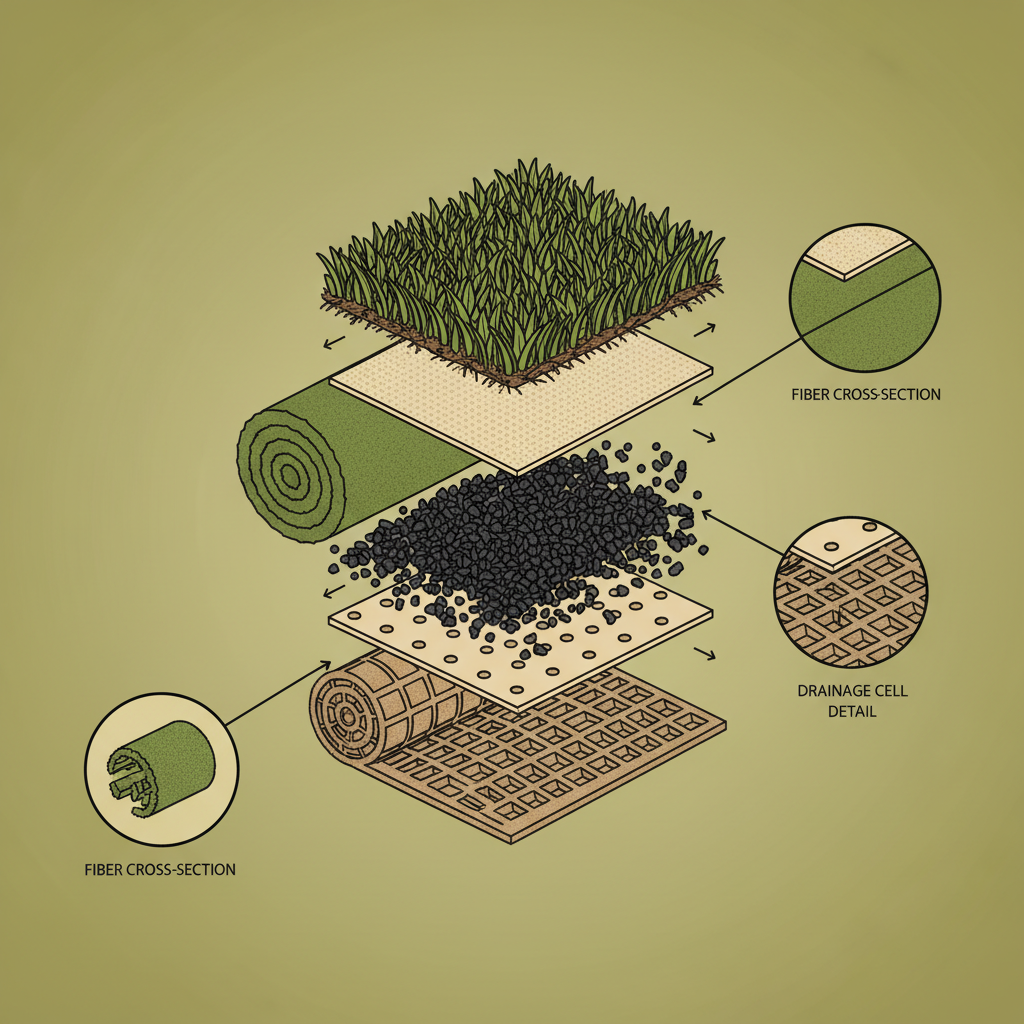
Moreover, the base construction—including the backing cloth and drainage holes—plays a significant role in the final price. A basic 25mm turf may be affordable, but professional-grade versions incorporate reinforced mesh layers to prevent stretching, ensuring the investment remains intact over a decade of use.
Key Factors Driving the Cost of 25mm Artificial Grass
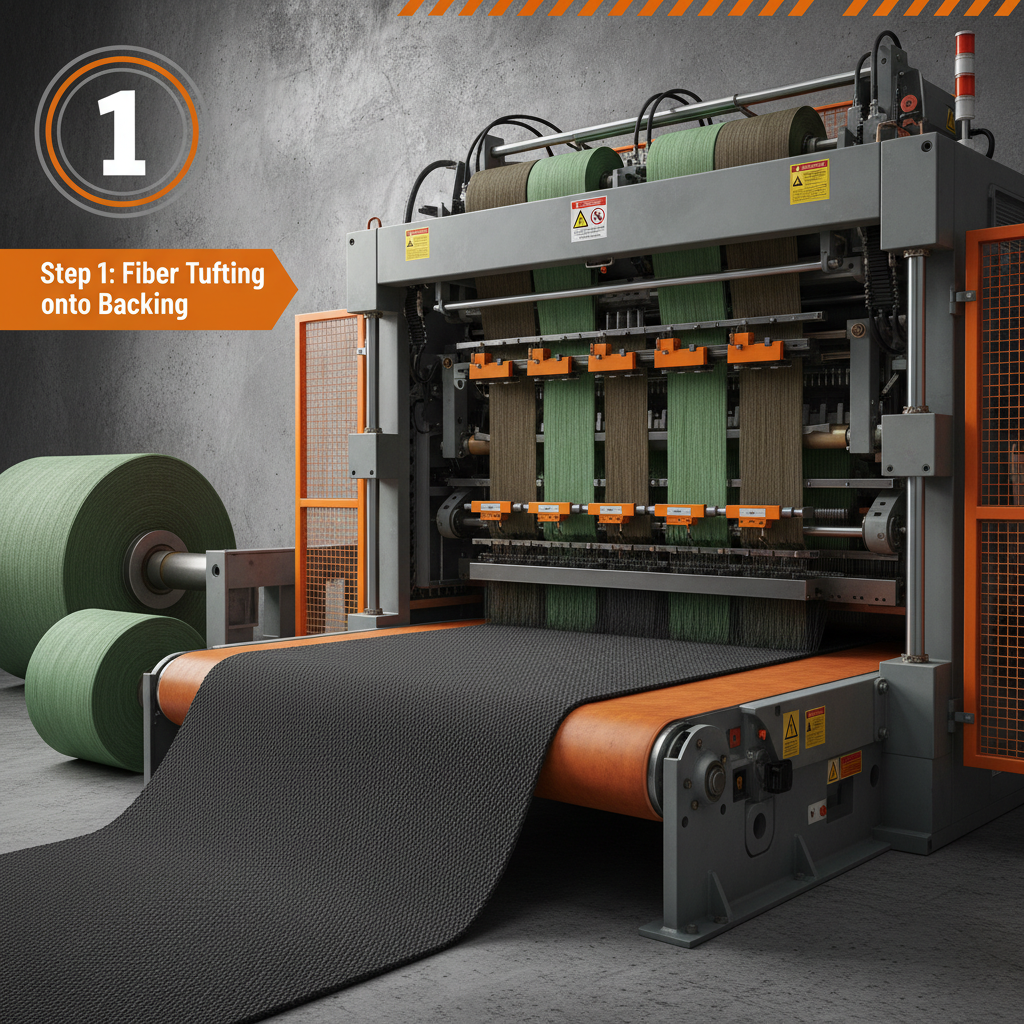
Pricing is not merely a function of height but a result of material science. The quality of the synthetic fibers, often made from polyethylene (PE) or polypropylene (PP), dictates the UV resistance and the "softness" of the grass. Higher-end 25mm turf utilizes a more complex shape—such as C-shape or W-shape filaments—to provide better resilience.
For specialized needs, such as pet areas, the cost increases due to the addition of a pet pee pad or enhanced drainage layers. These components are essential for hygiene, as they allow liquid waste to pass through the grass filament and base cloth layers more efficiently, preventing odors and bacteria buildup.
Additionally, the density (stitch rate) is a critical cost driver. A 25mm turf with a high stitch count will feel denser and look more realistic than a low-density alternative of the same height, which explains the price variance between "economy" and "premium" grades.
Optimal Application Scenarios for 25mm Turf Solutions
The versatility of 25mm artificial grass makes it suitable for a wide array of environments. In residential settings, it is the preferred choice for balconies and small garden patches where a clean, green aesthetic is required without the need for professional landscaping equipment.
In commercial contexts, 25mm turf is frequently deployed in indoor home decor, exhibition stands, and light-duty entertainment areas. Its ability to maintain a pristine look under varied lighting conditions makes it an asset for interior designers seeking to bring natural elements indoors.
Specifically for pet owners, this height provides a comfortable surface for animals to play and relax. When combined with a dedicated urine cushion, it solves the hygiene problem of traditional lawns by offering a designated, easy-to-clean area that pets naturally prefer for defecation.
Comparing 25mm Performance Against Industry Standards
Evaluating the performance of 25mm turf requires looking at metrics like resilience, permeability, and UV stability. Compared to natural grass, synthetic options eliminate the need for watering and fertilizing, which drastically reduces the monthly operational budget.
The following data represents relative performance benchmarks, illustrating how high-quality 25mm turf compares to standard synthetic alternatives across critical durability and maintenance dimensions.
artificial grass 25mm price Performance Metrics
As indicated, the premium 25mm specification excels in "Maintenance Ease" and "UV Resistance," ensuring that the color remains vibrant despite exposure to harsh sunlight. This performance stability justifies a slightly higher initial price point by extending the product's lifespan.
Procurement Strategies for High-Durability Synthetic Lawns
When sourcing synthetic turf, buyers often focus solely on the per-square-meter price. However, a professional procurement strategy should prioritize the technical specifications of the base cloth and the fiber density. A cheap turf that flattens within two years is significantly more expensive than a premium turf that lasts ten.
Verification of eco-friendly and pet-safe materials is also paramount. Ensure that the synthetic fibers are free from harmful chemicals, which is particularly critical for households with pets or children. A safe, non-toxic product reduces the risk of skin irritation and environmental contamination.
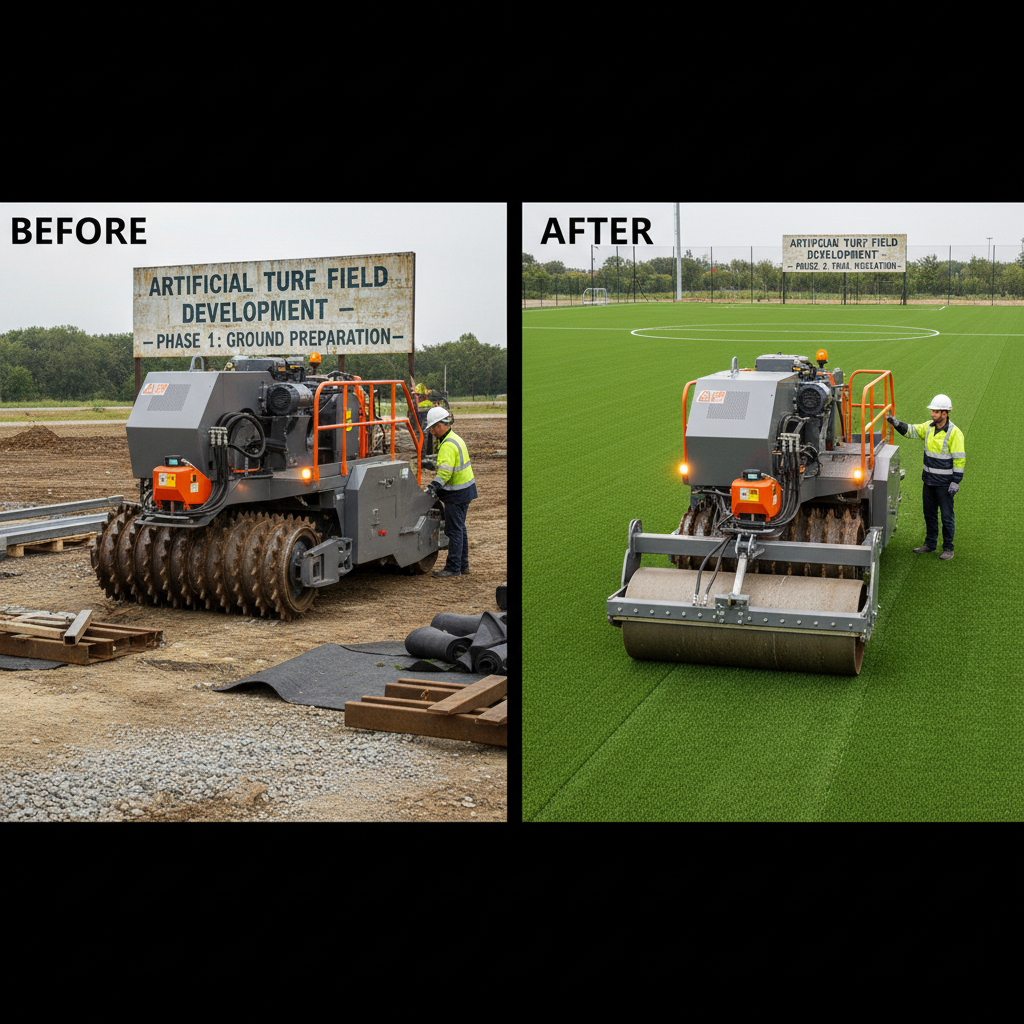
Finally, consider the installation requirements. While 25mm turf is relatively easy to install, the use of a high-quality sub-base and proper securing methods will prevent bubbling and shifting, protecting the physical integrity of the turf over time.
Future Trends in Synthetic Fiber Materials and Pricing
The synthetic grass industry is likely to see a shift toward more sustainable polymer blends. We may see a rise in recycled plastics that maintain the same durability as virgin PE, potentially stabilizing prices while reducing the carbon footprint of the manufacturing process.
Technological advancements in fiber shaping are also expected to continue. New "bio-mimicry" shapes could make 25mm turf look even more indistinguishable from natural grass, possibly increasing the demand for this specific pile height in luxury residential projects.
Furthermore, the integration of smart drainage systems—incorporating antimicrobial layers directly into the mesh—could become a standard feature for pet-specific turf, moving the market away from simple grass and toward comprehensive hygiene solutions.
Decision Matrix for Selecting the Right Turf Grade
Choosing the correct grade of 25mm turf depends on the specific usage goals of the space. A high-traffic commercial entryway requires a different specification than a private pet play area or an indoor decorative patch.
The following matrix helps buyers align their needs with the technical characteristics of various 25mm turf configurations to optimize their investment.
| Application Type | Fiber Density | Backing Requirement | Maintenance Level |
|---|---|---|---|
| Indoor Decor | Medium | Standard Latex | Very Low |
| Residential Lawn | High | Reinforced Mesh | Low |
| Pet Training | High | Pee Pad / Permeable | Moderate (Rinse) |
| Commercial Entry | Ultra-High | Heavy-Duty Bonded | Low (Vacuum) |
| Balcony/Patio | Medium | Water-Drainage Cloth | Very Low |
| Light Sports Area | High | Elastic Mesh | Low |
By matching the application to the technical grade, users can avoid over-paying for unnecessary features or under-investing in a product that will fail prematurely. For those evaluating these options, detailed specifications are available through www.hoyarngrass.com.
Frequently Asked Questions
Conclusion
Investing in 25mm artificial grass is a decision that balances immediate cost with long-term utility. By focusing on material density and drainage capabilities rather than just the initial price, property owners can secure a durable, low-maintenance green space that serves diverse needs from pet training to commercial aesthetics.
For those seeking a resilient and natural-looking alternative to real lawns, exploring the product ranges at www.hoyarngrass.com can provide the necessary technical insights to make an informed procurement choice.