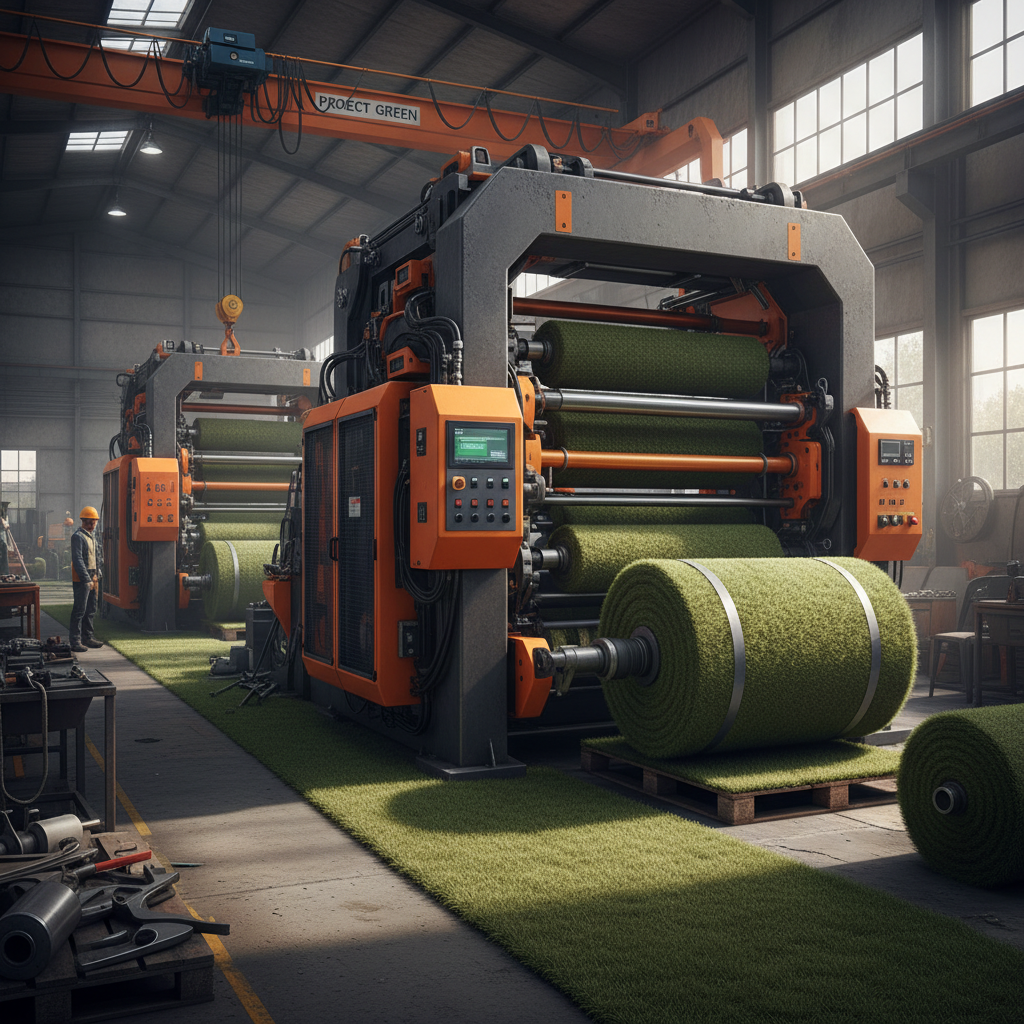
Artificial grass for project, encompassing a range of synthetic turf solutions, has emerged as a critical component in addressing diverse global challenges. From rapid deployment housing in disaster relief to creating sustainable recreational spaces in arid regions, and even providing safe playing surfaces for children in underserved communities, its versatility is increasingly recognized. This isn’t simply about aesthetics; it's about providing functional, durable, and often cost-effective solutions where traditional materials fall short.
The growing demand for artificial grass for project is driven by several factors, including increasing urbanization, climate change impacts, and a rising need for sustainable infrastructure. As natural resources become scarcer and environmental concerns escalate, the ability to create resilient and low-maintenance environments becomes paramount. This demand is fostering innovation in materials science, manufacturing techniques, and installation methods, leading to increasingly sophisticated and specialized products.
Understanding the nuances of artificial grass for project – its various types, applications, and life-cycle considerations – is crucial for professionals across numerous sectors, from construction and landscaping to humanitarian aid and urban planning. Successfully implementing these solutions requires a holistic approach, considering factors like local climate, soil conditions, and community needs.
The Global Significance of Artificial Grass for Project
The global market for artificial grass is experiencing substantial growth, projected to reach $6.74 billion by 2030, according to Grand View Research. This surge is driven by a confluence of factors, including water scarcity, increased urbanization, and a growing demand for low-maintenance landscaping solutions. Organizations like the UN Habitat advocate for sustainable urban development, where innovative materials like artificial grass can play a vital role in creating resilient communities.
The challenge of providing safe and sustainable recreational spaces in densely populated urban areas and disaster-prone regions underscores the importance of artificial grass for project. Traditional grass requires significant water and maintenance, making it impractical in many contexts. Artificial grass offers a viable alternative, providing a durable, aesthetically pleasing, and environmentally responsible surface for playgrounds, sports fields, and public parks.
Defining Artificial Grass for Project
Artificial grass for project refers to the manufacturing and application of synthetic turf systems designed for specific purposes beyond traditional residential lawns. These projects can range from large-scale sports facilities and municipal parks to emergency shelter solutions and industrial landscaping. It's not merely a cosmetic substitute for natural grass but a carefully engineered product tailored to meet the demands of its intended environment.
This concept directly addresses modern industry and humanitarian needs by providing cost-effective, rapidly deployable, and environmentally sound alternatives to natural turf and conventional building materials. In disaster relief, for example, artificial grass can quickly create safe and sanitary temporary living spaces. In industrial settings, it can mitigate dust and erosion, improving working conditions and environmental compliance.
Essentially, artificial grass for project moves beyond aesthetic enhancements and becomes a functional solution that tackles practical problems, improving the quality of life and promoting sustainability in a variety of challenging contexts.
Core Components & Key Factors
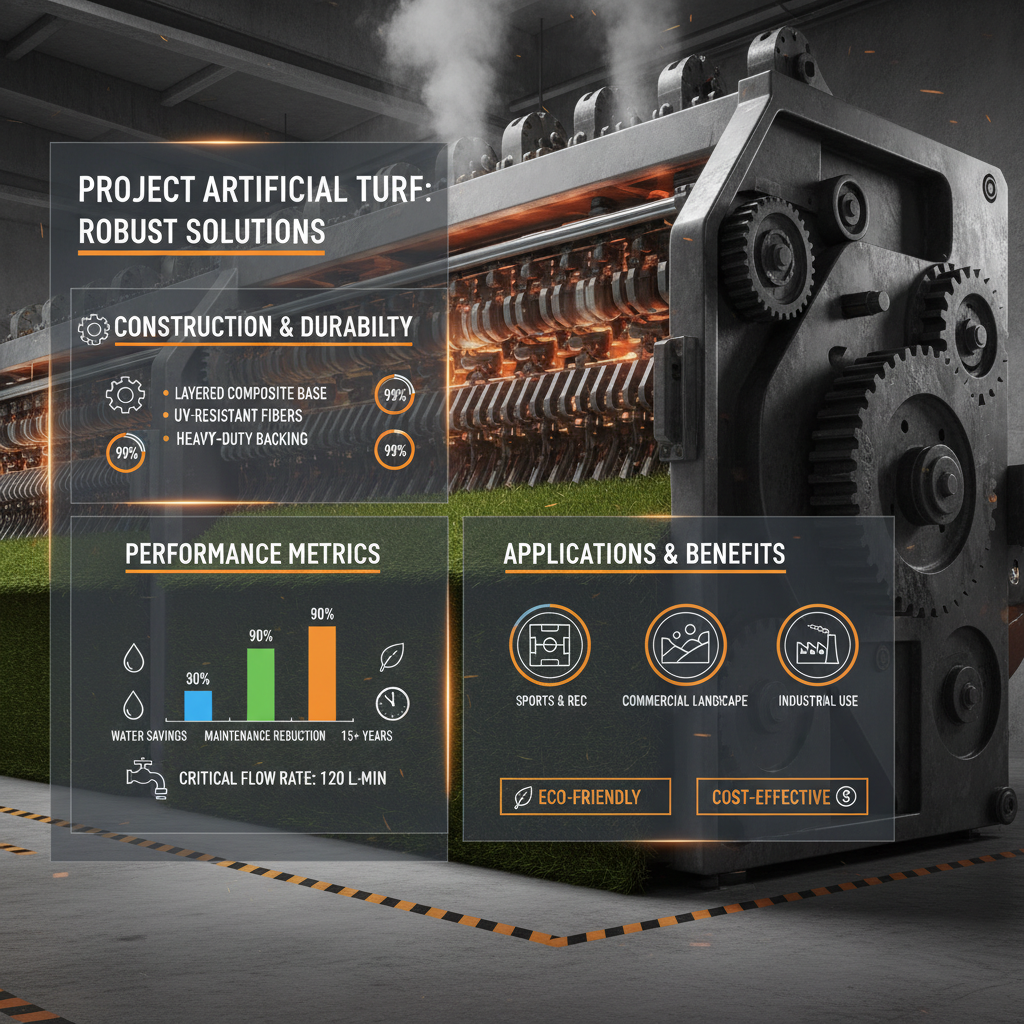
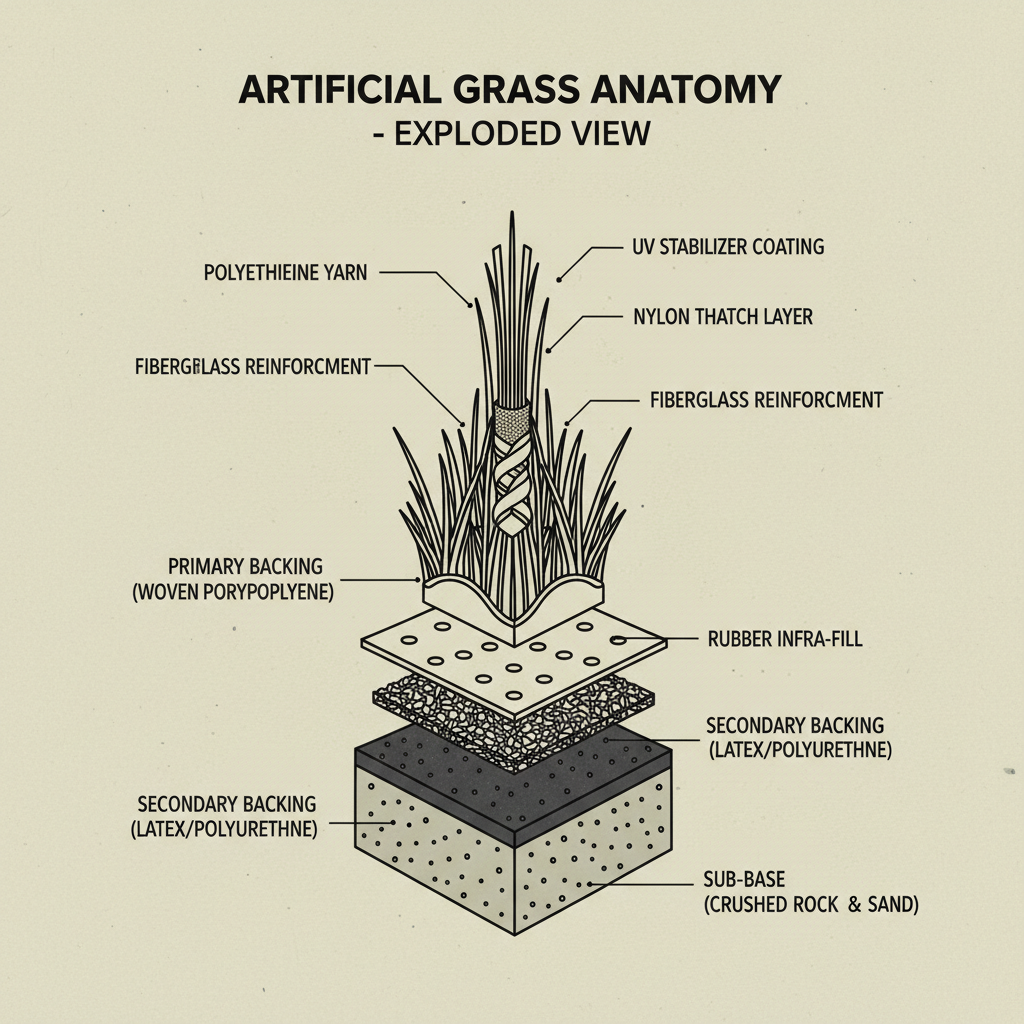
Durability is paramount in artificial grass for project. The materials used – typically polypropylene, polyethylene, or nylon fibers – must withstand heavy use, extreme weather conditions, and prolonged exposure to UV radiation. The backing material, often a woven or non-woven fabric, also contributes significantly to the system’s longevity and stability.
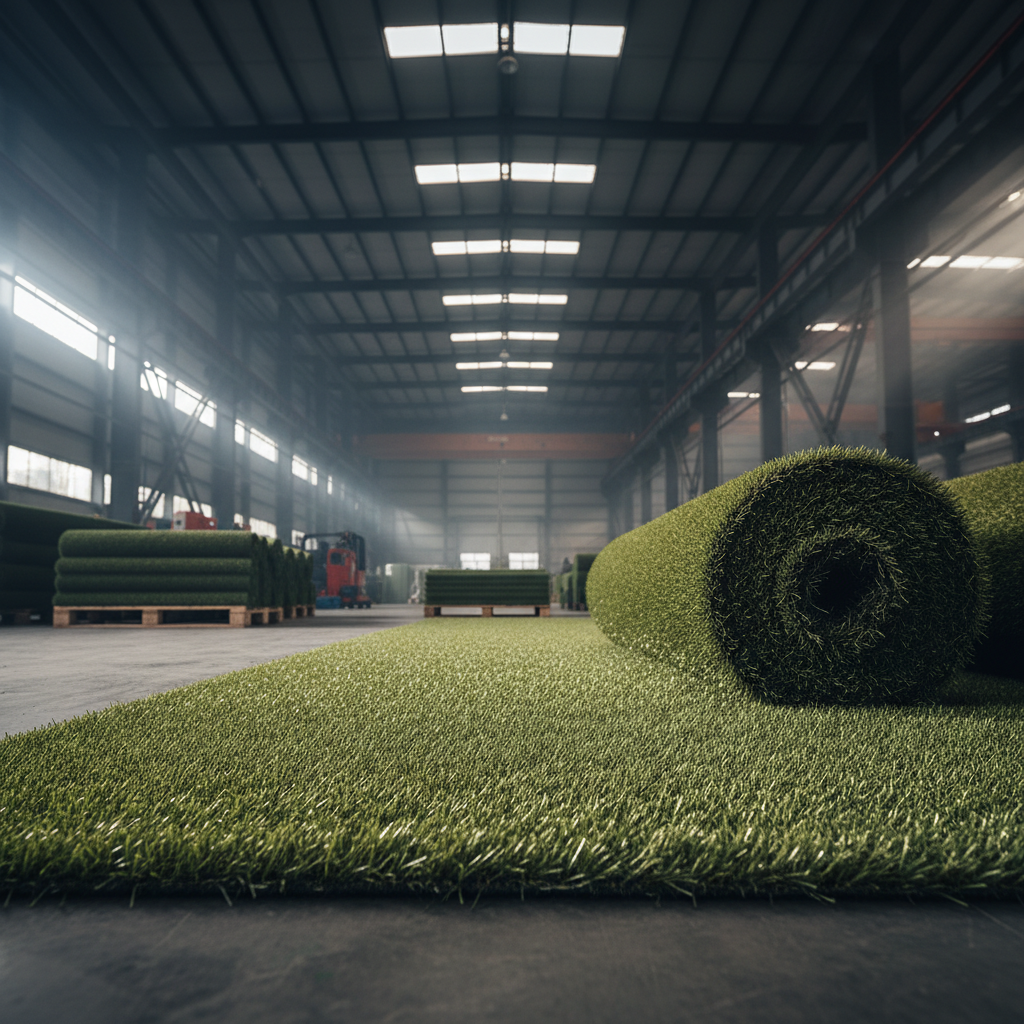
Scalability is another critical factor. Successful artificial grass for project solutions often require the ability to quickly and efficiently cover large areas. Modular designs and streamlined installation processes are essential for rapid deployment in emergency situations or large-scale infrastructure projects. The ability to adapt the system to different terrains and site conditions is also crucial.
Cost efficiency, encompassing both initial investment and long-term maintenance, is a key driver of adoption. While the upfront cost of artificial grass may be higher than natural turf, the reduced need for watering, mowing, fertilizing, and pest control can result in significant savings over its lifespan. Furthermore, in certain applications, like rooftop gardens or indoor facilities, artificial grass eliminates the need for complex soil and drainage systems.
Drainage is crucial to prevent waterlogging and maintain a safe, usable surface. Properly designed drainage systems, incorporating permeable bases and strategically placed drainage channels, are essential for ensuring effective water runoff and preventing the build-up of standing water. This is particularly important in areas with heavy rainfall or high humidity.
Global Applications and Real-World Use Cases
In post-disaster relief operations, artificial grass provides a rapid solution for creating temporary shelters and safe play areas for displaced communities. Organizations like the Red Cross and UNHCR have utilized artificial grass in refugee camps and emergency housing projects to provide dignified and hygienic living conditions.
Within the sports and recreation sector, artificial grass is widely used for soccer, football, rugby, and other field sports. Its consistent playing surface, reduced maintenance requirements, and enhanced durability make it a popular choice for professional stadiums, school sports fields, and community recreational facilities.
In remote industrial zones, artificial grass mitigates dust and erosion, improving safety and environmental compliance. It’s also increasingly used in urban landscaping projects, providing aesthetically pleasing and sustainable green spaces in areas where natural turf is difficult to maintain.
Project Application Performance
Advantages and Long-Term Value Proposition
Cost savings represent a significant advantage. While initial installation costs can be comparable or slightly higher than natural turf, the elimination of ongoing maintenance – watering, mowing, fertilizing, and pest control – leads to substantial long-term savings. This is particularly important for organizations with limited budgets or large-scale projects.
Sustainability is another key benefit. Artificial grass reduces water consumption, eliminates the need for harmful pesticides and herbicides, and can be manufactured from recycled materials. This contributes to a lower environmental footprint and promotes responsible resource management.
Future Trends & Emerging Innovations
The development of bio-based artificial grass materials, derived from renewable resources, is gaining momentum. These materials offer a more sustainable alternative to traditional petroleum-based plastics, reducing the environmental impact of artificial turf production.
Smart artificial grass systems, incorporating sensors and data analytics, are also emerging. These systems can monitor moisture levels, temperature, and wear and tear, providing valuable insights for optimized maintenance and performance. This data-driven approach allows for proactive repairs and adjustments, extending the lifespan of the turf and maximizing its value.
Challenges and Potential Solutions
One significant challenge is the potential for heat build-up on artificial grass surfaces, particularly in hot climates. Solutions include incorporating cooling technologies, such as evaporative cooling systems or reflective pigments, into the turf design. Proper irrigation and shading can also help mitigate heat retention.
Another challenge is the end-of-life management of artificial grass. Traditional disposal methods can contribute to landfill waste. However, advancements in recycling technologies are enabling the recovery of valuable materials from used turf, promoting a circular economy. Furthermore, innovative design strategies focused on modularity and disassembly can facilitate easier recycling and reuse.
Addressing concerns surrounding microplastic shedding from artificial turf requires ongoing research and development of more durable and tightly woven materials. Implementing proper cleaning and maintenance protocols can also minimize microplastic release.
Summary of Artificial Grass for Project Challenges & Solutions
| Challenge |
Impact Severity (1-10) |
Proposed Solution |
Implementation Cost (Low/Med/High) |
| Heat Build-Up |
7 |
Cooling Technologies & Irrigation |
Med |
| End-of-Life Disposal |
8 |
Recycling Technologies & Modular Design |
High |
| Microplastic Shedding |
6 |
Durable Materials & Regular Cleaning |
Low |
| Installation Complexity |
5 |
Simplified Modular Systems & Training |
Med |
| Initial Investment Cost |
4 |
Life-Cycle Cost Analysis & Funding Models |
Low |
| UV Degradation |
7 |
UV Stabilizers & Fiber Coatings |
Med |
FAQS
The lifespan of artificial grass for project varies depending on the quality of materials, the intensity of use, and the climate. Generally, high-quality artificial turf can last between 8 and 15 years with proper maintenance. Heavy use in sports applications may reduce this lifespan, while lighter use in landscaping or recreational areas can extend it. Regular brushing, cleaning, and occasional infill replenishment are crucial for maximizing longevity. The backing material and fiber type are also significant factors influencing the overall durability.
Artificial grass offers several environmental advantages over natural grass, including reduced water consumption, elimination of pesticides and fertilizers, and lower maintenance requirements. However, it's important to consider the manufacturing process and end-of-life disposal. Bio-based artificial grass materials and advancements in recycling technologies are mitigating these concerns. A full life-cycle assessment is crucial to compare the overall environmental footprint of both options, considering factors like resource depletion, carbon emissions, and waste generation.
Yes, artificial grass for project is generally considered safe for children and pets, provided it’s made from non-toxic materials and properly maintained. Look for products certified by independent organizations to ensure they meet safety standards. Regular cleaning helps remove debris and allergens. It’s also important to choose an appropriate infill material that is non-toxic and doesn't pose a choking hazard to small children or pets. Avoid materials containing lead or other harmful substances.
The cost of installing artificial grass for project varies significantly depending on the type of turf, the complexity of the installation, and the geographic location. Generally, installation costs range from $5 to $15 per square foot, including materials and labor. Factors that can increase the cost include site preparation (leveling and grading), drainage requirements, and the need for specialized equipment. Obtaining multiple quotes from reputable installers is recommended.
Artificial grass requires significantly less maintenance than natural grass. Regular brushing to keep the fibers upright is recommended. Periodic cleaning with water or a specialized cleaning solution helps remove debris and maintain hygiene. Infill replenishment may be necessary every few years, depending on the type of infill and the level of use. Avoid using harsh chemicals or abrasive cleaning tools that could damage the turf.
Yes, artificial grass for project can be installed on concrete, asphalt, or other hard surfaces. However, proper preparation is essential to ensure adequate drainage and cushioning. A shock-absorbing underlayment is typically required to provide a comfortable and safe surface. It’s also important to ensure the surface is clean, level, and free of any sharp objects that could damage the turf. A professional installation is highly recommended for optimal results.
Conclusion
Artificial grass for project represents a versatile and increasingly important solution for a wide range of global challenges, from disaster relief and urban development to sports and recreation. Its durability, scalability, and reduced maintenance requirements offer significant cost savings and environmental benefits compared to traditional materials. By embracing innovation in materials science and installation techniques, we can unlock the full potential of this technology to create more sustainable, resilient, and equitable communities.
Looking ahead, continued research and development in areas like bio-based materials, smart turf systems, and advanced recycling technologies will further enhance the sustainability and performance of artificial grass for project. As awareness of its benefits grows, we can expect to see even wider adoption across diverse sectors, transforming the way we design and build our world. To explore tailored artificial grass solutions for your project, visit our website today.