When evaluating the 35mm artificial grass price, buyers are typically looking for a balance between a natural aesthetic and long-term durability. In the specialized field of plastic synthetic fiber products, the 35mm pile height is widely regarded as the "golden mean" for residential and light commercial landscaping, providing sufficient cushion without the excessive maintenance of longer blades.
The primary challenge for procurement managers and homeowners is understanding why prices vary across different suppliers. Cost is rarely just about the material; it is driven by fiber density, the quality of the polyethylene (PE) used, and the sophisticated drainage backing that prevents water logging in outdoor environments.
This analysis provides a comprehensive breakdown of the cost drivers for 35mm synthetic turf, helping you differentiate between budget-grade options and premium professional installations to ensure a high return on investment for your green space.

Understanding the 35mm Pile Height Value Proposition

The 35mm specification refers to the length of the synthetic fiber from the backing to the tip. At this height, the turf mimics the look of a well-maintained natural lawn. From a cost perspective, 35mm is often more economical than luxury 40mm+ piles while offering significantly better resilience and a more "plush" feel than 20mm-25mm short-pile options.
For those operating within the non-metallic mineral and plastic synthetic fiber industry, this specific height is optimized for a wide range of uses, including family backyards and pet areas. The structural integrity of a 35mm blade allows it to stand upright longer under foot traffic, reducing the frequency of brushing and maintenance.
Core Factors Influencing Synthetic Turf Pricing
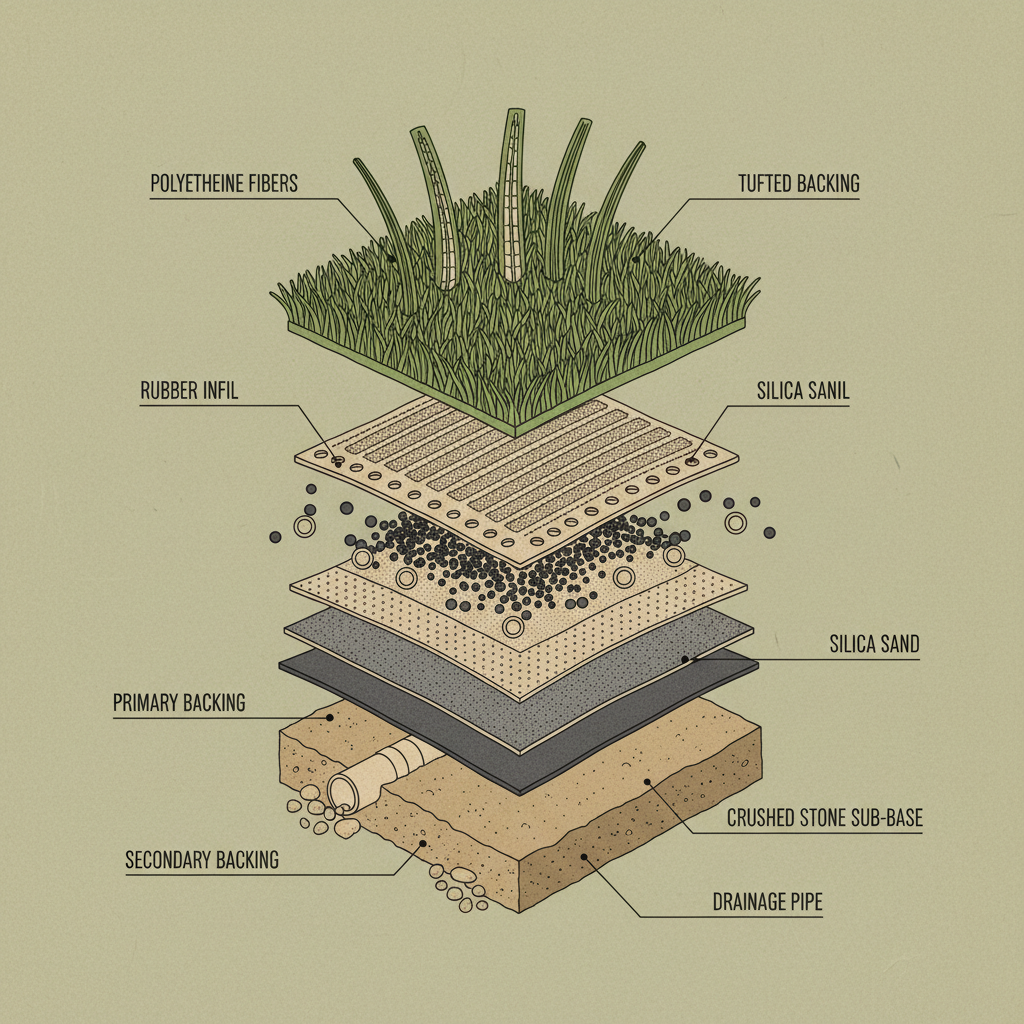
Several technical variables directly impact the final 35mm artificial grass price. The first is the fiber material; high-grade non-toxic polyethylene (PE) is preferred for its safety and softness, especially in areas where children or pets are present. The dyeing process also plays a role; specialized process dyeing ensures that colors remain vibrant and do not fade under intense UV exposure.
Furthermore, the density of the stitches (the number of tufts per square meter) is a major cost driver. Higher density results in a thicker, more luxurious lawn that resists flattening but requires more raw material. The backing layer—whether it is a basic latex or a perforated polyurethane for high-speed drainage—adds another layer of pricing variation based on the required permeability.
Application-Specific Cost Considerations
Different use cases demand different specifications, which in turn shift the price point. For instance, pet training areas require high-drainage capabilities and antimicrobial properties to manage waste and odors, which can increase the base cost. Conversely, indoor home artificial grass may prioritize softness and aesthetics over extreme wear resistance.
In specialized applications, such as the Rainbow running track products provided by HOYARN, the price reflects the complexity of multi-color integration. These colorful outdoor materials use a seven-color symbolic design to represent hope and victory, requiring precise dyeing and weaving processes that differ from standard monochromatic green turf.
Relative Cost Impact of Technical Specifications
To better understand how specific features influence the 35mm artificial grass price, we can look at a normalized cost-impact index. This illustrative framework demonstrates which technical upgrades contribute most significantly to the overall price increase.
As shown in the conceptual chart, UV stabilization and fiber density typically have the highest impact on cost. These factors determine the lifespan of the product; investing more in these areas reduces the long-term replacement cost, effectively lowering the annual expenditure over a 10-year period.
Evaluating Total Cost of Ownership (TCO)
When analyzing the 35mm artificial grass price, it is a mistake to look only at the initial purchase price per square meter. The Total Cost of Ownership (TCO) includes the initial material cost, the cost of the base preparation (crushed stone, sand, or weed membranes), and the ongoing maintenance costs.
High-quality synthetic turf with superior drainage and UV resistance may have a higher upfront cost but significantly lowers TCO by eliminating the need for watering, mowing, and chemical fertilizers. For commercial public leisure areas, this trade-off is essential for maintaining a vibrant environment without exorbitant labor costs.
Avoiding Common Budgeting Pitfalls in Procurement
Many buyers fall into the trap of selecting the lowest quote without verifying the "face weight" or "stitch rate." A low 35mm artificial grass price often indicates a low-density product that will flatten quickly in high-traffic areas, leading to premature failure and the need for early replacement.
Another common pitfall is neglecting the drainage requirements. In regions with high rainfall, choosing a budget turf without a professional drainage design can lead to puddling and mold growth. Ensuring that the material is environmentally friendly and non-toxic is also critical, particularly for kindergartens and schools where safety is the primary concern.
Comparison Framework for Artificial Grass Grade Selection
To help buyers make a final decision, we have categorized the 35mm artificial grass options into three primary grades based on their technical capabilities and intended use cases.
| Grade | Key Driver | Best Use Case | Price Impact |
|---|---|---|---|
| Economy | Basic PE Fiber | Low-traffic decor | Low |
| Standard | UV Stabilized | Residential Lawns | Medium |
| Premium | High Density/Drainage | Pet/Commercial Areas | High |
| Specialized | Multi-color Dyeing | Playgrounds/Tracks | Variable |
| Industrial | High Wear-Resistance | Public Parks | High |
| Luxury | Soft-Touch PE | Indoor/Premium Home | Premium |
By matching the grade to the actual traffic and environmental conditions of the site, buyers can optimize their budget without sacrificing the functional requirements of the installation.
Frequently Asked Questions
The most significant factor is the fiber density (stitch rate) and the quality of the polymer used. Higher density provides better resilience and appearance but increases the material cost per square meter.
Yes, 35mm is an ideal height for pets as it provides enough cushion for comfort while being easy to clean. However, ensure the product has a high-drainage backing to manage pet waste efficiently.
UV stabilization increases the initial price slightly but prevents the grass from becoming brittle or fading in sunlight, extending the product's lifespan and reducing replacement costs.
Multi-color products, like rainbow running tracks, require specialized dyeing processes and precise weaving to maintain distinct color boundaries, increasing manufacturing complexity.
Hidden costs typically include site excavation, the purchase of sub-base materials like crushed stone, and the cost of professional installation and seam joining.
Check the technical data sheet for the fiber weight (gsm), the density of the stitches, and the material certifications (e.g., non-toxic PE) before comparing prices.
Conclusion
Determining the right 35mm artificial grass price requires looking beyond the unit cost to evaluate the intersection of fiber density, UV resistance, and drainage capability. By choosing a grade that matches the specific demands of the environment—whether it be a high-traffic public park or a cozy family backyard—you can ensure a durable, aesthetically pleasing green space that maximizes long-term value.
For detailed product specifications or a tailored quote based on your project's specific requirements, you can review the available solutions at www.hoyarngrass.com and contact our technical team for guidance.