Artificial grass over concrete is rapidly gaining traction as a versatile surfacing solution across diverse applications. Originally a niche offering, it’s now a popular choice for urban landscaping, rooftop gardens, playground safety surfaces, and even temporary event spaces. The appeal stems from its ability to transform hard, often visually unappealing concrete into lush, green areas with minimal maintenance. This isn’t simply about aesthetics; it addresses practical concerns like reducing the urban heat island effect, improving stormwater management, and providing safer play areas.
The growing demand for artificial grass over concrete is fueled by increased urbanization, a desire for more green spaces in built environments, and evolving sustainability practices. Cities worldwide are actively seeking solutions to enhance quality of life for residents, and artificial turf offers a tangible way to achieve this. Furthermore, advancements in turf technology have led to more realistic looking, durable, and environmentally friendly products, further driving adoption.
Understanding the nuances of installing artificial grass over concrete, including proper preparation, drainage considerations, and material selection, is crucial for long-term success. Choosing the right system for a specific application is paramount, impacting both performance and longevity. This detailed exploration will delve into these aspects and provide a comprehensive overview of this increasingly important field.
Introduction to Artificial Grass Over Concrete
The transformation of barren concrete surfaces with artificial grass presents a compelling solution to urban environmental challenges. By effectively mitigating the heat island effect and enhancing aesthetic appeal, artificial grass over concrete is becoming a standard feature in modern landscape architecture. It’s a proactive step toward creating more livable and sustainable urban environments.
However, successful implementation requires a detailed understanding of the underlying concrete structure, proper drainage systems, and the characteristics of different artificial turf options. Simply laying turf on concrete is rarely sufficient; careful preparation and the right materials are essential for longevity and optimal performance.
Defining Artificial Grass Over Concrete
Artificial grass over concrete refers to the installation of synthetic turf specifically designed to be laid on existing concrete surfaces. Unlike traditional turf installations that require excavated soil and a sub-base, this method utilizes specialized adhesives, underlayments, and turf backing to create a secure and long-lasting bond with the concrete. This eliminates the need for extensive groundwork, making it ideal for projects where minimizing disruption is crucial.
This practice bridges the gap between the desire for natural aesthetics and the realities of urban landscapes, where concrete dominates. It’s a direct response to the increasing need for green spaces in areas where traditional landscaping isn't feasible. The modern industry has evolved to meet this demand with increasingly sophisticated materials and installation techniques.
The relevance of artificial grass over concrete extends beyond mere aesthetics. It answers a growing humanitarian need for safe, accessible recreational surfaces, especially for children and the elderly. Providing a cushioned, low-maintenance play area on existing concrete infrastructure is a cost-effective way to improve community well-being.
Key Factors Influencing Installation
Several key factors dictate the success of an artificial grass over concrete installation. First and foremost is the condition of the concrete itself. Cracks, uneven surfaces, and poor drainage must be addressed before installation. Proper cleaning and leveling are critical to ensure a smooth, stable base for the turf. Second, the choice of adhesive is paramount; it must be suitable for outdoor use, capable of withstanding temperature fluctuations, and compatible with both the concrete and the turf backing.
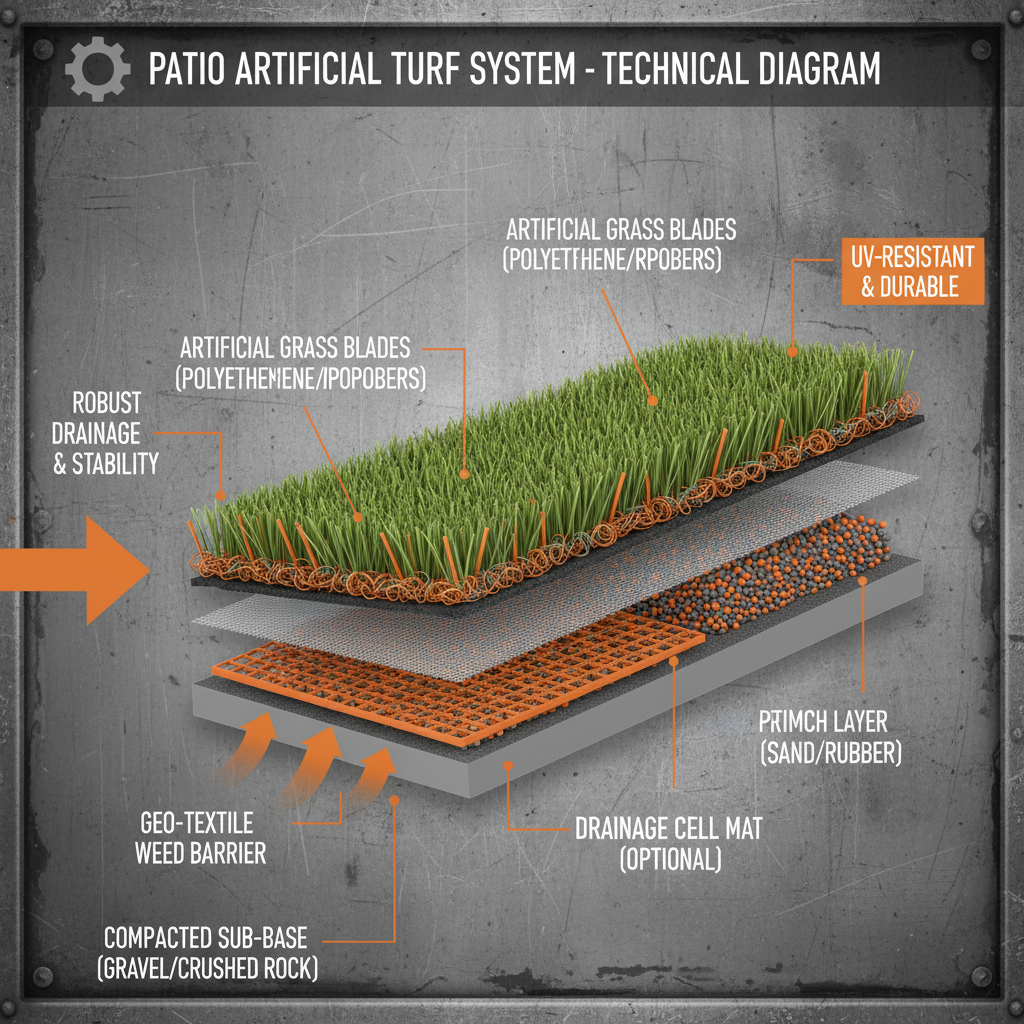
Drainage is another vital consideration. Concrete is inherently impermeable, so a drainage system must be integrated to prevent water from pooling underneath the turf. This typically involves creating drainage channels or using a permeable underlayment to allow water to flow away from the surface. Failing to address drainage can lead to mold growth, turf deterioration, and potential structural damage.
Finally, selecting the appropriate turf type is crucial. Different turf products offer varying levels of pile height, density, and durability. The intended use of the space – whether it’s a playground, a rooftop garden, or a decorative area – will dictate the best turf option. Consider factors like foot traffic, UV exposure, and climate when making your selection.
Performance Metrics & Material Considerations
Evaluating the performance of artificial grass over concrete requires examining several key metrics. Durability, measured by the turf’s resistance to wear and tear, is crucial for high-traffic areas. UV resistance determines how well the turf holds its color and structural integrity under prolonged sun exposure. Pile height impacts the cushioning and feel of the surface. And permeability, though typically aided by the underlayment, influences drainage efficiency.
Material selection directly influences these metrics. Polyethylene (PE) turf fibers offer a softer, more realistic feel compared to polypropylene (PP), but may be less durable. Nylon turf boasts superior durability but can be more expensive. The backing material – typically polypropylene or polyester – must be strong and stable to withstand the stresses of installation and use.
Artificial Grass Over Concrete Material Performance Comparison
Global Application Scenarios
The versatility of artificial grass over concrete has led to its adoption in diverse global settings. In densely populated urban areas like Tokyo and New York City, it’s transforming rooftops and balconies into green oases, providing much-needed respite from the concrete jungle. Schools and daycare centers across Europe utilize it to create safe and cushioned play areas on existing concrete surfaces.
In arid regions, like parts of the Middle East, artificial grass over concrete offers a water-wise landscaping solution, reducing the need for irrigation. Temporary event spaces and trade show floors routinely utilize it for quick, aesthetically pleasing surface coverings. Moreover, in post-disaster relief operations, artificial turf can quickly provide a safe and clean surface for temporary shelters and recreational areas.
Advantages and Long-Term Value Proposition
The advantages of artificial grass over concrete extend beyond aesthetics. Cost-effectively transforming existing surfaces eliminates the expensive and disruptive process of excavation and sub-base construction. The minimal maintenance requirements – no mowing, watering, or fertilizing – translate into significant long-term savings. The increased safety provided by cushioned surfaces reduces the risk of injuries, particularly for children and the elderly.
From a sustainability standpoint, artificial turf over concrete can contribute to reducing the urban heat island effect, improving air quality, and conserving water. The psychological benefits of having access to green spaces in urban environments are also well documented, promoting well-being and reducing stress. The reliability of the solution contributes to trust and long-term satisfaction.
Ultimately, investing in artificial grass over concrete represents a commitment to creating more livable, sustainable, and enjoyable urban spaces. The innovation it represents translates into a tangible improvement in the quality of life for communities worldwide.
Future Trends & Technological Advancements
The future of artificial grass over concrete is poised for continued innovation. Research and development are focused on creating more sustainable turf fibers made from recycled materials. Advancements in adhesive technology are leading to stronger, more durable bonds between the turf and the concrete, further extending the lifespan of installations. The integration of smart technologies, such as sensors to monitor moisture levels and temperature, will enable proactive maintenance and optimize performance.
We can expect to see increased automation in the installation process, streamlining workflows and reducing labor costs. Furthermore, the demand for more realistic-looking turf will drive the development of advanced fiber blends and texturing techniques. This continuous improvement underscores a commitment to creating a more eco-friendly, efficient, and aesthetically pleasing product.
The potential for integrating renewable energy sources, such as solar panels embedded within the turf, represents an exciting future direction. These advancements will solidify artificial grass over concrete as a leading solution for creating sustainable and resilient urban environments.
FAQS
The lifespan of artificial grass over concrete varies depending on the quality of the turf, the intensity of use, and the climate. However, with proper installation and maintenance, a well-chosen turf can last between 8 and 15 years. Regular brushing to maintain pile integrity and occasional cleaning to remove debris are key to maximizing its longevity. Using a high-quality adhesive and ensuring proper drainage are also crucial factors.
Because concrete is impermeable, a proper drainage system is essential. This typically involves creating channels beneath the turf, directing water to a designated drain point. Alternatively, a permeable underlayment can be installed to allow water to flow through to the concrete surface, where it can then be directed away. Ignoring drainage can lead to water pooling, mold growth, and premature turf deterioration.
Yes, artificial grass over concrete is an excellent choice for playgrounds. It provides a softer, more cushioned surface than bare concrete, reducing the risk of injuries from falls. Choosing a turf with a high pile height and incorporating a shock-absorbing underlayment will further enhance safety. Ensure the turf and adhesives are non-toxic and meet safety standards.
Initially, the upfront cost of artificial grass over concrete can be comparable to, or slightly higher than, traditional landscaping. However, over the long term, it is significantly more cost-effective. Artificial turf requires no mowing, watering, fertilizing, or other maintenance, eliminating these ongoing expenses. It also has a longer lifespan than natural grass, reducing the need for replacement.
Minor cracks can be addressed with a concrete repair compound before installation. However, significant cracks or structural damage must be repaired before proceeding. A stable, level surface is crucial for a successful and long-lasting artificial grass installation. Ignoring underlying concrete issues will likely lead to turf failure and potential safety hazards.
Artificial grass over concrete requires minimal maintenance. Regular brushing with a stiff broom helps to maintain pile integrity and prevent matting. Occasional rinsing with water can remove debris. Avoid using harsh chemicals or abrasive cleaners. Inspect the seams regularly and repair any loose areas promptly. Professional cleaning and maintenance services are also available.
Conclusion
Artificial grass over concrete represents a transformative solution for urban landscapes, offering a compelling blend of aesthetics, functionality, and sustainability. From enhancing rooftop gardens and creating safe play areas to reducing the urban heat island effect and minimizing maintenance costs, the benefits are numerous and far-reaching. The ability to revitalize existing concrete surfaces without extensive groundwork positions it as a practical and cost-effective alternative to traditional landscaping.
Looking ahead, continued innovation in materials, installation techniques, and smart technologies will further expand the potential of artificial grass over concrete. As cities worldwide prioritize green infrastructure and sustainable solutions, artificial turf is poised to play an increasingly significant role in creating more livable, resilient, and environmentally friendly urban environments. Explore the possibilities today – visit us at artificial grass over concrete.