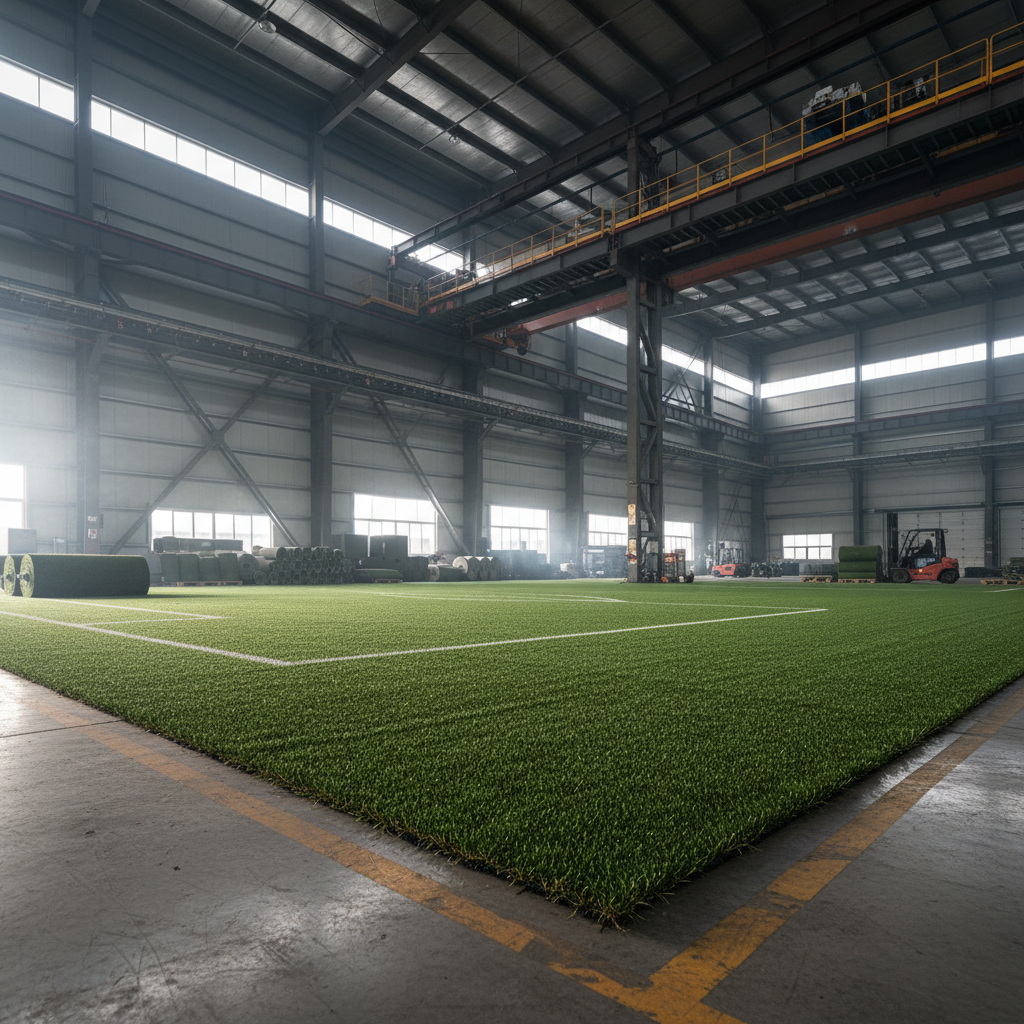
The global demand for high-performance athletic surfaces has led to the widespread adoption of the artificial turf field, a sophisticated engineering solution that replaces natural grass with synthetic fibers. This evolution in sports infrastructure addresses the critical need for consistent playing surfaces that can withstand heavy usage regardless of weather conditions or geographic limitations.
Beyond mere convenience, the integration of advanced polymer science in the manufacturing of an artificial turf field allows for tailored performance characteristics, ranging from shock absorption for safety to specific ball-roll speeds for professional competition. As urban areas expand and available land for natural parks decreases, these synthetic systems provide a sustainable way to maintain active lifestyles and professional sports standards.
Understanding the nuances of synthetic turf—from the pile height and dtex of the fibers to the composition of the infill—is essential for facility managers and developers. By optimizing these variables, an artificial turf field can offer a lifecycle that significantly reduces water consumption and eliminates the need for chemical fertilizers, aligning sports infrastructure with modern environmental goals.
Global Industry Context of Artificial Turf Fields
The global landscape for sports surfacing has undergone a paradigm shift, with the artificial turf field becoming a cornerstone of urban planning and athletic facility development. According to industry trends aligned with ISO standards for sports equipment, there is a growing movement toward "all-weather" accessibility, which allows stadiums to operate 365 days a year without the risk of soil erosion or mud-related cancellations.
Historically, natural grass fields required immense quantities of water and meticulous maintenance, often becoming unusable during peak seasons. The emergence of high-density polyethylene (HDPE) and polypropylene fibers has solved this challenge, providing a durable alternative that supports the rigorous demands of professional football, hockey, and multi-purpose community sports.
Defining the Modern Artificial Turf Field
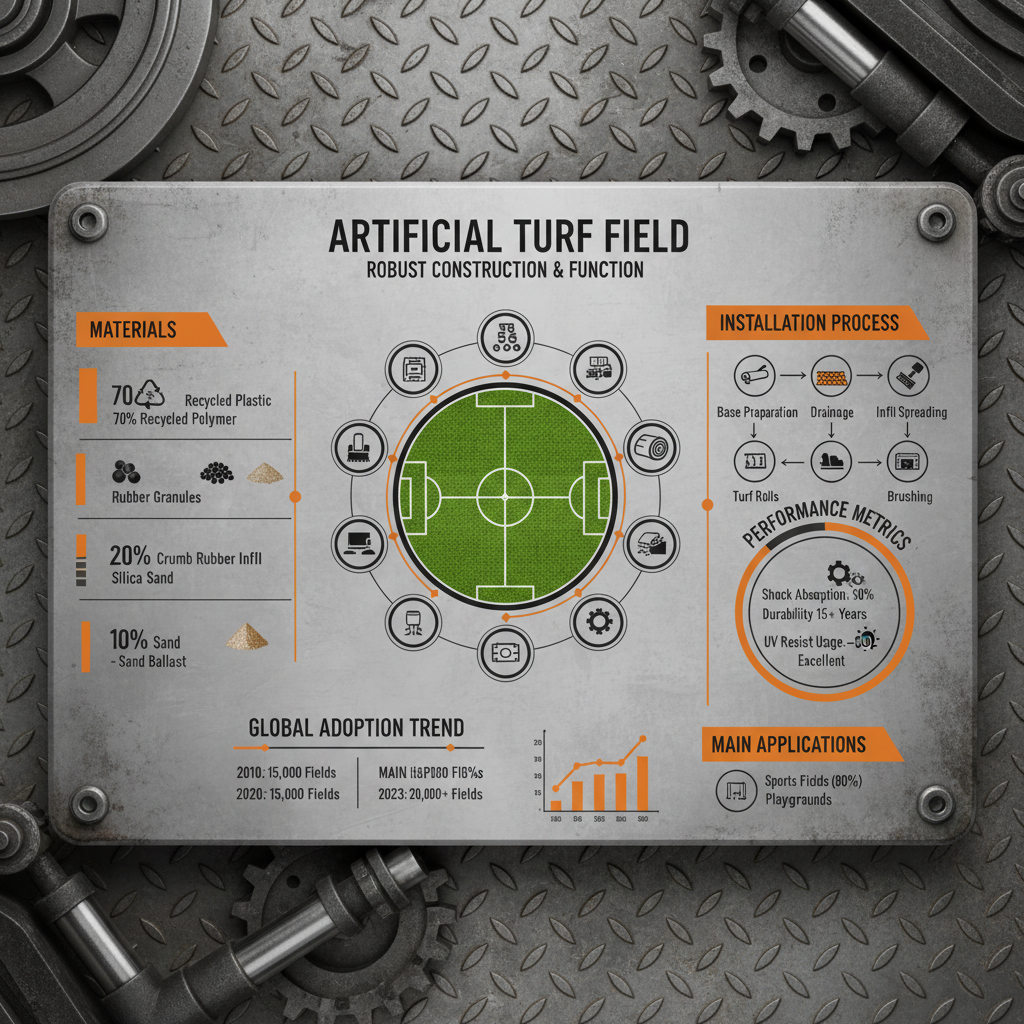
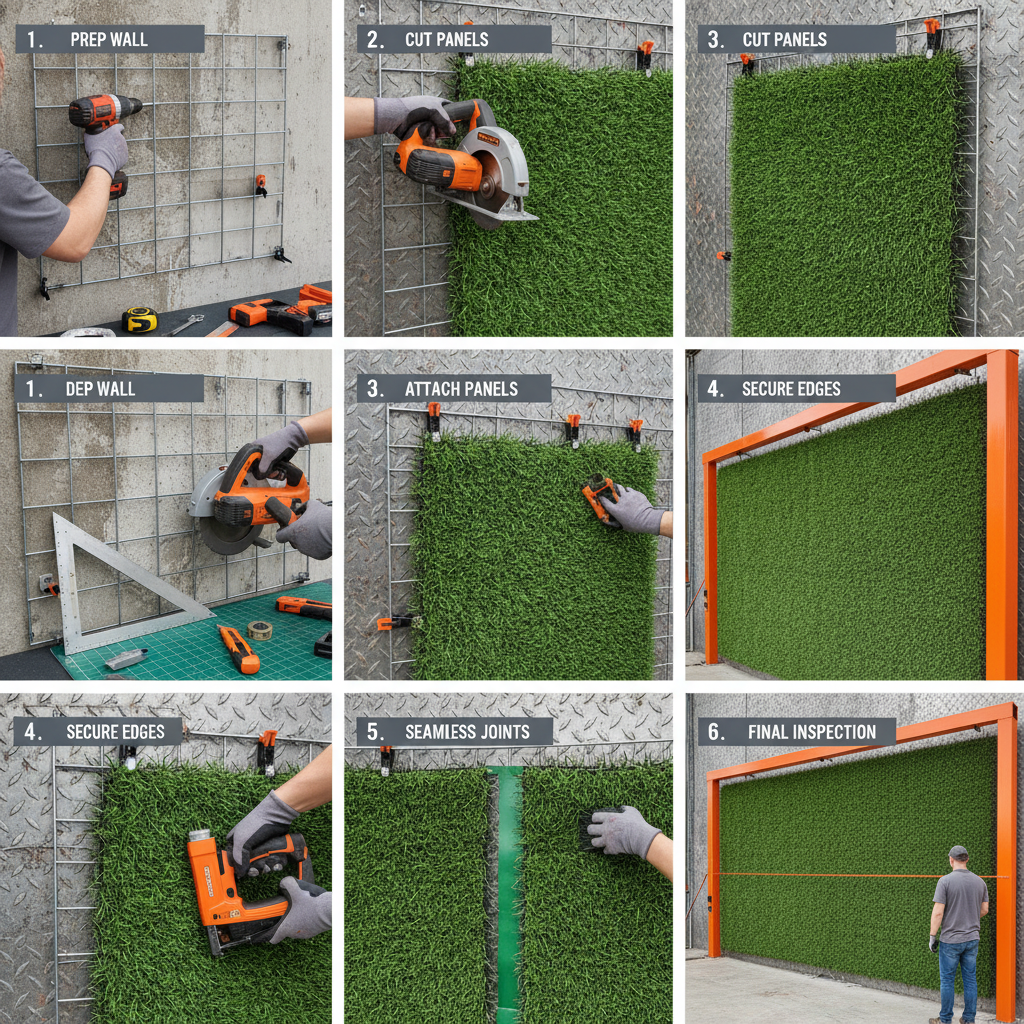
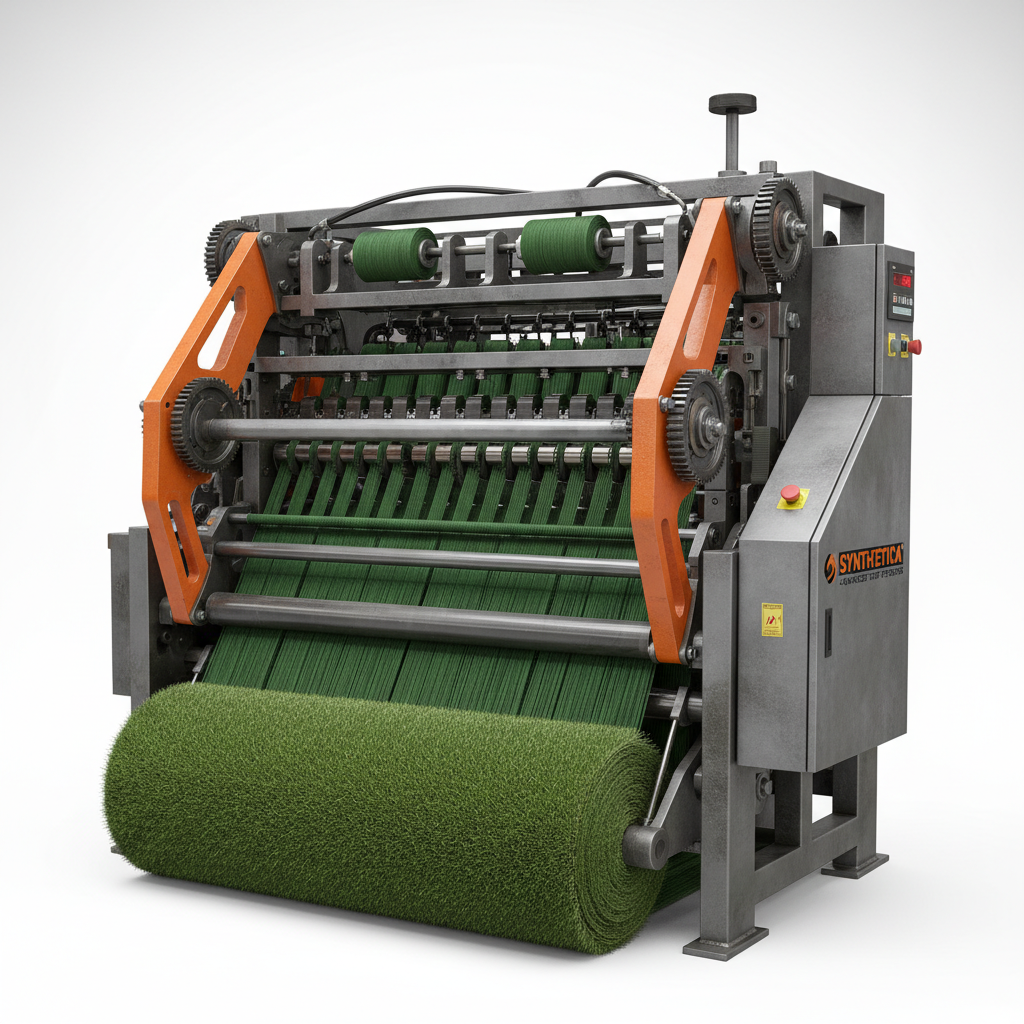
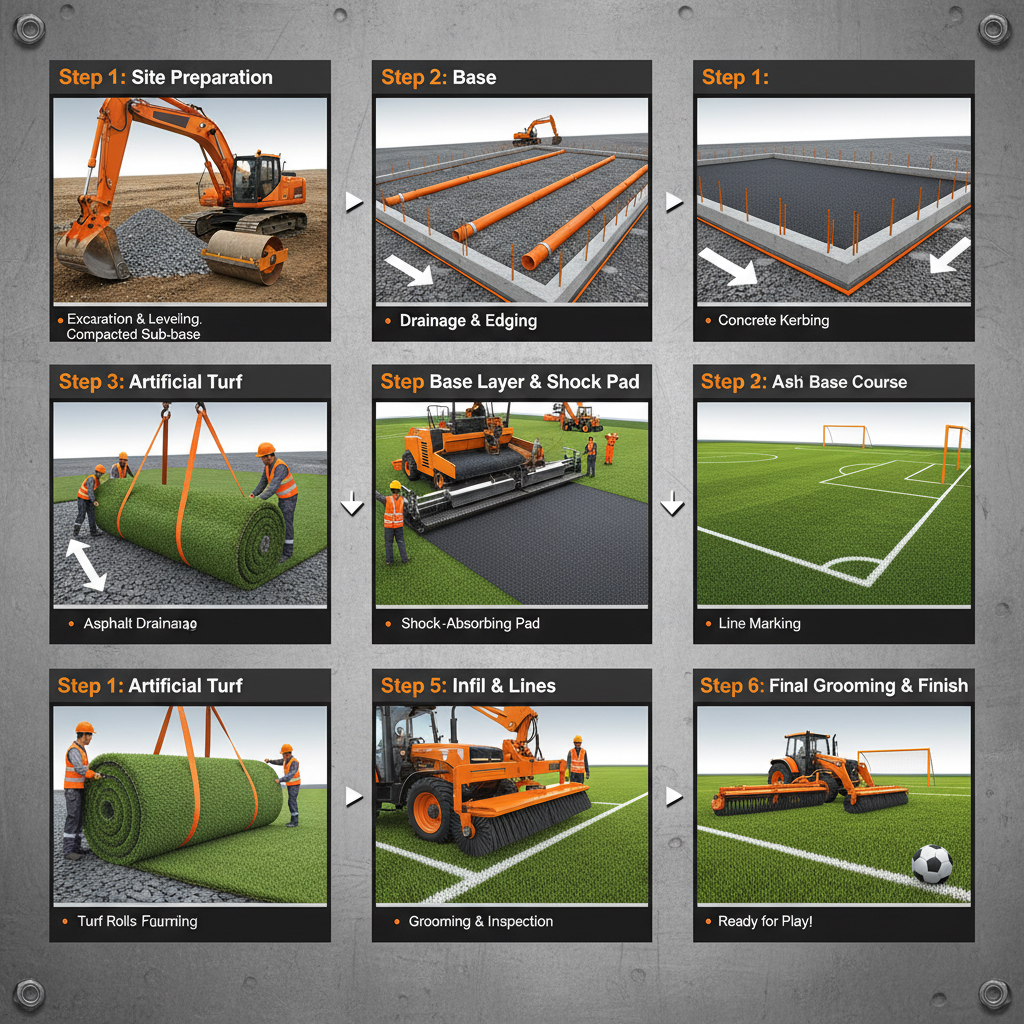
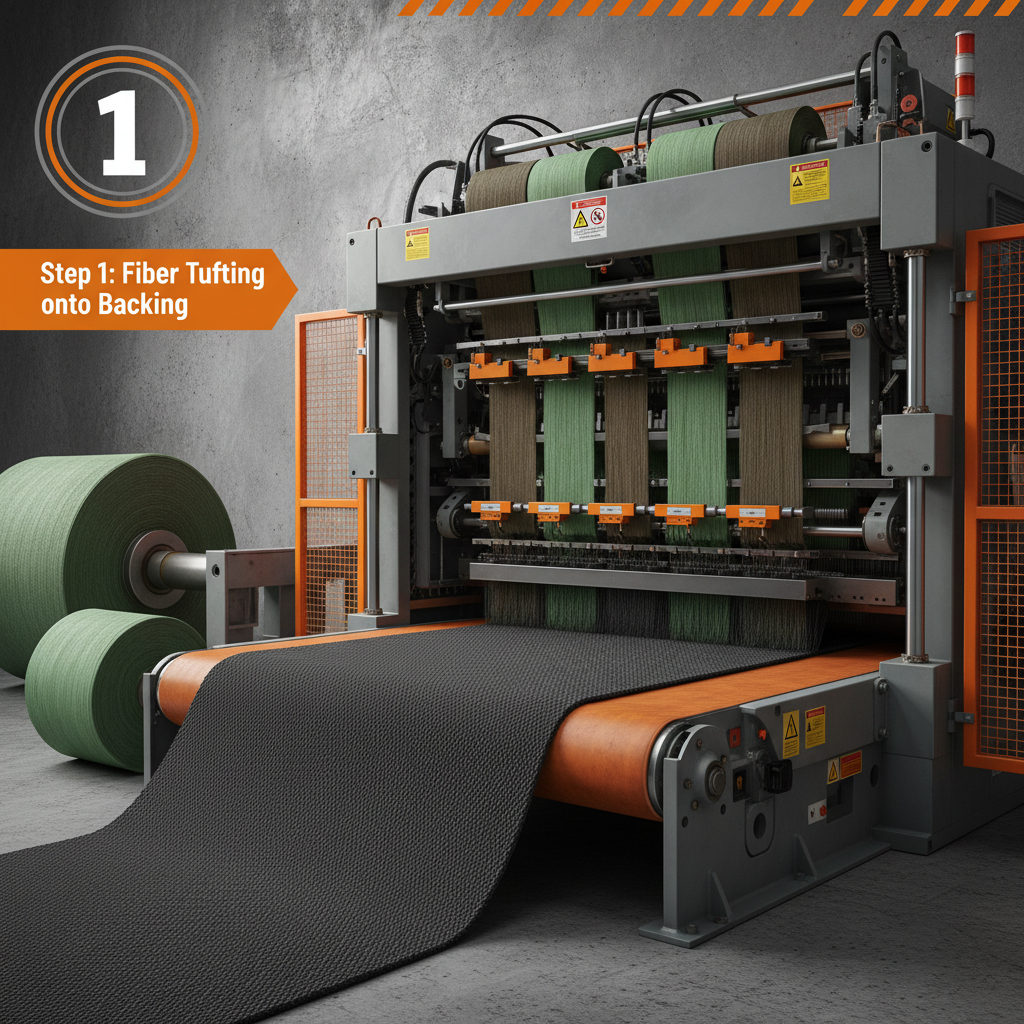
At its core, an artificial turf field is a complex multi-layered system designed to mimic the biological properties of natural grass while enhancing its physical resilience. It consists of synthetic blades—typically extruded from thermoplastic polymers—tufted into a robust backing material, which is then stabilized with a specialized infill to provide cushioning and support.
In the context of modern industry, these fields are no longer just "plastic carpets." They are engineered surfaces that integrate drainage layers and shock pads to prevent athlete injuries and ensure environmental runoff is managed effectively. This intersection of material science and sports physiology ensures that the turf behaves predictably under various kinetic stresses.
From a humanitarian and community perspective, the adoption of synthetic fields allows regions with arid climates or poor soil quality to establish sports hubs. By removing the dependency on fertile land and irrigation, the artificial turf field democratizes access to organized sports, fostering health and social cohesion in diverse global environments.
Core Components of Synthetic Turf Systems
The primary component of any high-quality artificial turf field is the synthetic fiber, often characterized by its "shape" (such as monofilament or slit-film). These fibers are designed to stand upright after being stepped on, maintaining the aesthetic and functional integrity of the playing surface over thousands of hours of use.
Beneath the visible fibers lies the backing and the infill system. The infill—which can consist of SBR rubber granules, organic cork, or TPE—is critical for the artificial turf field as it provides the necessary "give" to absorb impact, preventing joint strain and simulating the feel of soil.
Finally, the base layer focuses on permeability and stability. A well-constructed artificial turf field utilizes a graded aggregate base that allows rainwater to drain rapidly, preventing puddling and ensuring that the field remains playable immediately after a heavy downpour, a feat nearly impossible for natural grass.
Key Performance Factors and Efficiency
When evaluating an artificial turf field, several technical metrics determine its efficiency. Durability is measured by the fiber's resistance to UV degradation and abrasion, while scalability refers to the ability to install these systems across varying sizes, from small backyard training areas to Olympic-sized stadiums.
Cost efficiency is realized through the reduction of operational expenditures (OPEX). While the initial investment for a synthetic field is higher than sowing grass, the elimination of mowing, watering, and fertilizing results in a lower total cost of ownership over a 10-year cycle.
Performance Metrics of Various Artificial Turf Field Types
Global Applications and Use Cases
The versatility of the artificial turf field allows it to be deployed in an array of environments. In North America and Europe, these fields are standard for high school and collegiate sports, where the intensity of use would destroy natural grass within weeks. In Middle Eastern regions, they provide a critical solution for sports in desert climates where irrigation is ecologically unsustainable.
Furthermore, innovative applications have emerged in urban "pocket parks" and rooftop sports courts in cities like Tokyo and New York. In these high-density zones, the lightweight nature of synthetic turf, combined with advanced drainage, enables the creation of athletic spaces where traditional soil-based lawns would be structurally impossible due to weight constraints.
Long-Term Value and Sustainability Benefits
Investing in an artificial turf field offers profound long-term value, primarily through the lens of resource conservation. The most tangible benefit is the drastic reduction in water usage; thousands of gallons of water are saved annually, which is a significant logical driver for municipalities facing water scarcity or rationing.
From a social and emotional angle, synthetic fields offer reliability and dignity. Athletes can train in a clean, professional environment regardless of the season, ensuring that sports programs are not interrupted by weather. This consistency fosters a culture of discipline and innovation, as coaches can implement complex drills without worrying about damaging the pitch.
Additionally, the removal of chemical fertilizers and pesticides from the maintenance cycle reduces the toxic runoff into local groundwater. By choosing high-grade, non-toxic polymers and recyclable infills, the modern artificial turf field aligns with global sustainability targets, providing a safe space for children and professional athletes alike.
Future Innovations in Turf Technology
The future of the artificial turf field is being shaped by the drive toward a circular economy. Researchers are developing bio-based polymers and fully recyclable synthetic fibers that can be melted down and repurposed at the end of their lifecycle, eliminating the landfill waste associated with older generations of turf.
Technological integration is also on the rise, with "smart turf" concepts incorporating sensors into the base layer. These sensors can monitor field temperature, moisture levels, and player impact patterns in real-time, allowing facility managers to optimize maintenance and medical teams to identify high-risk areas for injury prevention through digital transformation.
Moreover, the shift toward organic infills—such as coconut husks, olive pits, and recycled cork—is reducing the heat-island effect often associated with rubber infills. This evolution ensures that the next generation of sports surfaces is not only high-performing but also biologically compatible with the environment.
Comparative Analysis of Artificial Turf Field Technology Generations
| Generation |
Fiber Material |
Infill Type |
Eco-Rating (1-10) |
| Early Gen (1960s) |
Nylon (Flat) |
None |
3 |
| Second Gen (1980s) |
Polypropylene |
SBR Rubber |
5 |
| Third Gen (2000s) |
PE Monofilament |
Rubber/Sand mix |
6 |
| Fourth Gen (Current) |
Advanced HDPE |
TPE/Organic |
8 |
| Next Gen (Experimental) |
Bio-Polymers |
Recycled Cork |
10 |
| Hybrid Systems |
Natural/Synthetic |
Natural Soil |
9 |
FAQS
A high-quality artificial turf field generally has a lifespan of 8 to 12 years. The actual longevity depends heavily on the volume of traffic and the quality of the maintenance, such as regular brushing to keep fibers upright and periodic infill top-offs to maintain shock absorption levels.
Yes, provided it is installed with the correct shock pad and infill. Modern synthetic fields are designed to meet strict G-max testing standards, which measure the impact attenuation of the surface. Using non-toxic, lead-free infills ensures a safe environment for children.
Unlike natural grass, an artificial turf field utilizes a perforated backing and a multi-layered aggregate base. Water filters through the synthetic blades and the infill, passing through the backing into a crushed stone base, which then channels the water away to the site's drainage system.
Synthetic surfaces can absorb more heat than natural grass. However, this is managed through "cool-turf" technologies, including heat-reflective fibers and organic infills (like cork) that do not retain heat as intensely as traditional SBR rubber.
Maintenance is significantly lower. There is no mowing, weeding, or irrigation. Requirements are limited to grooming the fibers with a power brush and removing surface debris. This results in a massive reduction in labor and chemical costs.
While made of polymers, it is often more sustainable in terms of water conservation and the elimination of pesticides. The industry is moving toward recyclable materials and bio-polymers to ensure the full lifecycle of the field is eco-friendly.
Conclusion
The transition toward the artificial turf field represents a sophisticated intersection of sports science and industrial manufacturing. By providing a durable, all-weather, and low-maintenance surface, synthetic turf enables the expansion of athletic opportunities globally while drastically reducing the environmental strain caused by traditional turf management.
As we look toward the future, the integration of bio-polymers and smart-sensing technology will further enhance the sustainability and safety of these fields. For developers and facility managers, investing in high-grade synthetic turf is no longer just about aesthetics; it is a strategic decision to ensure long-term operational efficiency and community health. Visit our website: www.hoyarngrass.com