Artificial grass for patio area is rapidly becoming a popular choice for homeowners seeking a low-maintenance, aesthetically pleasing outdoor space. Its ability to mimic the look and feel of natural grass without the demanding upkeep has fueled its global adoption. Beyond aesthetics, artificial turf offers solutions to water conservation issues, particularly in arid climates, and provides a safe, consistent surface for families and pets. This guide delves into the various aspects of artificial grass for patio area, exploring its benefits, applications, and future potential.
The demand for artificial grass for patio area is driven by evolving lifestyle trends and increasing environmental consciousness. Traditional lawns require significant resources – water, fertilizers, pesticides – and time for maintenance. Artificial turf presents a sustainable alternative, reducing water consumption and eliminating the need for harmful chemicals. Globally, the market is experiencing robust growth, estimated at [insert market data/statistics here – e.g., USD XX Billion by 202X, growing at a CAGR of X.X%], driven by increasing urbanization and a desire for green spaces in densely populated areas.
The growing need for drought-resistant landscaping solutions, alongside busy lifestyles where lawn care is often a low priority, further propel the acceptance of artificial grass for patio area. It’s a solution that delivers consistent visual appeal year-round, regardless of weather conditions, and offers a customizable and durable surface for patios, balconies, and other outdoor living areas.
Introduction to artificial grass for patio area
Artificial grass for patio area refers to synthetic turf specifically designed for use on patios, balconies, and other small outdoor living spaces. Unlike traditional lawn turf, it requires no mowing, watering, or fertilization, making it an exceptionally convenient option for homeowners. The advancements in manufacturing have resulted in products that closely resemble natural grass in both appearance and texture.
The development and increasing accessibility of artificial grass for patio area address a growing need for sustainable and low-maintenance landscaping solutions. It’s a response to water scarcity, the desire for aesthetically pleasing outdoor spaces with minimal effort, and a shift towards eco-conscious living practices. Its adaptability makes it a viable option for diverse climates and space constraints.
Defining Artificial Grass for Patio Use
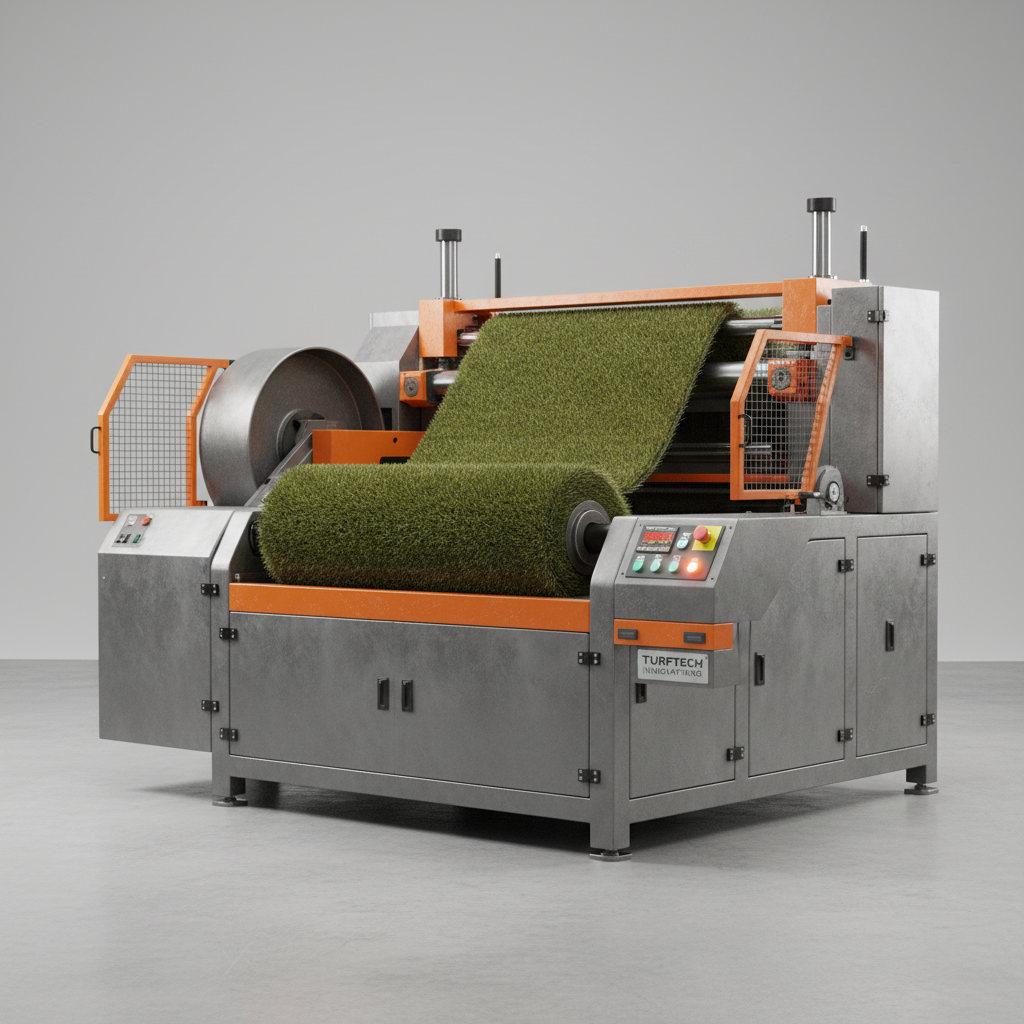
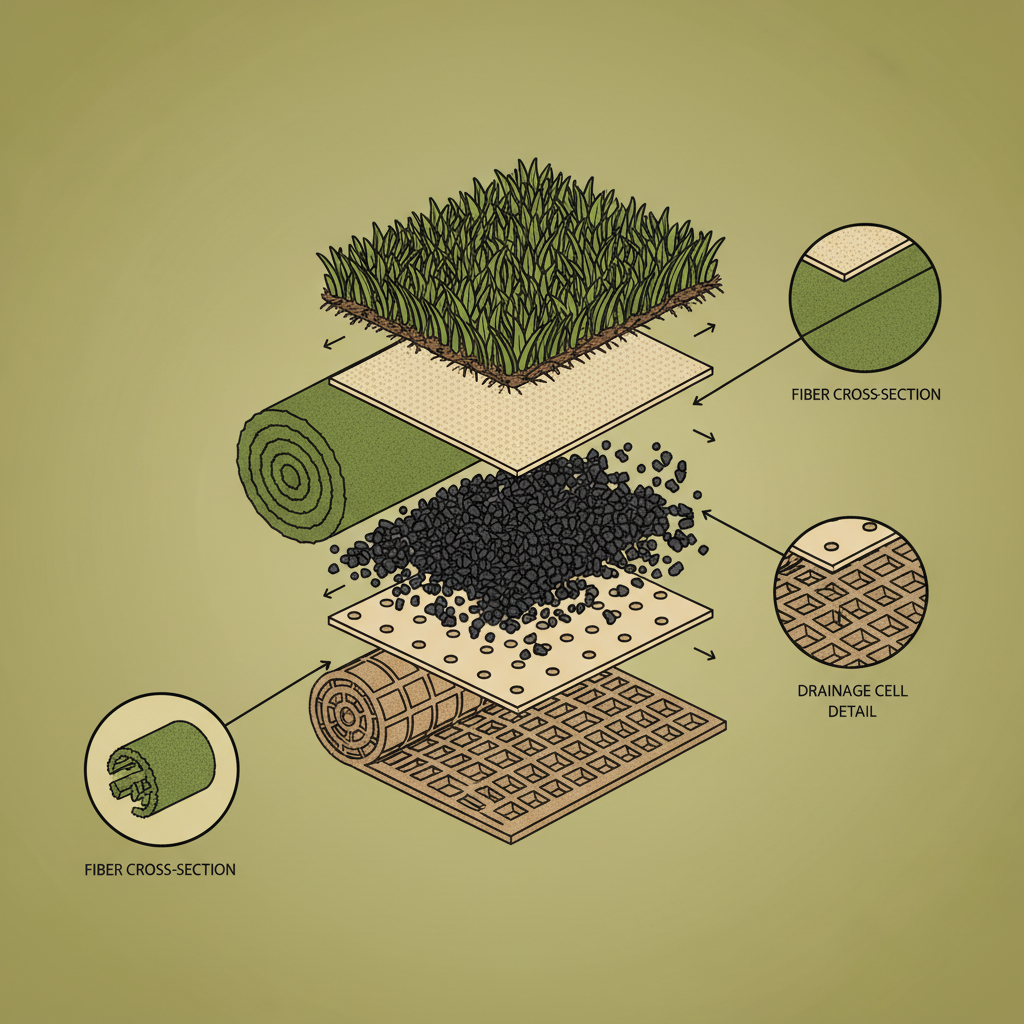
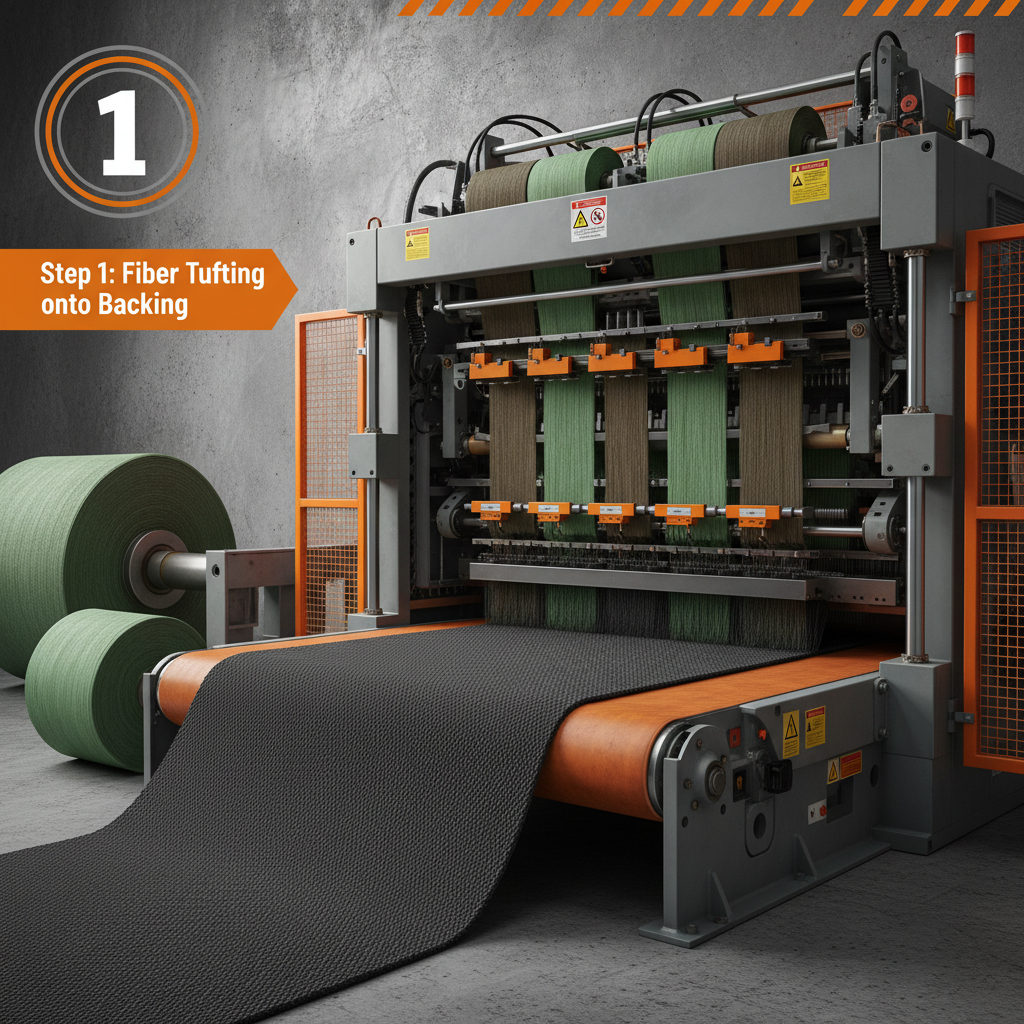
Artificial grass for patio area is a synthetic surface manufactured from polymers – typically polyethylene, polypropylene, and polyamide – designed to replicate the look and feel of natural turf. It’s constructed with a backing material, often made of polypropylene or polyester, providing stability and drainage. The ‘blades’ of grass are tufted into this backing, creating a dense and resilient surface.
This differs from traditional landscaping in its fundamental reliance on synthetic materials. It’s a product of material science and engineering focused on creating a durable, aesthetically pleasing alternative to living vegetation. It directly responds to the need for sustainable landscaping in urban environments and regions experiencing water shortages.
Its connection to modern industry lies in its advanced manufacturing processes and its contribution to the green building movement. It provides a solution for creating aesthetically pleasing outdoor spaces without the environmental impact of traditional lawn care.
Core Attributes of Patio Artificial Turf
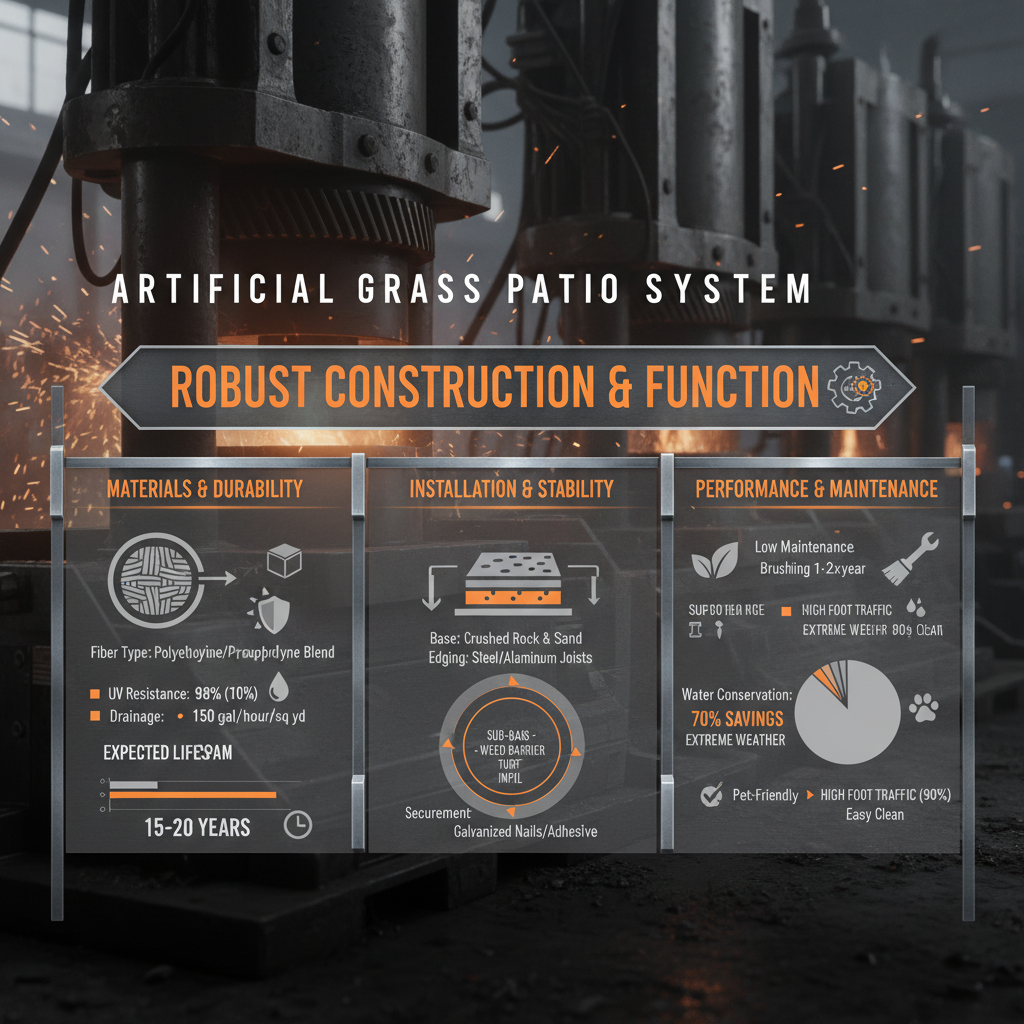
Durability is a key characteristic of quality artificial grass for patio area. Modern synthetic turf is engineered to withstand heavy foot traffic, resist wear and tear, and maintain its appearance over many years. UV resistance is also critical, preventing fading and degradation from prolonged sun exposure.
Drainage is paramount, especially for patio applications. Effective drainage prevents waterlogging and ensures a safe, comfortable surface. High-quality artificial grass features a perforated backing system that allows water to flow through, minimizing puddling and preventing mold growth.
Realistic appearance and feel are also crucial. Advances in fiber technology have resulted in turf that closely mimics the look and texture of natural grass. Variations in blade color and density contribute to a more natural aesthetic, and the softness of the fibers enhances comfort underfoot.
Diverse Applications of artificial grass for patio area
Artificial grass for patio area is exceptionally versatile. It’s ideal for creating inviting and functional outdoor living spaces on patios, balconies, and rooftops. It's perfect for small gardens where maintaining a natural lawn is impractical.
Beyond residential applications, artificial grass finds use in commercial settings like rooftop terraces, hotel patios, and event spaces. Its low-maintenance nature and consistent appearance make it a practical choice for high-traffic areas where aesthetics are important.
Methods Comparison for artificial grass for patio area Installation
Advantages & Long-Term Value Proposition
The most immediate advantage of artificial grass for patio area is reduced maintenance. Eliminating the need for mowing, watering, and fertilizing saves both time and money. It also significantly reduces water consumption, contributing to environmental sustainability.
From a long-term cost perspective, while the initial investment may be higher than traditional turf, the ongoing savings in maintenance outweigh this cost over time. Artificial turf is also a durable investment, capable of lasting 10-15 years with proper care.
Emerging Trends in Patio Artificial Turf
Recycled materials are increasingly being incorporated into artificial grass manufacturing, promoting sustainability and reducing environmental impact. This is a significant trend driven by consumer demand for eco-friendly products.
Smart turf systems, integrating sensors and automated watering systems (for cooling purposes in hot climates), are also gaining traction. These systems optimize performance and further reduce resource consumption.
Challenges & Sustainable Solutions
One challenge associated with artificial grass for patio area is heat retention. Surfaces can become warm in direct sunlight, particularly in warmer climates. Solutions include selecting turf with cooling technology and incorporating shading elements.
Proper disposal at the end of its lifespan is another concern. Recycling infrastructure for artificial turf is still developing, but advancements are being made in depolymerization technologies to recover valuable materials.
Ensuring responsible sourcing of materials and promoting closed-loop recycling systems are crucial steps towards creating a more sustainable lifecycle for artificial grass products.
Summary of Key Considerations for Artificial Grass Patio Installation
| Installation Complexity |
Maintenance Level |
Cost Effectiveness |
Environmental Impact |
| Moderate – requires a prepared base and secure fixing. |
Very Low – occasional brushing and debris removal. |
High – long-term savings on water, fertilizer, and maintenance. |
Potentially Moderate – depends on material sourcing and end-of-life recycling. |
| Low - for simple roll-out options, higher for complex designs. |
Minimal - typically only requires rinsing with water. |
Medium - upfront cost is higher than natural seed, but recurring costs are low. |
Low - reduces water consumption and eliminates the need for pesticides and herbicides. |
| Variable - depends on the size and complexity of the patio area. |
Negligible - practically maintenance-free. |
High - offers a cost-effective solution for creating attractive outdoor spaces. |
Moderate - dependent on the recyclability of the chosen product. |
| Moderate to High – Requires professional installation for optimal results. |
Extremely Low – Primarily aesthetic upkeep (removing leaves). |
High – significant savings in water bills and maintenance costs over time. |
Low – reduces the carbon footprint associated with lawn care practices. |
| Low-Medium - often simple 'click-together' systems are available. |
Very Low – regular brushing to maintain pile direction is usually sufficient. |
Moderate - initial investment is higher but long-term costs are reduced. |
Moderate – potential for microplastic shedding, mitigated by quality turf. |
| High – complex installations often require landscaping professionals. |
Minimal – occasional cleaning and inspections are typically all that’s needed. |
High – represents a durable and long-lasting investment for outdoor spaces. |
Moderate – focus on selecting recycled materials and proper end-of-life disposal. |
FAQS
With proper installation and maintenance, high-quality artificial grass for patio area can last anywhere from 8 to 15 years. The lifespan depends on factors like foot traffic, UV exposure, and the quality of the materials used. Regular brushing and occasional cleaning will extend its life considerably. Choosing a turf with a robust backing and high-quality fibers is key to maximizing longevity.
Yes, artificial grass for patio area is generally pet-friendly. It doesn’t stain or smell like natural grass when exposed to pet waste, and it’s easier to clean. Look for turf specifically designed for pets, which includes enhanced drainage and antimicrobial infill to prevent odors. Regular rinsing and removal of solid waste are still recommended to maintain a hygienic surface.
The cost of installing artificial grass for patio area varies depending on the size of the area, the type of turf chosen, and the complexity of the installation. Generally, costs range from $5 to $15 per square foot, including materials and labor. Factors like site preparation (leveling the surface) and the need for a drainage system can also impact the overall cost.
Artificial grass for patio area requires minimal maintenance. Regular brushing with a stiff broom helps keep the fibers upright and prevents matting. Occasional rinsing with water removes debris and dust. Avoid using harsh chemicals or metal tools for cleaning. Periodic infill replenishment may be needed to maintain the turf’s cushioning and support.
Yes, artificial grass can get warmer than natural grass in direct sunlight. However, newer turf technologies incorporate cooling features, such as reflective pigments and evaporative cooling infills, to mitigate this issue. Providing shade or using a water mister can also help keep the surface cooler. Choosing a lighter-colored turf will also reflect more sunlight.
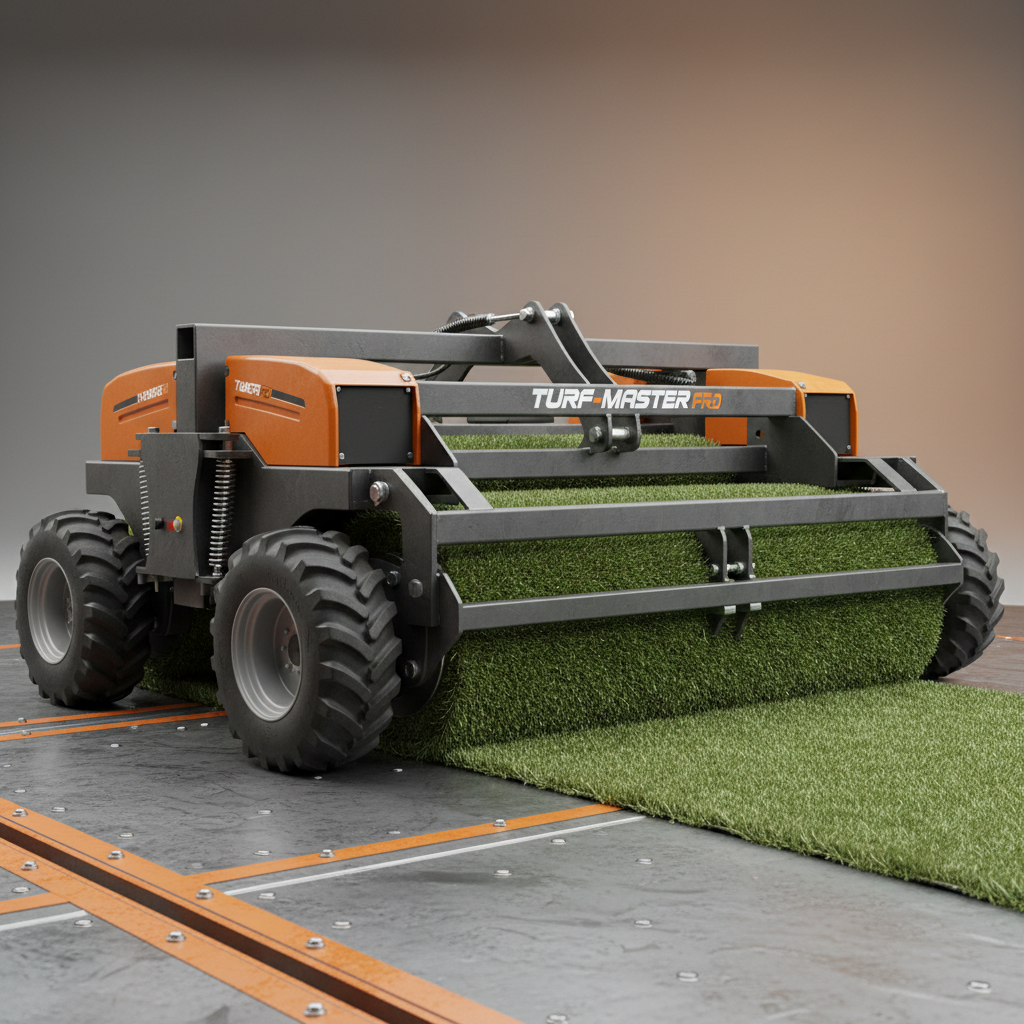
Installation typically involves preparing the existing surface by leveling and compacting it, laying a weed barrier fabric, and installing the artificial grass, securing it with landscape staples or adhesive. A layer of infill (usually silica sand or crumb rubber) is then added to support the fibers and provide cushioning. Proper drainage is crucial, and a drainage system may be installed if needed.
Conclusion
Artificial grass for patio area presents a compelling solution for creating beautiful, low-maintenance outdoor living spaces. Its durability, aesthetic appeal, and environmental benefits are driving its increasing popularity. From reducing water consumption to eliminating the need for harmful chemicals, it offers a sustainable alternative to traditional lawns. Understanding its core attributes, diverse applications, and emerging trends is essential for making informed decisions.
Looking ahead, innovations in materials and installation techniques will continue to enhance the performance and sustainability of artificial grass for patio area. By prioritizing responsible sourcing, promoting recycling initiatives, and embracing smart turf technologies, we can unlock its full potential and create greener, more enjoyable outdoor environments. Visit our website at https://www.hoyarngrass.com to explore our range of artificial grass options for your patio area.