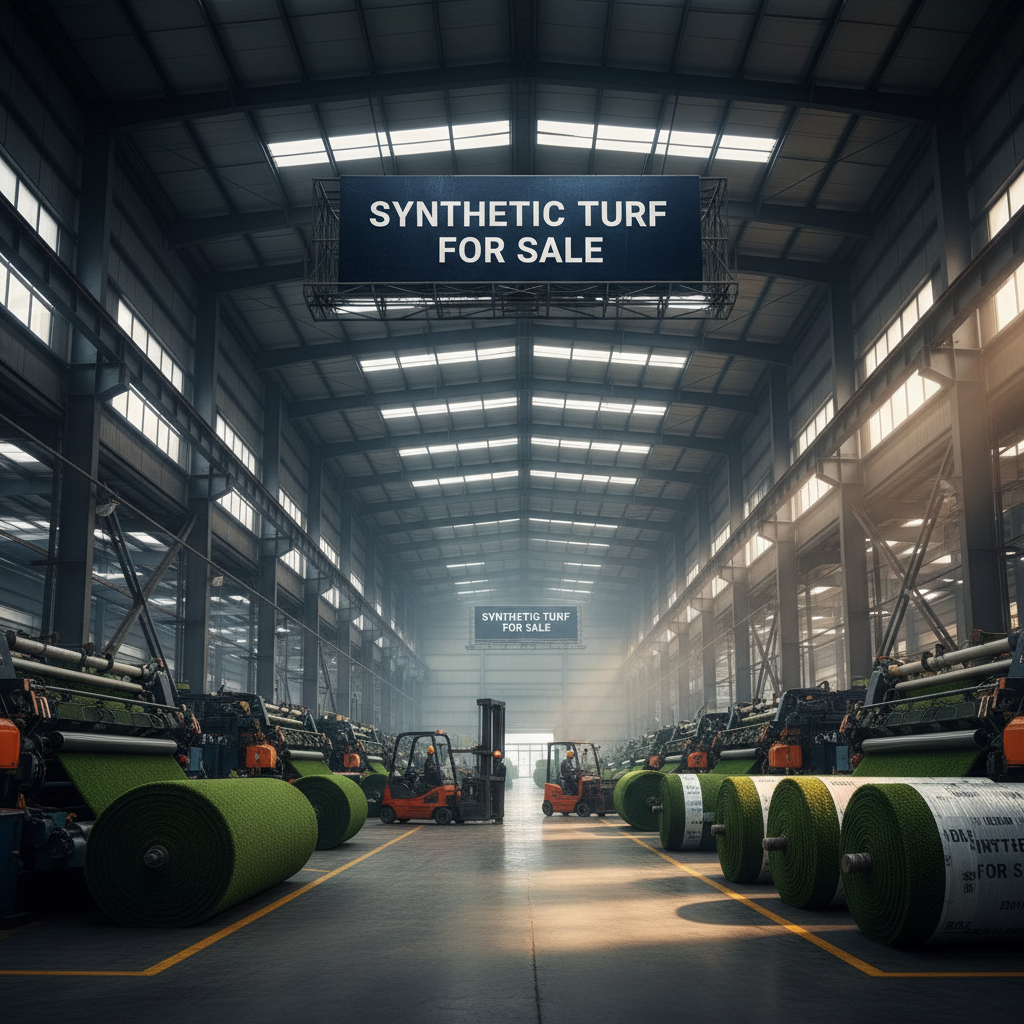
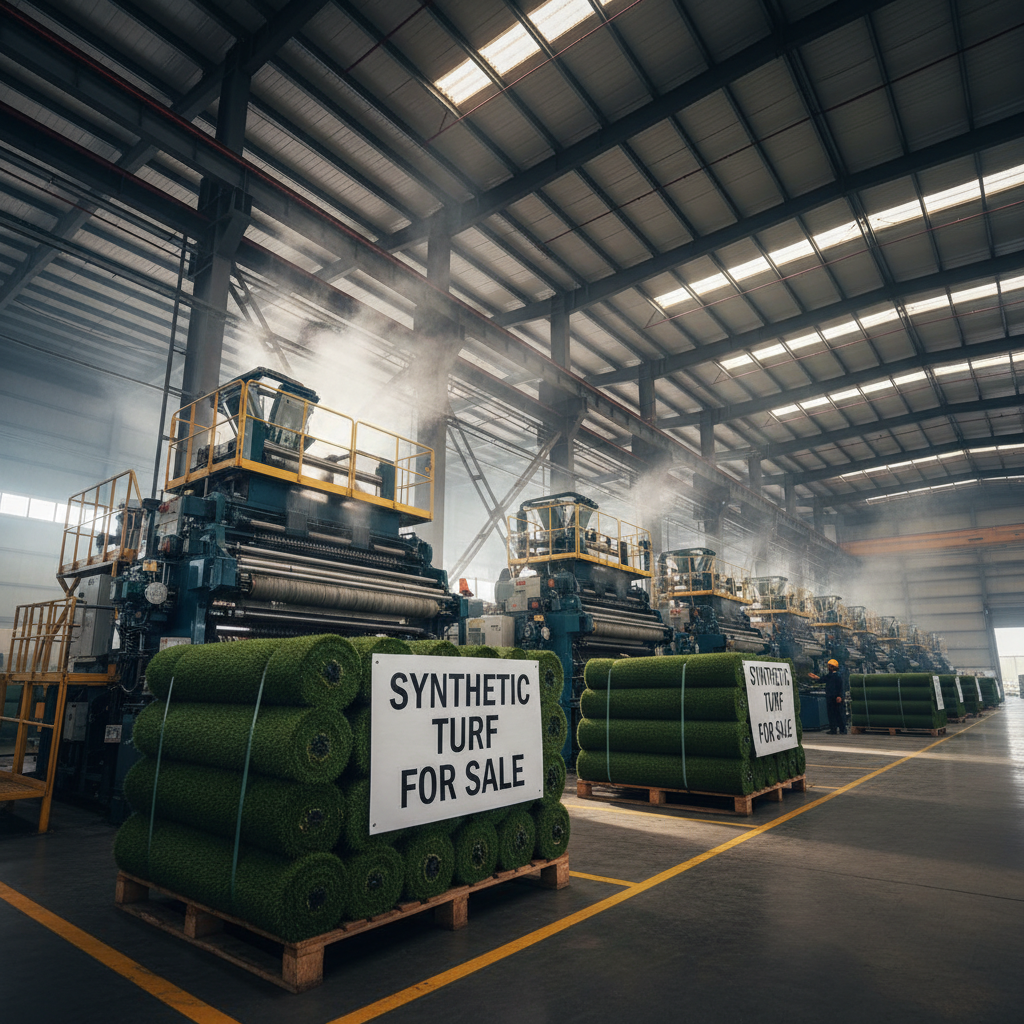
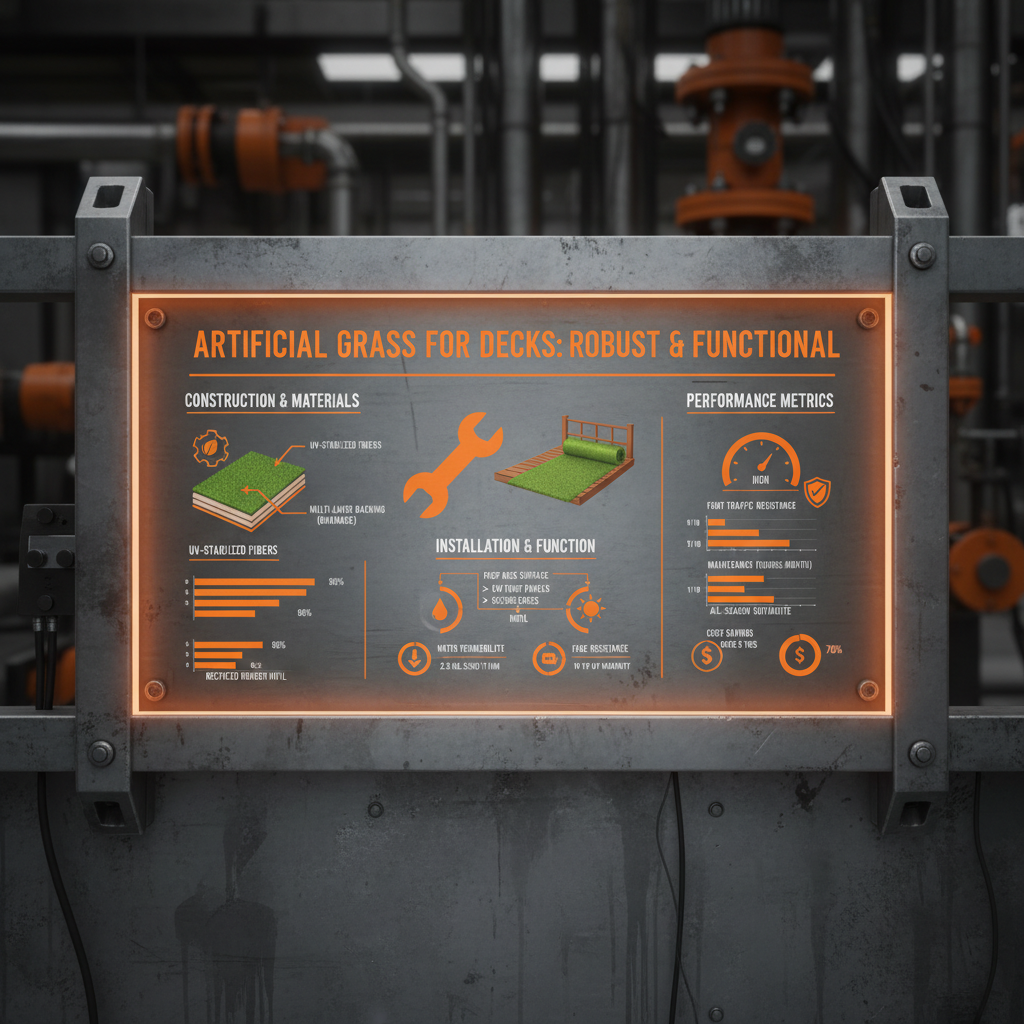
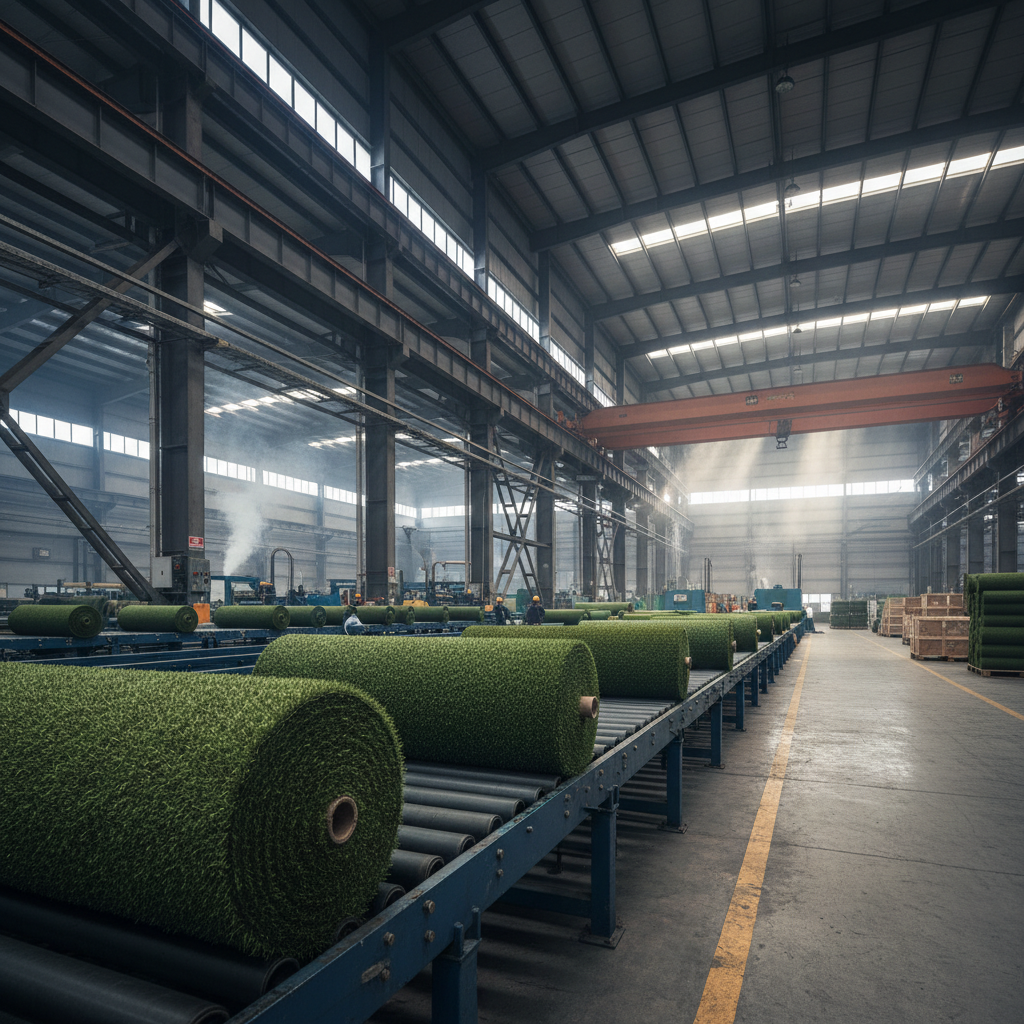
Synthetic turf for sale is rapidly transforming landscapes and recreational spaces globally. Driven by advancements in polymer technology and increasing demand for low-maintenance, durable surfaces, the market is experiencing significant growth. This artificial grass offers a compelling alternative to natural turf, particularly in regions facing water scarcity or challenging climate conditions, and is becoming increasingly popular for residential lawns, athletic fields, and commercial applications.
The appeal of synthetic turf for sale extends beyond aesthetics and convenience. It addresses growing concerns surrounding sustainability by reducing water consumption, eliminating the need for harmful pesticides and fertilizers, and offering a consistent playing surface regardless of weather. Furthermore, the innovation in materials and manufacturing processes is continually enhancing the realism and performance characteristics of these products, making them increasingly indistinguishable from natural grass.
Understanding the nuances of synthetic turf for sale – from its diverse applications to its long-term benefits – is crucial for informed decision-making. Whether you’re a homeowner seeking a beautiful, hassle-free lawn, a sports facility manager aiming to enhance player safety, or an urban planner looking for sustainable landscaping solutions, exploring the world of artificial turf can unlock a range of possibilities.
The Rise of Synthetic Turf for Sale
The global synthetic turf for sale market is experiencing robust expansion, fueled by increasing urbanization, a growing emphasis on sustainable landscaping practices, and advancements in manufacturing technologies. According to recent reports, the market is projected to reach significant value in the coming years, reflecting a substantial increase in demand across various sectors. This growth isn’t just about replacing natural grass; it's about creating tailored surfaces for specific needs, from high-performance athletic fields to aesthetically pleasing residential landscapes.
This surge in popularity stems from several key factors, including reduced maintenance costs, water conservation efforts (especially in drought-prone regions), and the ability to provide a consistent and safe playing surface regardless of weather conditions. The availability of synthetic turf for sale has democratized access to high-quality, durable surfaces for both commercial and residential customers.
Defining Synthetic Turf for Sale
Synthetic turf for sale, also known as artificial grass, is a manufactured surface designed to mimic the appearance and functionality of natural grass. It's typically constructed from synthetic fibers – often polypropylene, polyethylene, or nylon – woven or tufted onto a backing material. The fibers are then coated with a layer of infill, typically a blend of rubber crumbs and sand, to provide cushioning, support, and stability. Modern synthetic turf goes beyond simply looking like grass; it’s engineered for specific performance characteristics.
The connection to modern industry and societal needs lies in its problem-solving capabilities. It addresses the challenges associated with natural turf maintenance, water consumption, and the environmental impact of traditional landscaping. Furthermore, synthetic turf provides a consistent and safe surface for athletic activities, reducing the risk of injuries and improving overall performance. synthetic turf for sale is rapidly becoming an essential component of sustainable infrastructure.
Essentially, it’s a versatile and innovative solution addressing a wide range of needs, making it a cornerstone of modern landscaping and sports surface technology.
Key Characteristics of Quality Synthetic Turf for Sale
When evaluating synthetic turf for sale, several key characteristics determine its quality, durability, and overall performance. Fiber density – measured in terms of stitches per square inch – is a critical factor, as it directly impacts the turf’s resilience and appearance. Higher density generally translates to a more natural look and feel, as well as increased durability. The type of fiber used (polyethylene, polypropylene, or nylon) also significantly influences performance.
Another crucial aspect is the pile height, which refers to the length of the fibers. Shorter pile heights are typically preferred for high-traffic areas and athletic fields, offering better stability and resistance to matting. Longer pile heights create a more luxurious and realistic look, ideal for residential lawns. The backing material, usually made of polypropylene or polyethylene, provides structural integrity and drainage capabilities. Finally, the quality of the infill – the mixture of rubber crumbs and sand – is vital for cushioning, support, and temperature regulation.
Ultimately, choosing the right synthetic turf for sale requires careful consideration of these characteristics and matching them to the intended application. A reputable supplier will provide detailed specifications and guidance to ensure you select a product that meets your specific needs and performance expectations.
Durability and Performance Metrics for Synthetic Turf for Sale
Assessing the durability of synthetic turf for sale involves understanding several key performance metrics. Wear resistance, measured through tests like the Lisport test, evaluates the turf's ability to withstand repeated foot traffic and abrasion. UV resistance is critical to prevent fading and degradation caused by prolonged sun exposure. Drainage capacity determines how quickly water can permeate the surface, preventing pooling and maintaining a safe playing environment.
These metrics are directly applicable to practical applications. For example, high wear resistance is essential for athletic fields used for frequent practices and competitions. Excellent UV resistance is vital for lawns exposed to intense sunlight. Adequate drainage is crucial for preventing waterlogging and ensuring consistent playability on sports surfaces.
Performance Ratings of Different Synthetic Turf for Sale Types
Global Applications of Synthetic Turf for Sale
The versatility of synthetic turf for sale has led to its widespread adoption across a diverse range of applications globally. In sports, it's become the standard surface for football, soccer, rugby, and field hockey, offering a consistent and high-performance playing field. Residential landscapes benefit from its low maintenance and aesthetic appeal, providing lush, green lawns without the need for watering or mowing. Commercial properties utilize it for rooftop gardens, playground surfaces, and pet-friendly areas.
Regions facing water scarcity, such as the Middle East and parts of Africa, have embraced synthetic turf as a sustainable landscaping solution. Urban areas, with limited green space, increasingly rely on it to create parks and recreational areas. Even in colder climates, synthetic turf remains green and usable year-round, offering a practical alternative to natural grass.
The Long-Term Advantages of Choosing Synthetic Turf for Sale
The benefits of investing in synthetic turf for sale extend far beyond initial aesthetics. Significant cost savings are realized through reduced water bills, elimination of fertilizer and pesticide expenses, and minimized maintenance requirements. From a sustainability perspective, it conserves water resources, reduces carbon emissions associated with lawn care equipment, and eliminates the need for harmful chemicals. The durability of synthetic turf ensures a long lifespan, often exceeding 15-20 years with proper care.
Beyond the tangible advantages, synthetic turf offers peace of mind and enhances quality of life. It provides a safe and consistent surface for children and pets to play on, freeing up time and energy for more enjoyable activities. The long-term value is undeniable, making it a smart investment for both residential and commercial properties.
Future Innovations and Trends in Synthetic Turf for Sale
The future of synthetic turf for sale is marked by continuous innovation and a growing focus on sustainability. Researchers are exploring new materials, such as bio-based polymers, to reduce the environmental impact of production. Advancements in fiber technology are creating more realistic and durable turf surfaces with enhanced performance characteristics. Smart turf systems, incorporating sensors and data analytics, are emerging to optimize irrigation, monitor wear and tear, and provide real-time performance feedback.
Integration with green infrastructure and stormwater management systems is another key trend. Permeable synthetic turf allows water to drain through the surface, reducing runoff and recharging groundwater supplies. The use of recycled materials in turf production is also gaining traction, promoting a circular economy.
Summary of Synthetic Turf for Sale Innovation
| Innovation Area |
Current Status |
Potential Impact |
Timeline for Widespread Adoption |
| Bio-Based Polymers |
Early stages of research and development. |
Significant reduction in environmental impact. |
5-10 years. |
| Advanced Fiber Technology |
Ongoing improvements in durability and realism. |
Enhanced performance and longer lifespan. |
2-5 years. |
| Smart Turf Systems |
Pilot projects and limited commercial availability. |
Optimized maintenance and improved performance monitoring. |
3-7 years. |
| Permeable Turf Designs |
Increasingly popular in urban landscaping projects. |
Improved stormwater management and reduced runoff. |
1-3 years. |
| Recycled Materials Integration |
Growing use of recycled rubber and plastics in turf production. |
Promotes a circular economy and reduces waste. |
Ongoing, with increasing adoption. |
| Self-Cleaning Turf Technologies |
Conceptual stage with preliminary research |
Reduced maintenance costs and improved hygiene. |
7-10 years. |
FAQS
The lifespan of synthetic turf for sale typically ranges from 8 to 15 years, and in some cases can extend beyond 20 years with proper maintenance. Factors influencing longevity include the quality of the materials, the level of foot traffic, and the climate conditions. Regular brushing, debris removal, and occasional infill replenishment are essential for maximizing the lifespan of your investment.
Compared to natural grass, synthetic turf for sale requires significantly less maintenance. Routine tasks include brushing the fibers to maintain their upright position, removing debris like leaves and branches, and replenishing the infill as needed. Periodic deep cleaning can also help remove embedded dirt and maintain the turf's appearance. There’s no need for mowing, watering, fertilizing, or pesticide application.
Synthetic turf for sale can be environmentally friendly in several ways. It eliminates the need for water, fertilizers, and pesticides, reducing water consumption and chemical runoff. While the production of synthetic turf does have an environmental footprint, the long-term benefits of water conservation and reduced maintenance can outweigh these impacts. Furthermore, advancements in recycled materials are making synthetic turf more sustainable.
The cost of installing synthetic turf for sale varies depending on factors such as the quality of the turf, the size of the area, and the complexity of the installation. Typically, the cost ranges from $5 to $15 per square foot, including materials and labor. While the initial investment is higher than natural grass, the long-term savings in maintenance costs can make it a cost-effective solution.
Yes, synthetic turf for sale can get hotter than natural grass in direct sunlight. However, there are several ways to mitigate this. Choosing a turf with a lighter color, using a cooling infill material, and watering the turf periodically can help reduce surface temperatures. Modern turf technologies also incorporate features designed to minimize heat retention.
Yes, synthetic turf for sale is a popular choice for pet owners. It’s durable, easy to clean, and doesn’t get muddy like natural grass. Pet waste can be easily removed, and the turf can be disinfected to prevent odors. However, it’s important to choose a turf specifically designed for pet use, as these options typically have improved drainage and antimicrobial properties.
Conclusion
Synthetic turf for sale represents a significant advancement in landscaping and sports surface technology, offering a compelling alternative to natural grass with numerous benefits. From reduced maintenance and water conservation to enhanced durability and performance, it addresses critical challenges facing homeowners, athletes, and municipalities alike. The ongoing innovations in materials and installation techniques are further expanding the possibilities of this versatile surface.
Looking ahead, the future of synthetic turf for sale is bright. As sustainability concerns grow and the demand for low-maintenance solutions increases, this technology is poised to play an even greater role in shaping our landscapes and recreational spaces. To learn more about our wide selection of high-quality synthetic turf products and find the perfect solution for your needs, visit our website: synthetic turf for sale.