Welcome to Hoyarn
Call Us Any Time:+86 19801805999
Email Us: info@hoyarn.cn
Fake Grass and Dogs Creating a Pet Friendly and Durable Yard
Apr . 07, 2026 02:15 Back to list
Fake Grass and Dogs Creating a Pet Friendly and Durable Yard
Fake Grass and Dogs: A Perfect Pairing for a Pet-Friendly Yard
Creating a comfortable and safe outdoor space for your furry friend is a top priority for many pet owners. Artificial turf (fake grass) has emerged as a popular solution, offering a clean, durable, and low-maintenance alternative to natural grass. This article explores the many benefits of using fake grass for dogs, addressing common concerns and providing insights to help you make the best choice for your pet and your yard. We’ll look at everything from drainage to cleaning and which types of fake grass are best suited for active pups.
The Benefits of Fake Grass for Your Canine Companion
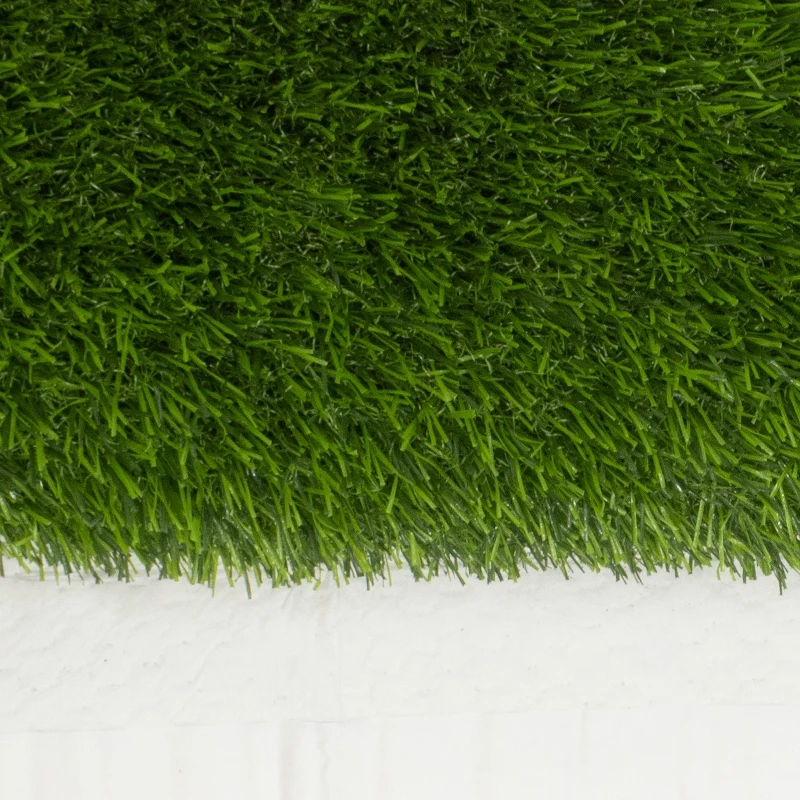
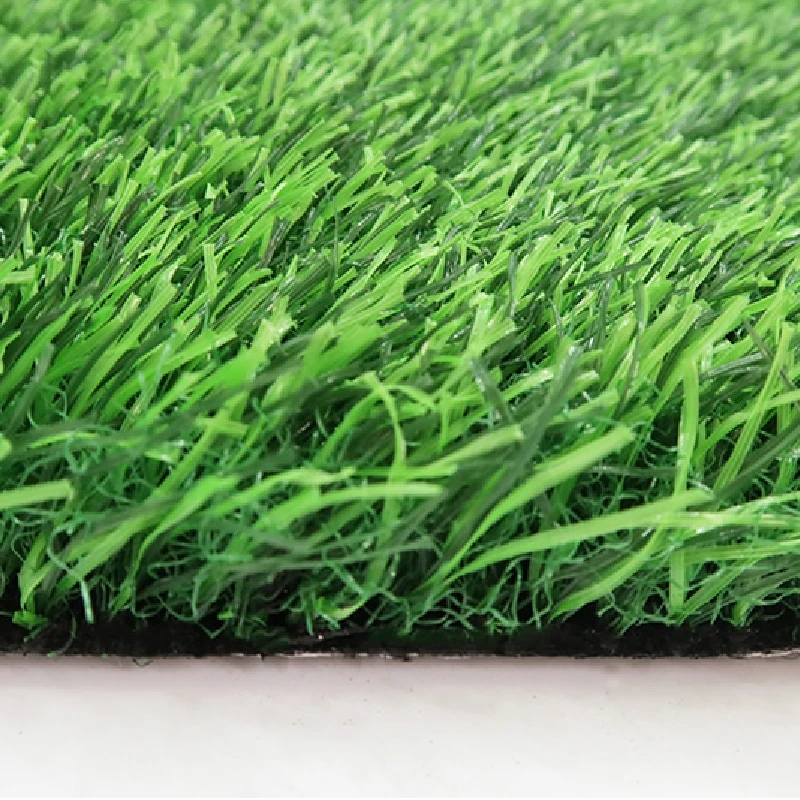
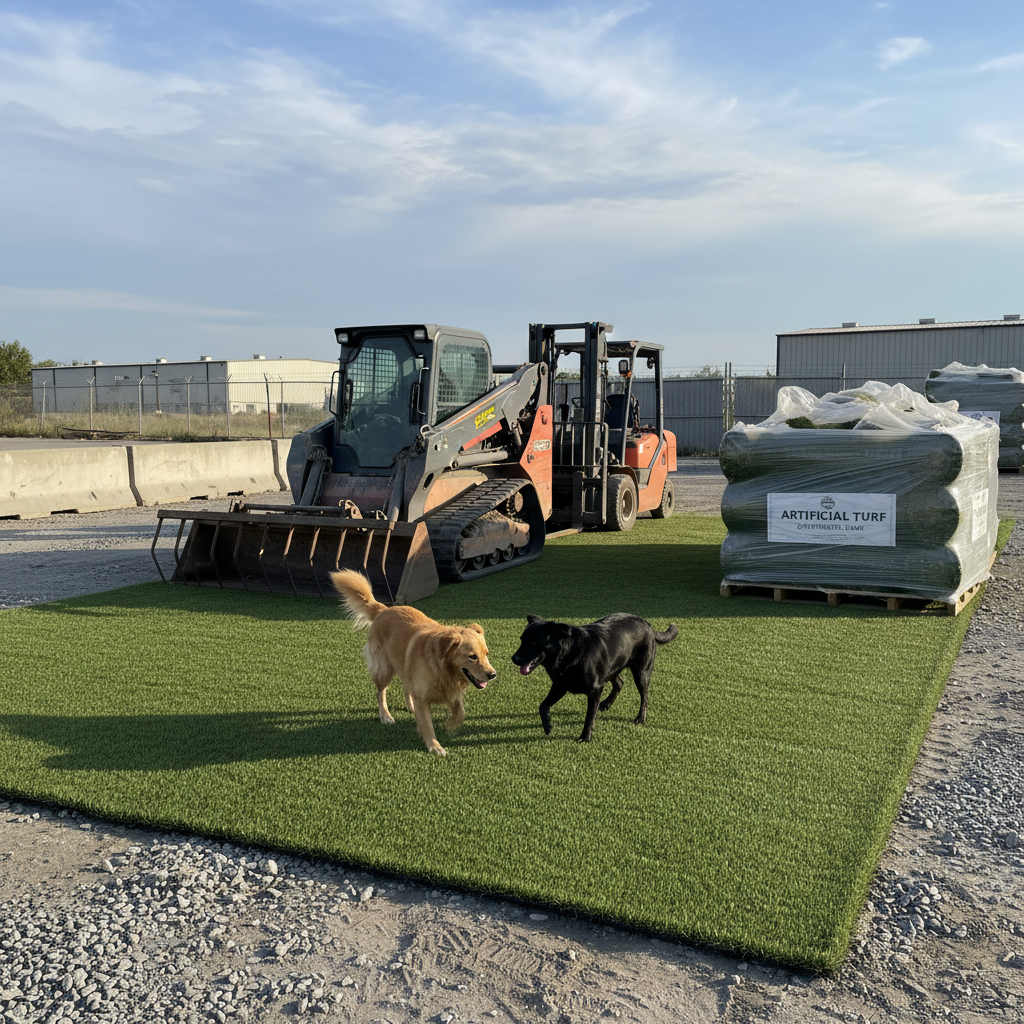
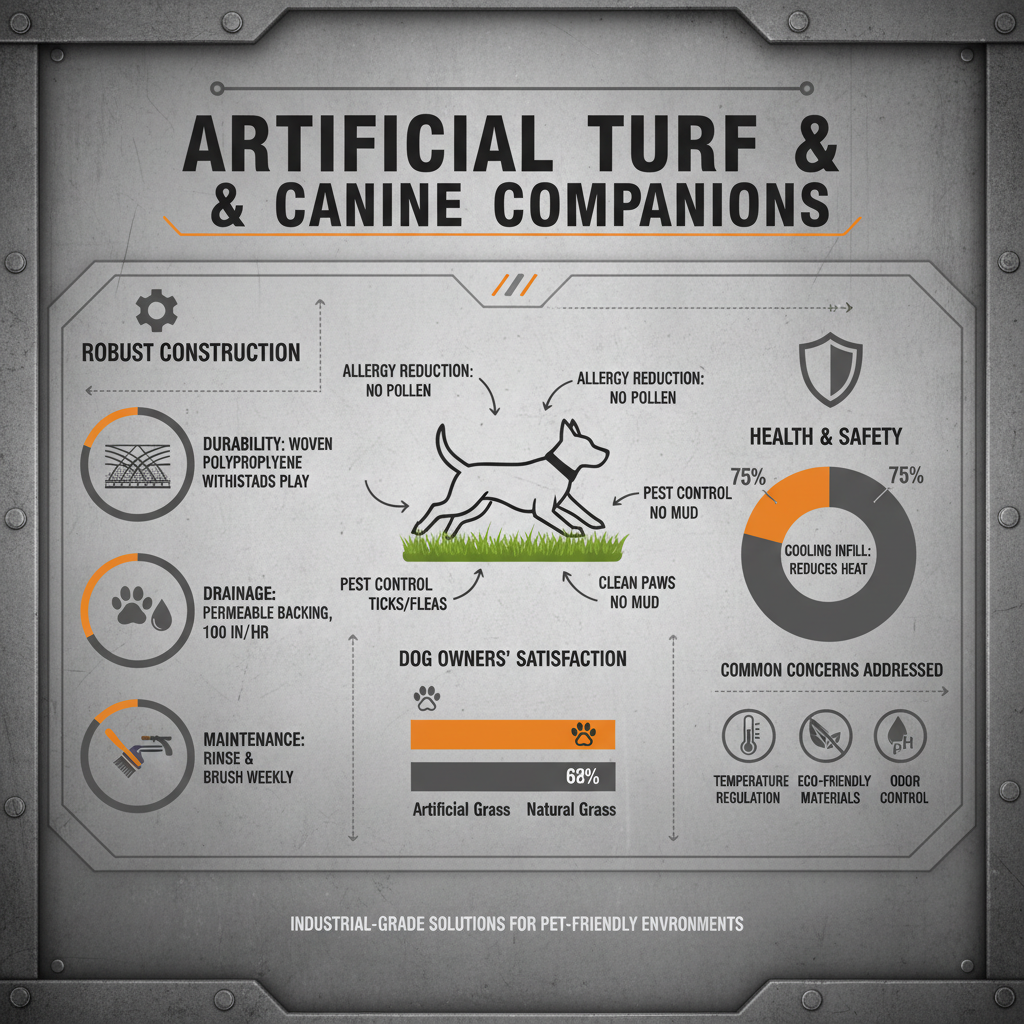
Natural grass, while aesthetically pleasing, can pose several challenges for dog owners. Muddy paws, digging, patchy lawns, and potential pesticide exposure are common concerns. Fake grass solves these issues. It remains lush and green year-round, requires no mowing or watering, and eliminates the need for harmful chemicals. For dogs, this translates to a cleaner, safer, and more comfortable play area. It also reduces the risk of them ingesting pesticides or herbicides while grazing. Plus, it’s gentler on their paws than hard surfaces like concrete or pavers.
Key Benefits: A cleaner, safer, and more comfortable play area for your dog, reduced risk of pesticide ingestion, and a low-maintenance lawn solution.
Addressing Common Concerns: Drainage and Hygiene
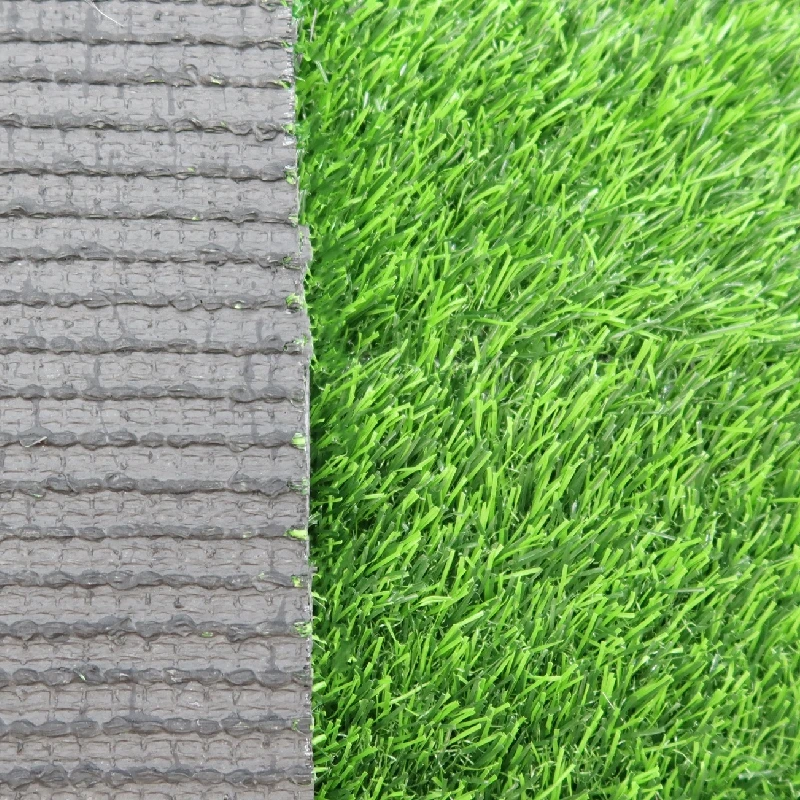
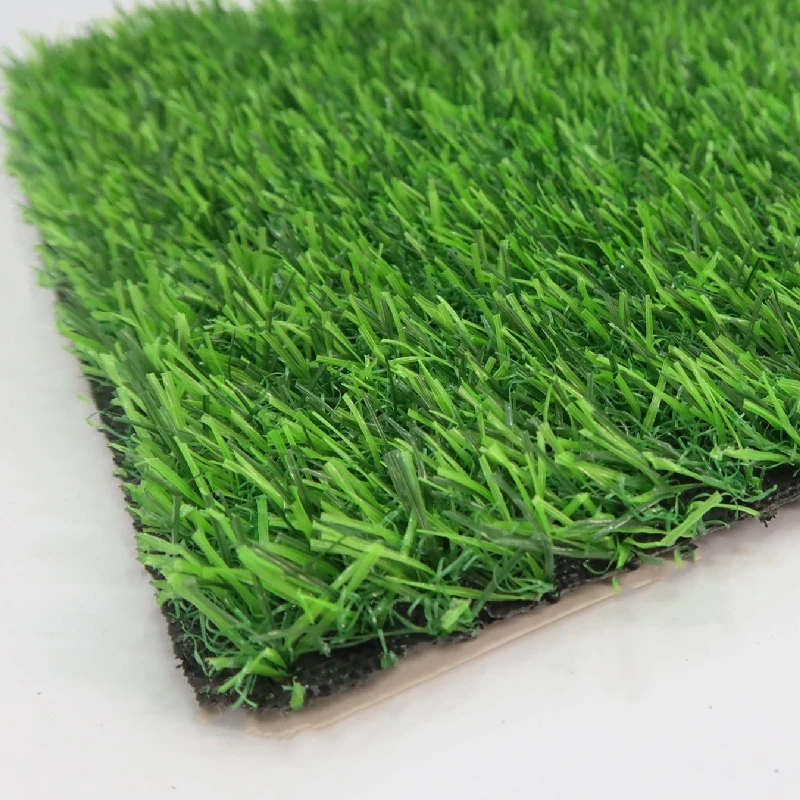
One of the biggest concerns dog owners have about fake grass is drainage and hygiene. Dog urine can accumulate and create odors if not properly addressed. However, modern fake grass systems are designed with excellent drainage capabilities. The backing material allows liquids to pass through, and a well-installed system typically incorporates a gravel base for optimal drainage. Regular rinsing with water helps to flush away urine and prevent odor buildup. Choosing a pet-friendly artificial grass specifically designed for dogs, often with enhanced drainage and antimicrobial properties, is crucial.
Maintaining Hygiene:
• Rinse regularly with water.
• Choose pet-friendly grass with enhanced drainage.
• Consider enzymatic cleaners specifically designed for pet waste.
Choosing the Right Fake Grass for Dogs
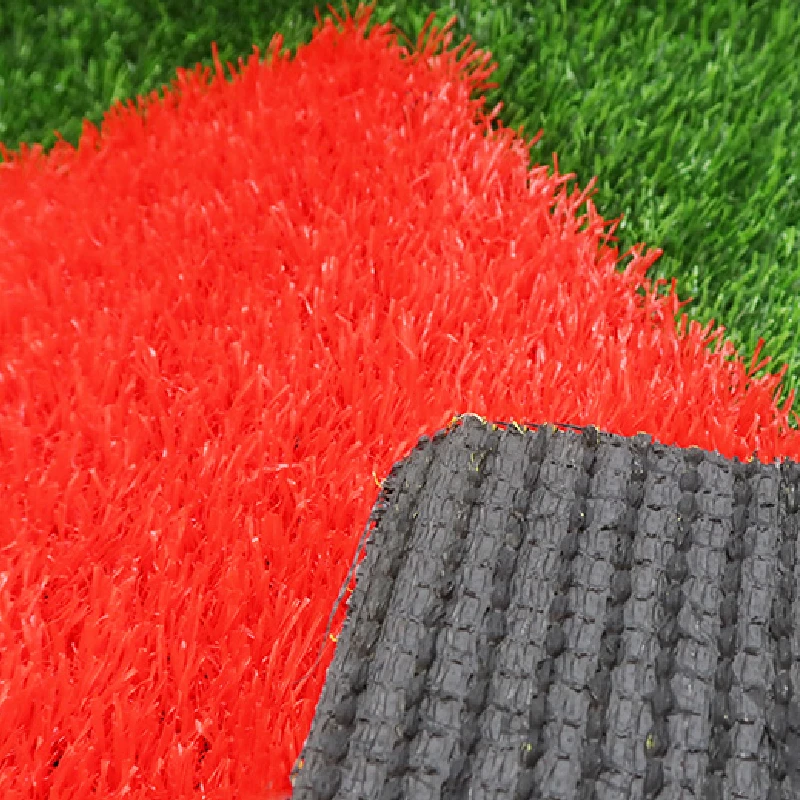
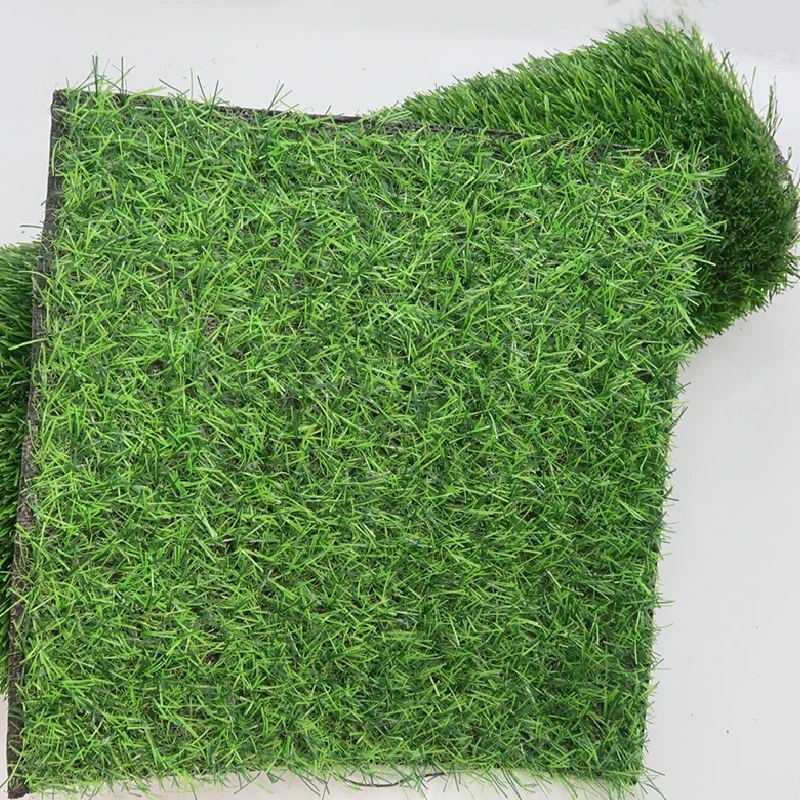
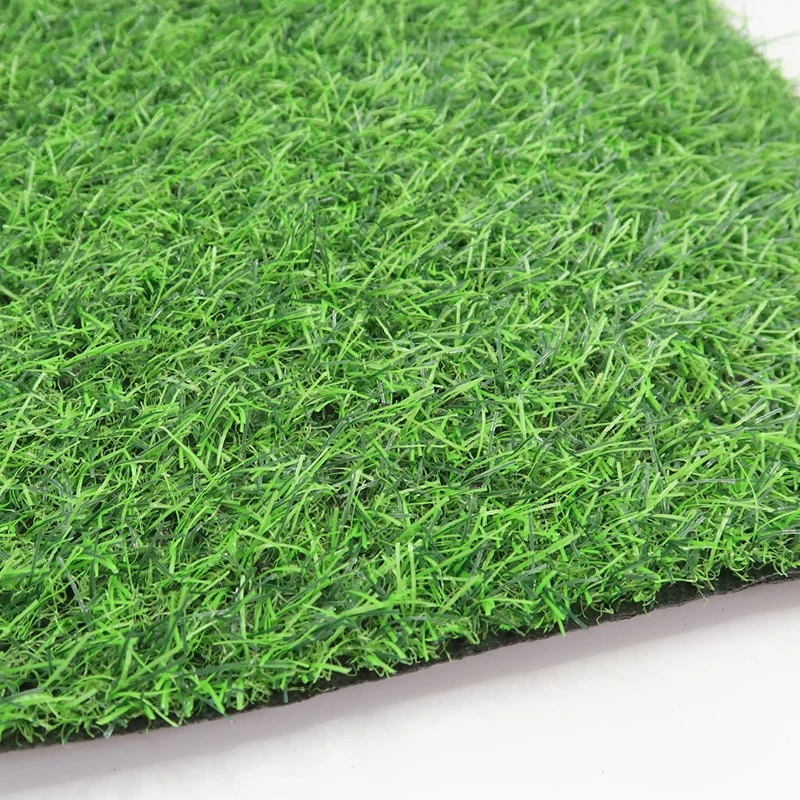
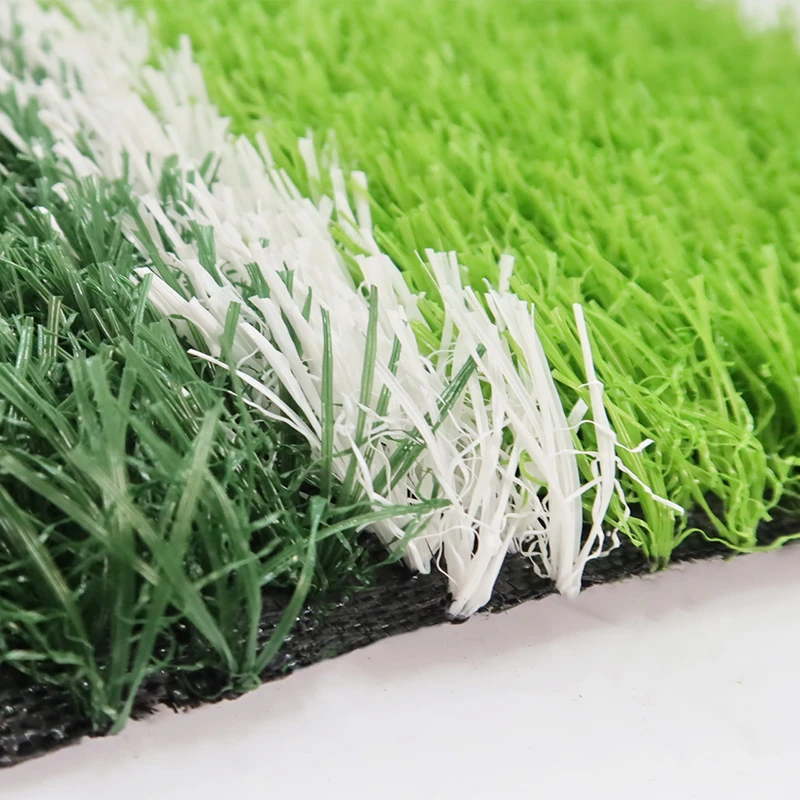
Not all fake grasses are created equal. When selecting artificial turf for dogs, consider the following factors: pile height, face weight, and material. Shorter pile heights are easier to clean, while higher pile heights offer a softer feel. Face weight refers to the density of the fibers – a higher face weight indicates a more durable and resilient surface. Look for polyethylene (PE) or polypropylene (PP) fibers, as they are non-toxic and resistant to wear and tear. Also, ensure the backing material is perforated for optimal drainage. Hoyarngrass offers a range of pet-friendly options to suit your needs.
Installation and Maintenance Tips for Dog Owners
Professional installation is highly recommended to ensure proper drainage and a seamless finish. When choosing an installer, look for experience with pet-friendly installations. Regular maintenance involves brushing the turf to remove debris, rinsing with water, and using an enzymatic cleaner to neutralize odors. Avoid harsh chemicals or abrasive cleaners, as these can damage the fibers. With proper care, your fake grass will provide years of enjoyment for both you and your dog. Remember to inspect the area regularly for any signs of wear or tear and address them promptly.
Conclusion: A Paw-sitive Change for Your Yard
Creating a Happy and Healthy Space for Your Dog
Investing in fake grass is a fantastic way to enhance your outdoor space and provide a safe, clean, and comfortable environment for your dog. With proper selection and maintenance, you can enjoy a beautiful lawn without the hassle of traditional grass. Explore the options available at Hoyarngrass to find the perfect solution for your furry friend and your lifestyle.
Frequently Asked Questions (FAQs)
Will my dog dig through the fake grass?
While some dogs may initially try to dig, most quickly lose interest as they find it doesn't provide the same satisfaction as digging in natural soil. A properly installed system with a compacted base layer helps deter digging. If your dog is a persistent digger, you can consider adding a layer of pea gravel underneath the turf to discourage the behavior. Providing designated digging areas in your yard can also redirect their energy.
Is fake grass safe for dogs with allergies?
Yes, fake grass can be a great option for dogs with allergies. Natural grass can harbor pollen and other allergens that trigger allergic reactions. Fake grass eliminates these allergens, providing a cleaner and more comfortable surface for your dog. Regular rinsing helps remove any dust or debris that may accumulate.
How do I clean up solid waste from fake grass?
Cleaning up solid waste from fake grass is similar to cleaning natural grass. Simply remove the waste with a bag or scoop. Rinse the area with water to prevent odors. For particularly stubborn stains or odors, use an enzymatic cleaner specifically designed for pet waste. Avoid using harsh chemicals, as these can damage the turf and be harmful to your dog.
Latest news
-
Creating the Perfect Fake Grass Area for Dogs Complete Guide
NewsApr.16,2026
-
Guide to Using Fake Grass and Pets for a Pet Friendly Lawn
NewsApr.09,2026
-
Maintaining a Pristine Lawn with Fake Grass and Dog Wee Management Solutions
NewsApr.04,2026
-
The Ultimate Guide to Choosing the Perfect Fake Dog Grass Patch for Your Pet
NewsMar.31,2026
-
Discover the Benefits of High Quality Fake Dog Grass for Potty Training
NewsMar.28,2026
Products categories