Welcome to Hoyarn
Call Us Any Time:+86 19801805999
Email Us: info@hoyarn.cn
What Is the Artificial Grass Cost per m2? Complete Guide & Global Insights
Nov . 30, 2025 23:10 Back to list
What Is the Artificial Grass Cost per m2? Complete Guide & Global Insights
Understanding Artificial Grass Cost per m2: Why It Matters Worldwide
If you’ve ever considered installing artificial grass, you probably wondered: “What’s the real cost per m2?” It’s more than just a price tag—it’s a gateway to sustainable landscaping, efficient maintenance, and wider global impacts. In a world where water scarcity and climate change pose real threats, knowing the artificial turf expense by square meter helps homeowners, businesses, and urban planners make informed choices that balance beauty, budget, and environmental stewardship.
The Global Context of Artificial Grass Pricing
Artificial grass isn’t just a lawn-gimmick anymore; it’s making waves across continents. According to recent studies from the United Nations and the World Bank, water consumption in urban landscaping accounts for nearly 20% of global freshwater use. Artificial turf reduces this drain substantially, but upfront costs measured as artificial grass cost per m2 remains one of the biggest hurdles for widespread adoption. Understanding this cost dynamic is crucial because it often determines feasibility for governments, sports organizations, and even humanitarian projects in arid regions.
In real terms, balancing short-term investment against long-term savings is where the challenge and opportunity lie — something fence-sitters might find really interesting.
What Exactly Is Artificial Grass Cost per m2?
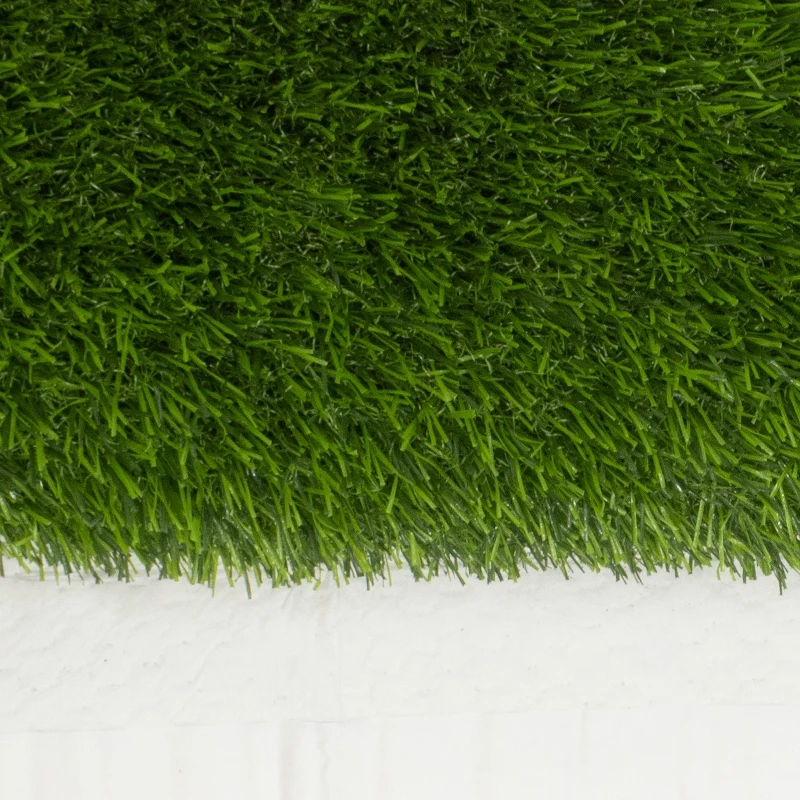
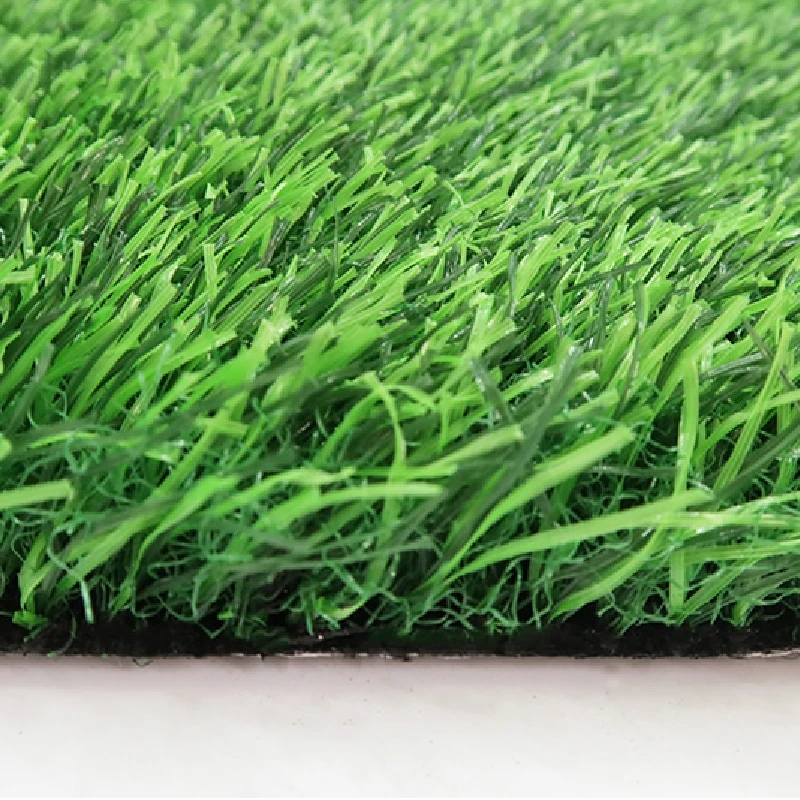
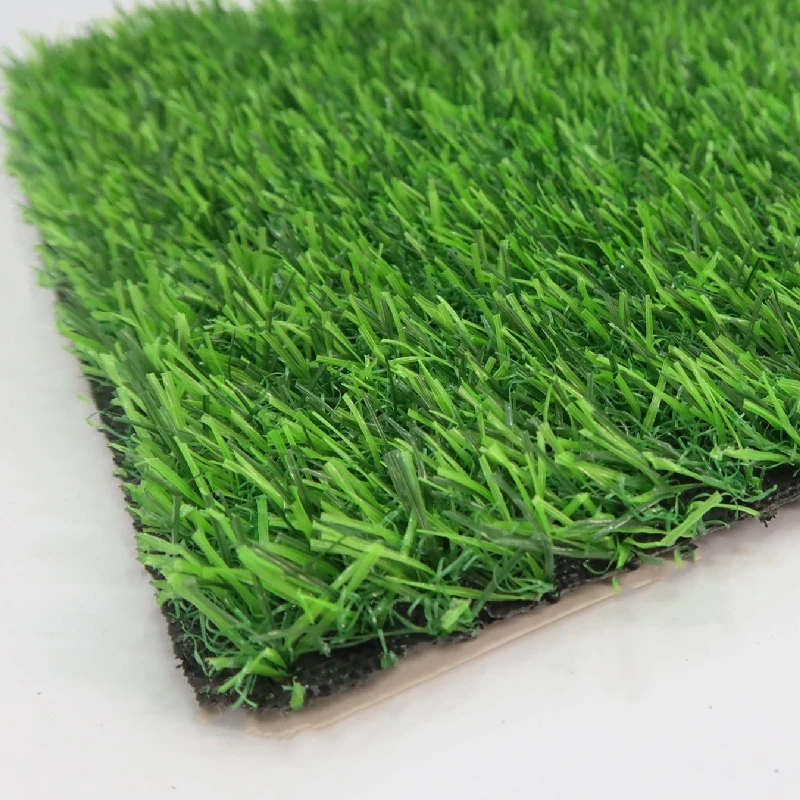
Simply put, artificial grass cost per m2 refers to the total expense of purchasing and installing synthetic turf per square meter. This involves the turf material itself, preparation work such as ground leveling and base laying, labor, and sometimes extra features like drainage systems. In sectors from residential gardens to sporting arenas, this metric provides a standardized way to compare offerings and budget projects properly.
Because modern artificial grass products have evolved drastically—ranging from basic plastics to complex polymer blends designed for durability and realism—the cost per m2 now includes quality variations that were unimaginable a decade ago.
Key Components Affecting Artificial Grass Pricing
1. Material Quality and Durability
The type of fiber (polyethylene, polypropylene, nylon) affects price and lifespan. Higher quality materials often cost more upfront but last longer, providing better value in the long haul.
2. Pile Height & Density
Taller grass blades and denser weaves give a lush look but require more raw materials, pushing costs higher. On the flip side, shorter, sparse turf is cheaper but less visually appealing.
3. Installation Complexity
Terrain preparation—removing existing lawn, laying base material, adding drainage—can significantly add to cost per m2, especially on uneven or rocky ground.
4. Backing & Drainage Systems
Some artificial turf includes advanced, permeable backings or infill options improving water runoff and durability; these technical enhancements often carry a cost premium.
5. Supplier and Warranty Terms
Vendors offering longer, more comprehensive warranties or after-sales support usually price their products higher, reflecting confidence in quality but also increasing your investment.
6. Environmental Certifications
Eco-friendly products with certifications like ISO 14001 may have higher initial prices but appeal to conscientious buyers and sometimes qualify for rebates or green financing.
Mini takeaway: When evaluating artificial grass cost per m2, it’s about more than price—it’s a value equation shaped by quality, longevity, and support.
How Artificial Grass Costs Translate Worldwide: Use Cases and Applications
Across continents, artificial grass has found a foothold in:
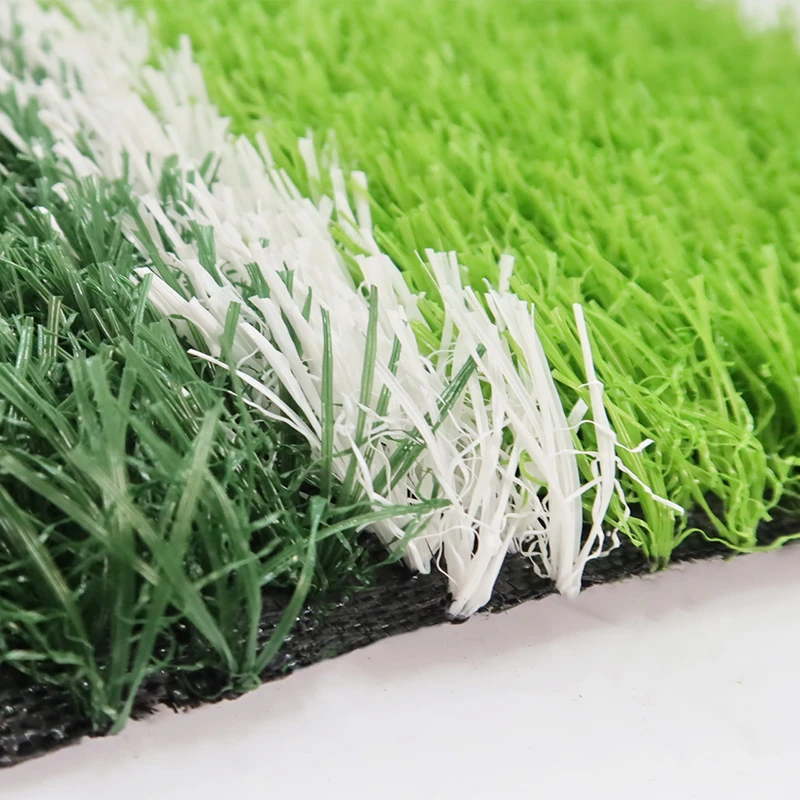
- Sports Facilities: Football pitches in Europe and Asia increasingly choose synthetic turf to combat grass wear and water restrictions.
- Urban Landscaping: Cities in water-stressed countries such as Australia and parts of the Middle East use synthetic lawns for public parks and playgrounds.
- Commercial Real Estate: Hotels and resorts in dry climates adopt artificial turf to maintain aesthetics while cutting maintenance costs.
- Humanitarian Initiatives: In disaster zones where lawn maintenance is impossible, temporary artificial grass installations provide safe play areas for displaced children.
- Industrial Zones: Remote manufacturing sites or mining camps use synthetic turf to reduce dust and improve worker morale.
For example, in the water-scarce regions of California, municipal governments spent upwards of 30% more on traditional lawns that required constant irrigation. Shifting priority toward artificial turf helps stretch budgets further while promoting sustainability.
Advantages and the Long-Term Value of Knowing Artificial Grass Cost per m2
Investing in artificial turf is often about more than initial expenses:
- Cost Savings Over Time: You save on watering, mowing, fertilizing, and pest control.
- Sustainability: Reduced water use and chemical runoff make it appealing for green certifications.
- Reliability & Safety: Non-toxic materials and consistent surface quality reduce risks.
- Aesthetic Appeal: Year-round green without brown patches or muddy patches.
- Social Impact: In schools or community centers, safe, clean play surfaces improve quality of life.
Almost every facility manager or homeowner who’s made the switch appreciates the peace of mind from upfront budgeting knowing precisely what their artificial grass cost per m2 covers—you avoid surprises down the road.
Future Trends Shaping Artificial Grass Pricing
The industry is evolving quickly:
- Bio-based Polymers: Innovations aim to reduce reliance on fossil fuels in turf manufacture, potentially changing cost structures.
- Smart Turf Technologies: Embedded sensors to monitor moisture or wear could add a new layer of value (and cost) in the near future.
- Automation in Installation: Robotics and AI-guided installation may lower labor costs, modifying artificial grass cost per m2.
- Government Incentives: Some regions are introducing subsidies for synthetic lawns to promote water savings, impacting buyer cost calculations.
Common Challenges When Calculating Artificial Grass Cost per m2—and How to Beat Them
Pricing can get tricky:
- Hidden Fees: Delivery, infill material, and disposal of old turf aren’t always included upfront.
- Quality vs. Budget: Cheaper turf might save money initially but lead to costly repairs or replacements.
- Installation Variance: Lack of professional installation often results in uneven surfaces or drainage issues.
Experts recommend:
- Requesting detailed quotes breaking down labor and material costs by m2.
- Choosing vendors who offer warranties and post-installation support.
- Considering total cost of ownership over just per square meter price.
Specification Table: Typical Artificial Grass Product
| Specification | Value |
|---|---|
| Pile Height | 30 mm |
| Density | 16,000 stitches/m² |
| Material | Polyethylene + Polypropylene |
| Backing | Latex & Polyurethane double layer |
| Warranty | 8 years |
| Price Range (per m²) | $25 - $45 (including installation) |
Vendor Comparison Table: Choosing the Right Supplier
| Vendor | Price per m² | Warranty | Eco Certifications | Installation Included? |
|---|---|---|---|---|
| GreenTurf Masters | $35 | 10 years | ISO 14001 | Yes |
| EcoGrass Supplies | $28 | 7 years | None | Optional |
| TurfPro International | $40 | 8 years | ISO 9001, ISO 14001 | Yes |
Frequently Asked Questions About Artificial Grass Cost per m2
Q1: How does installation affect artificial grass cost per m2?
Installation can add 20-50% on top of raw turf prices, depending on ground preparation and local labor rates. It's vital to get a detailed quote to avoid surprises.
Q2: Is cheaper artificial grass always a bad choice?
Not necessarily, but cheaper grass often sacrifices durability or looks. It may cost less upfront but needs replacement sooner—impacting overall value.
Q3: Can artificial grass be recycled or reused?
Some brands offer recyclable materials, but disposal remains a concern. Choosing suppliers with green certifications helps reduce environmental impact.
Q4: What areas benefit most from artificial grass?
High-traffic sports fields, drought-prone residential areas, playgrounds, and indoor event spaces all find artificial turf to be a smart investment due to water savings and durability.
Q5: How can I estimate costs for different sized areas?
Measure the total square meters and multiply by the vendor’s price per m² (including installation). Don’t forget to add potential groundwork or infill expenses.
Wrapping Up: The True Value Behind Artificial Grass Cost per m2
The number per square meter isn’t just something tossed around to sound technical—it reflects a calculated balance of quality, sustainability, and practicality. Whether you’re a homeowner dreaming of a greener lawn or a city planner aiming to conserve water at scale, understanding artificial grass cost per m2 lays the groundwork for better decisions.
So, if you're thinking about making the switch (or upgrading the old), take a moment to look beyond the sticker price. You might find that investing a bit more today will pay off handsomely over the years—not just in your wallet but the planet's well-being too.
Interested? Visit us at hoyarngrass.com to learn more.
References:
Latest news
-
Creating the Perfect Fake Grass Area for Dogs Complete Guide
NewsApr.16,2026
-
Guide to Using Fake Grass and Pets for a Pet Friendly Lawn
NewsApr.09,2026
-
Fake Grass and Dogs Creating a Pet Friendly and Durable Yard
NewsApr.07,2026
-
Maintaining a Pristine Lawn with Fake Grass and Dog Wee Management Solutions
NewsApr.04,2026
-
The Ultimate Guide to Choosing the Perfect Fake Dog Grass Patch for Your Pet
NewsMar.31,2026
-
Discover the Benefits of High Quality Fake Dog Grass for Potty Training
NewsMar.28,2026
Products categories