Welcome to Hoyarn
Call Us Any Time:+86 19801805999
Email Us: info@hoyarn.cn
Understanding Artificial Grass Cost: Global Insights & Practical Guides
Nov . 30, 2025 21:30 Back to list
Understanding Artificial Grass Cost: Global Insights & Practical Guides
Understanding Artificial Grass Cost: Why It Matters Worldwide
Artificial grass cost is more than just a line item on a lawn care budget. Globally, the pricing of synthetic turf affects everything from urban planning and sports infrastructure to environmental efforts and water conservation strategies. As freshwater becomes scarcer in many regions, artificial turf emerges as a practical sustainable alternative to natural grass. But how much does it actually cost? And why should industries, municipalities, and homeowners alike care about this number? Having a good grasp on artificial grass cost helps stakeholders plan better investments, optimize maintenance budgets, and implement eco-friendly landscaping solutions that last.
How Artificial Grass Cost Shapes Global Trends
Worldwide, demand for durable, low-maintenance surfaces is growing fast. According to the United Nations, over two billion people live in water-stressed regions. This has pushed cities and industries to rethink green spaces. Artificial grass offers an attractive way to reduce water consumption by up to 70% compared to natural grass. Yet, the upfront cost remains a key hurdle.
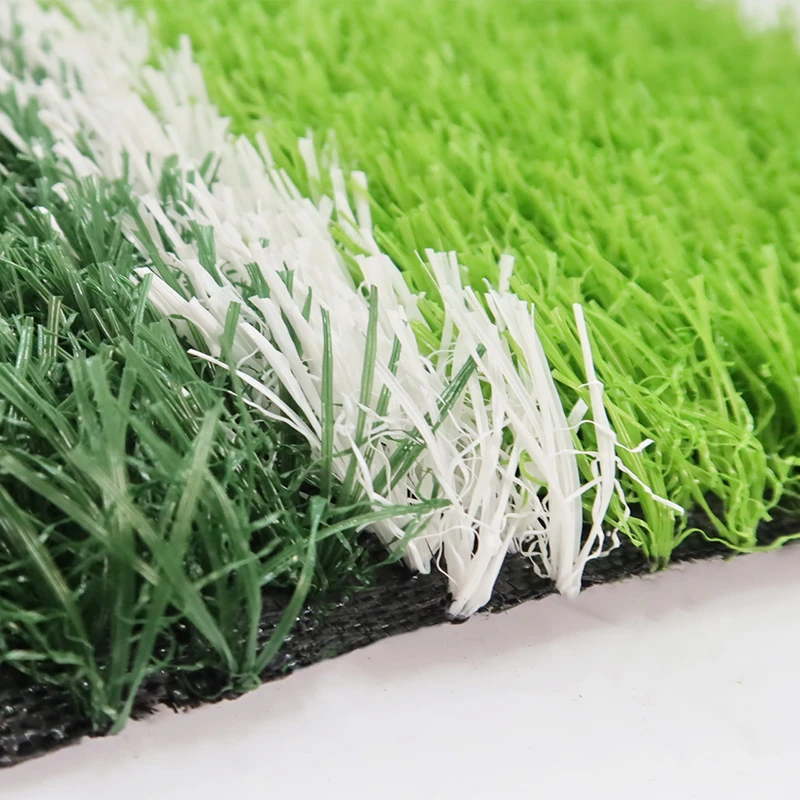
In the sports sector alone, FIFA regulations contribute to rising synthetic turf usage, especially in colder zones where natural grass struggles. But the truth is, the artificial grass cost impacts budgets differently around the globe — from luxury residential installs in North America to large-scale playgrounds and parks across Europe and Asia.
Mini Takeaway:
Keeping track of artificial grass cost is essential. It unlocks smarter decisions for sustainability, budget allocation, and performance in diverse sectors worldwide.
Breaking It Down: What Does Artificial Grass Cost Really Mean?
In simple terms, artificial grass cost refers to the combined expenses of purchasing, installing, and maintaining synthetic turf surfaces. It isn't just the price tag on the roll; it also factors in groundwork preparation, infill materials, labor, and expected lifespan. This figure connects deeply to industrial supply chains and humanitarian construction — for example, in building quick-setup disaster shelters with turf playgrounds, or outfitting remote mining camps with low-maintenance outdoor areas.
Key Factors Influencing Artificial Grass Cost
1. Material Quality and Durability
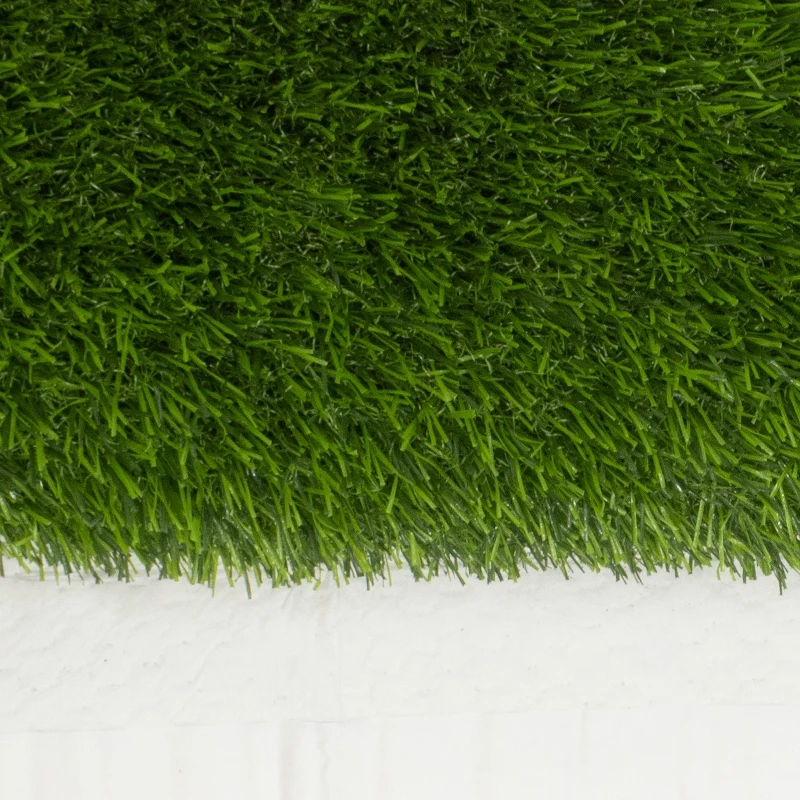
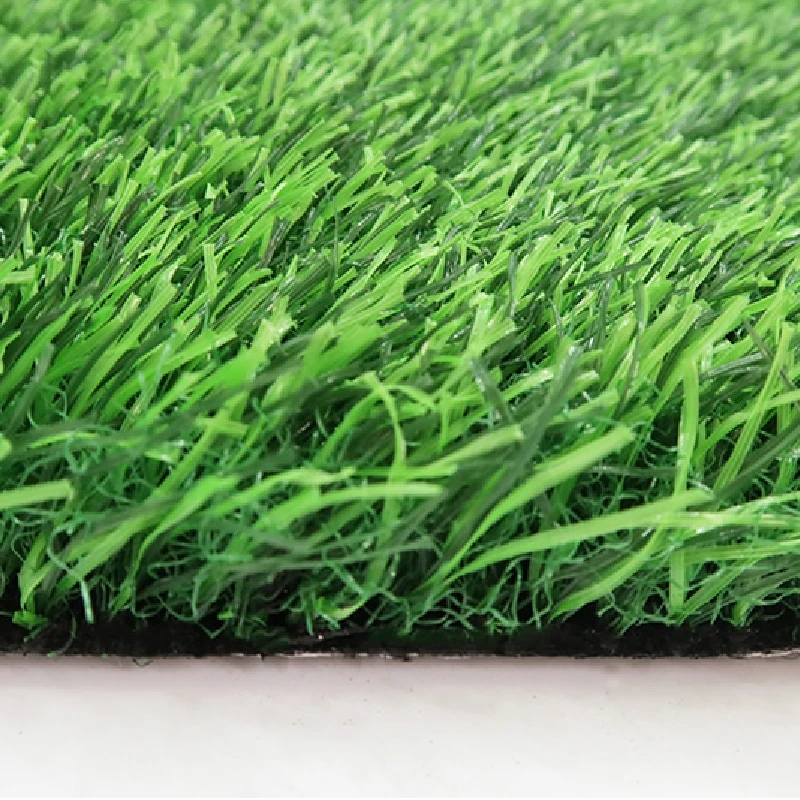
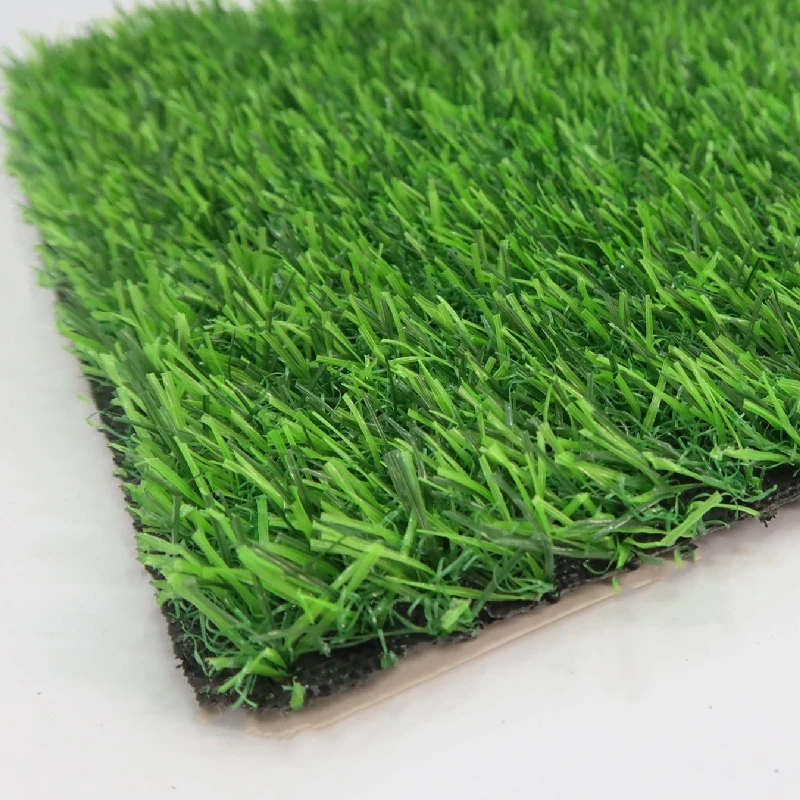
The fiber type—usually polyethylene, polypropylene, or nylon—and the backing material govern durability and lifespan. Higher-quality turf with UV resistance and anti-microbial properties tends to carry a premium. For sports fields, durability is critical to withstanding heavy foot traffic.
2. Installation Complexity
Is the ground uneven? Does drainage require custom work? These factors add to labor time and material costs. Sometimes, specialized equipment or expert installers drive up the price.
3. Infill Type and Quantity
Infill materials—sand, rubber granules, or eco-friendly organic mixes—add weight, stabilize fibers, and affect playability. Each type comes with its own cost. For instance, recycled rubber is commonly affordable but may not be ideal everywhere.
4. Maintenance Requirements
Although synthetic turf requires less water, it still demands occasional cleaning and brushing. Maintenance contracts or DIY upkeep routines vary, subtly influencing long-term costs.
5. Scale and Customization
Larger projects benefit from bulk pricing but might need custom features like logos or specific pile heights that increase costs.
Mini Takeaway:
Artificial grass cost is a product of material quality, installation specifics, infill choices, upkeep needs, and project scale — all integral to precise budgeting.
Artificial Grass Cost: A Specification Overview
| Specification | Typical Range | Notes |
|---|---|---|
| Material Type | Polyethylene / Nylon | Affects softness and durability |
| Pile Height | 10-50 mm | Varies by application |
| Infill Type | Sand, Rubber, Organic | Influences cost and performance |
| Installation Cost | $5 - $15 per sq.ft. | Depends on site complexity |
| Lifespan | 8-15 years | With proper maintenance |
Where Does Artificial Turf Make a Difference?
Artificial grass is gaining ground across continents and sectors. In the Middle East, for instance, high water costs push residential estates toward synthetic lawns. European cities use it in public parks where natural grass struggles in polluted or shady areas. In the United States, school sports programs and commercial venues increasingly budget for turf fields due to cost and usability advantages.
International NGOs have adopted artificial grass solutions when creating play areas in refugee camps and disaster relief zones, offering children a safe and clean environment while cutting down on long-term maintenance budgets. Industrial facilities in remote zones also find synthetic turf reduces dust emissions and the need for expensive landscaping crews.
Mini Takeaway:
The versatility of artificial grass is visible from desert resorts to humanitarian projects — its cost-effectiveness adapting to widely different needs.
Comparing Vendors: How Artificial Grass Cost Varies
| Vendor | Price per sq.ft. | Material Warranty | Ideal Use |
|---|---|---|---|
| GreenTurf Inc. | $8 - $12 | 10 years | Residential & Commercial |
| EcoLawn Solutions | $6 - $10 | 8 years | Sports & Playgrounds |
| ProTurf Systems | $9 - $14 | 12 years | Industrial & Special Projects |
Why Invest in Artificial Grass? Advantages and Long-Term Benefits
Choosing synthetic turf upfront might feel costly, but many engineers say it pays off remarkably over time. Reduced water bills, minimal fertilizer needs, and fewer pest-related expenses all add up. It also keeps surfaces usable in all weather, increasing safety and preventing costly repairs to natural fields. Plus, there’s a certain peace of mind knowing your lawn won’t brown in a drought or require weekly mowing.
Emotionally, artificial grass preserves the dignity of outdoor spaces, especially in communal or institutional settings. It encourages play, social interaction, and healthy environments without the ecological guilt. So logically and socially, it's kind of a win-win.
Emerging Trends Shaping Artificial Grass Cost
- Eco-Friendly Materials: Bio-based polymers and recycled content reduce environmental footprints and sometimes cost.
- Smart Turf: Sensors embedded for irrigation and temperature monitoring to optimize upkeep.
- Modular Systems: Faster installs with pre-designed interlocking panels reduce labor expenses.
- Regulatory Push: Water conservation mandates are expected to increase demand, influencing competitive pricing.
Overcoming Challenges in Managing Artificial Grass Cost
One sticking point is the perception that artificial grass is expensive and “unnatural.” That can deter some buyers. However, with better education around total cost of ownership and ecological benefits, many are warming up to its value. Maintenance challenges like infill displacement or heat retention are being addressed by innovations in materials and construction techniques.
Industry experts recommend partnering with certified installers and demanding transparent quotes — because a bargain upfront can mean costly repairs later.
FAQ: Your Burning Questions About Artificial Grass Cost, Answered
- How much does artificial grass cost per square foot on average?
- Typically, artificial grass ranges from $5 to $15 per square foot, including installation. The exact cost depends heavily on material quality, project size, and prep work required.
- Is synthetic turf more cost-effective than natural grass long-term?
- Yes. While the initial investment is higher, artificial grass saves money on water, fertilizer, mowing, and repairs, often paying for itself within 5-8 years.
- Can artificial grass be installed on uneven or rocky terrain?
- With adequate ground preparation such as grading and laying a suitable base, synthetic turf can be installed almost anywhere, but costs will increase with complexity.
- Does artificial grass require special maintenance?
- Maintenance is minimal but essential—periodic brushing, debris clearing, and infill topping help maintain appearance and performance.
- How can I estimate the total cost for my project accurately?
- Request detailed quotes including material, labor, infill, prep work, and maintenance plans. Consider lifespan and warranty to calculate value over time.
Wrapping it Up: Planning Smart Around Artificial Grass Cost
Artificial grass cost is a key piece in a larger puzzle of sustainable landscaping and infrastructure development. When budgets are tight but demands for beauty, function, and environmental stewardship remain high, synthetic turf steps forward as a practical solution. Take time to understand what drives the pricing, explore trusted vendors, and don't be shy about asking questions. If you want to dive deeper into pricing and options, you can visit artificial grass cost resources that break down details further.
Ultimately, investing wisely in artificial turf means fewer headaches over the years. And at the end of the day? That’s exactly what most property owners and planners want.
References
Latest news
-
Creating the Perfect Fake Grass Area for Dogs Complete Guide
NewsApr.16,2026
-
Guide to Using Fake Grass and Pets for a Pet Friendly Lawn
NewsApr.09,2026
-
Fake Grass and Dogs Creating a Pet Friendly and Durable Yard
NewsApr.07,2026
-
Maintaining a Pristine Lawn with Fake Grass and Dog Wee Management Solutions
NewsApr.04,2026
-
The Ultimate Guide to Choosing the Perfect Fake Dog Grass Patch for Your Pet
NewsMar.31,2026
-
Discover the Benefits of High Quality Fake Dog Grass for Potty Training
NewsMar.28,2026
Products categories