Welcome to Hoyarn
Call Us Any Time:+86 19801805999
Email Us: info@hoyarn.cn
Comprehensive Guide to Artificial Grass Cost Per Square Foot – Insights & Trends
Dec . 01, 2025 02:35 Back to list
Comprehensive Guide to Artificial Grass Cost Per Square Foot – Insights & Trends
Understanding Artificial Grass Cost Per Square Foot: Why It Matters Globally
Artificial grass has become much more than just a way to keep a lawn green without watering it. Around the world, the idea of artificial grass cost per square foot is something that industries, homeowners, landscapers, and even humanitarian groups pay close attention to. It's a deceptively straightforward metric that tells a bigger story about sustainability, usability, and budgeting in landscaping and infrastructure projects. Knowing the real cost, and what influences it, helps businesses and individuals make smarter choices — not just for aesthetic reasons, but for long-term value and environmental impact.
Introduction: The Global Context of Artificial Grass Pricing
Globally, the drive towards sustainable landscaping is accelerating. According to the United Nations, water scarcity affects more than 2 billion people worldwide, underscoring the importance of reducing water use wherever possible (UN Water, 2023). That’s one key reason artificial grass has become a popular alternative to natural sod. But beneath the surface of this trend is a crucial question often overlooked: how much does it actually cost per square foot?
The World Bank’s data shows urban areas expanding rapidly, making green spaces critical but often costly to maintain (World Bank Urban Data). Artificial turf offers a solution, but only if the cost per unit area aligns with budgets and sustainability goals. Without clear pricing benchmarks, organizations risk overspending or choosing lower-quality options that fail prematurely.
What Does "Artificial Grass Cost Per Square Foot" Really Mean?
Simply put, this term refers to the total price to purchase and install artificial turf over one square foot of area. It includes the turf material itself, the backing, infill materials (like sand or rubber), and labor costs to prepare and lay the surface. Think of it like tiling a floor — the tiles cost something, but so does the preparation and installation.
In modern industry, especially landscaping and sports facility management, understanding this price point helps balance initial investment against long-term maintenance savings. In humanitarian scenarios, such as refugee camps or emergency shelters, knowing the cost per square foot can influence decisions on creating durable, hygienic, and safe environments quickly.
Key Factors Influencing Artificial Grass Cost Per Square Foot
1. Material Quality and Composition
The blend of polyethylene, polypropylene, or nylon fibers affects not just appearance but durability too. High-grade materials last longer but come with a steeper price — often justified when heavy foot traffic or weather resistance is a priority.
2. Durability and Wear Resistance
Some turf formulas resist UV rays, resist crushing, and stay lush for years. These characteristics bump up costs but save money by reducing replacement frequency. For sport fields, this aspect can’t be overstated.
3. Installation Complexity
Site preparation, drainage solutions, and ground leveling add to the cost per square foot. Oddly enough, even the slope of the land or underground obstacles can dramatically shift budgeting.
4. Infill Materials
Infill provides weight and cushioning; choices include crumb rubber, sand, or organic elements. Each has a different price tag and performance profile. Some environmentally conscious projects prefer organic infills, but these might cost a bit more upfront.
5. Geographic Location
Shipping and local labor rates alter prices. Installing artificial turf in remote or urban areas will result in different cost structures.
6. Vendor and Product Guarantees
Some manufacturers offer extended warranties and performance guarantees, which get factored into the total price.
Quick Product Specification Table: A Typical Artificial Grass
| Feature | Specification |
|---|---|
| Pile Height | 35 mm |
| Material | Polyethylene + Nylon |
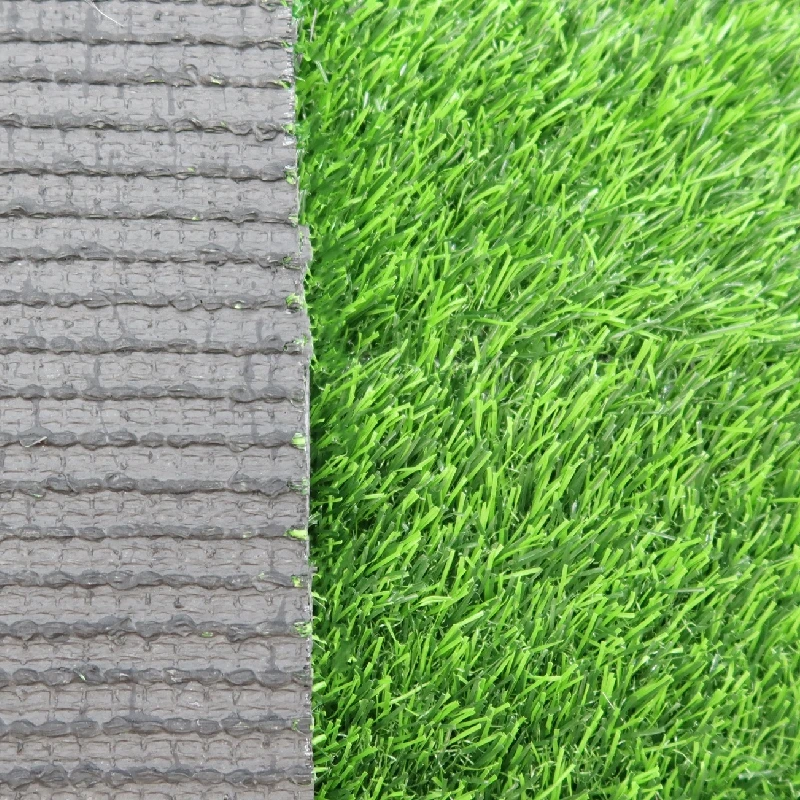
| Backing | Polyurethane + Latex |
| Infill Options | Crumb Rubber, Silica Sand |
| Warranty | 8 to 10 years |
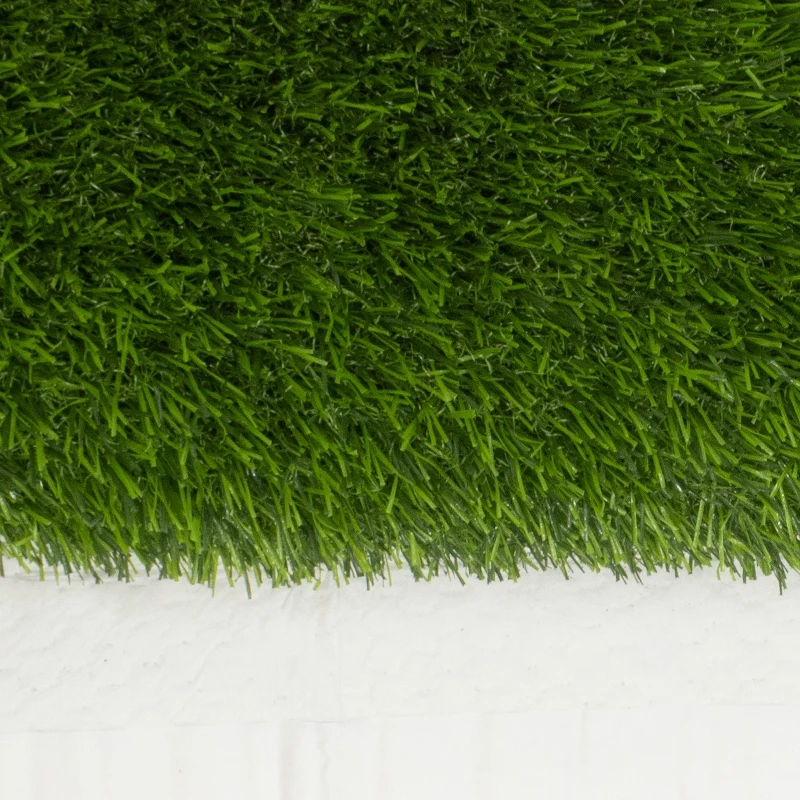
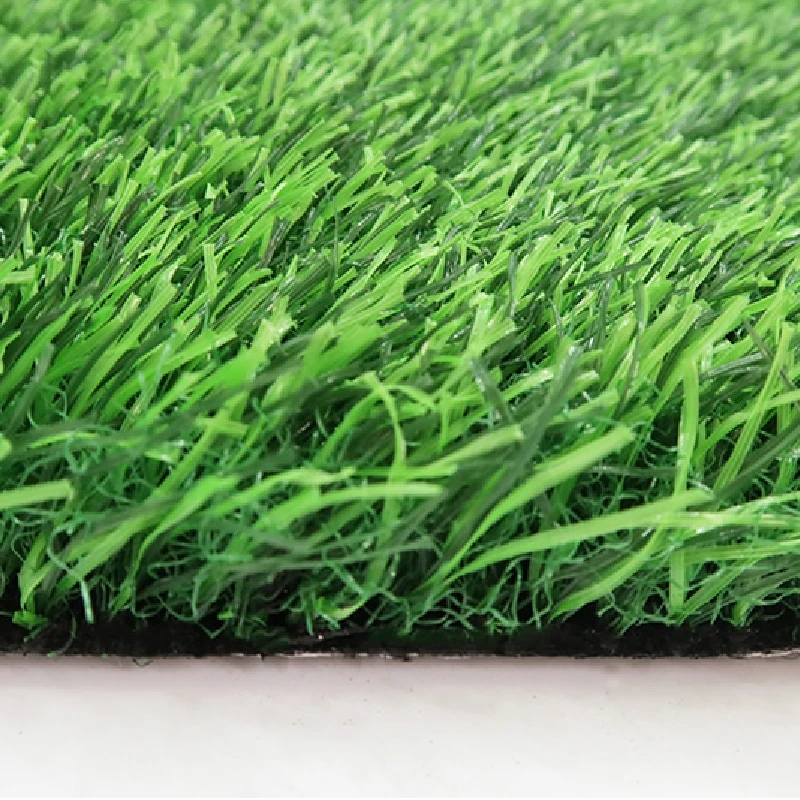
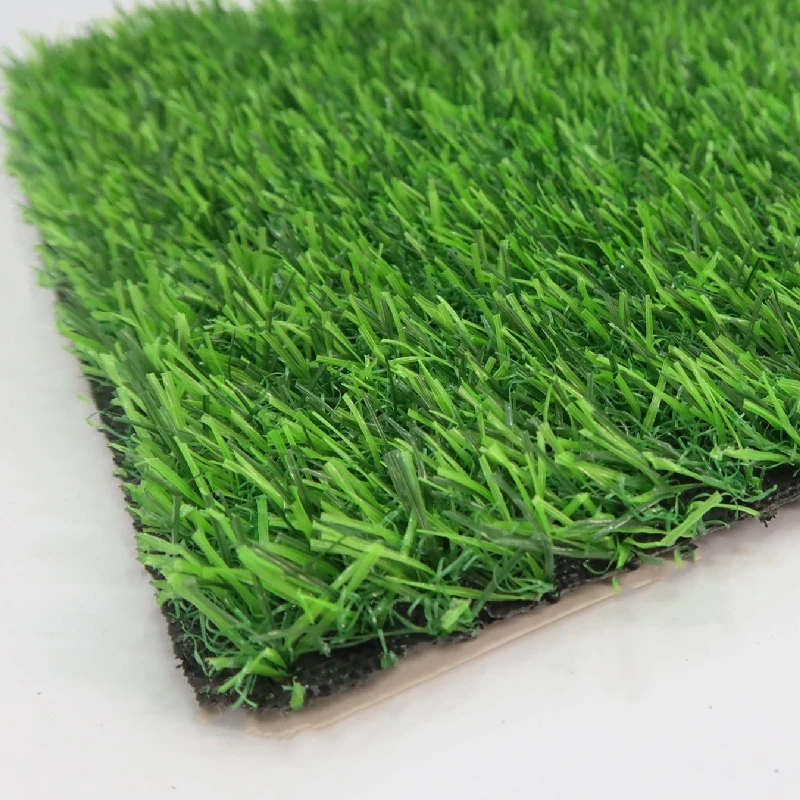
| Approximate Cost | $4 - $8 per sq.ft. |
Global Use Cases for Artificial Grass Cost Per Square Foot
From sprawling city parks in Europe to arid gardens in Australia, and even refugee camp recreational zones in the Middle East, artificial grass is everywhere. It provides a green, low-maintenance surface where water use is restricted or natural turf won’t thrive.
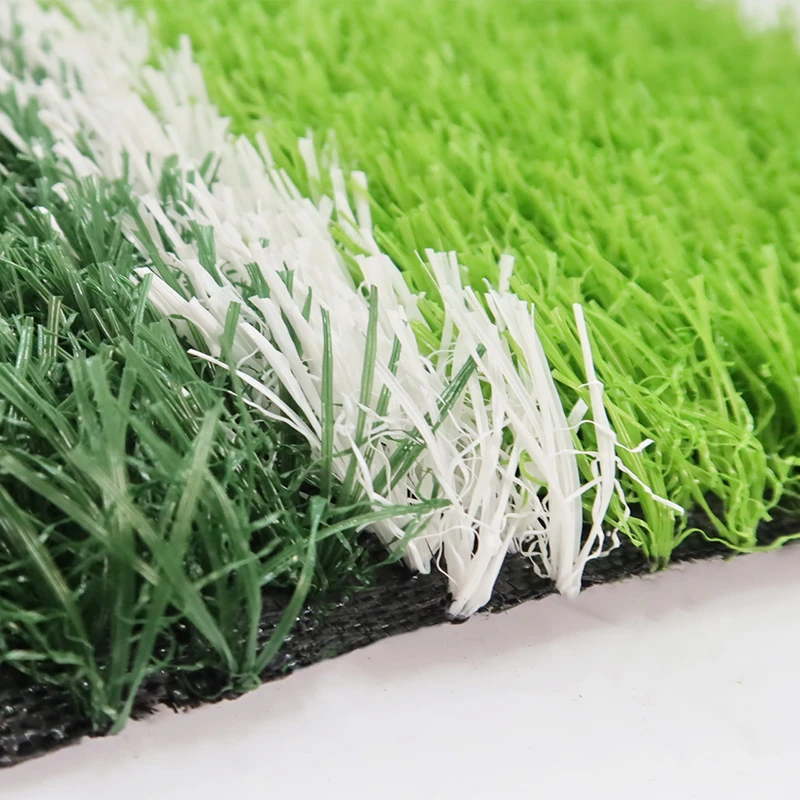
In remote industrial sites, for example, prioritizing cost efficiency per square foot can mean the difference between a sustainable onsite rest area or just dust and dirt. Sports complexes — think soccer or rugby fields — also rely heavily on this metric to forecast maintenance budgets and decide on turf upgrades.
Oddly enough, municipal authorities in places like Dubai have driven the innovation curve, pushing for lower-cost, higher-durability turf to tackle extreme climate challenges. NGOs use cost per square foot data to roll out quick recreational and safe spaces for displaced communities.
Vendor Comparison: Pricing and Warranty Snapshot
| Vendor | Cost per Sq.Ft. | Warranty (Years) | Notable Feature |
|---|---|---|---|
| GreenScape LLC | $5.50 | 10 | UV-resistant fibers |
| EcoLawn Co. | $4.20 | 8 | Recycled infill options |
| Urban Turf Solutions | $7.10 | 12 | Custom color ranges |
Why This Investment Is More Than Just Grass
The benefits aren't just about initial savings or beautification. Artificial grass reduces water use dramatically — sometimes by up to 70% compared to natural lawns. This means enormous social and environmental payoffs in water-scarce regions, as well as ongoing savings on maintenance costs. Plus, many users report a peace of mind in knowing their turf can handle weather extremes, heavy usage, and still look fresh.
At the same time, it’s a safe ground for kids to play on—no mud, no allergens, just cushioned fun.
What’s Next? Future Trends in Artificial Grass Costing
Technological leaps in synthetic materials are driving costs down while improving quality. For example, bio-based polymer fibers and smarter infill materials that self-clean or biodegrade more efficiently are currently in development. Digital landscaping tools help estimate exact square footage and optimize installation costs.
Then there’s the push for circular economy principles — recycling old turf into new products — which could shake up cost models significantly over the coming decade. Add to that smarter supply chains and automated installation robots, and the future of managing artificial grass cost per square foot looks bright.
Overcoming Challenges Along the Way
It’s not all rosy. Some installations suffer from poor drainage or get hotter than expected in direct sun, causing user discomfort. Others fall short because installers underestimated the prep work, increasing final costs. Experts recommend thorough site analysis beforehand and choosing trusted vendors offering transparent pricing and warranties.
FAQ: Your Top Questions on Artificial Grass Pricing
- Q: What factors most affect artificial grass cost per square foot?
A: Material quality, installation complexity, location, and infill type are the biggest drivers affecting the cost per square foot. - Q: How long does artificial turf typically last before replacement?
A: With proper care and quality installation, most artificial lawns last 8–15 years, making upfront cost more worthwhile. - Q: Can artificial grass be installed on uneven or tricky terrain?
A: Yes, but preparation is key. Uneven grounds may require extra leveling or drainage solutions, increasing overall cost. - Q: Is artificial grass environmentally friendly despite being synthetic?
A: While it's made from plastics, artificial grass saves water and reduces pesticide use, balancing some environmental impacts. Recycling initiatives are improving its green credentials.
Wrapping Up: The Value Behind the Price Tag
In real terms, understanding the artificial grass cost per square foot is essential for making decisions that affect budgets, environments, and experiences. It’s not just about the numbers — it's about how those numbers translate into years of use, sustainability, and satisfaction.
If you’re considering making a switch or upgrading your turf, digging into the detailed pricing and vendor options will pay dividends. And if you want a head start, why not check out the latest pricing and landscape solutions at artificial grass cost per square foot? Sometimes the smartest nudge to greener grass is just a click away.
Mini Takeaways
- The cost per square foot includes materials, installation, and sometimes warranties.
- Quality and durability significantly influence long-term value.
- Artificial grass is a global solution for water-saving landscaping and urban planning.
- New materials and tech are set to make turf more affordable and eco-friendly.
References
Latest news
-
Creating the Perfect Fake Grass Area for Dogs Complete Guide
NewsApr.16,2026
-
Guide to Using Fake Grass and Pets for a Pet Friendly Lawn
NewsApr.09,2026
-
Fake Grass and Dogs Creating a Pet Friendly and Durable Yard
NewsApr.07,2026
-
Maintaining a Pristine Lawn with Fake Grass and Dog Wee Management Solutions
NewsApr.04,2026
-
The Ultimate Guide to Choosing the Perfect Fake Dog Grass Patch for Your Pet
NewsMar.31,2026
-
Discover the Benefits of High Quality Fake Dog Grass for Potty Training
NewsMar.28,2026
Products categories