Welcome to Hoyarn
Call Us Any Time:+86 19801805999
Email Us: info@hoyarn.cn
Understanding Turf on Deck: The Future of Sustainable Urban Spaces
Nov . 26, 2025 11:00 Back to list
Understanding Turf on Deck: The Future of Sustainable Urban Spaces
What Is Turf on Deck and Why It Matters Today
Imagine a green, resilient lawn right on top of a rooftop deck — that’s turf on deck in its simplest form. Beyond the aesthetic charm, this concept holds growing significance globally in urban planning, sustainability, and even humanitarian relief efforts. With cities swelling and green spaces shrinking, turf on deck offers a clever way to reclaim nature above congested streets, providing clean air, cooler surfaces, and fostering well-being.
Plus, if you're involved in commercial real estate or facilities management, understanding how turf on deck systems perform can pay dividends in energy savings and tenant satisfaction. It’s more than turf — it’s a small slice of nature with big implications for climate resilience, public health, and smart infrastructure. So let’s unpack why more industries and regions are betting on these green-top solutions as a vital trend.
The Global Context: Turf on Deck as a Sustainable Urban Solution
With estimates from the United Nations projecting that 68% of the world population will live in urban areas by 2050, green spaces are at a premium. Many cities already struggle with urban heat islands, poor stormwater management, and lack of quality recreational areas. Here, turf on deck comes in as a practical fix — transforming otherwise underutilized rooftops into cool, oxygen-producing surfaces.
The World Bank has increasingly funded greening projects to improve urban liveability and reduce energy consumption. As buildings account for roughly 40% of global energy use, the insulating effect of turf layers on decks can lower cooling costs significantly. But it’s not just about numbers — bringing natural elements into built environments improves mental health and community connectivity, creating a more human-centric urban fabric.
Yet, implementing turf on deck comes with technical challenges — drainage, structural load, and maintenance all demand attention. So, it’s no surprise industries, municipalities, and NGOs are collaborating to craft best practices tailored to diverse climates and needs.
Defining Turf on Deck: More Than Just Green Carpet
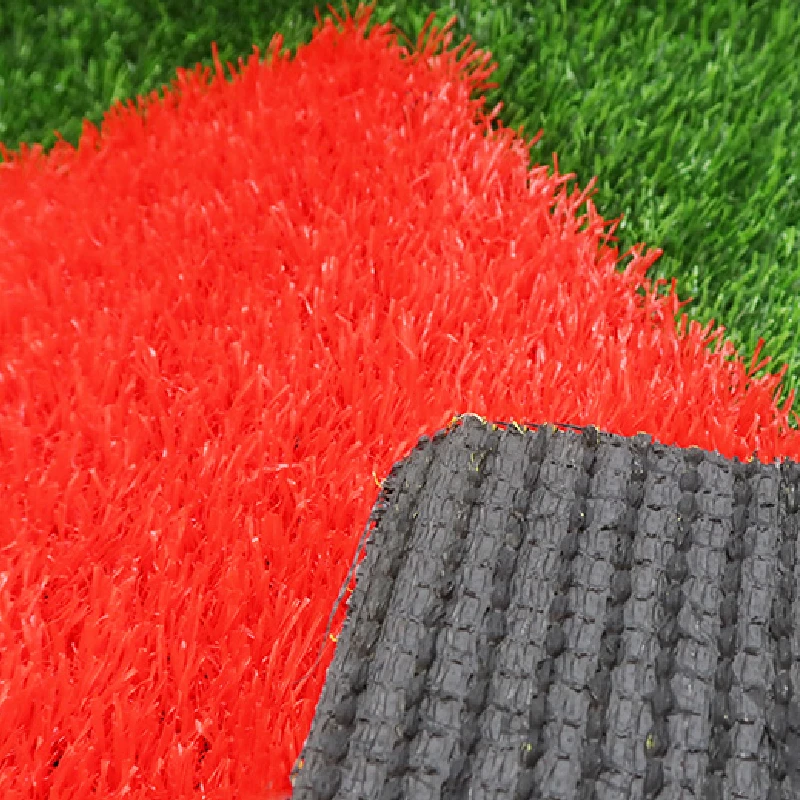
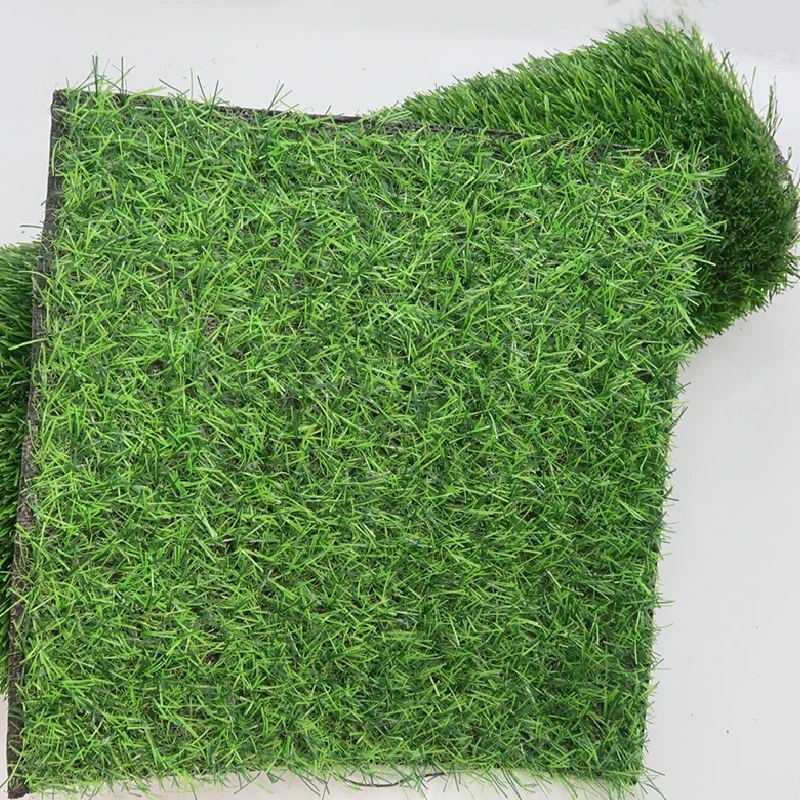
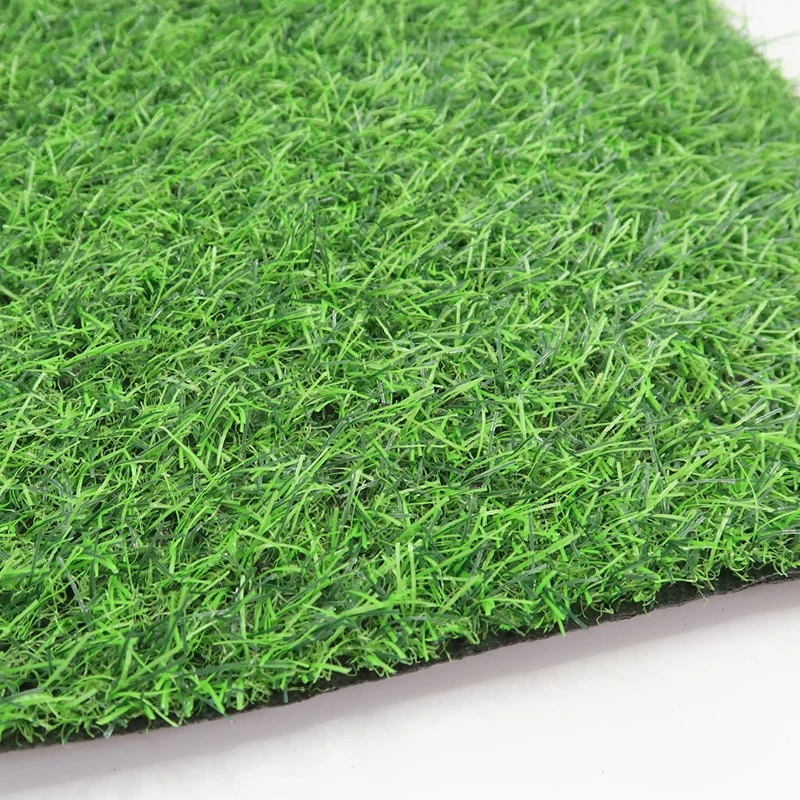
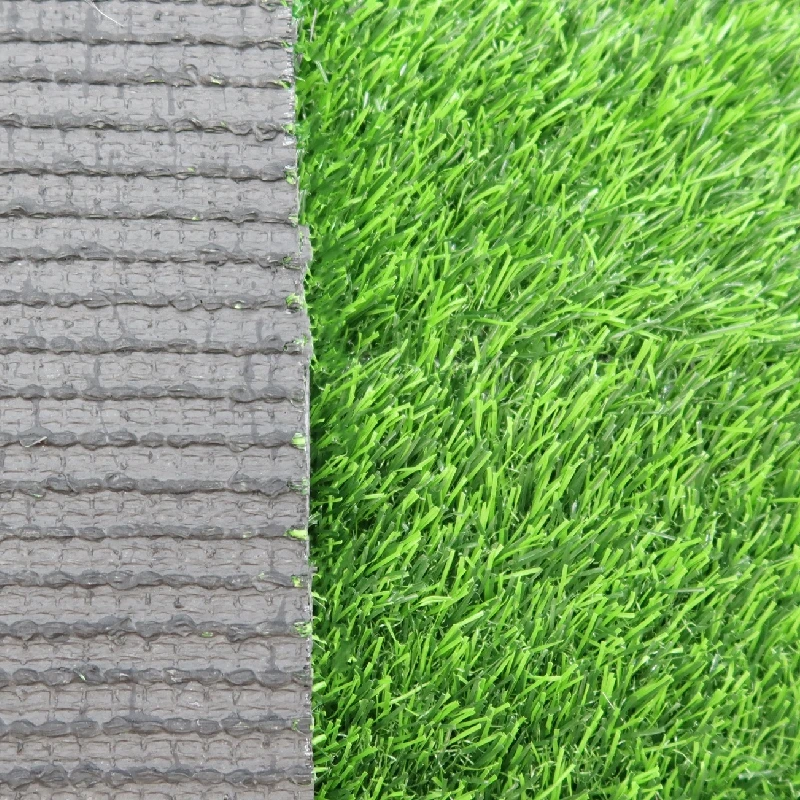
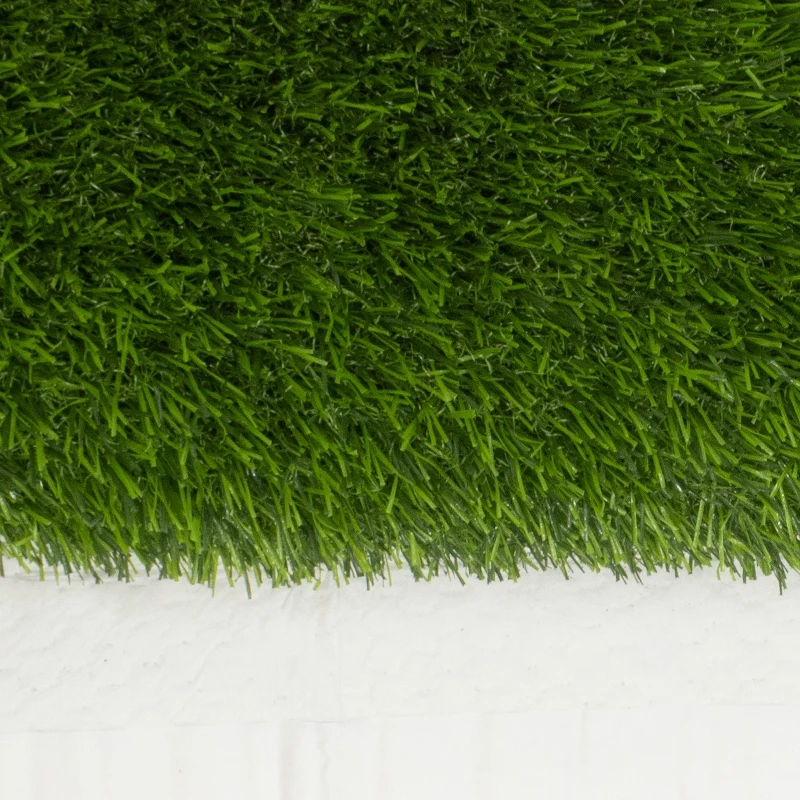
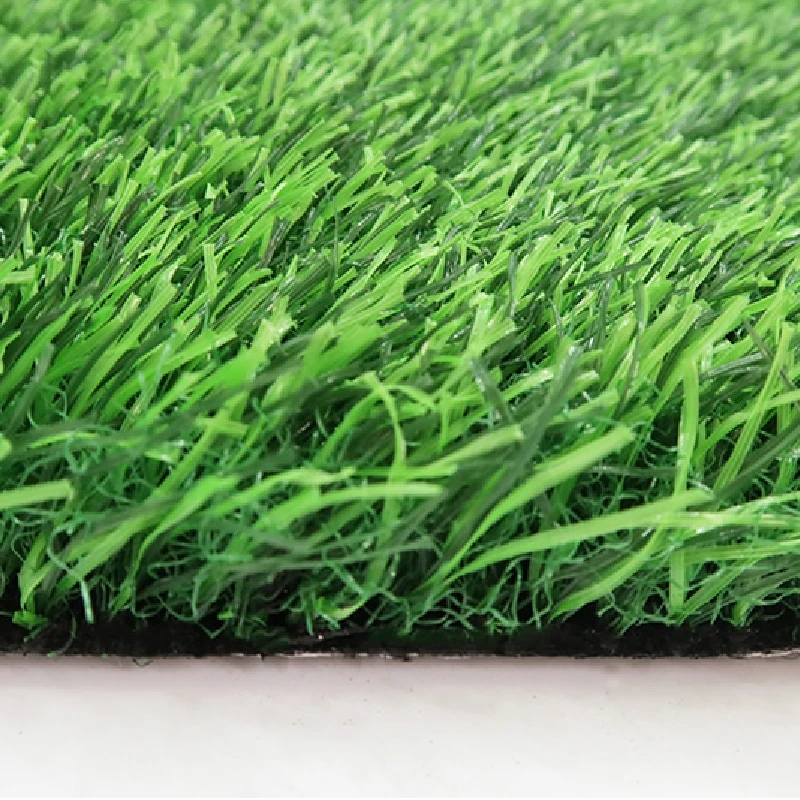
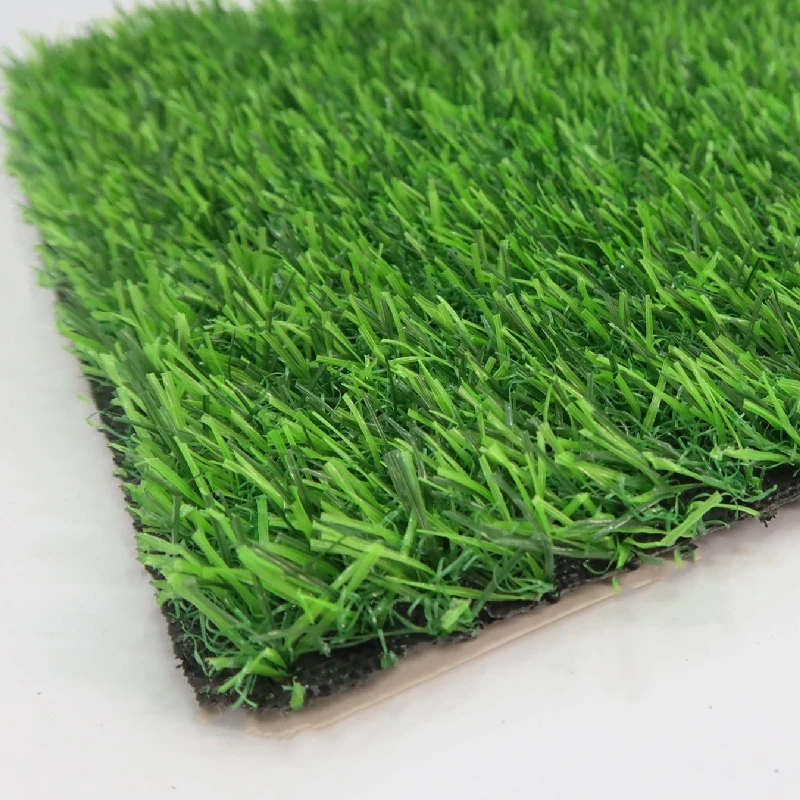
In essence, turf on deck refers to the installation of natural or synthetic grass on the flat surfaces of rooftops or other elevated platforms. Unlike traditional ground-level lawns, turf on deck requires engineered solutions such as waterproof membranes, root barriers, drainage layers, and sometimes irrigation systems.
This is not merely landscaping; it draws from civil engineering, horticulture, and environmental science. Modern turf on deck systems connect to broader efforts in sustainable architecture (like green roofs) and urban agriculture.
In humanitarian sectors, for example, modular turf decks can rapidly restore green spaces in disaster-hit zones, helping with soil erosion control and community recovery. Oddly enough, the humble turf becomes a symbol of rebuilding and resilience.
Key Factors That Make Turf on Deck Work
Durability and Weather Resistance
Since a rooftop faces the full baseball pitch of weather extremes—scorching sun, heavy rain, freezing frost—the turf system must withstand this without degradation. Synthetic turfs with UV-stabilized fibers or hardy drought-resistant grasses excel here. Many engineers say selecting materials with high tensile strength and rot resistance is crucial for long life.
Drainage and Waterproofing
One can’t underscore this enough — poor drainage means disaster. A properly designed turf on deck has layered drainage mats and waterproof membranes under the turf to prevent leaks and water damage to the structure below. Excess water must escape quickly to avoid root rot or structural issues. This is an area where many early projects struggled but has since improved thanks to breakthroughs in membrane technologies.
Scalability and Modularity
Turf on deck isn’t always a sprawling fixed installation. Modular turf panels that click together have emerged, allowing rapid deployment, serviceability, and customization. This makes it attractive not just for luxury penthouses but for stadiums, schools, and pop-up events needing quick installation.
Cost Efficiency Over Time
Sure, the upfront investment may be higher than a simple rooftop deck, but the energy savings, property value boost, and extended roof life provide compelling ROI. Several case studies (see section below) demonstrate paybacks within 5–7 years.
Environmental Impact
Green rooftops, including turf on deck, reduce carbon footprint not just through insulation but by absorbing CO2 and filtering pollutants. Beyond carbon, fewer stormwater runoff problems means less burden on urban sewage systems — an increasingly urgent global issue according to ISO standards on sustainable buildings.
In Practice: Real-World Uses of Turf on Deck
From Seattle to Singapore, turf on deck adapts to very different environments and needs. Some standout examples include:
- Urban housing projects: Rooftop play areas for children that also serve as community gardens.
- Corporate campuses: Relaxation zones that reduce employee stress while enhancing building efficiency.
- Disaster relief: Rapidly-installable turf mats in temporary shelters to reduce dust and generate oxygen.
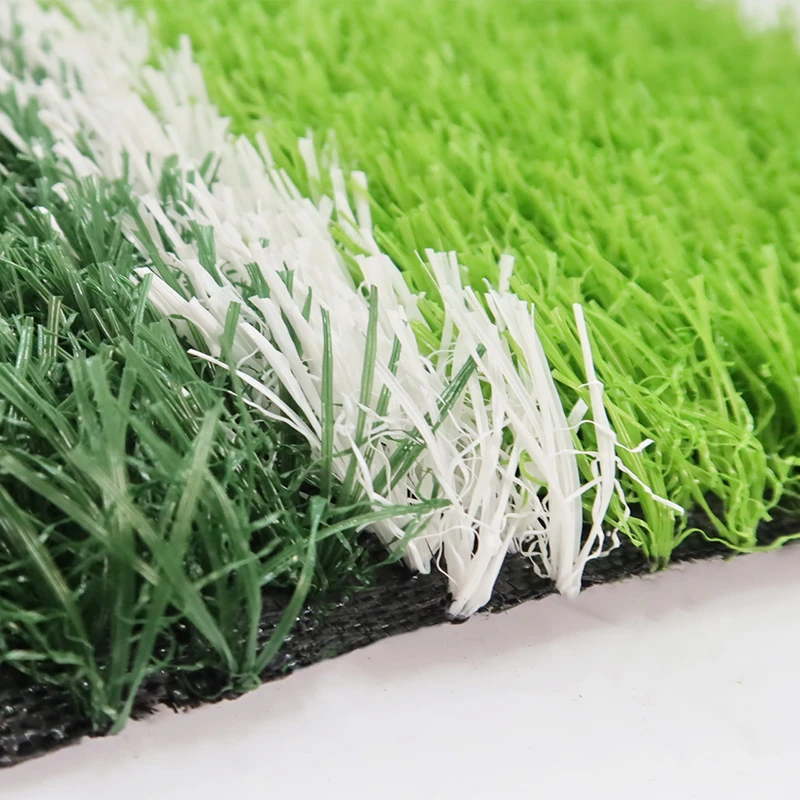
- Sports arenas: Modular synthetic turf decks for events that need quick transformations and durability.
Regions with intense summer heat find turf on deck invaluable in reducing temperatures by up to 5–7°C compared to bare roofs — small numbers that add up to big comfort differences.
| Specification | Natural Turf | Synthetic Turf |
|---|---|---|
| Material | Drought-resistant grass varieties | UV-stabilized polypropylene fibers |
| Load Bearing | Up to 15 psf (pounds per square foot) | Up to 25 psf |
| Water Drainage | Natural soil permeability + drainage layer | Integrated drainage mat system |
| Maintenance Needs | Seasonal watering, mowing | Brushing, occasional infill replacement |
| Lifespan | 7–10 years with good care | 10–15 years |
Why Invest in Turf on Deck? Advantages That Last
Beyond looking great, turf on deck delivers multiple benefits that touch the logical and emotional fibers of property owners, planners, and occupants alike:
- Cost savings: Energy bills dip from enhanced insulation, while roofing materials last longer protected from weather.
- Sustainability: Turf sequesters carbon, promotes biodiversity, and improves stormwater management.
- Health and well-being: Access to greenery boosts morale, reduces urban stress, and encourages outdoor activity.
- Property value: Green rooftops can improve resale value by up to 15% in some urban markets.
- Trust and social good: Many organizations use turf on deck as part of corporate social responsibility initiatives, signaling commitment to sustainability.
Turf on Deck and Tomorrow: Emerging Trends
Looking ahead, turf on deck is evolving rapidly. Innovations include:
- Smart irrigation: Sensors adjusting watering schedules to local weather and usage.
- Hybrid turfs: Systems mixing synthetic fibers with natural grass roots for durability and feel.
- Solar integration: Turf decks embedded with thin-film solar panels for dual functionality.
- Modular & prefab: Off-the-shelf turf tiles enabling quick replacement or seasonal setups.
- Policy push: Urban regulations increasingly encourage green rooftops for stormwater runoff and heat management compliances.
Common Challenges—and How Industry Is Tackling Them
Despite progress, turf on deck carries challenges:
- Structural load: Not every building supports the weight of saturated turf and soil; structural reinforcements help.
- Maintenance: Though less than ground lawns, rooftop turf needs consistent upkeep — automated irrigation and modular designs ease this.
- Initial cost: Higher upfront costs discourage some developers, but financing through green loans and incentives is gaining traction.
- Climate compatibility: What works in temperate zones may fail in arid or extreme cold climates, so tailored systems are essential.
FAQ: Frequently Asked Questions About Turf on Deck
- Is turf on deck suitable for heavy foot traffic areas?
- Yes, synthetic turf solutions often withstand heavy foot traffic well. Natural turf may require reinforced root systems or protective walkways to avoid damage.
- How long does turf on deck typically last?
- Depending on material and maintenance, synthetic turf can last up to 15 years, while natural turf generally lasts around 7-10 years with proper care.
- Can turf on deck help reduce urban heat?
- Absolutely. Turf significantly lowers rooftop temperatures by absorbing less heat than traditional roofing materials, helping combat urban heat island effects.
- Is installing turf on deck expensive?
- Installation costs vary widely but often come with ROI benefits over time. Modular and synthetic options can reduce initial expenses, while green financing options help offset costs.
- Do I need special permits for turf on rooftops?
- It depends on your local building codes and regulations. Many cities encourage green roofs, but always check permits and structural requirements before installation.
Vendor Selection: Comparing Top Turf on Deck Providers
| Feature | GreenScape | RoofLawn Inc. | EcoTop Turf |
|---|---|---|---|
| Product Range | Natural & synthetic blends | Focus on synthetic turf | Organic turf systems |
| Installation Services | Full turnkey solutions worldwide | Regional with limited reach | DIY kits & consulting |
| Warranty | Up to 12 years | 8 years | 5-7 years |
| Sustainability Certifications | ISO 14001, LEED | None | Organic & fair trade |
| Customer Support | 24/7 worldwide | Business hours only | Online forums + email |
Wrapping It Up: Why Turf on Deck is Here to Stay
In a world that’s overbuilt and short on green space, turf on deck offers a refreshing step forward. It packs environmental, social, and economic punch in a relatively small footprint. Frankly, it feels like a natural evolution in how we think about living with our buildings — not just in them.
Whether you're a developer aiming for LEED certification, an urban planner crafting tomorrow’s cities, or just curious about sustainable landscaping, turf on deck is a subject worth exploring more deeply. For those eager to get started or upgrade their current rooftop greens, I’d recommend checking out turf on deck solutions — their modular systems really caught my eye for balance between ease and durability.
And, well, that’s just the start — innovations keep popping up, so staying informed is key.
References & Further Reading
Latest news
-
Creating the Perfect Fake Grass Area for Dogs Complete Guide
NewsApr.16,2026
-
Guide to Using Fake Grass and Pets for a Pet Friendly Lawn
NewsApr.09,2026
-
Fake Grass and Dogs Creating a Pet Friendly and Durable Yard
NewsApr.07,2026
-
Maintaining a Pristine Lawn with Fake Grass and Dog Wee Management Solutions
NewsApr.04,2026
-
The Ultimate Guide to Choosing the Perfect Fake Dog Grass Patch for Your Pet
NewsMar.31,2026
-
Discover the Benefits of High Quality Fake Dog Grass for Potty Training
NewsMar.28,2026
Products categories