Welcome to Hoyarn
Call Us Any Time:+86 19801805999
Email Us: info@hoyarn.cn
Benefits and Innovations of Turf Instead of Grass for Sustainable Landscaping
Nov . 25, 2025 17:00 Back to list
Benefits and Innovations of Turf Instead of Grass for Sustainable Landscaping
Why More People Are Turning to Turf Instead of Grass
If you've ever struggled to get natural grass to thrive in your backyard or commercial site, you’re not alone. Across the globe, the idea of turf instead of grass is becoming not just a trend but a solution to numerous environmental, economic, and social challenges. Turf alternatives promise greener spaces without some of the headaches that come with traditional lawns. It's no surprise—globally, turf offers benefits like water conservation, lower maintenance costs, and even improved usability.
Global Context: Why Turf Instead of Grass Matters Now
The world's urban areas are growing at a staggering pace, with over 56% of people living in cities as of the latest UN data (2023). This urban boom puts pressure on green spaces, which are crucial for well-being, stormwater management, and cooling heat islands. Traditional grass lawns, though pretty, can be quite the resource hog—especially when water scarcity looms large in regions like California, Australia, or parts of Southern Europe. This tension between the desire for green open areas and increasing water shortages is pushing cities, businesses, and homeowners to rethink landscaping.
Gartner recently reported that smart landscaping solutions could reduce urban water use by up to 30%. Enter: the turf instead of grass approach—artificial turf or hybrid technologies that offer durability and adaptability without overtaxing natural resources. It’s not just about convenience; it’s about resilience in the face of climate change.
Mini takeaway:
Swapping natural grass for turf means using water and maintenance budgets smarter in a world where those resources are getting tighter. This shift isn't just cosmetic; it's strategic.
What Do We Mean By Turf Instead of Grass?
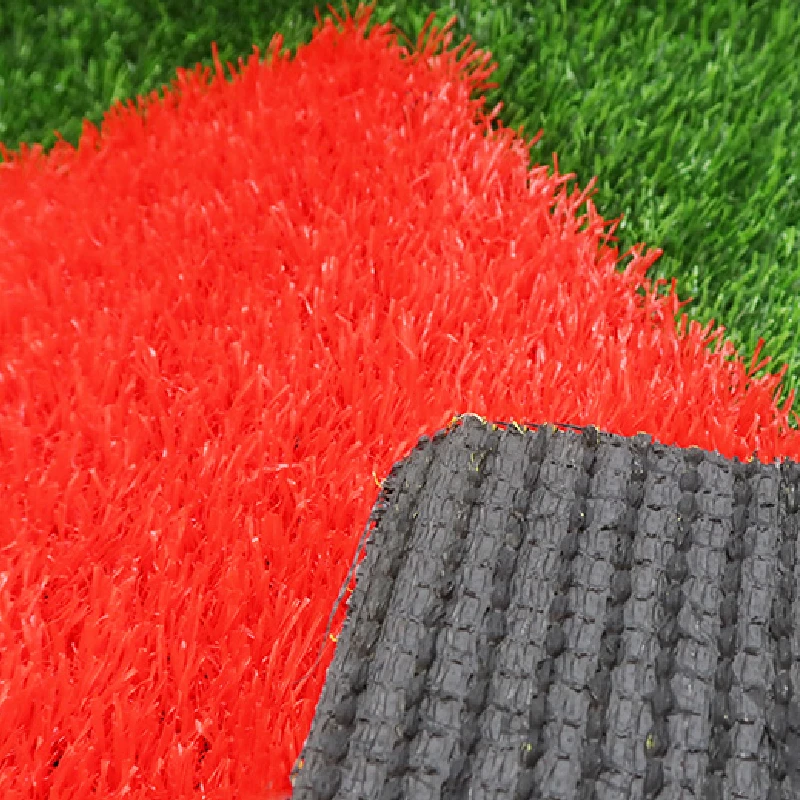
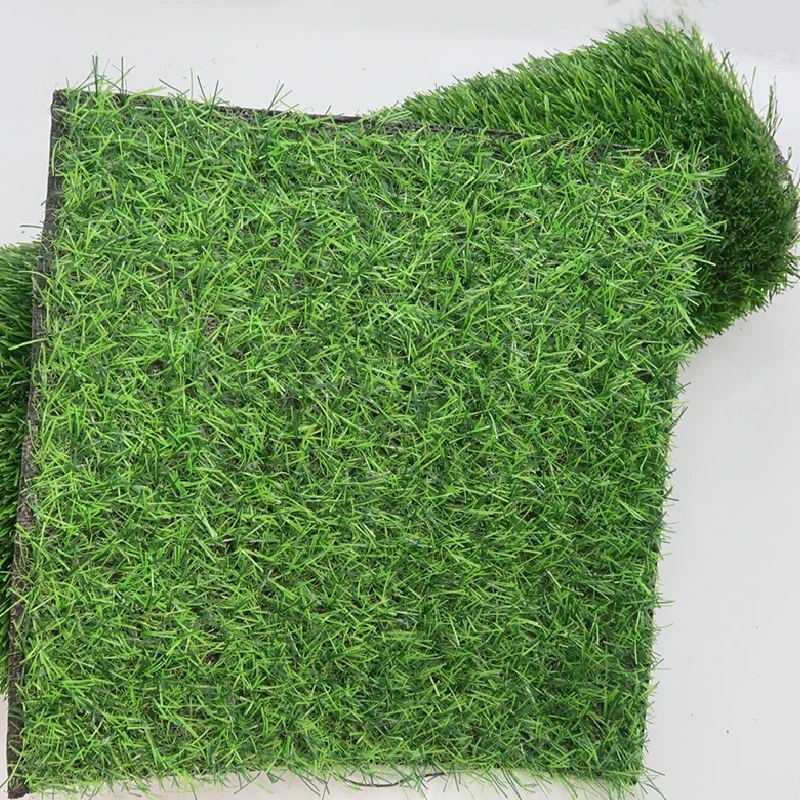
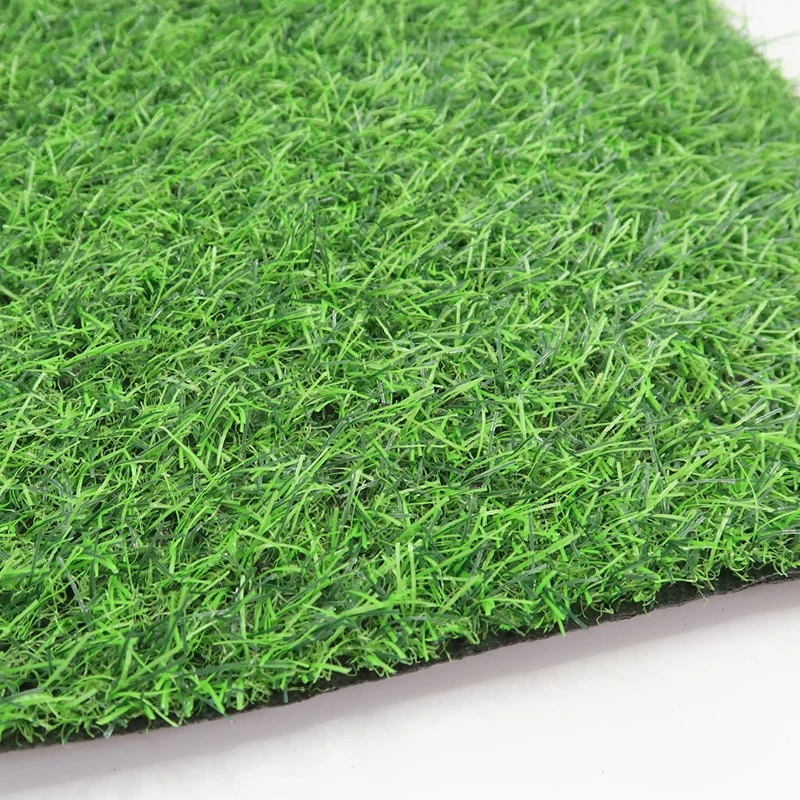
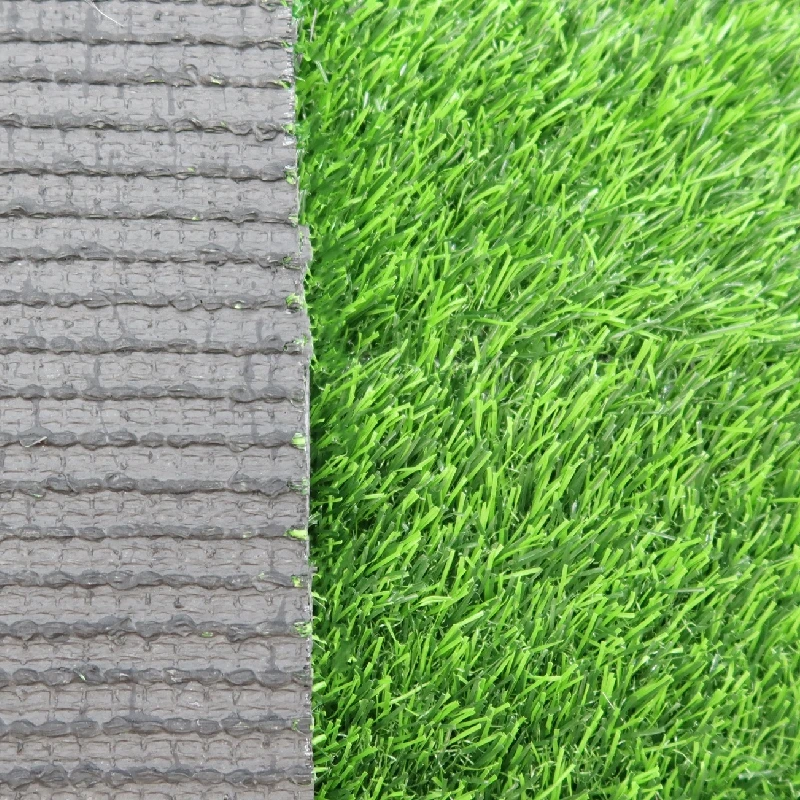
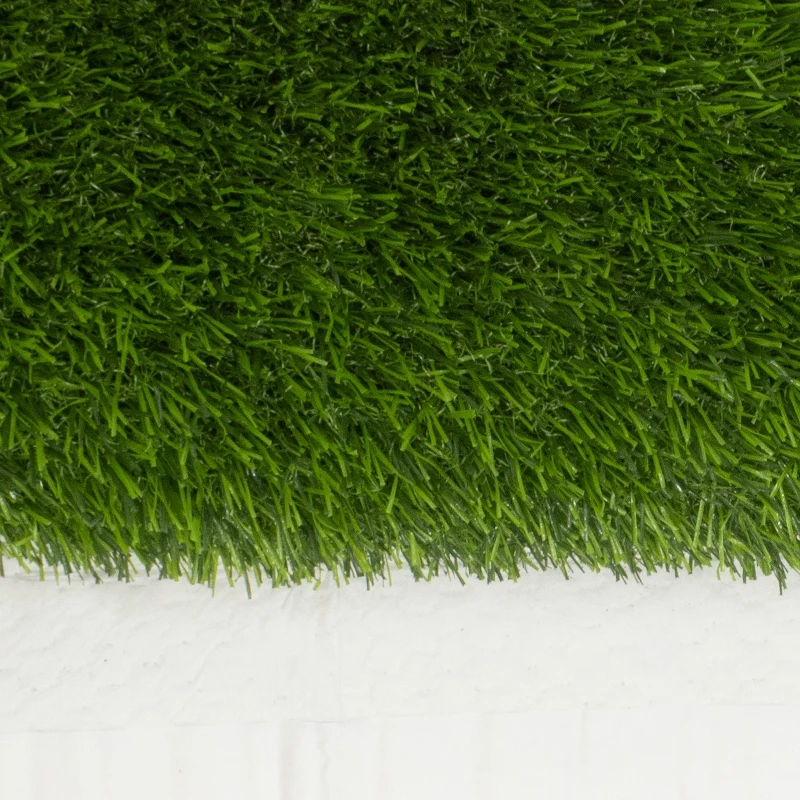
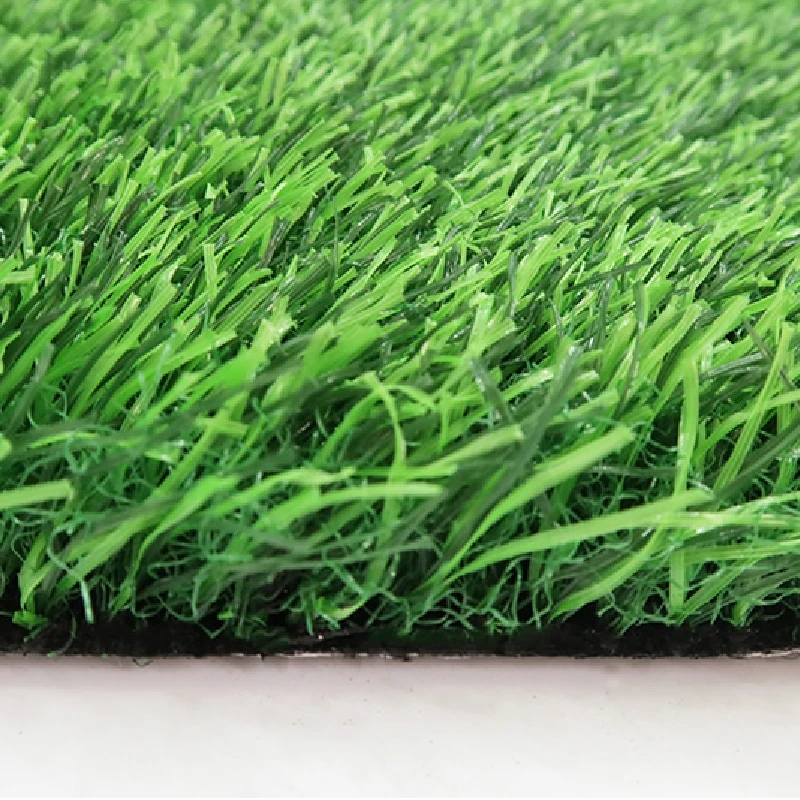
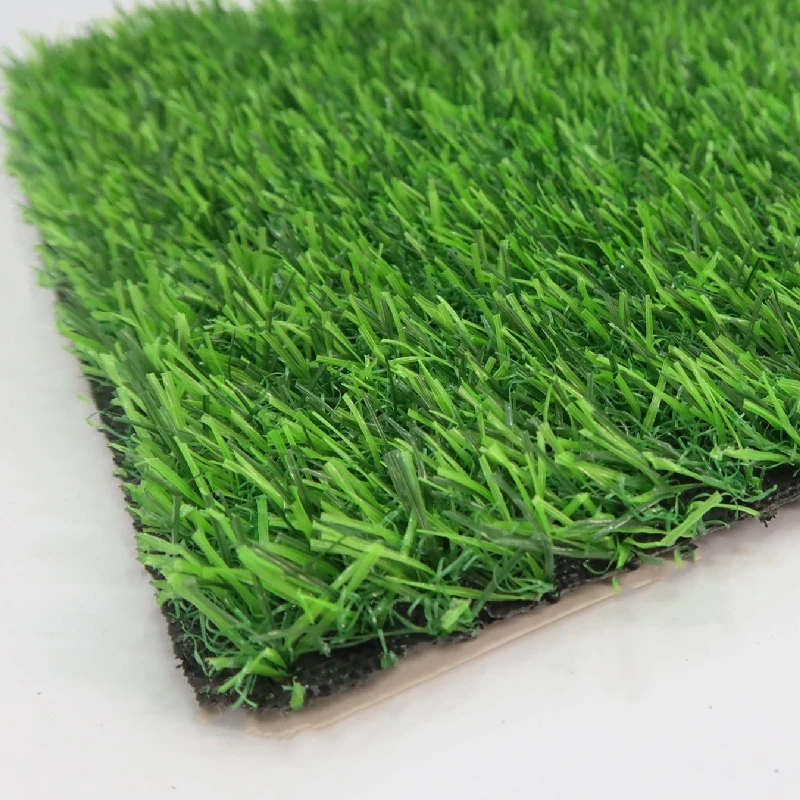
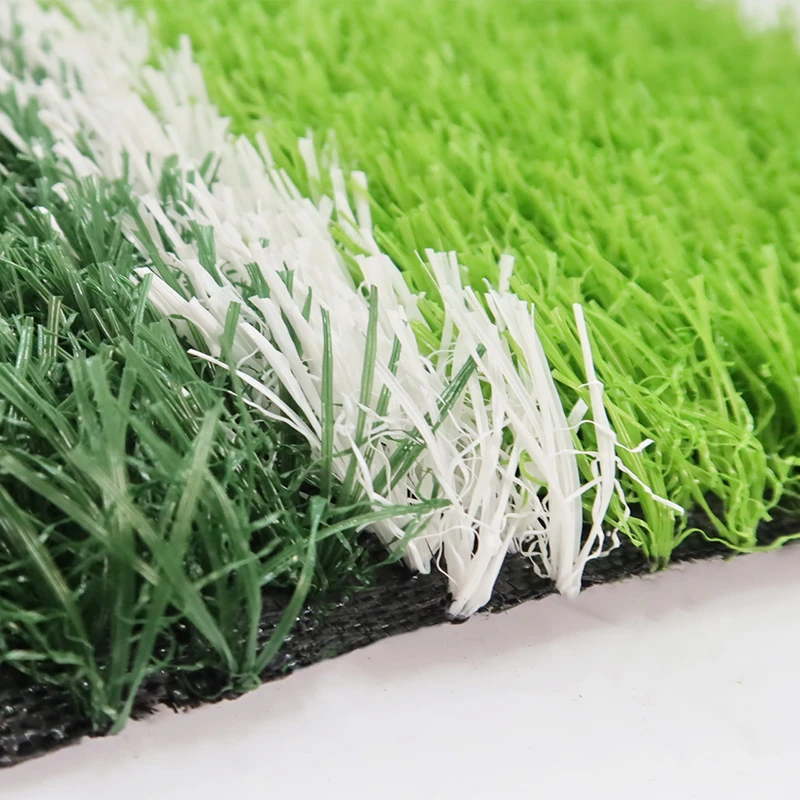
Simply put, “turf instead of grass” refers to using man-made or engineered surfaces that mimic the look and feel of natural grass without many of its limitations. Turf can mean synthetic fibers tufted to create a lush, green carpet or hybrid solutions combining natural grasses with synthetic reinforcement. These surfaces find roles in sports fields, commercial landscaping, residential yards, recreational parks, and even industrial zones.
More than just visual appeal, turf’s role is increasingly tied to modern industry and humanitarian needs. For instance, rapidly deployable artificial turf gets used in temporary event spaces, disaster relief sites, and accurate sports training environments.
Core Factors Behind Choosing Turf
Durability
One of the main draws of turf systems is they tend to take a beating and keep on looking good. Unlike grass, which wears out with heavy foot traffic or machinery, turf holds up. For stadiums or busy public parks, this is a game-changer.
Water Efficiency
Using turf instead of grass slashes water consumption dramatically. Natural lawns can require hundreds to thousands of liters daily, especially in arid climates. Turf virtually eliminates this demand, making it environmentally friendlier in drought-prone areas.
Maintenance Requirements
Grass requires mowing, fertilizing, aerating, pest control... the list goes on. Turf surfaces often just need occasional brushing or rinsing, saving time and money over years.
Installation Scalability
Whether you’re covering a small rooftop garden or vast sports complexes, turf can often be installed quickly with minimal interruption to daily life or business.
Customizability
Turf varieties now come in different colors, pile heights, and densities to suit different needs—from natural look to artificial styling. Some even incorporate antimicrobial coatings for healthcare or school environments.
Environmental Impact
While synthetic turf raises questions on recyclability and plastics, advances have improved the materials, incorporating recycled content, and creating systems that are partly bio-based. The life cycle analyses suggest over time turf has a lower water and chemical footprint.
Mini takeaway:
Durability, water efficiency, and ease of maintenance make turf increasingly attractive—particularly for commercial or public projects.
Real-World Uses of Turf Instead of Grass Around the World
The applications truly span the globe and industries:
- Sports facilities: From professional football stadiums in Europe to community soccer fields in South America, turf delivers consistent playability year-round.
- Urban green spaces: Cities like Dubai, Singapore, and New York use turf in parks where water scarcity or soil constraints limit grass growth.
- Industrial & commercial zones: Remote mines or factories often adopt turf to stabilize and green barren lands without extensive irrigation.
- Disaster relief & temporary lodging: NGOs deploy turf in camp areas and event sites for quick, safe ground cover.
- Residential landscaping: Homeowners favor turf in drought-hit areas or for pet-friendly, low-maintenance lawns.
A Closer Look: Turf Product Specifications
| Specification | Synthetic Turf Model A | Hybrid Turf Model B |
|---|---|---|
| Pile Height | 40 mm | 30 mm (mix synthetic & natural) |
| Material | Polyethylene fibers | Natural grass with synthetic reinforcement |
| Expected Lifespan | 8–12 years | 10–15 years with proper maintenance |
| Water Usage | Negligible | Reduced by 70% vs all-natural lawns |
| Maintenance Needed | Brushing and washing | Mowing plus brushing |
| UV Resistance | High | Moderate (natural grass dependent) |
Advantages & Long-Term Value
Choosing turf instead of grass can mean fewer headaches, more saved resources, and spaces that work hard for you. The cost saving on water alone often pays back the initial investment in just a few years.
Plus, many users comment on the social benefits: children can play anytime without muddy messes, pet owners enjoy cleaner yards, and communities appreciate the reliable greenery in drought or winter. It’s innovation you can literally walk on—and that feels like progress.
Vendor Comparison: Available Turf Providers
| Vendor | Price Range (per sqm) |
Warranty | Customization | Sustainability Claims |
|---|---|---|---|---|
| GreenField Synthetic | $25 - $40 | 8 years | Wide (color & style) | Uses recycled polymer |
| EcoTurf Hybrid Solutions | $35 - $50 | 10 years | Custom blends and pile height | Natural + synthetic mix for reduced carbon |
| PlaySoft Turf Co | $20 - $35 | 6 years | Standard colors only | Limited recycled content |
Future Trends & Innovations in Turf Technology
We’re already seeing turf manufacturers experimenting with bio-based polymers, UV-activated cleaning coatings, and integration with smart watering systems—even for hybrid variants. Automation in installation combined with drone monitoring promises to reduce upfront costs and improve lifespan tracking.
Around the corner, digital twins (virtual replicas of turf installations) might help maintain turf more efficiently by predicting wear patterns and optimizing maintenance schedules. Also, with mounting pressure on sustainability, new circular economy models aim to recycle or upcycle old turf rather than send it to landfills.
Common Challenges & How They're Tackled
Despite notable progress, turf options aren't perfect. Concerns about heat retention on synthetic surfaces, microplastic runoff, and initial installation costs remain top hurdles.
Many manufacturers are addressing heat issues through innovative fiber designs that allow better airflow and reflect sunlight. Experts also recommend mixing natural grass elements to reduce the urban heat island effect—a reason hybrid turfs are growing in popularity.
Regarding eco-impact, better recycling programs and biodegradable turf backings are springing up. Cost-wise, bulk purchasing and faster installation methods (think modular turf tiles) make entry easier for smaller projects or communities.
FAQ: Frequently Asked Questions About Turf Instead of Grass
- Is turf cost-effective compared to natural grass in the long run?
- Absolutely. While the initial investment can be higher, turf saves on water, fertilization, mowing, and pest control costs—often paying off within 5 to 7 years depending on climate and usage.
- Can turf be safely installed for pets and children?
- Yes. Modern turf products use non-toxic materials and offer soft padding that's safe for play. Some even include antimicrobial coatings to maintain hygiene.
- How sustainable is artificial turf really?
- The sustainability depends on the product. Many brands use recycled materials and offer take-back programs. Hybrid turf reduces synthetic use by combining natural elements, enhancing eco-friendliness.
- What maintenance does turf require?
- Occasional brushing to keep fibers upright, rinsing to remove debris, and repairing worn spots, which is less labor-intensive than lawn care.
- Can turf be used in extreme climates?
- Yes. With UV stabilization and drainage systems, turf withstands harsh sun and heavy rain—making it ideal from desert parks to wet stadiums.
Wrapping It Up: Why Turf Instead of Grass Makes Sense Today
Choosing turf instead of grass isn’t just about convenience or aesthetics. It’s about responsibly managing one of our most precious resources—water—while creating functional green spaces that last. Whether it’s for sports, urban greenery, or industrial grounds, turf offers a durable, sustainable path forward.
If you’re considering a greener, smarter landscape solution that fits both environmental and practical goals, it’s worth taking a closer look at turf—especially as innovations keep making it better and more accessible.
Ready to explore your options? Visit our website for a deep dive and expert guidance: turf instead of grass.
References
Latest news
-
Creating the Perfect Fake Grass Area for Dogs Complete Guide
NewsApr.16,2026
-
Guide to Using Fake Grass and Pets for a Pet Friendly Lawn
NewsApr.09,2026
-
Fake Grass and Dogs Creating a Pet Friendly and Durable Yard
NewsApr.07,2026
-
Maintaining a Pristine Lawn with Fake Grass and Dog Wee Management Solutions
NewsApr.04,2026
-
The Ultimate Guide to Choosing the Perfect Fake Dog Grass Patch for Your Pet
NewsMar.31,2026
-
Discover the Benefits of High Quality Fake Dog Grass for Potty Training
NewsMar.28,2026
Products categories