Welcome to Hoyarn
Call Us Any Time:+86 19801805999
Email Us: info@hoyarn.cn
Discover Turf on Line Solutions: Modern Synthetic Turf Installation & Sustainability
Nov . 26, 2025 14:10 Back to list
Discover Turf on Line Solutions: Modern Synthetic Turf Installation & Sustainability
The Growing Role of Turf on Line: A Modern Perspective
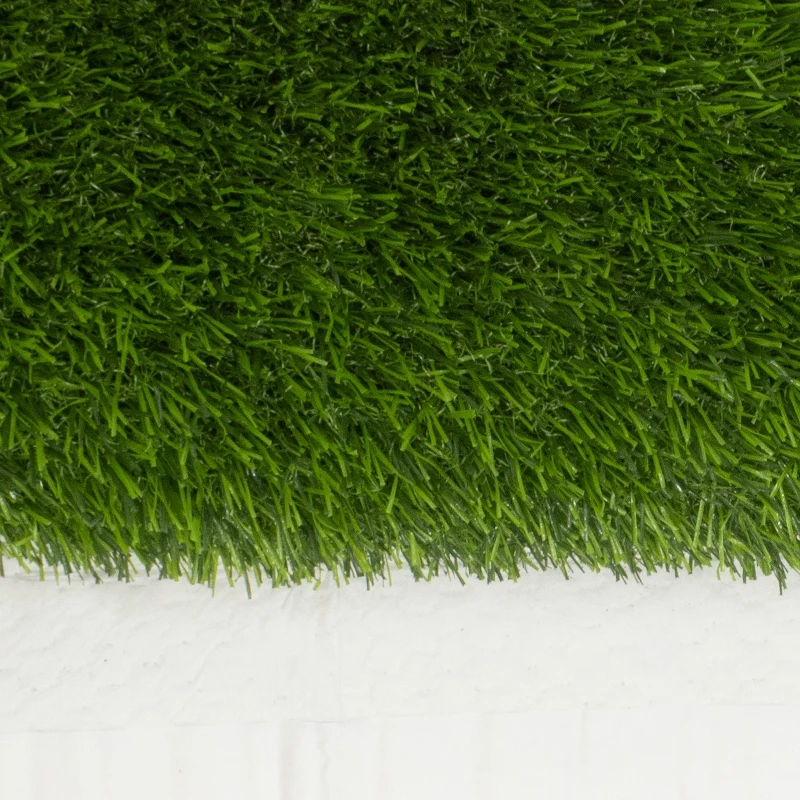
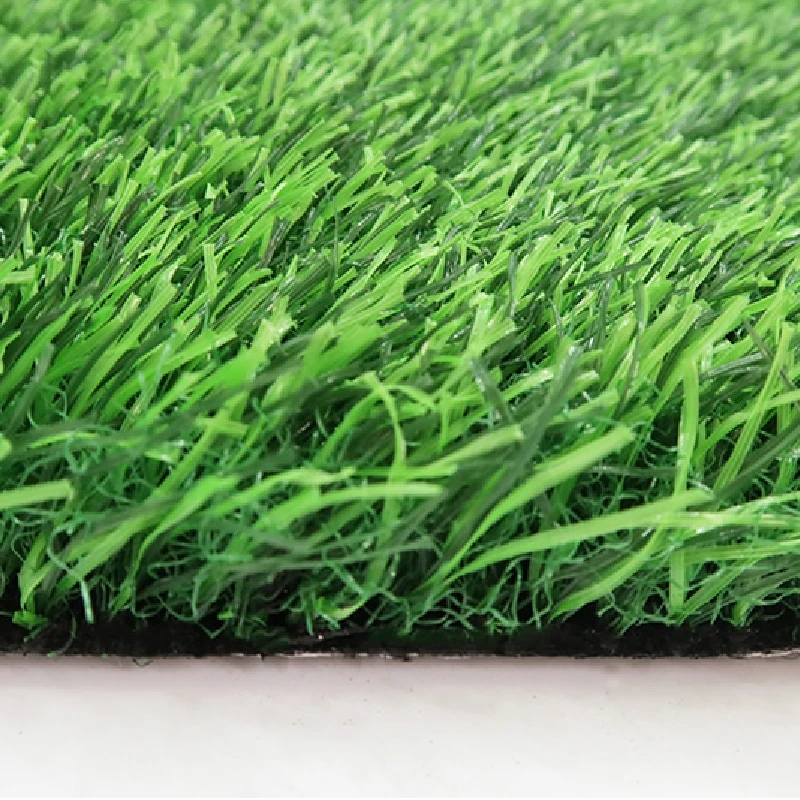
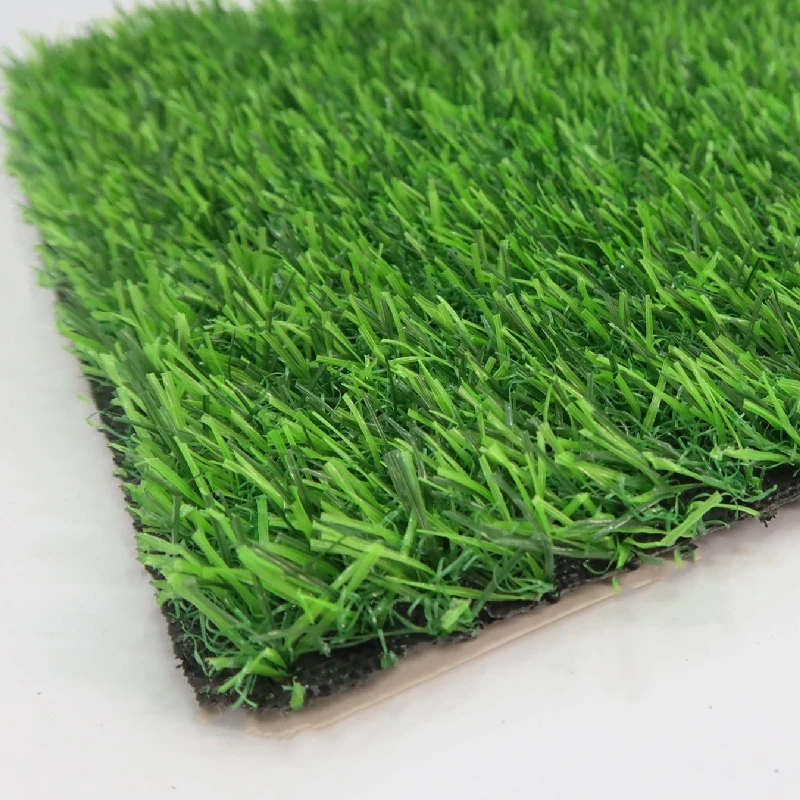
If you asked some folks casually strolling through a stadium, they might chuckle when you mention turf on line. But behind that phrase lies an entire world of industrial innovation and ecological consideration shaping how we think about synthetic turf installation, its supply chain, and maintenance systems today. Globally, the rise of artificial turf — or what enthusiasts refer to as 'turf on line' in many industry circles — signifies more than just greener football fields. It’s intertwined with sustainability efforts, urban planning, and cost-effective land use in areas from sports arenas in Brazil to drought-stricken parks in California.
Why does it matter? Because as climate change clocks in with unpredictable rainfall patterns and increasingly erratic weather, natural grass struggles to keep up without intense watering and upkeep. Turf on line provides an alternative that’s both sustainable and technologically clever, knitting together a supply chain optimized for fast deployment, low waste, and tailored user needs. It’s a quiet revolution underfoot with remarkable reach.
Introducing Turf on Line: What It Means in Simple Terms
When we talk about turf on line, we’re referring to the systematic approach of procuring, installing, and maintaining synthetic turf through streamlined, often digital, networks — essentially, managing the entire turf supply and installation process "online." This can range from ordering custom turf materials via specialized platforms to coordinating installation teams and aftercare services efficiently. In essence, turf on line integrates product availability, client requirements, and real-time delivery logistics into a cohesive experience.
It’s a modern industrial solution that’s become critical in sectors where natural grass is impractical: stadiums, playgrounds, commercial landscaping, and even humanitarian spaces where speedy, durable ground cover is vital. The term captures the intersection of technology, product design, and customer service — sorry, it’s more than just 'turf delivered'!
Core Components Defining Turf on Line Success
Durability Meets Innovation
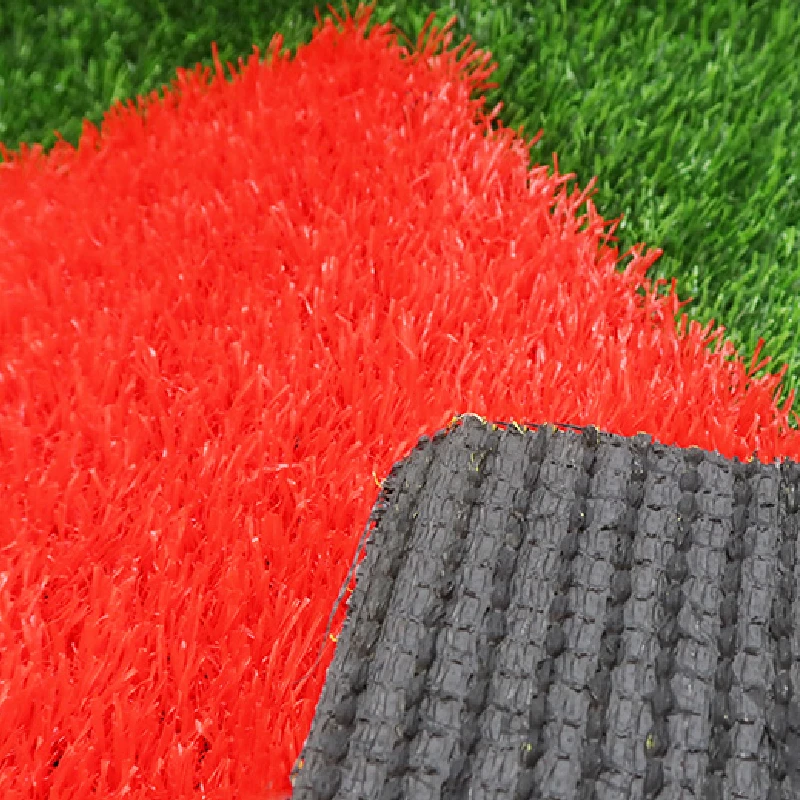
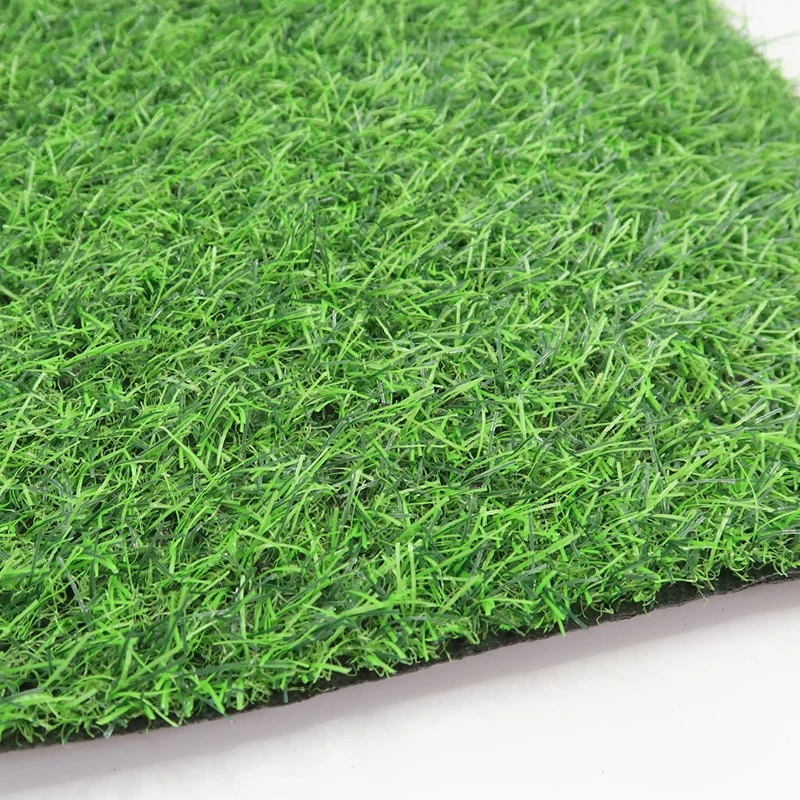
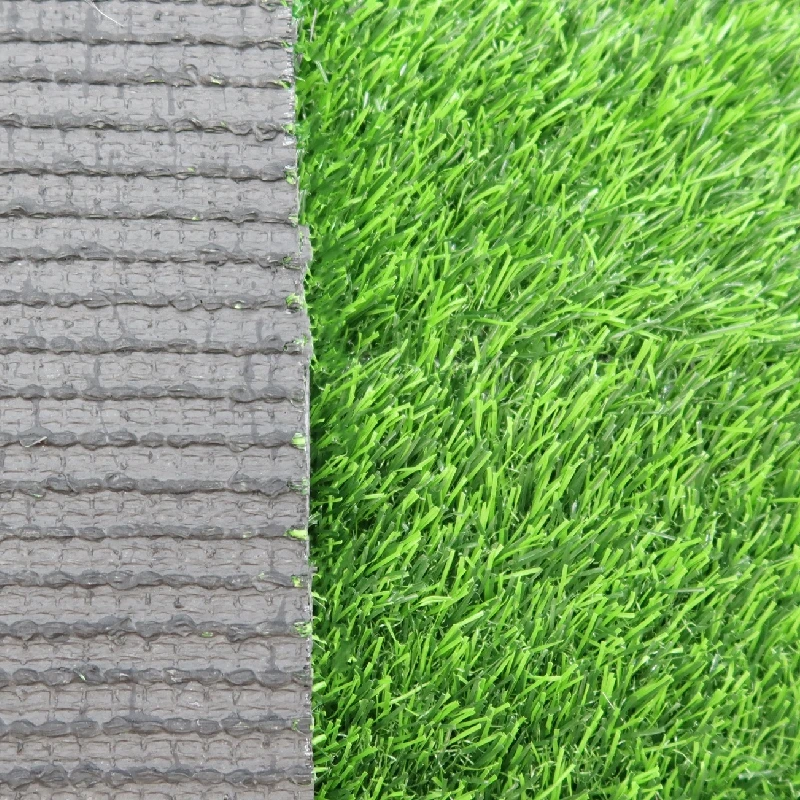
Many engineers I’ve chatted with highlight durability as the heartbeat of turf on line. These synthetic solutions must handle heavy foot traffic, extreme UV exposure, and varying climates without losing their structural integrity. The combination of UV-stabilized polyethylene fibers and backing materials that resist moisture seepage keeps fields looking—and playing—great for years.
Scalability & Customization
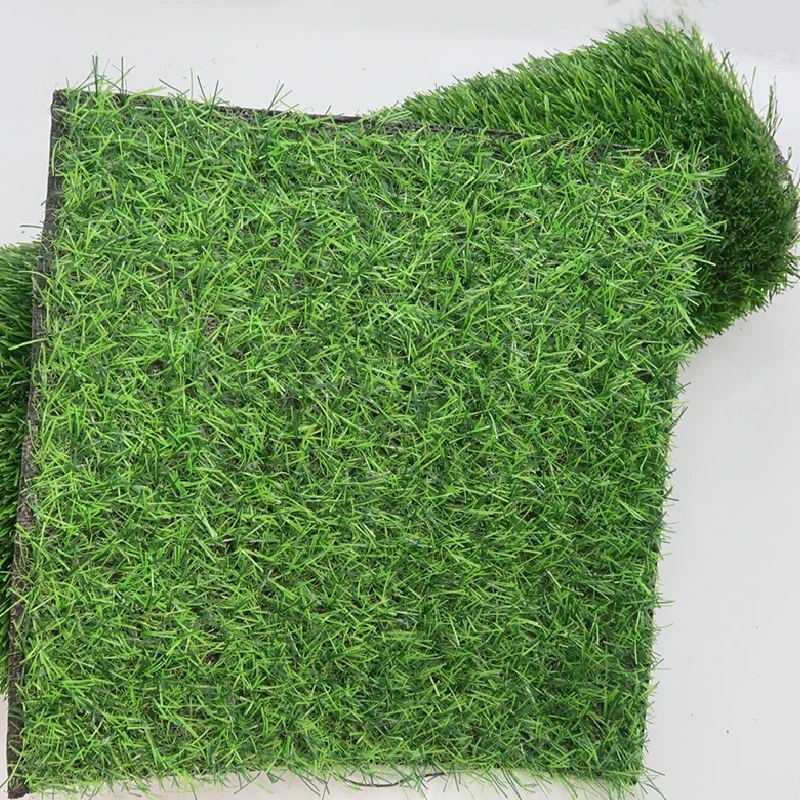
Whether you’re outfitting a small schoolyard or a sprawling soccer complex, turf on line systems offer scales of delivery and installation that can flex accordingly. Online configurations allow clients to pick turf densities, fiber heights, and infill types, optimizing cost versus performance. It feels like ordering a tailored suit, but for ground surfaces.
Cost Efficiency Through Streamlined Logistics
Installing synthetic turf traditionally involves cumbersome supply chains, but turf on line leverages modern digital catalogs and fulfillment systems to reduce delays and waste. This translates into fewer project overruns and a smaller environmental footprint—two aspects every serious facility manager salivates over.
Environmental Sustainability
Oddly enough, while synthetic turf requires petroleum-based inputs, ongoing improvements mean reduced water use and no need for harmful pesticides or fertilizers. Some systems even incorporate recyclable materials or are designed for circular lifecycle use, reflecting a growing eco-conscious trend.
Maintenance & Longevity Management
Turf on line isn’t just about installation; it includes smart scheduling for brushings, infill top-ups, and cleaning, often transmitted digitally to field managers. This proactive care stretches turf life and ensures safety standards stay high.
Mini takeaway: Turf on line blends durability, tailored design, cost-savvy logistics, sustainability, and ongoing maintenance into a unified offering — delivering modern turf solutions with surprisingly little fuss.
Global Applications: Turf on Line in Action
From South Africa’s rugby pitches to urban playgrounds in Tokyo, turf on line has found diverse applications.
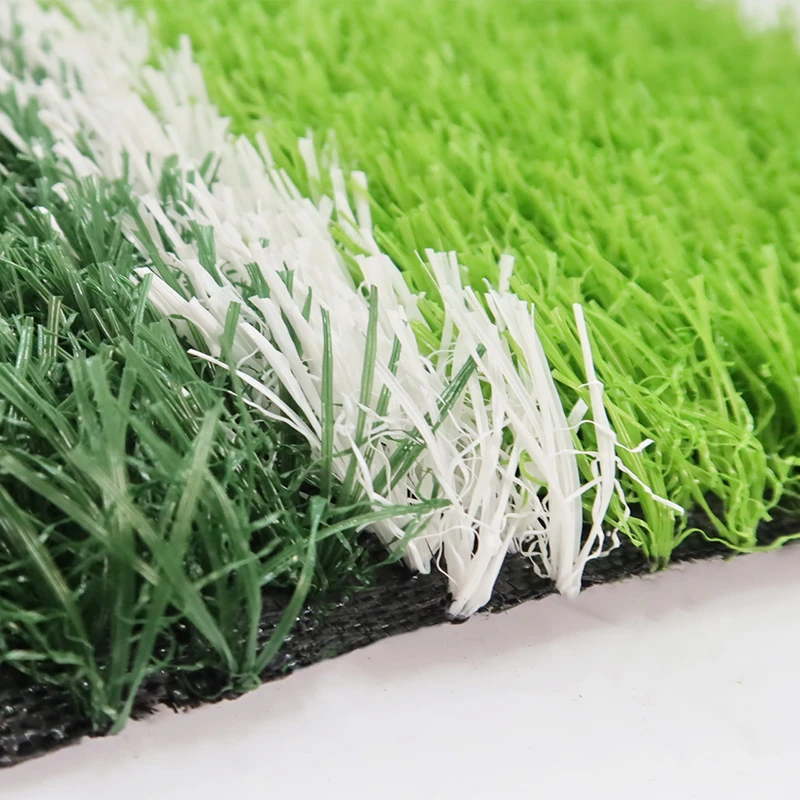
- Sports Facilities: Stadiums globally demand consistent turf performance coupled with efficient installation timelines. Turf on line systems help avoid lengthy downtimes between games while meeting stringent safety certifications.
- Urban Landscaping: Metro areas battling drought and maintenance costs favor synthetic turf — and the integration of digital ordering platforms means quicker project starts and better resource allocation.
- Post-Disaster Relief: In areas where natural soil is compromised, NGOs sometimes deploy turf on line solutions to stabilize playgrounds or communal spaces rapidly, supporting social recovery with dignity and speed.
- Industrial Sites: Remote mining or oilfield camps benefit from artificial turf that reduces dust and mud, can be quickly repaired, and requires minimal upkeep.
Simply put, if you need reliable, resilient green ground cover that won’t act up when nature’s being dramatic, turf on line systems often come through.
Turf on Line: Product Specifications at a Glance
| Specification | Description | Typical Values |
|---|---|---|
| Fiber Material | UV-stabilized polyethylene or nylon | PE dominant; 12-20k UVI tested |
| Pile Height | Length of turf fibers | 20-40 mm typical |
| Backing | Water-resistant, durable base | Polypropylene weave + latex |
| Infill Material | Grain or crumb rubber to support fibers | Silica sand or SBR crumb rubber |
| Installation Time | Average project duration per 1000 m² | 3–5 days with turf on line logistics |
Vendor Comparison: Leading Turf on Line Providers
| Feature | GreenFields Turf Co. | EcoLawn Systems | NextGen Turf Solutions |
|---|---|---|---|
| Customization Options | High (fiber types, colors) | Medium (standard designs) | Very High (bespoke patterns) |
| Average Delivery Time | 4 days | 6 days | 3 days |
| Sustainability Certification | ISO 14001, BlueSign | LEED Certified | Cradle to Cradle Gold |
| Smart Maintenance Tools | Mobile App Support | Email Reminders | IoT Sensors + Reports |
| Global Service Reach | 70+ countries | 40+ countries | 50+ countries |
Why Invest in Turf on Line? Advantages & Enduring Value
Imagine avoiding muddy fields on a rainy day, or knowing that your playground can endure constant use with next to zero watering. Turf on line offers decisively lower lifetime costs with fewer surprises for budget managers. More than that, it champions sustainability by cutting water and chemical use, which helps facilities meet their green goals — something that’s hard to put a price tag on but increasingly demanded by communities worldwide.
There’s also a human side to think about. It feels reassuring to provide safe, consistent ground surfaces at schools or community centers, especially where outdoor activity is linked to health and social inclusion. The trust earned from good turf on line decisions often becomes brand equity that goes beyond any fiscal spreadsheet.
Looking Ahead: Trends Shaping Turf on Line
- Biobased Fibers: Research into turf fibers made from renewable bioplastics is gaining momentum, reducing reliance on fossil fuels.
- Integration with IoT: Sensors embedded in turf monitor usage, temperature, and wear, alerting managers before small issues grow.
- Recycling & Circularity: Programs focused on turf recycling are pushing the industry toward zero waste.
- Enhanced Virtual Ordering: AI-driven platforms making turf on line ordering smarter and predictive.
Overcoming Common Challenges in Turf on Line Deployment
Despite progress, several issues linger. Shipping turf rolls is freight-heavy and costly, especially to remote sites. Some clients worry about heat retention on synthetic surfaces during summer, which research teams are trying to mitigate through fiber composition and color treatments. Also, integrating turf on line platforms with legacy procurement systems can slow adoption in some regions.
Experts suggest that modular turf panels — easier to ship and swap — and growing standardization in data formats for online orders could drastically change the game. Plus, local stocking hubs near demand centers would slice transportation emissions and delays, making turf on line even more attractive.
FAQ: Common Questions About Turf on Line
- What exactly does turf on line include beyond just the artificial turf product?
- It encompasses ordering, customization, logistics, installation coordination, and maintenance scheduling through digital platforms — a full-service approach rather than mere material supply.
- How durable is synthetic turf compared to natural grass?
- Modern turf can last 8-12 years depending on use and climate, requiring far less water and maintenance, making it preferable for high-use fields.
- Are turf on line products environmentally friendly?
- While synthetic turf uses plastics, it reduces water use and eliminates fertilizers. Innovations in recyclable materials and bioplastics are improving eco-friendliness.
- Can turf on line be used in humanitarian relief settings?
- Yes, rapid deployment turf stabilizes recreational spaces quickly and safely in disaster zones where natural grass might fail.
- How do I choose the right turf on line vendor for my needs?
- Evaluate customization options, delivery times, sustainability credentials, and aftercare services — see the vendor table above for a starting guide.
Wrapping Up: Why Turf on Line Is More Than Just a Product
At the end of the day, turf on line blends technology, ecology, and practical needs into a solution that’s quietly transforming how institutions worldwide create and maintain usable outdoor spaces. It’s not just turf delivered; it’s turf reimagined through smarter logistics and sustainable thinking.
To stay ahead in your field projects, be sure to visit turf on line experts and explore how modern turf can meet your exact needs swiftly and responsibly.
Reference List
Latest news
-
Creating the Perfect Fake Grass Area for Dogs Complete Guide
NewsApr.16,2026
-
Guide to Using Fake Grass and Pets for a Pet Friendly Lawn
NewsApr.09,2026
-
Fake Grass and Dogs Creating a Pet Friendly and Durable Yard
NewsApr.07,2026
-
Maintaining a Pristine Lawn with Fake Grass and Dog Wee Management Solutions
NewsApr.04,2026
-
The Ultimate Guide to Choosing the Perfect Fake Dog Grass Patch for Your Pet
NewsMar.31,2026
-
Discover the Benefits of High Quality Fake Dog Grass for Potty Training
NewsMar.28,2026
Products categories