Welcome to Hoyarn
Call Us Any Time:+86 19801805999
Email Us: info@hoyarn.cn
Understanding Artificial Turf Cost Per Square Foot: Pricing, Benefits & Global Impact
Dec . 01, 2025 21:55 Back to list
Understanding Artificial Turf Cost Per Square Foot: Pricing, Benefits & Global Impact
Understanding Artificial Turf Cost Per Square Foot: Why It Matters Today
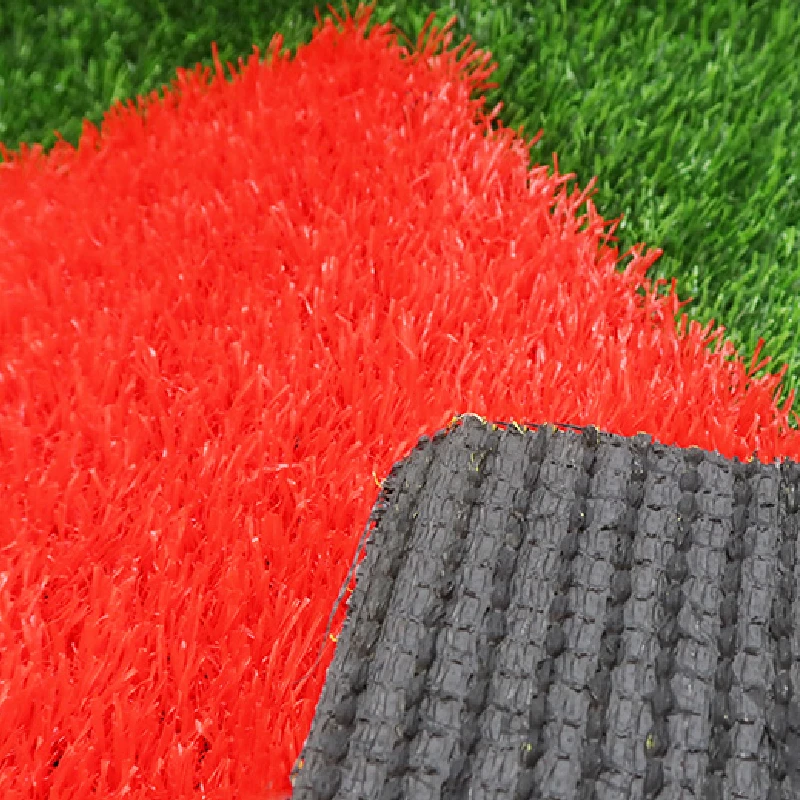
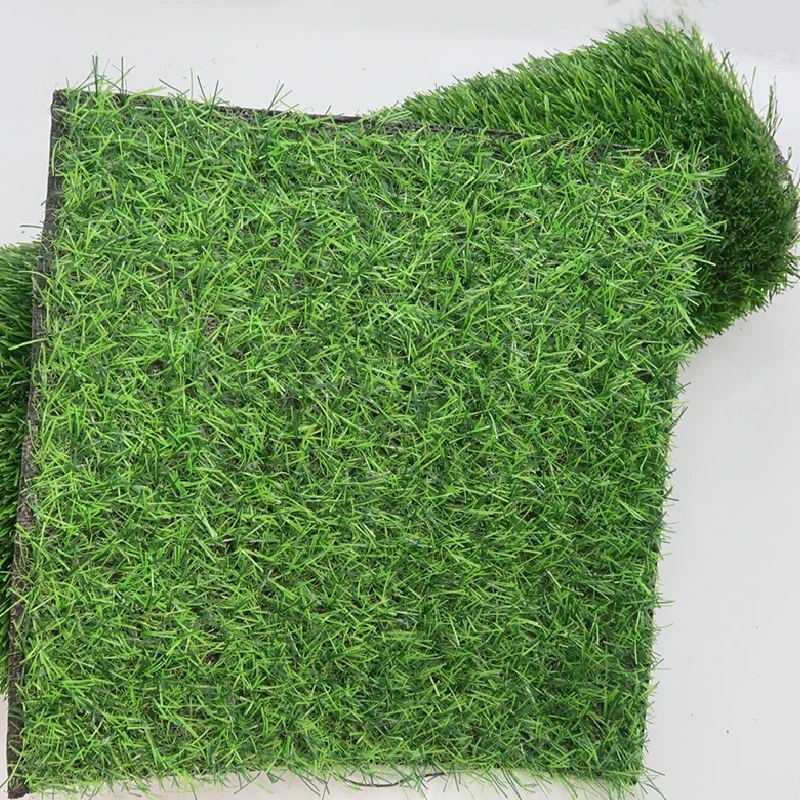
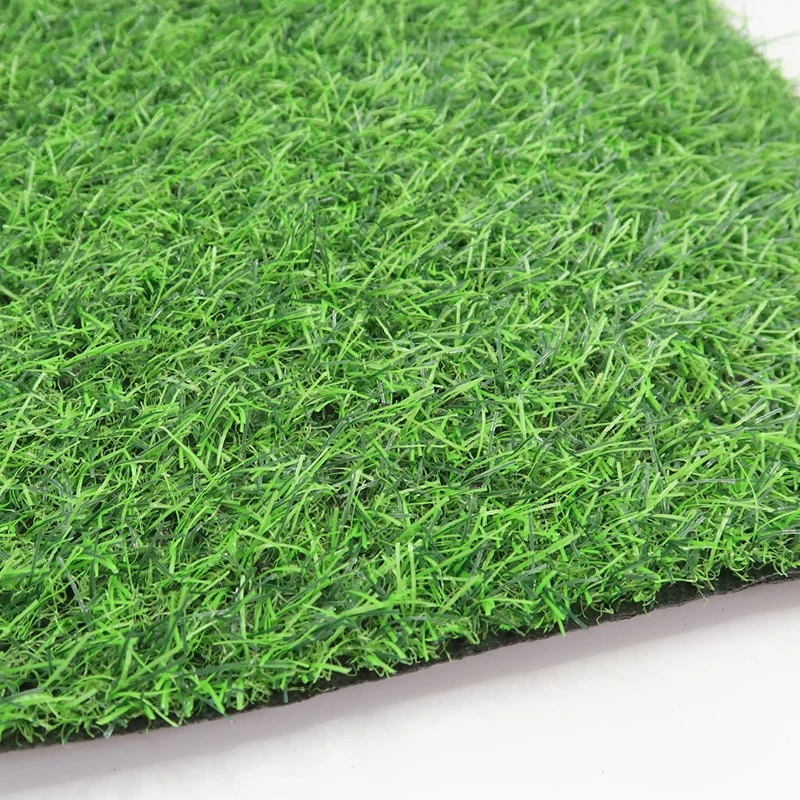
Artificial turf has evolved far beyond the early days of stiff green mats that looked anything but natural. Today, when you consider artificial turf cost per square foot, you’re stepping into a world of innovation, sustainability, and practical budgeting that affects everything from residential lawns to massive sports stadiums and humanitarian projects worldwide.
What makes it so important globally? Well, in a time when water scarcity, maintenance budgets, and environmental concerns are on everyone’s mind, understanding this cost metric offers a lens into savvy resource use and long-term investment strategies. Plus, if you’re in facility management, landscaping, or industrial sectors, knowing this figure can literally save you tens of thousands in the long run — and that’s no small change.
Mini takeaway: Grasping artificial turf cost per square foot is more than a pricing exercise — it’s a gateway to smarter, greener infrastructure decisions that touch nearly every facet of modern urban and industrial life.
Global Context: Why The Price of Artificial Turf Matters Across Borders
Artificial turf isn’t just a fancy replacement for grass; it’s part of a global shift towards sustainable land use and resource efficiency. According to recent World Bank reports, urban green spaces are under pressure worldwide — often facing drought and upkeep challenges. The UN’s Sustainable Development Goals emphasize sustainable cities, and turf systems fit right into that narrative by reducing water usage by up to 70% compared to natural grass (source: United Nations SDG).
However, the challenge arises with initial costs — here’s where artificial turf cost per square foot plays a huge role. Balancing upfront investment against long-term savings and environmental gains is no easy equation. As more regions face climate uncertainty, the price tag matters more than ever.
Mini takeaway: The cost per square foot of artificial turf is a key lever in tackling urban sustainability, water conservation, and infrastructural resilience worldwide.
What Exactly Does Artificial Turf Cost Per Square Foot Mean?
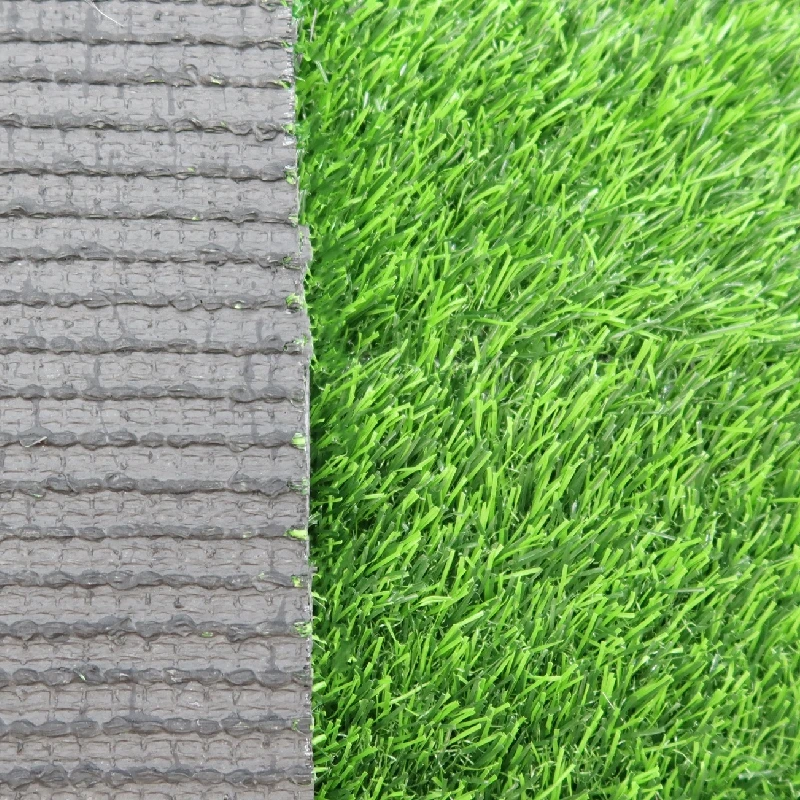
Simply put, artificial turf cost per square foot is the amount you pay for a single square foot of synthetic grass material plus, sometimes, installation. It combines raw material costs – the fibers, backing, infill – with manufacturing processes and installation labor.
Understanding this figure helps decision-makers forecast budgets for a variety of projects, from playgrounds needing durable surfaces to corporate campuses seeking low-maintenance lawn options. For humanitarian work or remote industrial sites, this cost indicates accessibility and feasibility, especially when natural turf maintenance is impractical.
Mini takeaway: It’s a straightforward metric, but packed with practical meaning — a financial yardstick for planning and sustainability.
Key Factors That Influence Artificial Turf Cost Per Square Foot
1. Material Quality & Durability
Your turf's lifespan depends heavily on the fibers used: polyethylene for softness, nylon for strength, or polypropylene for economy. High-end blends yield a higher upfront cost but usually pay off in longevity.
2. Pile Height & Density
A taller, denser turf generally means a more natural look – more blades per square inch – and a cost bump. But this can be essential for sports fields or pet-friendly areas where resilience is king.
3. Infill Type & Amount
Infill keeps turf blades upright and adds cushioning. Options range from crumb rubber to eco-friendly alternatives. The type and quantity affect costs and safety profiles.
4. Installation Complexity
Sometimes it’s straightforward — level ground, minimal prep. Other times, complex grading, drainage solutions, and edging can push installation costs notably higher.
5. Warranty & Brand
More established brands often offer longer warranties (8-15 years). That peace of mind adds some cost but can be invaluable over time.
6. Geographic Location
Shipping and labor rates vary. Remote locations or regions with higher costs of living will tend to see higher overall costs per square foot.
| Specification | Typical Range | Notes |
|---|---|---|
| Base Material | Polyethylene, Nylon, Polypropylene | Higher grades improve durability and feel |
| Pile Height | 0.5 – 2.5 inches | Varies by application (sports vs. landscaping) |
| Infill Type | Crumb Rubber, Sand, Organic | Impacts safety, cost, and environmental footprint |
| Installation Costs | $2 - $5 per sq.ft | Depends on site prep and complexity |
| Warranty Length | 8 – 15 years | Protects against early wear and UV damage |
Mini takeaway: Costs are layered — from material selection to installation nuances — so breaking down price per square foot can quickly become a fun puzzle.
How Different Vendors Stack Up on Artificial Turf Pricing
| Vendor | Cost per sq.ft (material + install) | Warranty | Best For |
|---|---|---|---|
| GreenSward Pro | $8 - $12 | 12 years | Sports Fields, High-Traffic Zones |
| EcoTurf Solutions | $6 - $9 | 10 years | Residential, Pet-Friendly |
| UrbanGrass Systems | $7 - $10 | 15 years | Commercial, Landscaping |
Global Applications: Where Artificial Turf Pricing Changes The Game
From dry suburbs in the US to arid plains of Australia, understanding the financial aspect of turf can guide architects and planners alike. Notably, NGOs working in climates with tough maintenance conditions rely on cost analysis to justify synthetic surfaces in refugee camps or community centers — places where natural grass quickly becomes a logistical nightmare.
In remote mining operations or oil fields, artificial turf creates safe zones without the fragility or watering needs of conventional landscaping. Even in schools, artificial turf is being implemented to offer safe play surfaces that last through intense wear and tear — with budgets closely tied to per-square-foot pricing.
Mini takeaway: The far-reaching uses reflect just how critical an understanding of cost metrics in turf is to both social and industrial sectors.
The Long-Term Value: More Than Just Cost
When you consider sustainability and ease-of-maintenance, artificial turf’s perceived cost starts to balance out. The water saved, the man-hours not spent on mowing, fertilizing or reseeding — these all translate into significant savings. And emotionally, the confidence in a consistently green, durable surface means more than dollars and cents.
Plus, many turf products now incorporate recycled materials or bio-based infills, adding a clear environmental win. So yes, artificial turf cost per square foot might feel higher at first glance, but it’s an investment toward reliability, safety, and a certain kind of dignity in outdoor spaces.
Emerging Trends & Innovations in Turf Pricing
- Eco-friendly Infill Alternatives: Organic infills like cork are gaining ground, sometimes altering cost interplay.
- Smart Turf: Embedded sensors for moisture and temperature are on the horizon, adding tech layers — and costs.
- Improved Manufacturing: Advances in extrusion and backing materials are lowering defects and extending life.
- Automation in Installation: Robotics are beginning to assist installers, promising labor cost reductions.
Mini takeaway: The turf industry is quietly innovating — which might soon shift how artificial turf cost per square foot is calculated and valued.
Facing Challenges? Here’s What Experts Recommend
The upfront cost scares many away, but spreading out installation phases or selecting high-wear areas first can ease cash flow. Another common hurdle is infill disposal — newer, biodegradable solutions are helping.
On technical fronts, improved site evaluation and drainage systems prevent early failure and reduce unexpected expenses. For those in regions with extreme sunlight exposure, opting for UV-resistant materials can stretch warranties and lower replacement costs.
FAQ: Practical Questions About Artificial Turf Cost Per Square Foot
- Q: What factors should I consider besides price per square foot?
- A: Look at total lifecycle costs including installation, maintenance, warranty, and environmental impact to get a full picture.
- Q: How long will artificial turf typically last?
- A: Expect 10-15 years on average, but this depends on material quality, infill, and climate conditions.
- Q: Are there cheaper alternatives that still perform well?
- A: Some polypropylene blends are more affordable but may wear out faster; balancing cost and durability is key.
- Q: Can artificial turf be reused or recycled?
- A: Recycling options exist but vary regionally; many manufacturers now offer take-back programs.
- Q: How can an NGO budget for turf in developing regions?
- A: Detailed cost-per-square-foot estimates combined with phased implementation and local labor sourcing usually work best.
Wrapping Up: Why Understanding Artificial Turf Cost Per Square Foot is Worth Your Time
At the end of the day, artificial turf cost per square foot is the gateway to unlocking smarter, sustainable outdoor spaces — whether you’re a sports facility manager, municipal planner, or NGO leader. It helps you evaluate real costs, environmental benefits, and social impact opportunities all in one neat metric.
Curious for more? Visit our website: https://www.hoyarngrass.com to explore detailed pricing and get tailored advice for your project.
It might feel like a small detail, but like many smart investments, the devil’s in the details. And frankly, that’s where the magic happens.
References:
Latest news
-
Creating the Perfect Fake Grass Area for Dogs Complete Guide
NewsApr.16,2026
-
Guide to Using Fake Grass and Pets for a Pet Friendly Lawn
NewsApr.09,2026
-
Fake Grass and Dogs Creating a Pet Friendly and Durable Yard
NewsApr.07,2026
-
Maintaining a Pristine Lawn with Fake Grass and Dog Wee Management Solutions
NewsApr.04,2026
-
The Ultimate Guide to Choosing the Perfect Fake Dog Grass Patch for Your Pet
NewsMar.31,2026
-
Discover the Benefits of High Quality Fake Dog Grass for Potty Training
NewsMar.28,2026
Products categories