Welcome to Hoyarn
Call Us Any Time:+86 19801805999
Email Us: info@hoyarn.cn
Understanding Artificial Turf Cost Per m2 – A Global Guide to Investment and Sustainability
Dec . 01, 2025 21:15 Back to list
Understanding Artificial Turf Cost Per m2 – A Global Guide to Investment and Sustainability
Understanding Artificial Turf Cost Per m2: Why It Matters Globally
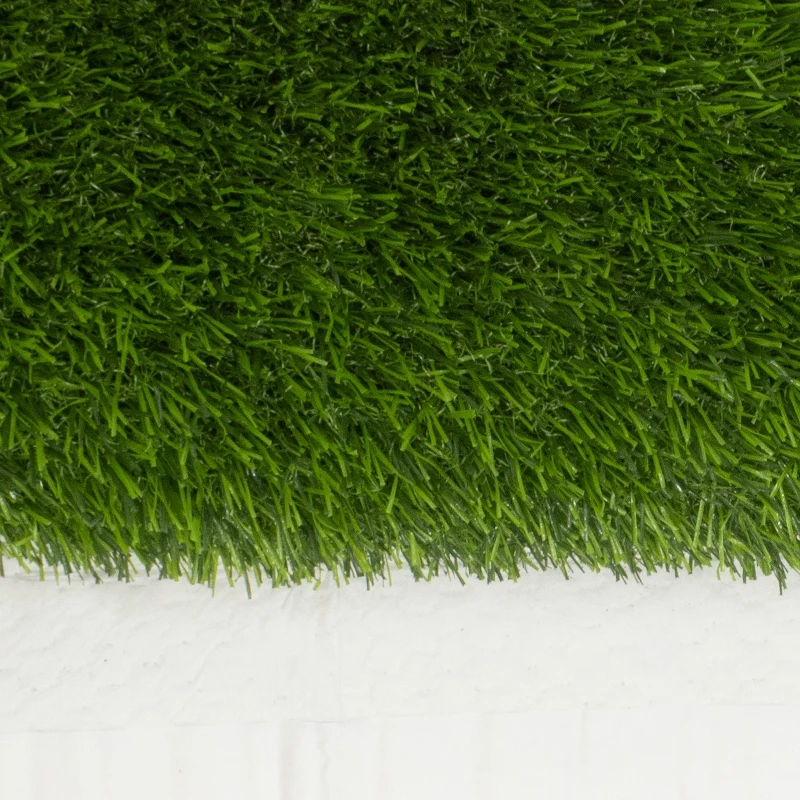
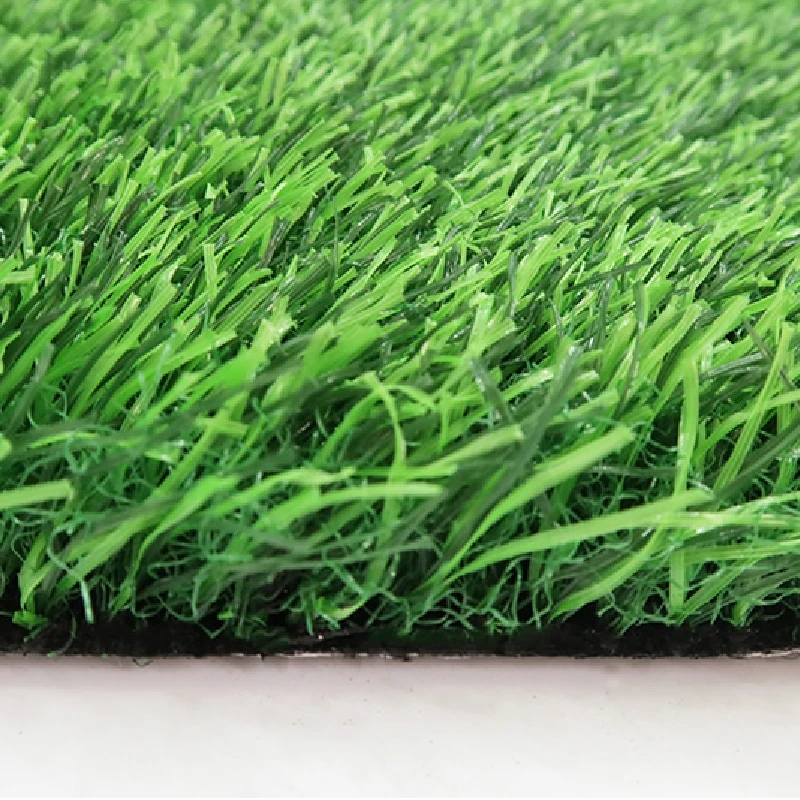
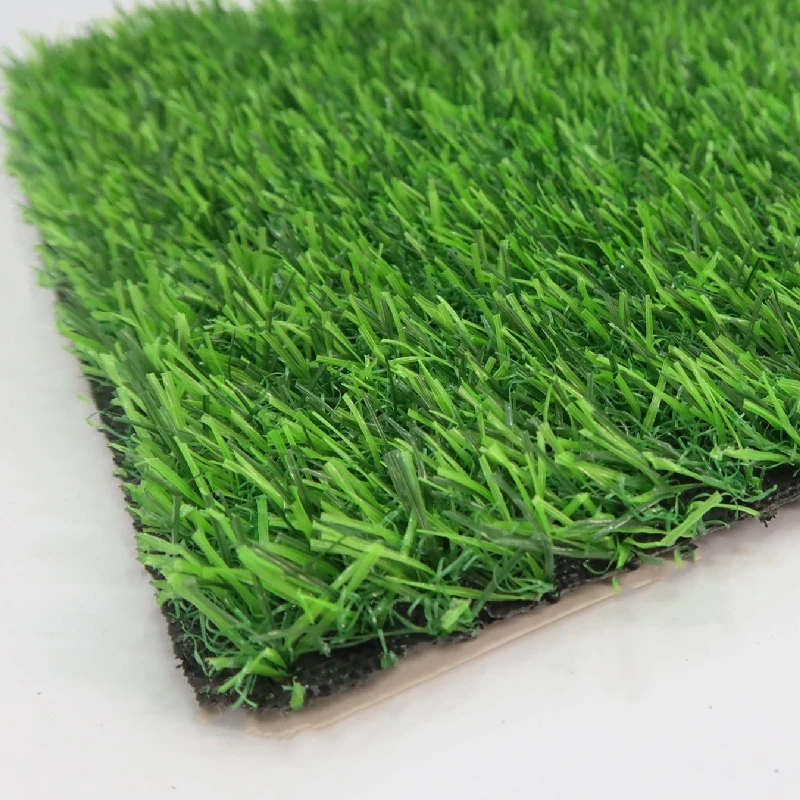
Artificial turf isn't just for sports fields anymore. From urban landscaping to disaster relief housing and industrial applications, understanding the artificial turf cost per m2 helps businesses, governments, and NGOs make smarter investments. In a world where water conservation and durable surfaces matter more than ever, getting to grips with these costs is key to balancing upfront expenses with long-term benefits.
Introduction: The Global Context of Artificial Turf Pricing
Globally, artificial turf installations are climbing steadily. According to the International Organization for Standardization (ISO), synthetic surfaces improve resource efficiency and reduce water consumption by up to 75% compared to natural grass. The World Bank notes urban green space demands are growing, but maintenance budgets often aren’t. Here’s where the artificial turf cost per m2 becomes a deciding factor: selecting cost-effective, long-lasting turf can save millions in maintenance and water bills.
Yet, buyers face challenges: prices vary widely based on material quality, infill choices, installation complexity, and geography — often leading to confusion. Understanding the granular makeup of these costs can illuminate the best investments for your specific use case.
What Does Artificial Turf Cost Per m2 Really Mean?
Simply put, it’s the total cost of purchasing and installing artificial grass calculated per square meter. This covers materials (synthetic fibers, backing, infills), installation labor, site prep, and often post-install care. It’s a straightforward metric but packed with nuance, especially as the turf industry evolves — newer fibers, recycled content, and specialized coatings all influence the price.
In humanitarian applications, like rapid-deployment shelters or playgrounds in refugee camps, knowing these costs helps with budgeting and speedy rollouts. In industry, it supports sustainable infrastructure decisions that prioritize longevity and environmental impact.
Core Components Influencing Artificial Turf Costs
1. Materials: The Backbone of Durability and Price
The quality of synthetic fibers (polyethylene, polypropylene, nylon) and the backing material determines both price and lifespan. Nylon turf costs more but lasts longer under heavy use — a tradeoff often worth it in sports facilities or industrial zones.
2. Infill Types: Safety and Stability Pay-Offs
Infill materials (sand, rubber crumbs, organic infills) add cushioning and turf stability. Premium infills raise initial expenditure but improve shock absorption, crucial for playgrounds or gyms.
3. Installation Complexity: Labor and Prep Matters
Site preparation—leveling, drainage, soil improvement—and the labor intensity significantly impact the cost per m2. Rocky or uneven terrain can double installation costs.
4. Maintenance and Warranty Packages
While artificial turf demands less water and ongoing labor than natural grass, maintenance like cleaning and brushing affects long-term costs, thus indirectly influencing upfront pricing models.
5. Geographic and Supply Chain Factors
Shipping, import tariffs, and availability of installers lead to regional cost fluctuations, sometimes substantial ones.
Mini Takeaway: The "artificial turf cost per m2" isn’t just a sticker price but a complex interplay of material science, labor, and situational variables. Knowing these factors is half the battle.
Real-World Applications: Who’s Using Artificial Turf and Why?
From sprawling stadiums to remote humanitarian camps, artificial turf’s versatility shines.
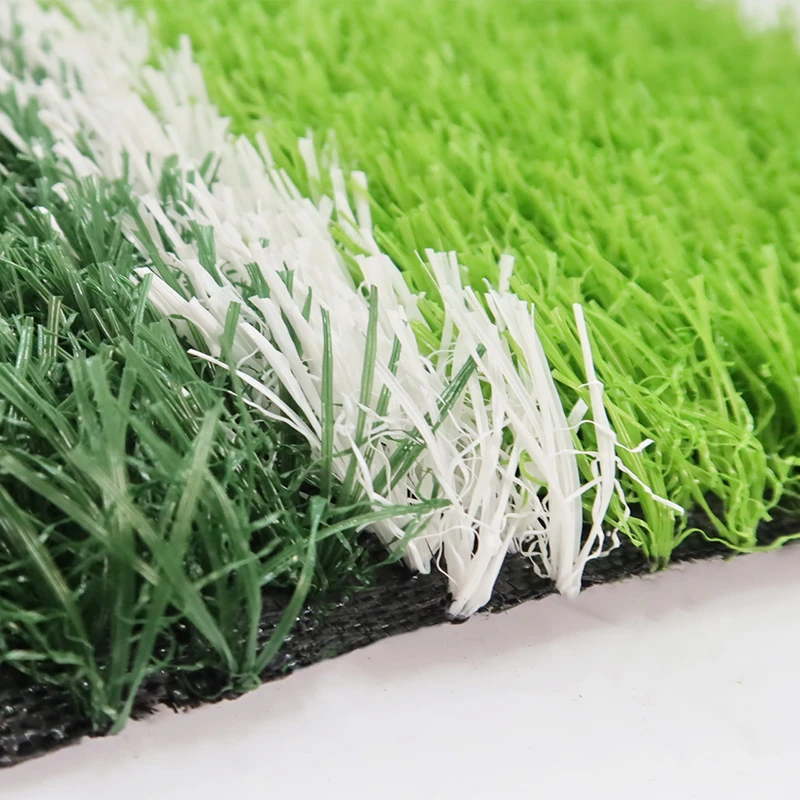
- Sports & Recreation: Football pitches and golf courses worldwide prefer synthetic turf for durability and weather resistance.
- Urban Landscaping: Cities facing drought conditions turn to artificial turf to maintain green spaces without excessive water use.
- Industrial Settings: Factories and warehouses use turf for safety zones and break areas that require minimal upkeep.
- Disaster Relief & Humanitarian Aid: Temporary shelters or recreational zones in camps benefit from quick-install turf surfaces reducing dust and mud.
A notable case: In California’s fire-prone regions, local authorities install artificial turf in parks and playgrounds, trading natural grass’s fire risk for synthetic’s resilience without hiking costs unreasonably.
Advantages & Long-Term Value of Paying Attention to Cost Per m2
Artificial turf's upfront cost is usually higher than seeding grass — but the savings quickly stack up. Here’s how:
- Water Conservation: Synthetic turf typically requires no watering, a huge cost and resource saver in arid regions.
- Durability: High-quality turf can last 10–15 years, resisting wear better than natural alternatives.
- Reduced Maintenance: Less mowing, fertilizing, and pest control.
- Safety & Aesthetics: Consistent surface quality lowers injury risks and maintains visual appeal year-round.
Interestingly, for school districts or NGOs, investing wisely in moderate-cost turf avoids replacement headaches and community dissatisfaction — turning cost per m2 into a trust-building metric.
Product Specification Table
| Specification | Typical Range | Notes |
|---|---|---|
| Material Type | Polyethylene / Nylon / Polypropylene | Nylon costs ~20% more but lasts longer |
| Pile Height | 10-50 mm | Shorter is cheaper but less cushioned |
| Infill | Rubber, Sand, Organic | Impacts safety and price |
| Installation Cost per m2 | $25 - $60 | Depends on terrain and prep |
| Lifespan | 8-15 years | Under normal conditions |
| Maintenance Cost | Low - ~$1-3 / m2 per year | Less than natural grass |
Comparing Key Artificial Turf Vendors
| Vendor | Base Cost per m2 | Warranty | Sustainability Certifications | Ideal Use Cases |
|---|---|---|---|---|
| Hoya Synthetic Systems | $28-$55 | 10 years | ISO 14001, LEED | Sports, Urban, Industrial |
| GreenPlay Turf | $25-$50 | 8 years | FIFA Quality Pro | Professional Sports Fields |
| EcoLawn Solutions | $22-$48 | 7 years | Cradle to Cradle Certified | Residential, Schools |
Upcoming Trends in Artificial Turf and Their Impact on Cost
Future innovations hint at exciting shifts. Biodegradable infills and more recycled fibers are becoming mainstream, lowering environmental impacts and sometimes costs. AI-powered installation drones and robotics might soon speed up complex site prep, trimming labor expenses. Also, shifting regulations worldwide aim to standardize safety and durability requirements, indirectly affecting market pricing and quality benchmarks.
Oddly enough, digital platforms now offer real-time artificial turf cost per m2 calculators, improving transparency for buyers worldwide.
Common Challenges and How Industry Experts Tackle Them
Despite its appeal, artificial turf faces criticism on microplastics runoff and heat retention on sunny days — two arenas that impact cost and user experience. Manufacturers respond by integrating carbon-capture polymers and cooling infills, which raise initial price but improve value and safety.
Installation discrepancies also cause cost overruns. Clear pre-install assessments and vendor certification schemes help minimize surprises.
FAQ: Frequently Asked Questions About Artificial Turf Cost Per m2
Q1: How much should I expect to spend on installing artificial turf per square meter?
A: Typical costs range between $25 and $60 per m2, depending on turf quality, installation complexity, and infill choices. Prices vary by region but expect upfront investments to be offset by lower lifetime maintenance.
Q2: Is higher cost turf always better for durability?
A: Not always. While premium fibers like nylon last longer, advances in polyethylene promise quality at lower prices. Consider use case requirements and warranty terms alongside cost.
Q3: Can I reduce costs by doing some installation prep myself?
A: Site prep is crucial. Mistakes in leveling and drainage can double total costs later. Only attempt DIY prep if you have relevant experience. Otherwise, professional installation is a safer bet.
Q4: How does artificial turf compare environmentally to natural grass?
A: Artificial turf saves water dramatically and reduces pesticide use but may contribute to microplastics issues. New sustainable materials and recycling programs are mitigating these downsides.
Q5: Where can I find transparent pricing for artificial turf globally?
A: Reputable vendors, including Hoya Synthetic Systems, offer online tools and detailed quotes upon request. It’s best to get multiple quotes for a clear view of market pricing.
Conclusion: Making Sense of Artificial Turf Cost Per m2
Delving into the artificial turf cost per m2 reveals more than just numbers. It reflects modern priorities: saving water, ensuring durability, and optimizing maintenance budgets. Choosing wisely means balancing upfront investment with long-term returns — a decision with real impact on communities, industries, and the environment.
For those in the market, I recommend a close look at vendor credentials, material specs, and hidden costs. Curious to explore further? Visit Hoya Synthetic Systems for detailed insights, cost calculators, and expert guidance tailored to your region and needs.
Mini reflection: Artificial turf’s value proposition isn’t always clear cut — it is nuanced and context-specific. But as sustainability pushes industry standards, understanding cost per m2 today is like investing in smarter greenery and safer surfaces for tomorrow.
References
Latest news
-
Creating the Perfect Fake Grass Area for Dogs Complete Guide
NewsApr.16,2026
-
Guide to Using Fake Grass and Pets for a Pet Friendly Lawn
NewsApr.09,2026
-
Fake Grass and Dogs Creating a Pet Friendly and Durable Yard
NewsApr.07,2026
-
Maintaining a Pristine Lawn with Fake Grass and Dog Wee Management Solutions
NewsApr.04,2026
-
The Ultimate Guide to Choosing the Perfect Fake Dog Grass Patch for Your Pet
NewsMar.31,2026
-
Discover the Benefits of High Quality Fake Dog Grass for Potty Training
NewsMar.28,2026
Products categories