Welcome to Hoyarn
Call Us Any Time:+86 19801805999
Email Us: info@hoyarn.cn
How Much Does Artificial Turf for Backyard Cost? A Global Guide to Understanding Pricing and Benefits
Dec . 01, 2025 22:30 Back to list
How Much Does Artificial Turf for Backyard Cost? A Global Guide to Understanding Pricing and Benefits
Understanding Artificial Turf for Backyard Cost: Why It Matters Now More Than Ever
If you've ever wondered what goes into figuring out the artificial turf for backyard cost, you’re not alone. While it might sound like just a backyard upgrade topic, it actually taps into a broader global movement toward sustainable landscaping, water conservation, and low-maintenance outdoor living. Whether it's a sunny home in California or a rainy backyard in the UK, artificial turf offers a way to keep green spaces looking beautiful year-round without the typical upkeep hassles.
Globally, the demand for water-saving solutions has skyrocketed — with the United Nations estimating that by 2025, half of the world’s population will be living in water-stressed areas. Artificial turf isn't just about aesthetics; it's a practical solution helping homeowners and industries alike reduce water consumption dramatically.
So understanding the artificial turf for backyard cost means knowing how to balance upfront investment with long-term savings, water efficiency, and environmental benefits. Let’s take a dive into what shapes these costs and why this turf tech is more than just a lawn replacement.
Global Context: Why Does Artificial Turf Cost Matter?
It might surprise you that artificial turf is part of a near $7 billion industry worldwide, expected to grow faster than many traditional landscaping segments. The World Bank highlights increasing urbanization and climate adaptation as key factors pushing this growth. After all, cities are striving to maintain green areas amid shrinking space and water restrictions.
This boom shines light on a familiar challenge: How do we create beautiful, functional outdoor spaces, without draining natural resources or budgets? Artificial turf’s cost is a burning question here — not only for individuals but for municipalities, schools, and sports facilities.
The upfront costs can vary, but savvy consumers know to weigh installation, turf quality, warranty, and maintenance needs. The financial and ecological impacts combined make understanding costs crucial on a global scale.
What Exactly Is Artificial Turf for Backyard Cost?
Simply put, artificial turf for backyard cost refers to the full price tag associated with purchasing and installing synthetic grass designed for private outdoor spaces. This includes the turf material itself, the base preparation, labor, and sometimes extra items like infill materials, edging, or drainage solutions.
It’s become a popular alternative to natural grass lawns in both dry and wet climates, reducing the ongoing need for watering, mowing, pesticides, and fertilizers. For industries, this cost understanding ties directly to budgeting landscaping projects and sustainable property management.
Key Components Influencing Artificial Turf Cost
1. Durability and Material Quality
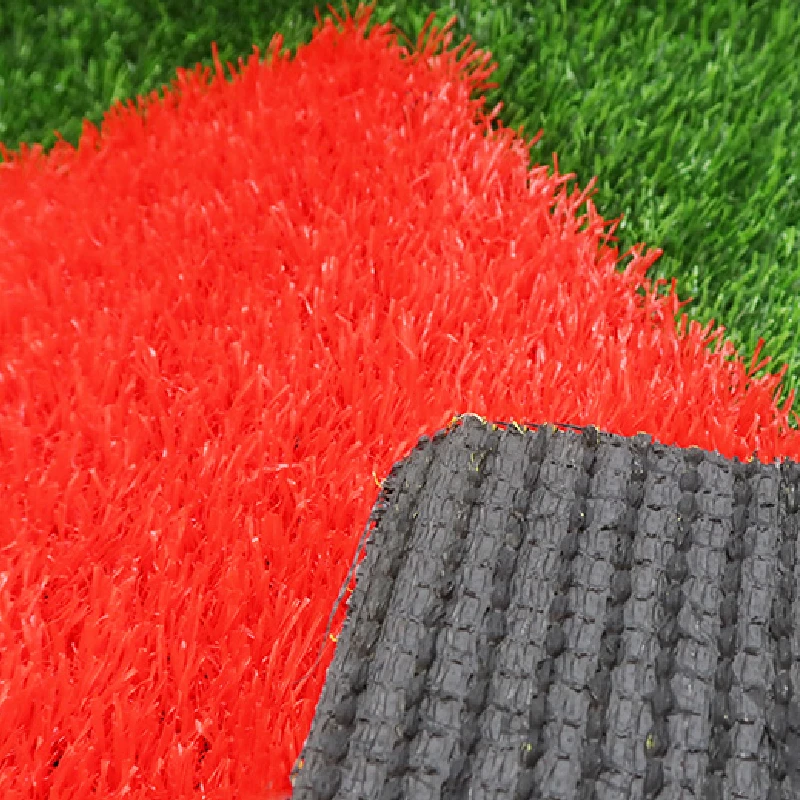
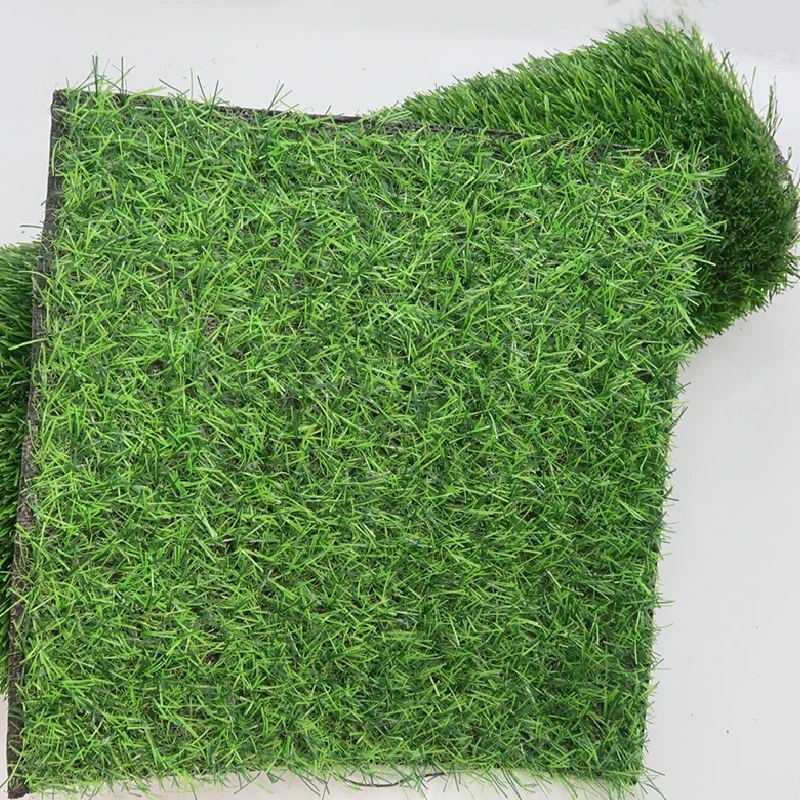
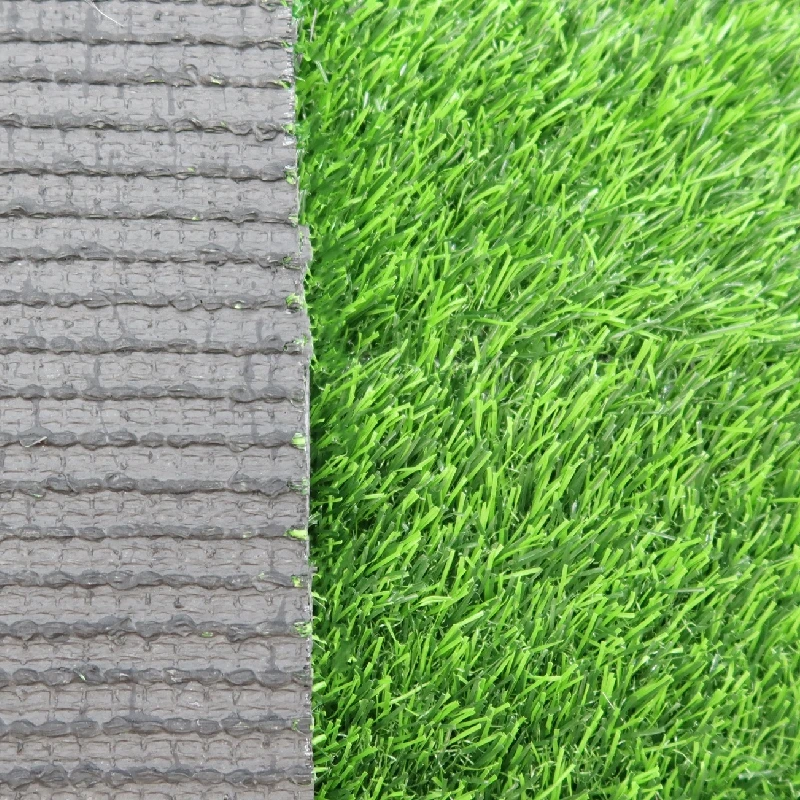
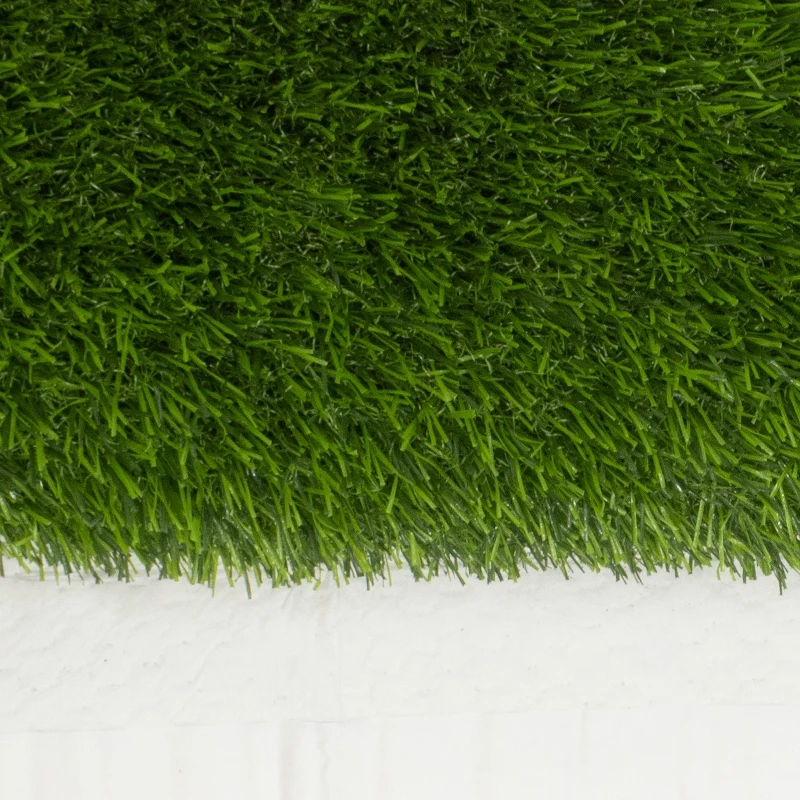
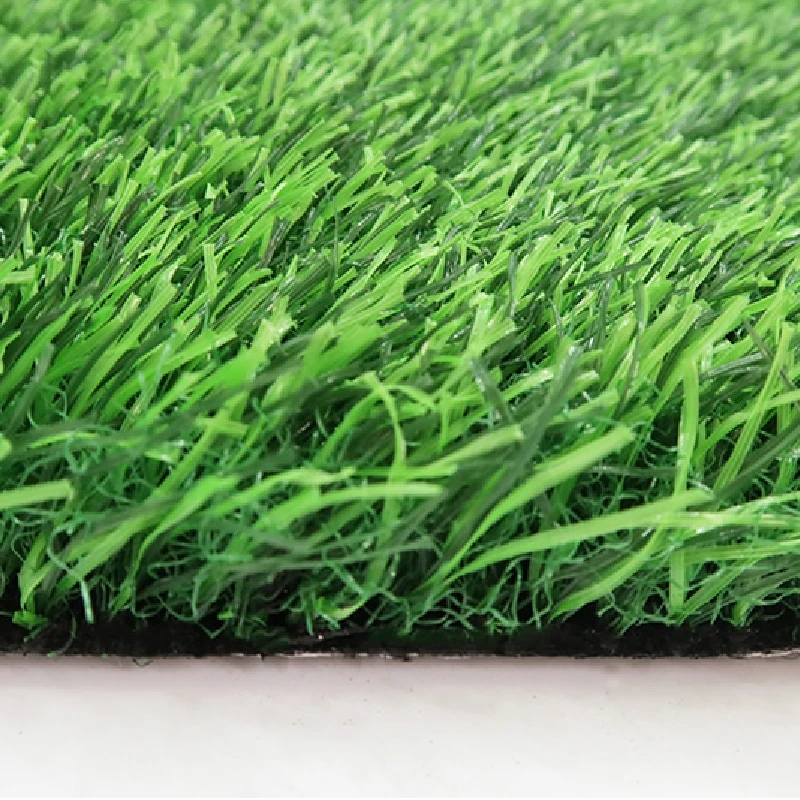
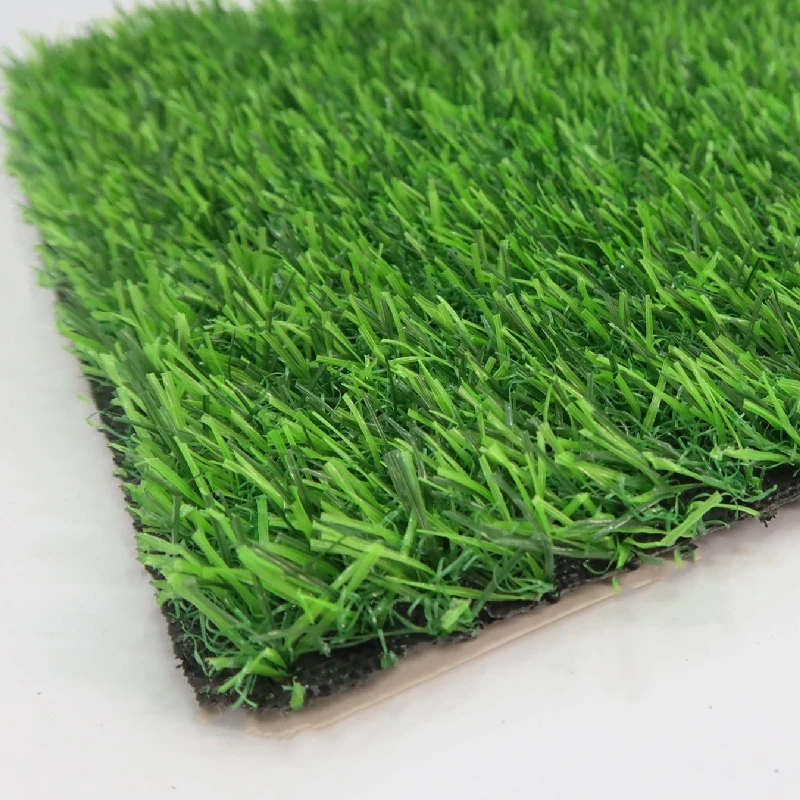
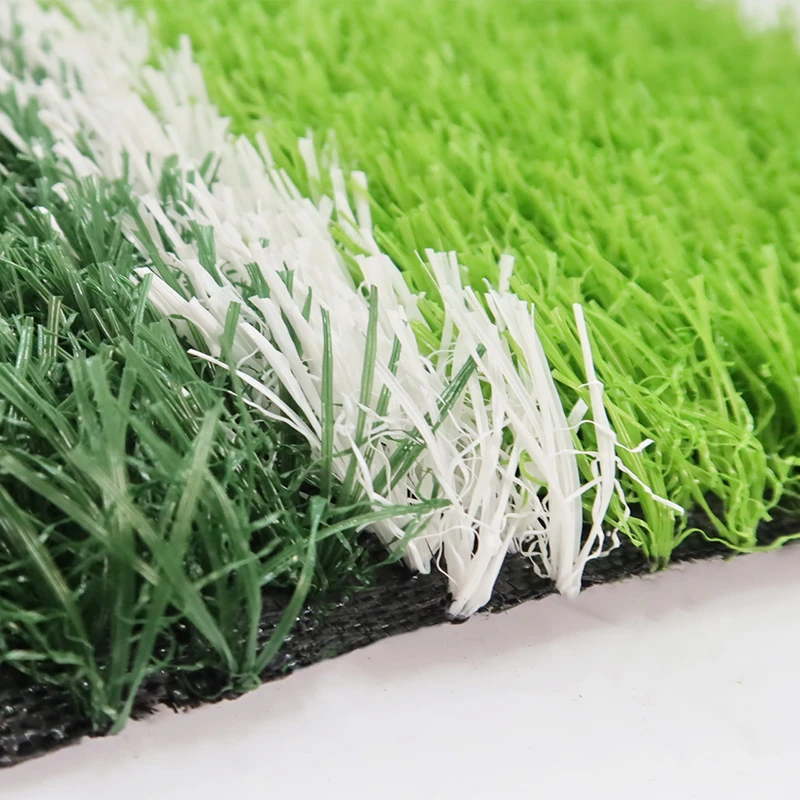
Higher-grade turf often means longer lifespan — manufacturers use various polymers like polyethylene, polypropylene, and nylon. The denser and thicker the fibers, the pricier the turf but also the more wear resistance it offers, especially important for families with kids or pets.
2. Installation Complexity
Site prep varies hugely: sometimes it’s a simple leveling job, but often you’ll need excavation, compacted base layers, or drainage considerations. Each factor pushes the cost upward — and good prep is key to long-term satisfaction.
3. Turf Pile Height and Density
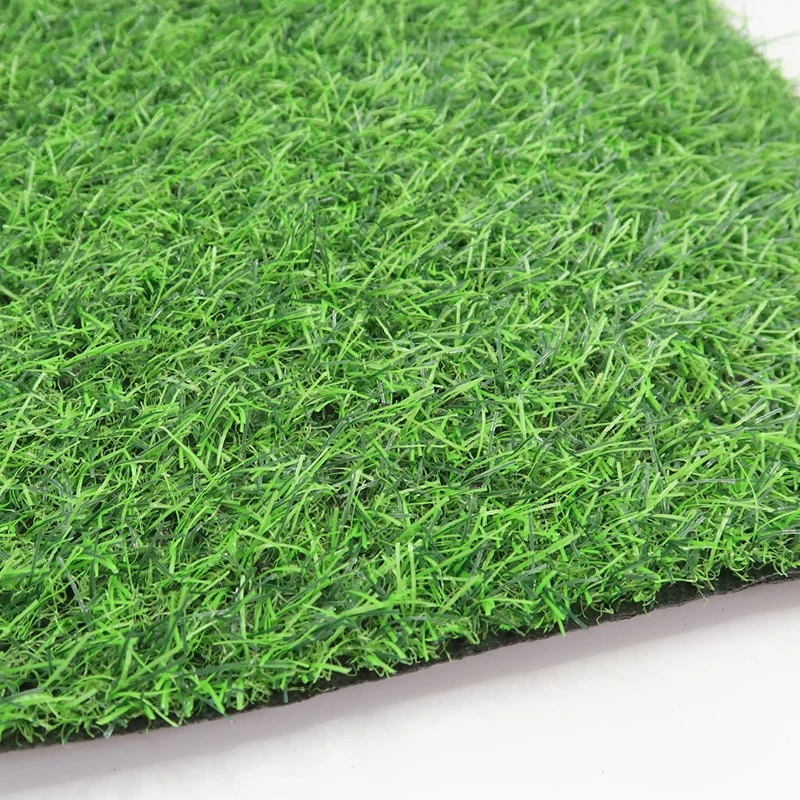
Longer piles can give a plush feel, while shorter ones look more natural. Density ties to how well the turf holds up and looks “alive.” These specs translate directly into unit price per square foot or meter.
4. Infill Material
Infill is spread in between the grass blades to provide cushioning and stability. Common options include sand, rubber crumb, or organic infills. Each choice affects cost and environmental impact differently.
5. Warranty and Brand Reputation
Premium brands often offer warranties up to 15 years, which— while possibly increasing upfront costs— can deliver cost savings in maintenance and replacement avoidance.
Mini takeaway:
Artificial turf cost isn’t just turf price. It’s about material choice, site prep, installation detail, and warranty peace-of-mind.
Artificial Turf Goes Global: Use Cases and Industry Applications
The versatility of artificial turf is truly international. In drought-prone California and Australia, turf reduces water use massively. Urban apartment complexes in Europe install green roofs with turf layers for insulation and beauty. Some African and Middle Eastern resorts even turn to synthetic grass to maintain pristine looks with zero irrigation.
Post-disaster zones have also embraced artificial turf for temporary recreational areas — providing safe, clean play surfaces while natural lawns recover. In remote industrial settings like mining camps, where maintenance crews are limited, synthetic grass keeps outdoor spaces usable and visually pleasing.
| Specification | Typical Range | Notes |
|---|---|---|
| Fiber Material | Polyethylene/Polypropylene/Nylon | Different durability and feel |
| Pile Height | 10 - 40 mm | Affects comfort & appearance |
| Density | 6,000 - 16,000 stitches per m² | More stitches = fuller turf |
| Infill Type | Sand, Rubber, Organic | Changes feel & drainage |
| Warranty | 8–15 years | Reflects lifespan confidence |
Mini takeaway:
Across continents and climates, the right artificial turf choice depends heavily on local conditions and expected use-cases — there’s no one-size-fits-all.
Tangible Advantages and Why It Pays Off in the Long Run
Choosing artificial turf for a backyard isn’t just about skipping lawnmowers. It can slash outdoor water use by up to 70-90%, which many water agencies find priceless amid droughts. Plus, less chemical use benefits local ecosystems — less runoff pollution from fertilizers means cleaner urban streams.
Emotionally, many homeowners cherish their weekends more since they’re freed from lawn chores — something that oddly enough, adds value to life quality. Safety wise, modern turfs have improved shock absorption, lowering injury risks for kids and pets running amok.
From an investment perspective, the combination of reduced maintenance costs and increasing water prices means the initial cost often pays for itself in 5 to 7 years or shorter depending on usage.
Looking Ahead: Trends Shaping Artificial Turf Costs
The future is green in more ways than one. Innovations in recyclable materials seek to close the loop on synthetic turf’s environmental footprint. Some companies experiment with solar-absorbing fibers to reduce heat build-up on hot summer days — a neat response to one of the biggest complaints.
Smart installation techniques paired with digital site surveys are speeding up cost-efficient deployments, especially critical in urban or tricky terrain. Plus, policies encouraging rainwater collection paired with artificial lawns are nudging prices and designs toward eco-consciousness.
Overcoming Challenges in Artificial Turf Investment
Of course, there’s no perfect system. Heat retention and surface temperature in direct sun remains a hurdle — nobody wants to sit barefoot on a scorching patch of fake grass. Disposal after lifespan ends poses hurdles too, as synthetic turf is often not biodegradable.
Experts recommend integrating shade structures or lighter-colored infills to reduce heat buildup. Recycling programs are emerging, helping turf’s second-life prospects grow. And quality installation remains the best way to prevent premature failures that blow budgets.
| Vendor | Price Range ($/sq ft) | Warranty | Special Features |
|---|---|---|---|
| Hoya Artificial Turf | $5 - $12 | 12 years | Eco-friendly materials, UV resistant |
| GreenScape Pro | $6 - $14 | 15 years | Heat reflective fibers, pet-safe infill |
| LawnLux Turf | $4.5 - $9 | 10 years | Budget-friendly, easy installation |
FAQs About Artificial Turf for Backyard Cost
- How much does it typically cost to install artificial turf in an average backyard?
- Costs usually range between $5 to $15 per square foot depending on turf quality, installation complexity, and region. This includes materials and labor but not always site-specific preparation like heavy excavation.
- Is artificial turf cost-effective compared to natural grass?
- Though the initial spend is higher, artificial turf saves significantly on water bills, lawn care equipment, and fertilizers over time. Many homeowners see a return on investment within 5–7 years.
- Does artificial turf require any ongoing maintenance?
- Yes, but it’s minimal — usually occasional rinsing, debris clearing, and infill top-ups. There’s no need for mowing or fertilizing, which are bigger time and money sinks.
- Can artificial turf be installed over uneven ground?
- It's best to level and prepare the base before installation for durability and aesthetics. Uneven ground can cause premature wear or drainage issues if not handled properly.
- What environmental considerations affect artificial turf cost?
- Eco-friendly turf made from recycled materials or with biodegradable options can cost more upfront but may align better with local environmental regulations and sustainability goals.
Wrapping Up: Why Getting Smart on Artificial Turf for Backyard Cost Is a Win
Artificial turf for backyard cost is more than numbers—it’s about choosing a smarter, sustainable, and often more beautiful approach to outdoor living. When you factor in regional water scarcity, maintenance savings, and the joy of a perfect lawn year-round, the cost becomes an investment in lifestyle and environment.
If you’re curious about exactly what your project might cost or want to explore options, don’t hesitate to discover more about artificial turf for backyard cost over at Hoya’s site. Sometimes spending a little extra today pays dividends tomorrow.
References & Further Reading
Latest news
-
Creating the Perfect Fake Grass Area for Dogs Complete Guide
NewsApr.16,2026
-
Guide to Using Fake Grass and Pets for a Pet Friendly Lawn
NewsApr.09,2026
-
Fake Grass and Dogs Creating a Pet Friendly and Durable Yard
NewsApr.07,2026
-
Maintaining a Pristine Lawn with Fake Grass and Dog Wee Management Solutions
NewsApr.04,2026
-
The Ultimate Guide to Choosing the Perfect Fake Dog Grass Patch for Your Pet
NewsMar.31,2026
-
Discover the Benefits of High Quality Fake Dog Grass for Potty Training
NewsMar.28,2026
Products categories