Welcome to Hoyarn
Call Us Any Time:+86 19801805999
Email Us: info@hoyarn.cn
Understanding Artificial Lawn Grass Price: Factors, Benefits, and Global Trends
Dec . 01, 2025 18:45 Back to list
Understanding Artificial Lawn Grass Price: Factors, Benefits, and Global Trends
The Real Scoop on Artificial Lawn Grass Price: Why It Matters More Than You Think
If you’ve ever wondered why the cost of artificial lawn grass seems to vary so widely, you’re not alone. This topic isn’t just about price tags — it hits deeper, touching global trends in sustainability, urban landscaping, even humanitarian efforts. Understanding artificial lawn grass price is key for everyone from homeowners to city planners and environmental advocates. Because frankly, it’s a product that’s grown from just “plastic turf” to a complex solution with benefits and challenges stretching worldwide.
Global Perspective: The Growing Significance of Artificial Lawn Grass Price
The demand for artificial grass has surged globally over the last decade. According to recent market reports, the global artificial grass market size is projected to reach over $5 billion by 2027 — all driven by urbanization, water scarcity issues, and increasing focus on low-maintenance landscaping, particularly in regions like the Middle East, North America, and Europe.[1]
But why does the price matter so much? Well, the cost anchors investment decisions across sectors — from private gardens to multi-million-dollar sports stadiums, to eco-friendly landscaping in drought-stricken zones. Managing the artificial lawn grass price effectively can mean the difference between a sustainable project and one riddled with hidden expenses or environmental costs. In short: if you want green, durable grass without the typical water usage and upkeep, knowing your price options upfront is key.
What Does Artificial Lawn Grass Price Actually Mean?
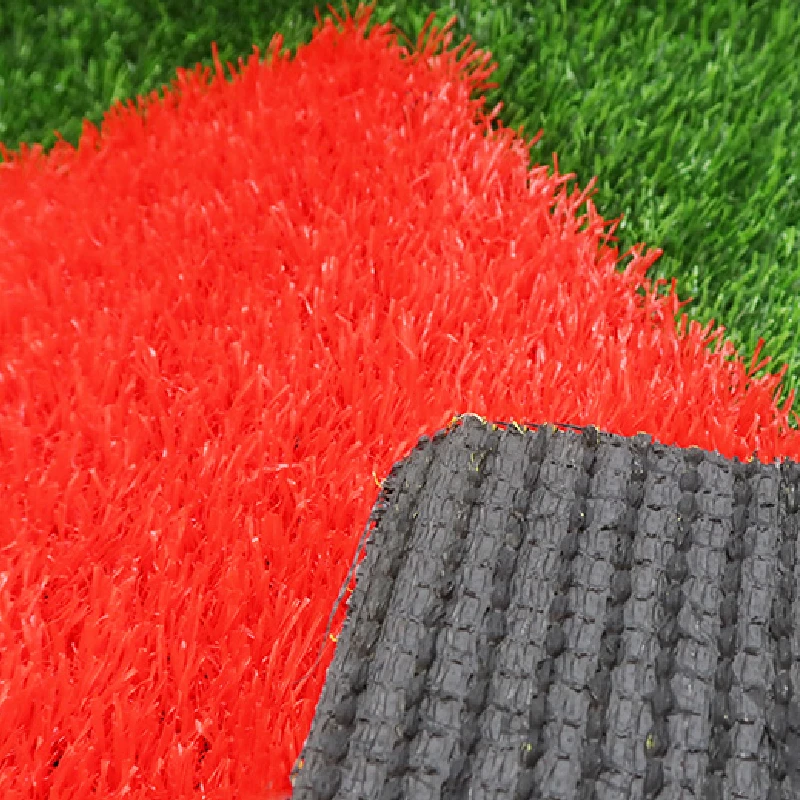
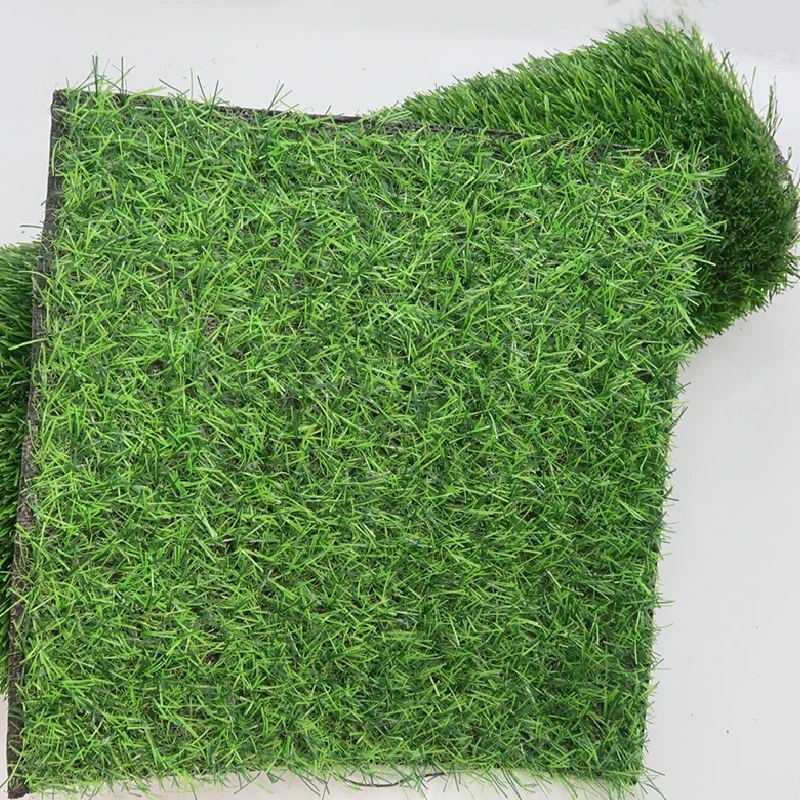
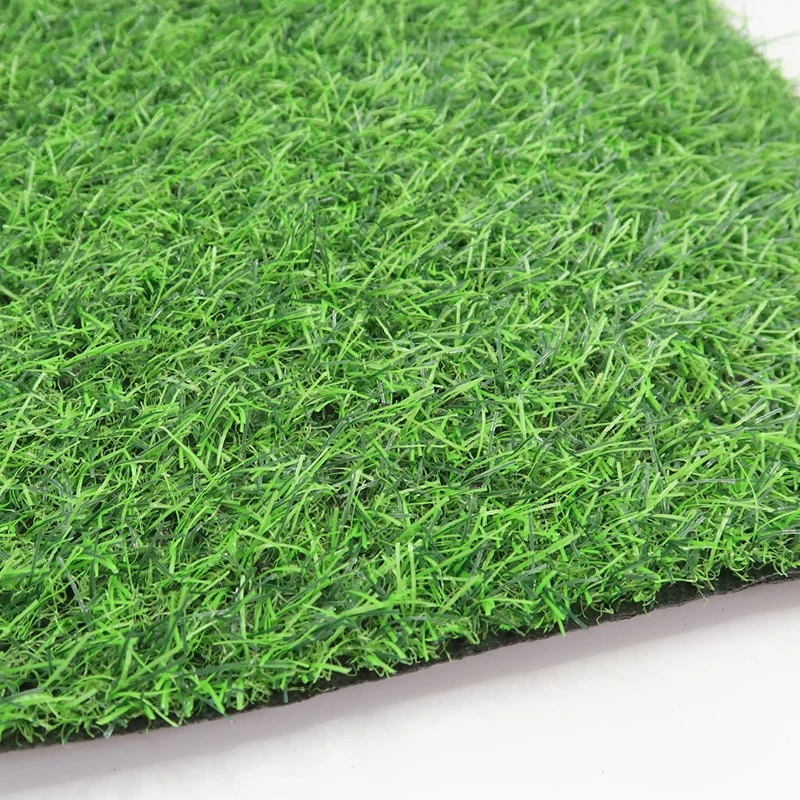
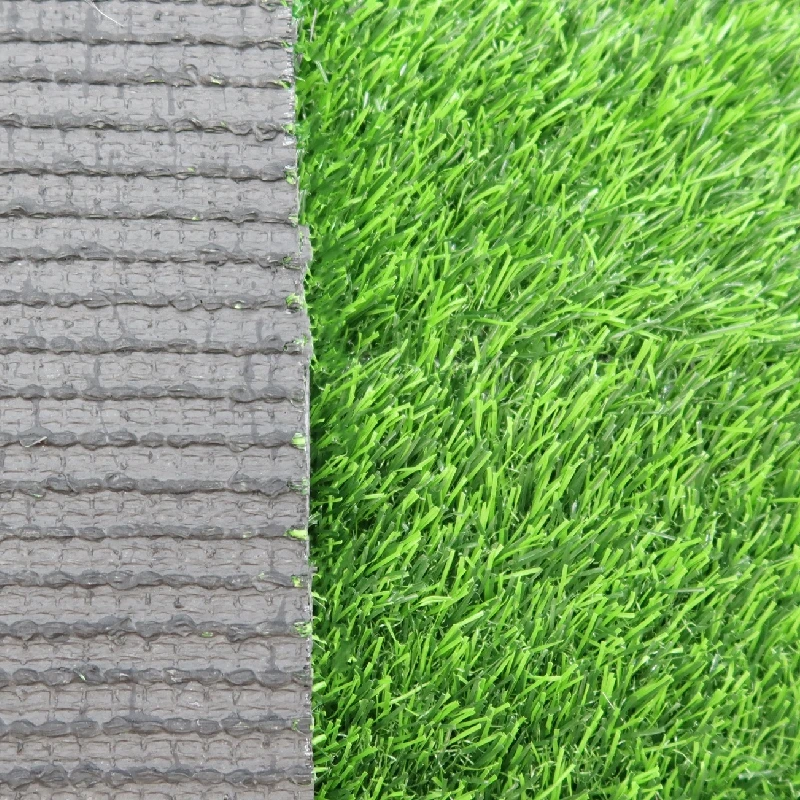
Put simply, artificial lawn grass price refers to the overall cost of purchasing and installing synthetic grass products. It includes the price of materials like polyethylene or nylon fibers, backing fabrics, infill materials (which add weight and cushioning), and associated installation labor costs. It’s more than a number on a tag; it reflects quality, durability, and even the product’s environmental footprint.
This price tells a story beyond the surface. Artificial grass has become a modern solution to challenges like water conservation, maintenance reduction, and even improving play safety in schools and parks. So the price you pay isn’t just for turf — it’s for a durable green surface that might help reduce your water bill or support sustainability goals in cities battling climate change.
Key Factors Affecting Artificial Lawn Grass Price
1. Material Quality and Fiber Type
The type of synthetic fibers is a big price driver. Polyethylene fibers offer good softness but can be pricier. Nylon, on the other hand, provides toughness but may feel less natural and cost less. The fiber’s density and length also affect how the grass holds up over time — longer, denser piles generally mean higher prices but better longevity.
2. Backing and Infill Systems
Backing layers keep fibers in place and provide drainage. Premium backing materials increase the price but ensure stability and less wear. Infill, like crumb rubber or silica sand, cushions the surface and can add significant cost depending on type and amount needed.
3. Installation Complexity
Pricing often includes labor which varies depending on terrain preparation, removal of old turf, and site accessibility. Oddly enough, sometimes the installation can cost more than the turf itself, especially for large or irregularly-shaped areas.
4. Environmental Certifications and Sustainability
Artificial grasses with eco-friendly certifications or those made from recycled materials might command premium prices, but they pay off in long-term value and reduced carbon footprint.
5. Durability and UV Resistance
Some manufacturers incorporate UV stabilizers and high-grade polymers to keep colors from fading under intense sunlight, especially important in hot regions. These features influence pricing but save you headaches down the road.
Mini-Takeaway:
The artificial lawn grass price is influenced by many intertwined factors — materials, installation, site conditions, and sustainability features. The cheapest option isn’t always the best deal in the long run.
How Artificial Lawn Grass Price Plays Out Around the Globe
Across continents, artificial grass serves different, sometimes surprising, purposes:
- Middle East & Australia: Water scarcity drives demand for synthetic lawns in residential and commercial projects.
- Europe: Urban public parks adopt artificial turf to reduce maintenance while preserving green aesthetics.
- North America: Sports complexes rely heavily on premium synthetic grass for consistent playability.
- Humanitarian Efforts: In disaster relief zones, artificial turf helps create safe play areas for children when natural grass can’t be maintained.
In one case, a relief organization installed artificial turf in a refugee camp’s communal spaces to offer a clean, safe play environment without ongoing water or mowing needs. This example highlights how the artificial lawn grass price includes social value, not just costs.
Advantages and Long-Term Value of Transparent Pricing
Choosing the right price bracket aligns with actual benefits:
- Cost Savings: Reduced water and maintenance bills offset initial price premiums.
- Durability: High-quality grass lasts 10+ years, shaving replacement costs.
- Environmental Impact: Less water, fewer chemicals, and recyclable materials lower the ecological footprint.
- Social Benefits: Creates inviting outdoor spaces enhancing wellbeing and community safety.
Not to mention peace of mind from warranties and product support often included at higher pricing tiers. Roughly speaking, investing a bit more upfront can feel like buying a reliable friend rather than a disposable prop.
Product Specification Table
| Feature | Basic Grade | Premium Grade | Luxury Grade |
|---|---|---|---|
| Fiber Type | Polypropylene | Polyethylene (PE) | PE + Nylon Blend |
| Pile Height | 15 mm | 30 mm | 40 mm |
| Backing | Single Layer | Double Layer with Drainage | Triple Layer + UV Barrier |
| Infill | None or Sand | Rubber Crumb | Eco-friendly Organic |
| Warranty | 5 Years | 8 Years | 10+ Years |
| Estimated Price / m² | $10 - $15 | $20 - $30 | $35 - $50 |
Vendor Comparison: What to Look For
| Vendor | Price Range / m² | Customization Options | Global Shipping | Warranty |
|---|---|---|---|---|
| GreenLawn Co. | $15–$25 | Low – Standard Blades & Colors | Yes | 5 Years |
| EverGreen Turf | $25–$40 | Moderate – Pile Height, UV Additives | Yes | 8 Years |
| TurfMasters Intl. | $35–$50+ | High – Full Custom Colors & Textures | Limited | 10+ Years |
Looking Ahead: Trends Driving Artificial Lawn Grass Price
Frankly, innovation isn’t sleeping on this turf. Expect to see:
- Eco-Materials: Biodegradable backing layers, recycled fiber blends.
- Smart Turf: Embedded sensors to monitor wear, temperature, even hydration levels.
- Automation in Installation: Drones and robotics setting turf faster and more precisely.
- Policy Shifts: Incentives for environmentally certified artificial lawns in drought-hit areas.
As these trends unfold, prices might fluctuate but overall value — in durability, sustainability, and ease — will climb higher, which makes understanding pricing now more important than ever.
Common Challenges & How to Overcome Them
Not everything’s perfect in Turfland, of course. Issues like:
- Heat Retention: Artificial grass can get hot under the sun — mitigation comes with newer fiber blends and infill types.
- Initial Investment: Pricing can feel daunting upfront. Planning financing and long-term savings analysis helps.
- Environmental Concerns: Synthetic materials can be less eco-friendly—choosing certified recycled or recyclable turf can ease that.
- Installation Errors: Poor installation leads to faster wear and higher repair costs. Rely on qualified, experienced installers.
Adapting with innovation, expert guidance, and transparent pricing helps tame these issues.
FAQ: Your Top Questions on Artificial Lawn Grass Price
Q1: Why do prices vary so much between artificial grass products?
A: Differences in fiber type, pile height, backing materials, and infill contribute greatly to price variance. Premium products often come with longer warranties, better UV resistance, and more natural feel, which justifies higher costs.
Q2: How does installation affect the final artificial lawn grass price?
A: Installation can be 30-50% of total costs depending on site conditions. Complex terrain or prep work increases labor costs, so getting a detailed quote upfront is advisable.
Q3: Is high price always better for synthetic lawns?
A: Not necessarily. Sometimes mid-range options hit the sweet spot between quality and cost. The best choice depends on your specific needs, location, and lifecycle expectations.
Q4: Can choosing artificial grass help reduce water bills?
A: Absolutely. Especially in dry climates, replacing natural lawn areas with synthetic turf can cut outdoor water use dramatically, offsetting initial costs over time.
Q5: Are there eco-friendly options that don’t raise prices too much?
A: Yes. Many manufacturers now offer recycled material blends and organic infill options at competitive prices, making sustainable turf more accessible.
Wrap-Up: Making Sense of Artificial Lawn Grass Price
So, as you can see, artificial lawn grass price is more than just dollars and cents — it’s a balance of quality, sustainability, and long-term value with global applications. Whether you’re landscaping your backyard, planning a corporate campus, or supporting relief projects, understanding pricing helps you make smarter, cleaner, and more cost-effective choices.
Ready to explore your options? Visit us today for detailed quotes, expert advice, and product guides that demystify prices and highlight real value.
References
Latest news
-
Creating the Perfect Fake Grass Area for Dogs Complete Guide
NewsApr.16,2026
-
Guide to Using Fake Grass and Pets for a Pet Friendly Lawn
NewsApr.09,2026
-
Fake Grass and Dogs Creating a Pet Friendly and Durable Yard
NewsApr.07,2026
-
Maintaining a Pristine Lawn with Fake Grass and Dog Wee Management Solutions
NewsApr.04,2026
-
The Ultimate Guide to Choosing the Perfect Fake Dog Grass Patch for Your Pet
NewsMar.31,2026
-
Discover the Benefits of High Quality Fake Dog Grass for Potty Training
NewsMar.28,2026
Products categories