Welcome to Hoyarn
Call Us Any Time:+86 19801805999
Email Us: info@hoyarn.cn
Understanding Artificial Green Grass Price – Factors, Benefits, and Market Trends
Dec . 01, 2025 18:10 Back to list
Understanding Artificial Green Grass Price – Factors, Benefits, and Market Trends
Understanding Artificial Green Grass Price: What Really Drives Value?
Artificial green grass has steadily become a go-to solution not only for homeowners but also for industrial and commercial applications worldwide. But why should anyone care about artificial green grass price? It’s a question that often feels straightforward—just cost, right? Well, not exactly. Behind that price tag lies a swirl of factors including durability, material science, installation complexity, and even global economic trends. Grasping what impacts the artificial green grass price means understanding affordability, sustainability, and practical value—essential whether you’re landscaping a public park or outfitting a corporate campus.
Global Context: Why Artificial Green Grass Price Matters More Than Ever
Globally, the artificial turf market is projected to see steady growth influenced by urbanization, water conservation needs, and climate factors. According to industry reports, the global synthetic turf market is expected to surpass USD 4.5 billion by 2027, driven partly by regions dealing with water scarcity (Statista).
Consider that traditional natural lawns can consume up to 55 gallons of water per square foot per year in arid climates (EPA). This reality sharply increases interest in artificial turf, but price concerns remain a stubborn barrier in some markets. So understanding artificial green grass pricing is critical not just for buyers but also suppliers competing globally and municipalities attempting greener, cost-saving initiatives.
What Exactly is Artificial Green Grass Price?
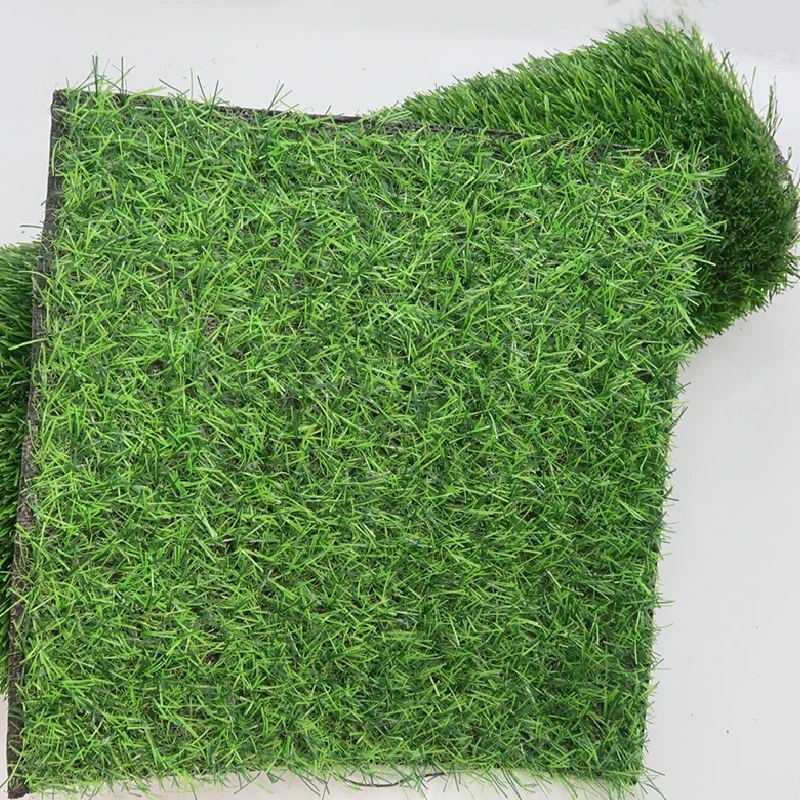
At its core, the artificial green grass price refers to the overall cost per square foot (or meter) a buyer pays for synthetic turf products, including the product itself, installation, and any necessary groundwork like base preparation.
This cost isn’t static. It varies with material type, fiber density, manufacturing process, backing material quality, and installation conditions. It overlaps with broader humanitarian and industrial concerns—like sustainable urban design and drought-resistant landscaping—where artificial turf is part of a bigger eco-friendly picture.
What Influences Artificial Green Grass Price?
Material Quality and Composition
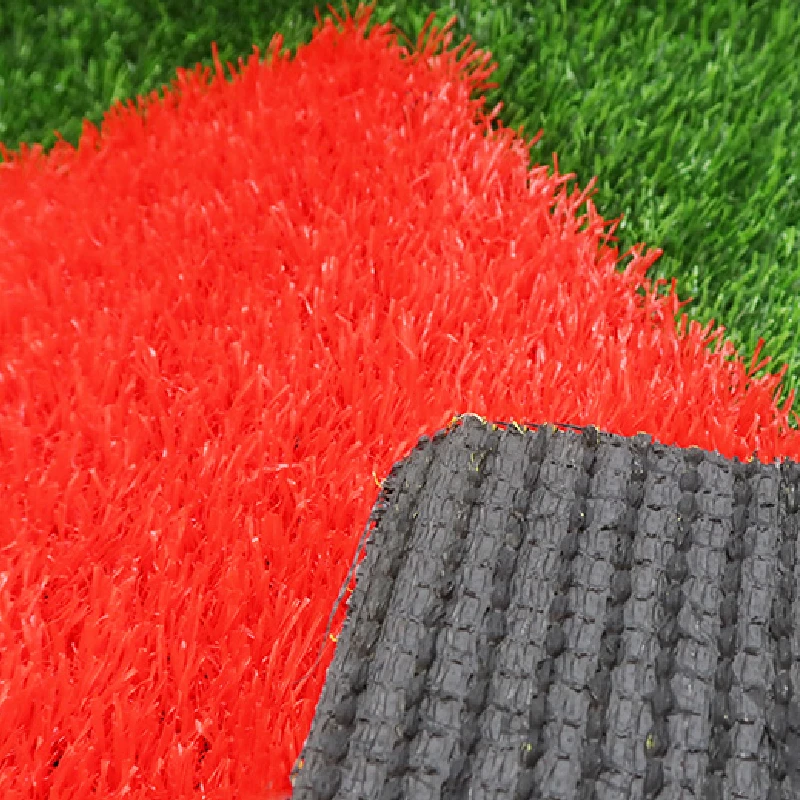
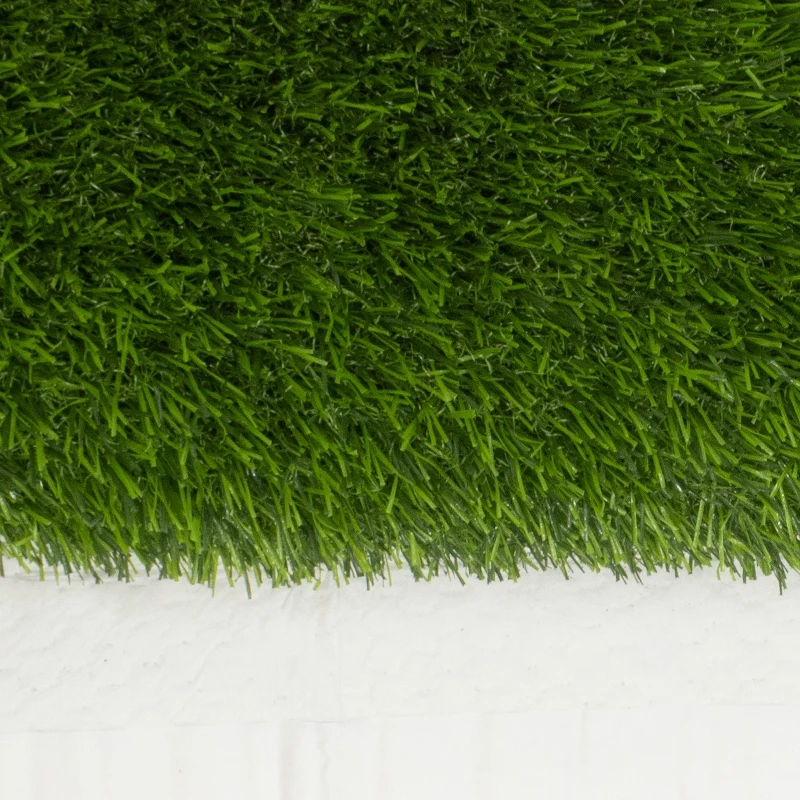
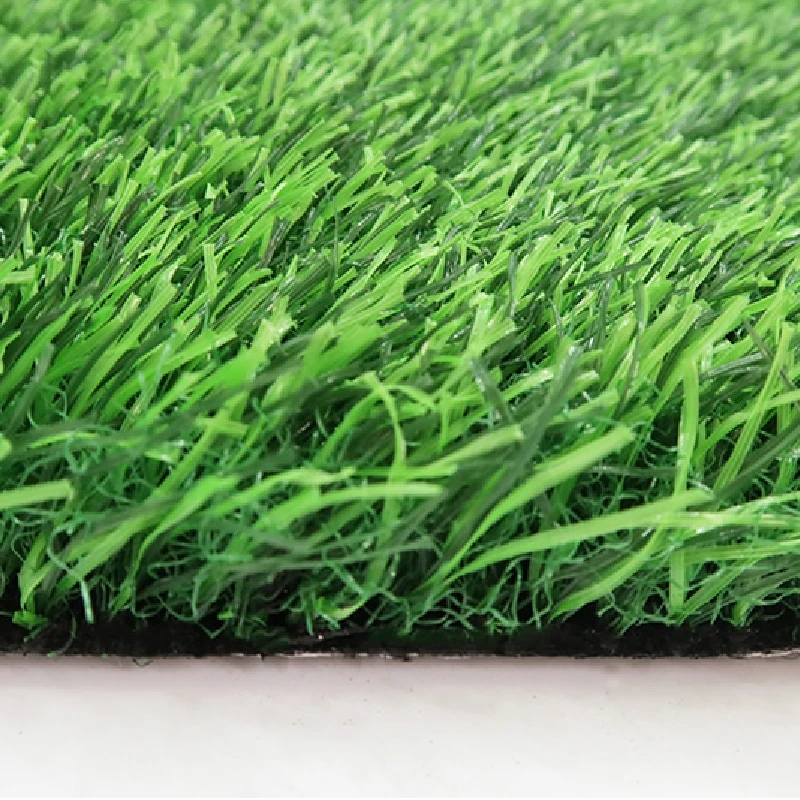
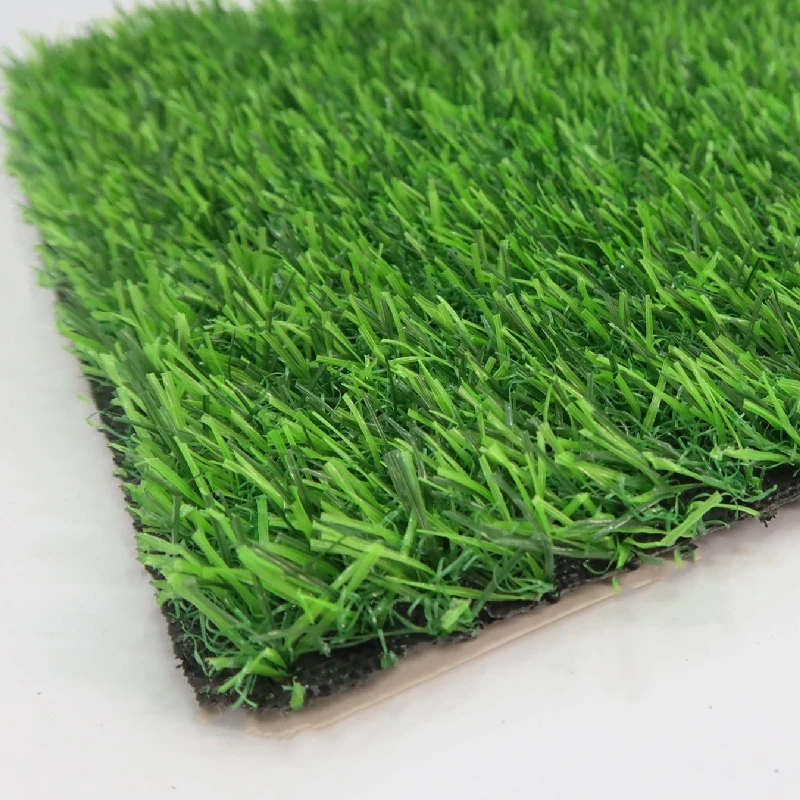
The type of fibers—polyethylene, polypropylene, or nylon—plays a big role. Polyethylene blends tend to be softer and more natural-looking but come at a higher price. Nylon is durable but costlier. Also, UV resistance and antimicrobial treatments impact longevity and cost.
Durability and Warranty
How long the turf lasts before needing replacement is a crucial factor. Products with 10–15 years of warranty command higher prices due to advanced manufacturing and testing standards.
Installation and Base Preparation
Installation varies wildly: a simple backyard might be easy, but for commercial or sports applications, base prep, drainage, shock pads, and infill add layers of cost. Labor rates also differ globally.
Supplier Reputation and Certification
Brands with ISO certifications and environmental credentials often price higher but offer quality assurance. It’s an investment in reliability.
Order Size and Customization
Bulk orders lower unit costs, while customized colors, pile heights, or backing types can push prices up.
Market and Supply Chain Factors
Raw material price fluctuations (oil-based polymers), transportation costs, and tariffs affect final pricing unpredictably.
Mini takeaway:
Price isn’t just a number; it’s a balance of quality, application, and market forces. Knowing what drives cost helps buyers avoid unexpected expenses and get tangible value.
Artificial Green Grass Price: Key Product Specifications at a Glance
| Specification | Typical Range | Impact on Price |
|---|---|---|
| Fiber Material | Polyethylene, Nylon, Polypropylene | Major (softness & durability) |
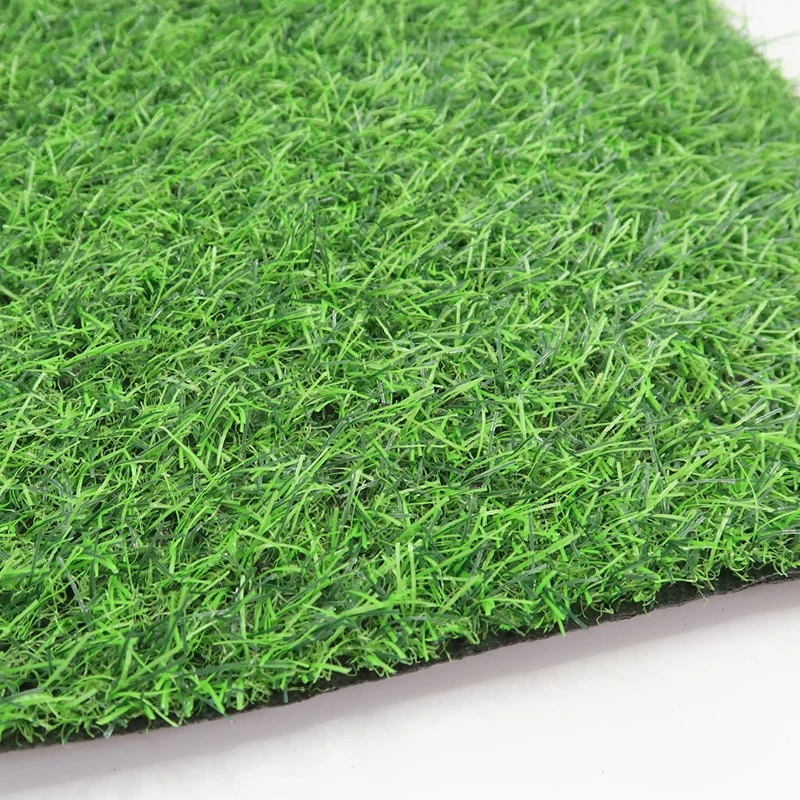
| Pile Height | 10mm – 60mm | Moderate (appearance & cushioning) |
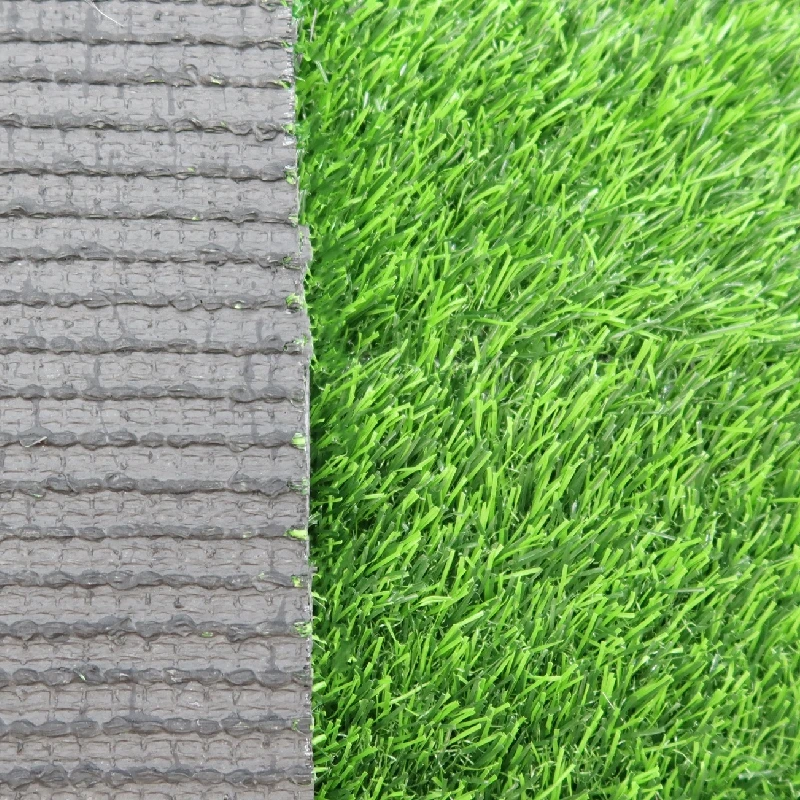
| Backing Material | Latex, Polyurethane | Moderate (stability & lifespan) |
| UV Treatment | Standard to Premium | Significant (color retention) |
| Warranty Period | 5 to 15 years | High (buyer confidence) |
Where Artificial Green Grass is Making an Impact
From lush residential backyards in California to football stadiums in northern Europe, the scope is vast. But some places where artificial green grass price truly matters are:
- Urban centers in water-scarce regions: Arizona, South Africa, and Australia use synthetic turf to save millions of gallons annually.
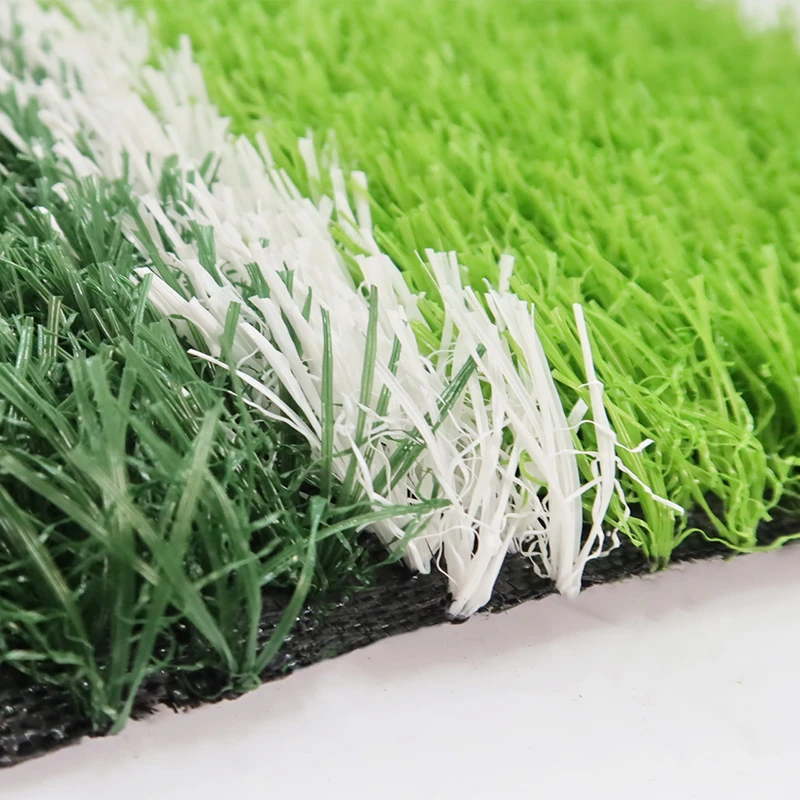
- Sports and recreation: Stadiums, playgrounds, and gyms seek durable, consistent surfaces.
- Commercial landscaping: Corporate campuses and hotels use artificial grass for low maintenance elegance.
- Humanitarian setups: Refugee camps and disaster recovery zones use synthetic turf to create clean, usable spaces quickly.
One interesting use case is in the Middle East, where harsh climate and water limits make natural grass nearly impossible without vast irrigation. Synthetic turf’s stable artificial green grass price helps government planners budget better and reduce environmental impact.
Mini takeaway:
Artificial grass is no niche product—it’s a global player with broad appeal. Understanding pricing nuances helps maximize its potential for different use cases.
Comparing Vendors: What To Expect on Price and Quality
| Vendor | Price Range (USD/sq.ft.) | Warranty | Notable Features | Sustainability |
|---|---|---|---|---|
| GreenLand Turf | $2.50 - $3.75 | 10 years | UV-resistant, soft fibers | Recyclable backing |
| EcoFiber | $3.20 - $4.80 | 15 years | Organic infill, antimicrobial | Made from recycled plastics |
| SynthoPlay | $2.00 - $3.50 | 7 years | Heavy-duty for sports use | Energy-efficient manufacture |
Advantages and Long-Term Value
So, what’s the real payoff of spending money on artificial turf? The benefits range across multiple domains:
- Cost savings: Reduced water bills, minimal maintenance.
- Environmental impact: Lower pesticide use, conservation of natural resources.
- Consistent aesthetics: No brown patches, every season stays green.
- Social benefits: Safe playgrounds, better sports surfaces.
For communities and families, there’s also a dignity factor—having green, usable open spaces can enhance mental wellness and pride in public areas. For businesses, it signals innovation and commitment to sustainability. Long-term, a smart investment in artificial grass ticks many boxes.
Future Trends: What’s Next for Artificial Green Grass Price?
The market isn’t standing still. Here’s what experts are watching:
- Bio-based polymers: New materials cutting down on plastic dependence.
- Smart turf: Embedded sensors to monitor wear and environmental conditions.
- Automation in installation: Robotics bringing down labor costs.
- Enhanced recyclability: Circular economy approaches gaining traction.
These innovations will influence price points — hopefully making sustainable and durable turf more accessible.
Challenges & Solutions
It’s not all rosy. Some challenges include:
- Environmental concerns: Microplastic runoff.
- Initial costs: Higher upfront investment may deter buyers.
- Heat retention: Turf can get hot in sun, causing discomfort.
Experts suggest solutions like improved material formulations, better drainage systems, and government subsidies to encourage adoption in water-scarce areas.
FAQ: Your Questions on Artificial Green Grass Price
- Q1: What factors should I consider besides price when buying artificial grass?
- A: Durability, UV resistance, warranty, and installation complexity matter as much as the initial cost since they impact lifecycle value and maintenance expenses.
- Q2: Is cheaper artificial turf a bad investment?
- A: Not always, but very low-cost products may skimp on material or backing quality, leading to early wear and replacement costs. Balance initial price with long-term performance.
- Q3: How does installation affect the overall artificial green grass price?
- A: Installation can double the project budget if base prep and drainage are complex. Always get a detailed quote including these services.
- Q4: Can artificial grass help save water?
- A: Absolutely. Switching from natural lawn to synthetic turf can reduce water usage by over 50,000 gallons per year for an average residential lawn.
To Sum Up: Investing Wisely in Artificial Green Grass
Understanding the multiple layers that influence artificial green grass price helps you make informed choices that pay off in savings, aesthetics, and environmental impact. Whether setting up a playground, a sports facility, or simply upgrading your home garden, consider quality, supplier reputation, and lifecycle costs.
Fancy seeing the numbers yourself? Check out artificial green grass price guides and product options tailored for your needs. Because, frankly, getting the right turf at the best price is an art as much as a science.
References
Latest news
-
Creating the Perfect Fake Grass Area for Dogs Complete Guide
NewsApr.16,2026
-
Guide to Using Fake Grass and Pets for a Pet Friendly Lawn
NewsApr.09,2026
-
Fake Grass and Dogs Creating a Pet Friendly and Durable Yard
NewsApr.07,2026
-
Maintaining a Pristine Lawn with Fake Grass and Dog Wee Management Solutions
NewsApr.04,2026
-
The Ultimate Guide to Choosing the Perfect Fake Dog Grass Patch for Your Pet
NewsMar.31,2026
-
Discover the Benefits of High Quality Fake Dog Grass for Potty Training
NewsMar.28,2026
Products categories