Welcome to Hoyarn
Call Us Any Time:+86 19801805999
Email Us: info@hoyarn.cn
Understanding Artificial Lawn Cost: Global Insights & Practical Tips
Dec . 01, 2025 19:25 Back to list
Understanding Artificial Lawn Cost: Global Insights & Practical Tips
The Real Scoop on Artificial Lawn Cost and Why It Matters
Artificial lawns have gone from quirky novelty to global landscaping staple, with their cost increasingly coming under the spotlight. Why? Because artificial lawn cost factors into projects ranging from residential gardens to massive sports stadiums, even humanitarian relief. Getting a grip on what influences these costs isn’t just about saving bucks—it’s about choosing sustainable, durable, and safe outdoor surfaces for everyone's benefit.
Introduction: The Global Context of Artificial Lawn Cost
The global synthetic turf market was valued at over $3 billion in 2023 and is expected to grow by roughly 9% annually. This uptick isn’t random: urban areas crave low-maintenance greenery, sports organizations want durable, consistent playing fields, and drought-prone regions seek water-saving alternatives.
However, one thorny question always emerges—how much are you actually investing when you select artificial grass? In real terms, the artificial lawn cost heavily influences adoption rates worldwide.
According to the ISO standards on product quality and environmental impact, purchasers must balance upfront expenses with lifecycle costs. Ignoring this leads to unpleasant surprises, whether you’re managing a sprawling campus in the US or a community park in Spain.
What Exactly Does Artificial Lawn Cost Mean?
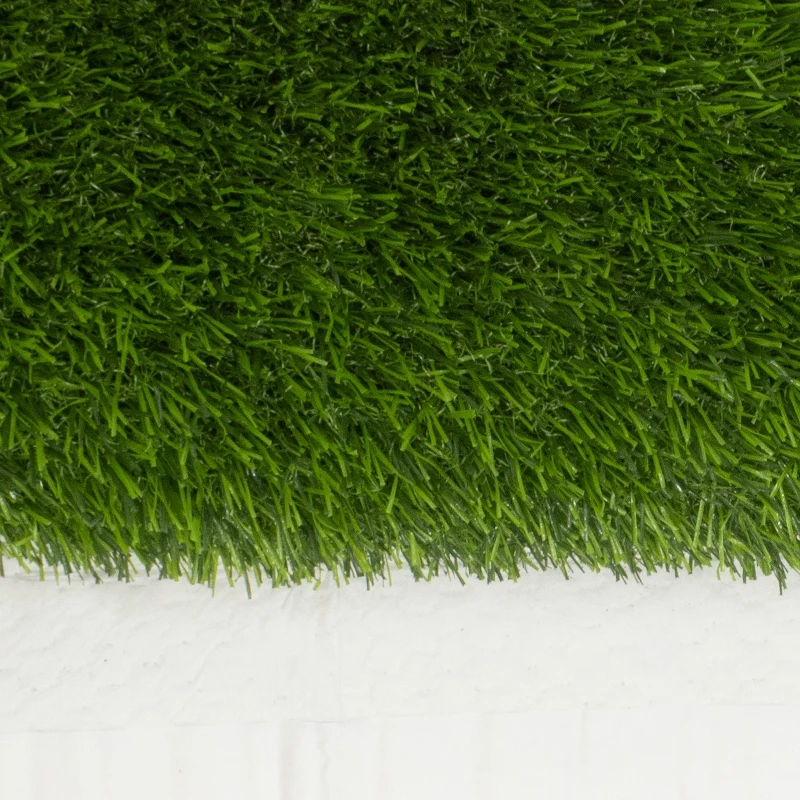
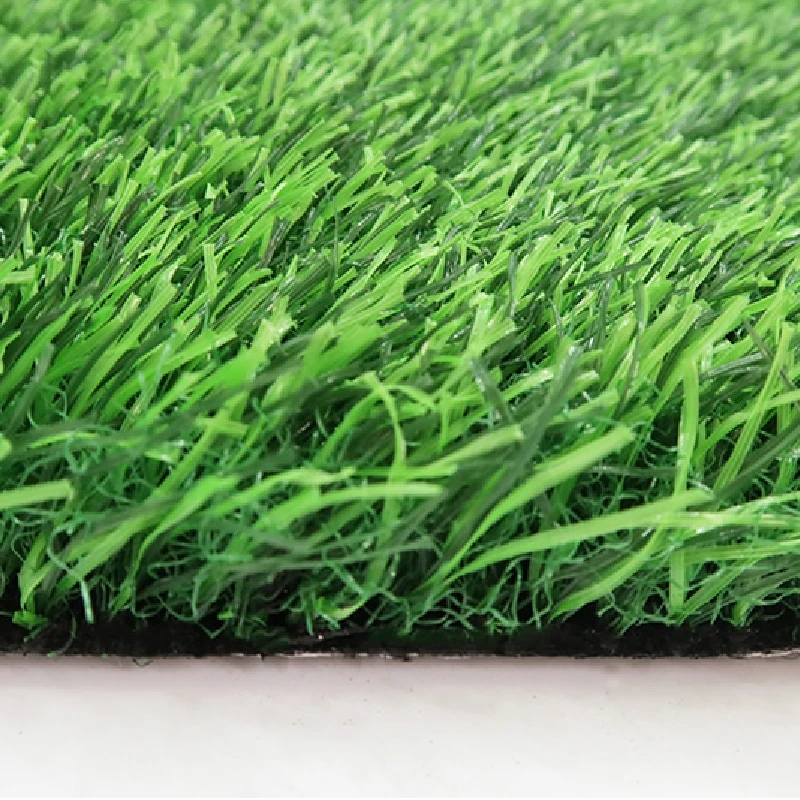
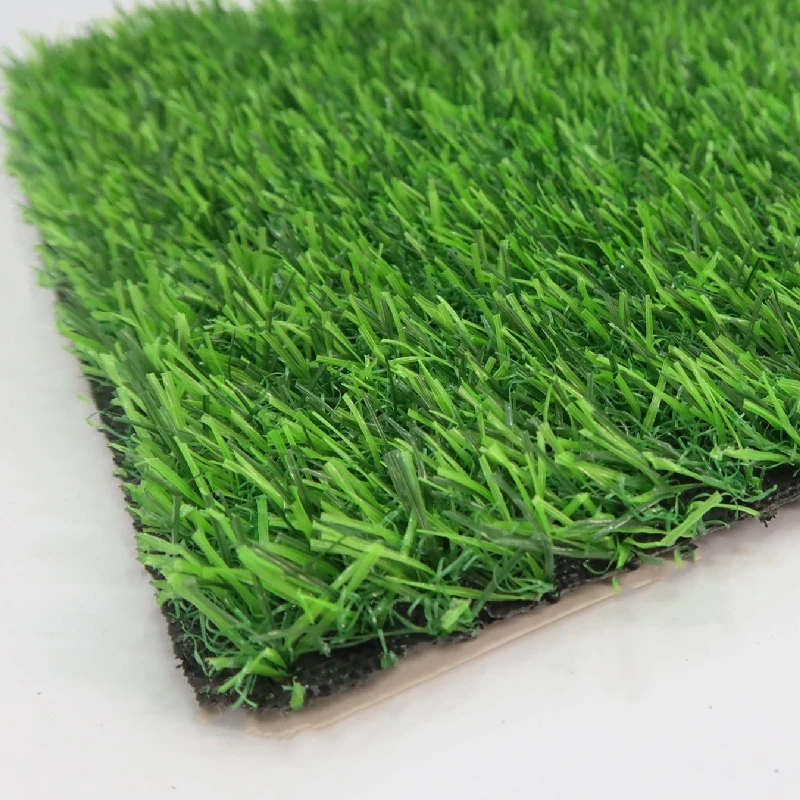
Put simply, artificial lawn cost is the total investment for purchasing, installing, and maintaining synthetic turf. It’s not a flat fee and depends on materials, installation complexity, region, and upkeep. But there’s more to it: cost also includes the value derived from durability, aesthetics, and environmental savings.
The connection to modern industry is clear—this isn’t just landscaping fluff. In arenas like sports management and urban planning, the cost ties directly into operational budgets and sustainable urban development goals outlined by organizations such as the UN.
Core Factors Influencing Artificial Lawn Cost
1. Quality of Materials
The type of synthetic fibers (polyethylene, polypropylene, nylon) plays a huge role. Higher quality fibers mean better resilience and longer lifespan but can raise the initial cost by 20-30%. That said, many engineers say it’s a smart tradeoff for reduced replacements.
2. Installation Complexity
Installing an artificial lawn on uneven ground or over specialized drainage systems costs more. Site prep, including removal of old turf or soil conditioning, influences pricing as well. If you're fitting a small balcony patch, the figures look wildly different from a full-scale soccer pitch.
3. Infill Materials & Maintenance
Infill—sand, rubber crumb, or eco-friendly alternatives—adds cushioning and stability. Costs vary with the choice and volume, affecting long-term upkeep. Spot cleaning and brushing are part of maintenance, which can be DIY or contracted out.
4. Size and Shape of the Lawn Area
Bigger isn’t always cheaper per square meter. Edges, corners, and odd shapes may lead to waste or extra cutting, bumping up the price.
5. Geographic Location and Labor Costs
Prices shift dramatically depending on local economies, availability of materials, and labor rates—a factor often overlooked in global comparisons.
6. Warranty and Brand Reputation
Premium brands with recognized warranties come at a premium cost. Many users find peace of mind is worth a slight upcharge.
Mini takeaway: Quality, installation, and local context form the economic heart of artificial lawn cost — but it doesn’t end there.
Real-World Applications of Artificial Lawn Cost Insights
Understanding artificial lawn cost isn’t just an academic exercise. Across the world, diverse sectors tap into it:
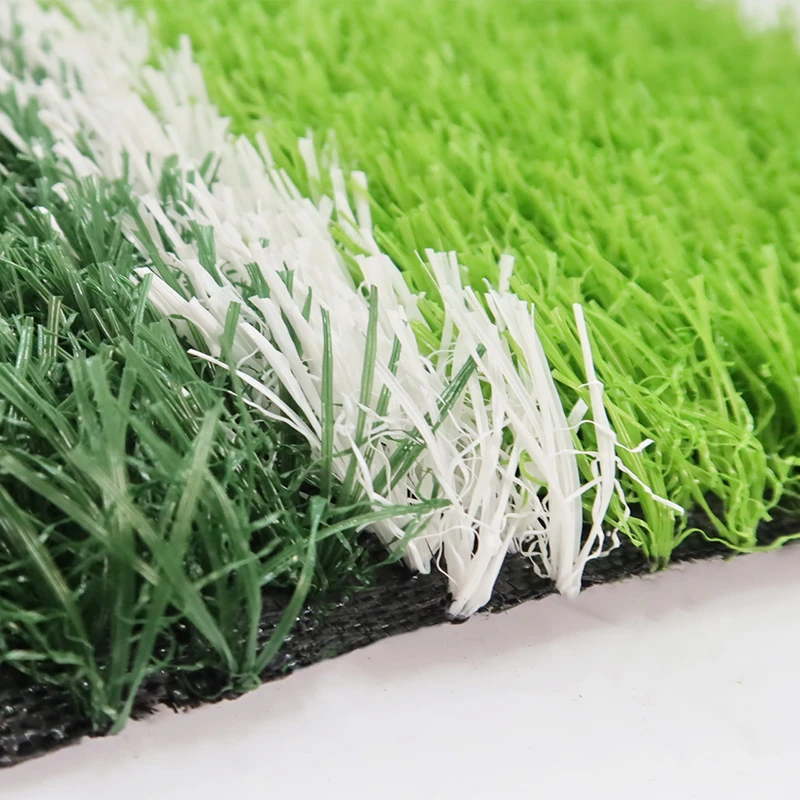
- Sports Facilities: Cities in Europe and North America invest heavily in durable synthetic fields to ensure all-season usability without water woes.
- Residential Landscaping: Urban homeowners in drought-affected California adopt artificial lawns to reduce their water bills and maintain curb appeal.
- Post-Disaster Relief: In disaster zones, NGOs look for rapid-deploy greenery for social spaces that are safe, hygienic, and cost-effective over the short term.
- Commercial Spaces: Malls and office parks in Middle Eastern cities prefer synthetic grass to combat harsh sun exposure while presenting a lush, welcoming aesthetic.
One client in Arizona told me their synthetic lawn cut yearly water use by 55%—a surprisingly concrete figure that aligns with broader UN water-use reduction goals.
Advantages and Long-Term Value of Understanding Artificial Lawn Cost
The benefits ripple beyond sticker shock:
- Cost Savings Over Time: Lower watering and mowing expenses add up fast.
- Sustainability: Reduced chemical use and water demand help meet environmental compliance and boost green credentials.
- Social Impact: Provides safe, accessible green spaces that improve community well-being.
- Reliability: Unlike real grass, artificial lawns resist weather, pests, and heavy use without patchiness.
Emotionally, the peace of mind from a tidy lawn that doesn’t turn into a mud pit after rain can make a big difference, especially to families and facility managers alike.
Specifications Snapshot: A Typical Artificial Lawn Product
| Specification | Typical Value |
|---|---|
| Pile Height | 30-40 mm |
| Fiber Material | Polyethylene |
| Backing Material | Latex or Polyurethane |
| Infill Type | Silica sand & rubber crumb |
| Warranty Period | 8-10 years |
| Typical Cost (per sq. ft) | $5 - $12 |
Leading Vendors Compared: What’s On Offer?
| Vendor | Price Range (per sq. ft.) | Warranty | Notables |
|---|---|---|---|
| GreenGrass Co. | $6 - $10 | 10 years | Eco-friendly options, UV resistant |
| TurfMasters | $5 - $9 | 8 years | Affordable, fast installation |
| LawnLux | $9 - $12 | 12 years | Premium fiber technology, soft feel |
Looking Ahead: Trends and Innovations in Artificial Lawn Cost
Tech and sustainability are driving change fast. Bio-based fibers, recyclable backings, and digital tools that estimate actual installation costs before you sign contracts are emerging. Automation in installation is reducing labor costs in some regions, impacting final artificial lawn cost positively.
The Green Deal policies in Europe push manufacturers to improve recyclability and reduce carbon footprints, indirectly affecting price structures globally. Oddly enough, AI-powered drones can even inspect installed turf conditions, extending usable life without big service calls.
Challenges and How Industry Pros Are Tackling Them
Despite all the progress, challenges remain. Installation labor shortages, fluctuating raw material prices, and customer misconceptions on value sneak in. The solution? Transparent cost breakdowns, modular installation approaches, and educational outreach.
For example, some innovators use modular turf tiles for quick replacement instead of wholesale lawn renewals, saving money and labor. Internationally, harmonizing standards makes importing easier — especially for NGOs sourcing quality turf at fair prices.
FAQs: Your Top Questions About Artificial Lawn Cost
- How much does artificial lawn cost on average per square foot?
- Costs typically range from $5 to $12 per sq. ft., including installation. Factors like material quality, site prep, and infill choice influence your final tally.
- Is higher cost always better quality?
- Generally, yes. Premium products usually offer better durability and warranties, but it depends on project needs. A simple backyard install might not require top-tier fibers.
- What maintenance costs should I expect?
- Maintenance is low but includes occasional brushing, infill topping, and cleaning. Annual costs are often 10-15% of initial installation fees.
- Are there eco-friendly options that affect cost?
- Bio-based and recycled materials are gaining traction, sometimes with a small price premium. Still, long-term environmental savings often justify this choice.
Wrapping It Up: Why Mastering Artificial Lawn Cost Pays Off
Understanding the nuances behind artificial lawn cost isn’t just about numbers—it’s about making wise decisions that blend budget, sustainability, and performance. Whether you’re a homeowner, landscaper, or community planner, knowing what drives cost enables smarter investments and better outcomes. Curious to learn more? Visit our website for detailed guides and personalized advice: https://www.hoyarngrass.com.
References:
1. Wikipedia - Artificial turf
2. United Nations Sustainable Development
3. International Organization for Standardization (ISO)
Latest news
-
Creating the Perfect Fake Grass Area for Dogs Complete Guide
NewsApr.16,2026
-
Guide to Using Fake Grass and Pets for a Pet Friendly Lawn
NewsApr.09,2026
-
Fake Grass and Dogs Creating a Pet Friendly and Durable Yard
NewsApr.07,2026
-
Maintaining a Pristine Lawn with Fake Grass and Dog Wee Management Solutions
NewsApr.04,2026
-
The Ultimate Guide to Choosing the Perfect Fake Dog Grass Patch for Your Pet
NewsMar.31,2026
-
Discover the Benefits of High Quality Fake Dog Grass for Potty Training
NewsMar.28,2026
Products categories