Welcome to Hoyarn
Call Us Any Time:+86 19801805999
Email Us: info@hoyarn.cn
Understanding Artificial Lawn Price: Value, Applications & Future Trends
Dec . 01, 2025 20:00 Back to list
Understanding Artificial Lawn Price: Value, Applications & Future Trends
Understanding Artificial Lawn Price: Why It Matters Worldwide
Artificial lawns have come a long way from their early turf-like cousins. Today, the artificial lawn price tells a story — one of innovation, sustainability, and practicality. But why should this even matter beyond your backyard? Well, in a world facing increasing water scarcity, urbanization, and a growing appreciation for low-maintenance landscaping, understanding the price of artificial lawns isn't just about dollars and cents; it’s about making smarter choices for environments and budgets globally.
Artificial lawns save billions of gallons of water annually, reduce chemical pesticide use, and provide year-round greenery regardless of climate. Knowing the nuances of artificial lawn price helps homeowners, landscape professionals, and institutions plan better—balancing upfront costs with long-term benefits.
Mini takeaway: Grasping artificial lawn price is more than a budgeting exercise; it’s a gateway into sustainable outdoor living across the globe.
The Global Landscape of Artificial Lawn Pricing
You might be surprised, but the industry surrounding synthetic turf is booming worldwide. According to reports by the International Organization for Standardization (ISO) and market analyses from the World Bank, demand for artificial lawns has grown roughly 8% annually over the past decade. The reasons are simple: water crisis severity in regions like California, parts of Australia, and Mediterranean countries spurred a shift to drought-resistant landscaping alternatives.
Yet, the challenge remains—how to balance cost, quality, and environmental impact. Artificial lawn prices vary widely depending on materials, installation complexity, and brand reputation. For urban planners, sports facilities, and even the humanitarian sector needing quick-to-deploy, durable ground cover (think refugee camp recreational zones), price is often the deciding factor.
Mini takeaway: Artificial lawn price isn't uniform globally—it's influenced by social demand, ecological needs, and technological advances.
What Exactly Is ‘Artificial Lawn Price’?
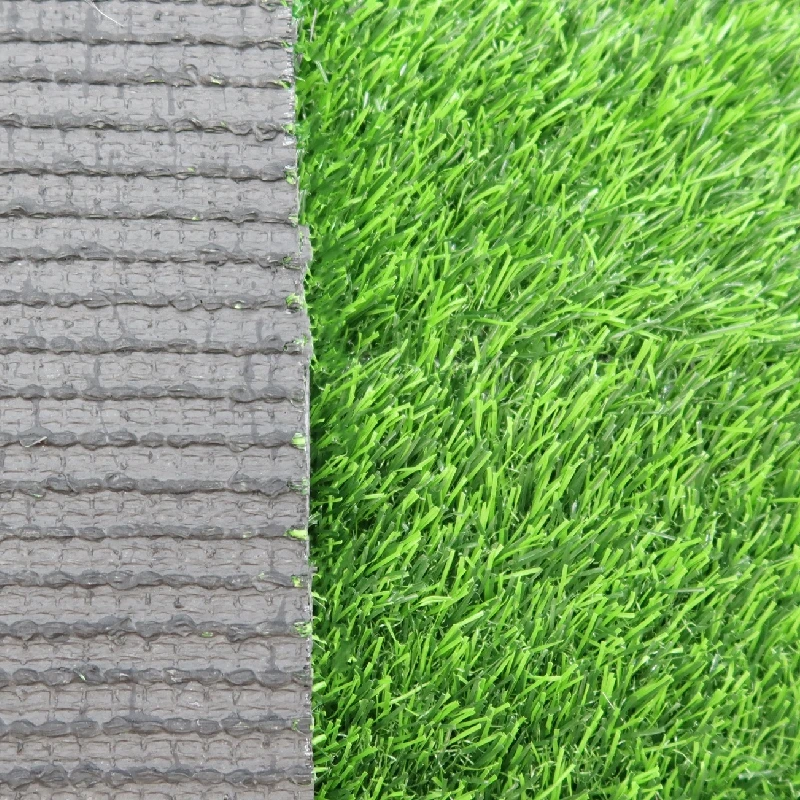
Simply put, artificial lawn price refers to the total cost involved in purchasing and installing synthetic turf. This includes raw materials like polyethylene or nylon fibers, backing materials, infill options, and labor charges. But more than a figure, it represents the cost efficiency and projected lifespan of the turf product.
In industrial terms, it’s a parameter that ties into sustainability metrics and asset lifecycle. For humanitarian efforts—like creating safe play areas in disaster-struck zones—the price impacts deployment speed and coverage area, not just appearance.
Key Factors Influencing Artificial Lawn Price
1. Material Quality and Composition
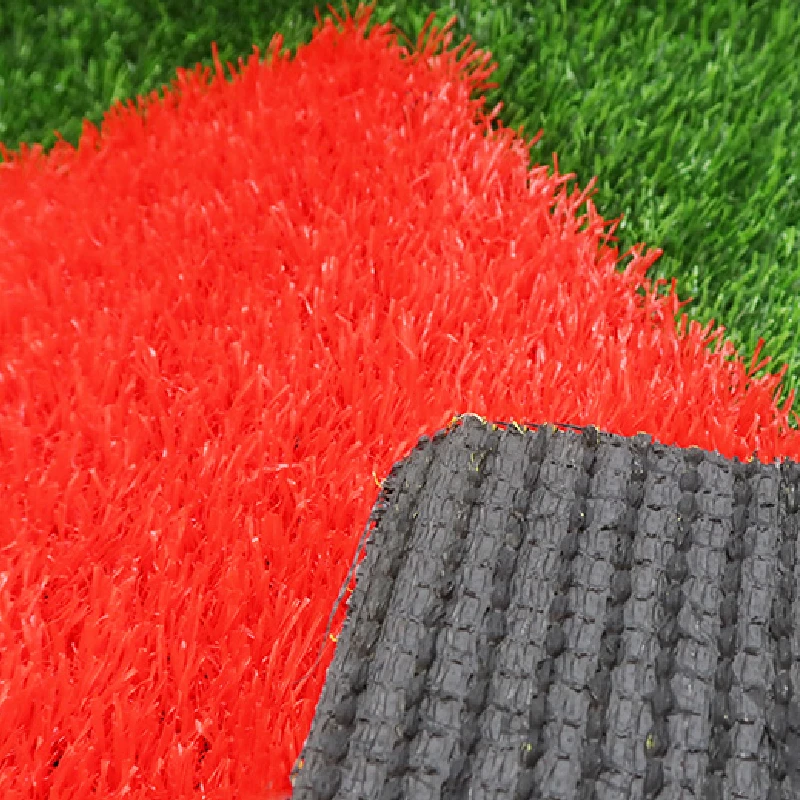
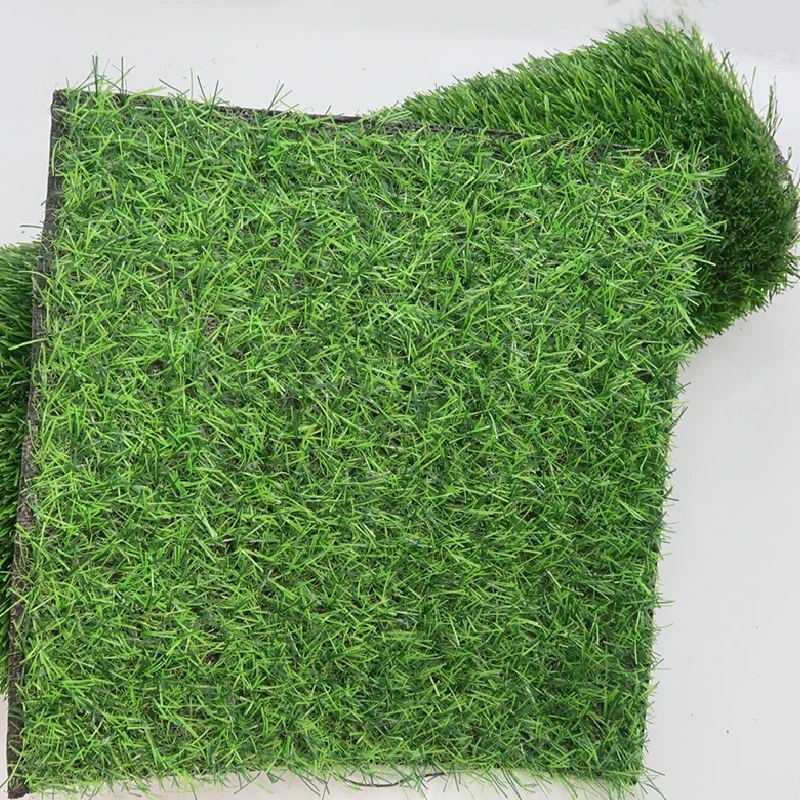
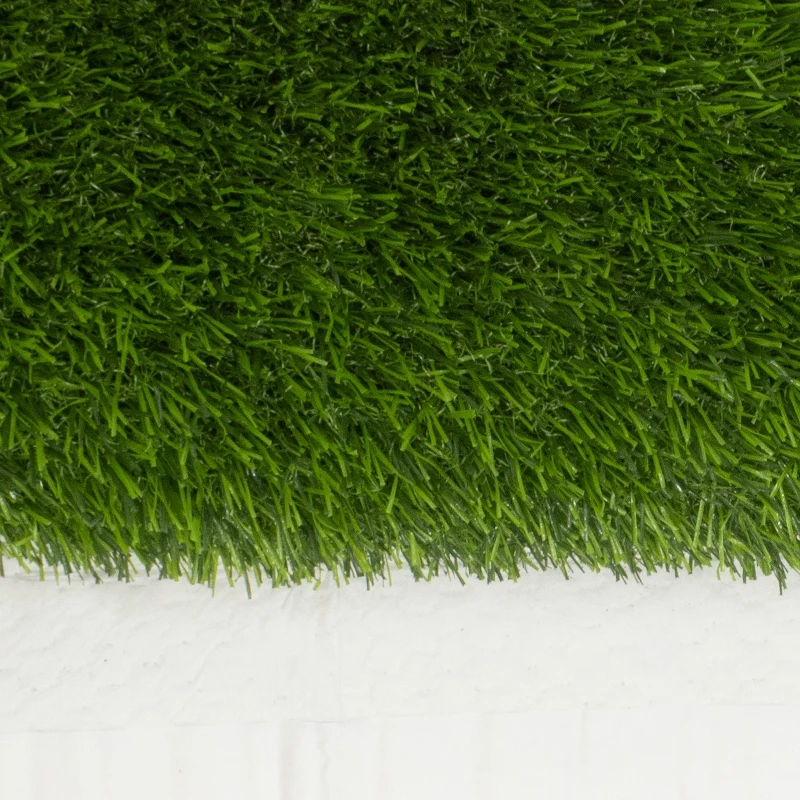
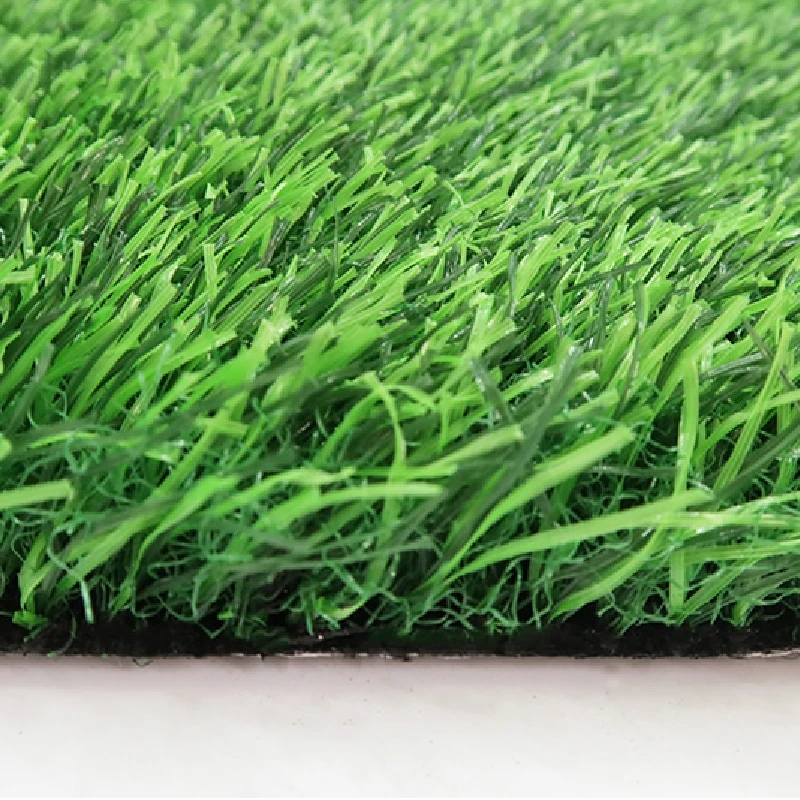
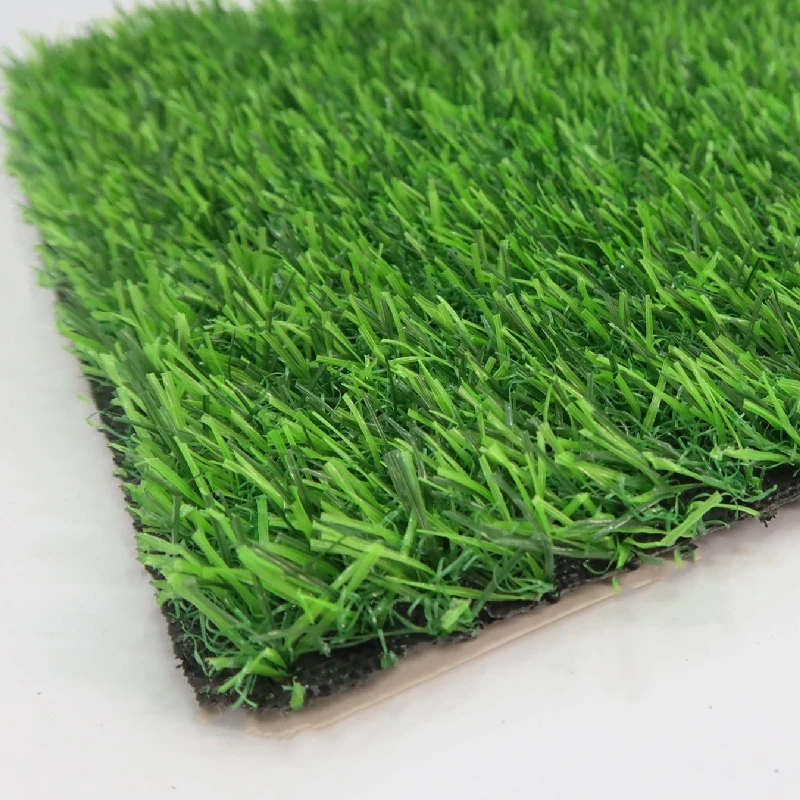
The fiber type, density, and UV resistance heavily influence pricing. Nylon-based fibers, for example, tend to be pricier but are more resilient, while polyethylene offers a good balance between cost and durability.
2. Pile Height and Density
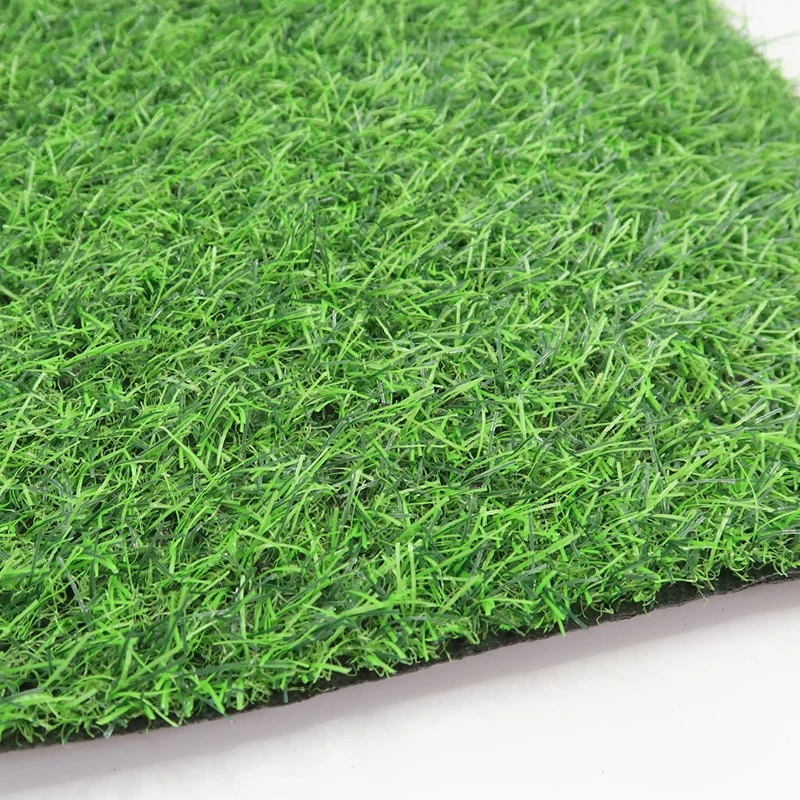
Longer pile height usually means a plush feel but higher cost. Dense turf that mimics natural grass closely usually demands more resources and better manufacturing processes, pushing the price upward.
3. Installation Complexity
The artificial lawn price often includes prep work—leveling, drainage, and sometimes infill materials. Skimping on installation can lead to premature wear or drainage issues, which aren’t cheap down the line.
4. Warranty and Brand Reputation
Leading brands offer up to 10 years warranty, factored into the pricing due to better quality assurance and customer support.
5. Infill Materials
Options range from sand to crumb rubber or organic alternatives. The choice affects price and environmental footprint.
6. Geographic Location
Shipping costs, local labor rates, and demand cycles cause prices to fluctuate. For instance, installation in urban European cities may cost more than in suburban U.S.
Mini takeaway: Many elements, from fiber chemistry to shipping logistics, converge to shape your artificial lawn price.
Where Does Artificial Turf Make the Most Impact?
Artificial lawns have found uses far beyond residential backyards:
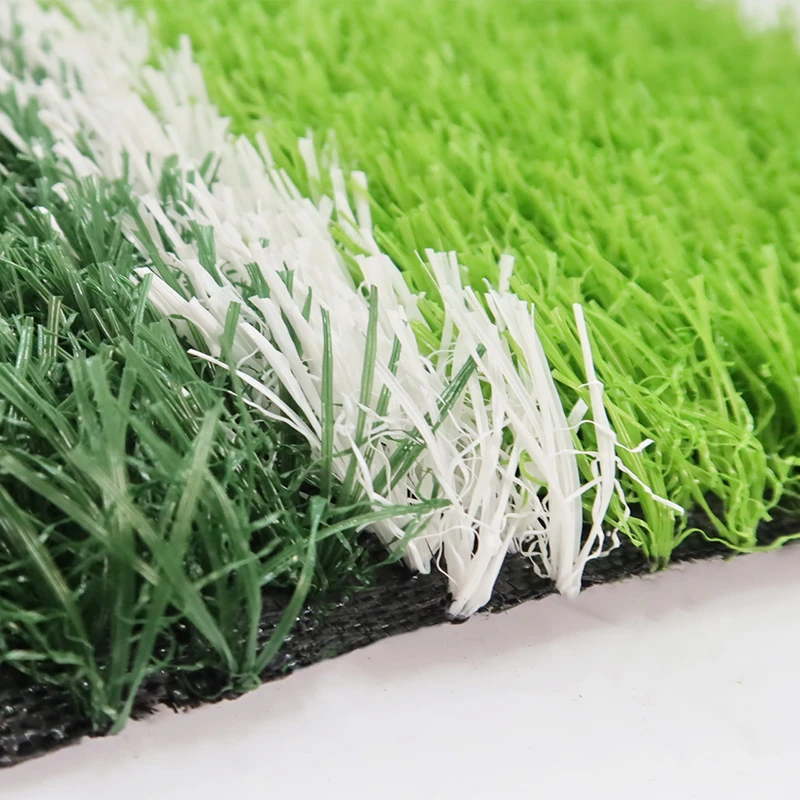
- Sports Grounds: Soccer fields, golf putting greens, and urban basketball courts worldwide rely on artificial turf for durability and consistent playability.
- Urban Landscaping: Cities battling drought or water rationing—like Cape Town or Phoenix—use artificial lawns to maintain green public spaces.
- Industrial Sites: Remote mining or manufacturing sites use artificial turf for dust control and aesthetic reasons.
- Disaster Relief & Humanitarian Zones: Synthetic turf offers quick setup recreational areas that improve community wellbeing post-crisis.
Oddly enough, some regions also use artificial lawn solutions in innovative ways. For example, rooftop gardens in Tokyo often deploy lighter synthetic turf to create green oases in tight spaces.
Mini takeaway: Artificial lawns are globally versatile—from playgrounds to humanitarian shelters, their price point often dictates how broadly they are adopted.
Advantages That Go Beyond Price Tags
While upfront cost is a major factor, long-term value makes the biggest difference. Artificial lawns offer:
- Water Savings: Up to 70%-90% reduction in water consumption versus natural grass
- Low Maintenance: No mowing, fertilizing, or pesticides, saving labor and chemical costs
- Durability: Synthetic fibers withstand heavy traffic and weather with minimal fading
- Environmental Benefits: Reduction in fertilizers and carbon footprint from maintenance equipment
- Improved Safety & Dignity: Especially in schools or refugee camps, clean, green, and stable surfaces uplift morale and reduce injuries
Many landscape architects emphasize how the innovation behind artificial grass brings both logic and emotion to outdoor settings—providing reliability and peace of mind without sacrifice.
The Emerging Future: Trends That Will Shape Artificial Lawn Pricing
What’s next? The synthetic turf industry is embracing sustainability and digital integration:
- Bio-based Fibers: New materials made from plant polymers aim to replace petroleum-based plastics, potentially driving up initial prices but lowering carbon footprints.
- Smart Turf: Embedded sensors for moisture or impact detection are being tested for sports and safety applications.
- Automation in Installation: Machine-assisted laying reduces labor costs and improves uniformity.
- Government Incentives: Some regions offer tax credits or subsidies to encourage sustainable landscaping adoption, influencing final costs.
Curiously, as production scales up and materials improve, the artificial lawn price may paradoxically both go up and come down—depending on quality and market demands.
Challenges & How Industry Experts Are Addressing Them
Despite its perks, artificial turf isn’t without hurdles:
- Heat Retention: Synthetic grass can get hot under sun, limiting comfort in some climates.
- Microplastic Pollution: Fiber degradation contributes to environmental concerns.
- Initial Cost Barrier: The higher upfront artificial lawn price sometimes deters buyers focused only on short-term budgets.
Innovations such as cooling infills, biodegradable fiber blends, and rental/lease models for temporary installations have been introduced as solutions. Plus, better consumer education helps align price expectations with true value.
Artificial Lawn Price: FAQ
- Q: What influences the cost difference between artificial lawns?
- A: Mainly materials, turf density, installation complexity, and warranty terms cause variance. High-density nylon fiber turf with cushioning infill can cost up to twice as much as basic polyethylene turf.
- Q: How long does an artificial lawn typically last?
- A: Most well-installed lawns last between 8 to 15 years depending on use and climate. Regular brushing and cleaning help extend lifespan.
- Q: Is artificial turf environmentally friendly despite using plastics?
- A: Although plastics are involved, reduced water use and pesticide avoidance make it more eco-friendly overall. New bio-based fibers aim to improve this balance further.
- Q: Can artificial lawns be used in cold or snowy climates?
- A: Absolutely. Modern synthetic turf withstands freezing temperatures well and drains rapidly after snowmelt, keeping play areas safe year-round.
- Q: Where can I find transparent pricing and installation guidance?
- A: Trusted vendors usually provide detailed quotes online with options. You might want to check out artificial lawn price guides for more specifics.
Product Specification Table
| Feature | Basic Turf | Premium Turf | Luxury Turf |
|---|---|---|---|
| Fiber Material | Polyethylene | Nylon-Blend | 100% Nylon UV-Resistant |
| Pile Height | 20mm | 35mm | 45mm |
| Warranty | 5 years | 8 years | 10 years |
| Recommended Use | Home gardens, low traffic | Sport fields, medium traffic | High-end landscapes, heavy traffic |
| Estimated Price per m² | $15–$25 | $30–$45 | $50–$70 |
Vendor Comparison: What to Expect
| Vendor | Price Range (USD/m²) | Material Quality | Installation Service | Warranty |
|---|---|---|---|---|
| GreenField Turf Co. | $18–$28 | Mid-grade Polyethylene | Full installation w/ prep | 5 years |
| Elite Synthetic Lawns | $35–$50 | Premium Nylon Blend | Custom design services | 8 years |
| Synthetic Turf Pro | $50–$70 | Top-tier nylon UV-resistant | Premium installation & aftercare | 10 years |
Wrapping It Up: Why Price Is Just the Beginning
At the end of the day, artificial lawn price is a vital yet complex part of choosing synthetic turf. While budget constraints often dominate, the smarter approach is to consider how upfront costs balance with durability, environmental impact, and usability in your specific context. Investing a bit more initially might save buckets of water, reduce carbon footprints, and deliver years of safe, lush greenery.
If you’re curious to explore options or want a detailed price breakdown, you might find it handy to start with the artificial lawn price resources offered online by leading specialists.
Perhaps the future will bring even more affordable, greener, smarter turf solutions. Until then, here’s to greener grass underfoot — whatever it costs.
Mini takeaway: A well-chosen artificial lawn is an investment in sustainability and convenience, with the “price” just one chapter of the story.
References
Latest news
-
Creating the Perfect Fake Grass Area for Dogs Complete Guide
NewsApr.16,2026
-
Guide to Using Fake Grass and Pets for a Pet Friendly Lawn
NewsApr.09,2026
-
Fake Grass and Dogs Creating a Pet Friendly and Durable Yard
NewsApr.07,2026
-
Maintaining a Pristine Lawn with Fake Grass and Dog Wee Management Solutions
NewsApr.04,2026
-
The Ultimate Guide to Choosing the Perfect Fake Dog Grass Patch for Your Pet
NewsMar.31,2026
-
Discover the Benefits of High Quality Fake Dog Grass for Potty Training
NewsMar.28,2026
Products categories