Welcome to Hoyarn
Call Us Any Time:+86 19801805999
Email Us: info@hoyarn.cn
Artificial Grass Price Per Square Meter: Understanding Cost and Value in Modern Landscaping
Dec . 01, 2025 15:25 Back to list
Artificial Grass Price Per Square Meter: Understanding Cost and Value in Modern Landscaping
Understanding Artificial Grass Price Per Square Meter: Why It Matters
Today, artificial grass is everywhere — from city parks to sports fields, private gardens to rooftop terraces. But behind the lush green lies a practical question that often stops people in their tracks: how much does artificial grass cost per square meter? This number isn’t just about budgeting a landscaping project. Globally, it reflects environmental priorities, technological advances, and the drive for sustainable urban living.
Why is cracking the code on artificial grass pricing so important? Well, considering the increasing strain on natural resources and rising maintenance costs for natural lawns, having a clear grasp of artificial grass price per square meter helps planners, builders, and even homeowners make informed, cost-effective decisions with an eye toward longevity and environmental impact.
Mini takeaway: Artificial grass pricing isn’t just dollars and cents—it represents a nexus of sustainability, practicality, and design trends worldwide.
The Global Landscape: Why Artificial Grass Pricing Is More Relevant Than Ever
Look around — urbanization is accelerating like never before. According to the United Nations, by 2050, nearly 68% of the world's population will live in cities. This puts enormous pressure on green spaces and irrigation resources. Natural turf is often too thirsty, too delicate, or simply can't survive in some harsh conditions.
The artificial grass price per square meter is a tangible metric that helps balance these needs. It’s influenced by global material costs, logistics, and even trade policies. For example, polymer prices linked to oil markets fluctuate, making the final product cost-sensitive to external factors. A World Bank report also notes that urban landscaping and green infrastructure investments significantly impact city resilience, and artificial turf plays a key role there.
Frustratingly, many stakeholders face a common challenge: How do you weigh upfront investment against long-term savings and environmental benefits? Understanding this price metric is the answer.
Mini takeaway: Artificial grass pricing sits at the crossroads of global economics, sustainability goals, and urban planning pressures — making it a critical consideration everywhere.
What Exactly Is ‘Artificial Grass Price Per Square Meter’?
In straightforward terms, the artificial grass price per square meter refers to the cost to purchase and install one square meter of synthetic turf. This includes the raw materials, manufacturing, shipping, and installation labor. But it's not merely a buying number — it encapsulates quality variations, durability, and product specifications.
Think of it like comparing steel beams for construction. Prices vary depending on strength, coating, and supplier. Similarly, artificial grass can range from budget synthetic fibers to premium blends mimicking real grass in texture and color. Each price point aligns with different industry needs — from a simple, cost-efficient playground covering to a high-end sports pitch.
Interestingly, this pricing metric reflects ongoing humanitarian goals too. For example, NGOs deploying artificial grass in disaster-affected areas consider cost-efficiency and rapid installation benefits that this metric captures.
Mini takeaway: More than a number, this price metric bridges product quality with application needs on both commercial and humanitarian fronts.
Key Factors Affecting Artificial Grass Price Per Square Meter
1. Material Quality and Composition
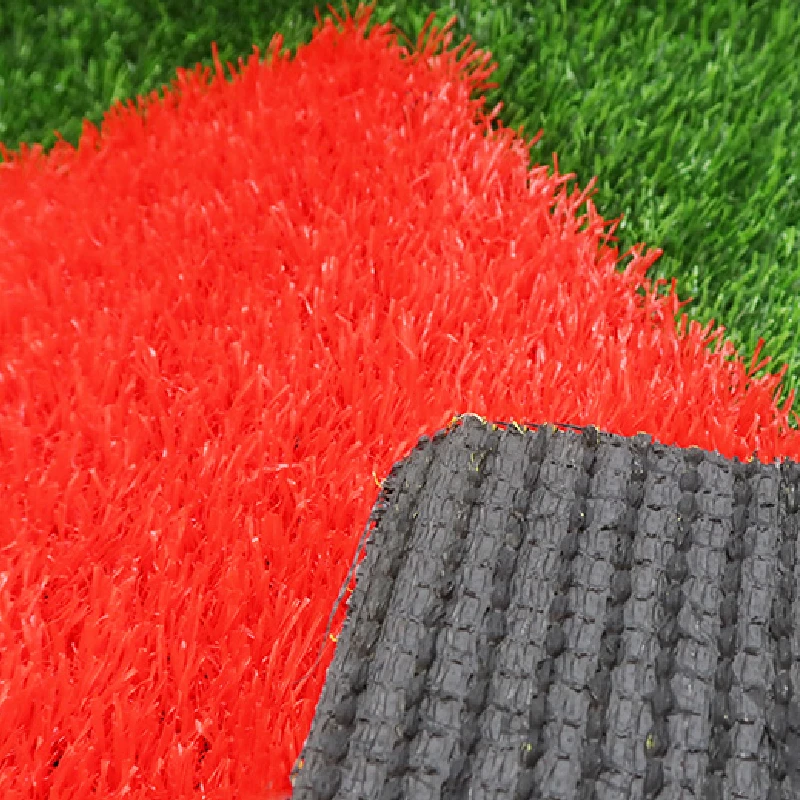
Artificial grass can be made from polyethylene, polypropylene, nylon, or a blend. Each comes with its price tag and benefits. Polyethylene offers softness and UV resistance but may cost more. Nylon gives durability but tends to be pricier. Material choice directly impacts both the feel and longevity, influencing the price per square meter.
2. Pile Height and Density
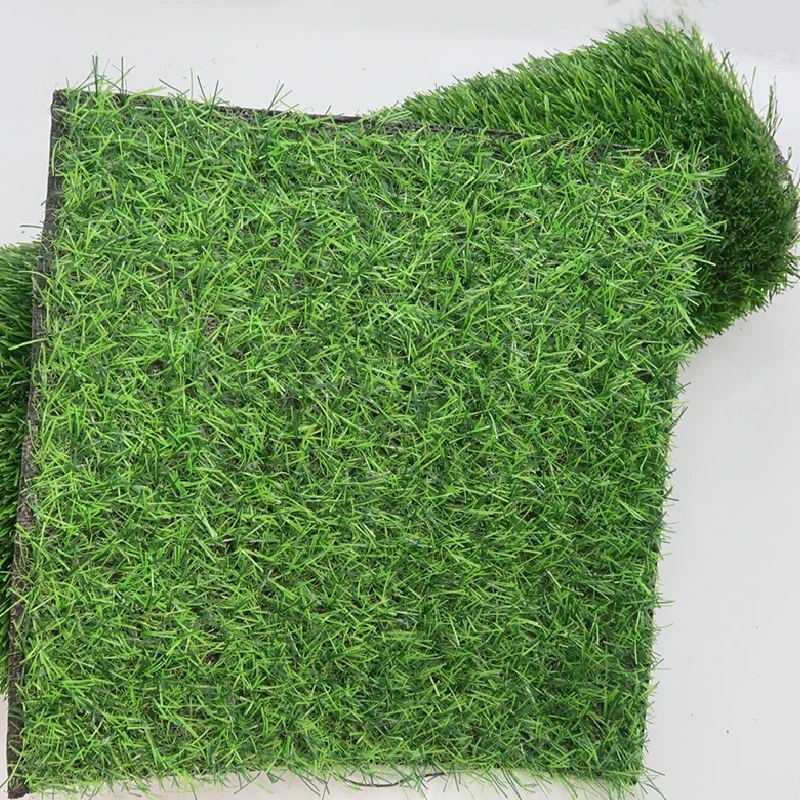
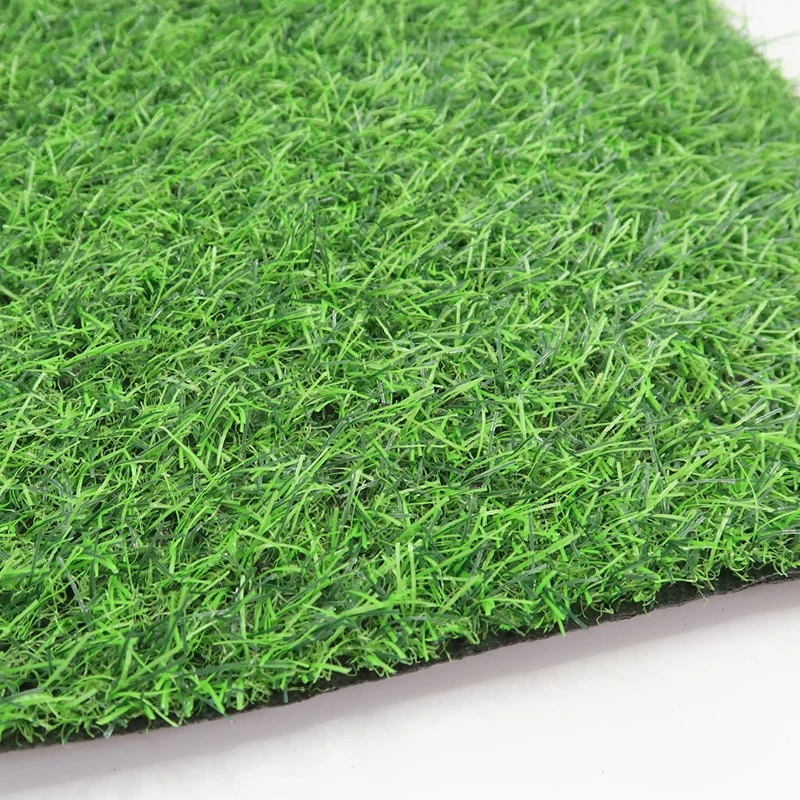
Higher pile heights (the length of the grass blades) and denser backing typically require more raw material and advanced manufacturing, pushing prices up. Areas requiring a more natural look or sports fields with intense use usually opt for higher density turf.
3. Backing and Drainage Systems
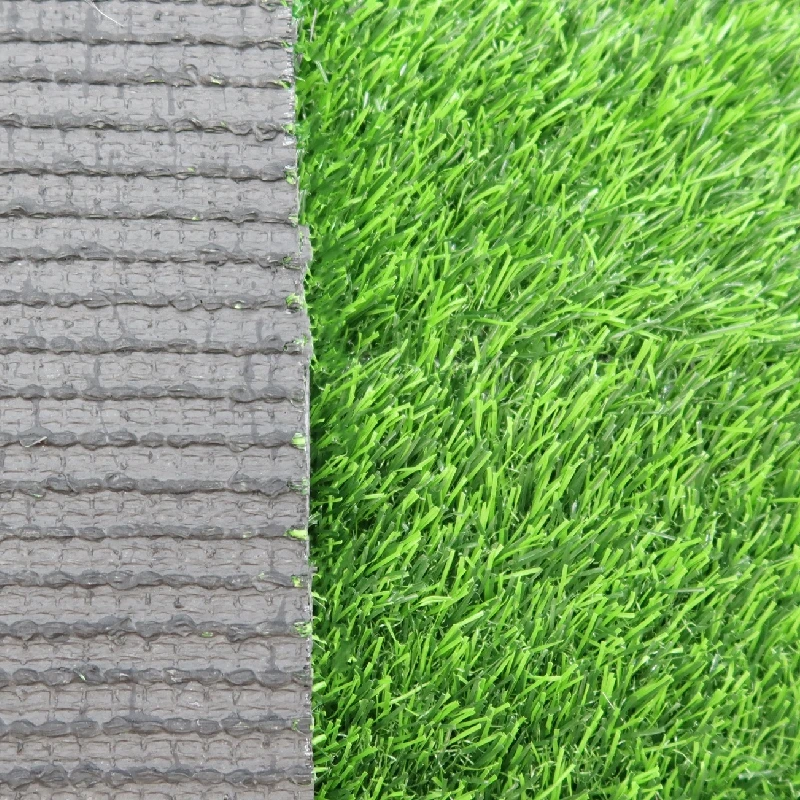
The backing layers reinforce durability and prevent tearing. Some products include perforated backing for drainage, important in wetter climates but adding complexity and cost.
4. Installation and Ground Preparation
Prices often quoted per square meter sometimes exclude preparatory work like soil leveling or sub-base installation, which can vary widely in cost depending on the location.
5. UV Protection and Warranty Terms
UV resistance treatments extend lifespan but may increase price. Warranties also add value — longer warranties often correlate with higher initial prices, but they reduce long-term risks.
Mini takeaway: Price variations boil down to quality, planned use, and installation complexity — all vital aspects when considering artificial grass.
Real-World Applications Around the Globe
From Dubai’s scorching desert parks to the lush European football pitches, artificial grass is a versatile choice. In stadiums, it delivers consistent playability and maintenance savings. Urban planners in drought-prone California use it extensively to meet water use restrictions, while schools in the UK prefer it for all-weather playgrounds that don’t turn to mud.
NGOs in refugee camps and post-disaster relief operations lean on the affordability and speed of installation, valuing the price per square meter as a key purchasing decision. In remote mining operations, it enhances worker safety by reducing dust and mud hazards without demanding scarce water resources.
One customer story comes from a small Canadian municipality that replaced its town square’s natural lawn with artificial grass. Initial costs were surprisingly higher than expected, but over five years, they saved on water, mowing, and fertilizers — roughly halving their maintenance budget.
Mini takeaway: The price point and benefits of artificial grass adjust to fit a huge range of global needs, from luxury landscapes to essential infrastructure.
The Long-Term Advantages of Investing in Quality Artificial Grass
- Cost savings: Minimal watering, no mowing, and less frequent replacement save money over time.
- Sustainability: Reduces water use drastically, cutting the carbon footprint of landscaping.
- Reliability: Withstand heavy foot traffic without turning to mud or bald patches.
- Social impact: Creates usable green spaces in previously barren or disaster-damaged areas, enhancing well-being.
- Innovation: Improving material technology means increasingly realistic aesthetics and eco-friendly composition.
In real terms, artificial grass offers peace of mind. Whether backing a small family garden or a major sports venue, the investment feels worthwhile—and the conversations often turn to trust and dignity in creating lasting, beautiful outdoor spaces.
Future Trends to Watch in Artificial Grass Pricing
Innovation never rests. Expect rising use of recycled polymers and bio-based materials to reduce environmental impact while managing costs. Digital tools, like AI-driven installation planning, might optimize labor expenses, affecting price structures subtly but surely.
Policies in water-scarce regions increasingly favor synthetic turf installations, indicating regulatory support that could influence price competitions. Automation in manufacturing promises improved quality at lower prices. Plus, as energy grids greenify, production emissions for artificial grass will likely drop, making it more sustainable overall.
Mini takeaway: Prices may fluctuate with tech advances and global trends, but sustainability and performance will continue guiding purchasing decisions.
Common Challenges and How to Overcome Them
One gripe I often hear is that artificial grass can feel “plastic” or look fake — especially cheaper options. To overcome this, investing a bit more in premium fibers with advanced UV treatments pays off. Also, upfront costs can deter buyers, but transparent pricing that includes all installation steps eases budgeting headaches.
Drainage issues surface in heavy rain areas, but better backing designs and professional groundwork largely solve these problems. Moreover, some environmental critics point toward microplastic pollution. Manufacturers are researching biodegradable infills and recyclable turf to address these — an encouraging sign.
Mini takeaway: Awareness and quality choices help mitigate common downsides, making the price per square meter a fair representation of value.
Frequently Asked Questions About Artificial Grass Price Per Square Meter
- Q1: What factors most affect the cost of artificial grass per square meter?
- A1: Material type, pile height, density, backing, and installation complexity are the main influencers. Also, warranty terms and UV protection play roles. Understanding these helps align price with expected use and durability.
- Q2: Is cheaper artificial grass always a bad choice?
- A2: Not necessarily, but cheaper grass may wear out faster, look less realistic, or lack proper drainage. Consider total lifecycle cost — sometimes spending more upfront saves money later.
- Q3: Can artificial grass reduce water bills significantly?
- A3: Absolutely. In regions facing drought or water restrictions, replacing natural lawn with synthetic turf substantially cuts irrigation expenses without sacrificing greenery.
- Q4: How long does artificial grass typically last?
- A4: Depending on quality and conditions, most artificial turf lasts 10–15 years with proper care. Warranties usually cover 8–10 years for UV fading and wear.
- Q5: Are there any environmental concerns with artificial grass?
- A5: While saving water and chemicals, artificial turf involves plastics that may shed micro-particles. Newer biodegradable options and better recycling programs are helping to reduce environmental footprint.
Quick Overview of Artificial Grass Specs
| Specification | Details |
|---|---|
| Material | Polyethylene / Polypropylene / Nylon |
| Pile Height | 15 mm – 50 mm |
| Backing | Perforated latex or polyurethane |
| UV Protection | Added for 8–10 year durability |
| Average Lifespan | 10 – 15 years |
| Typical Installed Cost | $20 – $60 per square meter |
Vendor Comparison: What to Consider
| Feature | Vendor A | Vendor B | Vendor C |
|---|---|---|---|
| Price per Square Meter | $22 | $45 | $35 |
| Material Quality | Mid-range PE | Premium PE / Nylon blend | High-density PE |
| Warranty | 5 years | 10 years | 8 years |
| Installation Included | No | Yes | Partial |
| Sustainability | Standard polymers | Recycled-content available | Limited eco options |
Wrapping It Up: Why Knowing Artificial Grass Price Per Square Meter Pays Off
Choosing artificial grass isn’t just about a pretty yard — it’s a strategic decision that weighs present costs against future benefits in sustainability, maintenance, and functionality. Understanding the artificial grass price per square meter is your financial compass; it guides you through the maze of options with an eye on quality, lifespan, and environmental impact.
If you’re considering an upgrade or new project, I suggest diving deep into specifications, comparing vendors, and factoring installation costs thoroughly. And hey, don’t forget to check out artificial grass price per square meter for detailed pricing insights and options tailored to your needs.
After all, green is the new gold — especially when it’s synthetic and smartly chosen.
References
Latest news
-
Creating the Perfect Fake Grass Area for Dogs Complete Guide
NewsApr.16,2026
-
Guide to Using Fake Grass and Pets for a Pet Friendly Lawn
NewsApr.09,2026
-
Fake Grass and Dogs Creating a Pet Friendly and Durable Yard
NewsApr.07,2026
-
Maintaining a Pristine Lawn with Fake Grass and Dog Wee Management Solutions
NewsApr.04,2026
-
The Ultimate Guide to Choosing the Perfect Fake Dog Grass Patch for Your Pet
NewsMar.31,2026
-
Discover the Benefits of High Quality Fake Dog Grass for Potty Training
NewsMar.28,2026
Products categories