Welcome to Hoyarn
Call Us Any Time:+86 19801805999
Email Us: info@hoyarn.cn
Understanding Artificial Grass Price per Square Foot: A Practical Guide for Sustainable Landscaping
Dec . 01, 2025 09:00 Back to list
Understanding Artificial Grass Price per Square Foot: A Practical Guide for Sustainable Landscaping
The Practical Price of Artificial Grass Per Square Foot: Why It Matters Today
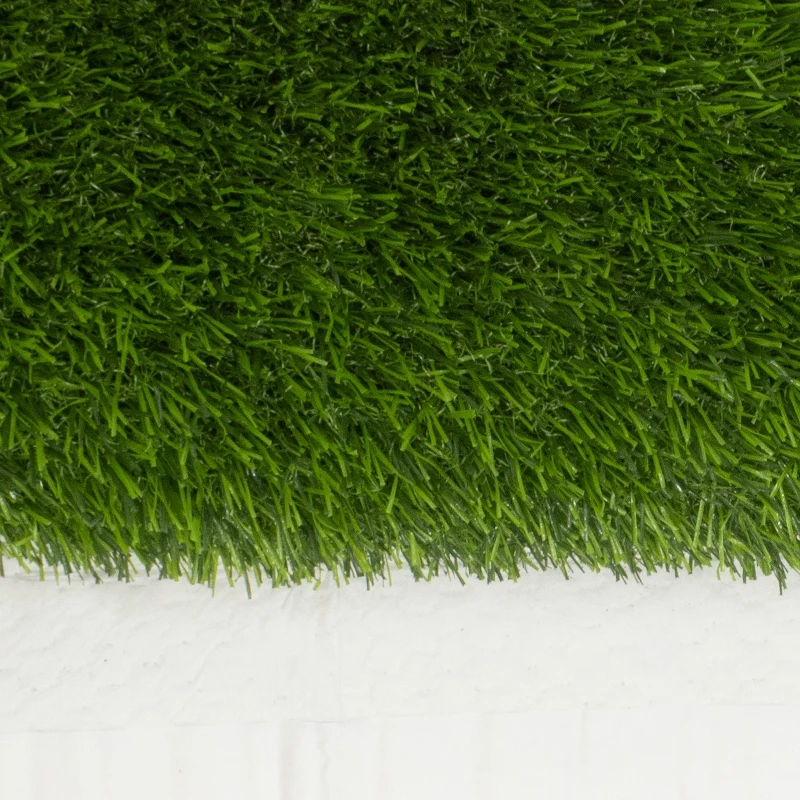
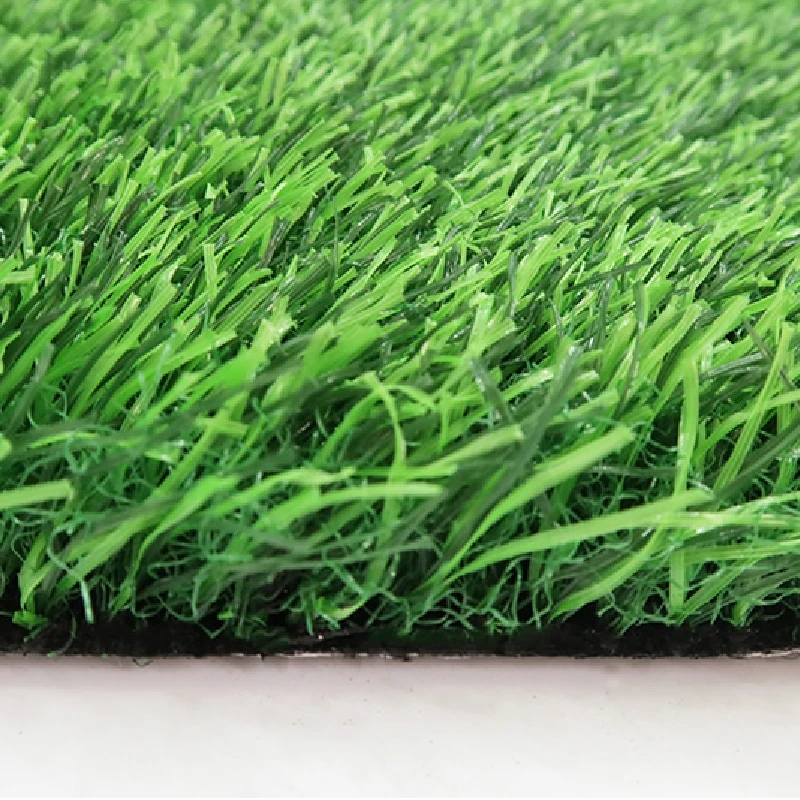
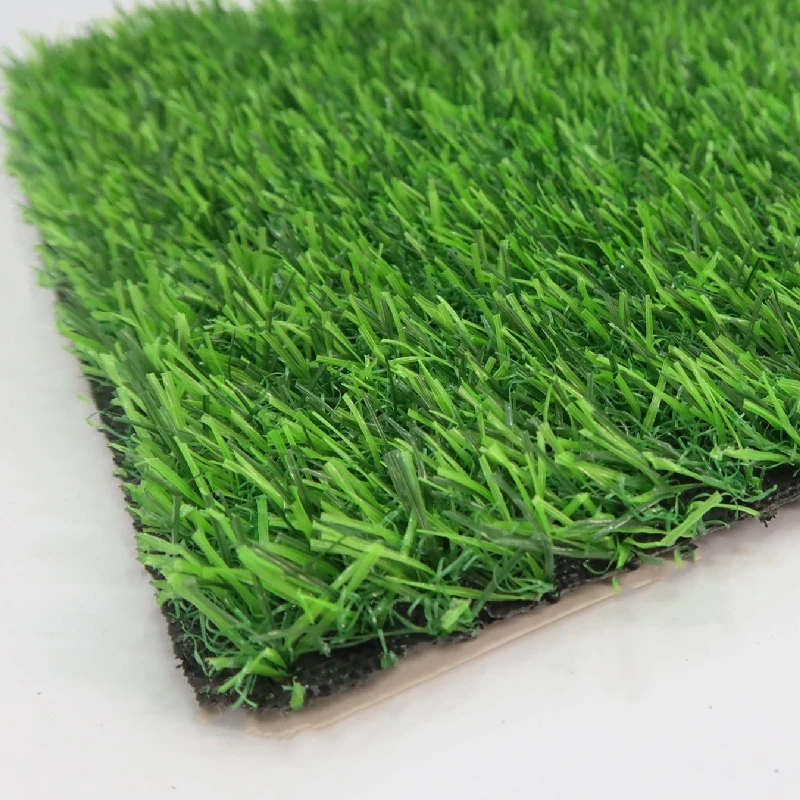
Artificial grass has gone from a niche luxury to a staple solution for home gardens, sports arenas, and urban landscaping worldwide. But what really makes a difference when shopping or planning a project? The artificial grass price per square foot isn’t just a number on a label — it’s a reflection of quality, durability, and the specific needs you’re trying to meet.
Globally, as water scarcity and maintenance demands climb, millions are turning to synthetic turf for low-water, low-maintenance greenery. Understanding costs down to the square foot helps architects, landscapers, and even humanitarian organizations budget smartly, ensuring sustainability and style go hand in hand.
Mini takeaway: The cost per square foot of artificial grass is more than price—it’s the gateway to sustainable, practical landscaping that fits diverse global needs.
A Wider Look: Why Artificial Grass Price per Square Foot Is Globally Relevant
When we zoom out, the cost of artificial grass per square foot plays a surprisingly significant role in green infrastructure, especially in water-conscious regions like the American Southwest, Australia, and parts of the Mediterranean. The World Bank estimates over 2 billion people live with water shortages, pushing communities and urban planners to seek low-maintenance landscaping alternatives.
This leads to an obvious challenge: how to balance installation costs without sacrificing quality or longevity. The artificial grass price per square foot essentially acts as a common denominator for comparing disparate solutions — from budget backyard kits to high-grade commercial turf.
Mini takeaway: Tackling water and maintenance challenges worldwide means artificial grass price points become critical markers for sustainability and urban development.
What Does 'Artificial Grass Price Per Square Foot' Actually Mean?
Simply put, the artificial grass price per square foot is the cost quoted for covering an area of one square foot with synthetic turf, including the turf material, and sometimes often installation — but not always. It bundles together the quality of fibers, backing material, density, and sometimes UV resistance.
This unit cost helps customers and professionals understand budgets without getting lost in confusing batch orders or bulk pricing. It’s also a handy way to assess how turf can replace natural grass in spaces where environmental or economic factors make traditional lawns costly or impractical.
Key Factors Influencing Artificial Grass Price Per Square Foot
1. Material Quality & Durability
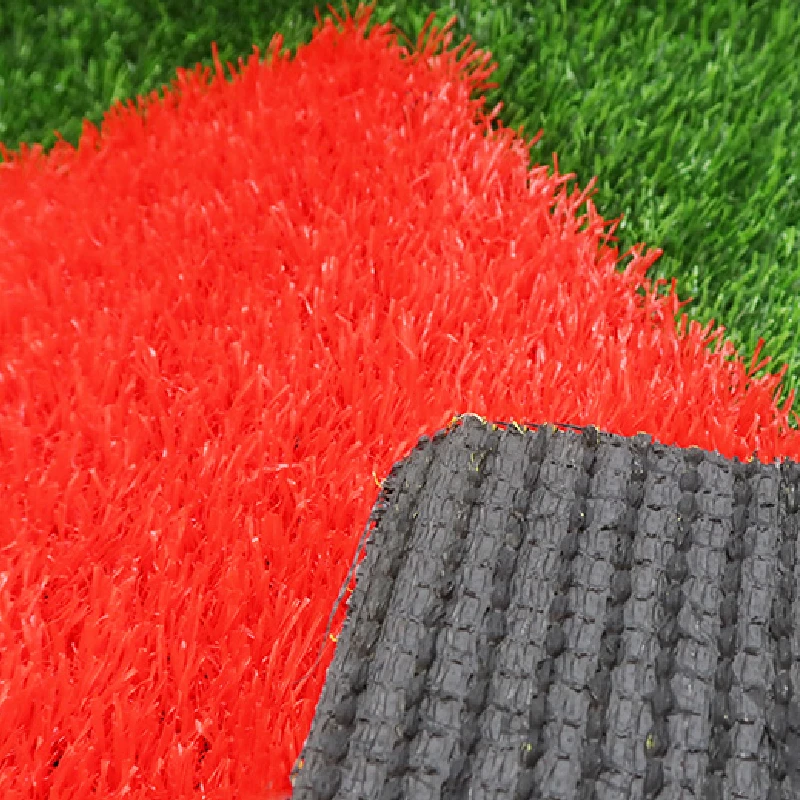
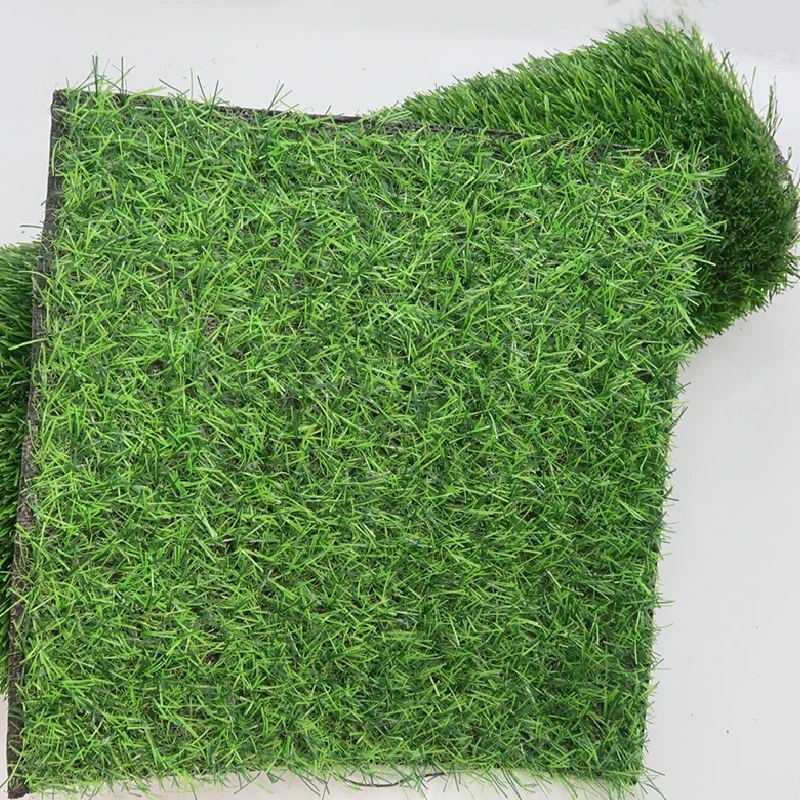
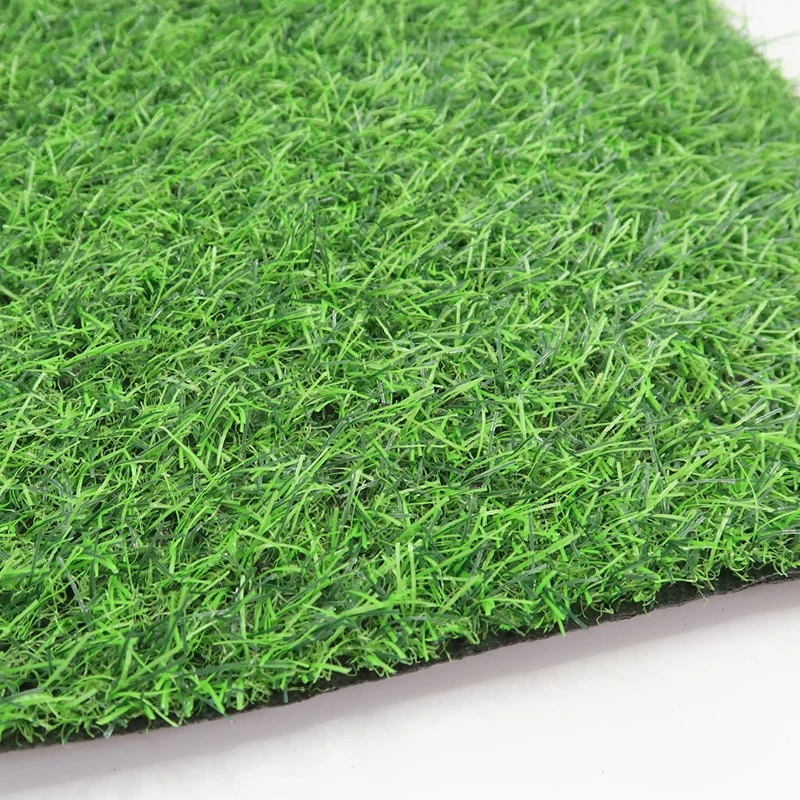
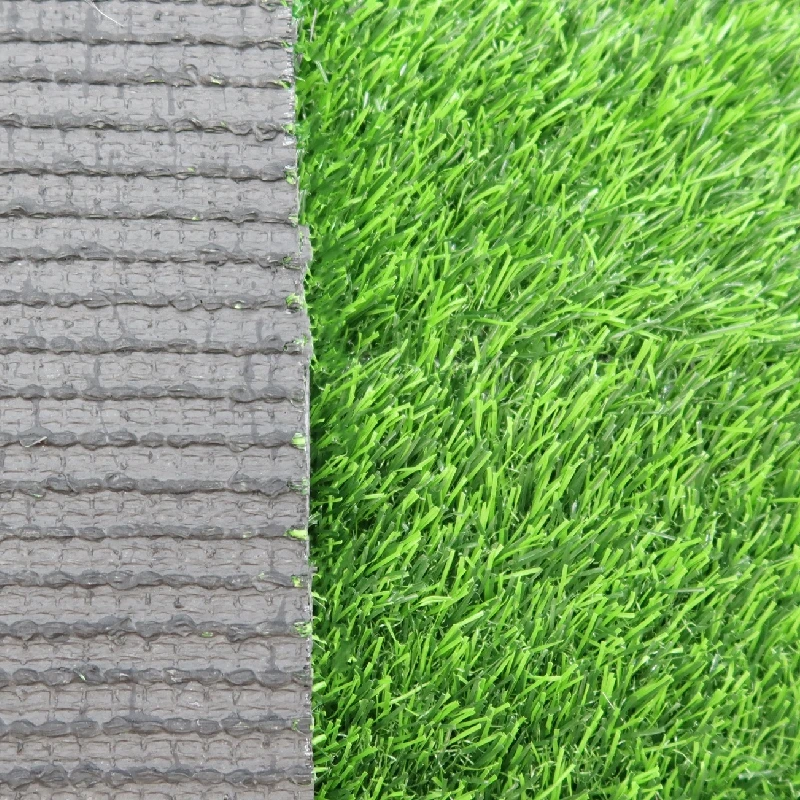
Not all artificial grass is created equal. Prices can vary dramatically based on fiber type (polyethylene, polypropylene), backing material, and the turf’s thickness or pile height. More durable products designed to withstand heavy foot traffic naturally cost more.
2. Density and Pile Height
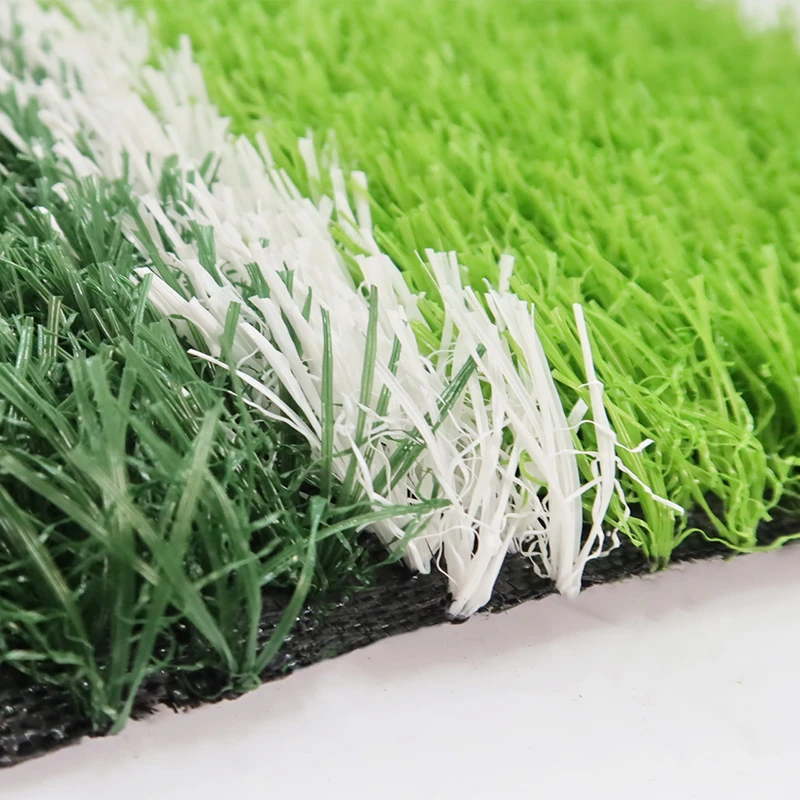
The fullness and height of the synthetic blades add to comfort and realism, but they also add to price. For example, sports-grade turf with taller blades and denser stitch counts may cost twice as much as standard residential turf.
3. UV Protection & Weather Resistance
Products designed to resist fading, brittleness, or damage from sun exposure command a premium. This ensures the turf looks good and performs well for many years — truly saving money long-term.
4. Installation & Additional Materials
While the “price per square foot” usually references turf alone, installation includes groundwork, adhesives, infill materials, and labor, which can significantly change the final cost.
5. Brand Reputation & Vendor Services
Well-known brands with proven warranties or customer support may charge more upfront. Sometimes that extra cost is worth it when you want peace of mind.
Mini takeaway: Price variations reflect more than turf—they factor materials, durability, environment, and even post-sale support.
Artificial Grass in Action: Global Applications and Real Use Cases
Artificial grass is everywhere now. In urban parks in Dubai, it provides lush green spaces despite the desert heat. In schools across London, it safeguards playgrounds during rainy seasons. Post-disaster zones in the Philippines use synthetic turf for fast-installation community areas when grass won’t grow back so easily.
And it’s not just landscapes: factories and warehouses in cold climates install synthetic turf in certain zones to reduce dust, noise, and maintenance, saving operational costs.
Regions dependent on water conservation truly benefit. For instance, California municipalities incentivize homeowners to switch, helping reduce urban water consumption significantly.
Product Specification Table for Typical Artificial Grass Product
| Specification | Value |
|---|---|
| Fiber Type | Polyethylene |
| Pile Height | 1.5 inches |
| Stitch Rate | 16 stitches per 10 cm |
| Backing Material | Latex + PU Coating |
| UV Stabilization | Yes, 5-year warranty |
| Typical Price | $2.50 - $5.00 per square foot |
How Different Vendors Stack Up on Pricing and Features
| Vendor | Price Range ($/sq ft) | Material Quality | Warranty | Extras |
|---|---|---|---|---|
| GreenScape | $2.50 - $3.75 | Standard Polyethylene | 3 years | Basic UV Treatment |
| Lush Lawn Co. | $3.75 - $5.00 | Premium Polyethylene + PU Backing | 8 years | Eco-Friendly Infill Included |
| TurfPro | $3.00 - $4.50 | Mid-Range Materials | 5 years | Custom Colors & Textures |
Advantages and Long-Term Value of Knowing Your Turf Costs Well
When you grasp the cost per square foot, you’re really looking at how artificial grass fits into your budget’s big picture. It’s not just dollars and cents — it’s the peace of mind that comes with low upkeep, reliable lushness, and water savings.
- Cost Efficiency: Over years, reduced watering bills and less lawn care pay off.
- Sustainability: Synthetic turf saves millions of gallons of water annually.
- Safety & Comfort: Especially for playgrounds or pet spaces, quality turf can reduce injuries.
- Social Impact: Urban areas gain green spaces without the usual environmental toll.
Mini takeaway: Investing in the right artificial grass translates to long-term savings, sustainability, and wellbeing — a pretty good tradeoff if you ask me.
What the Future Holds: Innovations Changing Turf Pricing and Performance
Technology marches on, and turf isn’t immune. Newer artificial grass blends use recycled plastics, promising greener footprints. Fiber technology improves softness and durability simultaneously. Automated drones or AI-based landscaping systems may soon optimize turf installation and maintenance, cutting costs.
Other trends include infill materials made from nanocellulose or organic waste, further reducing environmental impact. Governments are beginning to set standards, like ISO certifications for sustainable artificial turf — expect affordability to rise but quality and accountability to improve.
Common Challenges and How the Industry Is Addressing Them
Despite its perks, synthetic turf still faces criticism — mainly related to upfront costs, heat retention, and disposal issues. In hot climates, artificial grass can get uncomfortably warm if not properly designed. Also, lower-end products sometimes look fake and degrade quickly.
But many vendors now offer cooling infills or reflective fibers. Plus, recycling programs and innovation in biodegradable components are gaining traction. Smart installation and choosing the right product from the start reduce long-term headaches.
FAQ: Your Top Questions on Artificial Grass Pricing
Q1: What factors most impact artificial grass price per square foot?
A1: Material quality, pile height, UV protection, and brand reputation are key. Installation extras and region can also influence final cost.
Q2: Can I install artificial grass myself to save money?
A2: DIY installation is possible but challenging. Professional installation ensures warranty validity and better long-term results.
Q3: How long does quality artificial grass typically last?
A3: With proper care, premium turf can last 8 to 15 years, making its price per square foot quite economical over time.
Q4: Does synthetic turf require special maintenance?
A4: Compared to natural grass, maintenance is minimal: occasional brushing, cleaning debris, and infill top-ups.
Q5: Are there sustainable options within artificial turf pricing?
A5: Yes. Some companies now offer recycled materials and organic infills. These might cost more upfront but reduce environmental impact.
Wrapping Up: Why Understanding Artificial Grass Pricing Matters
So, to circle back, knowing your artificial grass price per square foot isn’t just a trivial budgeting exercise. It’s about making educated, environmentally sound choices that fit your unique space and requirements. Whether you’re a homeowner looking to save on watering, a school needing safe playground turf, or an urban planner seeking green solutions, price guides your path like a map.
Give it a thought and when ready, check out artificial grass price per square foot details and start planning a smarter, greener future today.
Latest news
-
Creating the Perfect Fake Grass Area for Dogs Complete Guide
NewsApr.16,2026
-
Guide to Using Fake Grass and Pets for a Pet Friendly Lawn
NewsApr.09,2026
-
Fake Grass and Dogs Creating a Pet Friendly and Durable Yard
NewsApr.07,2026
-
Maintaining a Pristine Lawn with Fake Grass and Dog Wee Management Solutions
NewsApr.04,2026
-
The Ultimate Guide to Choosing the Perfect Fake Dog Grass Patch for Your Pet
NewsMar.31,2026
-
Discover the Benefits of High Quality Fake Dog Grass for Potty Training
NewsMar.28,2026
Products categories