Welcome to Hoyarn
Call Us Any Time:+86 19801805999
Email Us: info@hoyarn.cn
Understanding Artificial Grass Price: Factors, Benefits & Trends
Dec . 01, 2025 07:20 Back to list
Understanding Artificial Grass Price: Factors, Benefits & Trends
Understanding Artificial Grass Price: What You Need to Know
Artificial grass price might not sound like the most exciting topic, but it plays a surprisingly significant role in many industries worldwide — from landscaping and sports venues to humanitarian and environmental projects. Knowing about it is more than just curiosity; it’s about understanding a solution impacting sustainability, cost-efficiency, and aesthetic standards globally.
Frankly, with growing concerns over water scarcity (source) and urban land use, artificial turf offers an alternative everyone from city planners to homeowners is seriously considering. But what sets the artificial grass price, and why should you care? Let's dive a bit deeper.
Global Relevance of Artificial Grass Pricing
Globally, urban areas are expanding at a rapid pace, with the UN estimating that about 68% of the population will live in cities by 2050 (UN Report). This intensifies the demand not only for green spaces but for sustainable, cost-effective solutions allowing greenery without the usual heavy maintenance or water usage.
Artificial grass price becomes central here: it must reflect the balance between affordability and quality — you don’t want it to look cheap or wear out too fast. In regions that are drought-prone or unreliable for normal grass growth, a reasonable artificial grass price means more accessible green solutions.
But the challenge remains: How do manufacturers keep prices low while improving durability and sustainability? This question is at the heart of many industry discussions today.
What Exactly Is Artificial Grass Price?
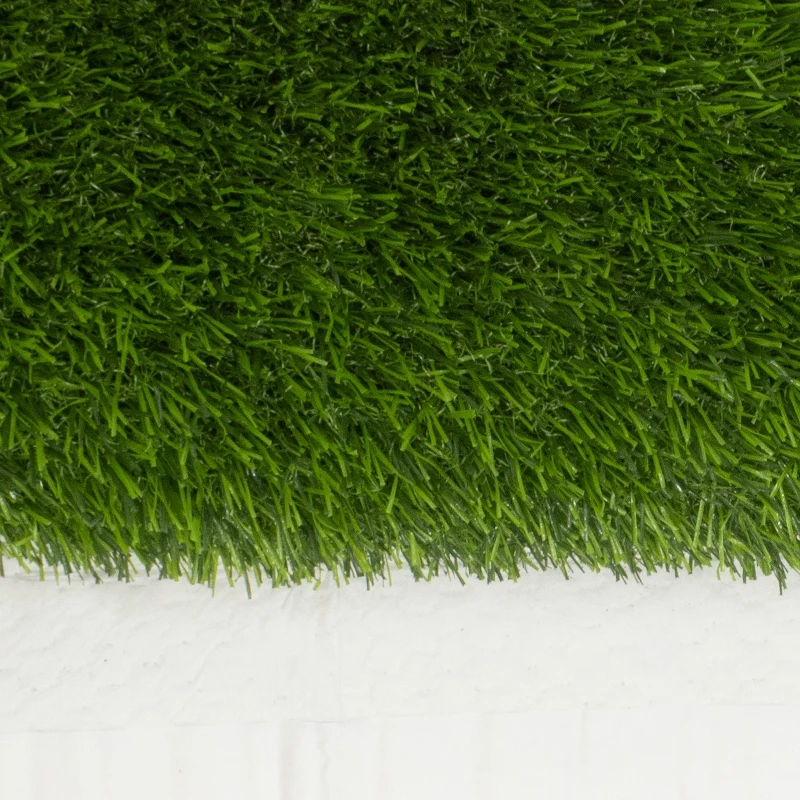
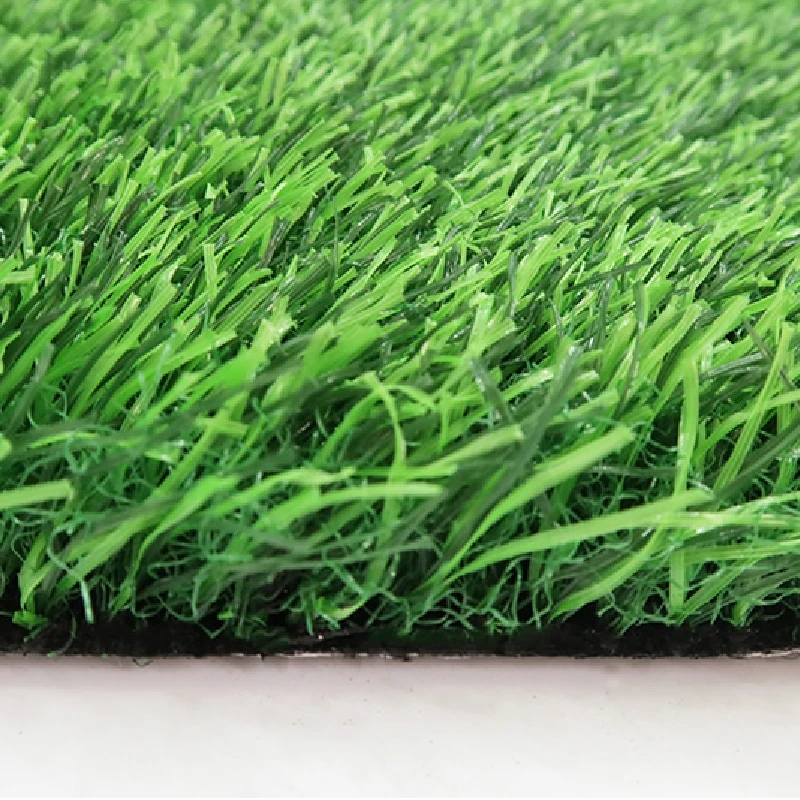
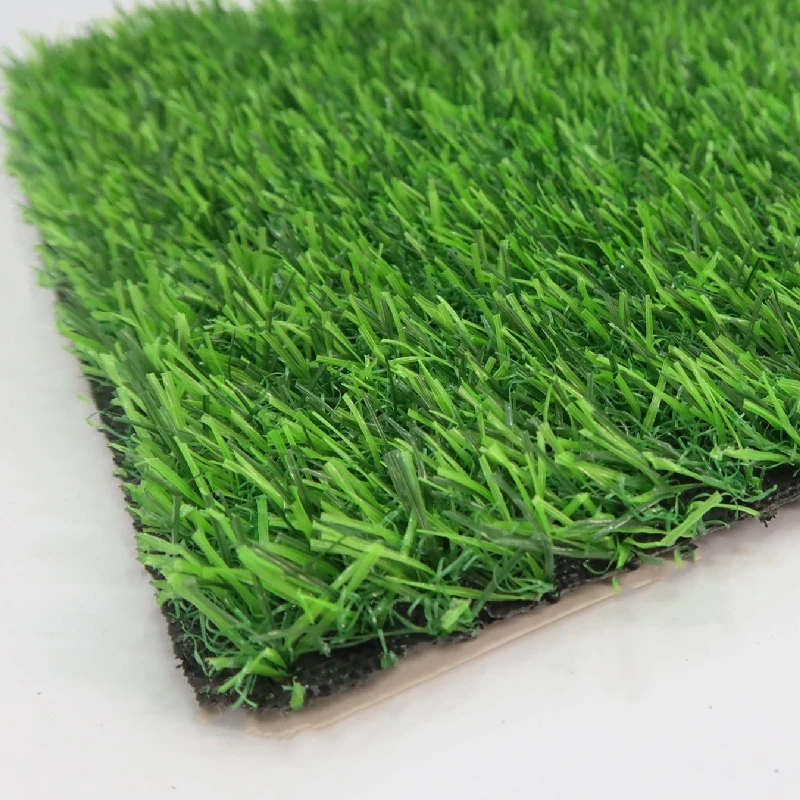
Put simply, artificial grass price refers to the cost a consumer or organization pays per unit (often per square meter or yard) for synthetic turf products. It includes the raw materials, manufacturing, shipping, installation, and sometimes maintenance. Think of it as the “price tag” on creating a patch of lawn that never needs watering.
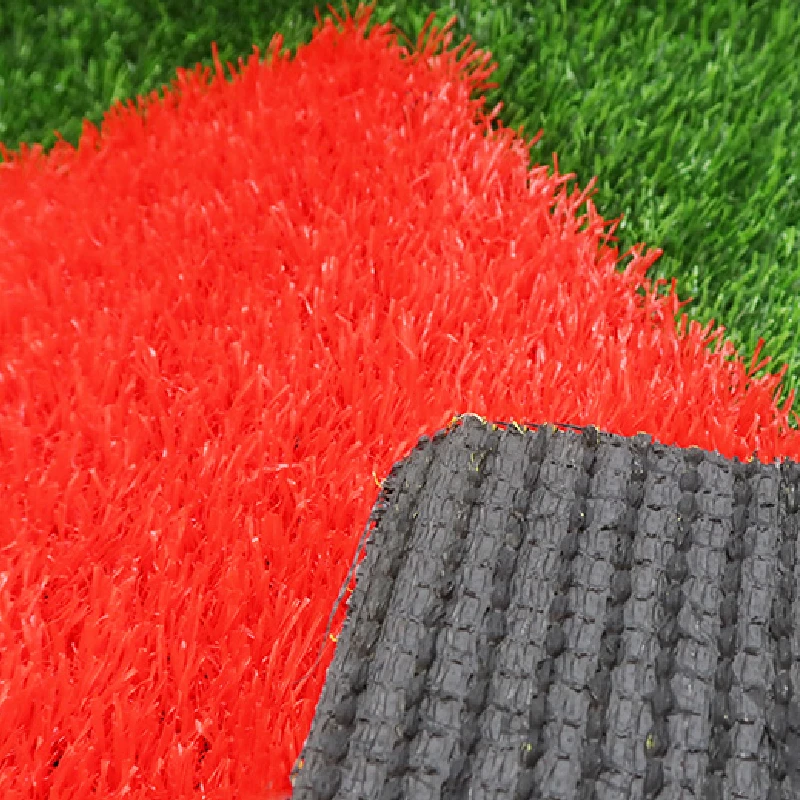
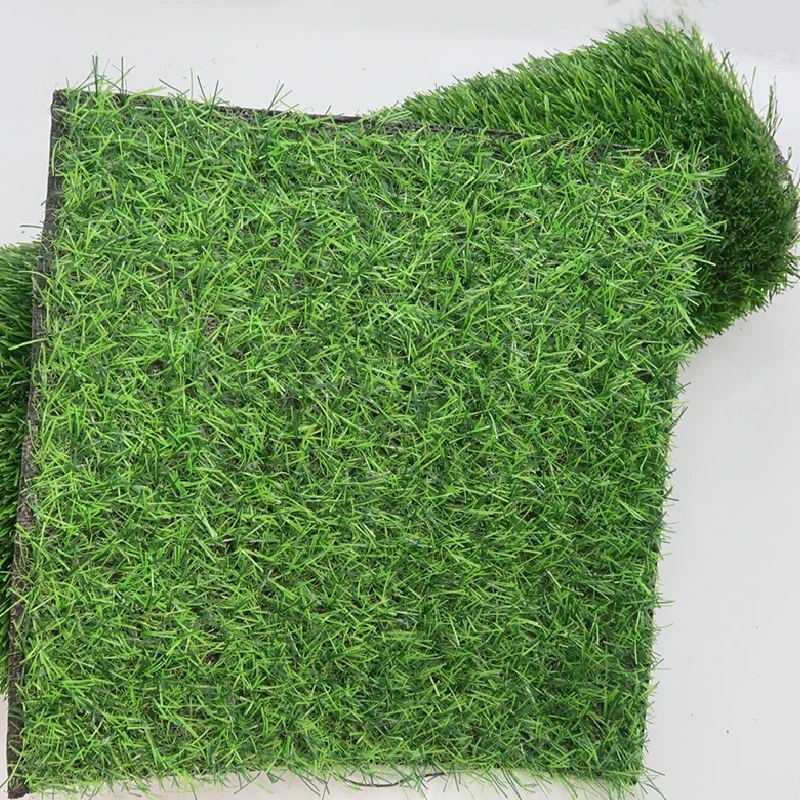
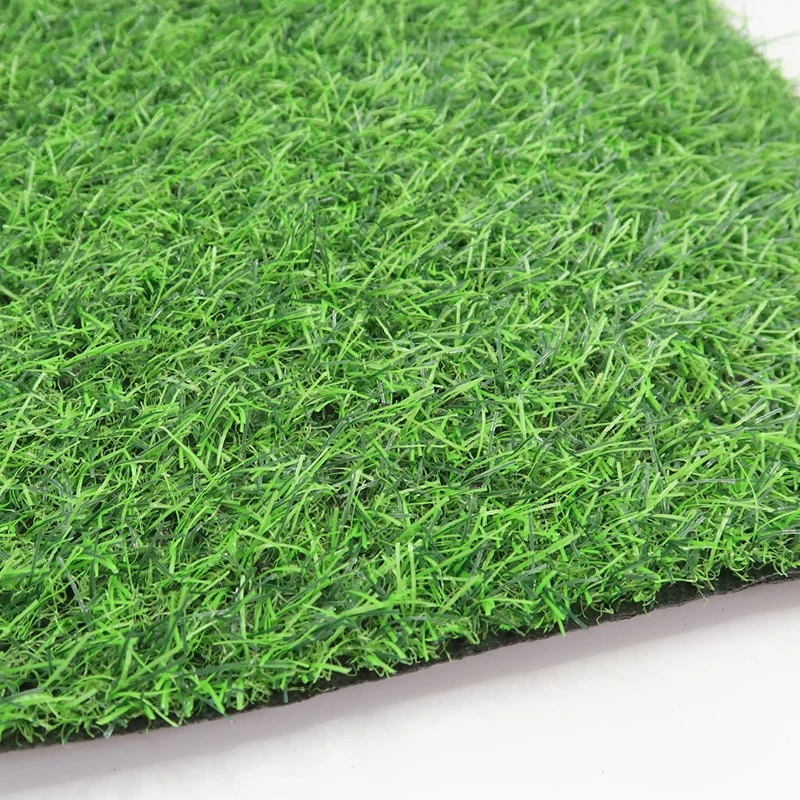
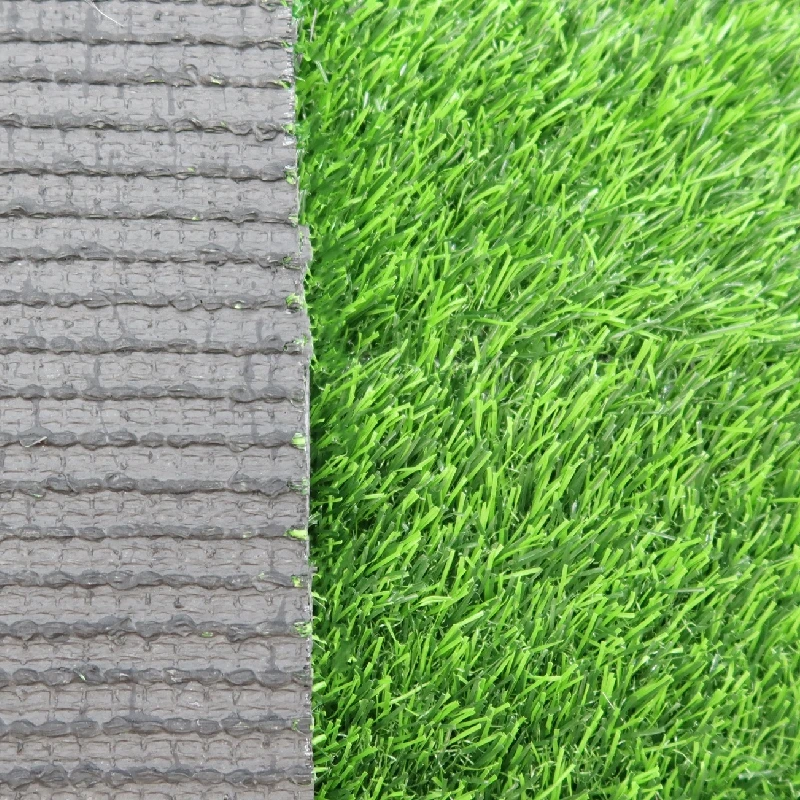
This price depends heavily on materials like polyethylene, polypropylene, or nylon fibers, and enhancements such as UV protection coatings or infill materials (like rubber crumbs or sand). It’s not just a number; it signals quality, sustainability, and suitability for the intended purpose.
Incidentally, many humanitarian projects rely on carefully balancing the artificial grass price to provide safe, easy-to-clean, and quickly deployable surfaces in camps or disaster relief zones, making it more than just a landscaping choice.
Core Components Influencing Artificial Grass Price
1. Material Type and Quality
The type of fiber and backing material directly affects cost. Nylon tends to be stronger but pricier, while polyethylene is softer and more common. Higher-quality fibers usually mean a higher artificial grass price but longer lifespan.
2. Durability and UV Resistance
Grass that can withstand harsh sun and heavy foot traffic usually costs more upfront. However, this investment pays off with less frequent replacements — something many homeowners and commercial sites appreciate.
3. Installation Complexity
Some artificial grass products include easy-to-install backing systems, while others require professional laying with elaborate drainage and infill layers — naturally driving up the cost.
4. Sustainability & Eco-Friendliness
New recycled materials, biodegradable infills, and reduced carbon footprints make certain products stand out but can bump the price slightly. Yet, many find these costs worth it in the long run.
5. Scalability and Coverage Area
Bulk orders for sports fields or commercial projects usually bring the artificial grass price per square meter down. Small-scale buyer? Expect a higher per unit cost.
6. Warranty & After-Sales Service
Some vendors bundle warranties from 8 to 15 years, which can increase initial price but offers peace of mind, especially in regions with extreme weather.
Mini Takeaway:
Artificial grass price is a kaleidoscope of interconnected factors — not just materials, but installation, sustainability, and vendor support all come into play.
Artificial Grass Price Around the World: Use Cases and Regions
Across the globe, from the golf courses of Arizona to school playgrounds in the United Arab Emirates, artificial turf is everywhere. For instance, drought-prone California has seen increased adoption due to strict water usage regulations — pushing homeowners and businesses to seek alternatives.
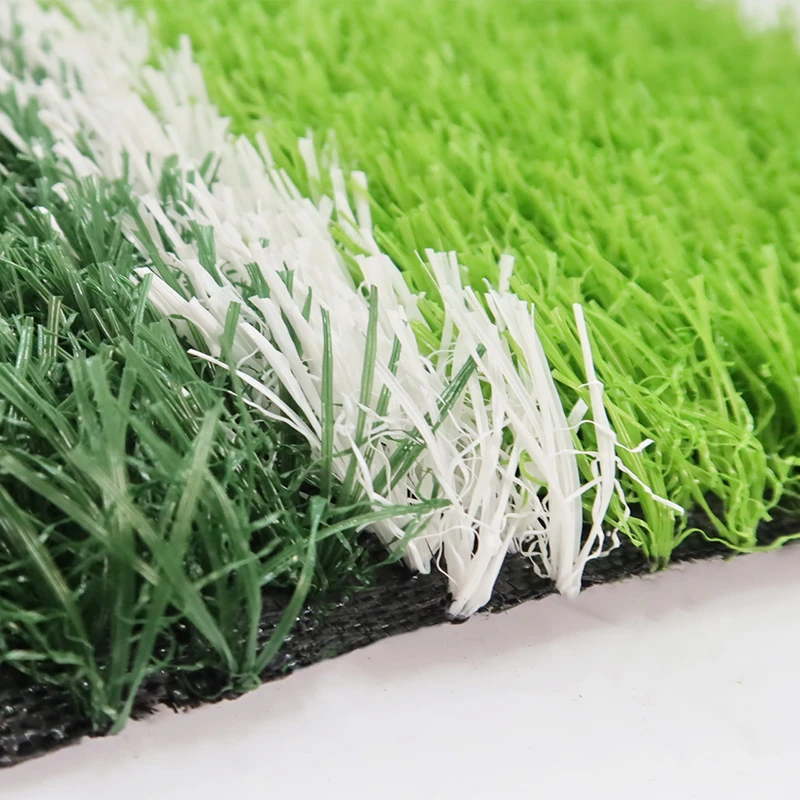
In the UK and Europe, sports fields demand premium artificial grass that can withstand football or rugby play but adhere to strict safety and environmental standards.
Oddly enough, even in humanitarian contexts, especially refugee camps in Africa or temporary medical centers, a moderate artificial grass price allows quick deployment of hygienic, dust-free ground cover, improving living conditions without heavy landscaping.
Industrial zones in Australia utilize artificial grass for landscaping around harsh chemical plants where natural grass won’t survive — proving its versatility.
Product Specification Table
| Specification | Typical Value | Notes |
|---|---|---|
| Fiber Material | Polyethylene | Soft, UV resistant |
| Pile Height | 25 mm | Standard for residential use |
| Density | 12,000 stitches/m² | High tack, good wear |
| Backing Material | Latex & polyurethane | Waterproof, flexible |
| Warranty | 10 years | Coverage against fading & wear |
| Typical Price per m² | $20 - $45 | Includes installation, varies by region |
Comparing Top Vendors: Who Offers What?
| Vendor | Price Range (per m²) | Material Quality | Eco Features | Warranty |
|---|---|---|---|---|
| GreenLawn Solutions | $25 - $40 | Mid-range PE fiber | Some recycled fibers | 8 years |
| EverTurf International | $30 - $50 | High-grade nylon blend | Biodegradable backing | 12 years |
| EcoTurf Co. | $20 - $35 | Polypropylene fibers | 100% recycled material | 10 years |
Why Choose Artificial Grass? A Closer Look at Sustainability and Value
When weighing the artificial grass price, many overlook the long-term advantages. Less watering means substantial water conservation: some estimates suggest synthetic lawns save up to 55 gallons of water per square meter annually compared to natural grass.
Beyond utility, there’s reliability — artificial turf stays green year-round, prevents muddy patches, and reduces allergens. Many parents tell me they feel safer knowing their kids can run free without worrying about pesticides or freshly cut grass mess.
Psychologically, it’s about pride too — outdoor spaces get that neat, professional look without the weekend chore grind. From a social/environmental angle, reduced pesticide use is a win-win for backyard ecosystems and urban wildlife.
Looking Ahead: Innovations That Will Shape Artificial Grass Price
The future? Frankly exciting. Recycling is becoming a cornerstone: some manufacturers now use up to 50% recycled plastics without compromising durability. Additionally, innovations in nanocoatings promise superior UV protection for less bleaching.
Automation in installation may also bring prices down, with robotic systems laying turf faster and more uniformly, reducing labor costs.
Plus, the green energy push means factories using renewable power can offer turf with a smaller carbon footprint, which might influence price positively or negatively depending on future policies.
Challenges and Solutions in Balancing Price and Quality
Oddly enough, despite advances, many buyers still worry about “plastic lawn” looking fake or melting in extreme heat. Choosing the right vendor who invests in realistic fiber shapes and infill cooling methods can solve this.
Another challenge is upfront cost: yes, synthetic turf usually demands more initial investment than seeding natural grass. However, spreading costs over 10–15 years with minimized maintenance usually tilts the balance.
For larger projects, bulk procurement and modular turf kits help reduce costs without sacrificing quality.
FAQ: Common Questions About Artificial Grass Price
- How much does artificial grass typically cost per square meter?
- Artificial grass price varies by quality and installation complexity but generally ranges from $20 to $45 per square meter, including materials and labor.
- Is more expensive artificial grass always better?
- Not necessarily. Higher prices often reflect better durability or eco-friendly materials, but it’s important to match the type of turf to your specific needs for best value.
- How does artificial grass price affect maintenance costs?
- While upfront price might be higher, maintenance costs drop to near zero compared to natural grass, saving water, fertilizer, mowing, and pesticide expenses over time.
- Can I install artificial grass myself to save money?
- Smaller areas can be DIY projects with basic tools, but professional installation ensures proper drainage and longevity, usually worth the extra cost.
- Are there budget-friendly eco-friendly turf options?
- Yes, several vendors offer eco turf made from recycled materials or with biodegradable components at competitive artificial grass prices — check vendor specs carefully.
Wrapping Up — Why Understanding Artificial Grass Price Matters
Ultimately, artificial grass price frames a deeper conversation about sustainability, innovation, and smart investment. Whether you’re a homeowner, business, or NGO, knowing the factors behind this cost helps you make informed choices balancing budget, environmental care, and durability.
If you want to explore detailed pricing, options, and the latest offers, don’t hesitate to visit our website: artificial grass price. It might just change how you think about green spaces.
References
Prev:
Latest news
-
Creating the Perfect Fake Grass Area for Dogs Complete Guide
NewsApr.16,2026
-
Guide to Using Fake Grass and Pets for a Pet Friendly Lawn
NewsApr.09,2026
-
Fake Grass and Dogs Creating a Pet Friendly and Durable Yard
NewsApr.07,2026
-
Maintaining a Pristine Lawn with Fake Grass and Dog Wee Management Solutions
NewsApr.04,2026
-
The Ultimate Guide to Choosing the Perfect Fake Dog Grass Patch for Your Pet
NewsMar.31,2026
-
Discover the Benefits of High Quality Fake Dog Grass for Potty Training
NewsMar.28,2026
Products categories