Welcome to Hoyarn
Call Us Any Time:+86 19801805999
Email Us: info@hoyarn.cn
Explore Artificial Grass Square Feet Price – Smart Cost & Quality Insights
Dec . 01, 2025 10:35 Back to list
Explore Artificial Grass Square Feet Price – Smart Cost & Quality Insights
The Real Deal on Artificial Grass Square Feet Price: Why It Matters More Than You Think
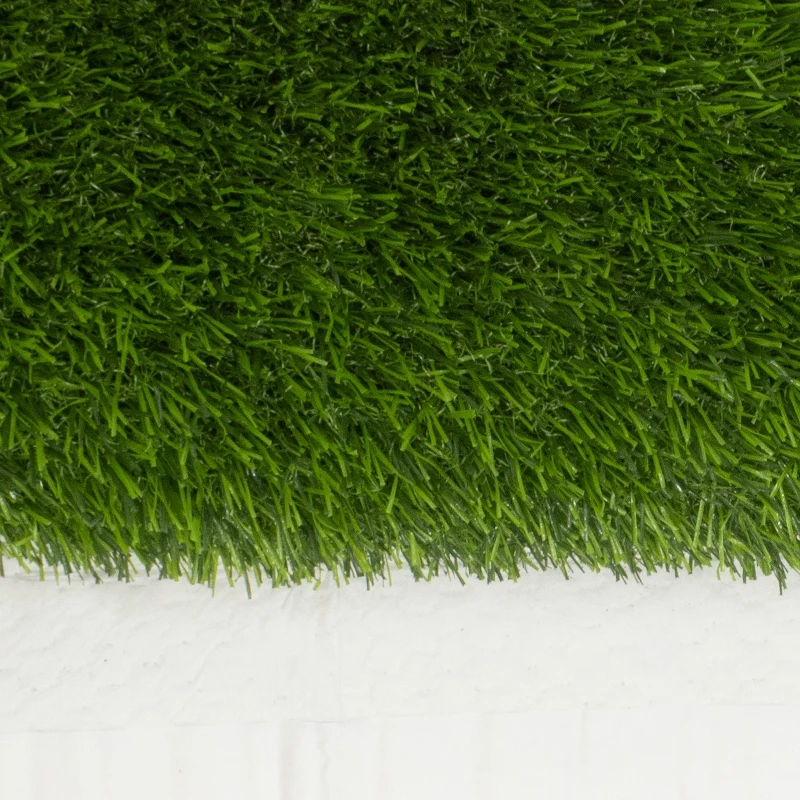
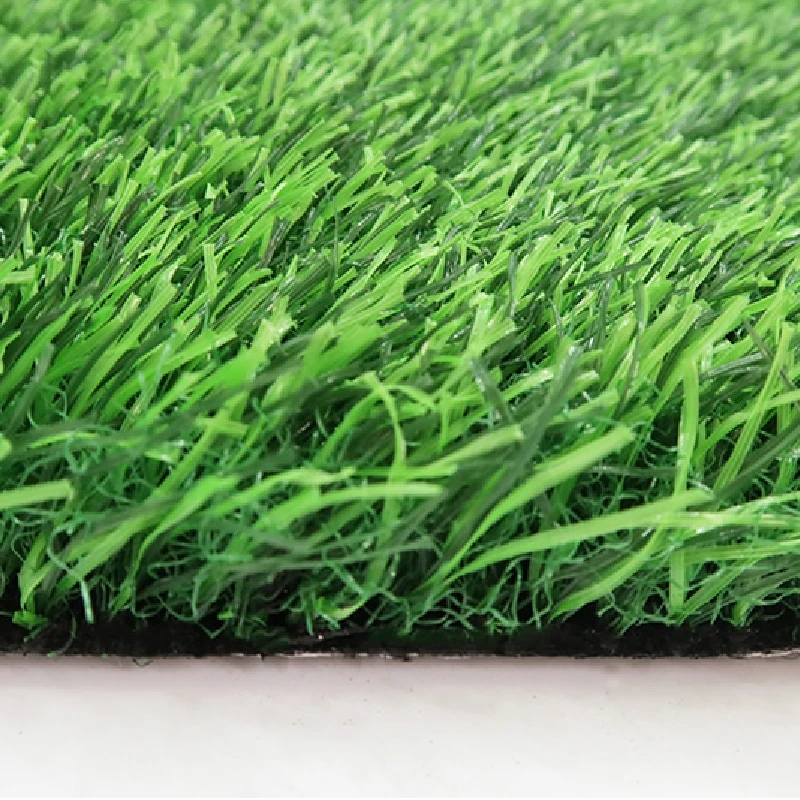
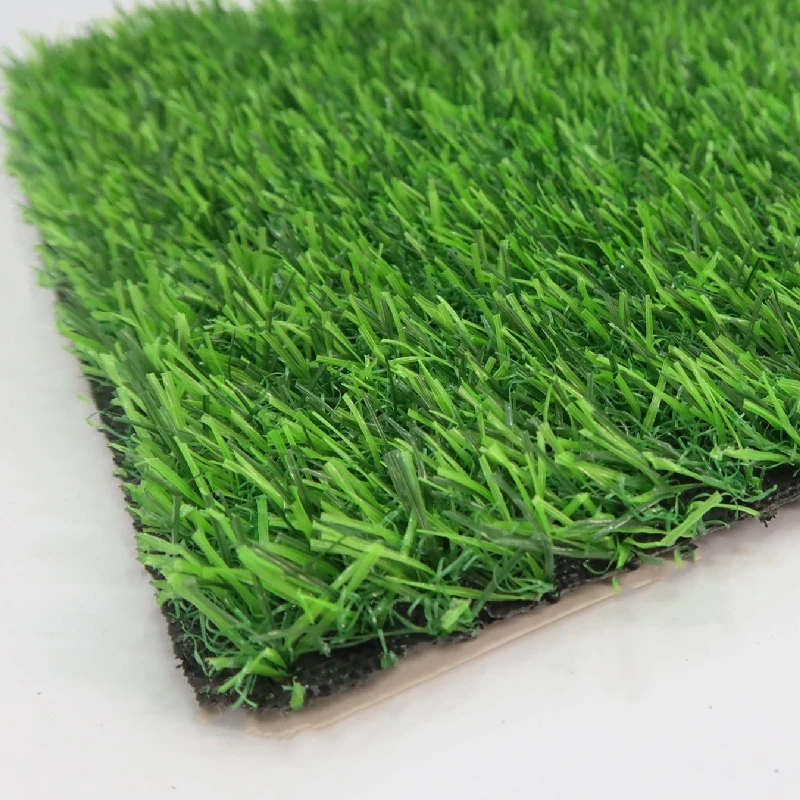
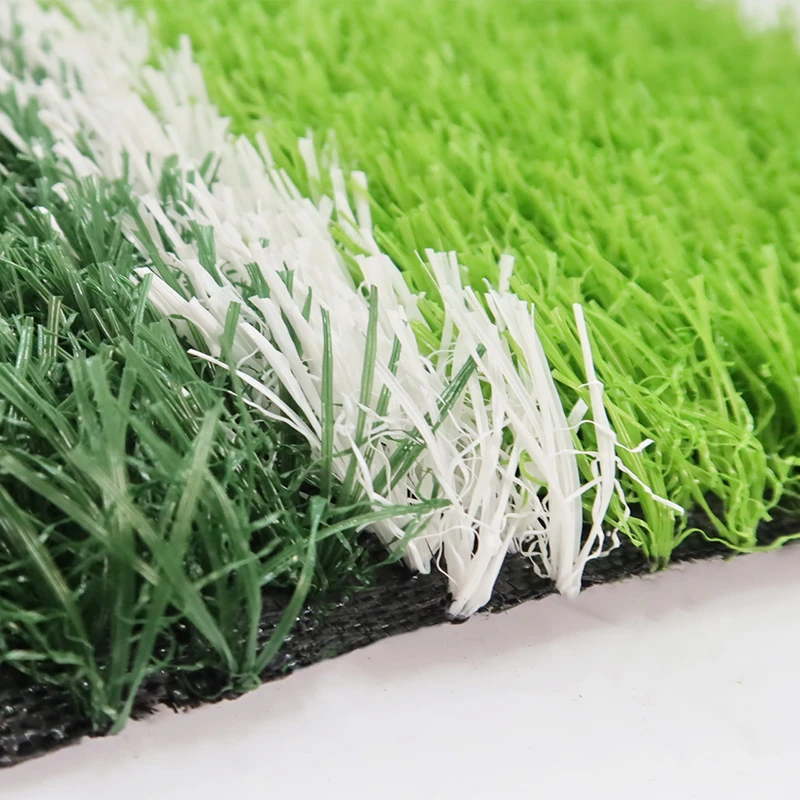
Artificial grass has come a long way from just a neat-looking patch in suburban backyards. These days, when we talk about artificial grass square feet price, we're diving into something much bigger than mere aesthetics. Think environmental challenges, urban water shortages, maintenance budgets, and the ever-growing demand for sustainable landscaping solutions worldwide. Understanding the pricing nuances by the square foot opens doors — literally and figuratively — to smarter decisions, whether you're a landscaper, business owner, or just a curious homeowner looking to make eco-conscious choices.
In fact, with water scarcity becoming a harsh reality across many continents, choosing artificial turf can be a game-changer. But how much does it really cost? And what drives these numbers up or down?
Global Setting: Why the Cost of Artificial Grass per Square Foot Is on Everyone’s Radar
Globally, urban areas are expanding rapidly — United Nations data shows over 56% of the world’s population is urbanized as of 2020, expected to rise further (1). This expansion demands green spaces but conserving water and minimizing maintenance is a tricky balancing act. In this landscape, the artificial grass square feet price becomes a key metric that influences landscaping budgets and sustainability strategies.
Consider this: natural grass requires around 55 gallons of water per square foot annually for maintenance in hot climates. Artificial turf slashes that dramatically but comes with upfront installation costs tied closely to the per square foot price. This price tag can be a barrier — or a stepping stone — depending on how well you understand it.
Problems like uneven pricing, unclear quality grading, and unanticipated maintenance can make selecting the right turf confusing. So, unpacking what influences the cost per square foot isn’t just math; it’s insight.
What Exactly Is Artificial Grass Square Feet Price?
At its core, artificial grass square feet price refers to the combined cost of acquiring and installing synthetic turf, calculated on a per square foot basis. That is, the figure represents how much you pay for each individual square foot of artificial grass rolled out.
Now, if that sounds simple, there’s a catch: it’s not just the material cost. This price blends multiple factors — quality of fibers, backing materials, UV stability, infill type, labor, and even environmental certifications. In humanitarian or industrial contexts, this metric helps organizations budget efficiently for projects like sports fields, refugee camp flooring, or remote sustainable landscaping.
Mini Takeaway:
- Understanding artificial grass pricing by square foot is more than numbers — it’s about quality, context, and long-term sustainability.
Key Factors that Guide the Artificial Grass Square Feet Price
1. Material Quality and Fiber Type
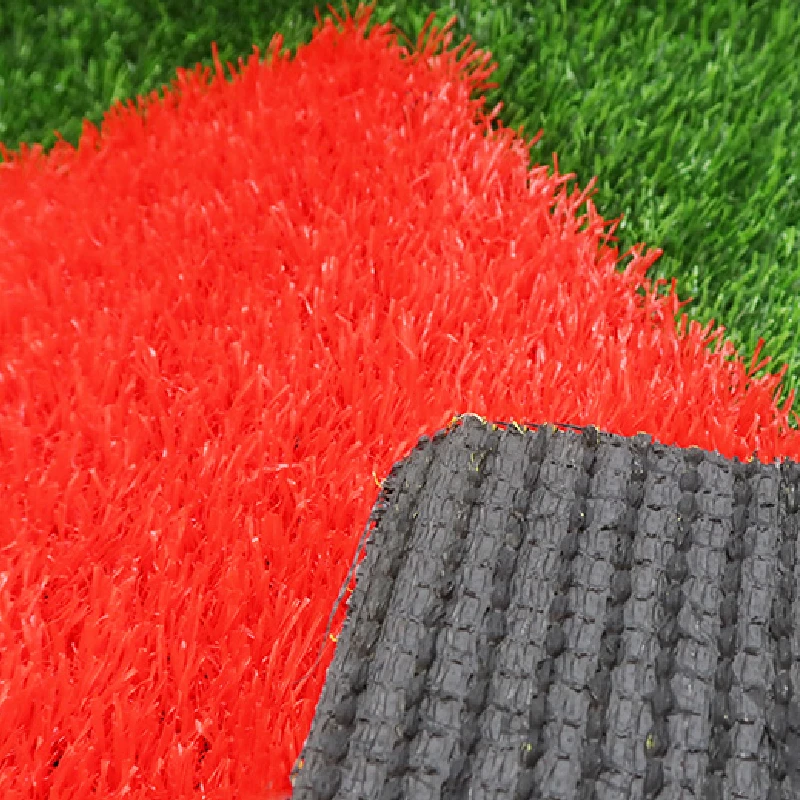
Not all blades of artificial grass are created equal. Nylon, polyethylene, and polypropylene all factor heavily into both durability and price. Polyethylene tends to be softer and more natural-looking but costs a bit more. Nylon, though priceier, holds up better in high-traffic areas.
2. Pile Height and Density
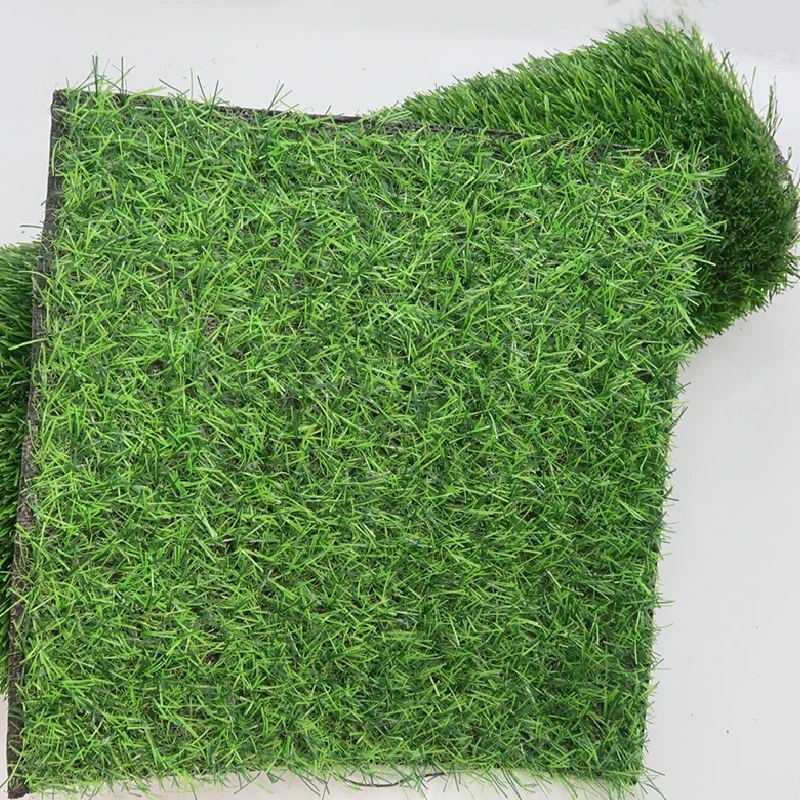
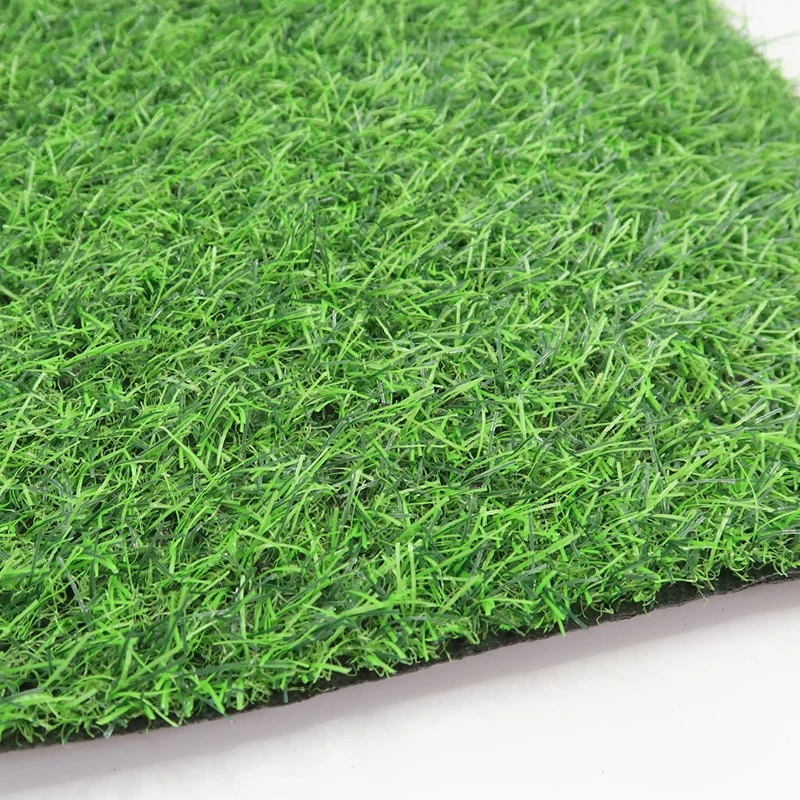
Taller piles (the height of grass blades) generally look more realistic but raise prices per square foot, particularly when fiber density is high. A denser turf feels lush and stands up longer but may require more infill, which also adds cost.
3. Backing Material and Installation Complexity
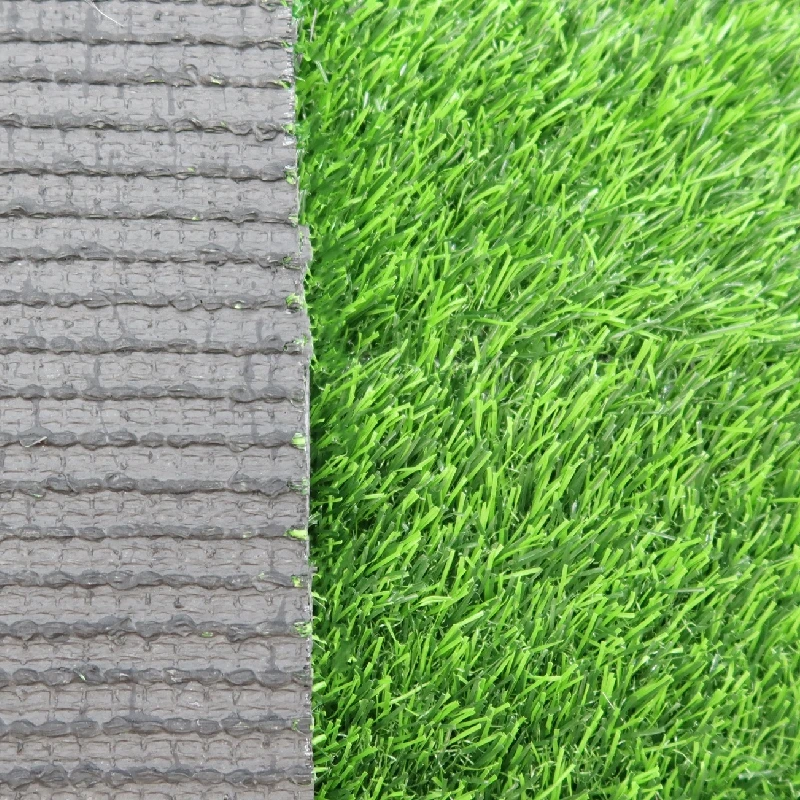
The backing is the synthetic base that holds fibers together. Advanced backing with multiple layers improves stability and drainage but can boost the total price per square foot. Also, installation costs depend on site prep, complexity, and location.
4. Infill Types and Environmental Certifications
Infill—material like crumb rubber or sand—is essential for cushioning and durability. Organic or recycled infill options, though better environmentally, can be pricier. Certifications such as ISO 9001 or cradling recognized sustainability standards might add to the price but ensure peace of mind.
5. Warranty and Lifespan
Higher initial costs often align with longer-warrantied products—from 8 up to 15 years—and better resistance to UV fading and wear. This impacts the projected cost per year, which savvy buyers appreciate.
| Specification | Example Product A | Example Product B |
|---|---|---|
| Fiber Material | PE (Polyethylene) | Nylon Blend |
| Pile Height | 1.5 inches | 1.75 inches |
| Backing | 2-layer Latex | 3-layer Polyurethane |
| Infill Recommendation | Silica Sand | Organic Cork |
| Warranty | 10 Years | 15 Years |
| Price per Square Foot (estimated) | $3.50 | $4.25 |
Mini Takeaway:
- Artificial grass square feet price varies widely and hinges on material choice, pile density, and installation intricacies.
Where Around the World Is Artificial Grass Making a Difference?
Across Australia’s parched suburbs, artificial lawns conserve water. In Dubai, expansive commercial developments leverage synthetic turf to beat the desert heat. European cities like Amsterdam integrate it into rooftop gardens for vibrant, maintenance-light greenery. Even in humanitarian contexts, NGOs use artificial grass square feet price metrics to plan durable play areas for displaced children in refugee camps.
Case-in-point: A recent collaboration in California worked with schools to replace natural grass playing fields with synthetic surfaces. The outcome? A 70% reduction in water use and a clear budget win over time despite higher upfront costs.
The Tangible Benefits of Understanding Artificial Grass Pricing
- Cost Efficiency Over Time: Although installation can be steep, the non-existent watering and mowing costs pay off.
- Environmental Gains: Lower water consumption and reduced pesticide use mean a greener footprint.
- Social Impact: Safe, clean play and event spaces boost community wellbeing.
- Reliability: Synthetic turfs resist weather variations better than natural grass, providing consistent aesthetics.
Frankly, going green isn’t just a buzzword here — it’s a mix of saving dollars and planet, wrapped in a soft, faux-grass carpet.
What’s Next? Future Trends Shaping Artificial Grass Prices
Innovators are playing with recycled ocean plastics as raw material, cutting costs and pollution simultaneously. AI-driven installation tools promise to reduce labor time — and bills. Governments are increasingly offering incentives to switch to water-saving landscaping, tweaking local tax frameworks that directly affect the artificial grass square feet price dynamics.
Mini Takeaway:
- The future of artificial grass lies in sustainable materials, smarter installation, and policy incentives — all influencing pricing trends.
The Rough Road: Challenges and Smart Fixes
One challenge that often pops up is the upfront cost shock. It can feel steep compared to seed and sod. Also, some consumers worry about heat retention, as artificial turf tends to get hotter than natural grass under strong sun.
A clever solution some manufacturers offer is adding cooling infills or using heat-reflective fibers. Maintenance isn’t zero either — debris and pet odors require occasional cleaning.
Then there’s the big question: disposal after lifespan ends. Thankfully, recycling programs for turf components are emerging, easing environmental concerns.
Frequently Asked Questions About Artificial Grass Square Feet Price
- Q1: What factors most influence the artificial grass square feet price?
- A1: Mainly the fiber materials, pile height, density, backing type, infill preferred, and installation complexity. Higher quality materials and denser turf push prices up but extend lifespan.
- Q2: Can I install artificial grass myself to save money?
- A2: While DIY is possible, installing turf properly requires skill to ensure drainage, fit, and longevity. Many opt for professional installation to avoid costly mistakes that could increase the overall price per square foot indirectly.
- Q3: How long does artificial grass usually last?
- A3: Most quality turfs come with 8–15 year warranties. Lifespan depends on use, maintenance, and sun exposure but generally lasts a decade or more.
- Q4: Is artificial grass environmentally friendly despite manufacturing impacts?
- A4: It’s a trade-off. Reduced water and pesticide use help the environment, but production and disposal impact matter. Choosing certified recycled materials and recycling programs mitigates negatives.
- Q5: How do regional factors affect artificial turf pricing?
- A5: Shipping costs, climate demands (e.g., UV resistance), labor rates, and local taxes vary widely by region and affect the overall square feet price.
Comparing Top Vendors on Cost and Features
| Vendor | Average Price/ft² | Warranty (Years) | Eco-Certifications | Installation Support |
|---|---|---|---|---|
| GreenTurf Solutions | $3.75 | 12 | ISO 14001, Recycled Materials | Full Professional Installation |
| EcoLawn Corp. | $4.10 | 15 | Organic Infill Options | Installation Consultation Only |
| Sinturf Co. | $3.20 | 10 | UV-Resistant Fibers | DIY Support Materials |
Wrapping It Up: Why Keep Artificial Grass Square Feet Price on Your Radar
Tracking artificial grass square feet price isn’t just a numbers game. It’s the backbone of smart landscaping decisions with real ecological, financial, and social payoffs. The upfront investment might make you pause, but the long-term benefits of conserving water, reducing maintenance, and inspiring greener urban living clearly add up.
If you’re curious to explore options or get a customized quote, check out artificial grass square feet price — a fantastic resource that breaks down costs with transparency and depth.
Because when it comes to sustainable landscaping, knowing your price per square foot can make the difference between a green dream and... well, a drying lawn.
References
Latest news
-
Creating the Perfect Fake Grass Area for Dogs Complete Guide
NewsApr.16,2026
-
Guide to Using Fake Grass and Pets for a Pet Friendly Lawn
NewsApr.09,2026
-
Fake Grass and Dogs Creating a Pet Friendly and Durable Yard
NewsApr.07,2026
-
Maintaining a Pristine Lawn with Fake Grass and Dog Wee Management Solutions
NewsApr.04,2026
-
The Ultimate Guide to Choosing the Perfect Fake Dog Grass Patch for Your Pet
NewsMar.31,2026
-
Discover the Benefits of High Quality Fake Dog Grass for Potty Training
NewsMar.28,2026
Products categories