Welcome to Hoyarn
Call Us Any Time:+86 19801805999
Email Us: info@hoyarn.cn
Understanding Artificial Grass 40mm Price: Costs, Benefits & Trends
Nov . 30, 2025 19:55 Back to list
Understanding Artificial Grass 40mm Price: Costs, Benefits & Trends
Understanding the Importance of Artificial Grass 40mm Price in Today’s Landscape
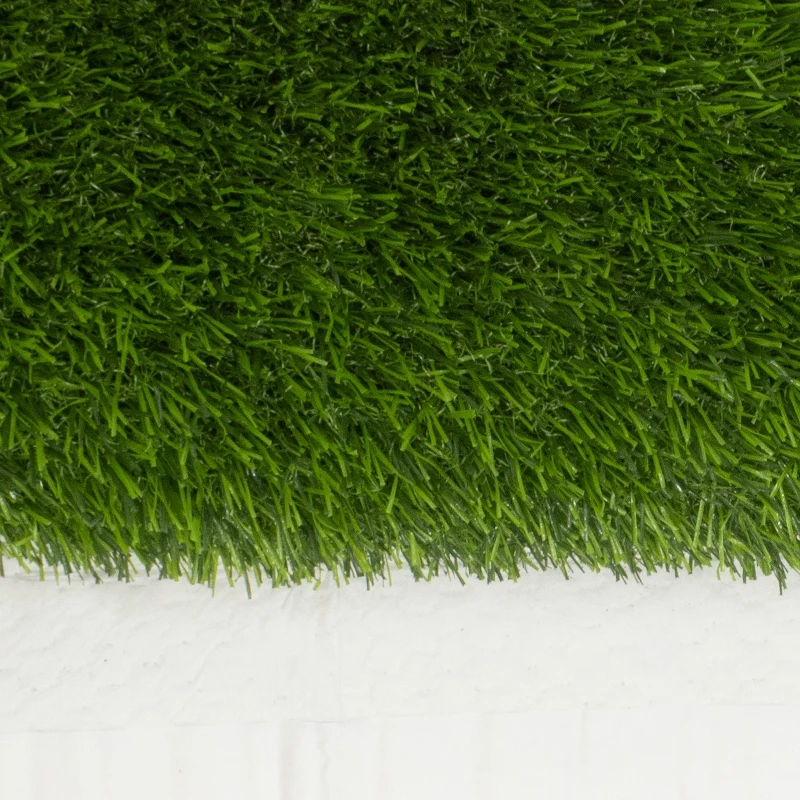
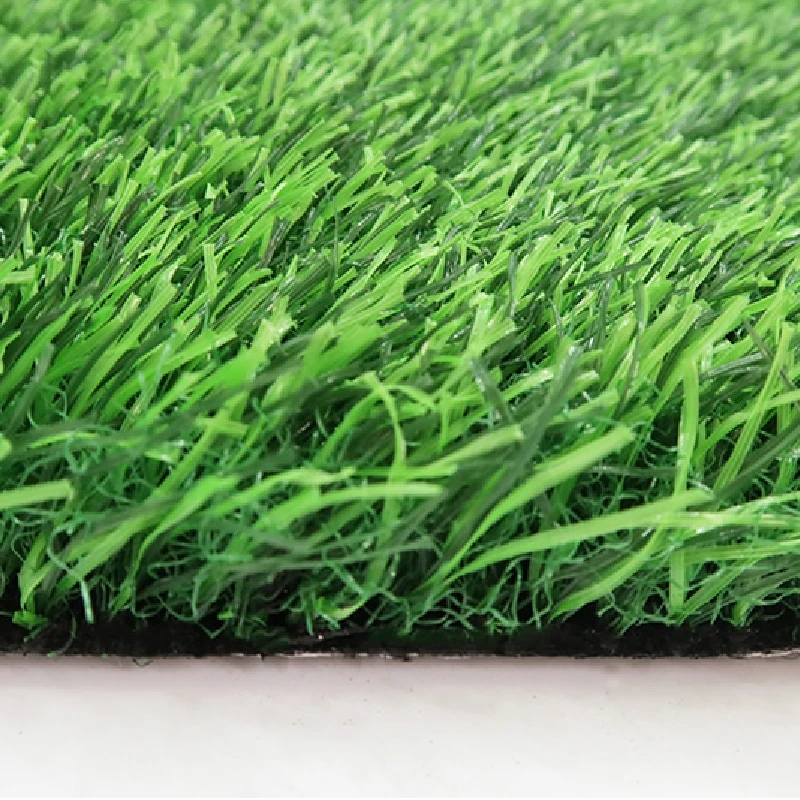
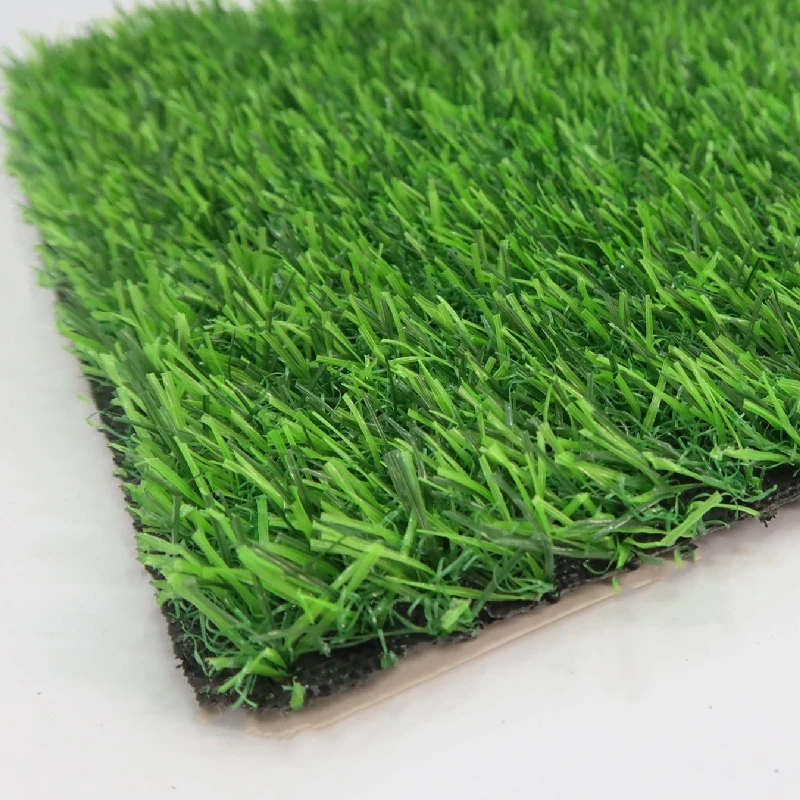
If you’re browsing landscaping options or planning artificial turf installation, you’ve probably bumped into “artificial grass 40mm price” quite a bit. Why does this matter so much beyond gardening talk? Well, artificial grass — especially the 40mm pile height variation — isn’t just a lawn substitute anymore. It’s shaping green urban spaces, sporting fields, playgrounds, and even industrial setups. Grasping its pricing helps buyers, builders, and planners make smarter decisions that affect budgets, durability, and sustainability. Plus, with rising water costs and climate concerns, artificial turf options are becoming a global trend — and not just for looks.
Mini takeaway: Knowing artificial grass’s pricing is more than economics; it’s a stepping stone toward greener, cost-conscious urban development.
Why the Artificial Grass 40mm Price Holds Global Weight
Looking at the bigger picture, artificial grass isn’t just about private backyards. According to UN environmental data, over 40% of global freshwater is used for agriculture and landscaping. This makes alternatives like synthetic turf crucial in water-scarce regions. With climate change stressing resources worldwide, cities in arid zones — think parts of Australia, the Mediterranean, and the American Southwest — are switching to artificial grass to combat drought effects and maintain green public spaces.
But artificial grass isn’t a cheap fix. The cost, especially of mid-range 40mm grass which balances durability and natural feel, varies widely. From a supply chain standpoint, raw materials like polyethylene or nylon fibers plus UV-resistant backing influence prices. Global steel and plastic market fluctuations impact costs too. So, understanding the price signals challenges buyers face — balancing quality, budget, and long-term value.
Mini takeaway: The cost of 40mm artificial grass reflects global material trends and environmental pressures — it’s a price on sustainability efforts.
What Exactly Is Artificial Grass 40mm Price?
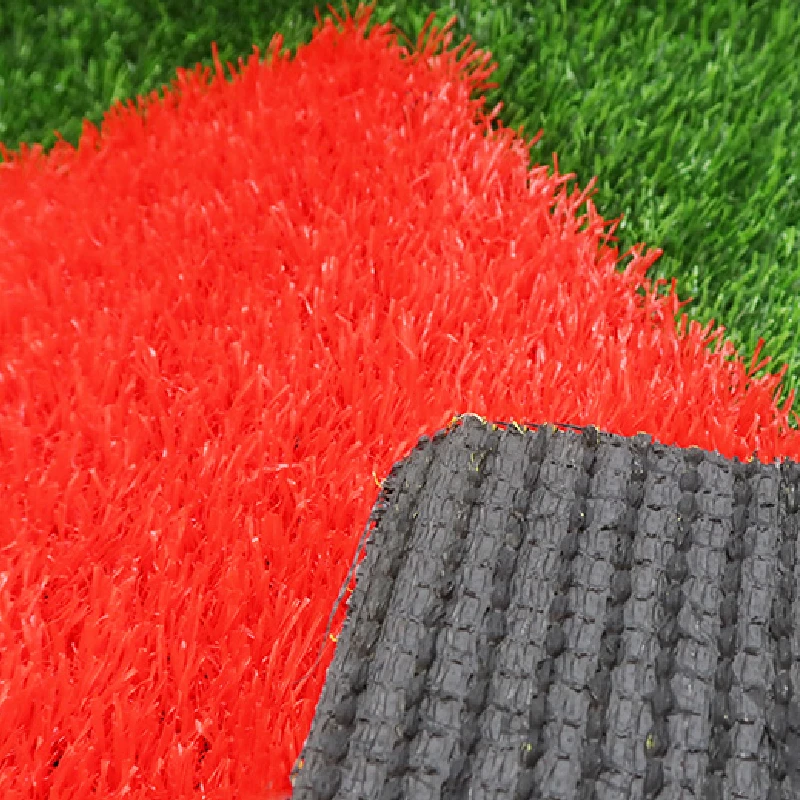
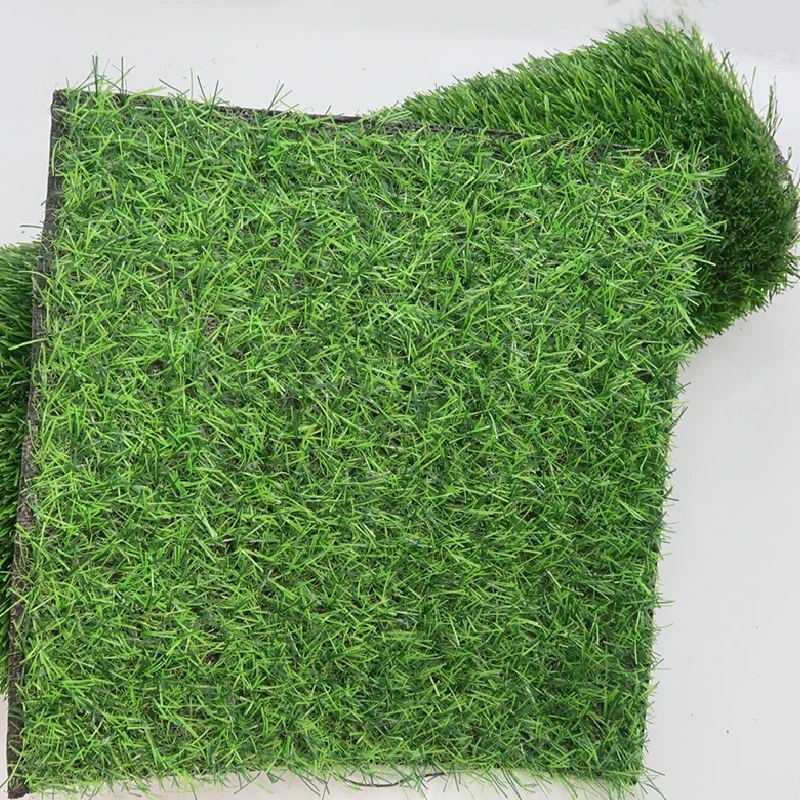
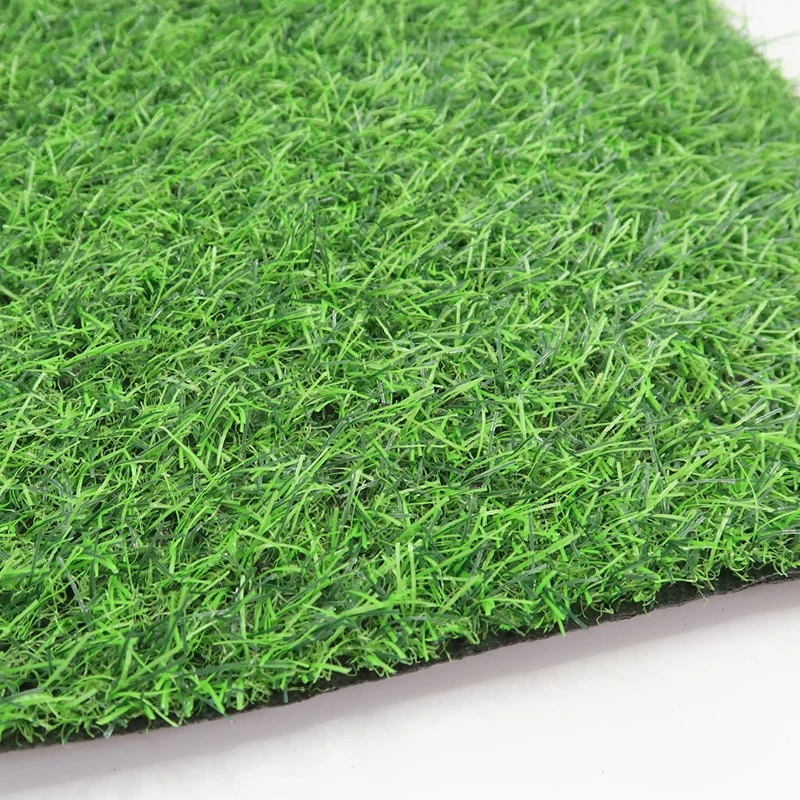
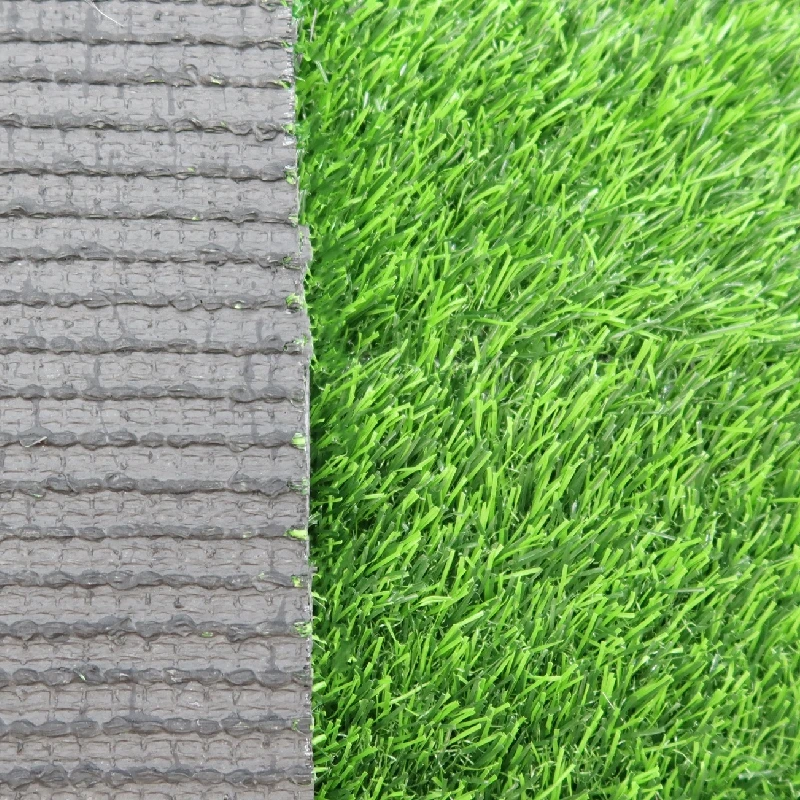
Simply put, the “artificial grass 40mm price” refers to the market cost per square meter (or foot) for synthetic grass with a 40-millimeter pile height. The 40mm length is a sweet spot: it’s long enough to feel lush and natural but compact enough for easier maintenance and durability.
This metric is critical for landscapers, architects, and community planners because it combines the product’s specifications with installation considerations. The pricing includes the grass itself, backing materials, UV protection layers, and sometimes infill materials like silica sand or crumb rubber, though not always.
From a humanitarian lens, think about refugee camps or temporary settlements where water resources are minimal — using affordable, mid-length artificial grass can enhance living spaces without exorbitant maintenance costs. It’s not fluff; it’s practical green infrastructure.
Key Factors Influencing Artificial Grass 40mm Price
1. Material Composition
The fibers (like polyethylene, polypropylene, or nylon) significantly affect durability and feel. Polyethylene is common for softer, more natural looks but might cost a bit more. Nylon lends strength but can be pricier and stiffer.
2. Backing and Drainage Technology
The backing is the foundation. Quality backing ensures turf doesn’t warp or curl over time and allows water drainage. Advanced mesh or perforated backings up the price but prevent puddles and mold.
3. UV and Weather Resistance
Synthetic turf exposed to sun can degrade. UV-stabilizers embedded in fibers impact lifespan and thus price. A higher-priced product often means longer-lasting color and strength in harsh climates.
4. Density and Stitch Count
A denser turf with more stitches per square inch tends to be more expensive, but it delivers better resilience under foot traffic — essential for playgrounds or sports fields.
5. Installation and Infill
While not always baked into the “price,” installation techniques and infill materials add to total costs. Some suppliers bundle these, affecting perceived price points.
6. Manufacturer Reputation and Warranty
Trusted brands often price higher but back their products with warranties and support — a worthy trade-off in many cases.
Mini takeaway: Price differences aren’t just about cost-cutting; they reflect a turf’s ability to stay beautiful and functional over time.
How is Artificial Grass 40mm Used Around the World?
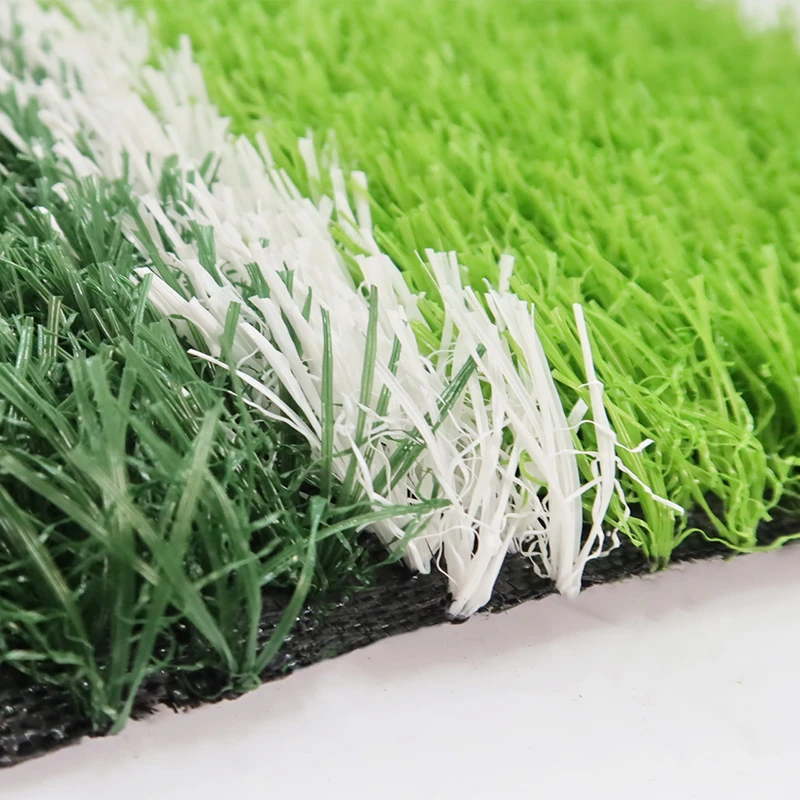
From sunny parks in Spain, to drought-conscious golf courses in California, to child-friendly playgrounds in the Middle East — artificial grass 40mm finds diverse use cases. Many municipalities adopt it for public areas because of low upkeep. Sports arenas favor the 40mm variant for optimal playability without the high maintenance natural grass demands.
In industry — factories, warehouses, and even rooftop gardens — synthetic turf provides clean, green flooring that reduces dust and reflects heat. Post-disaster rehabilitation zones use it for quick re-greening efforts that restore community morale.
Recently, schools in dry climates restyled fields and recess yards with synthetic turf to save water. One notable example: a school district in Arizona reported a 70% drop in water use after replacing natural turf with 40mm artificial grass.1
Realistic Product Specification Table
| Specification | Typical Value | Notes |
|---|---|---|
| Pile Height | 40 mm | Ideal medium height for balance of comfort & durability |
| Fiber Material | Polyethylene | Soft texture, UV stabilized |
| Backing | Latex with perforation | Ensures drainage & flexibility |
| Density | 18,000 stitches/m² | Optimal for heavy foot traffic |
| UV Resistance | 8+ years lifespan | Maintains color & strength |
Comparing Leading Artificial Grass Vendors
| Vendor | Price (per m²) | Warranty | UV Rating | Installation Options |
|---|---|---|---|---|
| GreenField Turf | $18 - $22 | 10 years | 8+ years | DIY or pro |
| EcoTurf Solutions | $20 - $25 | 12 years | 10 years | Professional only |
| UrbanGrass Inc. | $17 - $21 | 8 years | 7+ years | DIY and Pro |
Why Investing in the Right Artificial Grass Pays Off
It’s tempting to just grab the cheapest artificial grass out there, but the 40mm price tells a story beyond immediate dollars. Better quality means less frequent replacement — that’s a saving no one clocks early on. Then, there’s water savings (if you live in drought-prone regions, you already know this). Plus, it’s less allergenic compared to natural grass (a relief for many families).
There’s an emotional aspect too — green spaces lift moods and foster community. Choosing sustainable, quality artificial turf supports that better than worn-out, cheap versions that fade or shed.
Looking Ahead — Innovations That Will Affect the Artificial Grass 40mm Price
Recently, advances in bio-based polymers are shaking up the pricing formula.2 Expect lower environmental footprints and increased biodegradability. Some companies are integrating smart sensors beneath turf to monitor soil health or irrigation needs. That kind of innovation might bring prices up initially but promises huge savings and environmental benefits long-term.
Also, 3D-textured fibers mimicking natural grass blades' movement and sheen improve aesthetics — making the 40mm option more appealing for high-end clients.
Challenges in Pricing and How Industry Leaders Are Responding
The biggest hiccup is balancing cost and quality. Low-priced turf might save money upfront but degrade fast. Fluctuations in petrochemical prices (for plastics) make material costs unstable.
Some innovators turn to recycled materials and circular economy practices — reducing waste and buffering price swings. Plus, broader adoption of standards, like those through ISO, ensures transparent quality benchmarks so buyers know what they’re paying for.
FAQ: Your Concerns About Artificial Grass 40mm Price — Answered
- Q: What factors most influence the price of 40mm artificial grass?
A: Material type (polyethylene vs. nylon), backing quality, UV resistance, fiber density, and whether infill and installation are included impact cost significantly. - Q: Is a higher price always better quality for artificial turf?
A: Generally, yes — better materials and warranties come at a premium. But always check specs and reviews; some mid-range options work great if installation is done correctly. - Q: Can artificial grass 40mm price vary regionally?
A: Absolutely. Shipping, import duties, and local labor costs affect final pricing. Urban areas with many suppliers usually offer better deals. - Q: How does artificial turf compare environmentally to natural grass over time?
A: While production has a footprint, artificial grass saves water, pesticides, and maintenance emissions. Over 8–10 years, it’s often more sustainable, especially in dry regions.
Final Thoughts: Why Paying Attention to Artificial Grass 40mm Price Matters
Picking the right artificial grass isn’t just about cash — it’s about what you get for that price. The 40mm height option offers a versatile, durable, and eco-friendly middle ground widely adopted worldwide. I’d say knowing the pricing factors helps you avoid common pitfalls, stay within budget, and support greener initiatives.
Interested? For a clear, competitive look at what’s out there and up-to-date pricing, be sure to visit artificial grass 40mm price — a great resource to explore options and find your perfect turf fit.
References
- Arizona Department of Water Resources, “Water savings in public landscaping,” 2022.
- Journal of Sustainable Polymers, “Bio-based polymers in synthetic turf applications,” 2023.
- ISO standards on synthetic turf, International Organization for Standardization.
Latest news
-
Creating the Perfect Fake Grass Area for Dogs Complete Guide
NewsApr.16,2026
-
Guide to Using Fake Grass and Pets for a Pet Friendly Lawn
NewsApr.09,2026
-
Fake Grass and Dogs Creating a Pet Friendly and Durable Yard
NewsApr.07,2026
-
Maintaining a Pristine Lawn with Fake Grass and Dog Wee Management Solutions
NewsApr.04,2026
-
The Ultimate Guide to Choosing the Perfect Fake Dog Grass Patch for Your Pet
NewsMar.31,2026
-
Discover the Benefits of High Quality Fake Dog Grass for Potty Training
NewsMar.28,2026
Products categories