Welcome to Hoyarn
Call Us Any Time:+86 19801805999
Email Us: info@hoyarn.cn
Turf per m2 – The Essential Guide to Green Coverage and Sustainability
Nov . 26, 2025 20:00 Back to list
Turf per m2 – The Essential Guide to Green Coverage and Sustainability
Understanding Turf Per m2: Why It’s More Important Than You Might Think
When we talk about turf per m2, we’re essentially looking at how much turf (natural or synthetic grass) covers one square meter. It seems straightforward, right? But in a world where green spaces, urban planning, and ecological balance are under pressure, understanding what turf per m2 means is crucial for landscape architects, environmental planners, even humanitarian aid workers. It’s not just about pretty lawns anymore – it’s about sustainability, cost efficiency, and sometimes, even disaster relief.
Globally, green spaces are dwindling. According to the United Nations, over 50% of the global population now lives in cities, placing incredible demand on urban green zones — places where turf per m2 measurements directly influence how much greenery is preserved or added per given land space.
So what’s the bigger picture? Well, measuring turf coverage precisely helps us allocate resources better, reduce water consumption, and plan maintenance around the globe.
The Global Context: Turf Per m2 in Today’s World
Turf, whether natural or synthetic, covers millions of square meters worldwide — from sprawling sports stadiums to modest urban parks. The global turf market has been growing steadily, hitting more than USD 15 billion in value by 2023, driven by a mix of urbanization and environmental awareness (ISO reports, 2023).
However, cities face serious challenges. Limited space demands maximized usage, and climate concerns push for drought-resistant turf choices. Stakeholders are thus keen on understanding turf per m2 as a functional metric — not just for landscaping but for embracing greener, more resilient environments.
Oddly enough, one of the places where turf per m2 becomes a literal lifesaver is in disaster recovery zones. In areas hit by floods or earthquakes, rapid ground stabilization with turf can prevent soil erosion and facilitate rebuilding efforts.
Mini takeaway: Turf per m2 isn’t just about grass coverage; it’s a key factor in environmental planning, urban resilience, and even humanitarian logistics.
What Does Turf Per m2 Actually Mean?
Put simply, turf per m2 is the measure (usually density or coverage) of turf laid or naturally growing on a square meter of land. It’s the practical unit professionals use to plan projects — whether for sports fields, landscaping, erosion control, or ecological restoration.
Usually, it refers to:
- Natural turf: grass, sod, or similar vegetation placed per square meter for soil coverage.
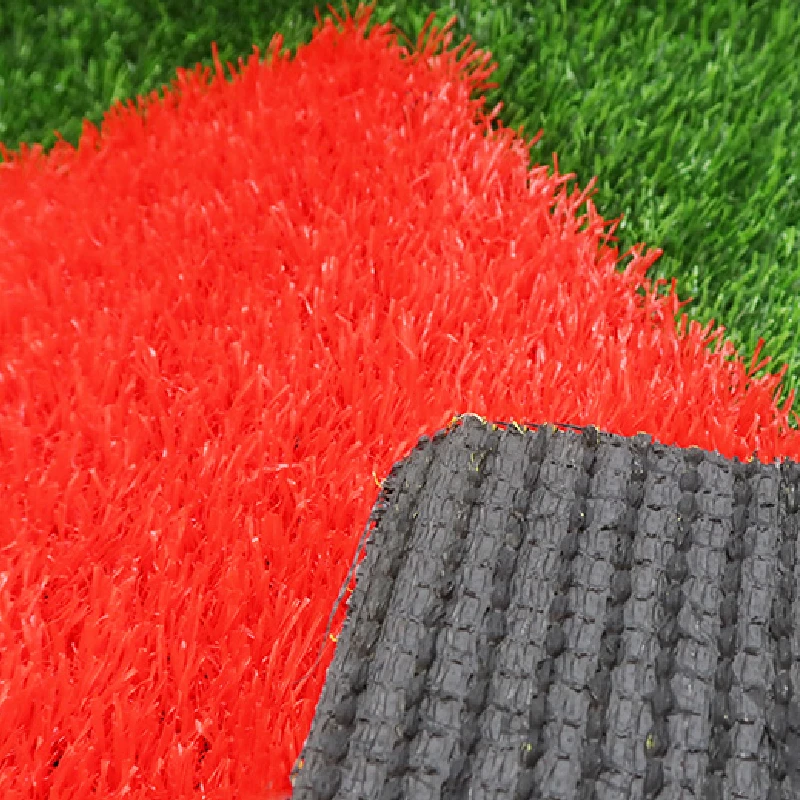
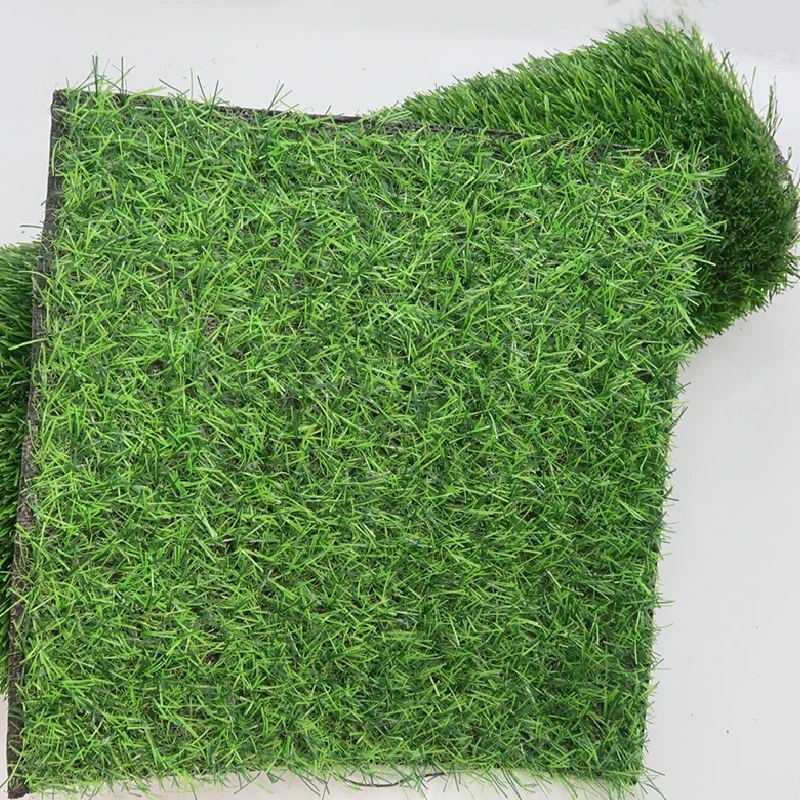
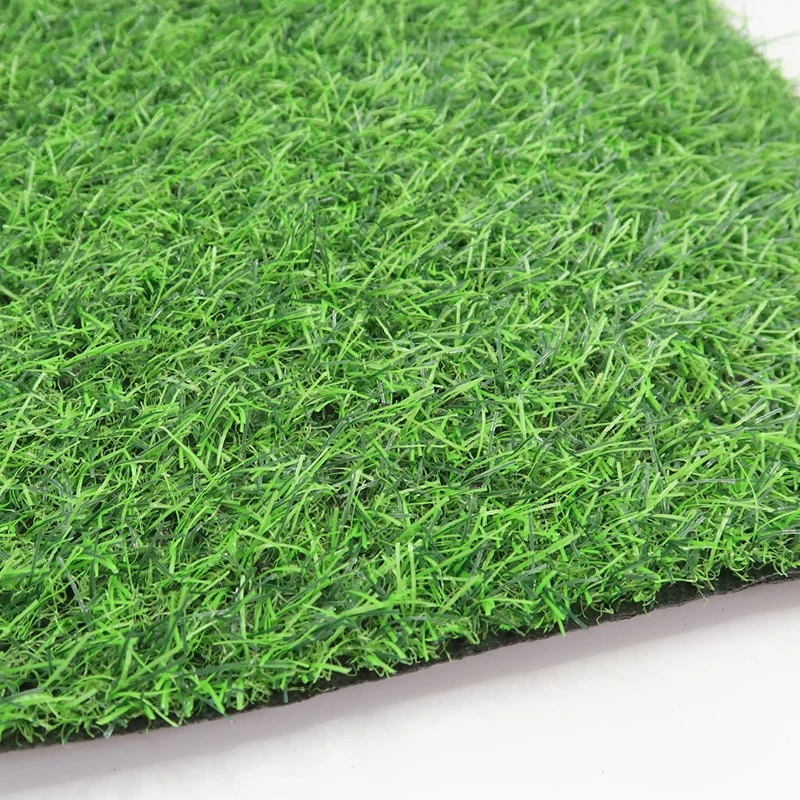
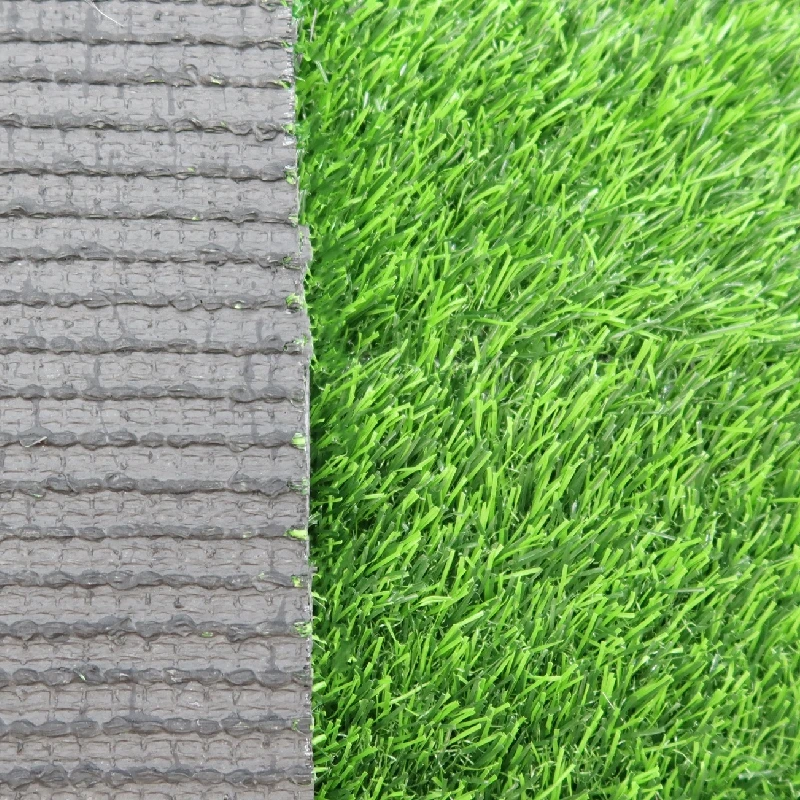
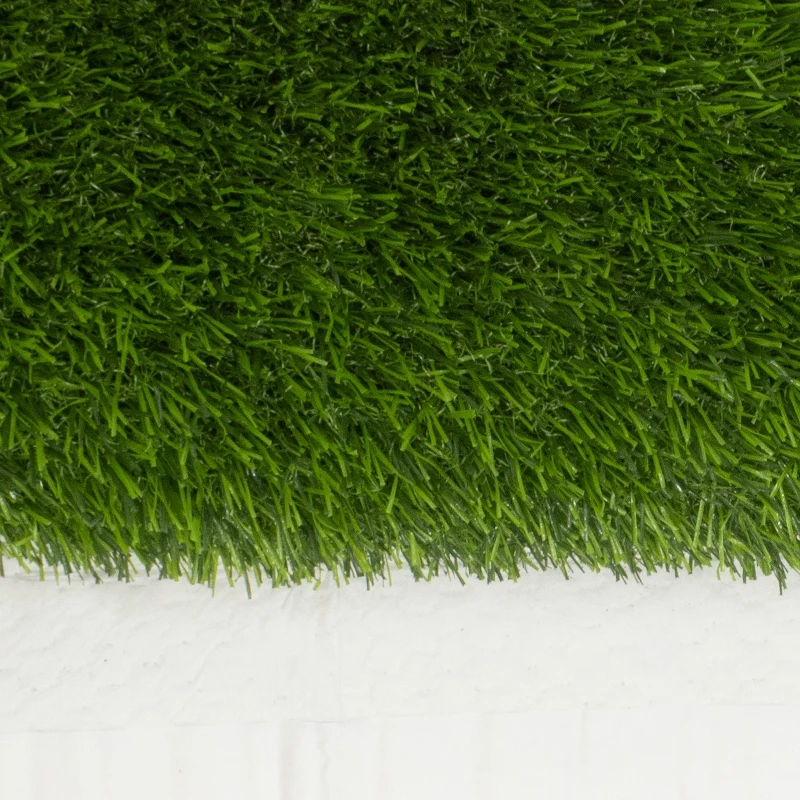
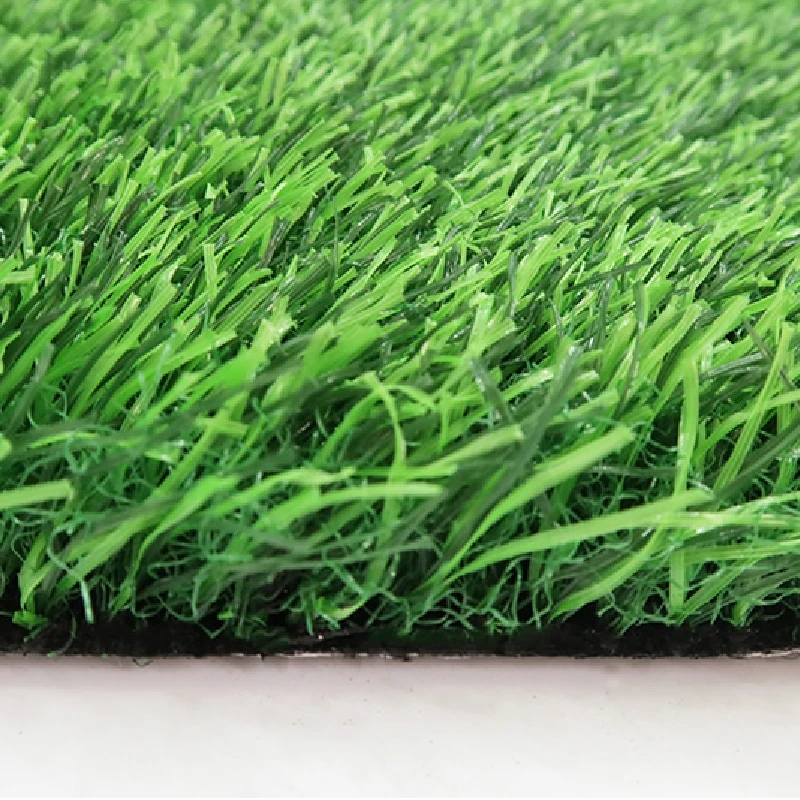
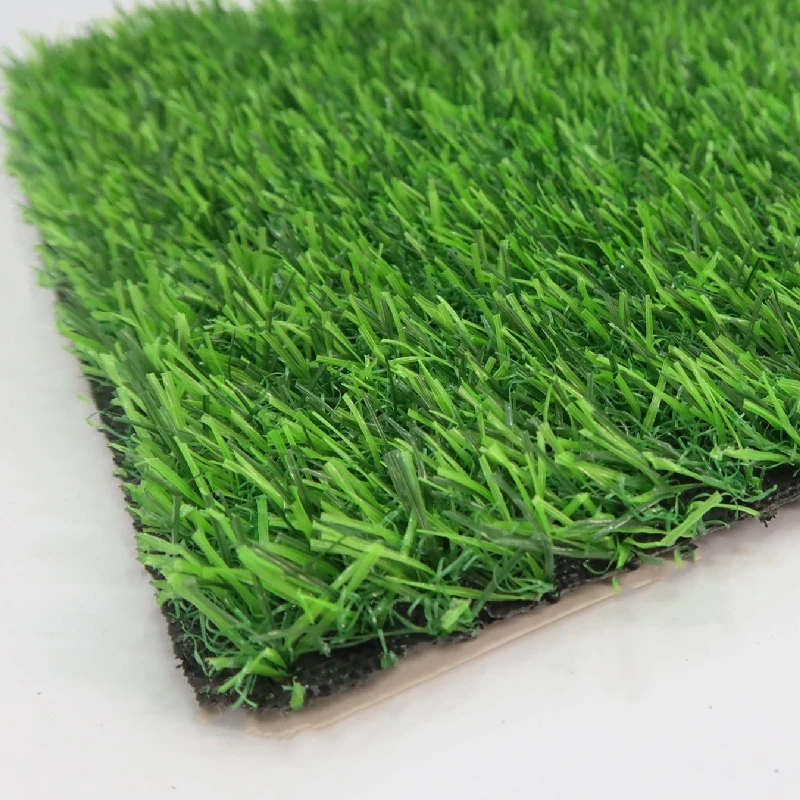
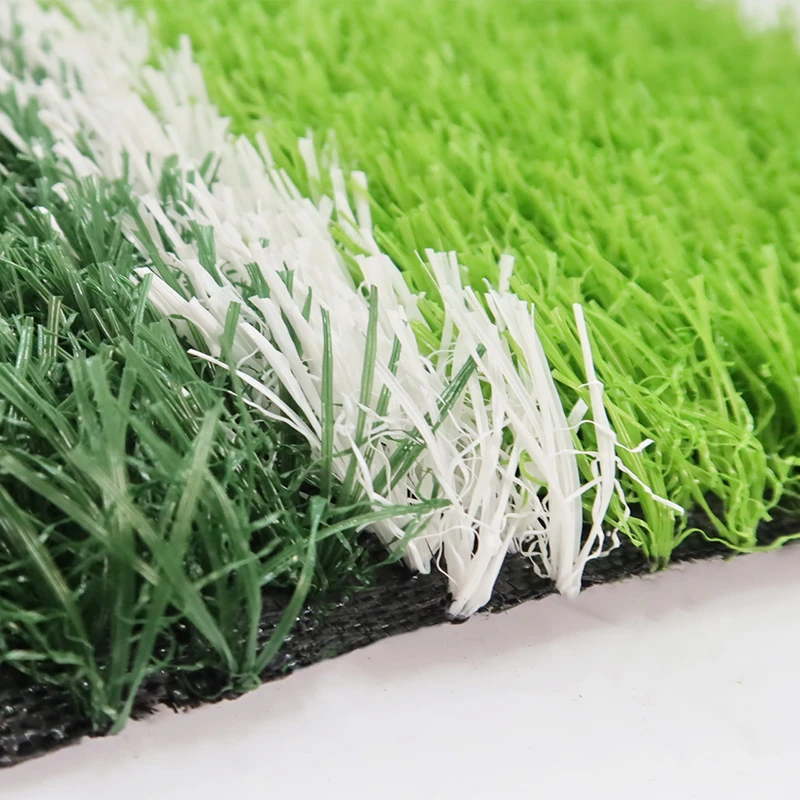
- Synthetic turf: artificial grass mimicking this coverage, often used where maintenance or climate issues make natural turf less feasible.
Industry-wise, turf per m2 data feeds into areas like agriculture technology, public space management, and even disaster mitigation — showing how one seemingly simple metric threads through such varied fields.
Core Factors Influencing Turf Per m2 Usage
1. Durability
No matter the site, turf must resist wear — especially in sports arenas or high-traffic urban parks. Durability translates to turf that holds tight to the soil (or substrate), and keeps its lush appearance without rapid degradation. Engineers often recommend higher density turf per m2 for durability — that’s more grass per patch of earth.
2. Water and Maintenance Efficiency
Water scarcity is a global issue. Turf per m2 can directly impact irrigation costs: sparse turf requires more watering to stay healthy, dense turf conserves moisture better. For instance, drought-resistant turf varieties might have slightly lower coverage but make up for it technically.
3. Cost Considerations
In real terms, turf per m2 directly affects the budget for landscaping projects or event planning. Synthetic turf usually comes at a higher initial cost but less ongoing maintenance, while natural turf can be cheaper upfront but demands care over seasons.
4. Environmental Impact
Each m2 of turf also carries ecological weight. Natural turf filters pollutants and supports biodiversity, whereas some synthetic options use recycled materials but may not provide the same environmental benefits.
5. Scalability and Customization
Whether a small garden or a massive stadium, turf per m2 calculations govern how projects scale up and adapt to client needs. Modular turf rolls or bespoke synthetic tiles allow greater precision.
Mini takeaway: Turf per m2 is never just a static number — it’s a critical component balanced with durability, cost, environmental goals, and scalability.
How Turf Per m2 Is Used Around the World
In the United States, artificial sports fields span thousands of m2, each carefully planned with turf per m2 density to manage player safety and longevity. Meanwhile, in Europe, city planners estimate turf per m2 coverage to ensure urban parks provide shade, reduce heat islands, and promote clean air.
In developing regions, turf per m2 comes into play during disaster relief operations; quickly covering bare earth with turf patches helps reduce dust and erosion, safeguarding newly built structures.
Oddly enough, smaller island nations have started using synthetic turf per m2 as a water-saving measure — something critical as they tackle rising sea levels and freshwater shortages.
| Product Feature | Natural Turf | Synthetic Turf |
|---|---|---|
| Typical Turf per m2 Density | 2500 - 3000 shoots | 7,000 - 10,000 fibers |
| Maintenance | Regular cutting, watering, fertilizing | Minimal, occasional brushing |
| Water Usage | Dependent on climate, high | Almost none |
| Lifespan | 5-10 years | 10-15 years |
| Environmental Benefit | Carbon capture, oxygen release | Recyclable materials; no bio benefits |
Advantages and Long-Term Value of Monitoring Turf Per m2
Looking at turf coverage carefully per square meter helps organizations save money, optimize environmental impact, and boost resilience. Don’t underestimate the social value either: green areas with healthy turf improve mental health and community bonds.
- Cost Savings: Precise turf per m2 planning limits waste, lowers irrigation needs, and optimizes labor.
- Sustainability: Better turf management reduces chemical use, erosion, and carbon footprints.
- Social Impact: People on well-tended turf report feeling safer and more connected.
Frankly, a turf project planned without solid turf per m2 knowledge risks inefficiency, faster degradation, and unhappy stakeholders.
What Lies Ahead: Future Trends in Turf Per m2
The future? Think green energy-powered irrigation monitoring, sensor-embedded synthetic turf tracking wear, and new bio-based turf fibers with longer life and lower environmental cost.
Automation in turf installation is growing, allowing for near-perfect turf per m2 density spread, reducing human error. And the rise of “smart parks” with interconnected environmental sensors means turf per m2 will soon be a data point in broader climate and quality-of-life dashboards.
I suppose this all points to turf per m2 becoming more scientific and less guesswork, which feels like a win for everyone.
Challenges & Innovative Solutions
Of course, turf per m2 measurement is not free of challenges.
- Climate Variability: Sudden weather changes can throw off maintenance and turf health.
- Installation Accuracy: Manual turf laying may result in uneven turf density.
- Environmental Trade-offs: Especially with synthetic turf, balancing greenery with plastic waste remains tricky.
Experts recommend hybrid solutions: combining natural turf patches in shaded, watered areas with synthetic turf in high-traffic zones to balance performance and eco-friendliness.
Vendor Comparison: Turf Per m2 Products at a Glance
| Vendor | Turf Type | Average Density per m2 | Lifespan (Years) | Price Range (USD/m²) |
|---|---|---|---|---|
| GreenScape Ltd. | Natural Turf | 2800 shoots | 6-8 | 5 - 8 |
| SportTurf Co. | Synthetic Turf | 8500 fibers | 12-15 | 20 - 35 |
| EcoLawn Innovations | Hybrid Turf | 4500 shoots + 3000 fibers | 8-12 | 15 - 25 |
FAQ: Turf Per m2 Practicalities
Q1: How do I calculate how much turf I need for a project?
A: Start by measuring your total area in square meters. Then, consider your desired turf density per m2 (higher density for sports fields, less for decorative lawns). Multiply turf per m2 by your area for an estimate of total turf required. Consulting with vendors can refine this further.
Q2: Can synthetic turf reduce water usage significantly?
A: Absolutely! Unlike natural turf, synthetic options require virtually no watering, cutting irrigation costs dramatically — a major benefit in drought-prone regions.
Q3: What’s the lifespan difference between natural and synthetic turf per m2?
Synthetic turf typically lasts 10-15 years, sometimes longer with good maintenance, while natural turf often needs replacing every 5-10 years depending on climate and traffic.
Q4: How is turf per m2 relevant to ecological sustainability?
Higher turf coverage can improve soil health, reduce erosion, and support biodiversity. Natural turf absorbs carbon and filters pollutants, while synthetic options, if chosen carefully, minimize water use and maintenance emissions.
Q5: Where can I find reliable suppliers for turf per m2 products?
Suppliers like GreenScape Ltd., SportTurf Co., and EcoLawn Innovations offer varied options. Consider your project type and budget, and check if suppliers provide consultation services for turf per m2 planning.
Wrapping It Up: Why Turf Per m2 Matters for Your Next Project
From urban parks to disaster zones, knowing your turf per m2 numbers pays off in smarter expenses, better sustainability, and ultimately a greener, healthier planet. As you plan your turf project, keep this metric close — it’s more than grass; it’s a tool for positive impact.
Ready to dive deeper? Visit our website for expert turf solutions tailored per m2 — because every square meter counts.
References
Latest news
-
Creating the Perfect Fake Grass Area for Dogs Complete Guide
NewsApr.16,2026
-
Guide to Using Fake Grass and Pets for a Pet Friendly Lawn
NewsApr.09,2026
-
Fake Grass and Dogs Creating a Pet Friendly and Durable Yard
NewsApr.07,2026
-
Maintaining a Pristine Lawn with Fake Grass and Dog Wee Management Solutions
NewsApr.04,2026
-
The Ultimate Guide to Choosing the Perfect Fake Dog Grass Patch for Your Pet
NewsMar.31,2026
-
Discover the Benefits of High Quality Fake Dog Grass for Potty Training
NewsMar.28,2026
Products categories