Welcome to Hoyarn
Call Us Any Time:+86 19801805999
Email Us: info@hoyarn.cn
Discover Innovative Turf Over Concrete Solutions for Urban Greening
Nov . 26, 2025 18:10 Back to list
Discover Innovative Turf Over Concrete Solutions for Urban Greening
Understanding Turf Over Concrete: A Growing Global Solution
At first glance, “turf over concrete” might sound like a simple landscaping choice — but it’s so much more than that in today’s world. Across urban centers, industrial zones, and even humanitarian relief areas, laying turf over concrete surfaces is emerging as a practical way of reintroducing green space without major excavation or disruption. Globally, as more spaces become paved and hardscaped, this method helps tackle urban heat, improve air quality, and boost livability. Plus, it’s a clever way to create usable outdoor environments quickly while managing costs and sustainability concerns.
Understanding turf over concrete isn’t just about grass on pavement — it’s about rethinking how we blend nature with the built environment to foster healthier cities and communities worldwide. The benefits? Reduced heat island effects, enhanced stormwater management, and less strain on infrastructure, to name a few. With climate change driving more intense urban challenges, this technique’s popularity will only grow.
Mini takeaway: Turf over concrete is more than landscaping — it’s part of a global shift toward sustainable urban solutions that improve quality of life.
Global Context: Why Turf Over Concrete Matters
With the United Nations estimating that by 2050, nearly 68% of the world’s population will be urban dwellers (UN Climate Change Indicators), the pressure on cities to balance concrete and greenery is intense. Concrete dominates many urban landscapes, creating “heat islands” where temperatures can soar 7°F or more higher than surrounding areas (EPA Heat Island Effect). This not only affects human comfort and health but also increases energy consumption for cooling.
Turf over concrete addresses these problems by providing a layer of living greenery atop existing hard surfaces. Especially in dense cities where digging up concrete is costly or prohibited, this technique enables rapid greening without major construction. It’s also gaining traction in humanitarian zones where temporary but functional green space supports mental wellbeing and environmental health.
However, challenges remain: durability of turf under foot traffic, drainage over impervious surfaces, and cost-efficient installation. These are exactly the challenges innovators are tackling as this approach evolves.
Mini takeaway: Turf over concrete offers a practical answer to urban heat and ecological stress, especially where renovation is limited.
What Is Turf Over Concrete? A Simple Definition
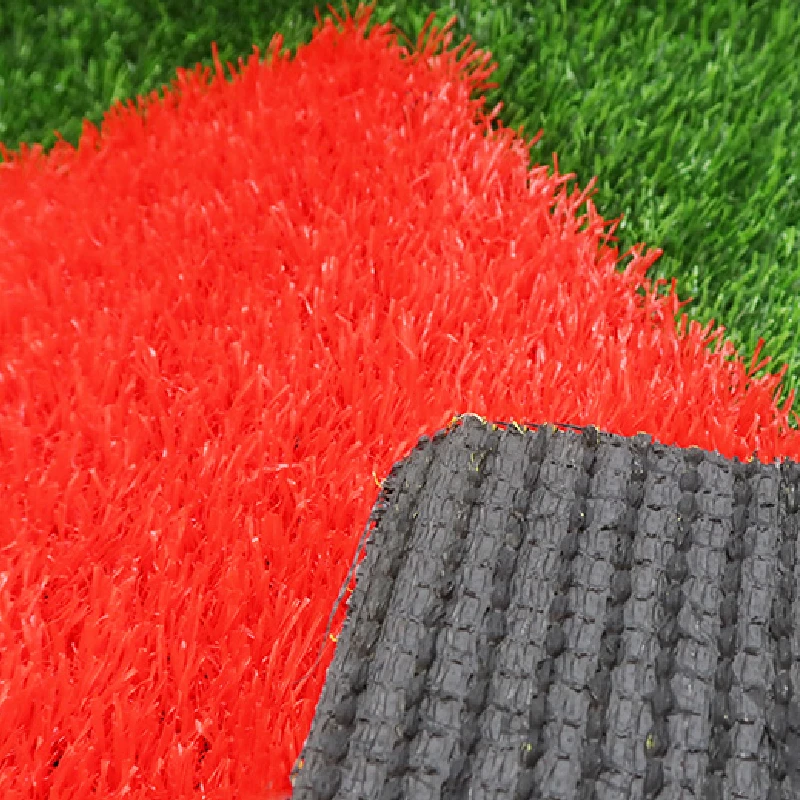
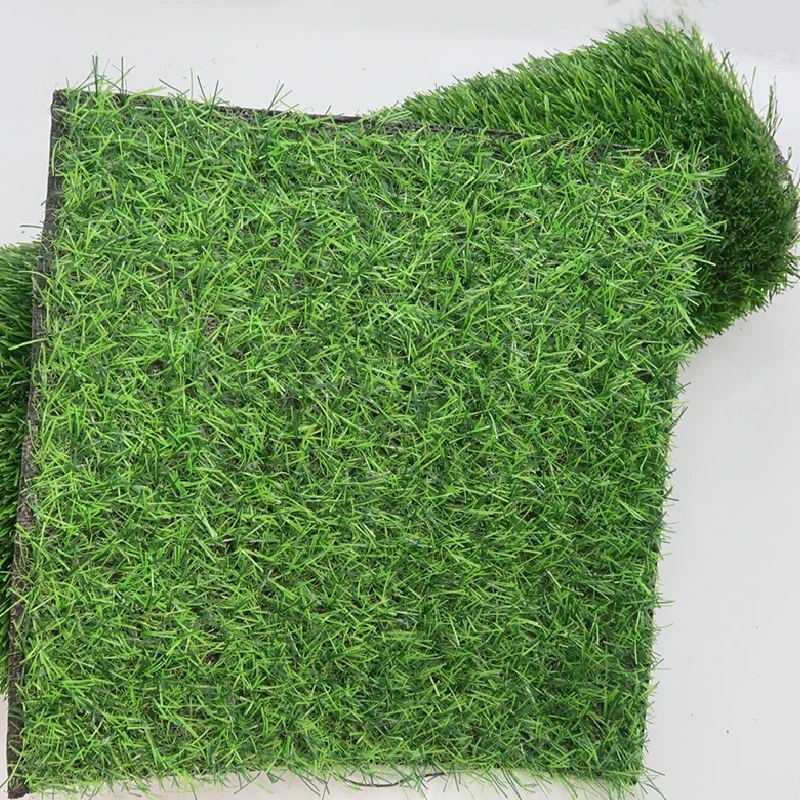
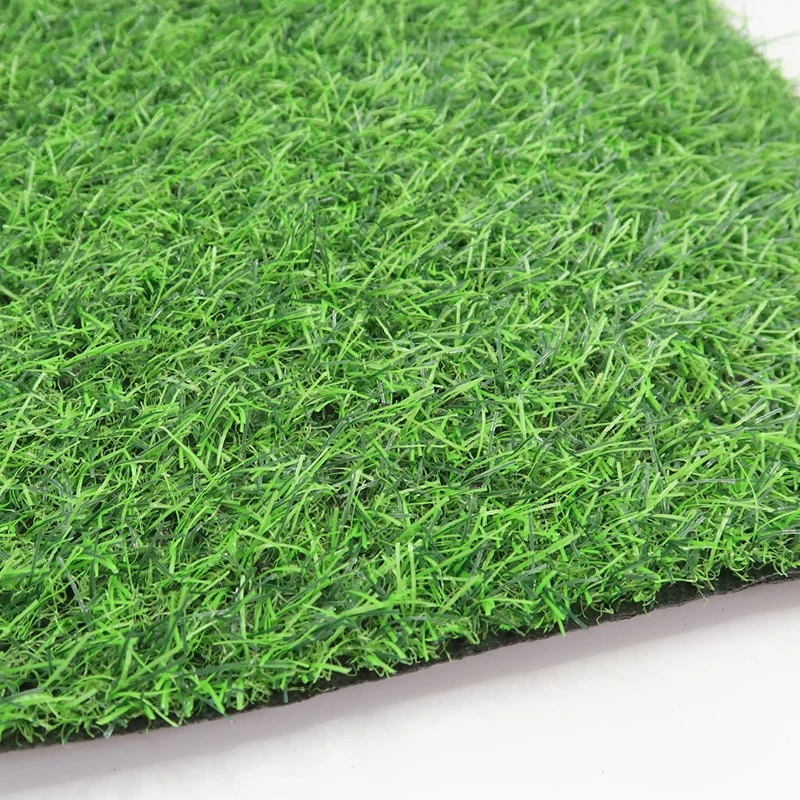
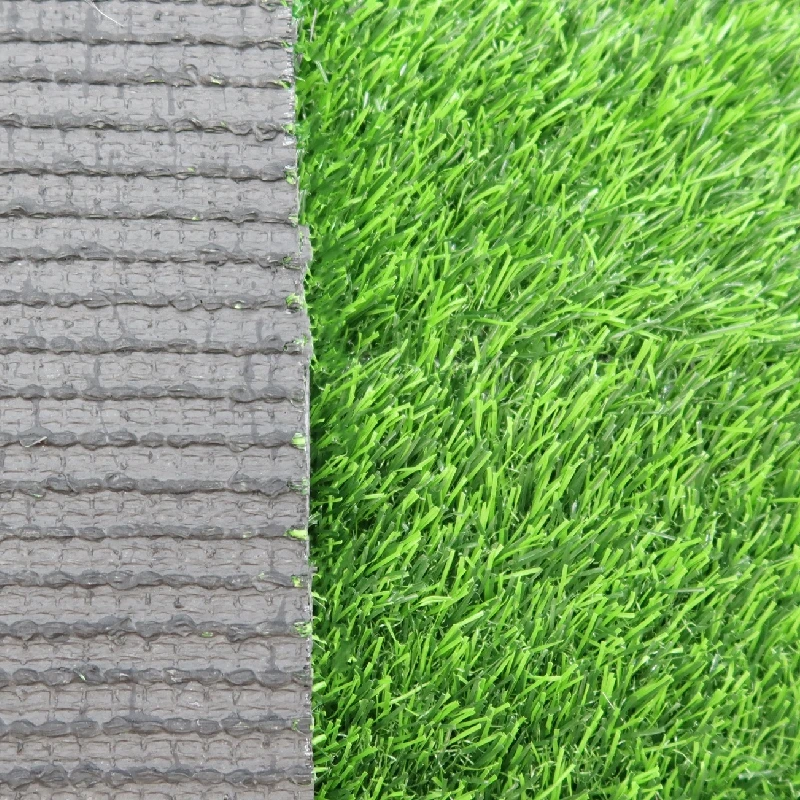
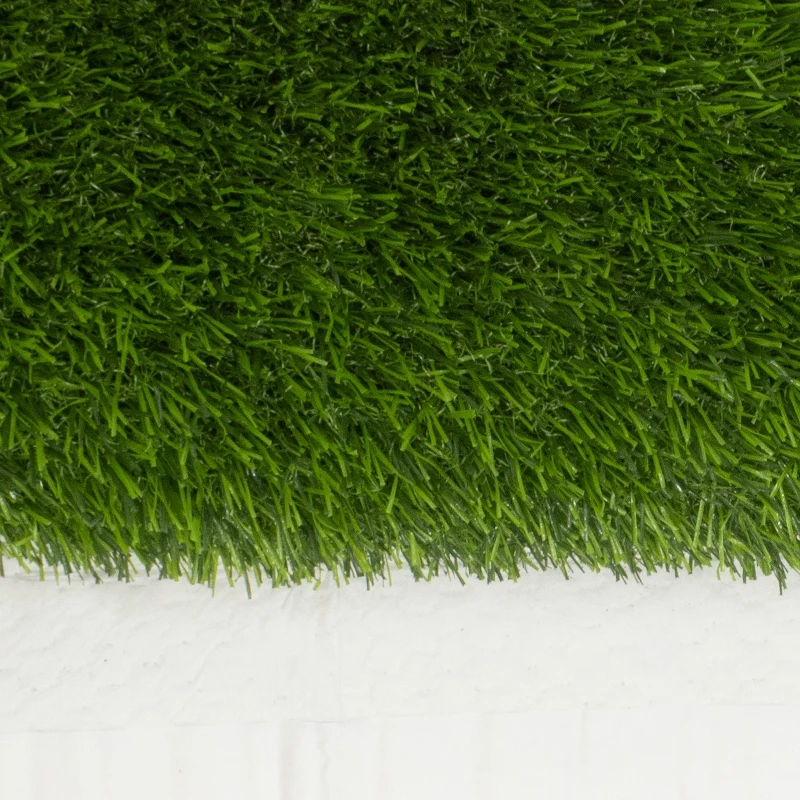
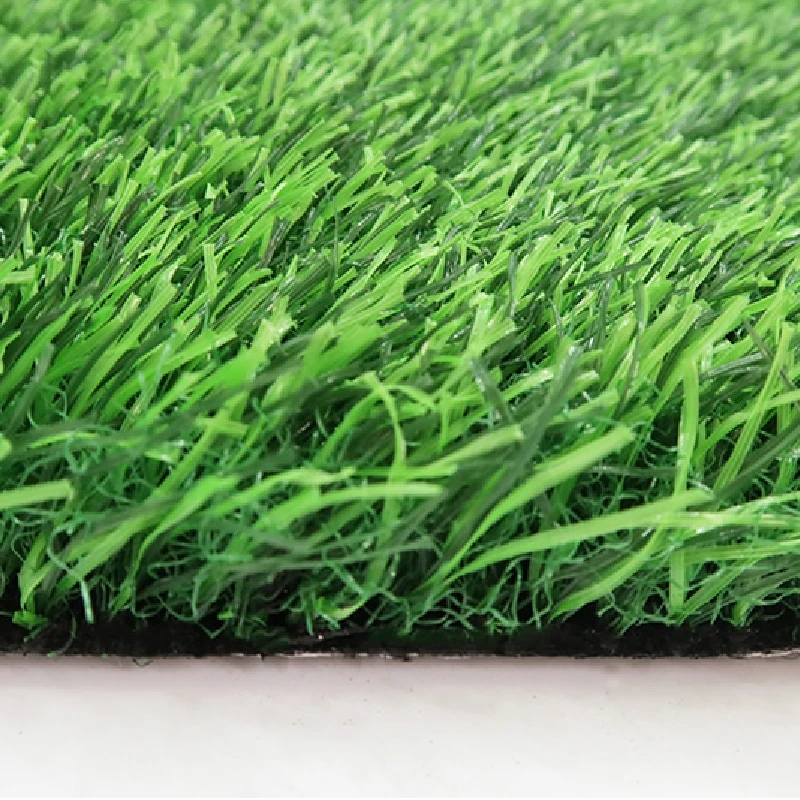
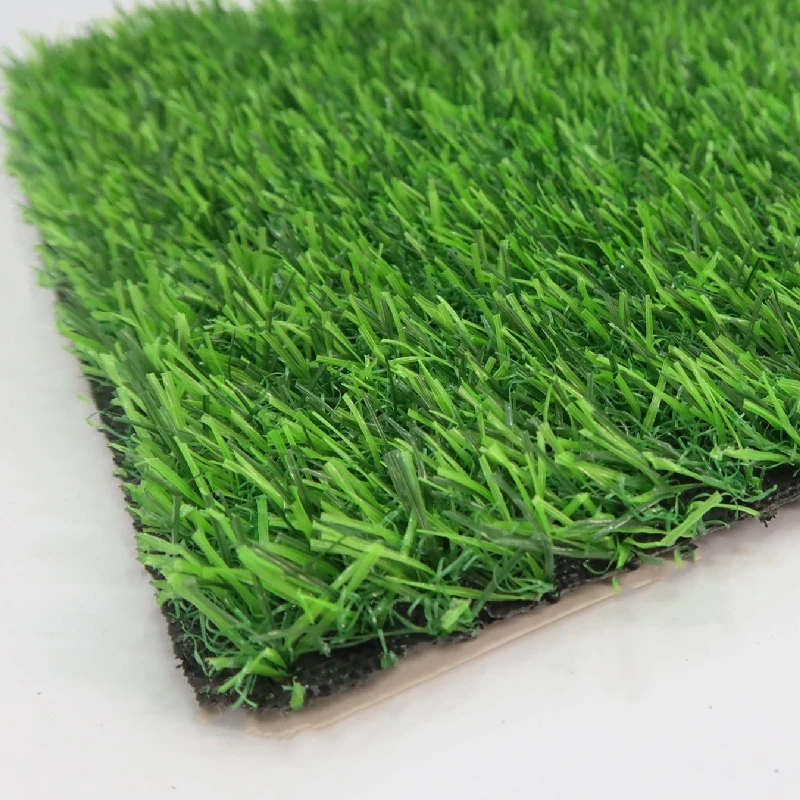
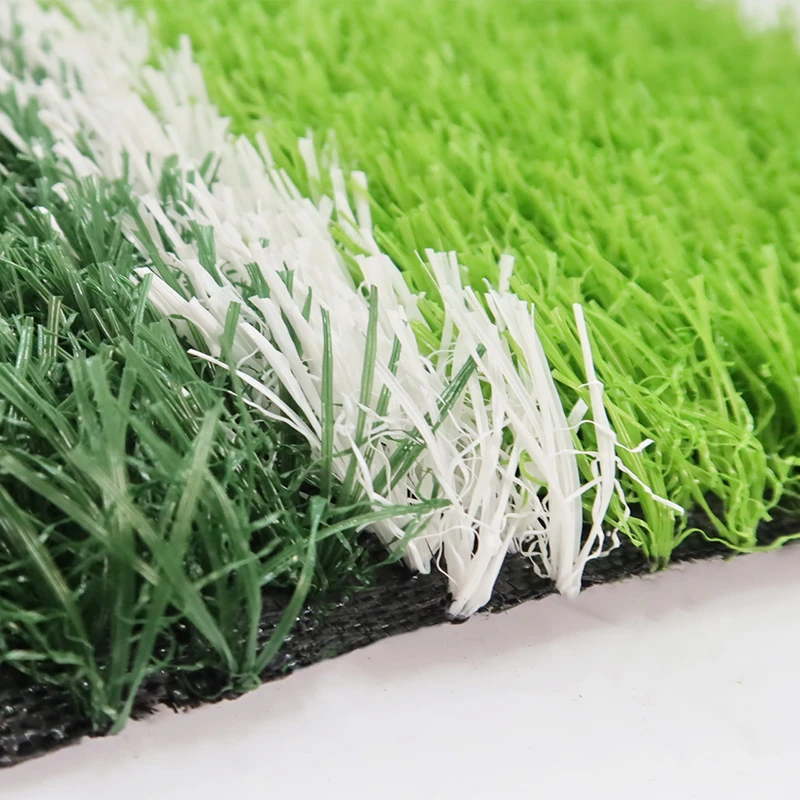
Basically, “turf over concrete” means installing natural or synthetic grass surfaces directly on top of concrete slabs or pavements without removing or breaking them up. It can involve using specialized drainage mats, root barriers, or cushioning layers to protect the grass and underlying structure.
In industrial landscaping, this means converting old parking areas or loading docks into greener zones with minimal disruption. In humanitarian camps or temporary event venues, it means swiftly providing soft ground for walking, sitting, or playing — improving comfort and aesthetics.
So, this method is not just about visual appeal but about practical, ecological, and social functions, all integrated over an otherwise harsh surface.
Mini takeaway: Turf over concrete is a smart layering technique that combines hard infrastructure with green surfaces for various real-world needs.
Core Components that Make Turf Over Concrete Work
1. Durability
Since concrete is rigid and often cracked, the turf system must protect the grass roots and surface from stress. Using shock-absorbing underlays or reinforced synthetic turf improves lifespan and usability.
2. Drainage and Water Management
Water cannot permeate concrete, so specialized drainage mats or engineered soil layers ensure proper runoff and prevent waterlogging, which can rot roots or cause pooling.
3. Installation Scalability
The ability to cover large areas quickly is critical for widespread urban projects or emergency relief. Prefabricated turf modules allow speedy, modular installation without heavy machinery.
4. Cost Efficiency
Maintaining green spaces over concrete reduces excavation and replacement costs. Also, synthetic turf options require far less water than traditional lawns — an attractive option for drought-prone regions.
5. Environmental Impact
This approach promotes sustainability by reducing urban heat, increasing carbon sequestration (even in synthetic form, by displacing heat-absorbing concrete), and enhancing mental health through greenery exposure.
| Feature | Details |
|---|---|
| Turf Type | Synthetic/Hybrid with drainage backing |
| Underlay | Shock-absorbing rubber mat, 10-20 mm thick |
| Drainage System | Perforated mat allowing surface runoff |
| Installation Time | ~2 hours per 100 sqm (modular system) |
| Expected Lifespan | 8-15 years depending on usage |
| Water Usage | Synthetic turf: minimal; Natural turf: supplemental drip irrigation |
How Turf Over Concrete Is Being Used Globally
Frankly, I’ve come across some fascinating initiatives. In Tokyo, where space is premium, rooftop gardens featuring turf over concrete are turning unused flat roofs into community parks. In Dubai’s desert metropolis, synthetic turf over concrete creates sports fields resistant to drought and high heat.
Humanitarian organizations like the UNHCR sometimes deploy turf-covered concrete pads in refugee camps to create recreational spaces without disrupting structural emergency shelters. In post-disaster zones, like after hurricanes or earthquakes, rapid turf installation over existing concrete helps restore community gathering spots and mental health support areas.
Even factories and warehouses use this method to soften large concrete yards, improving employee satisfaction without costly excavation or downtime.
Mini takeaway: Turf over concrete’s adaptability shines across regions—from high-tech cities to disaster relief camps—proving its practical value worldwide.
The Clear Benefits and Long-Term Value of Turf Over Concrete
- Cost-Effective Greening: Avoids expensive demolition and soil replacement.
- Improved Wellbeing: Access to greenery boosts mental health, reducing stress.
- Environmental Impact: Lower urban heat and better water runoff management.
- Rapid Deployment: Modular panels mean fast and low-disruption installation.
- Versatility: Suitable for parks, sports fields, industrial sites, and events.
People often underestimate how much the presence of green, even if synthetic, changes the feel of a place. It feels trustworthy, safe, welcoming — things concrete alone just doesn’t deliver.
Looking Ahead: Innovations & Trends in Turf Over Concrete
Technology keeps pushing this concept forward. We’re seeing smart turf systems incorporating embedded sensors that monitor moisture, temperature, and usage patterns, helping maintenance teams optimize irrigation and repairs. Green energy integration is also propelling rooftop turf fields using solar panels and rainwater harvesting.
Biodegradable turf backing materials, improved UV resistance, and hybrid blends of natural and synthetic fibers promise better performance and sustainability. Policy-wise, many cities now incentivize green roofs and require projects to consider geographic heat reduction — which benefits turf-over-concrete solutions.
Common Challenges and How Experts Are Solving Them
Challenges include turf degradation under heavy traffic, initial installation cost, and managing water runoff over impervious surfaces. Experts suggest:
- Using reinforced turf materials with higher durability
- Adopting modular installation to reduce labor cost and time
- Incorporating permeable layers and drainage boards under the turf
- Implementing maintenance programs that extend turf life effectively
In the end, those who invest in quality materials and design upfront tend to see better returns.
FAQ: Quick Answers About Turf Over Concrete
Q: How long does turf over concrete typically last?
A: Depending on materials and usage, synthetic turf systems last 8–15 years, sometimes longer with good maintenance. Natural turf requires more care but can thrive with proper irrigation and drainage layers.
Q: Is turf over concrete eco-friendly?
A: Synthetic turf reduces water usage drastically compared to natural grass, but it’s made from plastics. Hybrid solutions and recyclable backing materials aim to improve environmental performance. Plus, turf reduces urban heat island effects, which helps sustainability.
Q: Can turf over concrete be installed on any paved surface?
A: Most flat concrete areas are suitable. The key is assessing surface condition, drainage potential, and shading. Uneven or severely cracked concrete might require repairs before installation.
Q: How quickly can turf over concrete be installed?
A: Modular synthetic turf panels can cover hundreds of square meters within hours, minimizing disruption—ideal for events or rapid urban greening.
Wrapping It Up: Why Turf Over Concrete Makes Sense Today
Turf over concrete is a practical, cost-conscious, and environmentally savvy way to bring green space back to heavily paved areas. Whether you’re a city planner aiming to cool neighborhoods, a factory manager wanting nicer outdoor zones, or a humanitarian designing better refugee camp spaces, this method offers meaningful solutions on several fronts.
For more insights and to explore solutions tailored to your specific needs, visit https://www.hoyarngrass.com.
| Provider | Turf Types Offered | Installation Speed | Price Range ($/sqm) | Sustainability Features |
|---|---|---|---|---|
| GreenLayer Solutions | Synthetic & Hybrid | High – modular panels | 20-35 | Recyclable backing |
| UrbanGreen Carpet | Natural turf mats | Moderate – requires prep | 25-40 | Organic infills |
| EcoTurf Systems | Synthetic turf | Fast – roll-out tech | 15-30 | UV resistant, no infill |
References
Latest news
-
Creating the Perfect Fake Grass Area for Dogs Complete Guide
NewsApr.16,2026
-
Guide to Using Fake Grass and Pets for a Pet Friendly Lawn
NewsApr.09,2026
-
Fake Grass and Dogs Creating a Pet Friendly and Durable Yard
NewsApr.07,2026
-
Maintaining a Pristine Lawn with Fake Grass and Dog Wee Management Solutions
NewsApr.04,2026
-
The Ultimate Guide to Choosing the Perfect Fake Dog Grass Patch for Your Pet
NewsMar.31,2026
-
Discover the Benefits of High Quality Fake Dog Grass for Potty Training
NewsMar.28,2026
Products categories