Welcome to Hoyarn
Call Us Any Time:+86 19801805999
Email Us: info@hoyarn.cn
Understanding Turf Per Square Foot: Benefits, Applications & Industry Insights
Nov . 26, 2025 21:55 Back to list
Understanding Turf Per Square Foot: Benefits, Applications & Industry Insights
Understanding Turf Per Square Foot: Why It Matters More Than You Think
When you hear “turf per square foot,” it probably brings to mind measuring how much grass covers a lawn or sports field. But it’s actually much more than just a landscaping term. Understanding turf per square foot is critical worldwide — from environmental sustainability efforts to industrial applications and disaster relief housing. Accurately calculating and optimizing turf density and placement directly impacts costs, environmental footprint, and usability. So, getting familiar with this concept offers clear benefits across multiple industries and social causes.
Let me set the scene: With the United Nations warning that over 40% of the global population lives in urban areas (UN, 2018), maximizing green space efficiency is vital both for health and environmental balance. Turf per square foot is part of that story, helping shape how we think about green spaces, synthetic or natural, on a practical level.
The Global Context: Turf Per Square Foot and Its Growing Importance
Across the globe, we face increasing challenges related to urban density, environmental degradation, and climate change. According to World Bank data, urban land cover is expanding rapidly, sometimes at the expense of natural green spaces. Here’s where precise turf measurement matters. It informs decisions from irrigation needs, maintenance schedules, carbon sequestration estimates, and even social well-being metrics.
In practical terms, managing turf per square foot — that is, how much grass or synthetic surface covers each square foot of a site — addresses issues like:
- Water conservation amidst growing drought zones
- Reducing maintenance costs in sporting or recreational facilities
- Ensuring consistent quality for turf used in hospitals, schools, or public parks
- Optimizing turf deployment in emergency housing or temporary landing zones
And oddly enough, the consequences ripple out into economic and ecological health, so this isn’t some trivial metric. Precision here feeds innovation and sustainability goals.
What Exactly Is Turf Per Square Foot?
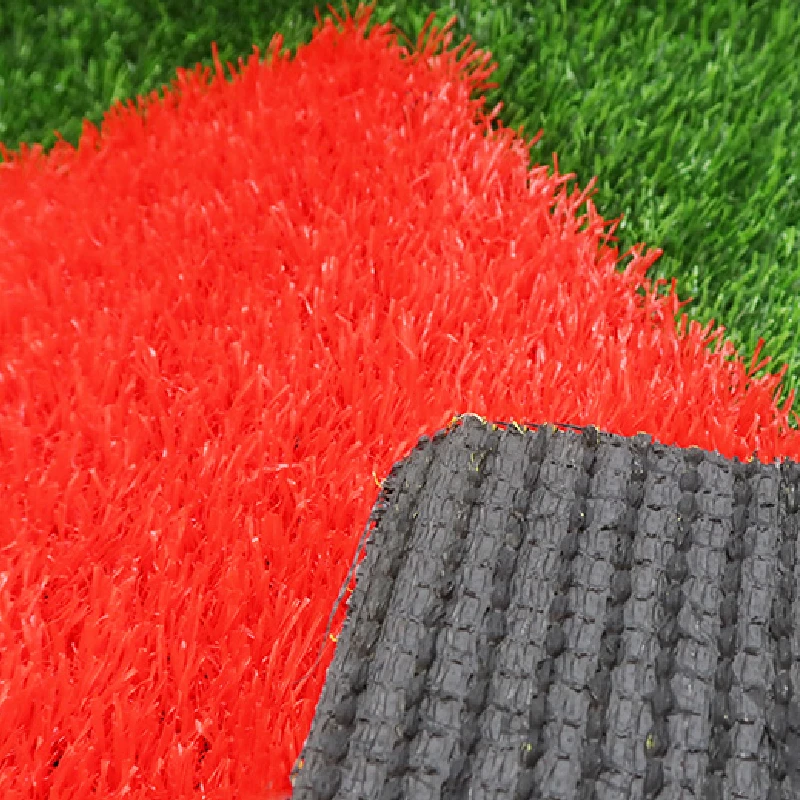
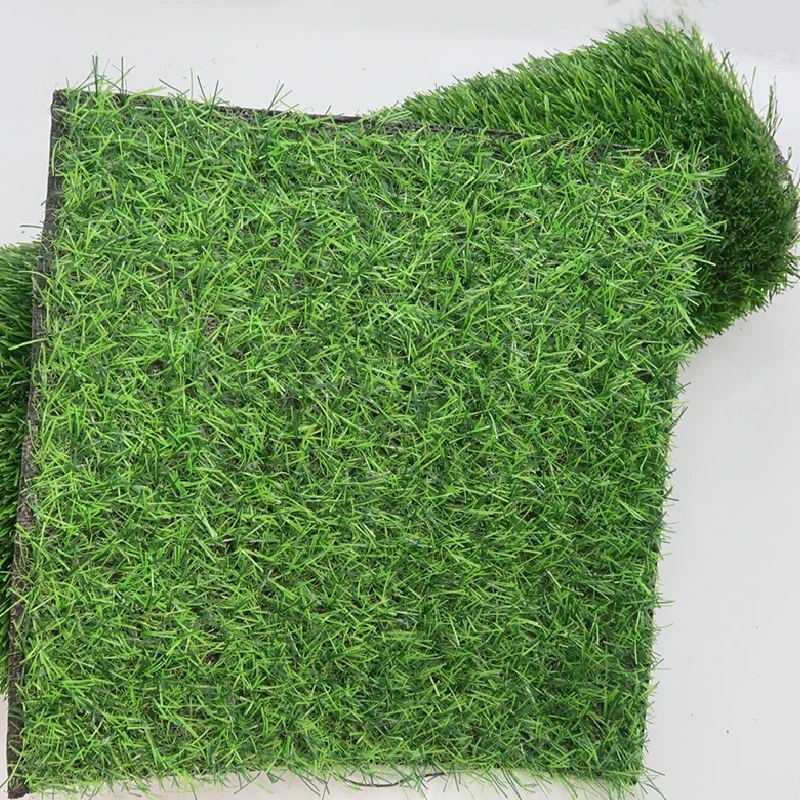
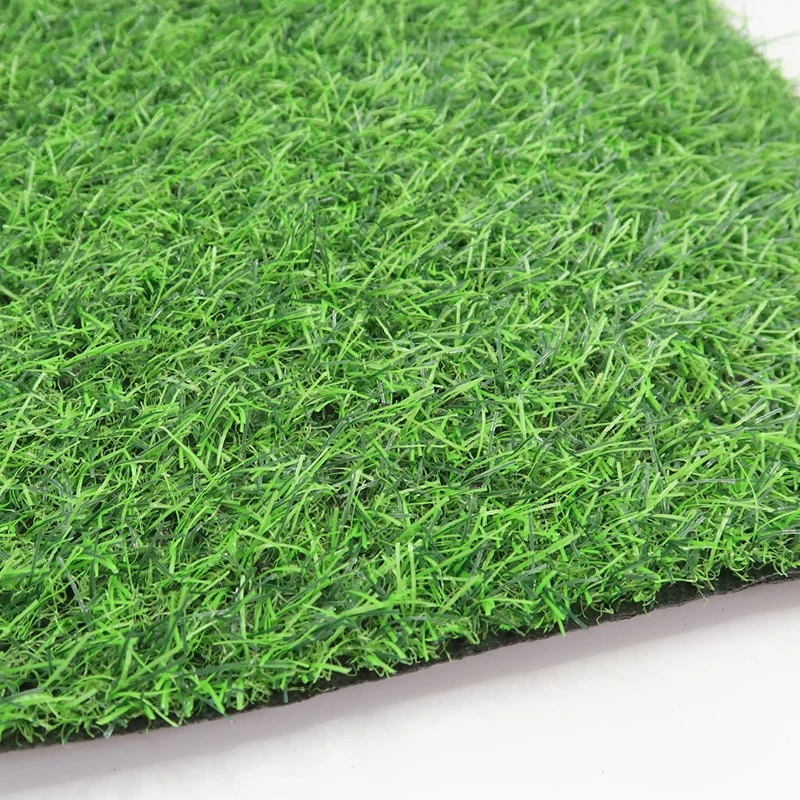
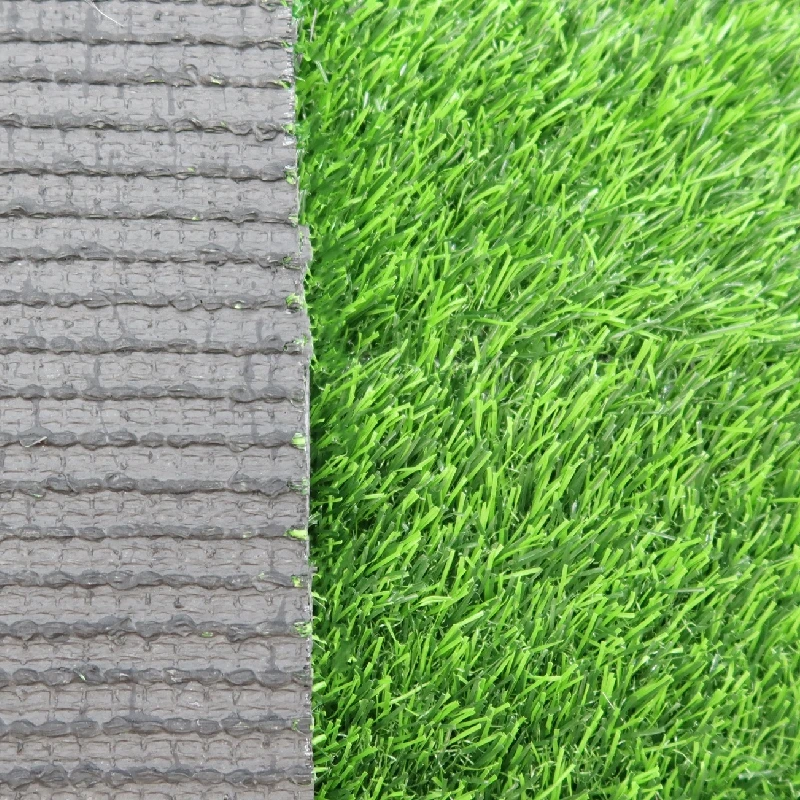
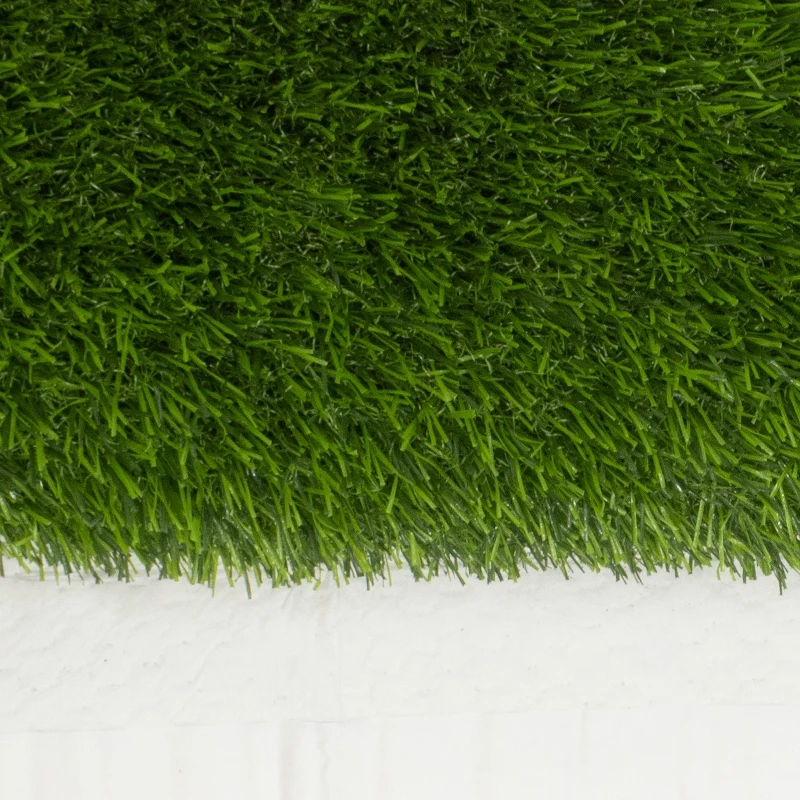
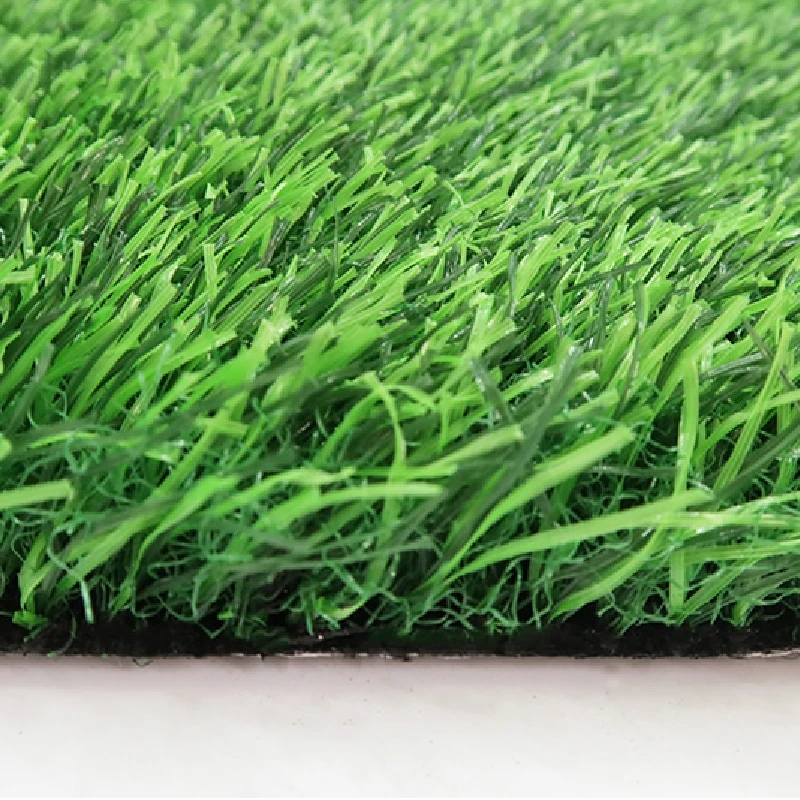
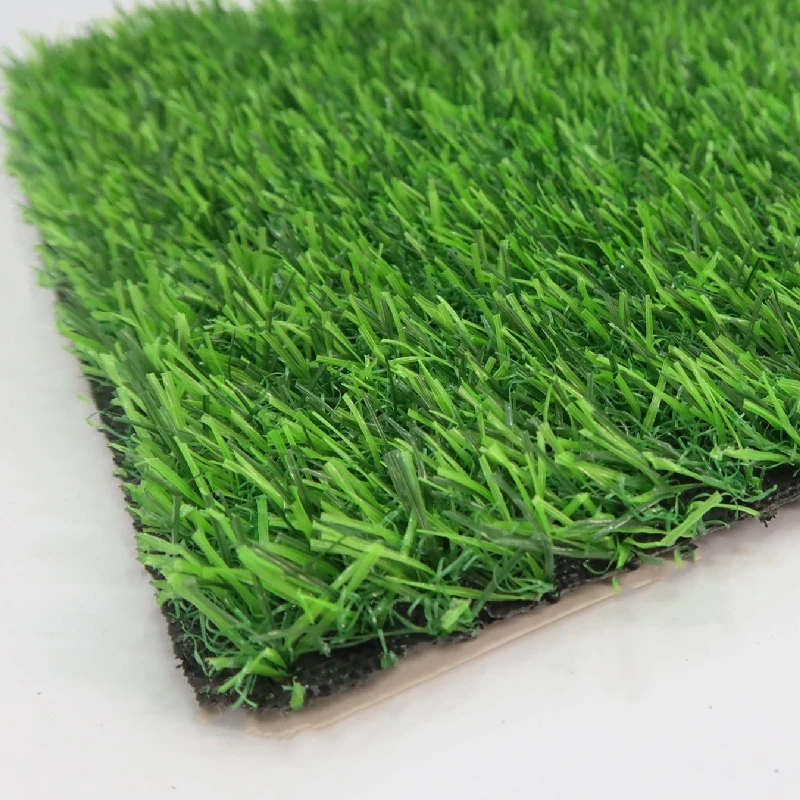
In simplest terms, turf per square foot refers to the amount (usually coverage density or weight) of turf — natural grass or artificial surface — that exists over one square foot of land. It’s a handy measurement used primarily for:
- Calculating the volume of materials needed for installation
- Estimating maintenance effort or lifespan
- Comparing quality levels across suppliers or products
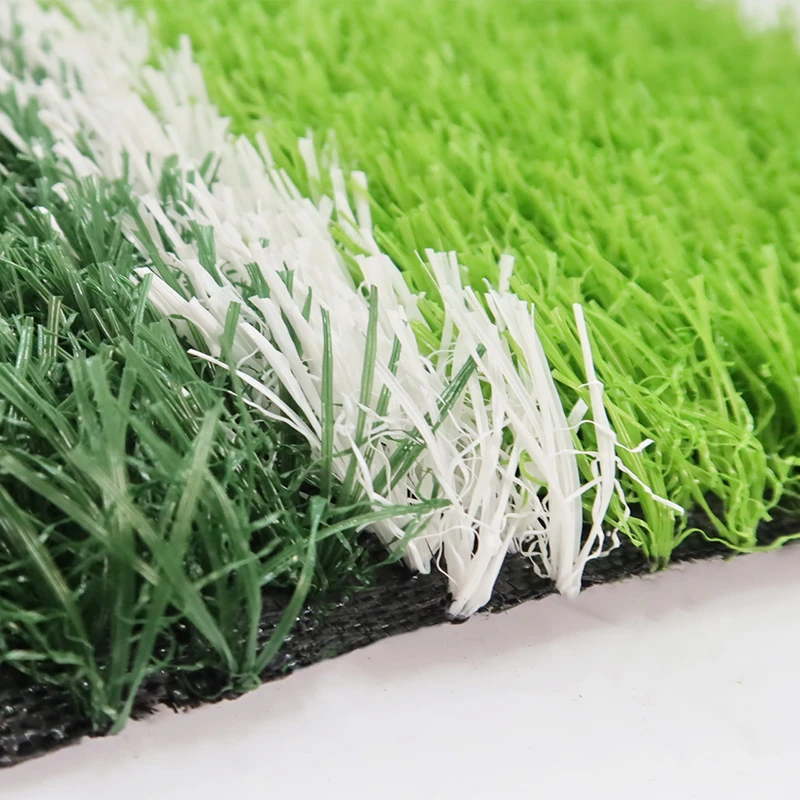
Think about sports fields: a soccer pitch with excellent resilience needs turf that maintains consistent thickness and health per square foot. Or industrial safety mats for remote zones that require durable turf calculated for every square foot to minimize wastage and maximize effectiveness.
Interestingly, as modular and containerized setups grow popular post-disaster or for remote work camps, turf per square foot isn’t just about beauty. It’s about rapid, scalable, and sustainable ground coverage solutions relevant on multiple fronts.
Core Aspects of Turf Per Square Foot
1. Durability
Durability speaks volumes. Sporadic wear and tear, weather exposure, and foot traffic all affect how much turf you need to account for per square foot. Durable turf means fewer replacements, fewer surprises, and less downtime — crucial whether on a sports field or a construction site.
2. Water Efficiency
Water usage ties directly into turf density. Denser turf, if natural, demands thoughtfully calibrated watering to avoid wastage. Synthetic turf variants often reduce irrigation needs considerably but bring questions around heat absorption and runoff. Aligning turf per square foot with water conservation strategies saves money and resources.
3. Cost Efficiency
Whether sourcing, shipping, or installing, these calculations help zero-in on cost-efficient amounts. Oversupply can blow budgets and storage capacity; undersupply leads to patchy, inconsistent surfaces that degrade quickly.
4. Scalability & Flexibility
Projects vary from tiny garden renovations to massive stadium installations. Turf per square foot measures support easy scaling — crucial for suppliers and contractors adapting to project size shifts.
5. Environmental Impact
More turf doesn’t always mean better: one has to consider carbon footprint, soil health, and eco-compatibility. Modern turf design leans heavily on reducing adverse environmental impacts per square foot while maintaining expected performance.
Mini Takeaway:
Measuring and managing turf per square foot isn’t a trivial side detail; it underpins durability, efficiency, and environmental responsibility across countless applications.
How Turf Per Square Foot Plays Out Globally: Real-World Applications
Let’s talk examples because theory’s great but real stories stick better.
- Disaster Relief Zones: After floods or hurricanes, temporary camps use modular synthetic turf laid by square footage to quickly create stable, clean ground.
- Sports & Recreation: Materials engineers calculate turf density per square foot to optimize playability on soccer fields in Europe or baseball diamonds in the US.
- Urban Greening Projects: Tokyo and Singapore prioritize green roofs and parks with precise turf measurement to maximize green coverage without overburdening water systems.
- Industrial Sites: Mining operations in Australia use turf per square foot to plan noise-absorbing ground mats and erosion prevention layers.
Without precise turf per square foot data, these projects risk inefficiencies — waste, cost overruns, or environmental damage.
Advantages & Long-Term Value of Optimized Turf Measurement
Why bother? Because good turf management brings multiple dividends:
- Cost Savings: Knowing exactly how much turf you need avoids overspending.
- Sustainability: Less water, less waste, better environmental stewardship.
- Social Impact: Safer, better-maintained public and private spaces uplift communities.
- Reliability & Trust: Clients and end-users get durable, consistent surfaces.
On the emotional side, there’s something reassuring about a well-maintained green space. Turf’s vibrancy signals care and professionalism — it’s trust in grass, literally. And letting innovation in turf design play into this mix can foster hope in greener futures.
Emerging Trends in Turf Per Square Foot
Smart technology is creeping its way in. Sensors embedded in turf monitor moisture and wear per square foot, letting groundskeepers automate watering and repairs. Digital turf metrics are now a growing niche. Plus, materials are evolving toward recycled plastics, hybrid natural-synthetic blends, and low-carbon manufacturing processes.
Automation in installation — robotic layer laying — ensures precise coverage and density, cutting deployment time. Policies in many countries increasingly incentivize greener, water-smart turf designs, pushing the market toward next-gen solutions.
Challenges and Solutions
Challenges? Plenty. Accurate turf per square foot measurement can be tricky where landscaping isn’t flat or uniform. Weather extremes mess with turf durability, and local regulations sometimes limit synthetic turf use due to heat concerns.
Experts recommend integrated planning: combining drone mapping with soil and moisture analysis to refine turf estimates. Early adoption of modular turf panels simplifies deployment and maintenance in difficult terrains.
Product Specification Table: Typical Synthetic Turf Roll
| Specification | Details |
|---|---|
| Roll Width | 15 ft (approx. 4.57 m) |
| Roll Length | 65 ft (approx. 19.8 m) |
| Pile Height | 1.5 inches (approx. 38 mm) |
| Weight per Sq Ft | 0.75 lb/sq ft (approx. 3.7 kg/m²) |
| Material | Polyethylene with UV stabilizers |
| Drainage Rate | 35 inches/hour |
Vendor Comparison: Turf Suppliers
| Vendor | Price per Sq Ft ($) | Material Quality | Lead Time (days) | Eco-Certification |
|---|---|---|---|---|
| GreenFiber Ltd. | $2.40 | High | 10 | ISO 14001 |
| EcoTurf Solutions | $2.75 | Medium | 7 | LEED Certified |
| TurfMax Pro | $1.90 | Medium | 14 | None |
Frequently Asked Questions About Turf Per Square Foot
Q1: How do I calculate turf needed for an irregularly shaped lawn?
A1: Break the lawn into simpler shapes (rectangles, triangles), measure their areas individually, then sum them for total square footage. Multiply by turf density (weight or coverage per square foot) to estimate material needed.
Q2: Is artificial turf measured the same way as natural turf?
A2: Yes, turf per square foot generally applies to both. But keep in mind artificial turf specs include material weight and pile height, which impact installation and durability differently than natural grass.
Q3: Can turf per square foot figures help reduce water usage?
A3: Absolutely. Knowing turf density helps tailor irrigation — ensuring you water sufficiently without waste. Synthetic turf reduces water needs drastically but requires other maintenance considerations.
Q4: How long does a quality synthetic turf typically last?
A4: With proper maintenance, synthetic turf can last 8–15 years, depending on traffic and weather. Higher turf density per square foot usually correlates with longer durability.
Q5: Are there sustainable turf options that balance durability and eco-friendliness?
A5: Yes, suppliers are innovating turf blends containing recycled plastics, organic infills, and using manufacturing processes aiming for lower carbon footprints, balancing durability and sustainability.
Conclusion: Why Knowing Turf Per Square Foot Pays Off
Whether you’re an industry pro, an urban planner, or even just a passionate homeowner, understanding turf per square foot gives you a powerful edge. It’s about improving efficiency, supporting sustainability, saving money, and ultimately contributing to healthier spaces that millions rely on every day.
Curious about optimizing turf coverage for your project? Head over to turf per square foot solutions and explore your options. There’s a whole world of turf science waiting for you, and it’s not just about grass.
References
Latest news
-
Creating the Perfect Fake Grass Area for Dogs Complete Guide
NewsApr.16,2026
-
Guide to Using Fake Grass and Pets for a Pet Friendly Lawn
NewsApr.09,2026
-
Fake Grass and Dogs Creating a Pet Friendly and Durable Yard
NewsApr.07,2026
-
Maintaining a Pristine Lawn with Fake Grass and Dog Wee Management Solutions
NewsApr.04,2026
-
The Ultimate Guide to Choosing the Perfect Fake Dog Grass Patch for Your Pet
NewsMar.31,2026
-
Discover the Benefits of High Quality Fake Dog Grass for Potty Training
NewsMar.28,2026
Products categories